She’s treading this well-worn path as a former folk singer whose songwriting has incorporated eclectic new wrinkles since adopting her stage moniker in 2008.
The Dubuque, Iowa native was raised around music due in part to the influence of her grandmother, a piano teacher. By her teenage years, Sprengelmeyer was performing original compositions and David Bowie covers at local cafes. She moved to Montreal in 2001, shunning small-town life for the blossoming indie rock scene that begat friends, collaborators, and label mates Arcade Fire.
In May, 2016 Sprengelmeyer made her boldest creative statement yet with Cult Following, her Merge Records debut and second album under the Little Scream moniker. The album blends her folk storyteller roots with occasional bursts of danceable synth-pop, classic prog rock, and beautifully placed baroque pop piano arrangements. To some listeners, it’s a blend of familiar influences seeped through a modern indie rock filter. But if you ask Sprengelmeyer, she’s simply a guitarist who’s just unleashed a set of guitar-driven songs on the masses.
Sprengelmeyer recently chatted with She Shreds about her evolution from an emotive folk singer to an unpredictable creative force.
She Shreds: The beginning of your story, as far as most fans know it, has you knowing, and collaborating with the Arcade Fire, the National, and bands like that before emerging in your own right as Little Scream. Did you meet some of those folks early on, or did you have to stick your neck out there as a performer to make those connections?
Laurel Sprengelmeyer: I definitely met members of Bell Orchestre, who some of the members of Arcade Fire are in. I had met those guys through mutual friends early on, kind of before Arcade Fire started. That was probably the main connection that I had there. I was in an all-girl band in Montreal for a while. We did our first show for a trans guy’s surgery benefit concert. It was a bit performance arty and campy, but people loved it so we kept doing that for a couple of years.
That’s how I started playing music in Montreal, although it was a little more on the performance art side of things. As soon as we started to do that, I had all these songs I’d written over the years and wanted to get back to doing the solo thing I’d done before. That’s when I started up as Little Scream.
Are you Little Scream or is your band Little Scream?
I’m Little Scream because the band I have changes all the time. I like that the title leaves enough ambiguity to include the group I play with, no matter who that might be at the time. It’s important to me, ethically speaking, that people have a sense of ownership. But I also play solo sometimes. I think there’s just been ambiguity with how people write about it. But I’m Little Scream. That’s the shortest answer.
You’ve gone from raw, intimate solo performances to playing with a full band. Was that rawness early on out of necessity because it was just you, or was that just the musical vision you had at the time?
It was a combination of both. At that time, I was really into raw emotiveness and felt that if people didn’t cry at my shows, I hadn’t done my job right. That’s where I was at emotionally in my life, so that’s what I had to express.
Did you have in mind then to expand, have a band, and make things more layered?
A part of my vocal style then was to sing the other instruments I’d heard as I was playing. When I got to record, a lot of those instrumental parts stayed as vocal parts. I was always imagining the things that’d fill out the space around what I was doing while still focusing on the directness of the message of my solo music.
With the new album, your music takes on board the different steps of your musical history you’ve described. It’s got some folk elements and it’s got the elements of someone who can play piano and the other things you learned as a child. But then you have the rock and synth elements and everything else. Is this just a pastiche of what you’ve learned along the way?
I don’t think of it as a pastiche so much. I’m surprised we still have this conversation in this day and age when the White Album came out, I don’t know, how many years ago? The White Album goes from a really gentle folk song to a really heavy rock song. That’s been a thing, especially in classic rock records for quite some time. Sometimes I think it’s because of the pressure to market music at this point. The insistence that you do this one thing so people can sell it, you know? I feel like guitar is a genre, and that’s the genre I play. Guitar goes from the folky stuff to the rocky stuff.
Do you primarily enjoy the live and touring aspects of what you do, or do you prefer creating songs in the studio?
Part of the reason it takes me a long time to do things is I love the studio. I love creating and working on stuff. I love working on stuff probably more than finishing it. It’s a funny thing because when I’m not touring, I kind of dread it. Once I’m on the road after day one I’m like, “this is awesome. Let’s go!” Sometimes your best comes out when you have to keep performing on a high level. Performing used to make me so nervous, but now I’ve gotten to a point where I love it. I love digging in and getting better and playing music with people.
I know it sounds funny because I’m always playing music, but it’s a thing where sometimes you’re just getting through it and there’s another level where you really experience something else while you play. That’s when you can really sink in and get past your nerves and past all the other things. That’s gratifying and feels really great. The irony of being on tour is you only spend ten percent of your time playing, but that ten percent is awesome.
“We’ve been working with Jenn for about ten years,” says Penny Haas, who co-owns Reverend with her husband Ken Haas. “She plays our Charger HB and Jetstream HB models in her various projects: Wye Oak, Flock of Dimes, Dungeonesse. Jenn asked us to make a guitar to match her stage outfit for her upcoming release with her solo project Flock of Dimes, and Ken thought it would be a great way to do a Signature Model for her—she was always on the short-list [of prospective collaborators], it was just a matter of finding the right project.”
Based in Toledo, Ohio, Reverend Guitars has developed signature instruments for a number of musicians Kenn describes as having “crazy talented, but totally original voices” including legends like The Stooges’ guitarist Ron Asheton, Cure guitarist Reeves Gabrels, and bassist Meshell Ndegeocello (who donated one of her signature Fellowship basses to the soon-to-be-opened National Museum of African American History and Culture). The process typically starts with Reverend approaching the artist collaborating on their ideal instrument. “What we want to do is to make the actual instrument that the artist is going to tour with,” Ken said.
The Jenn Wasner Signature Guitar came about from a different direction. Though she had asked for a custom instrument, she hadn’t anticipated that her request would inspire something more. “Once we go through the work to put the pattern on the guitar, why make just one? Why not offer it to her fans, too?” Ken.said.
He approached Wasner with the idea, and while she had some mixed feelings about the concept of her own signature instrument, she ultimately chose to go ahead with the project.
“I couldn’t pass up an opportunity to contribute to normalizing the image of someone who looks like me playing this or any instrument — not as a novelty, or an accessory, but as a tool to create exactly as I see fit,” wrote Wasner in an statement she published on Medium.
The Jenn Wasner signature guitar is similar to the Charger HB that she has been playing for years. It features a Korina body, a maple bolt-on neck, and Reverend’s Special H Humbuckers among other elements.
The distinctive black-and-white pattern across the guitar, dubbed “Optic Interruption,” was created in collaboration with Baltimore-based textile artist April Camlin, who designed the jumpsuit Wasner wears onstage. At Reverend, guitar designer and company founder Joe Naylor and his daughter Lindsey Naylor (“a fantastic graphic designer in her own right,” Haas said) adapted the design for the face of the guitar. The sides and back of the instrument are in Midnight Black, which further highlights the pattern’s vivid look.
The Reverend Jenn Wasner Signature will be available for purchase in August. Find out more about the instrument here.
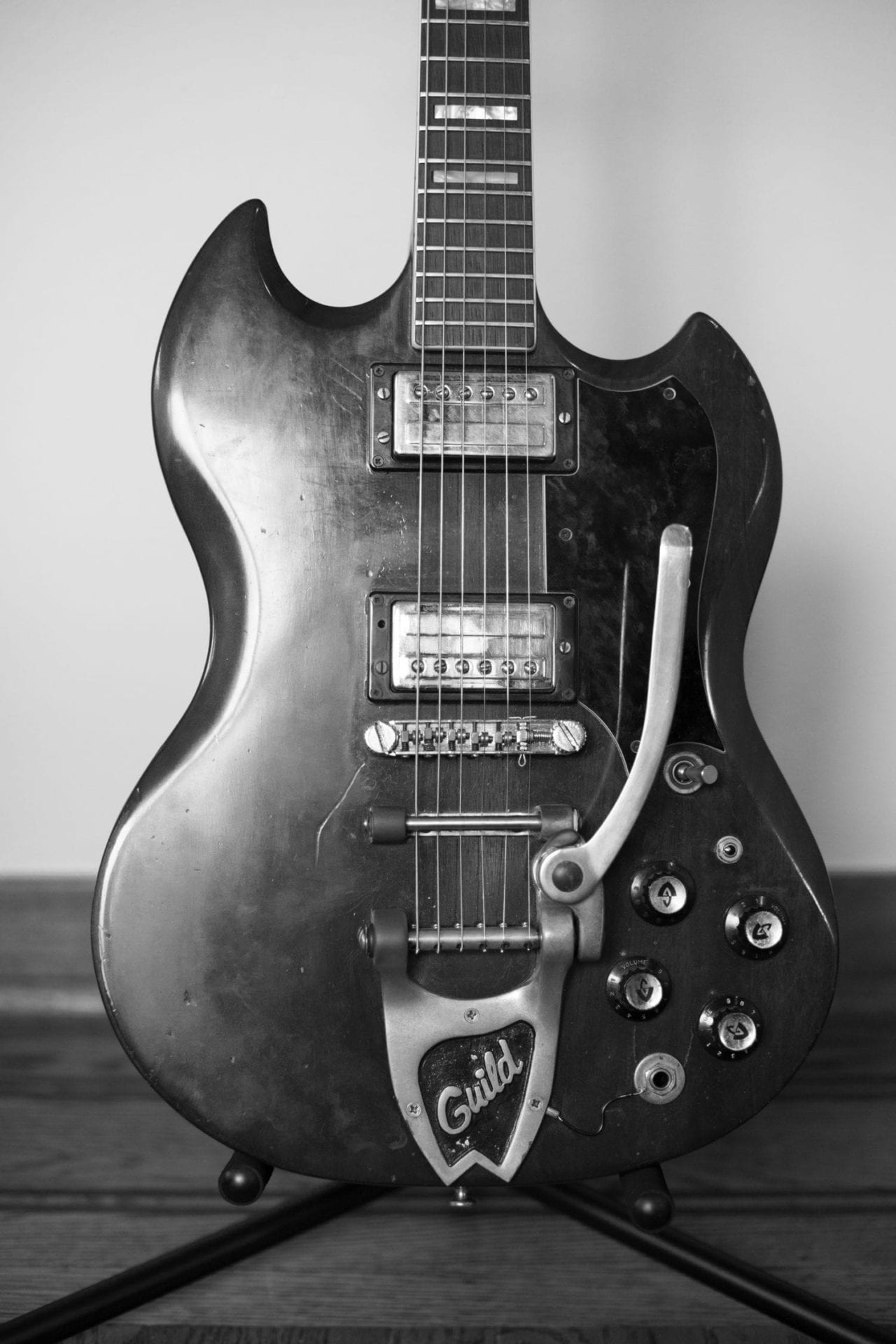
On Saturday, June 25th 2016, She Shreds hosted a workshop in Portland, Oregon that taught you how to set up and maintain your guitar. An essential follow-up to these lessons is the restoration process. Over time, you may have noticed that your guitar isn’t looking as bright and youthful as it once did. If you play regularly, it doesn’t take long for the natural oils and dirt from your hands to start to collect on your instrument. You’ll notice that the fretboard wood has started to look dry, grime is collecting around the frets, and the pickups don’t shine like they used to—it’s easy for these conditions to sneak up on you! With a little TLC and two to three hours to spare, your guitar can look as good as it did the day you bought it.
Why Should I Restore?
While restoring your guitar may seem purely aesthetic, maintaining the cleanliness of your instrument can greatly prolong its life. Guitars are primarily made from wood, which can dry and crack over time. Regular maintenance can keep the wood in the best shape possible and reduce the risk of discoloration and cracks. Keeping your frets free of corrosion will also keep your string bends nice and smooth.
When Should I Restore?
There is no hard and fast rule for how often you should clean and condition your guitar, and it depends on how often you play. A couple times a year is a good suggestion, and it’s easiest to do when you change your strings.

These instructions use Dunlop’s line of cleaning products. There are many product lines that offer great alternatives.
** Tip! Take before and after photos! You’ll be amazed how nicely your guitar cleans up and you’ll want to show off your work!
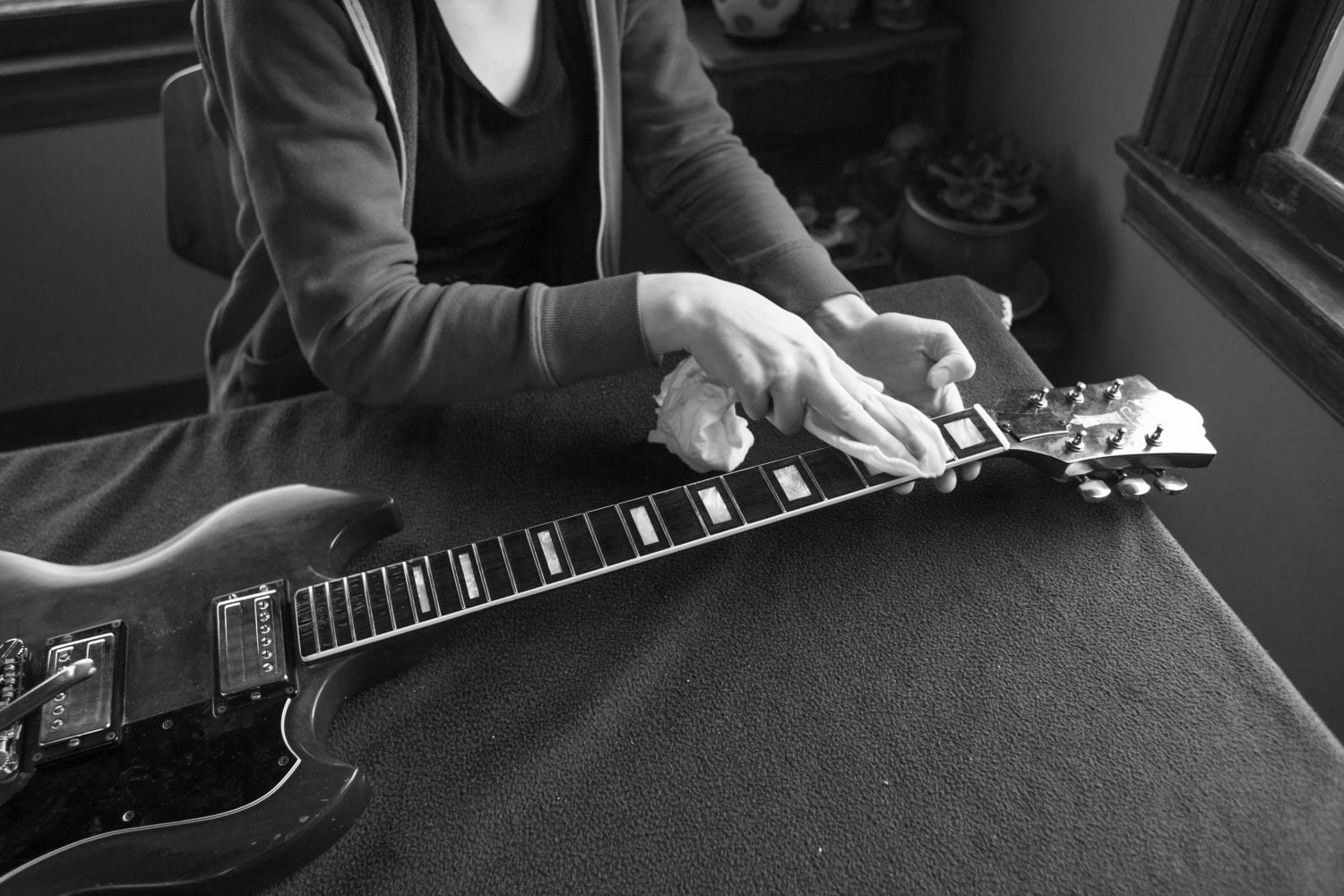
1. Remove your guitar strings.
2. Tape the fretboard with painter’s tape leaving the frets exposed, but fully covering the wood to protect it while you polish the frets. This can get tough on the high frets once the tape is wider than the space between the frets. If the tape is too wide, cut it in half lengthwise to fit.
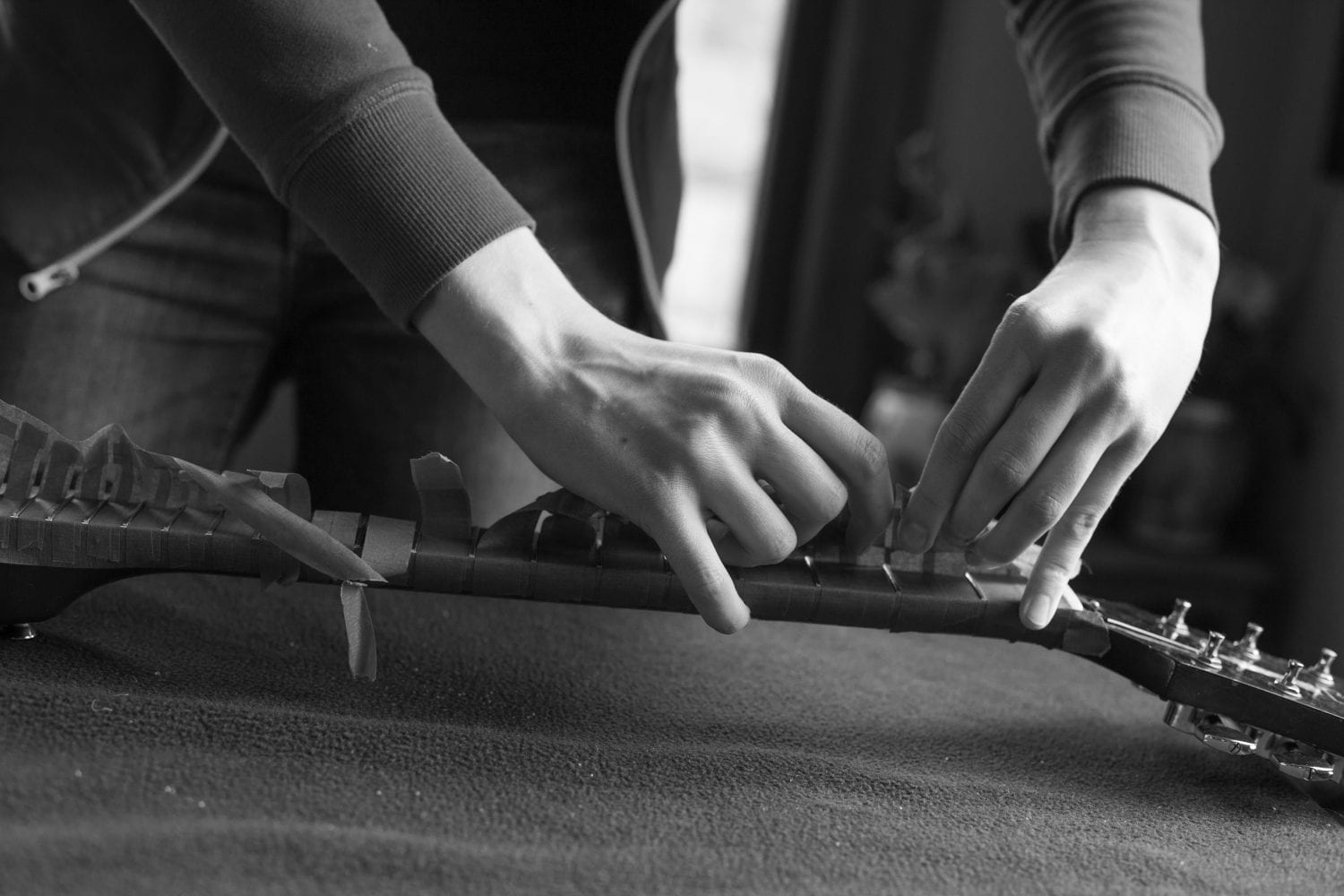
** Tip! Before you start taping across the fretboard, put a strip of tape along each side of the neck from the headstock to the body. When you remove the tape later, you can start from this long strip of tape and remove it all at once!
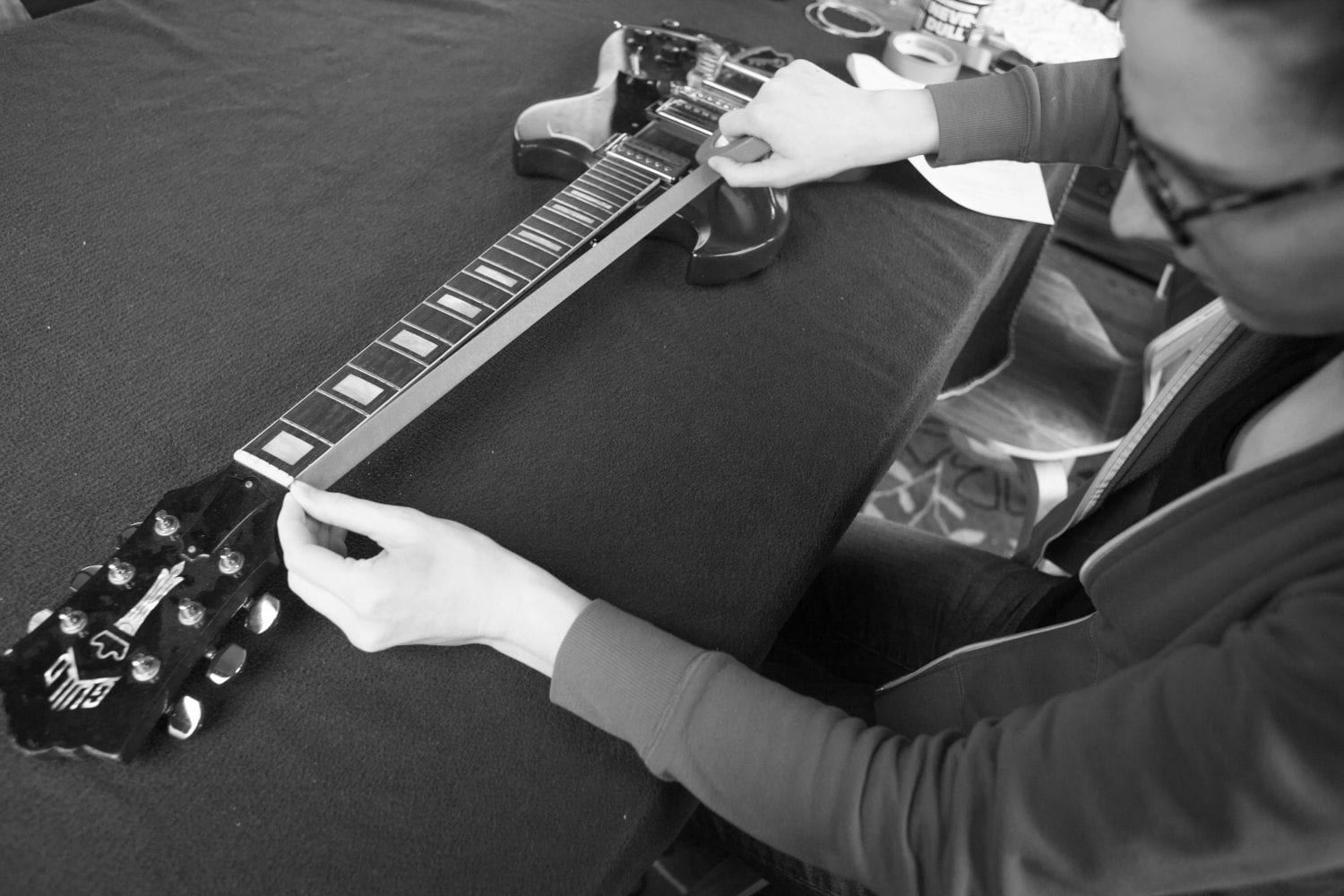
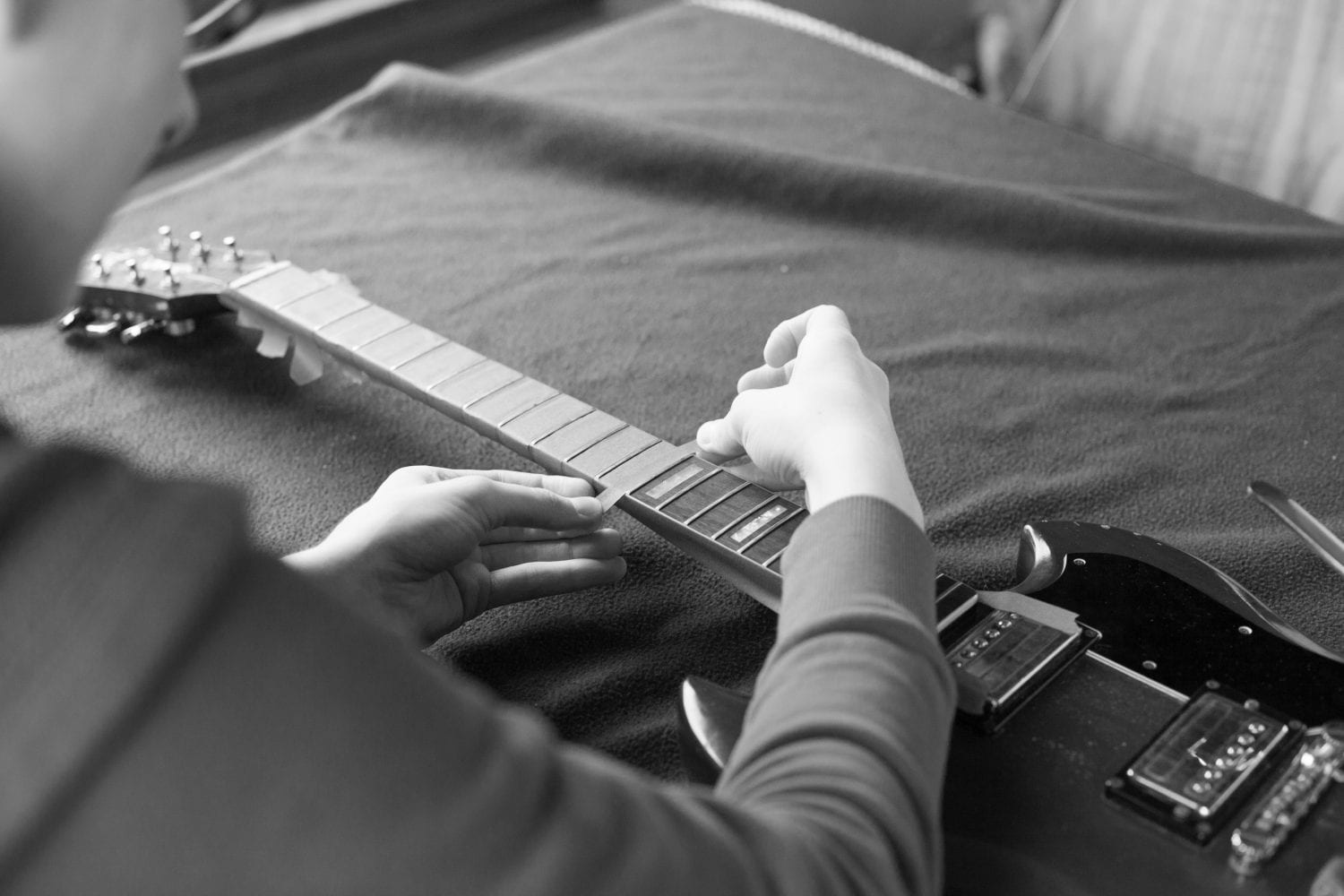
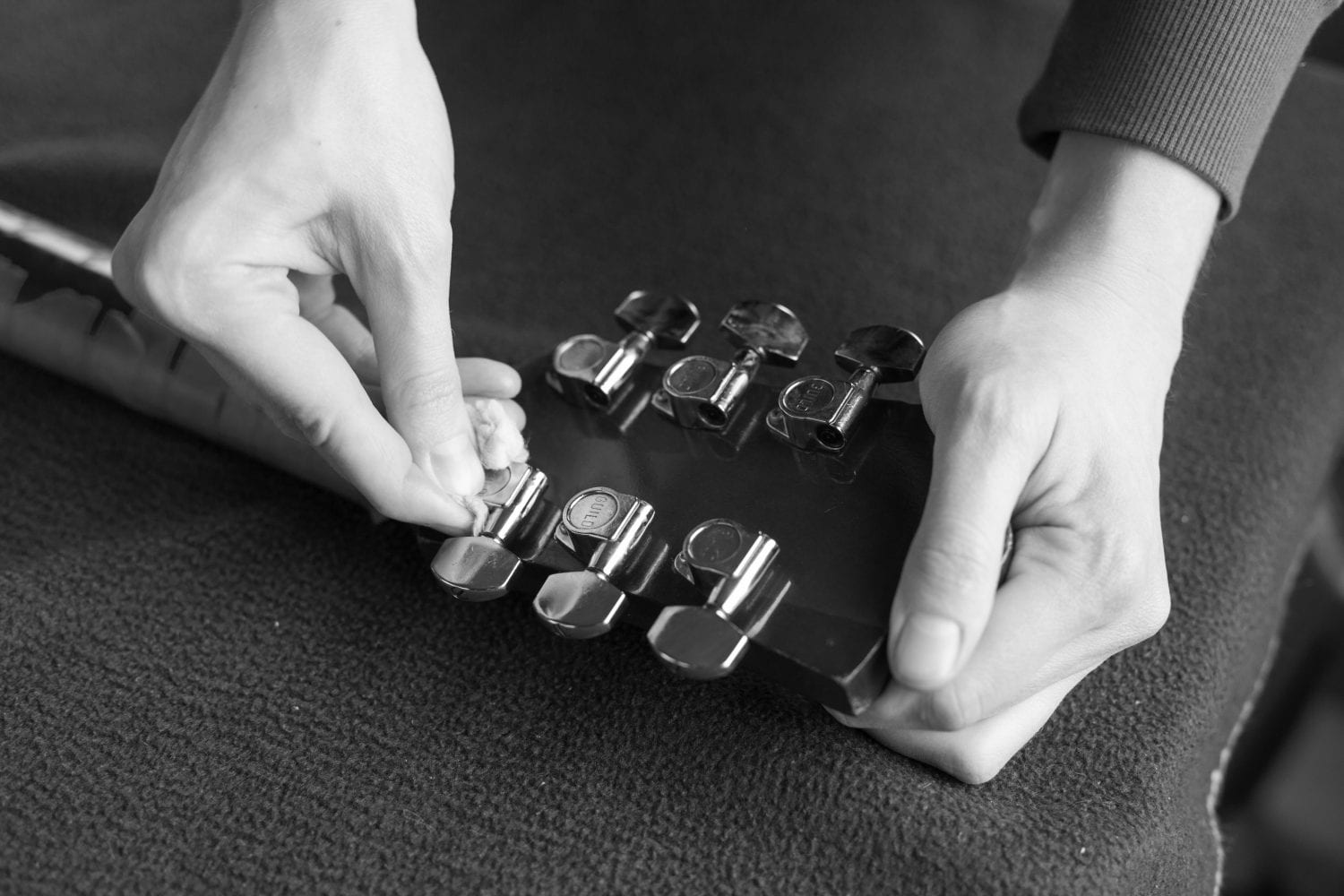
3. Rub the frets and other metal material (tuning knobs, pickup covers, etc) with a small wad of Nevr-dull to remove corrosion. Once applied, polish off with a dry, lint-free cloth.
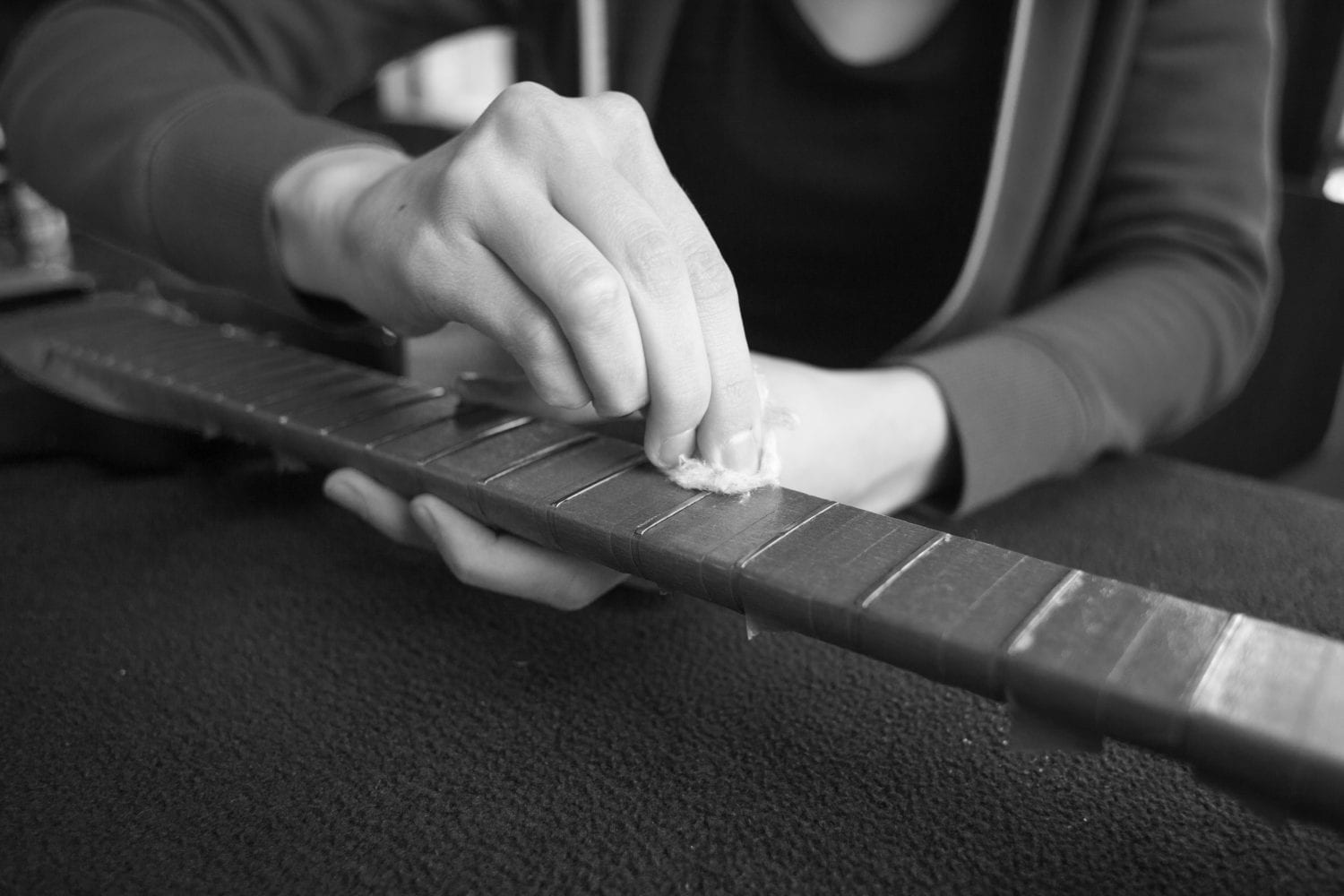
4. Carefully remove the painter’s tape.
For Finished Wood Fretboards (e.g. Maple)
1. Gently wipe down the fretboard with a clean, damp cloth.
For Unfinished Wood Fretboards (e.g. Rosewood)
** These steps will make a HUGE difference in the beauty of your guitar!
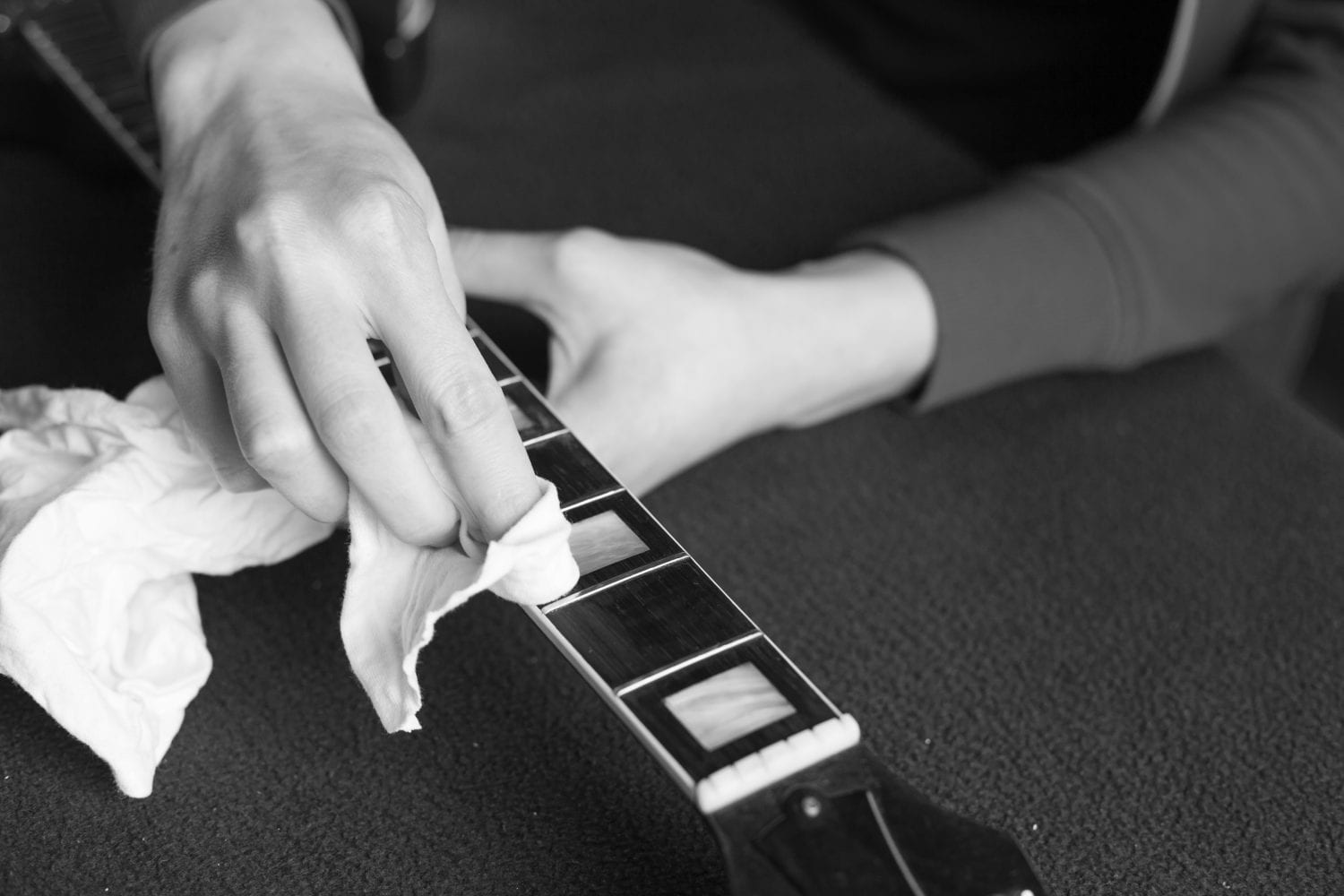
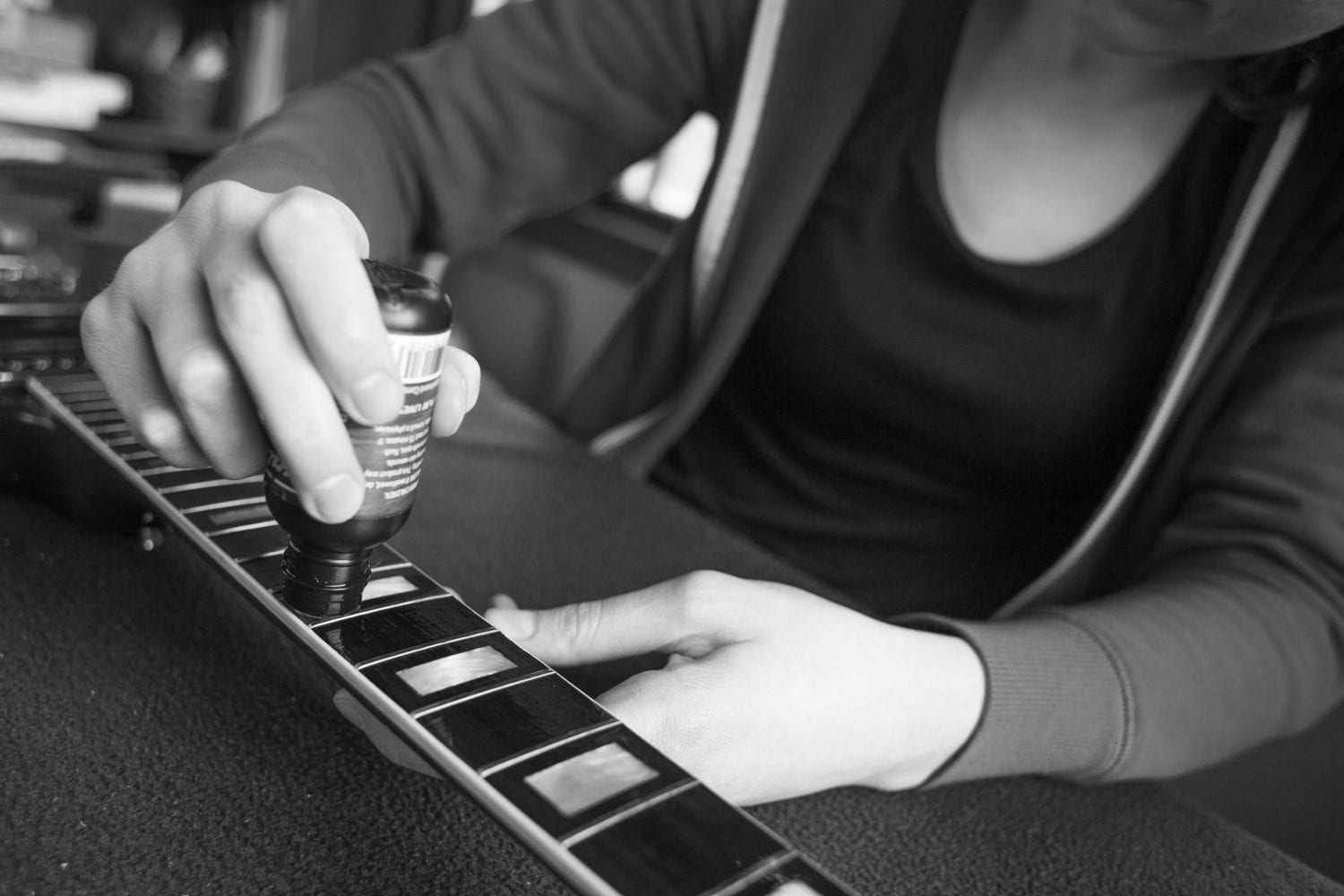
1. Apply Dunlop 01 Cleaner & Prep to a dry, lint-free cloth and use it to gently clean the fretboard. You may need to do this a few times in heavily soiled areas (e.g. right around the frets).
2. Using the dry, lint-free cloth, apply Dunlop 02 Deep Conditioner to the fretboard. After applying to the entire fretboard, wipe away the excess oil with another dry end of the cloth.
If your guitar has a glossy finish:
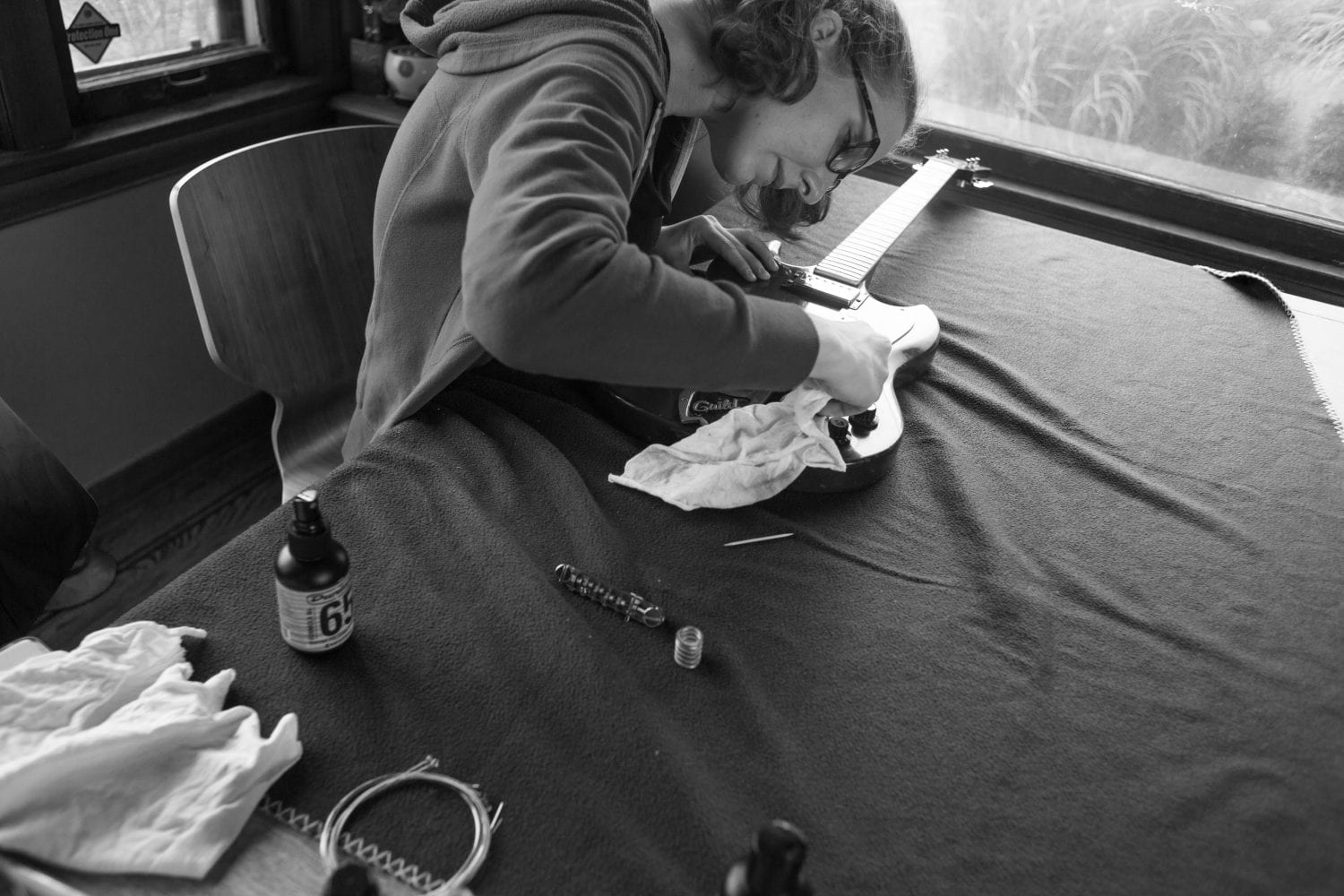
1. Apply Dunlop Formula No. 65 Guitar Polish & Cleaner to a dry, lint-free cloth and gently wipe down the body, back of neck, and headstock of your guitar.** Tip! A little bit goes a long way! Don’t over apply as it can become difficult to remove if applied in excess.
2. Apply a small amount of carnauba wax to a dry, lint-free cloth and apply to the guitar finish in small circular motions.

3. Allow the wax to dry. This usually takes about 30 seconds.
4. Remove the wax with a dry, lint-free cloth by polishing in a circular motion.
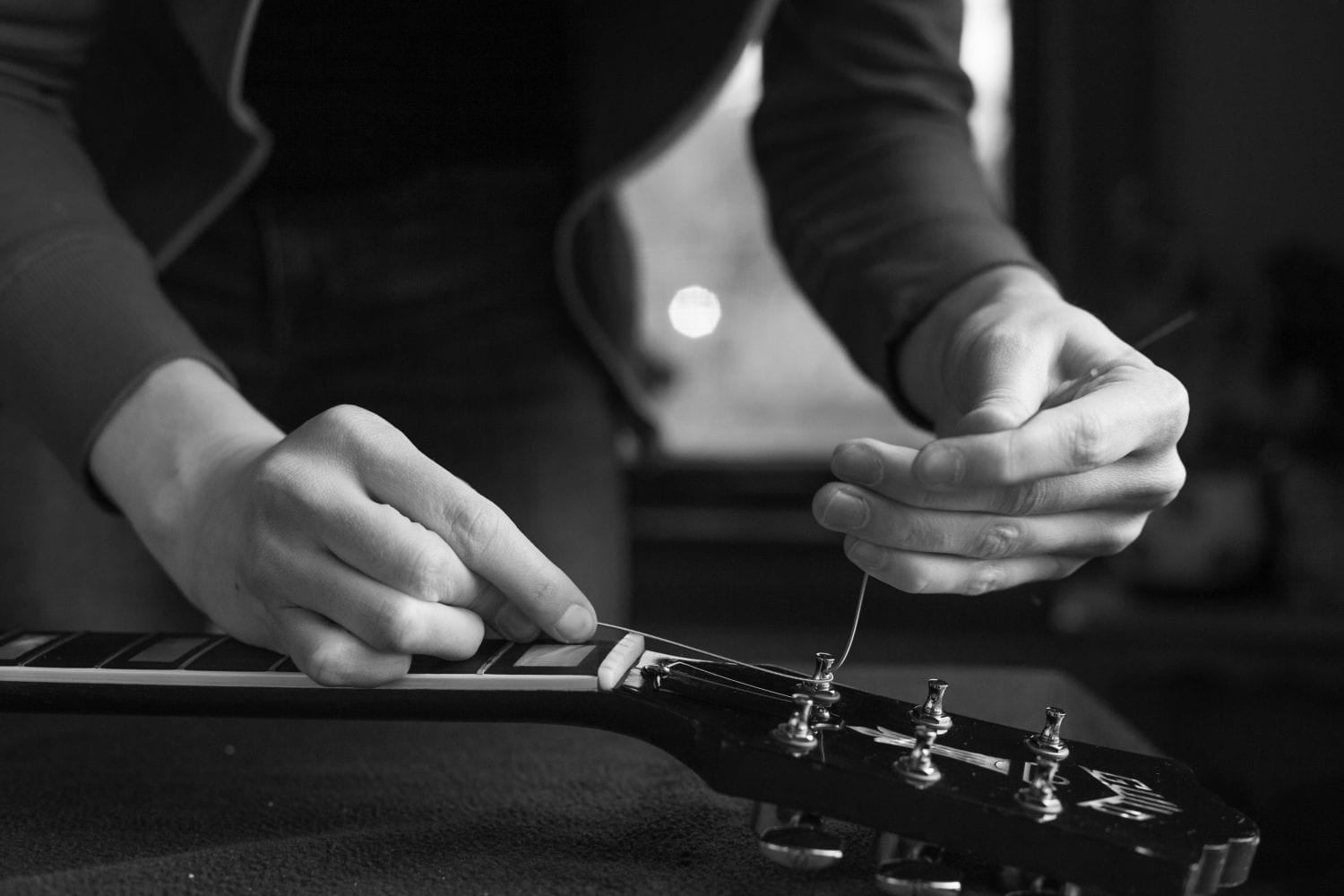
5. Install new strings.
Crafted in Ernie Ball Music Man’s San Luis Obispo, California factory, the St. Vincent signature is available in black or custom Vincent Blue, a color hand-mixed by Annie. Featuring an African mahogany body, Ernie Ball Music Man tremolo, gunstock oil and hand-rubbed rosewood neck and fingerboard, St. Vincent inlays, Schaller locking tuners, 5-way pick up selector with custom configuration and 3-mini humbuckers, the guitar also comes complete with Ernie Ball Regular Slinky guitar strings. Learn more by visiting Musicman.com and subscribe to She Shreds now for an exclusive article on the history of Annie Clark’s music and her guitars.
Starting today until Monday May 3rd, She Shreds will be running an exclusive contest on Facebook and Instagram for a chance to win this one-of-a-kind guitar. Head over to our Facebook or Instagram, follow the steps and enter to win below! Winner announce Tuesday, May 4th.
UPDATE: This contest has closed and a winner has been chosen and contacted.
No Fields Found.Instagram Rules and Flyer:

Facebook Rules and Flyer:

The Making of the St.Vincent Signature Guitar
In the 1990s, the rise of new genres like indie, alternative, and grunge paired with the efforts of movements like Riot Grrrl and women-focused magazines, countless new guitarists emerged, unknowingly creating unique sounds that would influence people for decades to follow. To show just how important this time was for women in music, we decided to make a list of 50 women whose contributions in the ‘90s still resonates with us today (in no particular order).
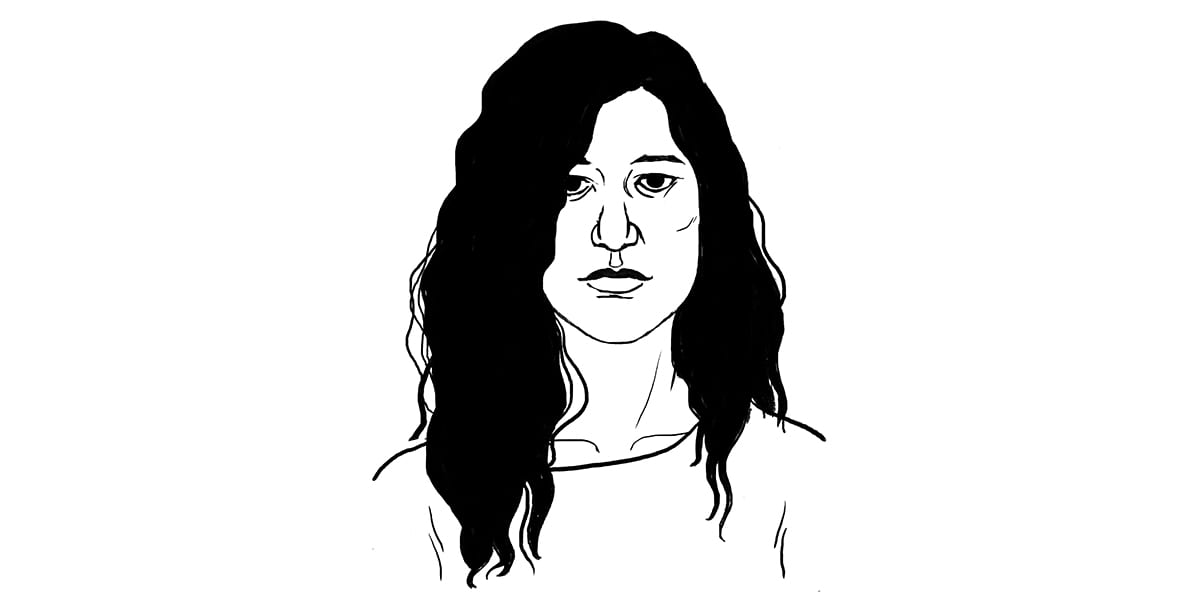
LESLIE MAH
Along with vocalist Lynn Breedlove, queercore and hardcore punk pioneer Leslie Mah was one of the founding members of seminal queercore band Tribe 8. Her aggressive guitar playing in the group demonstrated innovative use of lead guitar riffs combined with the speed and heaviness of hardcore punk rhythm guitar.
Recommended listening: Fist City (1995)
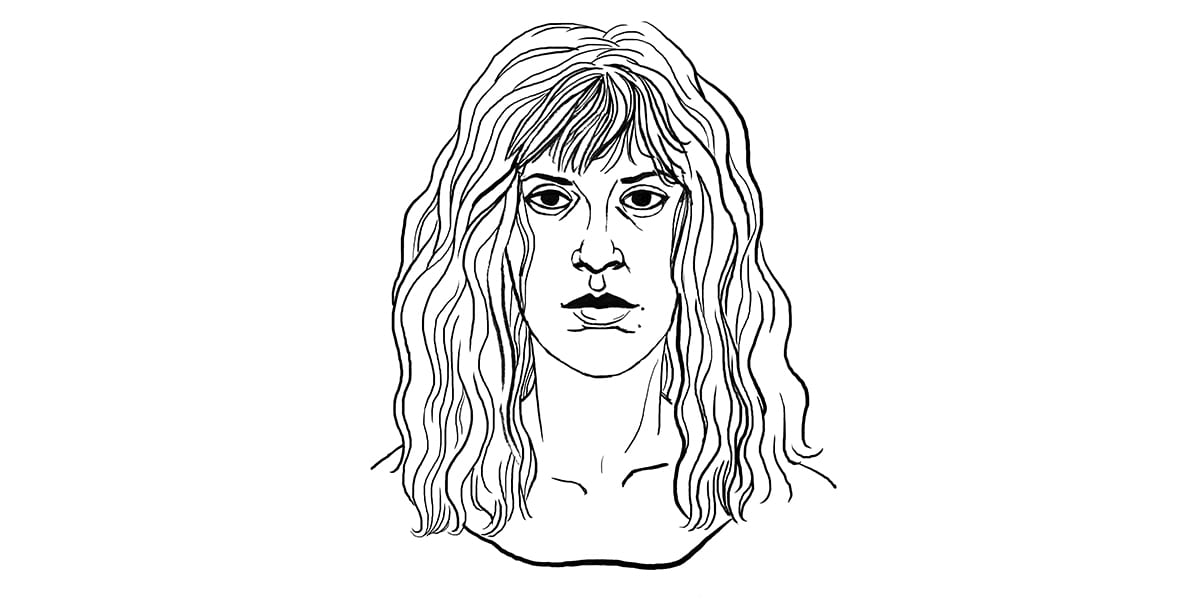
KAT BJELLAND
Kat Bjelland’s guitar sound helped define what would eventually become the sound of Riot Grrrl, influencing such bands as Bikini Kill, Bratmobile, and 7 Year Bitch. Her fearless playing was a driving force in her band Babes in Toyland, ensuring her a place among 1990s punk legends.
Recommended listening: Fontanelle (1992)
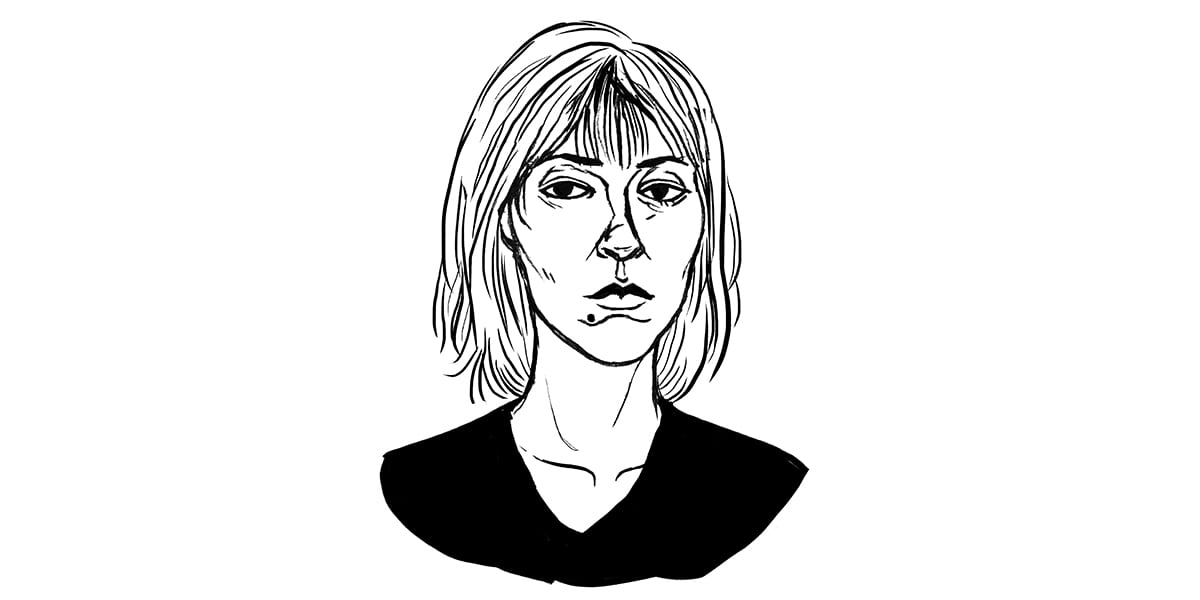
CHRISTINA BILLOTTE
Christina Billotte’s work with Slant 6 expertly combined hardcore punk riffs with pop-punk tone energy. Her later playing with Quix*o*tic reflects elements of early rock and roll with a good measure of stylistic influence from punk and goth, creating a distinctive minimalistic sound. Billotte’s flexibility as a guitarist permitted her to experiment with a variety of sounds in alternative rock and made her one of the best guitarists in the genre.
Recommended listening: Night for Day (1999), Quix*o*tic; Soda Pop * Rip Off (1994), Slant 6
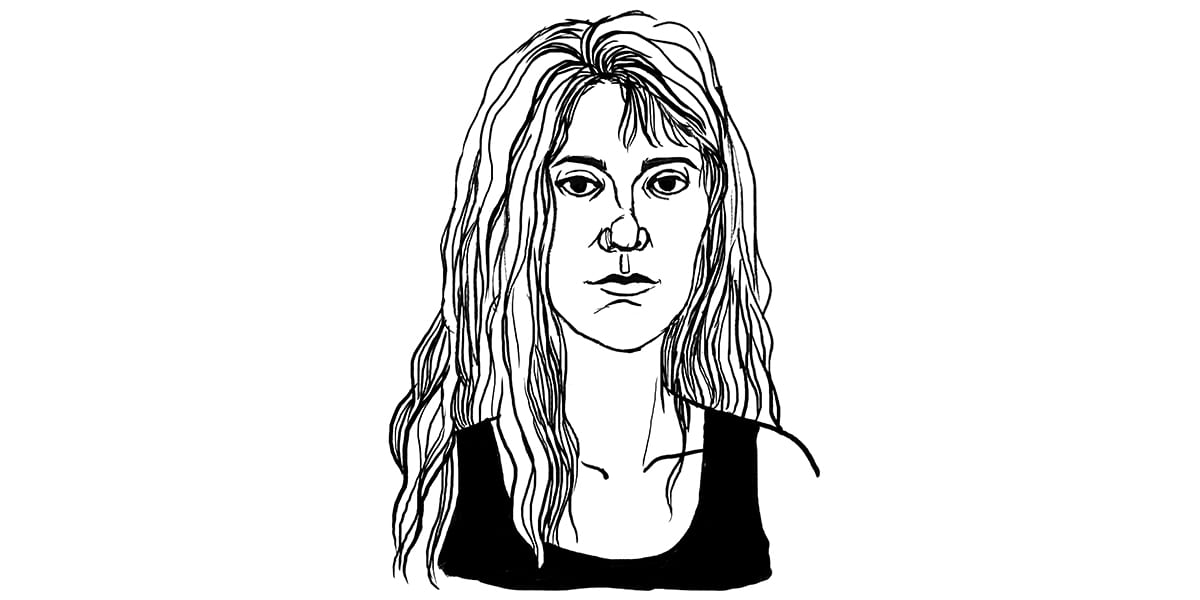
DONITA SPARKS
Donita Sparks played with L7, where her heavy guitar sound had a strong influence on grunge and Riot Grrrl. Her hard-hitting riffs and forceful rhythm playing helped make L7 a particularly memorable group. In addition to her work with L7, Sparks collaborated with the Feminist Majority Foundation to create Rock for Choice, a concert series benefiting pro-choice organizations.
Recommended listening: Smell the Magic (1990)
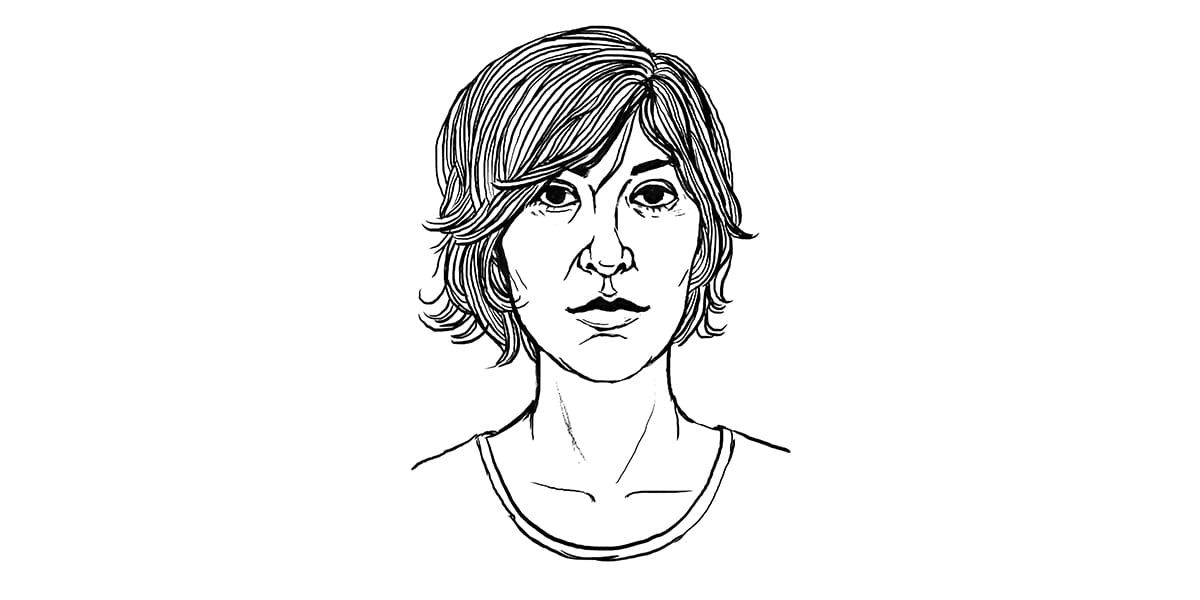
CARRIE BROWNSTEIN
Carrie Brownstein is widely recognized as a pioneer in Riot Grrrl because of her involvement with Excuse 17 and Sleater-Kinney. Her minimalistic lead guitar sound in Sleater-Kinney is made even more distinct by tuning in D flat, an innovation that makes up for the band’s lack of a bassist and became one of its stylistic signatures.
Recommended listening: Dig Me Out (1997)
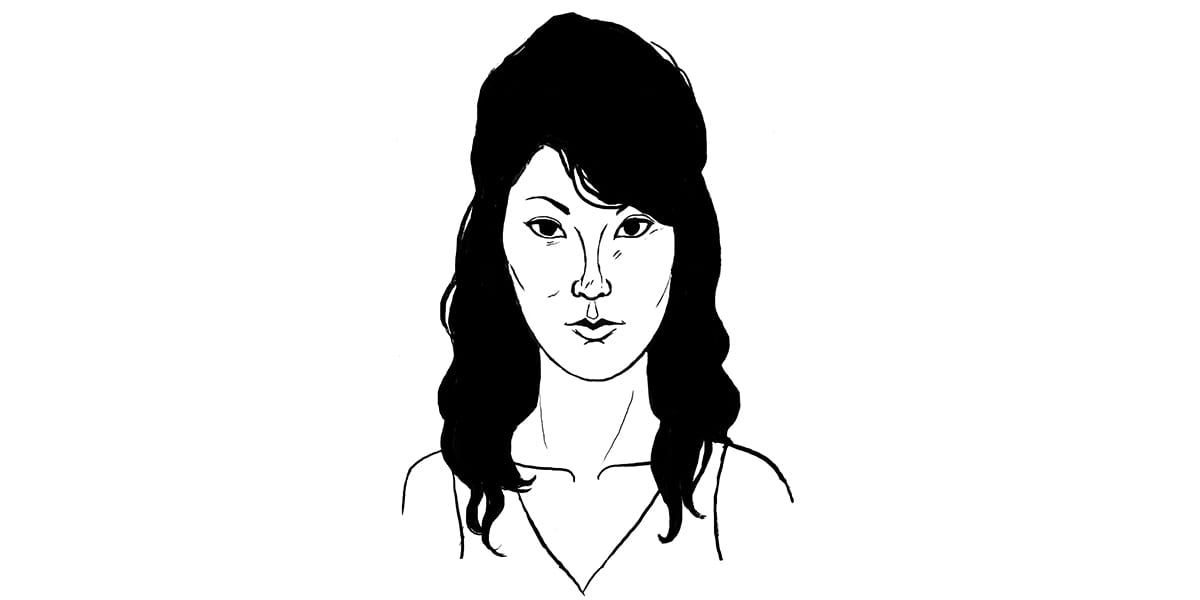
YOSHIKO “YAMA” YAMAGUCHI
Yoshiko Yamaguchi is the talented bassist from the legendary cult all-girl Japanese band, The 5.6.7.8’s. Heavily influenced by ’60s girl groups and surf rock, the stylish and energetic band was known in Japan’s under-ground garage-rock scene to cover songs they loved by deconstructing rock and roll into punk with the use of distortion, noise, and screaming. In 2003, The 5.6.7.8’s were hand-picked to perform in the izakaya scene of Kill Bill: Vol. 1.
Recommended listening: Can’t Help It (1991)
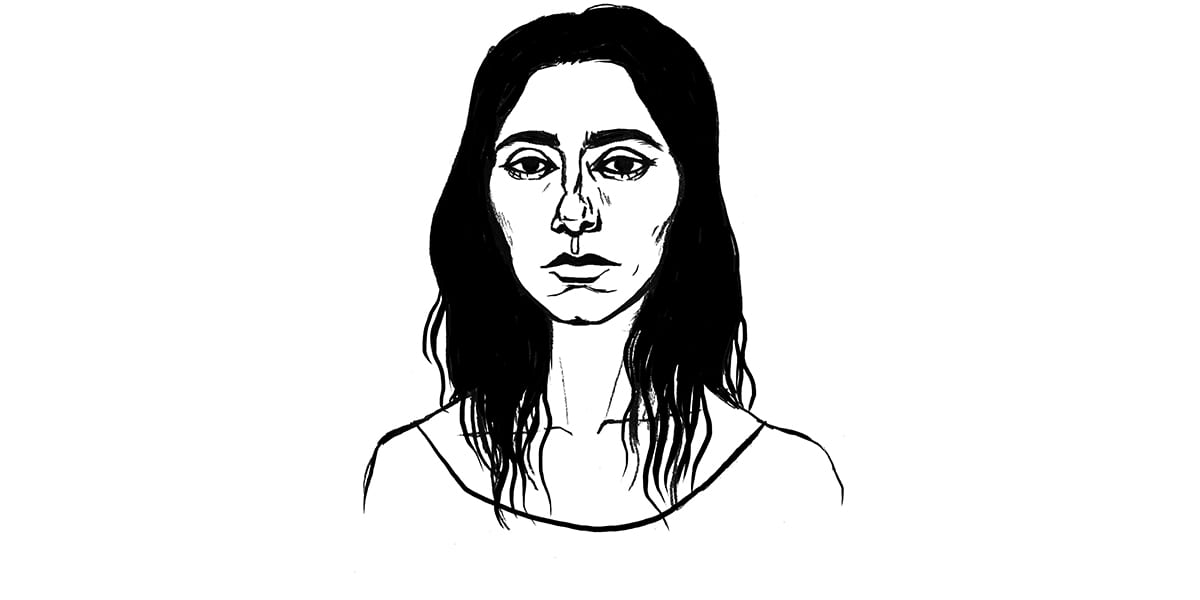
PJ HARVEY
While Polly Jean Harvey is most of-ten noted as a singer-songwriter, the eccentric English musician is also well versed in a wide and varying range of instruments from the saxophone to the autoharp. In 1992 Rolling Stone awarded her Best New Artist and Best Singer Songwriter, just four years after her professional career began.
Recommended listening: To Bring You My Love (1995)
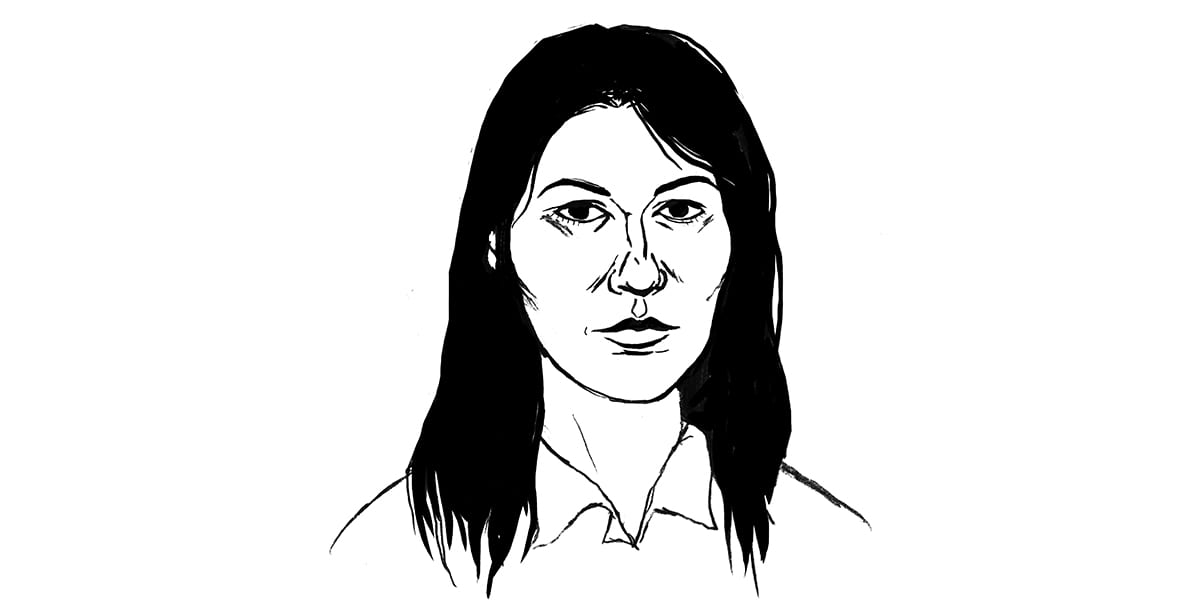
KIM DEAL
The self-effacing Kim Deal is an unstoppable musical force and may be mostly remembered as the bass player from the Pixies, but the guitar was her first love. Deal formed The Breed-ers with her identical twin, Kelley, when the pair were young teenag-ers in Dayton, Ohio. Deal wrote hundreds of songs before releasing quintessential ’90s album Last Splash, which features the band’s biggest hit, “Cannonball”.
Recommended listening: Last Splash (1993)
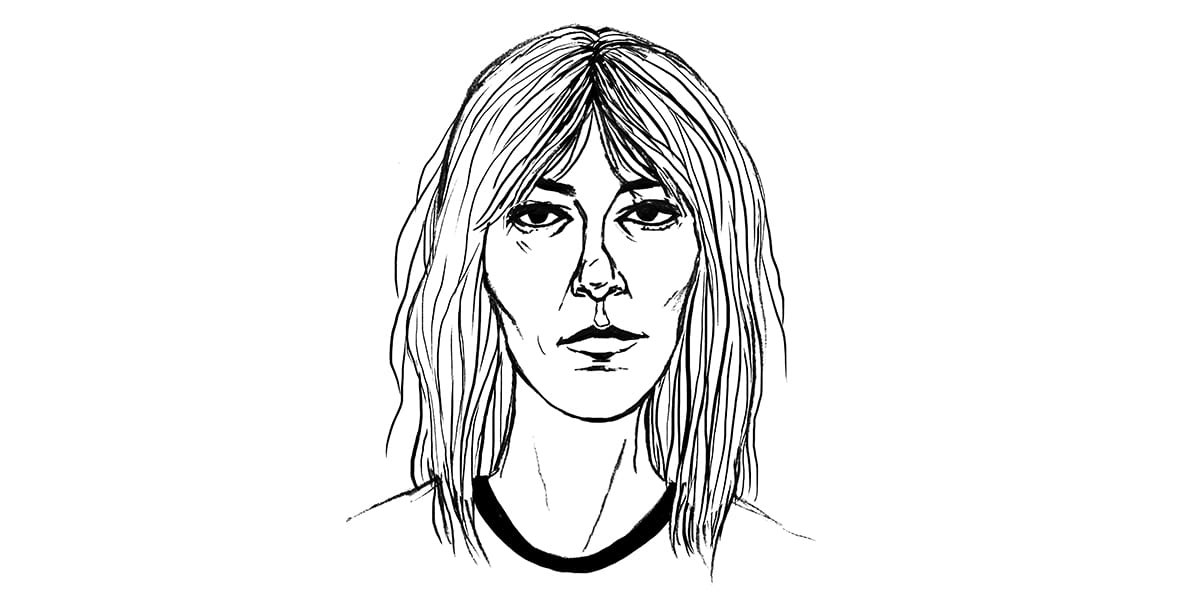
KIM GORDON
Producer, director, and visual artist extraordinaire, Kim Gordon is a fore-runner who pushed the envelope in the post-punk/no wave scene. Instead of getting shoved behind a front man, Gordon was up front and center, playing bass and trading lead vocals with Thurston Moore. She influenced countless aspiring and established musicians, including Bikini Kill’s Kathleen Hanna.
Recommended listening: Goo (1990)
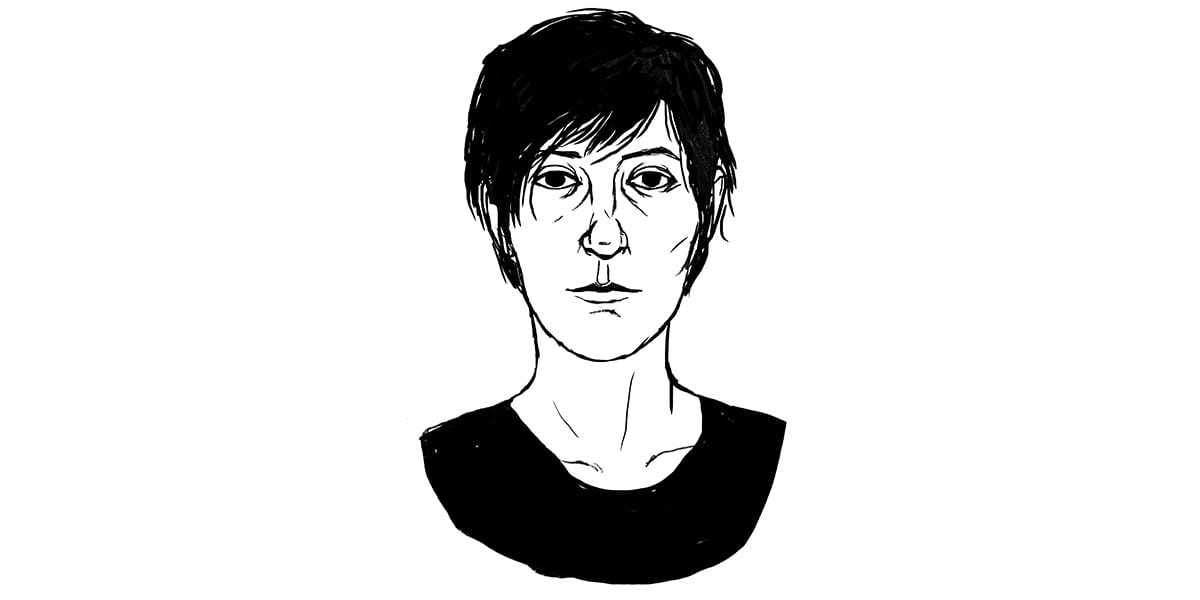
DEBBIE GOOGE
My Bloody Valentine’s Debbie Googe played the bass as if every time was her last. Playing with arguably the best shoegaze band with the fewest releases, she helped to shape and influence the perception of the genre. Though she did not appear on the 1991 album Loveless, she brought the songs to life with her raucous bass playing at the band’s live shows.
Recommended listening: Loveless (1991)
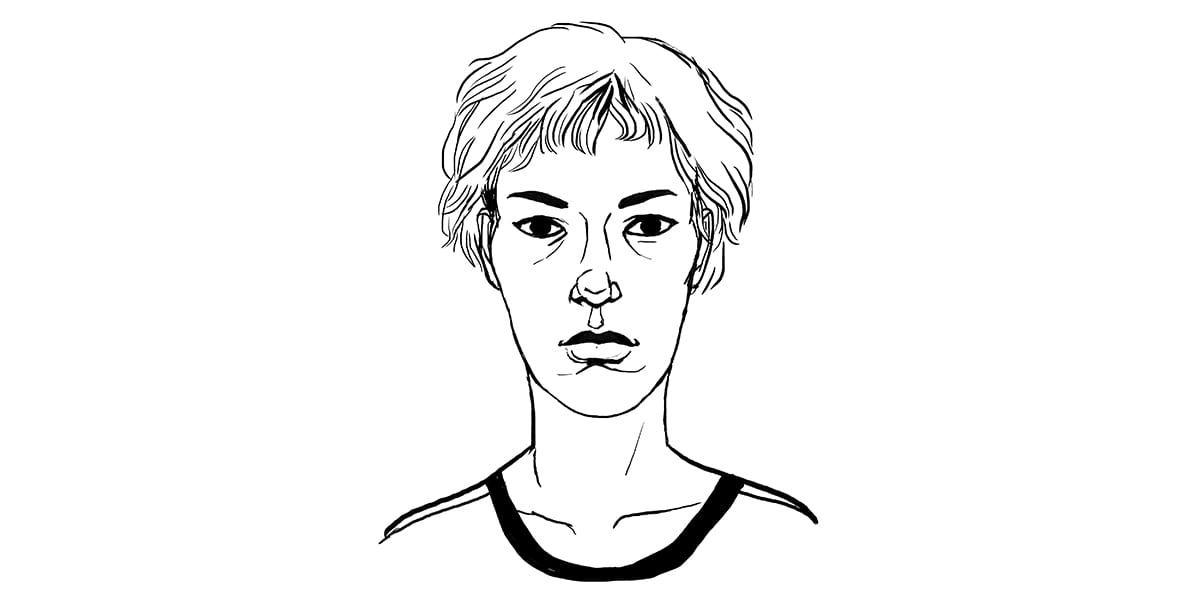
KATHI WILCOX
Kathi Wilcox played bass in seminal feminist punk band Bikini Kill, hailing from Olympia, Washington. While she might not have known it at the time, Wilcox and the rest of the band were founders of the Riot Grrrl movement, and inspired creative and expressive freedom in generations to come. You can find her playing bass today alongside Bikini Kill cofounder Kathleen Hanna in The Julie Ruin.
Recommended listening: Yeah Yeah Yeah Yeah (1993)
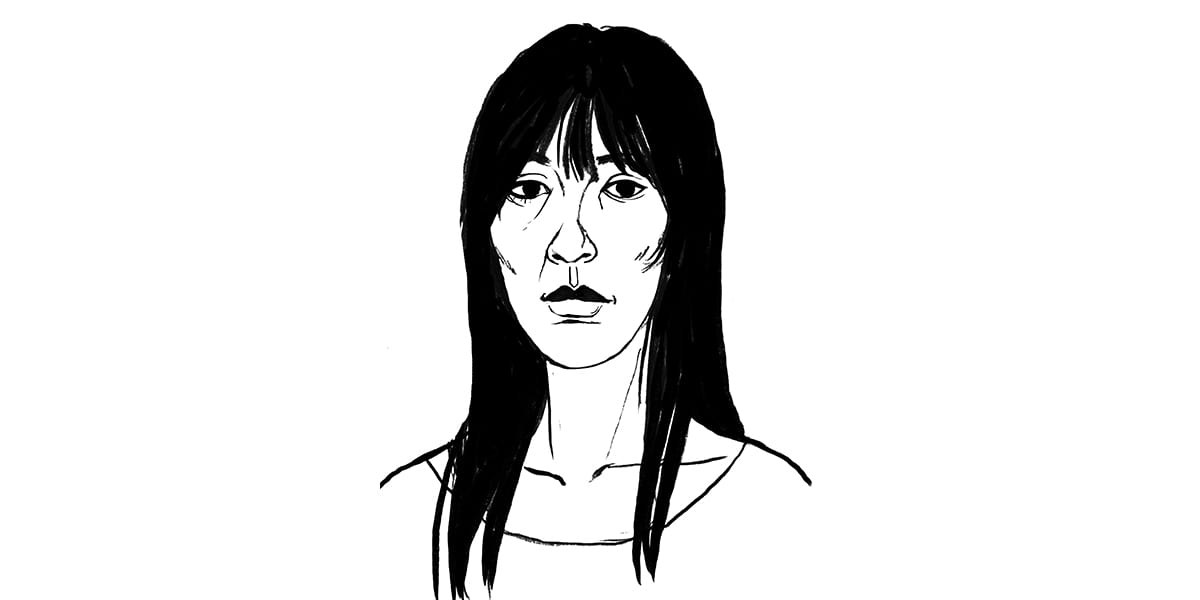
KAZU MAKINO
When Kazu Makino met her future Blonde Redhead bandmates at a restaurant in New York City, they never expected they would become one of the archetypal noise-rock bands of the of ’90s. Makino, who has discussed her battles with stage fright, plays guitar and sings in the band, which has made innovative and ornate atmospheric music for more than twenty years.
Recommended listening: La Mia Vita Violenta (1995)
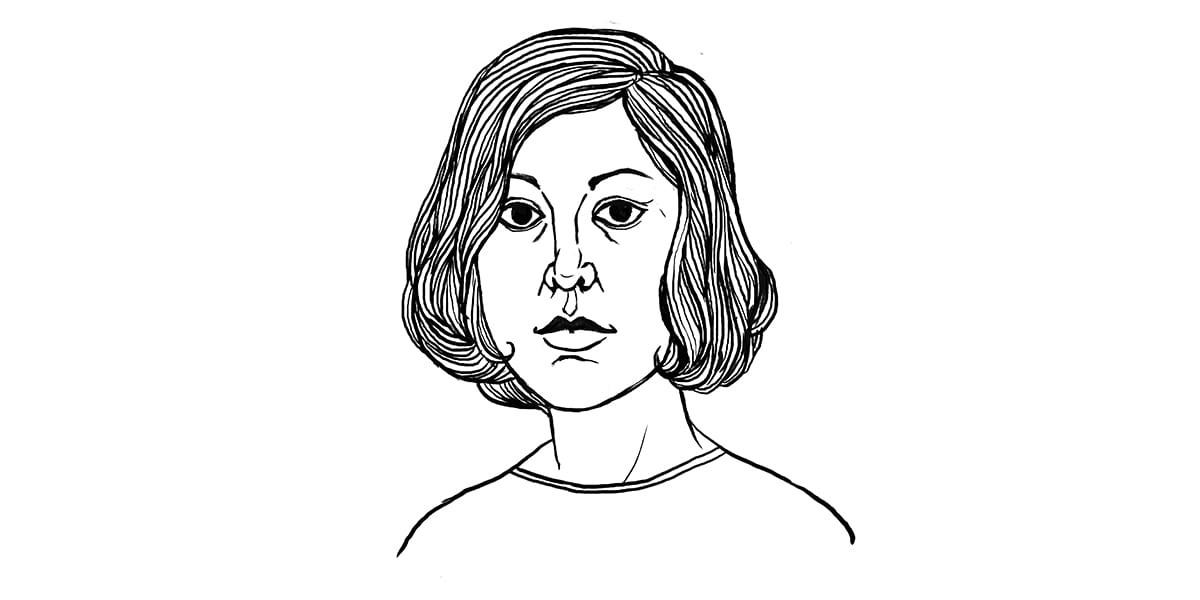
CORIN TUCKER
Corin Tucker may be one of the most recognizable faces—and voices—of the late-’90s Pacific Northwest music scene, playing mostly rhythm guitar to complement Carrie Brownstein’s angular lead lines in pioneering feminist punk band Sleater-Kinney. Tucker previously played in Heavens to Betsy and currently plays in The Corin Tucker Band.
Recommended listening: Sleater-Kinney (1995)
NINA GORDON
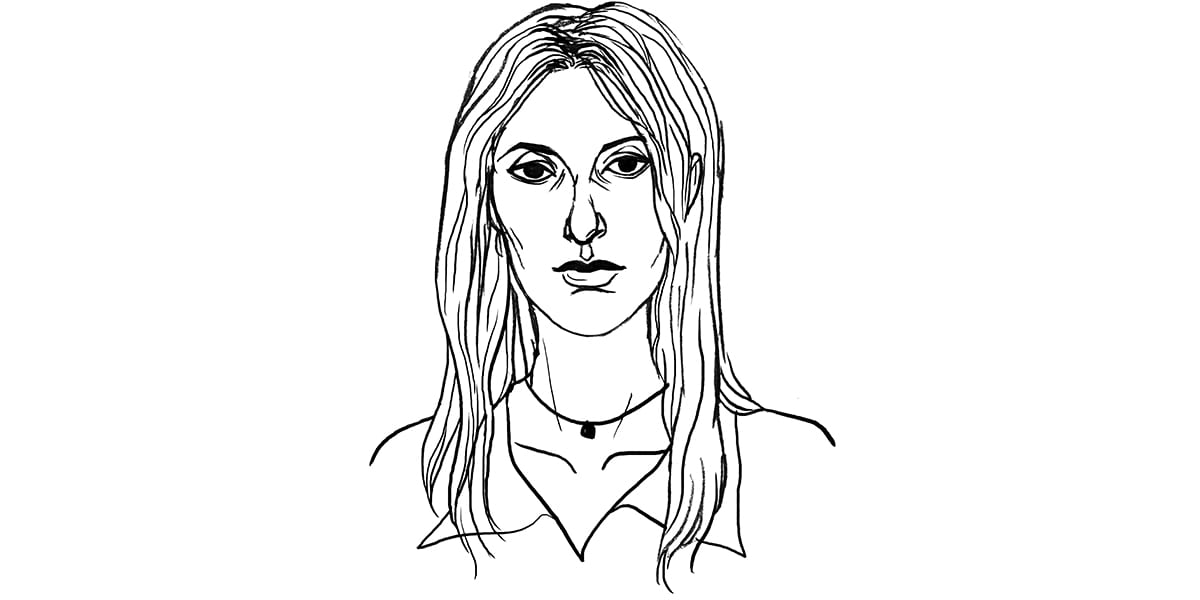
Veruca Salt guitarist and vocalist Nina Gordon met her bandmate Lou-ise Post in 1993 in Chicago. Together, their breed of alternative rock took the airwaves and MTV by storm, and over the next few years, they toured with Hole, Live, and PJ Harvey. Ver-uca Salt may have peaked early, but their sound is so quintessentially ’90s that it will always be classic.
Recommended listening: American Thighs (1994)
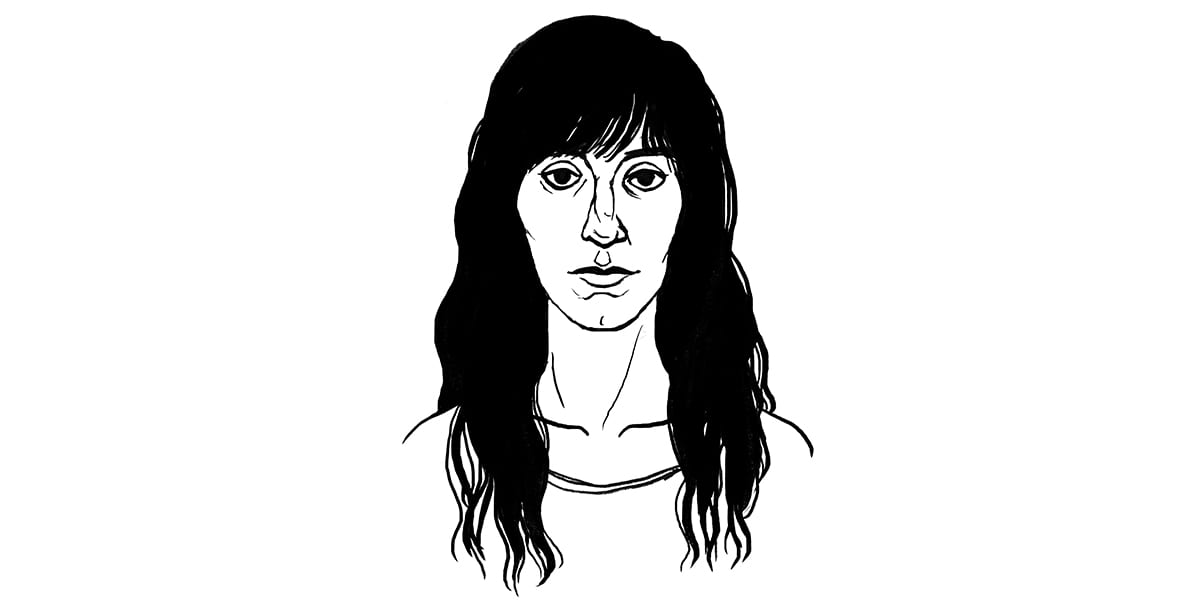
KRISTEN PFAFF
Kristen Pfaff was asked to join Hole after touring on the West Coast with her Minneapolis-based band, Janitor Joe. After initially turning down the offer, she moved to Seattle in 1993 to work on Hole’s second album, which reached platinum status within one year of its release. Pfaff was a vital part of Hole’s continuous growth and saga, and will be remembered as a prolific bassist.
Recommended listening: Live Through This (1994)
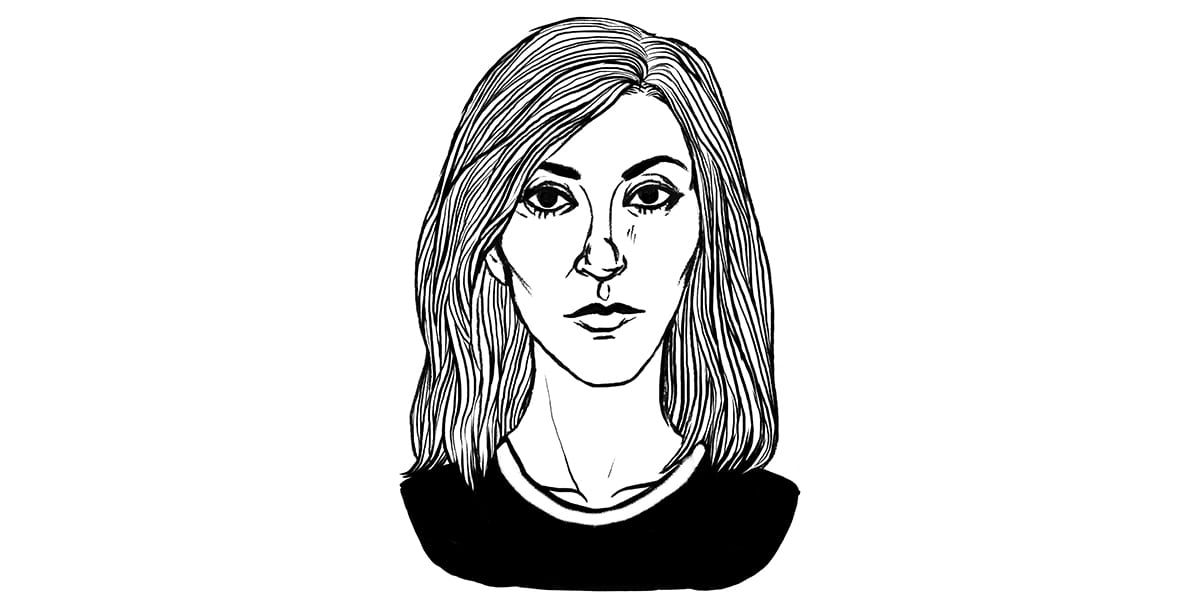
LIZ PHAIR
Before Liz Phair released Exile in Guyville, one of the most beloved girl-power records of the 1990s, she recorded the now-infamous Girly Sound tapes on a four-track in her bedroom. In stark contrast to Phair’s later work, 1991’s Girly Sound record-ings are intimate, stripped down, and soul bearing: just a girl, her guitar, and her words.
Recommended listening: Exile in Guyville (1993)
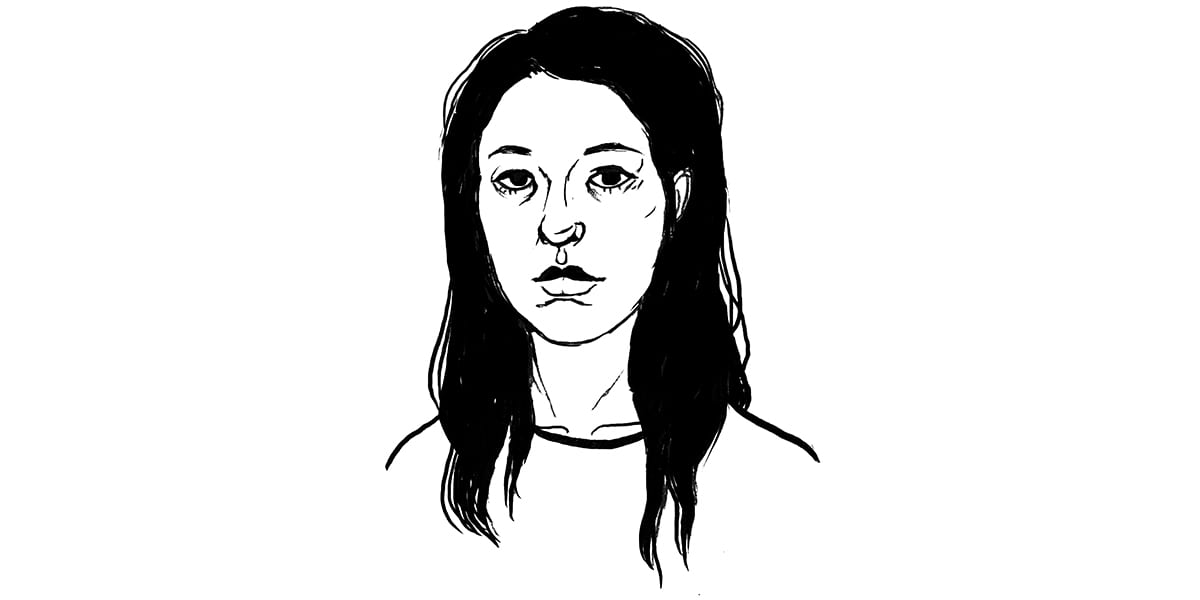
MARY TIMONY
Formed in Boston and signed to Matador Records, Mary Timony’s band Helium effortlessly combined new wave, punk, slide guitar technique, and samples of recorded explosions into cohesive epics. Timony’s technically adept playing and magnetic vocals demonstrated mastery as both a lead singer and guitarist.
Recommended listening: The Magic City (1997)
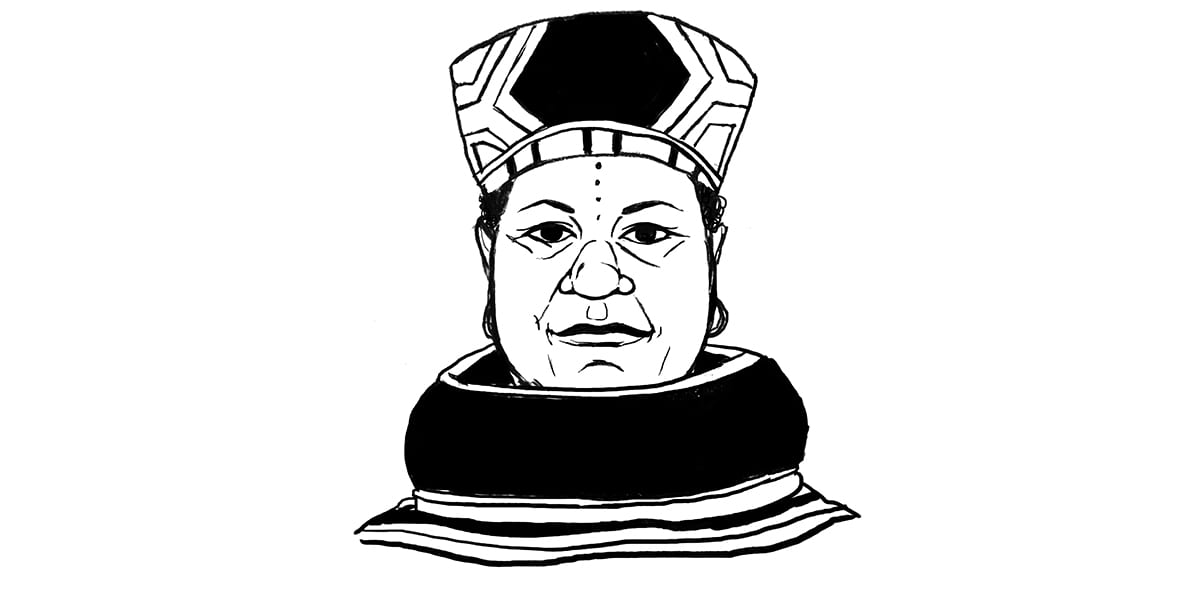
NOTHEMBI MKHWEBANE
Considered the Queen of Ndebele (a language spoken by 1.6 million people in South Africa) music, and a national icon, Nothembi Mkhwebane is widely considered to have brought the Ndebele language to the world stage. A prolific multi-instrumentalist, Mkhwebane composes on guitar and traditional instruments, and her songs often feature uplifting hand-claps, intricate guitar riffs, and music shakers.
Recommended listening: Zimani Balibalele (1998)
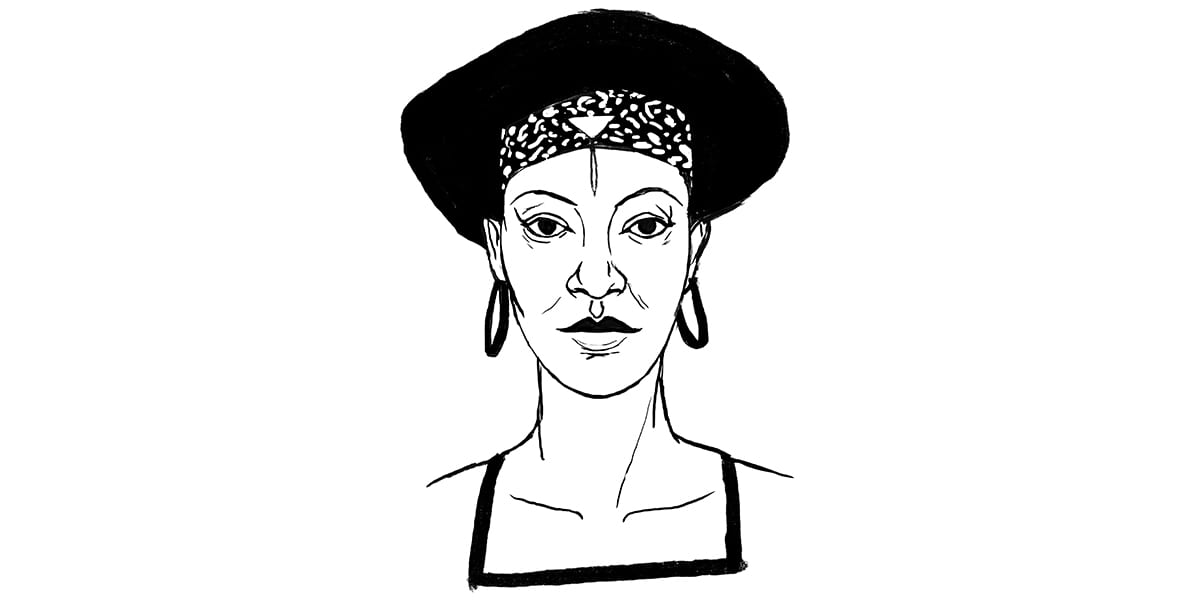
TU NOKWE
Hailing from South Africa, Tu Nokwe taught herself to play the guitar as a young woman. She eventually landed a spot at the Manhattan School of Music and went on to perform around the world. Nokwe’s work has detectable funk and pop influences, but her adept guitar playing and soprano voice create a style that is uniquely her own.
Recommended listening: African Child (1999)
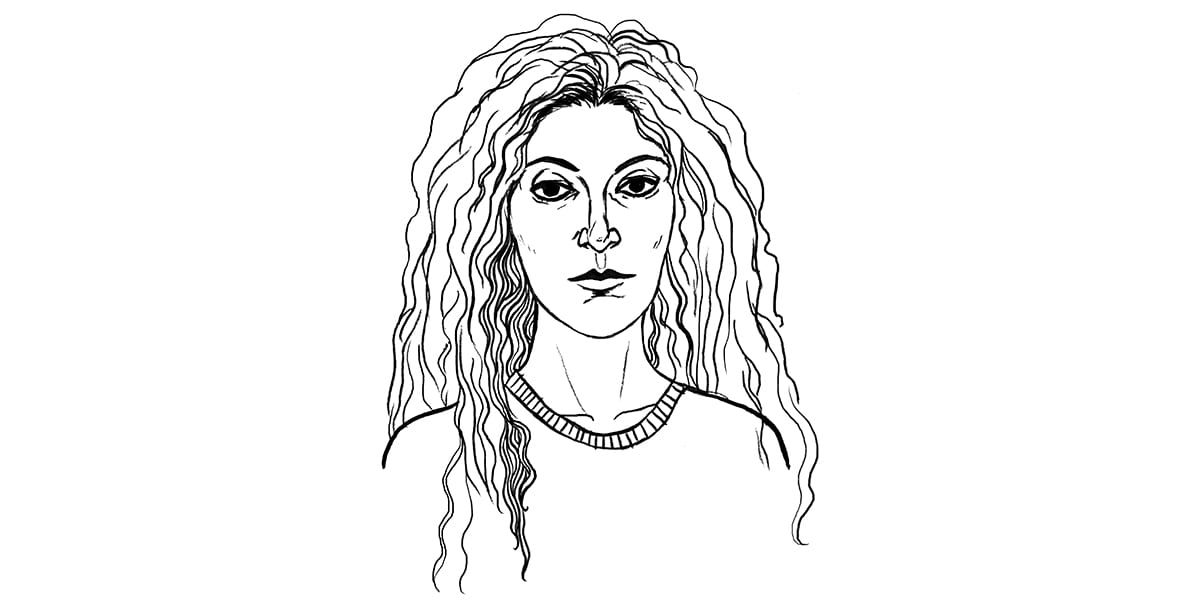
SEAN YSEULT
Sean Yseult is best known for her work in heavy metal band White Zombie. Although hardly ever given credit for being a founding member, Yseult spent 11 years as the band’s bass player and in 2010 released her own book of stories titled I’m in the Band: Backstage Notes from the Chick in White Zombie.
Recommended listening: Astro-Creep: 2000 (1995)
RADIO SLOAN
Radio Sloan helped redefine two-piece bands with her angular yet heavy distorted guitar parts in Olympia queercore band The Need. Sloan has worked with bands such as Peaches and Le Tigre and now focuses on instrument gear repair in Vancouver, Washington.
Recommended listening: The Need (1997)
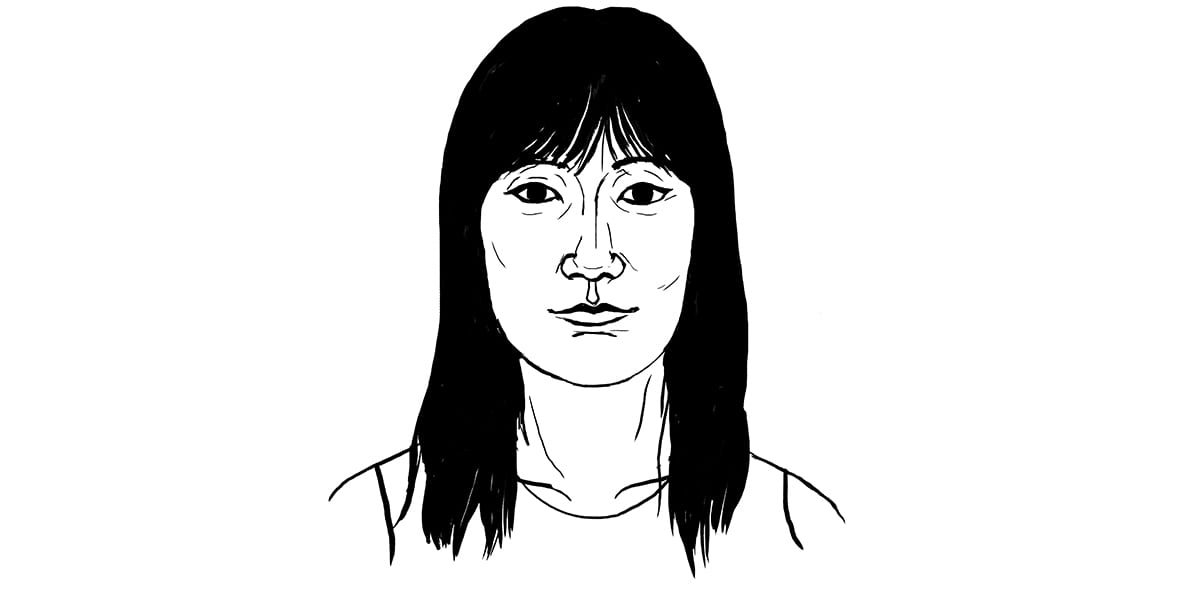
NAOKO YAMANO
Naoko Yamano plays a perfect blend of DIY rock and punk riffs, juxtaposed with sugary lyrics. As the only original member left in Shonen Knife, Yamano helped bring Japanese underground music to an international level during the band’s 30-year existence.
Recommended listening: 712 (1991)
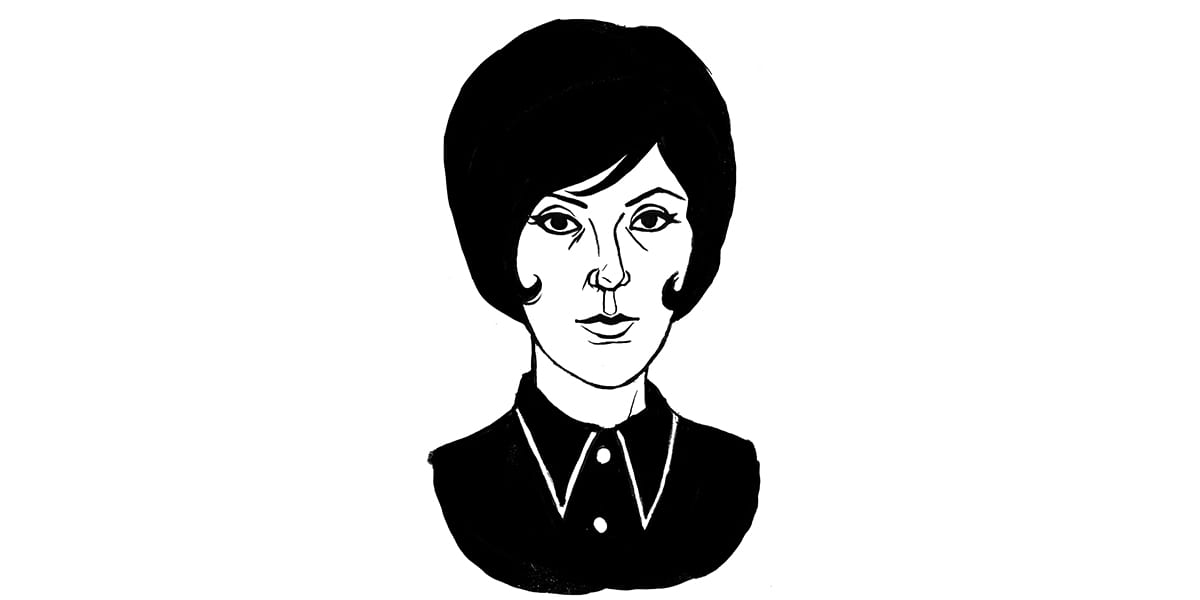
MICHELLE MAE
Michelle Mae began her career in Olympia, Washington, as the second bass player in The Frumpies before moving to Washington, DC, to start The Make-Up. Mae combines punk with soul and funk to create her own style that helped define The Make-Up’s signature sound.
Recommended listening: I Want Some (1999)
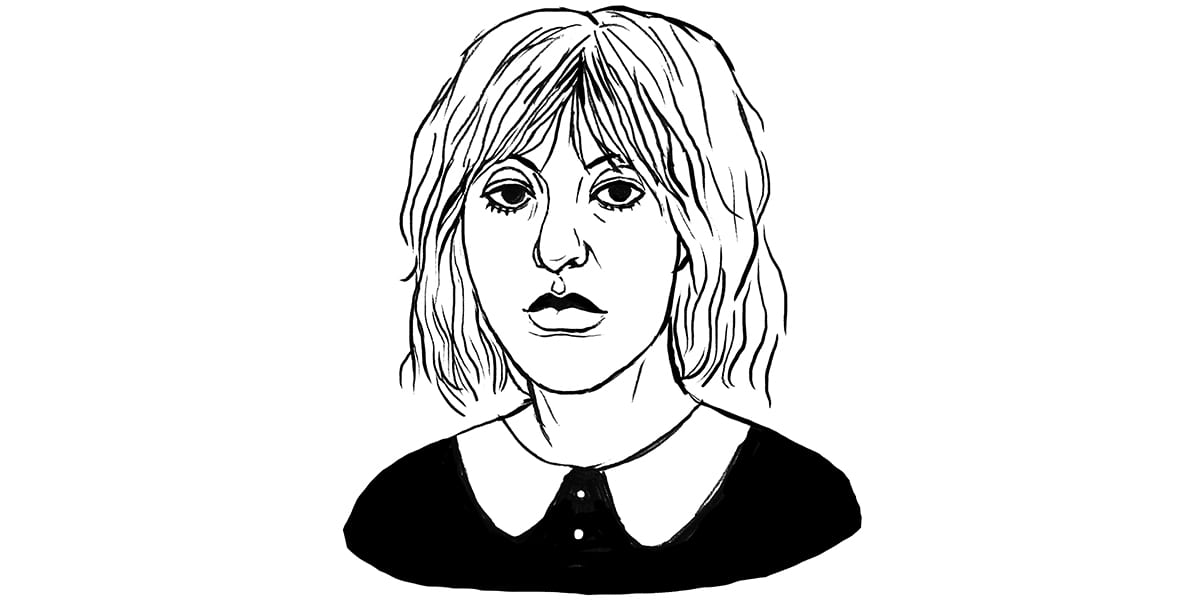
COURTNEY LOVE
A living Rorschach test, discussions about Courtney Love, the woman, frequently neglect to include Love the musician. Throughout her work, Love fearlessly addresses sexual violence, elitism, the perils of fame, and child abuse in unforgettably listenable packages. Distorted power chords, pop chord progressions, and glossy 12-string guitar work are frequently used tools in her band Hole’s arsenal. In recognition of Love’s artistry, Fender’s Squire label released a sig-nature guitar designed by Love called the Venus in 1997.
Recommended listening: Pretty on the Inside (1991)
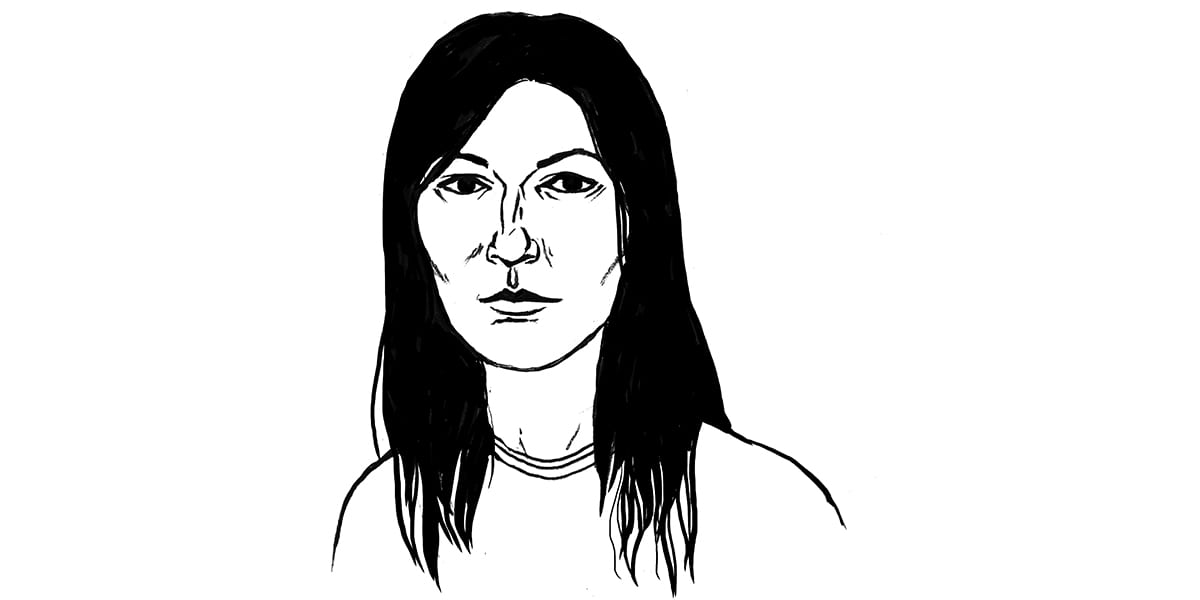
KELLEY DEAL
Even though Kelley Deal, Kim Deal’s twin sister, barely knew how to play guitar when she first joined The Breeders, she played lead on their critically acclaimed 1993 release, Last Splash. In 1995, she formed The Kelley Deal 6000 and released two albums as a solo artist.
Recommended listening: Go to the Sugar Altar (1995)
25 more guitarists who helped define sounds from the ’90s:
MELISSA AUF DER MAUR The Smashing Pumpkins, Hole
TANYA DONELLY Belly, The Breeders, Throwing Muses
MESHELL NDEGEOCELLO
MAUREEN HEMAN Babes In Toyland
SUZI GARDNER L7
ERIN SMITH Bratmobile
DONNA DRESCH Team Dresch
JOHNETTE NAPOLITANO Concrete Blonde
MAGGIE VAIL Bangs
GAIL GREENWOOD Belley, L7
KIM SHATTUCK The Muffs
ELKA ZOLOT The Trashwomen
MARY RAMIREZ The Detroit Cobras
DEBBIE SMITH Curve, Echobelly
TRACY CHAPMAN
EMILY’S SASSY LIME (rotating guitarists)
KIM WARNICK The Fastbacks
HOLLY GOLIGHTLY Thee Headcoats
TARA MCLEOD Kittie
GRACIELA FOLGUERAS Las Brujas
LARISSA STRICKLAND Laughing Hyenas
JODY BLEYLE Hazel
KAIA WILSON Team Dresch
DELIA SPARROW Mambo Taxi
STEFANIE SARGENT 7 Year Bitch
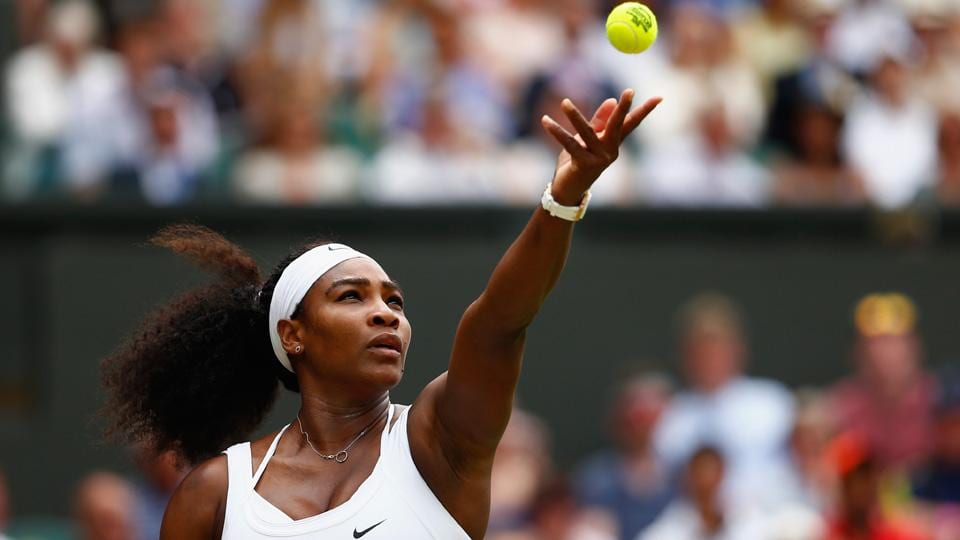
Serena Williams
Tennis Pro
Apparently this athletic powerhouse tears it up both on and off the courts. In 2012 Williams became the first person in history to complete a career Golden Grand slam in both singles and doubles, and in 2015 was featured on the cover of Sports Illustrated’s sportsperson of the year. Widely regarded as one of the best players of all time, we’re proud to claim Williams as one of our own: The tennis superstar keeps a stash of five Stratocasters and used to jam with her sister in a band. “Venus played the bass, I’d play the guitar,” Williams told a reporter for The Independent. “We played lots of rock music, punk. Venus did more alternative stuff. It was fun.”

Indra Nooyi
Chairman and CEO of PepsiCo
Consistently ranked by Forbes as one of the 100 Most Powerful Women in the world and respected for her emphasis on corporate responsibility as well as pushing Pepsi toward healthier products, Nooyi’s been kicking ass and taking names at a global level for a while. And somehow, between the board meetings and international acquisitions, one of the world’s most powerful women finds time to pick up the old electric guitar. It’s rumored that she even plays the occasional riff at less formal company parties. How badass is that? About as badass, we’d say, as Nooyi’s shreddy roots: She played lead guitar in an all-female rock band in Madras, India, during her college days.
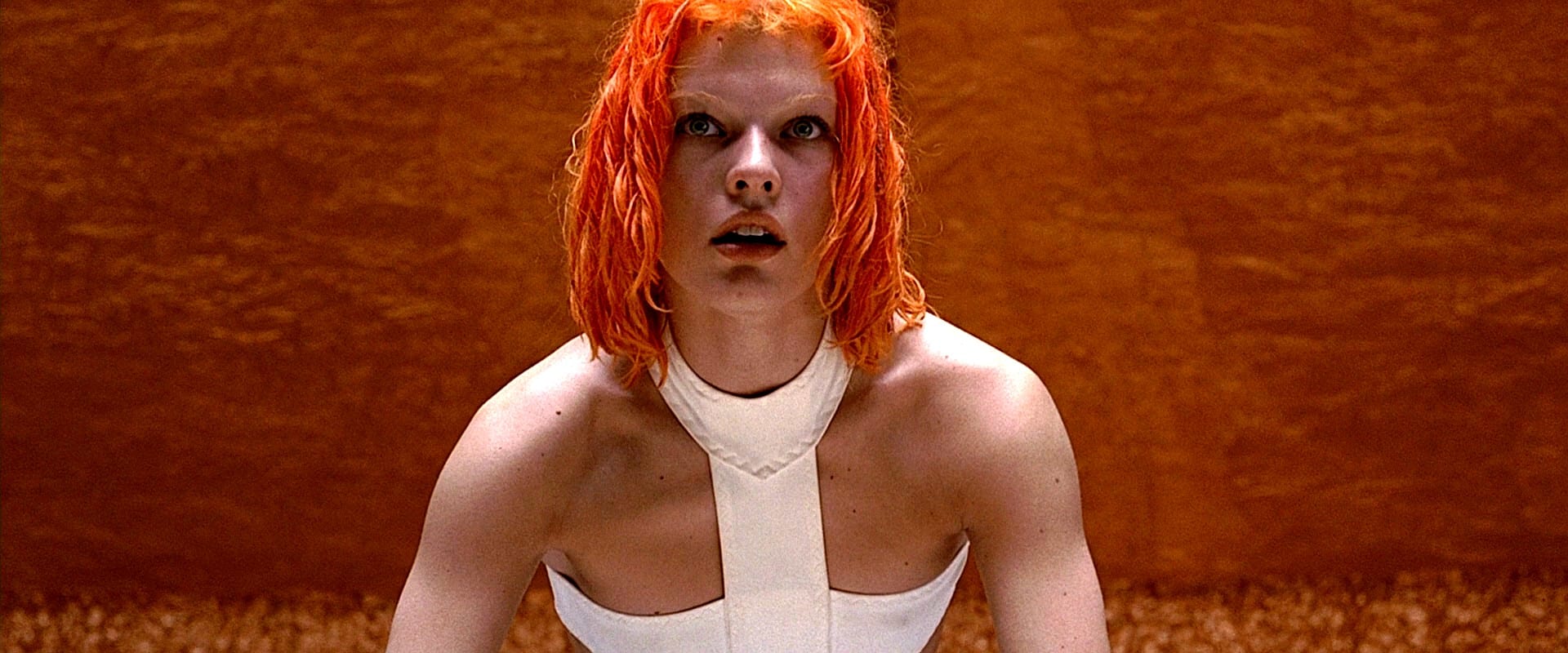
Milla Jovovich
Actor, model and musician
Widely recognized for her performance as Leeloo in “The Fifth Element” and for starring in “Resident Evil,” Jovovich is known primarily for her acting talents, but her performance roots are equally—if not more so—in music. Jovovich was signed to SBK Records at the ripe age of 13, progressing until she released “The Divine Comedy,” a critically acclaimed folk album, in 1994. She went on to play lead guitar in the experimental grunge band Plastic Has Memory, which had some well-reviewed shows in New York and Los Angeles before dropping off the map. These days, it looks like Jovovich’s style is a little more electronic.
RUNNER UP:
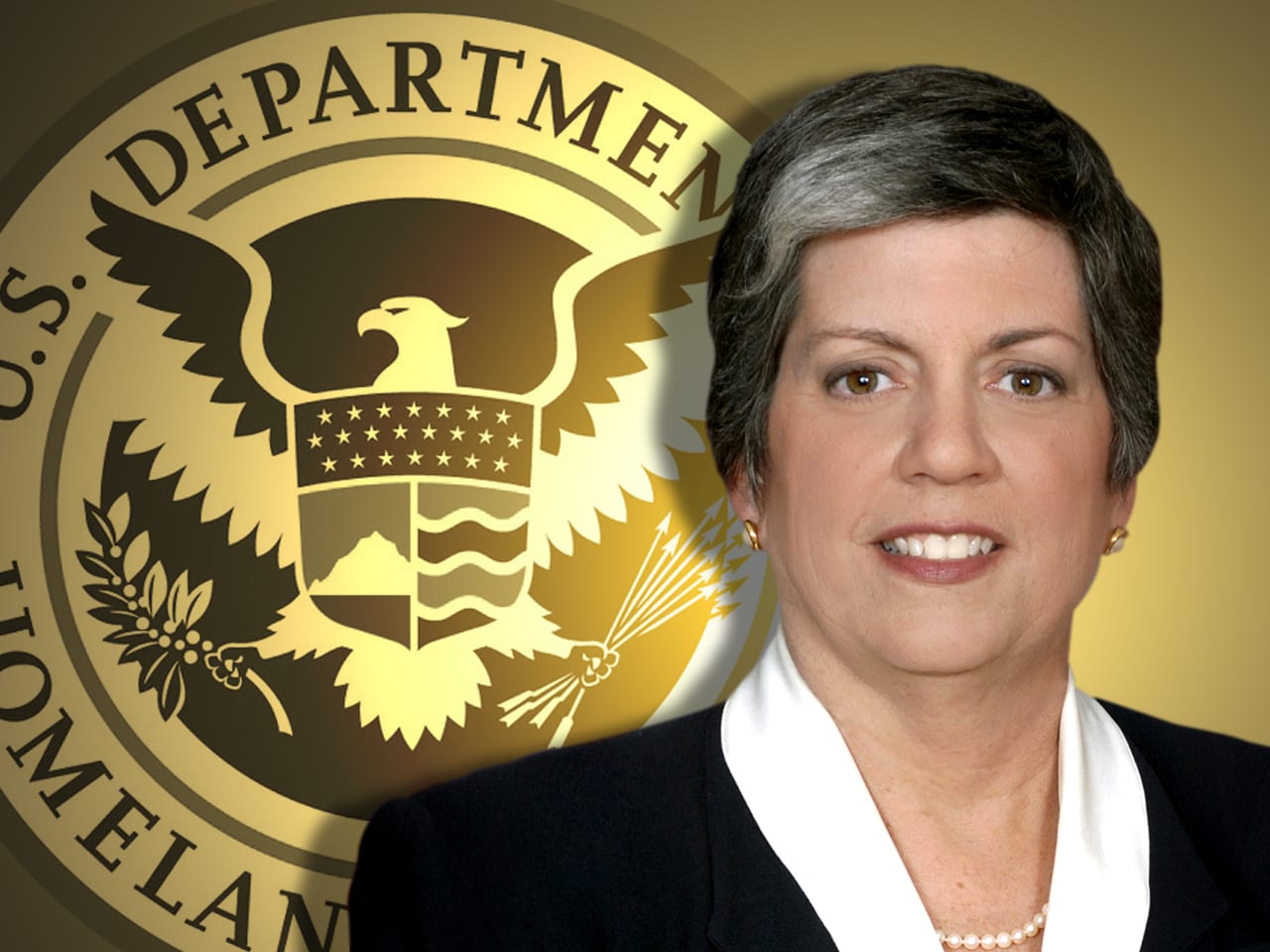
Janet Napolitano
Secretary of Homeland Security
It’s fitting, we suppose, that the head of the Department of Homeland Security would be the toughest person to get personal information on. Because of that, the only thing we can tell you is that Napolitano “became quite accomplished” at guitar as a kid. As much as we’d like to imagine that one of our country’s most powerful women still shreds once in a while, we figure taking liberties on the truthiness of personal details on the head of DHS isn’t the best idea. Here’s an interesting tidbit, though: Some hubbub erupted back in August 2011 when the DHS, under Napolitano’s guidance, raided Gibson’s factories for their alleged usage of illegally harvested rare wood. Sad irony, cried some guitar enthusiasts, seeing as how first lady Michelle Obama had gifted Carla Bruni-Sarkozy with a Gibson Hummingbird in 2009. Hmm.
Want to read more from Issue #1? Head over to shop.sheshreds-staging.jzck3hem-liquidwebsites.com and order your issue today! Only 50 left!
With Esperanza Spalding taking the Grammy award for Best New Artist in 2011, Alabama Shakes’ Brittany Howard winning three Grammy awards this year, and the surge of all-women (who are mainly black) bands backing up pop stars such as Beyoncé and Prince, things are looking up.
Although progress can be detected, the fact that lists of black media and cultural figures—meant to shine light on black American icons—who have pioneered or are furthering enormous change—are created in a specified month of the year is like giving the media a pass to delegate placeholders to assignments and telling themselves, “Ok, We’ll get to the bigger problem eventually. This will do for now.”
That said, history holds countless black women in blues and rock ‘n’ roll who pioneered and paved the way for future guitarists and bassists—for both women and men. To name a few: Memphis Minnie, Sister Rosetta Tharpe, Beverly Watkins, Sylvia Robinson, Barbara Lynn, Lady Bo, The Dutchess, and many more. While of course race or gender shouldn’t be the driving identity with which recognition is given, we hope that this list reminds everyone about representation, and sheds light on some of today’s emerging artists that are totally killing the game.
Toshi Reagon
With her socially-conscious lyrics and a big voice, folk-blues guitarist Toshi Reagon is an astounding talent. In 2015, she was honored as Ford Foundation Art of Change Fellow and launched the women-focused festival Word, Rock & Sword.
Jordan Martin: Daphne
Now based in Brooklyn, Columbus, Ohio native Jordan Martin performs music, often with a revolving cast of musicians, under the pseudonym Daphne. Her style is eclectic, merging influences from jazz, art rock, and lo-fi pop into something wholly unique. While still incredibly new to the scene, Daphne is slated to EP, “Last Believer” later this year.
Rachel Aggs – Shopping
Hailing from London, one of the world’s most musically rich cities for punk and rock, Rachel Aggs has become one of the best known faces of the current underground rock scene. With angular riffs reminiscent of Neo Boys, Kleenex/Lilliput and a zine titled “I Love My Guitar,” Aggs is basically your post punk dream come true.
Lianne La Havas
While the London based musician is mainly known for her silky vocals, she also plays guitar and bass. On songs like “Is Your Love Big Enough?” and “Au cinema,” her nimble guitar playing is the perfect accompaniment to it. The artist’s latest album Blood was released last year and snagged her a Grammy nomination.
Jade Payne – Aye Nako
Brooklyn based Jade Payne is the talented versatile woman you want to take on tour all the time. While we’ve seen her shredding on guitar on stage with punk band Aye Nako and bass for sludge rock band Thelma and the Sleaze, we’ve also seen her behind the mixing board at Mirah concerts and teaching soldering classes at the Willie Mae Rock Camp For Girls.
Celisse Henderson
We originally discovered Celisse Henderson through Instagram after she tagged us in an unforgettable original song. Her style is diverse both rich in passion and technically savvy, paired with a vocal power that matches her riffing. In 2011, Henderson played a role in the Broadway play, Godspell, and while we haven’t yet seen her live we don’t doubt that Henderson will soon be thriving in the touring circuit.
Shana Cleveland – La Luz
You might recognize Shana Cleveland as the guitarist, singer and songwriter of La Luz—the band which quickly became an underground favorite for their floating melodies and concisely catchy guitar phrases, reminiscent of sunny beach parties and long drives. Watching Cleveland perform is just as surreal as the music she delivers. Whether it’s through surf-riffs or simple chord progressions, she has a gift of taking listeners through indescribably vivid memories.
Jackie Venson
Hailing from Austin, Texas, Jackie Venson is one of the most talented up and coming blues guitarists of her generation. With a gorgeous singing voice, a guitar style that is both dynamic and technically precise, and music that blends genres, she is one to watch out for. She is set to release a live album this fall.
Malina Moye
With her blend of rock, funk, and soul, lefty lead guitarist Malina Moye has a sound that will take you back in time, taking a huge amount of inspiration from Jimi Hendrix, Prince and Stevie Ray Vaughn—and her style perfectly reflects that. In 2015, the Asian magazine Gitar Plus proclaimed her “The Queen of Funk Rock.”
Diamond Rowe – Tetrarch
As the lead guitarist and co-founder of the thrash metal band Tetrarch, Rowe is a hidden gem in rock music. However, she is not to be underestimated, especially her face-melting guitar work on songs like “Final Words” on Tetrarch’s most recent work EP, “Relentless.”
On January 4th, In celebration of her record breaking exhibit at the GRAMMY Museum, Taylor Swift released an intimate version of “Wildest Dreams,” performed for 100 lucky fans at the Clive Theater on September 30th. The performance featured Swift confidently strumming her Fender Johnny Marr Jaguar along to her own ethereal vocals.
For the majority of pop icons—specifically women—it’s difficult to be seen or portrayed as anything but a singer. This holds truth for “singers” such as Amy Winehouse, Lauryn Hill, Lana Del Rey and the list goes on and on. For this reason, watching one of the world’s biggest pop icons portrayed as a musician rather than a media celebrity was nothing short of inspiring. We’ll let the video do most of the talking but in case you were wondering, yes, this is an official call for T Swift to come join the She Shreds squad.
[youtube id=”OGDkg3QiJmk”]
Earlier this morning, St. Vincent officially announced that she has partnered with Ernie Ball Music Man to release a guitar specifically designed by Annie Clark herself:
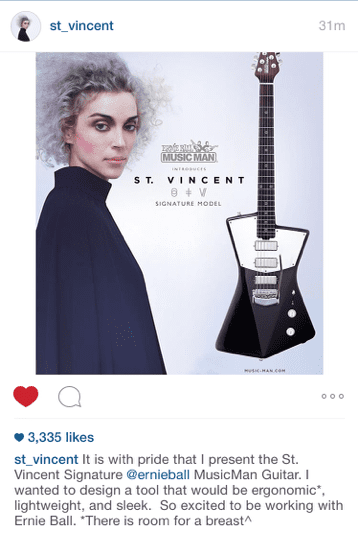
In her caption on Instagram Clark mentions that “there is room for breast(s)” which is pretty freaking awesome—because many of us have those. Additionally, the guitar is definitely designed with her own body in mind, “I sought to create a tool that would help and inspire those who share my priorities in a guitar, namely that it be comfortable and lightweight and that it exhibit clean lines, all without sacrificing tone flexibility.”
Ernie Ball adds that “developing the St. Vincent model with Annie has been a highlight of my career,” and goes on to say, “In addition to being one of the finest guitar players I’ve worked with over the past 30 years, she’s equally, if not more, gifted as a guitar designer. I’m incredibly proud Annie chose us to help realize her vision. We’re honored to have her as part of our family.”
Congratulations Ernie Ball Music Man! You are a great example of where the music industry should be heading and the fact that you were smart enough to seek out one of the best guitar players of this time says a lot.