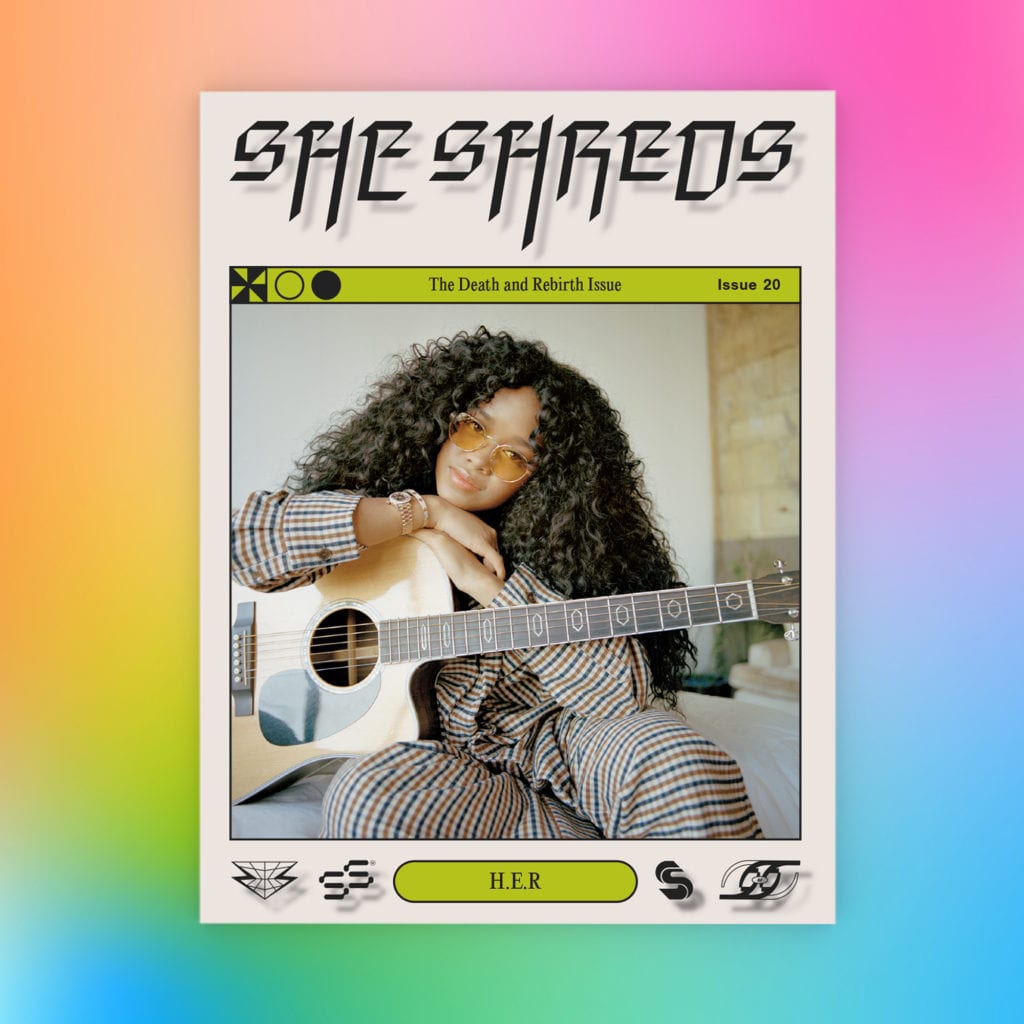
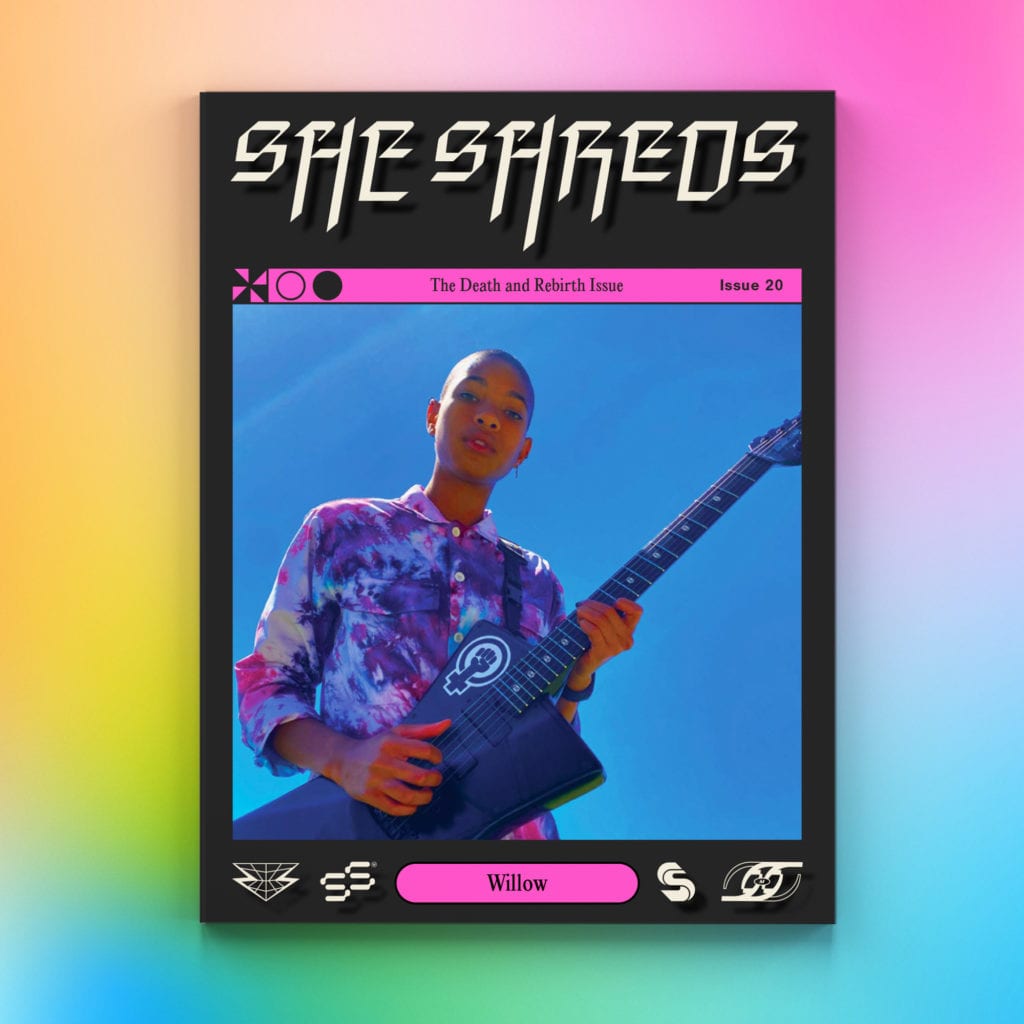
Dedicated to Women Guitarists and Bassists

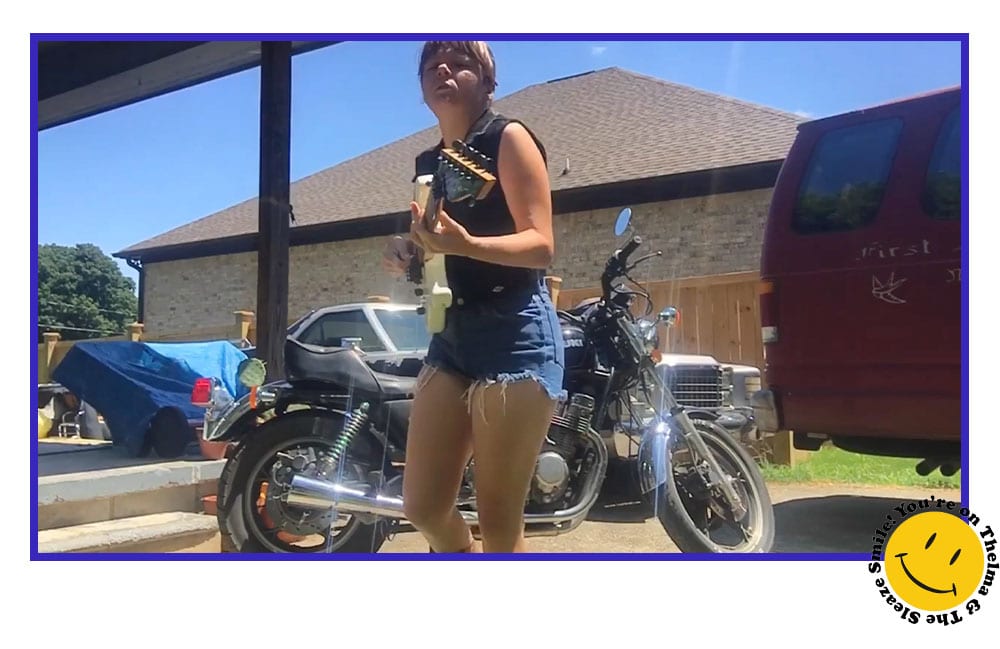
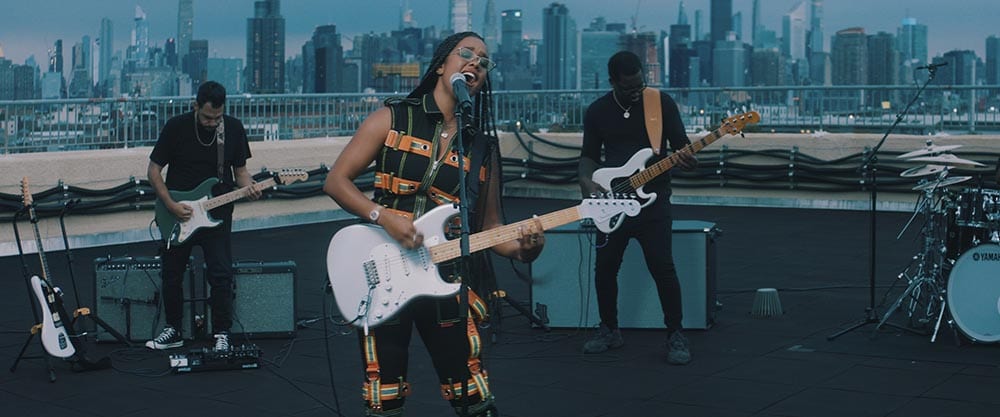
Lauren “LG” Gilbert is the kind of rock ‘n’ roll musician who’s difficult to describe outside of her own words. Both on stage and off, she isn’t scared to call a spade a spade, and performs with three goals in mind: “make ‘em a little horny, a little scared, and want to be you.”

The mastermind behind Thelma and the Sleaze, an all-women queer Southern rock back from Nashville, LG conjures the goodness of rock ‘n’ roll in everything she touches. From hosting her own music podcast Queen of Shit Mountain, to playing a 31-show 29-day tour in Nashville, to co-collaborating on Hands Off!, a cassette tape compilation created as a response to the predatory culture of Burger Records, LG is an unstoppable force—pandemic be damned. 

Tomorrow, Thelma and the Sleaze will release Sacred As Hell, a seven-song EP written, produced, and mixed by LG in her home studio this year, followed by an album release live stream at the famous Muscle Shoals Sound Studio.

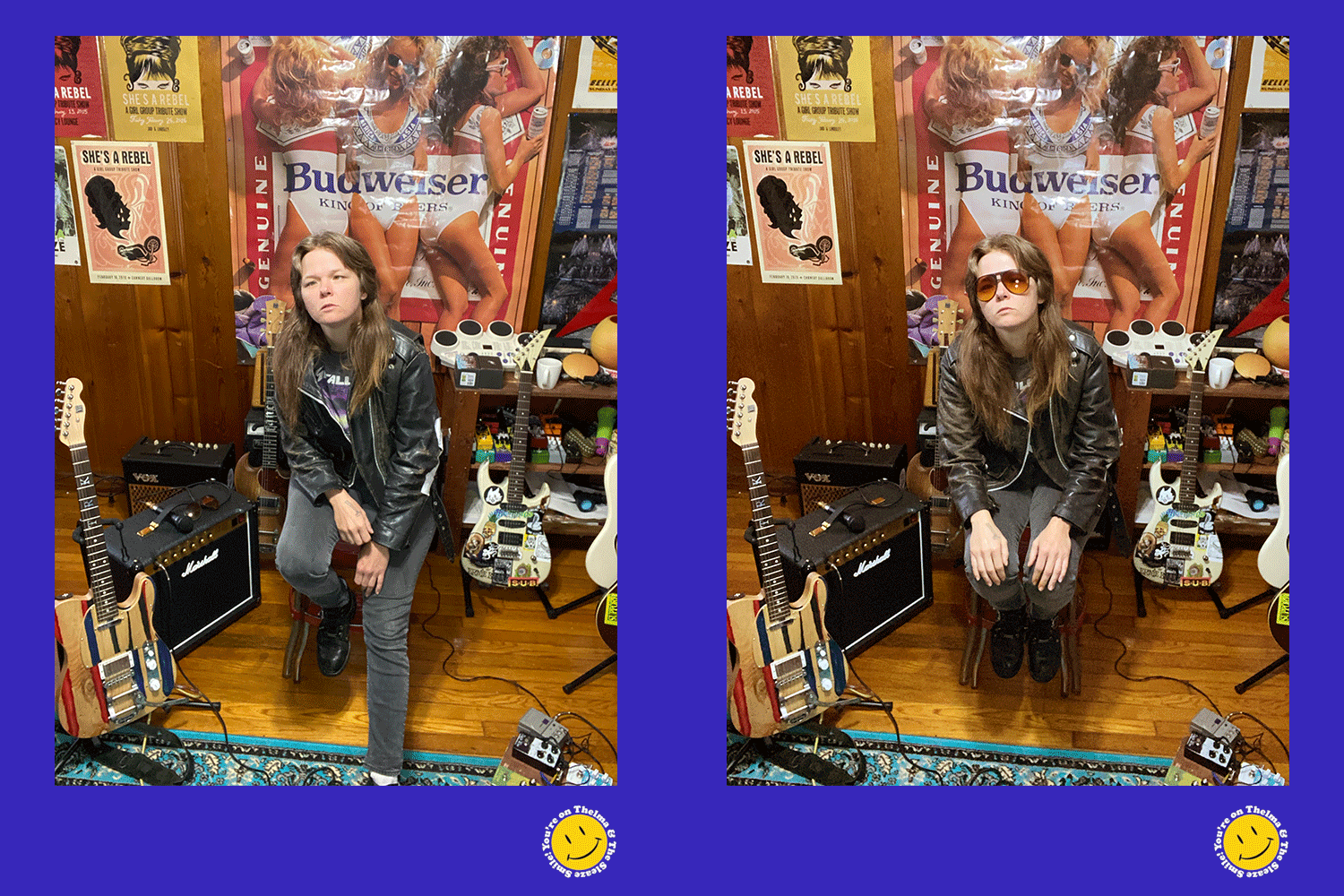
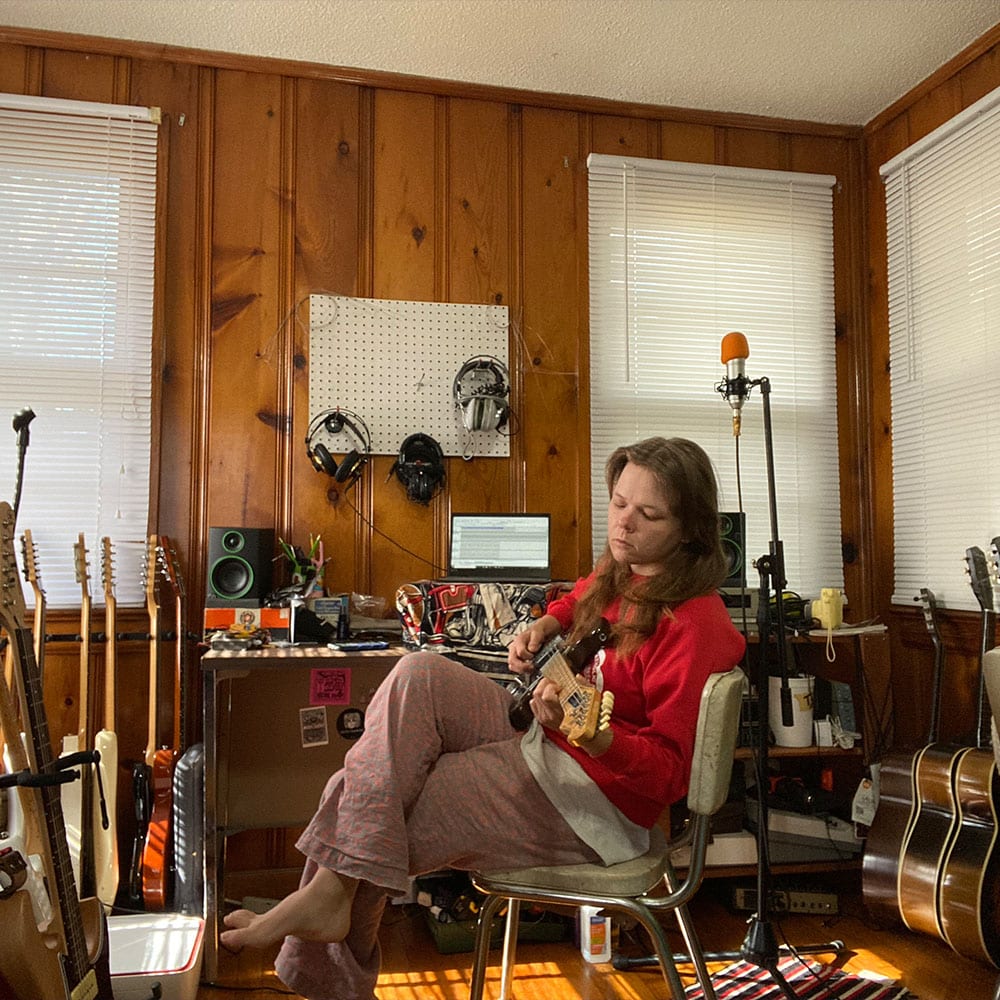
In partnership with Marshall for our In Development series, we spoke with LG from her home in Nashville about the influence of the South on her music, her tone progression, the Marshall Studio Classic SC20C combo, and the true meaning of rock ‘n’ roll.
Web 6

It seems like Nashville is a really big part of your whole tone and who you are. What are some of your biggest Southern influences?

When I started playing Nashville in college, the initial Southern influence was Pantera because that’s who I grew up around—scare and metal dudes—but also Sleater Kinney. So when I started my first band here, Trampskirts (with Jade Payne from Aye Nako), I would be playing drop D heavy Pantera stuff and she would be playing more like Sleater Kinney style. Then I got really into the Gossip, who led me to the earliest forms of rock ‘n’ roll that came out of the South, like Memphis Minnie, Big Mama Thornton, Sister Rosetta Tharpe, and all the great Black women who made rock ‘n’ roll. That’s when it all melded into, “Okay, this is our sound, this is what we want.”

I think the cool thing about our generation—and I’m 35—was that the internet was present, but it wasn’t a constant. You really had to seek out influences. So when I first moved to Nashville, I didn’t know everything about Southern rock history and music, especially all the [gear] that makes my sound the way it is. It was organically happening. If you go to any record store and dig through any dollar bin in Nashville, Muscle Shoals, or Memphis, you’re gonna find crazy Southern rock bands that just never made it. And that was huge for me, because I’ve always been a dollar bin girl, digging and finding records. That’s where I learned and found all these bands.

And that’s always been my great contradiction: loving bands like Black Oak Arkansas but also loving Memphis Minnie and people like that. How do you combine dumb ass white trash bigotry music with where it actually came from, the women who made it happen, and meld it into a powerful thing? In a grander scheme, and in a lot of ways, that’s the struggle of being a musician in the South.

Everything you just said is really present in Thelma and the Sleaze. How did you essentially get two different worlds to agree on each other?

If the year was 1863 and we were traveling in a wagon, we’d be selling snake oil. The bulk of my life has been set in the South, but I was raised in the Midwest. I’m still a Midwestern girl, and Chase [Noelle, drummer] was too. But Baby Angel was our ticket to ride, our original bass player. She was Southern as fuck, and she taught me that if you’re going to embrace this music, if you’re going to fuckin’ walk the walk, you better talk the talk. She taught me how to carry myself, but it was hard. I spent part of my life in the Midwest, but I identify more with the South because I was raised for a long time in Kentucky and spent almost 15 years in Nashville. So it was like, how do I find that happy medium?

And it’s hard for the kids nowadays, the queer babies coming up, to understand exactly what we did. It’s like Brittany Howard said: “There’s going to books written about you, LG.” And I was like, certainly, but I don’t think we get enough credit for being one of the first all-female, all-queer bands to get in a literal church van, travel around the South, play anywhere—biker clubs, dive bars, the deep South, everywhere—and not give any fucks. If we were playing at a queer local DIY space or a white trash bar, everyone got the same treatment. You walk into a situation that’s like,I love guitar riffs, big drums, and big bass, but these women are up here talking about Black women who invented rock ‘n’ roll, eating each others’ pussies, and burning churches!” [Laughs.] Once I’m in the room, you’re going to be captivated, you’re going to be enticed, and you’re going to want to fuckin’ act right. Because if you don’t act right, I’ll either smack the shit out of you with my guitar or I’ll have the biggest motherfucker in the room throw you out the door. 

So, that’s what we did. When we started, there wasn’t anyone else doing that—I even talked to Kate Pierson from the B-52s and they didn’t even tour the South back then, really. We did not give a fuck, and we weren’t scared. But we probably should have been in some circumstances.
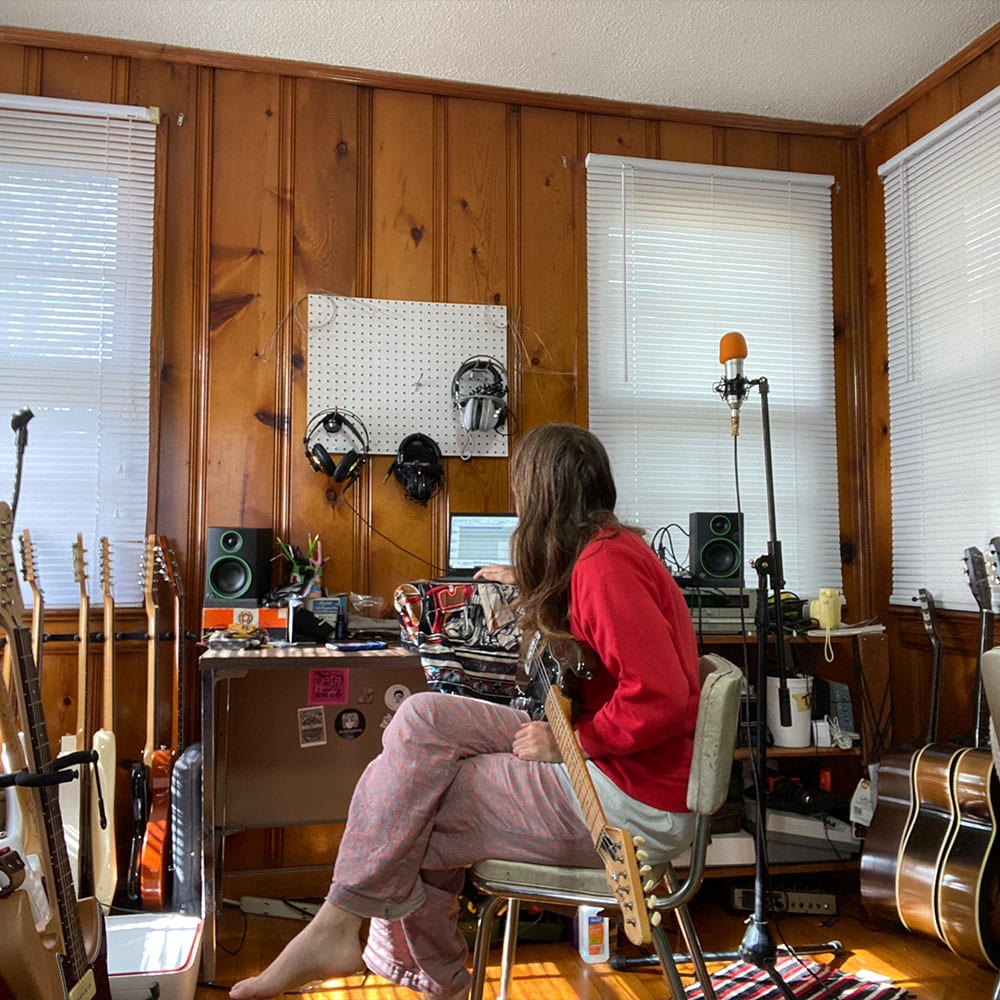
LG Web stroke 17
LG Web stroke 18
LG Web stroke 16

So how did Thelma and the Sleaze come to fruition?

When I was in Trampskirts with Jade, we were baby dykes, little girls experiencing all this shit via riot grrrl and bitch rock. We cut our teeth at these wild, raging dyke parties in Indianapolis. After about two years we got a new bass player, Baby Angel. She rolled in, smoked a cigarette, and was like, “Y’all like 7 Year Bitch?” and I was just like, [falls backwards] “What the fuck… who are you?!” So we did one weekend tour with her, and she saved our car from getting broken into with a cell phone charger, and I was like, “Goddamn, that’s like some Thelma and Louise shit, bitch!” And she was like, “Naw, that’s some Thelma and the Sleaze shit.” People think that’s a cheesy name, but I can’t think of a more appropriate description of what being in this band is like. It’s literally the hottest, coolest women you’ve ever met running around the country, having as much fun as we possibly can, and checking every dude who fucks with us—and the industry is like Harvey Keitel’s character.

The first version of Thelma and the Sleaze was so important and we did do so much cool shit, but once it was me, Baby Angel, and Chase, that’s really when the band started. We were like, “Let’s go [on a] national tour, let’s run it.” That’s when we became established as a national band. And then that lineup fell out, and I was just like, “Fuck consistent members, because that’s too much work.” So now it’s just me and whoever I pay, and that works out very well.

Honestly, it sounds like the epitome of the rock ‘n’ roll lifestyle, but the queer feminist version. And it sounds like Thelma and the Sleaze, and the tone you play, is inspired by community and the people you know. How do you translate that through your sound and performance?

I don’t do drugs, I don’t drink. And that’s the best thing about some of the women that I’ve played with: they don’t need drugs and alcohol to feel and emote, to be present and confident. They know that every moment of your life is important and you have to make the most of it, and that people are here because they want to see us, so give them the fuckin’ goods. 

There’s a standard in Thelma and the Sleaze—it doesn’t seem that way, ‘cuz we carry ourselves kind of like [shakes body and yells] and we get on stage like,”Fuck this” [plays air guitar]! So as much as the community has influenced my sound, and as much as the South has influenced my sound, my experiences have as well. This has pretty much been my job for the last five years, like… getting down to $1 or negative $10 in your bank account, and having to drive 500 miles the next day, and not knowing how anything is going to work out, and just letting go of all of that. Being like, “I got my girls, I got my [gear], I’m going.” That’s why we have an EP called Heart Like A Fist: you have to love what you do, you have to wanna fuckin’ do it.

It’s so important to tow the line as an artist—I’m old school like that—to raise eyebrows and push boundaries and challenge yourself and your audience. I won’t ever stop, but I know that the audience is invested in what I do, and they’ve paid a lot of money for the time and energy for me to do it. So I’m always going to make sure under everything I’m doing there’s this push, there’s this floor that they can stand on and be like, “Okay bitch, this is Thelma and the Sleaze.” Our sound has changed considerably over the course of our releases, but at the end of the day it’s there, it’s present. 
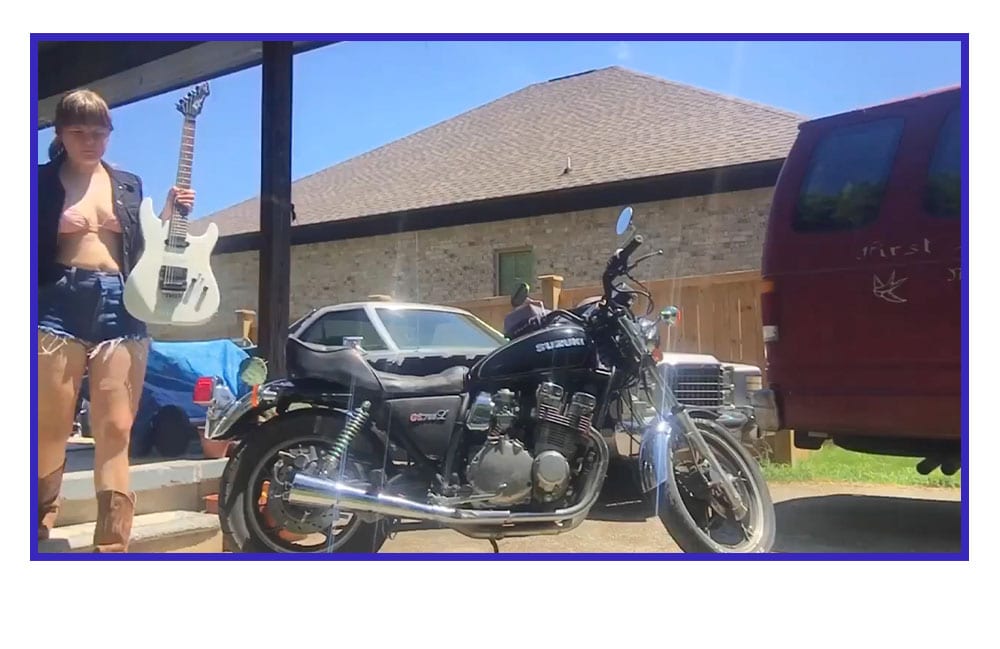
LG Web stroke 11
LG Web stroke 8

Do you think your tone has stayed consistent throughout the development of your bands?

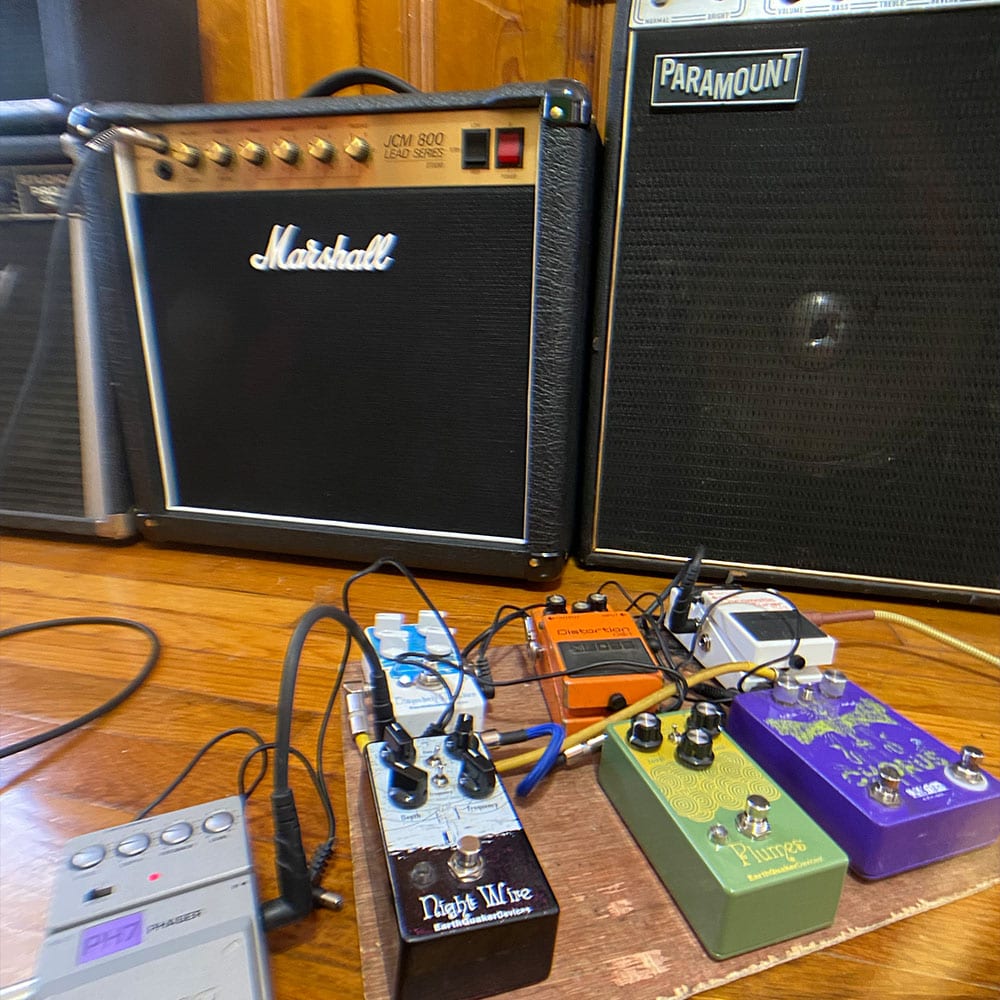
Oh yeah. It’s always been the same [amp], BOSS DS-1 distortion pedal, and humbucker. I’m not gonna not try new things, I’m not gonna not evolve, but those are paramount to what I do. I do so much palm muting, I do so much ringing out that I need a forgiving pickup. I can’t use a P-90, that’s too hot; I can’t use a single coil, that’s too pretty. I want something that gives me that chug-chug-chug when I need it. And that’s why I got my Scale Model Custom SG guitar, ‘cuz on the last record I really started adding a little more dynamics to my playing. 

I think the only things that’ve been consistent about my band is my guitar tone, my voice, and my attitude. Those are the only things that people who love Thelma and the Sleaze can always count on… I’m gonna show up, I’m gonna be sassy, I’m gonna have a big ass loud ass amp,   and I’m gonna playing fuckin’ rock ‘n’ roll to you until I fuckin’ pass out.

Tell me about the process of finding your tone. Your crunch is really clear. It’s not clean, but it sounds buttery. 

Again, this is really relative to me being in the South. Back when I got my first and only [amp] in 2005—maybe even earlier than that—I paid $50 for it, and back then you could buy a [good used amp] for $50. But I also worked at a pizza place, I got paid $6 an hour back then; I needed to find as much power and as much sound as I possibly could so that when I got on stage with [the Trampskirts], which was really loud and raucous, people weren’t going to be like, “Ugh, I can barely hear the guitar.” People would be like, “[throws arms in the air] FUUUUUUCK.” 

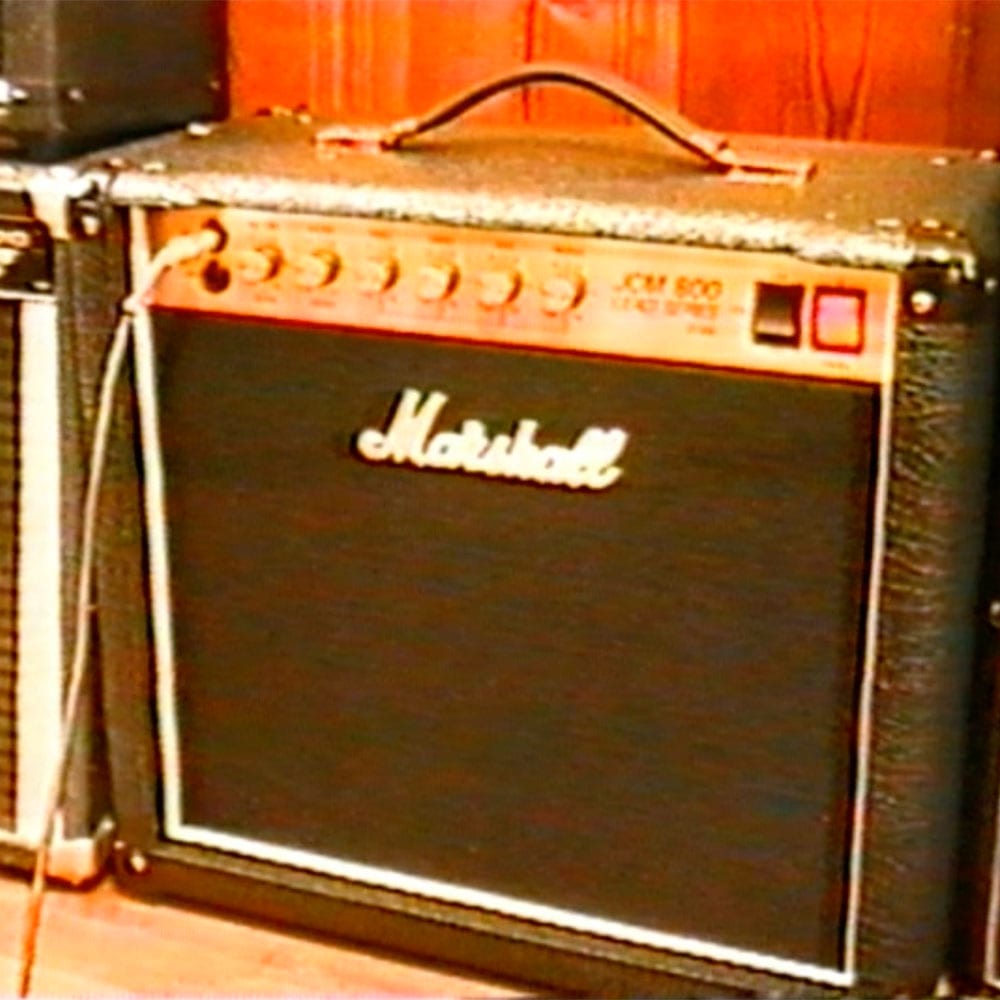
I don’t like to necessarily be loud; I like to be powerful. And so, to me, I want to push a lot of air without necessarily ringing people’s ears out. That’s always been more important to me, so that’s why I took the speakers out of my combo amp and ran it like a head though the four cab, because the four cab that I have has Celestion speakers in it, so the muddier parts of my amp that make it hard for other people to use are kind of washed through a cheesecloth of these Celestion speakers. I’ve never turned my amp up past five, ever, so I get all this power and all this warmth of these tubes. This is what’s considered a trans-tube amp: it has solid state features, but also kind of has a tube section. 

I’ve had a DS-1 since junior high, when I first bought a guitar. The two things that I like about it are, one, that it’s great for palm muting—it gives you that chug-chug-chug-chug sound that I like… very ‘80s. And then also, it layers well. Once I started playing more solos, and getting more into leads and stuff—because I was a rhythm player until Thelma and the Sleaze started getting beefier and beefier—that’s when I brought in the Tube Screamer, so when I punch on my leads there’s the gain boost but it also shapes the sound so that it’s more clear and takes the girth power of the DS-1 and gives it a nice shimmer so that you can really get under your bends and rips. It just sounds so much better. It doesn’t ring out, it doesn’t make crazy fuckin’ noises, it doesn’t have a shit ton of high end… it’s really simple, and it also layers well with other overdrives. I’ve stacked two DS-1s at the same time and it sounds sick.

Imagine any type of amp: what do you reach for immediately to get the settings and the tone that you want?

You know, the thing that I like about a good amp is you can keep everything at noon. If everything’s kinda level, I can get my sound out of my guitar and my DS-1. If I can set the volume and the gain pretty much even, and everything at noon, and it doesn’t squeal at me, it has a punch, it has that headroom for me to ring out and do my thing and grow a feedback… I’m good at feedback. A lot of people haven’t compared my playing necessarily to Jimi Hendrix, but my style and the way I use my feedback is really similar to the way he did it. 

I don’t want to sit here and fiddle with shit. Amps, to me, are just like the conduit: they’re going to project what I’ve already got, which is good hands, a good guitar, and my DS-1. I want to just flip it on, have everything nominal, and then ahhhhh [raises hands to the sky].
LG Web stroke 15
LG Web 5
LG Web 7

What do you have the Marshall amp set to?

I have it locked in exactly how I set my usual amp. That’s what I’m going to do initially with any amp, set it how I set my amp that I’ve always used: the gain and the volume even at like three, the EQ completely straight at zero, and a little bit of presence to balance it out. I have it on the low power setting because like I said, I do get so much tone out of my DS-1 that I don’t really need the high watt setting, it’s just a little overkill, especially for in the house or studio. But if I was live, I’d probably use it because it basically just takes a smaller amp and makes it sound like a giant amp. We took it into the studio last weekend and used it for leads, and my other guitar player had it a little more straight across, five on the preamp setting, and it wasn’t too loud. That’s what I like—an amp that you get all the nasty, all the dirt, all the punch without having to fuckin’ blow people’s ears off. If I’m playing 25, 35 shows in a row, I can’t blast my ears out with high end and shit, especially since I’ve been doing this for ten years. I don’t have much left; I have to be careful. [Laughs.]

This Marshall is a good tube amp. It would be great for touring, especially with the high setting. I’m always looking for new gear that’s affordable, durable, and has that classic sound. If this Marshall made it from all the way from Portland [to Nashville] in that fuckin’ box that literally looked like a football team took turns kicking it… and it’s light, which is very nice. It rips.

So, obviously pandemic vibes—but it seems like you’ve been busy.

Well, you know, I’m fortunate in that I’ve spent that last six years hustling and existing in DIY culture and ignored by the main industry, so I’m built for this in a lot of ways… I’ve lived in an isolated part of the rural South for some years, so I’m used to it. Obviously nine months was not expected, so it has been really hard on me mentally. But for the most part, I feel fortunate because I do have a very dedicated fanbase, a name for myself that draws in interviews and other things, and I have my podcast which keeps me busy. 

I recently got some money to do a livestream, and I was kind of like a squirrel: their giving me a budget for production, it’s not a lot, but I think I can sweet talk my way into using this for a seven-inch, a live album, a release party, and the livestream… We did it as safely as possible, and I’m hoping for good odds. I think being resourceful and being present are the most important thing about being an artist, for me. Knowing that I should be very grateful to have the opportunity, because a lot of people write songs, and I’ve lost a lot of friends that died who were very talented, so I don’t take it for granted. Even during quarantine I have that attitude, so that helps. 

But I’m also an alcoholic, so all the chemicals in my brain that I need to trigger with live shows—the dopamine, the serotonin, the euphoria, the adrenaline, all of it—I haven’t been getting my fix. I’ve had to find some balance in just being still, and that’s been really difficult.

What I want people to say about Thelma and the Sleaze is that we were an equal opportunity destroyer.

I want to ask you about this Rolling Stone clip you shared on your social media. It says, “This is a statement about there being no tolerance for predatory behavior in the rock scene.” It’s out of context for me—can you talk more about that?

So basically, I worked with Burger Records casually, and many of my friends did as well. It was presented that Burger Records had used rock ‘n’ roll powers for evil, to help stoke predatory behavior in a scene that was very organic, pure, and for the good of rock ‘n’ roll. I got to talking with my cohorts, my contemporaries on Burger Records, and was like, “What do we do?” In some ways, we felt guilty and responsible because we gave Burger Records more legitimacy—not entirely, and certainly it was a fleeting feeling, but it’s not a good feeling when you make your M.O. to empower other young girls. I was like, “We should make a tape comp,” because comps were such an important part of change and a clear message for time—like a time capsule of no fucks. Cassette culture is so important to DIY bands, and Burger Records put out cassettes for the most part; you need analog, you need tape if you can’t afford vinyls (which are very expensive). So it was important to have that culture exist, and to progress and evolve past Burger Records, which was kinda the biggest game in town.

In quarantine, to find out all this shit was going down around you and you never noticed, it’s pretty fuckin’ debilitating… I reached out to probably 20 different ladies involved with Burger Records on different levels and found a good group [to work on the Hands Off! tape comp]. I thought the comp needed a message, and the message is really clear, so that’s why I wrote that quote. I want the project not to be fixated on anything other than this culture existing to serve artists that need it, and will continue to do that in a non-predatory, safe, and progressive way. That’s rock ‘n’ roll. This isn’t a boys club, and that’s why your fuckin’ label that existed for 13 years and was a worldwide phenomenon for tape culture went down in 24 fuckin’ hours. And should this arise again, you will go down in 24 fuckin’ hours. 

There is a progression, and there’s real serendipity. For me—a rocker chick who’s been playing since before the internet and tries to keep bitch rock and riot grrrl and Black lady blues mentality and spirituality alive, and puts it into music and projects that go out into the world for young girls—to have [the behavior of Burger Records] still going on in the rock scene is very upsetting. I look at artists now like Soccer Mommy, Snail Mail, and all these young girls coming out of these rock camps with so much confidence, so much no-fucks, so much intelligence and ability to do everything—produce, write, generate content—with such pizzazz… I’m like, oh, that’s that change. And that’s what rock ‘n’ roll is: a safe space to be explorative and accepting of the wild side, the fringe, the niche. It’s not a vessel for your masculinity… y’all got it fuckin’ wrong.
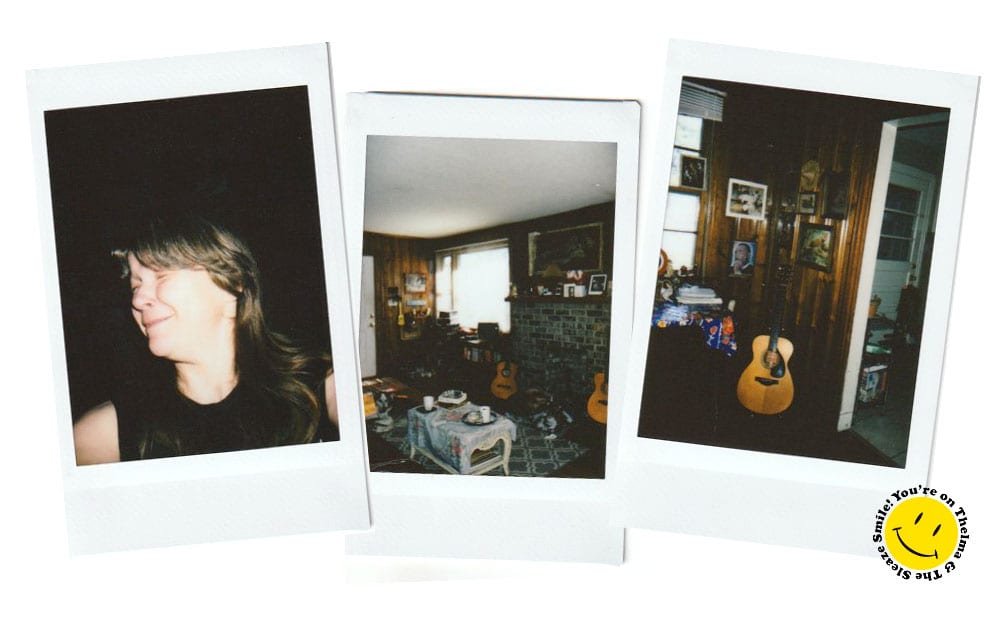
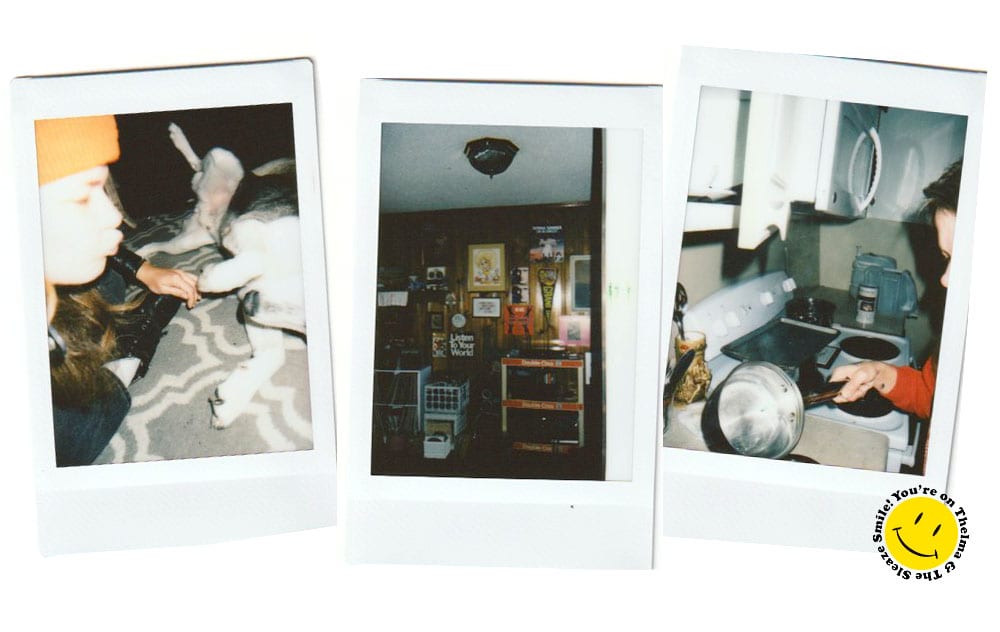
Whether it’s work ethic, tone, community, or any of those things—20 years from now, when people pull out one of your records, what do you want them to remember about Thelma and the Sleaze and rock ‘n’ roll as a genre?

What I want people to say about Thelma and the Sleaze is that we were an equal opportunity destroyer. And anybody who behaved with an open mind and an evolved sense of the world, culture, and life had a permission slip to come in. And Thelma and the Sleaze was constantly walking in saying, “Here’s what you think is going to happen, but here’s what is going to fuckin’ happen.” I’ve just always given people a chance, because a lot of the times when I’ve been on tour, people have said dumb shit to me. But I already knew what I was going to do, I already knew what the outcome would be. So I gave them a chance to evolve, to be a part of the change and the good in rock ‘n’ roll. 

Rock ‘n’ roll isn’t scales, it isn’t gear. It isn’t studded belts and motorcycle jackets. It’s really about the highest level of amplified joy, power, and sex. Your goals for your audience should be to make ‘em a little horny, a little scared, and to want to be you. There’s a sexuality to what I do, and I’m aware of that. It’s a side effect of me living my life, having experiences that inspire me to write songs, and getting on stage and being myself. It’s not an invitation for anything; it’s for you to bear witness. And it’s not just sexuality—everything about me is going to be amplified: my humor, my anger, my insight. There should be a level of, “This could all fall apart at any moment,” and that’s what I mean about being scared of me. Is she going to jump out in the crowd? Is she gonna climb the amps and kick the drums over and body slam her drummer? [Laughs]. You just don’t know. 

And I always want people to see me play guitar and say, “I gotta go home right now and play guitar, because I love guitar, and LG made me want to make love on my guitar.” To me, that’s the three goals. That’s what I want people to remember: those bitches, they really gave a fuck and made that look easy. 
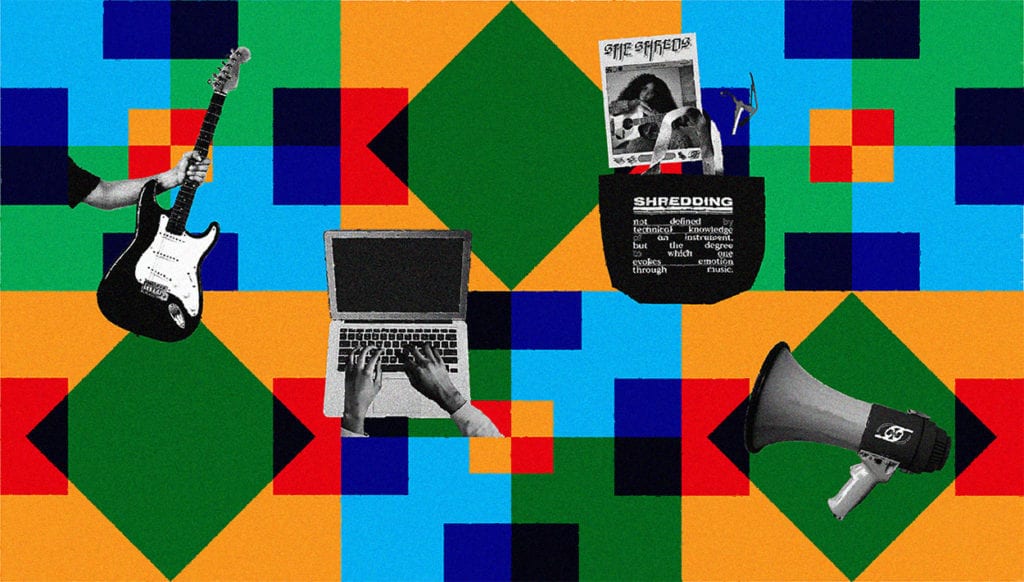
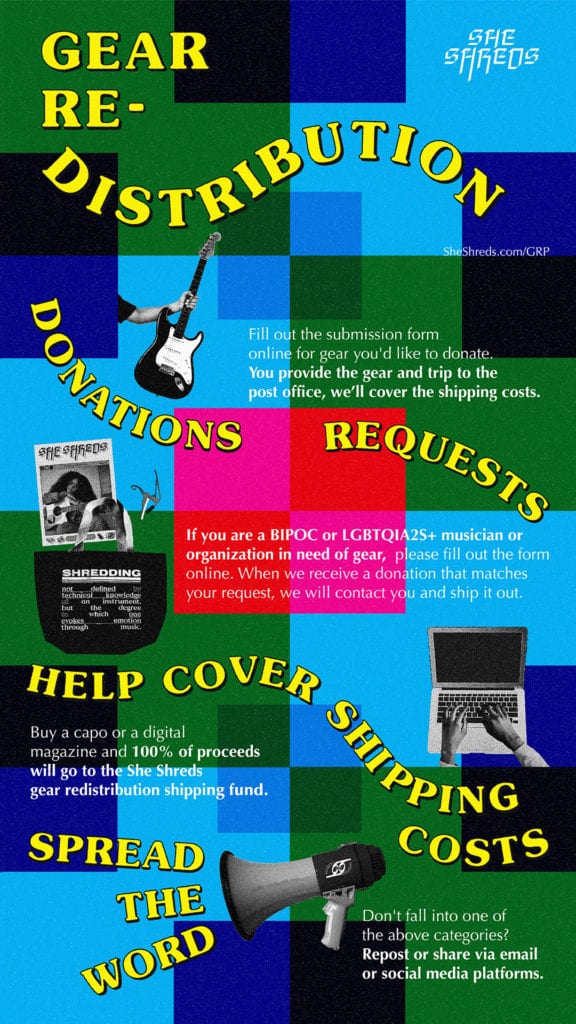
Let’s face it: many of us have music gear lying around that we haven’t touched in months or, dare we say, years. And for some of us, this abundance and neglect is a privilege. Maybe we’ve held on to that dusty acoustic guitar because of sentimentality, that wah pedal because perhaps we’ll use it again (lol we won’t), or that microphone because we’re too lazy to list it on Reverb. Our unused gear deserves to thrive, and so do overlooked communities such as women, nonbinary, BIPOC, and LGBTQIA2S+ musicians, which is why this holiday season we’re launching the Gear Redistribution Project (GRP).

In an effort to support underrepresented individuals, communities, and organizations in reaching their highest creative potential, we’ll be collecting donations to be redistributed to those who will breathe new creative life into unused gear. Access to these tools is crucial to dreaming our potentials into existence, and we don’t need to wait for systems to change—we, as a community, have the power to change it right now.

ss redistrib webfeatimg

How It Works

1. Donations—Submit your instrument: If you have gear you no longer use or need and are willing to donate, please fill out the form here. Together we can get these resources into the hands of those who need them; you provide the gear and trip to the post office, we’ll cover the recipient and shipping costs.

2. Requests—Submit your needs: If you are a BIPOC or LGBTQIA2S+ musician or organization in need of gear,  please fill out the form here. When we receive a gear donation that matches your request, we will contact you and ship it out.

3. Help cover the costs of shipping and handling: Buy a capo digital magazine, or make a one time donation and 100% of proceeds will go to the She Shreds Gear Redistribution Fund.

4. Spread The Word: If you fall into none of the above categories, consider sharing this resource with your own communities via email or social media using the flier below:

SS GRP story1

Shipping and Handling

To make something like a national gear redistribution work, we need community effort, and that means each of us has the ability to play a part in this.

To cover shipping and handling, we’re offering: 

All 20 issues (some still being uploaded <3) of She Shreds Magazine will be available for purchase as a digital download at $10 each, and 100% of the proceeds will go towards the She Shreds Gear Redistribution. So if you want to contribute, consider giving the gift of shredding to yourself and our community around the country.
Donations

Since our original post last weekend asking folks to consider donating gear for redistribution, we’ve already been offered 15 items from people all over the country, from guitars and basses to microphones and interfaces. For the month of December we’re partnering with P0STB1NARY to distribute 50% of the gear to Black trans musicians and producers in the DC area. The other 50% of donations will go to BIPOC and LGBTQIA2S+ musicians from the submission forms above.
NB SILVER 1

About P0STB1NARY

Founded by NABURU EXE in 2019, P0STB1NARY is a DC-based counter-cultural ecosystem and music platform uplifting the autonomy, safety, wellness, and creative development of Black trans and gender expansive cultural workers.

As the first of its kind, P0STB1NARY operates from a lens rooted in the unique lived experiences of Black trans people and shifts power and resources towards their communities.  In response to COVID-19, P0STB1NARY has redistributed almost $20,000 directly to Black trans people. Recognizing the structural barriers to creative development for Black trans people, P0STB1NARY explores alternative models that divest from exploitative practices and celebrates the radical imaginative power of cultural production.

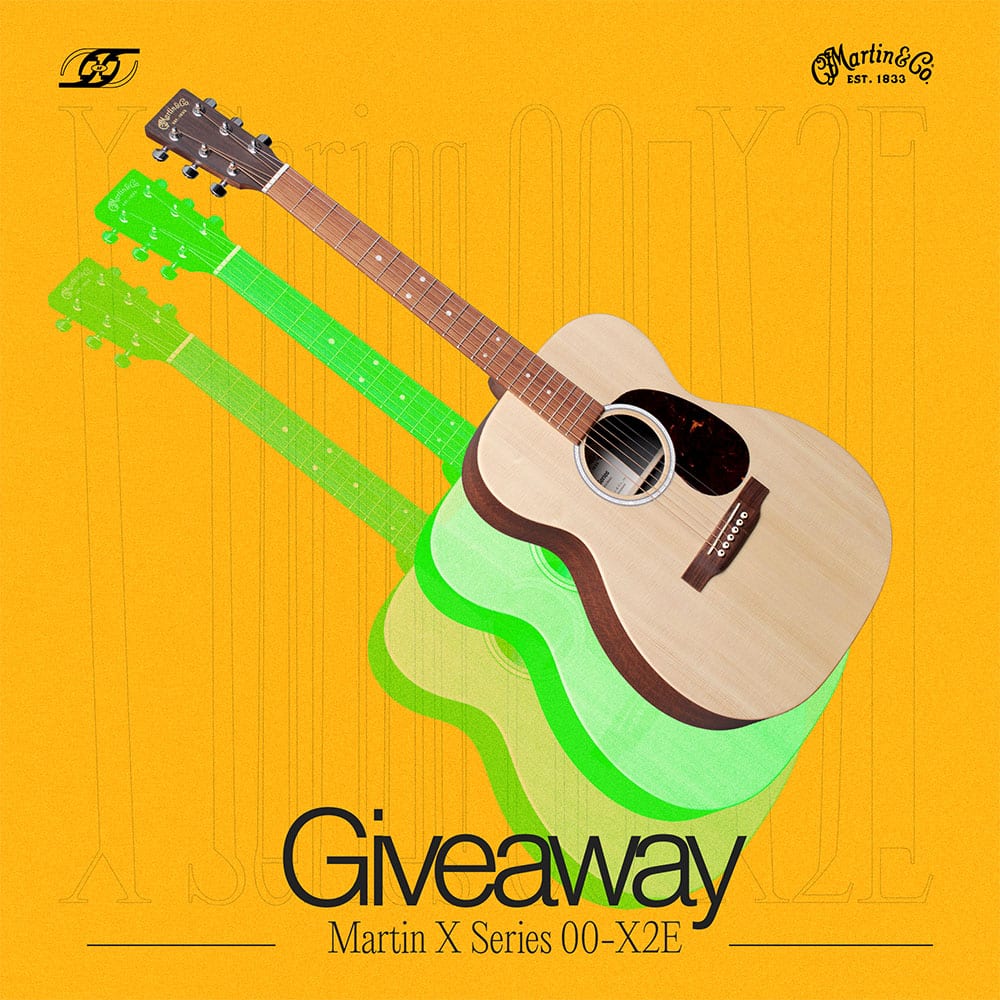
The Martin X Series was designed with affordability in mind, offering the legendary Martin tone with easy playability, durability, comfort, and style—with a price point that won’t have your wallet completely shook—which is why we’re so excited for our Martin 00-X2E giveaway!

Martin X Series Web 2

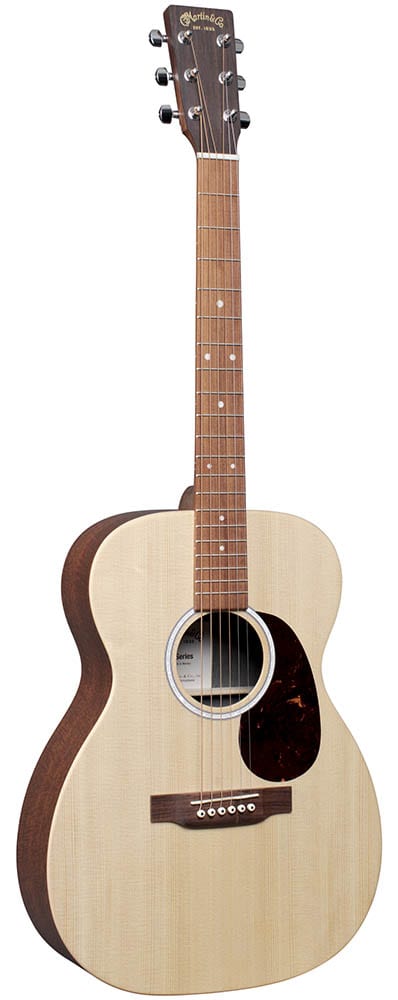
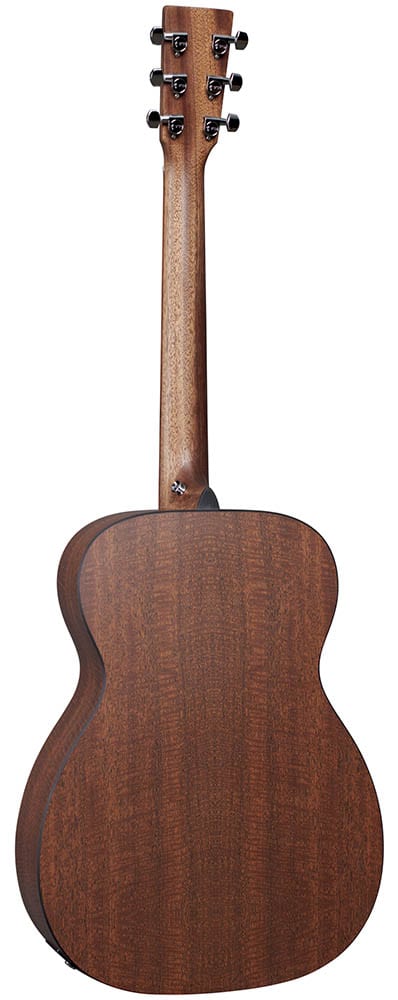
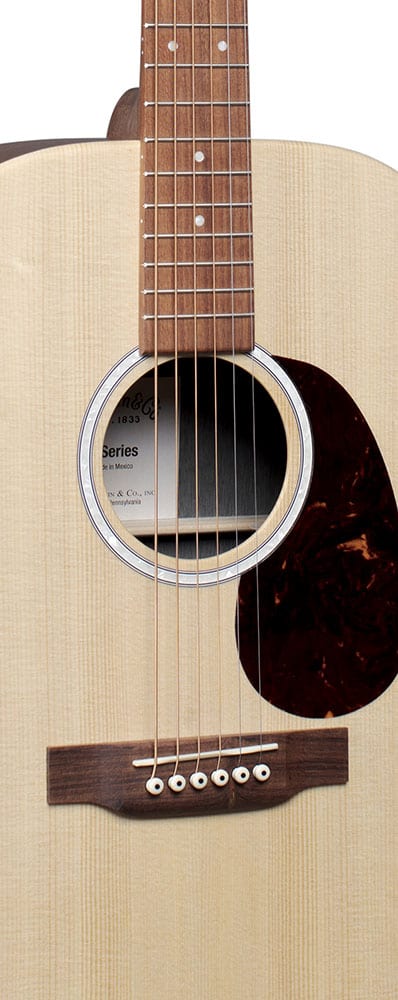
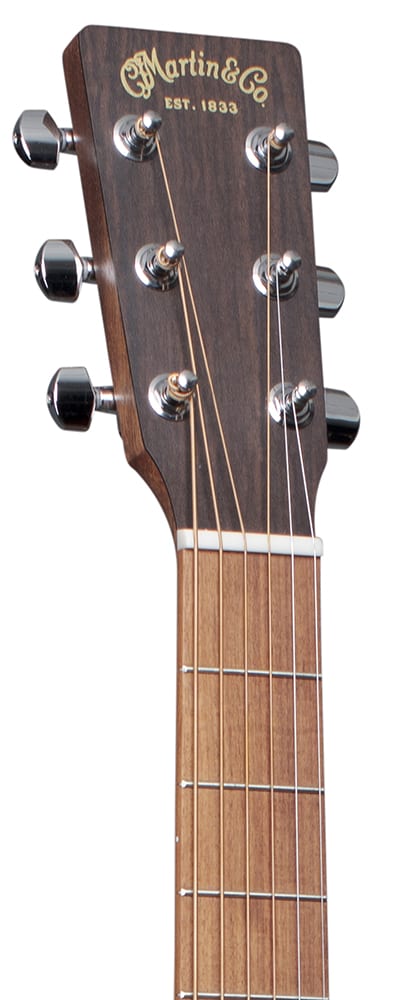
Released this year, the Martin 00-X2E is a Grand Concert sized acoustic guitar with a Sitka spruce top, mahogany laminate on the back and sides, and a classy mother-of-pearl inlay. And it’s as satisfying to play as it is to look at: Martin’s signature slim Performing Artist neck, fingerboard, and bridge make for easy playability while the Fishman® MX electronics offers a bright clean sound for when you want to plug in and amplify. 

The Martin 00-X2E acoustic guitar comes equipped with Martin’s Authentic Acoustic Lifespan® 2.0 strings and a soft gig bag with headstock, bridge, and endpin protectors as well as a water-repellent exterior and foam padding for hitting the dusty road for tour (someday) or a road trip!

How to enter:

  1. Follow @sheshreds_media + @martinguitar on any/all socials
  2. Tag a friend you’d share this with if you won
  3. Enter your information below
  4. The winner will be announced on this article on Monday, November 16th at noon PST
  5. Open to all international shredders 

Martin Guitars will need to collect a W9 from the winner of the guitar, and will issue a form 1099 for the 2019 tax year. By entering the contest, you are agreeing to provide a W9 to Martin Guitars as a condition to receiving the guitar.

Congrats to Kat King for winning! Thank you to everyone who entered <3 

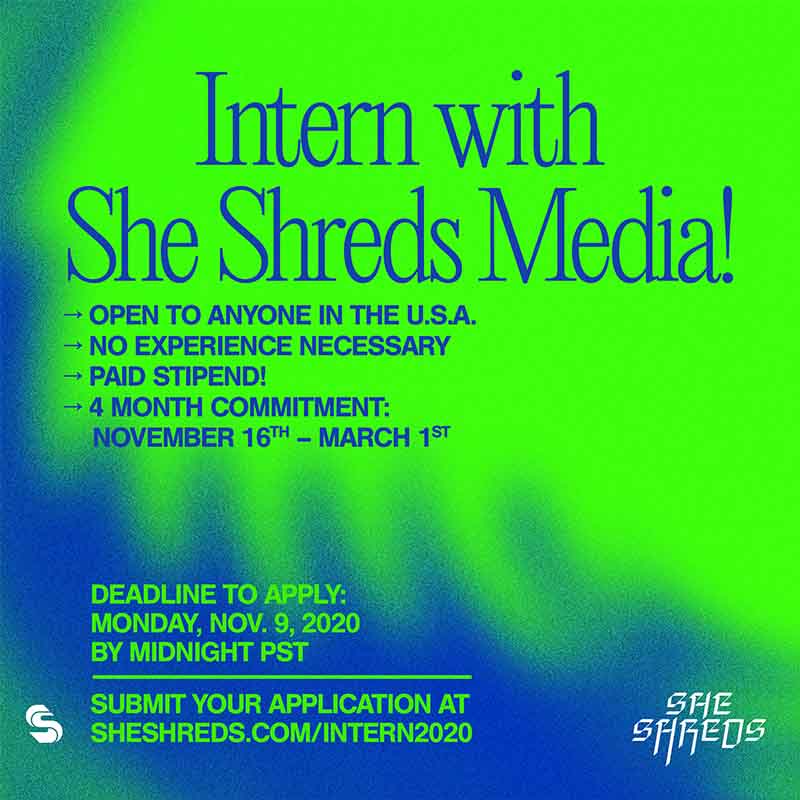
She Shreds is excited to open submissions for a winter internship position. Although we are in large part looking for someone to collaborate with our creative vision, She Shreds is a small team and those who submit should be open to the many last minute, wild, mysterious, boring, not-so-boring things that come up as a media company. 

Who Is She Shreds? *Please Read

Since 2012 She Shreds has been home to the world’s first and only print publication dedicated to women guitarists and bassists—including features with internationally renowned artists such as Brittany Howard, Willow Smith, Fanny, Nai Palm, and many more. 

As we transition out of She Shreds Magazine and into She Shreds Media, our mission continues to focus on educating, empowering, and inspiring people through unexplored musical and cultural landscapes. Our vision is to continuously refine, redefine, and reimagine the possibilities of how music connects us, ensuring an inclusive and accessible music community 100% of the time.

Being a part of our team means understanding that music, and the tools we have to create with, are not to be confined by the rules and limitations of any one language, technique, genre, skill level, or background and therefore our dedication of women and non binary guitarists and bassists shouldn’t be either. We’re looking for people who are determined and passionate about discovering and building fresh ways to connect and communicate. If this sounds like something you believe in then we’re looking forward to hearing from you!

Intern IG Homepage

Details!

The winter intern position is open to women and non binary creatives with an understanding and/or curiosity of multimedia content creation which can include video, collage, photography, illustration, etc. (we personally use the Adobe creative suit). It’s not necessary to have any previous experience but we will be looking for a candidate eager to learn and try new things. 

  • Submissions are open Thursday, November 5th – Monday, November 9th at midnight PST.
  • Must have your own computer 
  • Those who play guitar or/and bass will be prioritized
  • Those in college and/or graduating high school are encouraged to apply <3
  • Although we’re based in Portland, OR we do encourage women and non-binary creatives from all over the United States to apply. Sadly, we won’t be accepting international applications at this time due to the time difference. However, if you feel strongly about it we want to know why (so submit anyway)!
  • A monthly stipend is provided for around 60 – 75 hours a month

Through this internship you will learn about and/or play a role in:

  • The pitch to publish process of all projects between November and March
  • Content brainstorming
  • Creation of multimedia content
  • Social media strategy 
  • Artist communication 
  • Anything else you want to learn about running a media company!

Application process is now closed. Thank you to everyone who submitted an application! You will hear from us soon!

Scorpio season is about facing the unknown with a courage inspired by the acceptance that all things change. If you can appreciate the fact that nothing remains the same, and know that you will move through the upcoming shifts without losing the connection to self, then the unknown becomes a place where you realize your full potential. 

In this moment in time, we need every single person to rise up to the occasion and speak out powerfully against the lies that have been upheld by the systems around us. Dig deep. Embrace the changes that we know must happen now in order to move forward together.

ARIES (March 21 – April 19)

1 aries web

This is the time to build on the relationships you have carefully maintained and invested in throughout the pandemic—the time and energy you have shared with others is about to pay off. You can now take a big step forward in your goals and career path, as long as you have the right friends to build you up. In this world, we always get back what we put in; make sure what you’re giving to others is the best of what you have to offer. Make a commitment to change relationship dynamics if you feel left out in the cold—the only way to invite more energy and connection into your life is to make sure you’re committed to doing the work of building them up.

Audio Challenge: Write out a short list of friends with whom you’ve maintained a mutually supportive musical relationship with. Consider the ways in which you have invested in their wellbeing, as well the ways you could further show up for them. Make time this month to show them your gratitude, as well your commitment to their own future.

TAURUS (April 20 – May 20)

2 taurus web

You might be putting more energy out into the world and into others than you can actually give right now. If you find resentment or tension in your intimate connections this month, take a large step back before giving voice to that anger and notice where your energy is going. You should be taking more than adequate time to rest, replenish, and rejuvenate your spirit. When you don’t, you’re off center, and you may think others are to blame. Be careful. Remember that in order to have beautiful, clear, and supportive connections, you have to do the work to make sure you’re strong, clear, and beautiful with yourself first.

Audio Challenge: Find a song that grounds you, that centers you within yourself. When you feel anger, frustration, or loss of energy directed towards yourself or others, make space to listen to or reflect on that song. Take three big inhales and exhales, and consider what your heart needs to receive from no one else but yourself.

GEMINI May 21 – June 20

3 gemini web

What is the purpose of this new role you’re taking on? Daily patterns may shift this month as a new opportunity for growth arises, and you may have to rearrange some responsibilities in order to make time for this work. Even though this change may be for the best, you must make sure that what you’re dropping to make that space doesn’t risk your wellbeing. Take special care this month to remember that the reason for these changes is because you’ve taken the time to put yourself and your wellbeing first. Don’t lose that focus in the shuffle; you’ll need a strong foundation in order to see this new opportunity through.

Audio Challenge: Consider a new way to balance your daily routine, responsibilities, and energy: color code different areas (music, self-care, work, etc.) in your planner, set reminder alerts on your phone, and/or check in with yourself weekly to see what’s been lacking.

CANCER (June 21 – July 22)

4 cancer web

Work, work, work. It may be difficult to continue along at the rate you’ve been going, especially if what you’re being asked to do is as inspiring as watching a Trump town hall debate. Remember that securing the resources you need to make your dream house a reality doesn’t have to mean selling your soul in the present. You will be able to generate more support for your plans if you focus on what you actually do best, instead of what you can pump out quickly. Take a break, and remember why you’re doing this. Happiness starts now—not later, after you’ve exhausted your own personal resources.

Audio Challenge: Next time you start to write a song, focus on what brings you the most joy— lyrics, solos, a catchy melody. Be playful with it, and put aside all feelings of needing an immediately finished product.

 LEO (July 23 – August 22)

5 leo web

Paradoxically, in order to feel more grounded and safer at home, you need to step outside of it to see a bigger perspective. This is your best month for securing that home vibe you’ve been missing: the warmth of a soup cooking over the stove, a comforting sweater to wrap around your shoulders, the feeling of mutual connection and understanding from those you share this space with. But because you’ve been spending so much time inside of it, it’s hard to see what changes need to be made in order to renovate the home space. So take this time to sit with those that make you feel the most at ease. Remember what it feels like to be seen and valued. Then, bring that back home.

Audio Challenge: In the next month, plan a few socially distant outdoor activities. Coordinate an acoustic guitar jam session in a park, attend an outdoor concert, make a picnic playlist for catching up with your bestie. Home isn’t always a place; it’s also a feeling.

VIRGO (August 23 – September 22)

6 virgo web

You no longer need to hold on to the stories that caused you so much grief and trouble in the chapter right before this one. Even though you’ve already started a new story, you’ll find the echoes of the previous one still ringing through your mind. Now that you’ve moved on from the situations that limited your path, you have to remove the old stories behind it. Start with recognizing the value you’ve already created in your life by stepping away from the patterns that caused you harm. Center that value and release the final tendrils of the past that take form as outdated beliefs about who you are. This month you’ll renew, and focus your mind towards your future instead of the past. 

Audio Challenge: On a piece of paper, write out an old story you keep retelling—one that traps you in a previous version of yourself and limits your growth. Safely burn the story with a candle or match. Then, write out lyrics and/or music to a new song that tells the true story of who you are today.

LIBRA (September 23 – October 22)

7 libra web

You have a great opportunity at hand to increase your assets and ensure more resources in the coming year. But in order to fully realize the potential in this moment, you need the help of those whose skills will help guide the path to success. If you know how incredibly rare and important our skillset is at this moment, then you need to make sure it’s adequately appreciated. Reach out to someone you trust who can help you manage this moment in order to build on it next year. Make it your goal this month to get your affairs in order so that you can take those big steps in 2021.

Audio Challenge: Create a roadmap that will prepare you for 2021, including where you want to go, how you can get there, and what resources and skills are currently available to you. Get specific: write out a to-do list of what needs to be done before the new year arrives, who can help build yourself up, and what immediate assets you’ve overlooked that can help push you forward.

SCORPIO (October 23 – November 21)

8 scorp web

Happy Birthday! You may feel like you’ve been doing everything right—focusing on your health, working through old patterns, making commitments to personal growth—so why hasn’t your most fervent wish come true? This may be a time when the lack of connection and intimacy in your personal life overshadows the strides you’ve been making both professionally and personally. But the renewal of love and connection is fast approaching, which is why you’re spending this month going over what you’re missing. Be clear: don’t focus on who you miss, focus on what relationship patterns you want to develop and grow. It will manifest quite soon.

Audio Challenge: Spend some time over the next month tuning in to your heart. Create a playlist of songs that remind you of loved ones and consider how you’d like to see your relationships evolve to the next level. 

SAGITTARIUS (November 22 – December 21)

9 sag web

You’ve been tried, you’ve been tested, and you’ve proven yourself true: now is the time to shake off 2020 and renew your trust in the inherent connection you enjoy with whatever you identify beyond this plane of existence. If you notice that the energy is starting to shift in your life, then you know that in this time of chaos an opening is emerging—and it’s in this opening that the new you will be reborn. Take a moment this month to remember the difficulties you’ve faced and surpassed—not just this last year, but in the last few years combined. Remember that you’ve been made strong now, and you will use this strength to finish what you’ve already started.

Audio Challenge: Write a song that explores a past hardship and how it has made you stronger. If it feels too difficult to write about, take a deep breath, drink a glass of water, and remember that addressing what we fear often brings a much needed shift within ourselves.

CAPRICORN (December 22 – January 19)

10 cap web

Whether you’re staying inside and Zooming with all the friends you’ve missed over the last year, or you’re braving through some uncomfortable zones as you renegotiate pod situations, you’re going to be spending more time with others as you begin to find the isolation unbearable. There’s a good reason to open your doors and let in some new energy this month—your plans for the future depend on it. This next phase won’t be the go-it-alone type of work, where you spend countless hours finessing every detail of your vision: this next project will be accomplished by asking for the help and support of those you trust to realize your vision.

Audio Challenge: Consider safe and socially distanced ways you can open your pod to those who fulfill you. Share with them thoughts, feelings, and plans for the future that you’ve been nesting in isolation.

AQUARIUS (January 20 – February 18)

11 aqua web

If you’ve been biding your time at a job that barely meets your requirements for engaging the full spectrum of your brain cells then this month may prove to be the tipping point of your patience. While it’s true that this has been a spectacularly awful year for career changes it’s also true that the chaos has opened up new opportunities if you know exactly what you’re looking for. So take this month to get clear with yourself about the direction you want to go, and funnel that frustration towards planning out your next steps as soon as the clock hits 2021—you will be making some big moves then, so don’t let that tension get ahead of you now. Funnel it towards personal change.

Audio Challenge: Take stock of the gains and drains at your current job. Does one outweigh the other? If so, what does that tell you about next steps? 

PISCES (February 19 – March 20)

12 pisces web

You may not be satisfied with the quality of your connections now, especially if there’s a lack of intimacy and vitality in those closest to you. It’s time to find a new reason to connect that goes beyond your desire to have someone to talk to during the long, cold nights of the approaching winter. Think about what inspires you to believe that we will get through this difficult period. Is it spiritual talks on philosophy and time? Is it political analysis and strategy? Or is it spending time in the presence of the natural world, surrounded by beings older and larger than yourself that have witnessed countless cycles of change? Whatever it is that inspires you to believe in something more than the claustrophobia of this moment, take it. Invest in it. Commit to replenishing that light. When you renew your belief in our capacity to see this through, you’ll find dealing with the everyday challenges much easier to handle.

Audio Challenge: Write out a list of things that inspire hope within yourself—maybe that includes volunteering time to a cause that feels worthwhile, or conversing on specific topics with loved ones—and dedicate time for each every week. Notice how it affects the way you move through life.

In 2017, Geoff Edgars published a requiem for the guitar in the Washington Post with “The Slow, Secret Death of the Electric Guitar.” According to the piece, electric guitar sales had dropped significantly during the previous decade, from about 1.5 million annually to just over 1 million, and the biggest names in the business were either bankrupt, in debt, or making major budget cuts. However, the following year Fender’s market research showed that the market was evolving: the new generation’s motivation had shifted, with a focus on emotional benefits, and 50 percent of all beginner and aspirational players identified as women—with 19 percent as Black and 25 percent as Latinx. This critical progression of both motive and player offered the industry a seemingly clear cut way to resurrect the guitar: by taking the demands of women—especially those of women of color—more seriously, and offering more visibility.

And yet, many music industry leaders and media outlets seem to prefer to bury the guitar alive—or wait for a catastrophic pandemic—rather than include us in the conversation.

Earlier this month, the New York Times published, “Guitars Are Back, Baby!,” which reflects on 2020’s record-breaking increase of guitar sales due to the pandemic. The piece includes quotes from some of the industry’’s leading companies, demographic statistics, the influence of the guitar hero, and a few slight nods to the role of women. However, this piece fails us in the same ways previous writing about the relevance of guitar has: the visual portrayal and influence of BIPOC women are nowhere to be found and, more often than not, images of women rely on sexualized and feminine depictions.

The inherent problem lies in who’s doing the writing (older white men), who they are writing for (certainly not us, who make up half the market), who is invited into the conversation (older men), and who is being visually represented (cis white men and women). These same regurgitated voices and images preserve an antiquated guitar industry and culture, and in turn, these pieces speak exclusively to an older, white demographic. Apparently we, a community of diverse players from many different backgrounds and ages, are not included. 

Mainstream media, as we mentioned in “Changing Tides: The Evolution of Women in Music Media,” shapes our understanding of who truly embodies and belongs in guitar and music culture. Imagine how these guitar death/rebirth pieces might read if they were written by a woman of color guitarist—the choices in language, representation, and dialogue would be drastically different, and more representative of players as a whole. 

In an attempt to fill some of the gaps left by the New York Times piece, we aim to answer the following questions: Why are mainstream publications repeatedly failing to document our experiences and stories? What parts of the guitar and its culture are we saying goodbye to? Who are we welcoming and how is that shifting our understanding of guitar culture, education, and community? 

Death to the Guitar Hero

The role of the guitar hero is almost always speculated upon in these articles. This archaic and masculine model (or overtly sexualized when women are depicted) perpetuated by these writers has long been dead in many of our communities. In general, the term refers to a guitar player’s specific individual ability to inspire through technical ability, and someone who fits this definition, yet very rarely mentioned, is H.E.R. 

With an amazing combination of inspiration variations, H.E.R. plays with a technical presentation that leans toward melodic and ear-heavy training, as discussed in our cover interview for She Shreds Issue 20. Just last week, she became the first Black woman to release a Fender Signature Guitar, and yet the mainstream is still choosing to almost exclusively showcase Taylor Swift—as if women who play guitar should exclusively stick to acoustic, singer-songwriter music.

In 2020, the mainstream media must prioritize the representation and influence of communities outside of the white cis mold in order to keep up with trends and, ultimately, to showcase the reality of the culture, which is why H.E.R.’s signature guitar is a massive milestone. There is plenty of mainstream visibility for women and women of color guitarists right now (H.E.R., St. Vincent, Willow Smith, Brittany Howard, Yola, and the increased popularity of pop stars and their all-women bands, like Beyonce and Lizzo) but when guitar is discussed at an industry level, we’re still seeing the same old faces and hearing the same dull voices. 

On the other hand, the guitar hero is no longer our sole source of inspiration. The ability to immediately connect via social media has strengthened our desire to learn and our ability to create community through guitar and music. On the ground level, we must recognize that community over individuality is of utmost importance for change—something that the mainstream and older generations seem to have a hard time grasping. To inspire outside of the mainstream understanding of guitar heros, we need to broaden our definition of what inspires us. And in order to include an intersectionality of women players, we need to look outside of ourselves to create and find inspiration through each other.

Shifting Culture and Community

The death of the 20th century guitar hero seems to be at the hands of technological advances, resulting in a shift toward community-based inspiration and learning. “Maybe the issue isn’t too few guitar heroes, but too many of them,” writes Alex Williams in the New York Times article. “As any 30-minute foray through cover-song videos on YouTube will attest, there are approximately 1,000,000,007 much-better-than-average guitarists out there, many of whom are in their teens or early 20s. A great many of them are tearing through Hendrix, Eddie Van Halen or Jimmy Page licks. And a great many of them positively shred.” But Williams overlooked two crucial changes in the culture: first, that being “a good guitar player” no longer only means playing like the aforementioned men (for many, it’s to have the ability to express feeling and communicate); and second, that there is strength in community—modern players seek inspiration through representation. 

https://www.instagram.com/p/CBDulimFwbr/?utm_source=ig_web_copy_link

In Fender’s 2018 market research, the company found that 72 percent of respondents picked up the guitar to learn something new and better their lives (players don’t necessarily want to become rock stars anymore), 61 percent of guitar players want to learn how to play for themselves, and 42 percent viewed guitar as part of their identity. While the 20th century beginner guitarist may have needed a hero to inspire progress and stardom, players today can learn more easily than ever through technological advances which equipt just about everyone with the right tools. But oftentimes, because of the overwhelming options and stimulation, there might be a lack of emotional, cultural, or personal connection, and the process might not be as meaningful or engaging. Watching a player show off their soloing speed is no longer as fulfilling as the right combination of chords, personality, and kindredship.

The shift toward community-based learning and inspiration is even more apparent in 2020, with stay-at-home orders and more time on our hands. While Williams credits the resurrection of the guitar to the pandemic, he fails to consider the recent trends that have greatly contributed as well—many of which are led by women and women of color. Musicians are hitting IG Live for more intimate performances, often accompanied by a minimal set up including an electric or acoustic guitar. One example has been Girls with Guitars, a weekly Instagram live performance and conversation series hosted by H.E.R. that gave viewers a glimpse into her technique, and even helped the rise of other participating guitarists including Cat Burns, who has recently become the face of TikTok UK. There’s also Pickup Music, a monthly membership artist-taught guitar education community built on showcasing the talents of a young Instagram community; In Session, a free six-day digital camp for women and nonbinary music producers of color from all levels and backgrounds; the influx of TikTok performances; Tiny Desk Home Concerts; and the many weekly IG live performances that we’ve flocked to in the absence of live music, such as Victoria Boyd of Infinity Song

https://www.instagram.com/p/CEuPNn2F7vo/?utm_source=ig_web_copy_link

“The guitar will always evolve with popular music,” says Sam Blakelock, founder of Pickup Music. “The problem is the way the guitar is often taught is stuck in the 1980s. Many online guitar courses are still dominated by old white men teaching classic rock. This doesn’t speak to young players and isn’t representative of the new community of guitarists.”

Pickup Music is just one example of how social media has changed the landscape of guitar education, by breaking out of the mold with a modern and inclusive guitar-based community with reflective teachers of all ages, genders, and race. “Bringing people together who are interested in similar styles of guitar and who are at the same stage of their learning journey is the key to reaching new levels as a player,” says Blakelock. 

The Facts

Fender’s recent revival, as stated in the New York Time article, is accounted for by the following: in 2020, nearly 20 percent of beginner guitarists were under 24, 70 percent were under 45, and 45 percent identified as women.

“We’ve broken so many records,” Andy Mooney, chief executive of Fender Musical Instruments Corporation, told the New York Times. “It will be the biggest year of sales volume in Fender history, record days of double-digit growth, e-commerce sales and beginner gear sales. I never would have thought we would be where we are today if you asked me back in March.”

This information, combined with Fender’s 2018 research that showed 19 percent of beginner’s identified as Black and 25 percent as Latinx (and what we can only imagine has increased since, with role models like H.E.R. and Willow breaking further into the mainstream) should act as a glaring indicator as to who the mainstream media should be passing the mic to. Any mainstream publication that addresses the death/rebirth of the guitar and fails to include the voices of women and younger generations is damaging not only to those voices, but to the sustainability of the industry at large. If mainstream media shapes the general population’s understanding of guitar and music culture, and mainstream media is not accurately representing that culture, then perhaps the guitar’s demise has just as much to do with the media’s negligence as it does with consumers. 

Grasping onto a culture that simply doesn’t hold a future for the music industry anymore is detrimental on many levels. And as a result, if the question remains, “Is the guitar dying?” then the answer is yes: let the guitar, as the media has forced us to perceive it, fissile out. It’s time to let those who are being left out of the narrative—the major contributors to the guitar’s resurrection, thus lining the pockets of these major music companies—to lead the conversation,  and to be recognized and uplifted for the imperative role they play in saving the industry.

Today, Fender announced the release of the H.E.R. Signature Stratocaster, making the two-time Grammy Award-winning R&B singer-songwriter, guitarist and She Shreds Issue 20 cover artist the first Black woman musician to be honored with a Fender Artist Signature model. 

H.E.R. has a longstanding relationship with Fender, playing Stratocasters both in the studio and in iconic live performances at the 2019 Grammys and this year’s Big Game Pepsi commercial: “Fender was the reason I began playing guitar. My father taught me how to play my first blues scale on a mini black-and-white Strat®, so it’s absolutely surreal I have partnered with Fender to design my own Signature Stratocaster®. As an artist, I find that my most personal thoughts make the most relatable music. By designing a Stratocaster® with a color, shape and sound that is one-hundred-percent my own, my hope is that other young women and players from all backgrounds feel inspired to pick up this guitar, tap into their thoughts and create amazing music.”

Created with tone, playability and appearance in mind, H.E.R.’s Signature Stratocaster features an alder body in traditional tonewood, finished in a striking new iridescent color, Chrome Glow. Other features include Fender Vintage Noiseless pickups,  a “C” neck, and a custom neck plate engraved with H.E.R. artwork. 

“We are honored that H.E.R. has chosen to work with Fender on her debut artist signature model,” said Evan Jones, CMO, Fender. “She is an incredible, Grammy Award-winning artist whose future in the music industry is bright, and we are proud of the authentic relationship we have built with H.E.R. over these last several years. As we look to the future of guitar, we believe it’s our responsibility to support the increasing diversity and adoption of the instrument across all genres, and it’s also our belief that investing in more signature projects and collaborations with more Black, Latinx and female artists is an important next step toward expanding the cultural relevance of guitar and the Fender brand.”


H.E.R. puts camaraderie with other women musicians at the forefront of her career—which is why making history as the first Black woman musician with a signature Fender model is both long overdue and a future-facing image for other BIPOC musicians. “For Mexican American women, for Black American women, we need more representation, we need more of us,” says H.E.R. in a cover interview for She Shreds Issue 20. “[We need] people who look like us on the front lines really representing, and not just another pretty face. Somebody who really plays, is really intelligent, and really represents something. I think that’s what we need: more people who have something to say. And I think we’re definitely getting to that point.”

As Jada Lorraine, organizer of In Session, recently wrote on her Instagram, “Summer is almost over, but camp is still IN SESSION.” 

A free six-day digital camp for women and nonbinary music producers of color from all levels and backgrounds, In Session offers a space to explore production techniques, music history, industry education, and to foster a supportive community.

https://www.instagram.com/p/CErpcTMpIAY/

Cost: Free!

Dates: September 1319, 2020, 10am5pm ET 

Registration Deadline: Saturday, September 12th at 12pm ET – REGISTER HERE

In Session kicks off this Sunday, September 13 with a orientation/mixer, followed by six days of workshops taught primarily by women and nonbinary producers of color. Each day will feature two sessions (morning and afternoon) taught by experienced producers, such as Black Music History & Tools for Freedom with ‍Suzi Analog, Stepping Your Sample Game Up with Boston Chery, and Intro to Mixing and Mastering with PlayPlay. Also included are daily practice times and group feedback sessions, and participants will finish the program with at least one completed track.

https://www.instagram.com/p/CErp7pEpLHo/

Organized by Van Newman (Fiveboi), Sam Law, Jada Lorraine, Ariana Garland, Bailey Lawson, and Muñeca Diaz, In Session is offered to women and nonbinary music producers, and their mission states, “We don’t believe the problem is how to teach women and nonbinary people how to become producers. We are producers. We are already here. Our mission is to create powerful communities of women and nonbinary music producers, on a local and 
global scale.” 

So if you’ve been looking for a group of other BIPOC producers to connect with, we highly suggest checking out In Session and getting the last licks of summer in through a fun, supportive, and enriching environment!

As of this summer, we’re seeing more donations toward Black-led organizations and businesses than ever before. While abolitionists and activists have been working towards a redistribution of wealth and power for centuries, these concepts have officially entered the mainstream conversation, and it’s about time. 

While those donations are imperative to working towards a more equitable world for all, it’s important to note that many Black individuals will not see the money from large nonprofits and organizations that are vigorously being donated to. That’s not to say that we shouldn’t keep donating to those places, but we must also consider the importance of donating to smaller, individual fundraisers.

Featured Img v3

She Shreds spoke with Black women musicians and music educators working with BIPOC students who are currently raising money: Ahya Simone, Harmony Pike, Jess Garland of Swan Strings, and Julia Piker and Alice Tsui of New Bridges Elementary music program. During our conversations, four main themes emerged in regards to the importance of donating to individual fundraisers: Lack of Funding, Accessibility and Agency, Representation, and Passing the Mic. Behind these individual fundraisers exists not only the need to elevate accessibility and develop a tighter grip on creative agency, but to also support others through community-driven education and representation. This overarching idea of spreading the wealth is a theme we’ve been reading about often these days: using individual advances to help others, thinking less individually and more communally.

So while you’re setting up your monthly recurring payments to your favorite Black organizations working towards an anti-racist future, we hope you’ll consider sharing some of that money with individual Black women musicians—especially those included in this article. (More information about their work and how you can further support can be found at the end.)

Lack of Funding

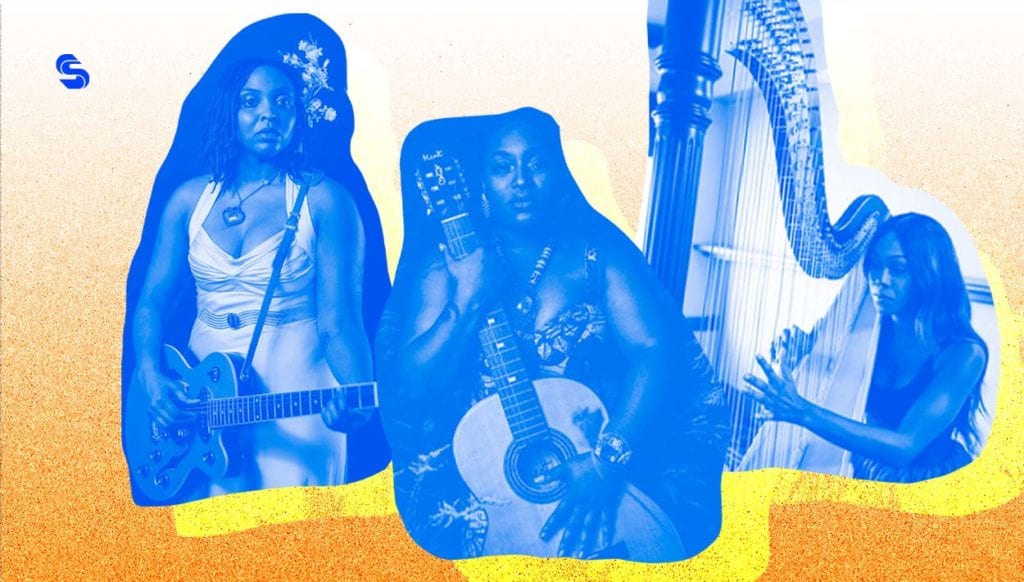
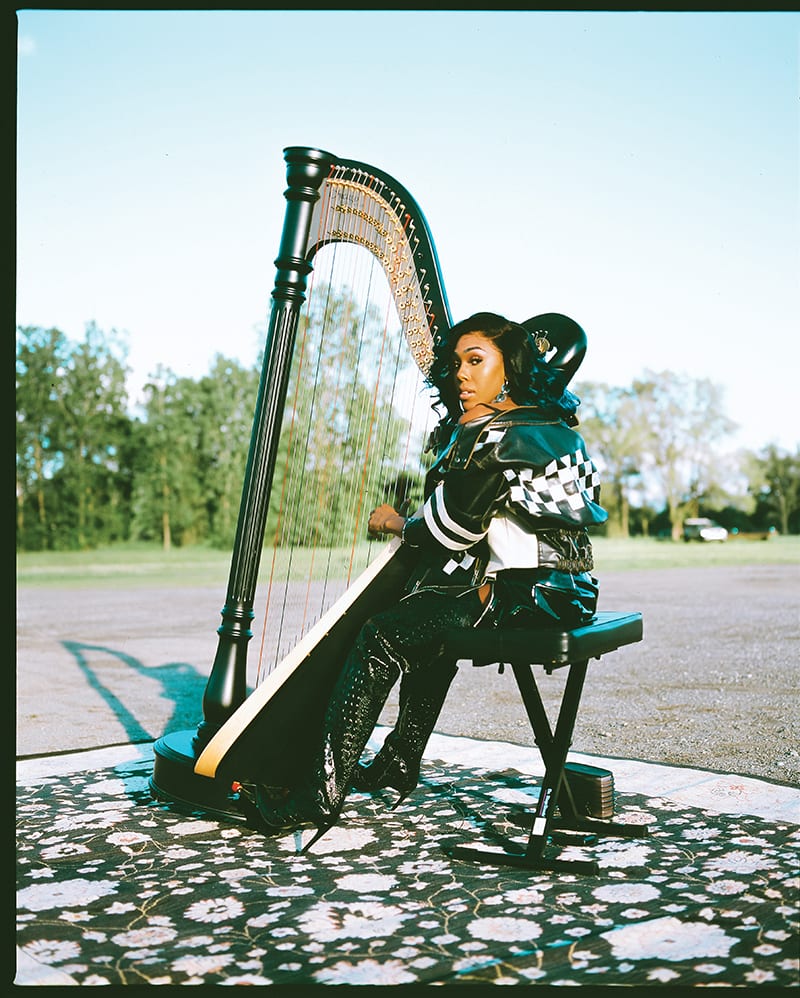
Arts programming and funds are extremely lacking in marginalized communities, specifically those of BIPOC. We are seeing this now more than ever with conversations surrounding defunding the police and redistributing wealth in order to allocate money towards underserved communities and services. Ahya Simone, a Black trans woman harpist born and raised in Detroit, says, “Outside of abolishing capitalism and patriarchy and how it functions, which all industries are founded upon, we need to interrupt the greed that is being focused at the top with executives by redistributing the wealth to Black women/gender non-conforming people in artistic communities.” Simone, who has been playing the harp for 12 years and is also the creator of Femme Queen Chronicles, an award-winning comedic web-series about the lives of four Black trans women in Detroit, has started a GoFundMe for a new electro-acoustic harp. Aside from a new harp enhancing her sound and performance capabilities, the money raised will also go towards the expenses of traveling to harp showrooms across the east coast to test out instruments so she can finish her debut EP

“It’s no secret that systemic racism is prevalent in the art spaces, oftentimes blocking out those most marginalized from acquiring the tools needed to succeed and create. What we don’t often talk about is how even more difficult it is for those of us who are parents living outside the downtown core.”
– Harmony Pike
HarmonyPike Web
new bridges Web

Outside from the often meager or absent funding from local and state governments, many Black women musicians will not receive money donated to larger organizations that support BIPOC in the arts. Harmony Pike, a Toronto-based singer-songwriter, poet, and single mother, is raising funds to build an at-home studio. She believes that a light needs to be shown on the music of Black communities, in terms of both recognition and funds. “Let’s be realistic,” she says. “Do you think Black communities in poverty are actually seeing money from Black Lives Matter? No.” This is not to say that Black Lives Matter isn’t imperative to the movement, but in terms of individuals and communities, many will not see that money. The same goes for those involved in the arts in need of funding: Pike adds that bigger organizations often offer funds to large fundraisers rather than individuals and communities in need.  “It takes nothing to fill the pots down here,” she says.

“Socioeconomic status affects the lack of participation by students in music programs. Even within the same school district, there is a disparity between schools in lower-income neighborhoods and those that are in more affluent neighborhoods. A school whose students can afford to buy their own instruments and benefits from healthy donations from parents does not need as much funding as a school with students and families that cannot afford to do the same. Yet, they receive the same amount of funding.”
– Julia Pike

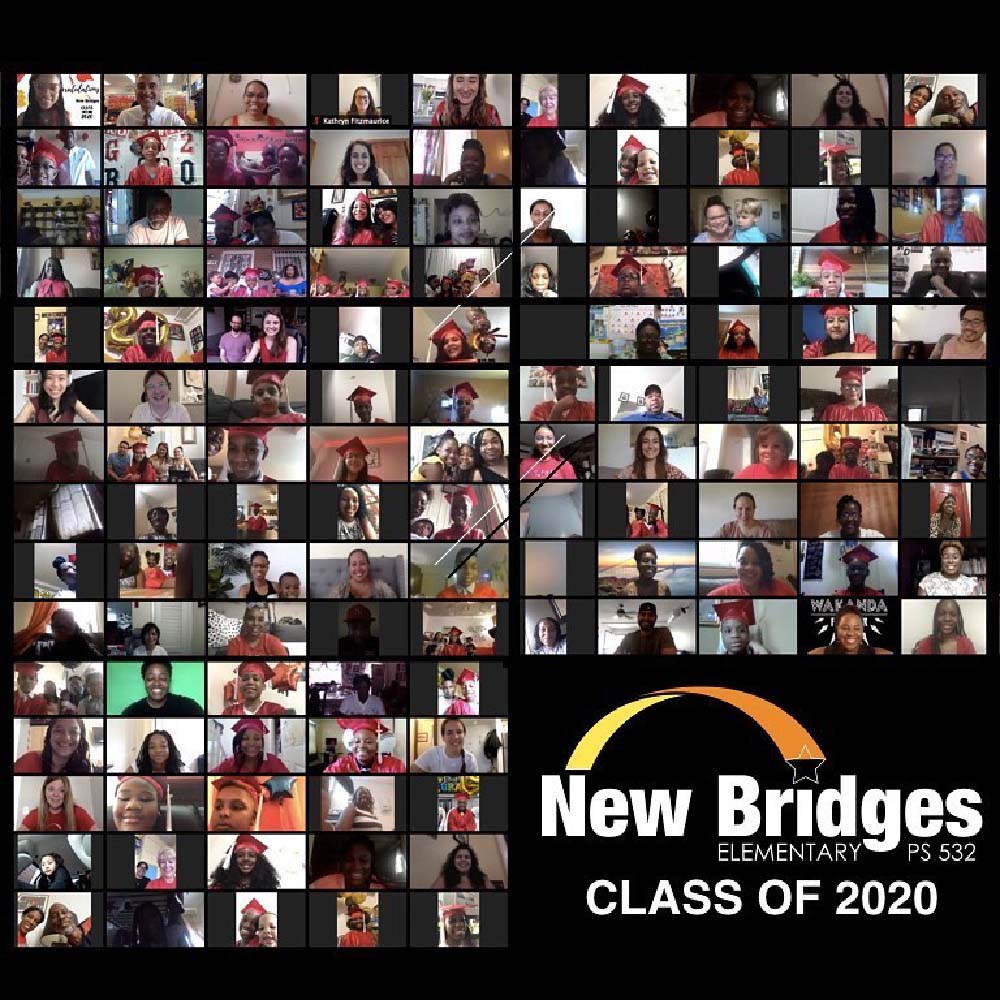
Julia Piker is a white Brooklyn-born composer, songwriter, and engineer who recently created a GoFundMe to support the New Bridges Elementary School music program in Crown Heights. Taught by musician Alice Tsui, an Asian American/Chinese pianist, activist, and co-founder of New Bridges, the students are in desperate need of new instruments including violins, violas, and cellos. New Bridges is composed of 450 students—68% of whom are Black and 23% of whom are Hispanic—and more than three-quarters come from low-income households. As Piker points out in the GoFundMe, school systems follow a very flawed one-size-fits-all approach: lower-income neighborhoods and wealthy neighborhoods receive the same amount of funding, despite the fact that wealthy neighborhoods benefit from donations from parents. And with recent budget cuts, New Bridges is relying heavily on donations to just scratch the service of their needs.

“Black people are the core of music,” says Piker. “I owe my career to the Black musicians that came before me. So when I heard that the Department of Education isn’t being creative in the way they distribute money among New York City schools, it made my blood boil.” She adds that the general public needs to educate themselves on the disparity of school funding, and where exactly their tax dollars are going. “So many people look at this equality in distribution as fair, and that every school should be allotted the same amount in funding,” she says. “But not every school exists in a wealthy or middle class neighborhood. [For] most of the kids at New Bridges… school is their only chance to receive music education. If they don’t have instruments to play, there is no hands-on education to be had.”

Accessibility & Agency

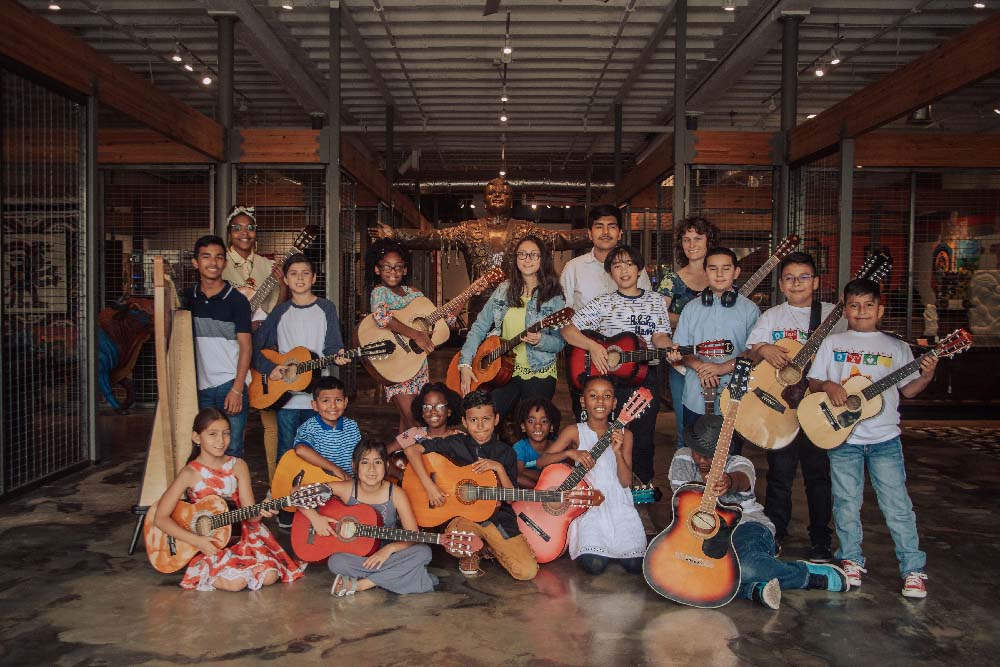
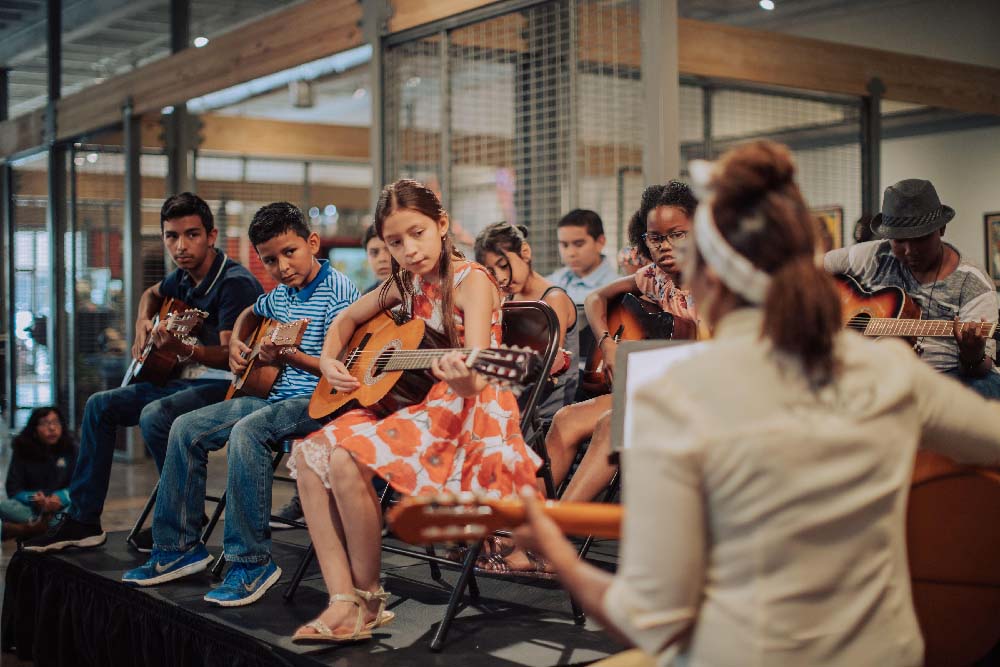
In order to gain agency over our creative practices and voices, we need access to instruments, equipment, space, and resources. Jess Garland, music educator, harpist, and guitarist in Dallas, TX, is raising money for Swan Strings, a 501c3 non-profit music program she founded last year with a mission to provide free music education and sound therapy services to North Texas individuals without access. Born and raised in Dallas, and someone who has taught throughout the city for over a decade, Garland recognizes that music is not easily accessible to lower-income communities, and that there is a noticeable gap in music education in elementary and middle schools. “I had access to music [as a child], but since I’ve been teaching I’ve noticed that a lot of schools don’t have music or they say there’s music but it’s just a general music studies class… There’s definitely something missing, there’s definitely a lack, and it’s something that’s needed.”

“For me, music class is almost like a therapy session. A lot of people think it’s just about learning an instrument—but that’s not what this is really about. It’s about learning discipline, processing feelings and emotions, and finding a voice to express yourself.” – Jess Garland, Swan Strings.
Swan Strings Jess Garland PC Ashley Gongora Web 2

Free community resources like Swan Strings aren’t always available, and it varies from city to city. Harmony Pike ruminates on Toronto’s need for more free studio spaces and art hubs in libraries and community centers. She notes that these resources create better opportunities, especially for children, and enables them to find a community and have their voices heard and supported. “I can create as much as I want in this small space that I have, but it’s important that we get our work out there—our goal is to become bigger and better.”

Alternatively, Ahya Simone says that while she can see how gaining agency of your craft through fundraising is a critical tool, she personally doesn’t use it that way. “I see it as intention setting,” she says. “I ask for my dream, you make it come true. For example, in my fundraiser, you don’t have to know much about me except that I play the harp and I need a new one. Feeling generous? Do you believe in the power of my work? Do you feel rich guilt and looking for a way to assuage it? And that’s not for me to know or answer (at least at this stage) but the wish needs to be granted. “

COVID-19 has created even further obstacles to accessing music education, including resource equity barriers (e.g. lack of technology, access to WiFi, etc.). Such is the case with students at New Bridges, where teacher Alice Tsui has noticed a drop in attendance. 

Such is the case with students at New Bridges, where teacher Alice Tsui has noticed a drop in attendance. As for her students she has been seeing on a more regular basis, Tsui says, “I have been continuing to create space for students to express their needs and be heard in both conversation and discussion, as well as through their music—both in singing and in playing instruments.” She adds that the deaths of George Floyd, Breonna Taylor, and others personally resonated with many of her students, and that it’s her responsibility to ensure a safe, trusted space where her students can share their feelings if they want to without retraumatizing. Throughout this pandemic, Tsui’s classes also continue to navigate additional issues of inequity (immigration and ICE deportation, racial stereotypes, anti-Asian racism brought on from COVID-19) while balancing how music can be a space for joy and expression for everyone.

Garland notes that she’s seeing just how important it is in this moment for students to find their voice through music. Some weeks, her Swan Strings students will break down and cry during lessons due to how hard it’s been to work virtually. However, despite the absence of presence, her students overall seem to be more enthusiastic than ever: “Even though the virtual technology is really difficult, they’re determined to get through the glitches and practice. Music education already helps with self-confidence, but I think the virtual lessons are pushing them to be more confident. Since I’m not with them in person, it makes them step up a little bit in figuring it out on their own.” 

Harmony Pike adds that, aside from the benefits as a single mother, having an in-home studio to work on her music offers a safe recording option to prevent spreading COVID-19 to her daughter and grandmother, who both live with her.

Representation

The students at Swan Strings are 45% Black, 45% Latinx, and 10% white and/or other. Their economic level is mixed, and Garland notes the difference between these students, who receive free classes that they want to attend and enjoy, from those who take her private paid lessons, who are a white majority. “Once I saw what kind of impact I was making, and seeing the difference between my students and their different backgrounds, that was the reason I decided to start Swan Strings.” She adds that being a Black music teacher and musician has not only had a positive effect on her BIPOC students at Swan Strings, but also on her private white students as well, when she is often one of the only Black people in their lives. “It’s not just Black and brown students that need to [learn from BIPOC teachers]—all students need to see this representation.”

Swan Strings Jess Garland PC Ashley Gongora Web 1
Black musicians must be heard, and all white and non-Black POC must do the internal work of breaking down stereotypes that have too long been rooted in racialized mindsets… This work cannot be done without real monetary compensation for Black people.” – Alice Tsui

Alice Tsui notes that it’s time for the music industry and general public to listen to young Black music students, in terms of music and decisions. She adds that each and every one of us has a platform to amplify their voices, and while it’s easy to give a BIPOC musician a seat at the industry’s table, it’s more important to listen to them: “It is my hope that the music industry and public actively engages with decolonizing their perspectives of what music and music education is. As a society, we operate with a whitewashed sense of what is music, what is ‘good’ and/or ‘bad’ music, and who decides what gets to be ‘at the top’ of the industry. Black musicians must be heard, and all white and non-Black POC must do the internal work of breaking down stereotypes that have too long been rooted in racialized mindsets… This work cannot be done without real monetary compensation for Black people…”

Passing the Mic

Behind each individual artists’ GoFundMe also exists the commitment to give back to their communities through education and opportunities for current and future generations of Black artists. “If I, as small as I am, as a single mother, can create an entire studio at home, I can also help young Black youth come up and record at my place, in a safe space,” says Harmony Pike, who feels a continuous energy to educate young artists. And since the birth of her daughter, who is now six years old and keen on learning from her mother, that energy resounds daily. She adds that the space will also support other women like herself who want to learn how to engineer and produce their own music:  “Women producers are very hard to come by in Toronto. If I get this equipment, I could learn more and help other women.”

Ahya Simone PC Kai Dowridge cx
I’m a Femme Queen and I do FQ things. And one thing FQs do is invent themselves, innovate, and evolve over and over. I am woman and beyond woman. And part of that innovation for me is to continue to create and heal through the arts.” – Ahya Simone

With Swan Strings, aside from providing approximately 210 hours of free music education and serving 166 children, Garland hopes to spread some of the funds from her GoFundMe to other music educators: “Just being an artist in Dallas, I know that other musicians need other opportunities for income, prior to COVID-19. I really want to give that opportunity to other musicians.” 

Similarly, Ahya Simone says that hiring women to work on her webseries, Femme Queen Chronicles, was a priority: “ I wanted to pay everyone fairly for their participation. I also wanted this production to have girls in front of and behind the screen: interns, doing Instagram stories, assisting during production, script revisions, etc. Collaboration with people of the community was super important… to foster opportunities for my friends and communities to make and display and come home to themselves with art. I want to create a cultural center in Detroit for Black LGBTQ people with an emphasis of being Black trans led and centered.” She adds that as far as music, she periodically donates sales from her debut single “Frostbite” directly to Black trans people or to local Detroit grassroots organizing groups.

These women, while all very different in their experiences and identities, all express a similar sentiment: the music industry at large must support Black women musicians and students. We suggest that along with setting up recurring donations to larger organizations working towards anti-racism, you should also consider regularly donating to individuals. We’ve included more information below about the artists featured as a place to start, but consider checking out smaller organizations that often list individual fundraisers, including Black Trans Femmes in the Arts, a collective of Black trans femmes dedicated to creating space for themselves in the arts and beyond, who are currently working on an Black femme artist/resource directory; and Nina’s Daughters Collective, a Canadian community of Black women building a safe space to meet, create, and share knowledge. “There is no freedom without art and music,” says Ahya Simone—and history has shown us that there is no evolution of art and music without the pioneering vision of Black women.

logo for article

Ahya Simone
Donate

Ahya Simone is an internationally acclaimed harpist, composer, and filmmaker born and raised in Detroit. She has been playing the harp for 12 years and has performed with Kelela, Juliana Huxtable, Tunde Olaniran, and Kelsey Lu. Simone is also a co-founder of the Trans Sistas of Color Project and creator of Femme Queen Chronicles, an award-winning comedic webseries about the lives of four Black trans women in Detroit—written, directed, and brought to life by Black trans women. She is currently fundraising for a new concert grand harp.

Harmony Pike
Donate

In 2014, while pregnant with her daughter, Harmony Pike picked up the decorative guitar that had been collecting dust in her bedroom. With painfully swollen feet and a sedentary prescription from her doctor, Pike taught herself to play with power chords. “They were probably the best songs I’ve ever written,” she says. “I felt such an amazing connection with my daughter. The vibration of the guitar against my stomach was a really big thing for me.” Since 2018, she has released a handful of singles including 2019’s acoustic-driven Unapologetic and 2020’s Just Might. She is currently fundraising to build an in-home studio to further her skills in bass guitar, production, engineering, and to complete her debut album.

New Bridges Elementary School
Donate

New Bridges Elementary is a public school in Crown Heights in Brooklyn, NY. It was founded in 2013 and currently serves Pre-K through fifth grade students. Their mission is rooted in the purpose and passion behind learning, community and belonging to one another, in preparation for college and careers, and in the development of our best selves. Their music program, taught by Alice Tsui who helped co-founded New Bridges, is in need of new instruments, including violins, violas, and cellos.

Swan Strings
Donate

Swan Strings is a 501-C3 non-profit with a mission to provide free music education and sound therapy services to North Texas Individuals without access. Founded by Jess Garland, who has been teaching guitar in Dallas for over 15 years, Swan Strings has been providing free music education for three years and currently offers six online classes taught by Garland and three other local music teachers. They are currently raising money to provide weekly harp lessons—which have never been offered in any Dallas school before—to students at W.E. Greiner Middle School in North Oak Cliff, TX.

TAKE A MOMENT TO REFLECT ON THIS: There was a time when the teen survivors of the predatory and abusive culture of Burger Records felt the warmth of a new day. They were accepted into a rock ‘n’ roll subculture that was separate from the world that often disapproved of them and offered little more than mainstream disappointments. They felt welcomed and visible, like they were truly a part of something, spending much of their time and money at Burger Records’ shop and shows—and this enthusiasm for a better world was used against them by the very adults they thought they could trust. 

If you are far removed from your teen years, or from being immersed in a subculture, I ask you to scour the deepest corners of your memory to remember those first moments of feeling invigorated by a community that existed on the fringe and seemingly welcomed you as you were. The need for acceptance cracked wide open during our teenage years, a time when we were the most vulnerable in both our bodies and identities, learning how to navigate ourselves amidst traumatic incidents in our homes, high schools, and spaces with others who we looked up to. Discovering a music community that professed a progressive DIY culture in a world that demands conformity was often our one great hope. We stumbled toward the horizon, despite everything, and let a new rising sun welcome us in—another world shone possible in a boundless night…

Still web 2 1
Flipping through a record distro at a Long Island basement show - I'm the one in the background, on the left (2001).

When I was a scrappy teenager on Long Island, I leaned heavily into punk music. I learned how to play guitar at 13 in a town three miles shy of an official borough, ostracized by my classmates for being a lanky punk freak, longing for the days I could move to the city and meet people just like me. In 2000, I came across the ostensibly radical Long Island DIY punk scene, in which touring bands like Against Me! would drive east from their shows in New York City to play in our suburban basements, and local punk bands of young white men would use the mic to shout about feminism and change. In fact, our DIY scene was even written about in Newsday, and in 2001 a few friends even made a documentary about it—it was as if the sun burned only for us.

For a time, the Long Island DIY punk scene felt righteous, but the harm that befell women was consistently denied by the men in power. Our feelings of being unsafe were met with apathy—or even worse, laughter. When we called out big shit men with band clout for sexism or sexual assault, we were screamed at for being irrational liars. We were made to feel damaged and ungrateful, and we stayed steeped in its toxicity because it was all we had access to and all that we knew.

We were made to feel damaged and ungrateful, and we stayed steeped in its toxicity because it was all we had access to and all that we knew.

Eventually we left for college or the city, started our own bands, and created our own spaces that centered the voices of women within the larger Brooklyn music scene and beyond. The multiverse of social media had yet to exist, so addressing acts of assault by men in powerful bands often stayed local or had to be spread by word-of-mouth through the circuit of similar scenes throughout the country. (Let this question sink in: Did a single man who was accused of assault in this early 2000s music scene ever face any real accountability? I can’t say for certain, but my gut says absolutely not.)

Back then, in terms of punk and rock ‘n’ roll in New York, this scene was all that we had. There wasn’t yet a variety of independent DIY music scenes to subscribe to as there is today, and it felt so rare to be around young men who acted so radicalized, which made their failures and our silenced voices unbearable. Today, with the commodification of DIY music and radical ideologies, we’re seeing more spaces that cater to progressive politics and identities, and the men involved are essentially handed the tools to act as allies, and yet they are still failing us.

I am enraged, my insides set ablaze, when I think about how 20 years after my own initial experiences, women are still being harmed in these spaces—but even more so, how teenage girls are still being harmed by full-grown men. The accused affiliated with Burger Records presented a space for teens to congregate and engage with their favorite music and musicians, but behind closed doors they were like predators from a real life Brothers Grimm tale: the label used appealing rock music, merch that catered to a younger crowd, and all-ages shows to attract teens. They baited young hopefuls with a good time, often offering underaged girls drugs and alcohol before taking advantage of them.

Still web 3 1
Long Island band On the Might of Princes (whose music I absolutely loved as a teen) playing at a local church (2001).

The predatory and abusive treatment of women in alternative music spaces is not new, but the  means by which we handle these situations certainly are. Today we are equipped with social media, which allows for survivors’ stories to be transmitted across the world, creating platforms for their voices and communities of support. We’re seeing this through Instagram pages like Lured by Burger Records, dedicated to sharing the stories of and supporting survivors of sexual predation by those involved with Burger Records; submissions_4la_musicians, offering space for LA survivors assaulted by musicians to have their voices heard and a resource for accessible therapy; and Clean Streets, which exists for survivors of the music industry at large to share their stories.

Women display immeasurable resilience in coming forward with their stories, and yet there is always backlash against the truth. Insidious comments that rally around the evils of  “cancel culture” have been left on the social media pages of accused men associated with Burger Records, and let me make one thing clear: vocalizing our stories of sexual assault and predation is not a culture. It is one of the first steps toward healing from trauma and it is a response to rape culture, a sociological concept in which rape is normalized due to societal attitudes about gender and sexuality that terrorizes the bodies and minds of women, nonbinary, and trans people.

Vocalizing our stories of sexual assault and predation is not a culture. It is one of the first steps toward healing from trauma and it is a response to rape culture.

On the flip side, it’s never been easier for men to self-educate/address toxic masculinity and systemic sexism/misogyny through the resources afforded them via social media and the internet. And yet, no matter how many articles they read or political stances they claim in their own lives and/or music, some men absolutely refuse to put their words into practice or take accountability for their actions. Such detrimental behavior either traumatizes young women from later participation in music, or further activates them to seek out other communities or start their own.

My hope is that the women coming forward about their own trauma caused by Burger Records will experience the latter, and here is my emboldened offering: Twenty years later, most of the problematic yet highly esteemed men who were musicians and gatekeepers in the DIY scene of my youth are now completely irrelevant; the women, however, are now at the center of this industry. We are musicians gaining international attention, acclaimed music writers, and activists who are forever working towards change. We are a community that will last a lifetime.

Photo grid web 2
For the Birds Collective, the New York feminist group and zine distro, co-founded by myself and friends in the mid-2000s (2009).
resistance community dvd web
Between Resistance and Community: A Documentary About Long Island DIY Punk, released in 2001 on VHS and in 2009 on DVD.

Today Burger Records announced that they would be folding the company, despite recent claims of a rebrand. This follows a slew of statements from affiliated artists—including Alice Bag and Bleached—cutting ties with the label. All of Burger Records’ social media accounts have been deactivated, they plan on removing all of their music from streaming platforms, and all of their artists own the rights to their own music and are free to reissue their records. The band Sloppy Jane has started a Google Doc of labels, managers, and lawyers who have offered to help women musicians once signed to Burger Records, and Lured by Burger Records continues to uphold the voices of the survivors. 

It’s bewildering to see my own experience still reflected, all of these years later, through the women coming forward against Burger Records and through so many others. It’s a trauma that we share with all the women who existed before us, and those who will exist after. I wish I could say things have gotten better, but we literally just heard accounts of grown men grooming teenagers who simply wanted to play music, go to shows, and feel connected to others.

So, what does a true reckoning within the music industry look like? That’s a question I do not have a complete answer for. But what I do know is that these independent music scenes and entities—no matter what they preach—replicate miniature versions of the whole spectrum of systemic injustice in our country. While holding these men accountable is a critical action toward change, the toxic foundation on which our entire existence is built upon (i.e. capitalism) must be dismantled, and we’re seeing this work being carried out internationally through the Black Lives Matter and abolitionist movements. Within the music industry, organizations like Calling All Crows and those that promote bystander intervention are working towards supporting the safety of women, nonbinary, and trans people. Independent labels like Get Better Records, a queer/trans/artist-owned and operated label based in Los Angeles/Philadelphia/Brooklyn, work tirelessly under a heartening and radical no-music-industry-bullshit approach. And there are plenty of resources available to those dealing with sexual and predatory trauma right now, which Lured by Burger Records has begun to compile.

We’re embracing the momentum mobilized by the many generations and music scenes that came before us. Despite how dark the days may feel, it’s promising to see how social media and the internet have offered new avenues for women to hold space for each other and to come together in ways that I didn’t have access to as a teenager—we are certainly not alone. So I ask you to keep on stumbling toward the horizon, scream straight into it, and see what light shines back—you have decades worth of women here to support you.

Due to recent allegations of sexual misconduct and predatory behavior made by multiple women against Sean Redman of the Buttertones, Burger Records released a statement this past weekend regarding their “Zero Tolerance” business ethic (which has been deleted since this article was published). This statement followed a series of comments from survivors and fans calling for accountability that were deleted and ultimately disabled on Burger Records’ social media pages. 

Burger Records is based in Fullerton, CA, and self-described as a “100% family owned ‘n operated rock ‘n roll philanthropic quasi-religious borderline-cultish propaganda spreading group of suburban perma-teen mutants!” Following the disablement of comments on their socials, they announced the postponement of their Burger Boogaloo fest, which includes performances by Bikini Kill, Bleached, Alice Bag, Shannon Shaw, and more. The post was met with an onslaught of comments asking for accountability and transparency. 

In the wake of this silencing, the Instagram page Lured by Burger Records emerged on Sunday. Created anonymously, the page serves as a supportive space where those who have been preyed on by Burger Records affiliates can share their stories.

https://www.instagram.com/p/CC1Kz7EJio7/

A majority of the accounts (dating back at least seven years) depict minors being groomed and led into Burger Records’ spaces, including tour vans and the backroom at their Fullerton record shop, where underaged folks were offered alcohol and drugs (amongst other predatory behaviors)—apparently with the owners often present in adjacent rooms. Much of the sexual misconduct and assaults were perpetrated by Burger Records affiliated bands, including the Growlers, Love Cop, the Buttertones, Audacity, and Gap Dream, Gnar Tapes, Warren Thomas of The Abigails, Cosmonauts—many of whom have since disabled their accounts, tag features, and other forms of audience engagement. The company itself is accused of curating a culture built on pedophilic tendencies and teenage fetishization. Audience members are asking for Burger Records to hold their bands and artists accountable by naming them and dropping them from their label and platforms. Additionally, folks are asking that Burger Records be held accountable themselves for turning a blind eye.

https://www.instagram.com/p/CCzcnzTJqql/

Caption: The insert of a cassette tape by Burger Records’ band Cosmonauts. 

If you have been harmed by Burger Records and/or their bands and would like to share your story, reach out to Lured by Burger Records to have your voice heard. 

SQ Cover H E R v1
SQ Cover Willow v1

We are thrilled to announce She Shreds Magazine #20: The Death and Rebirth Issue (read more about this in Fabi Reyna’s Editor’s Letter). Our final issue features two exclusive cover artists, H.E.R. and Willow; featured artists Buffy Sainte-Marie, Laura Lee (Khruangbin), Yola, and Margo Price; articles “The Evolution of Women Musicians in Mainstream Coverage” and “La Doña and the Unity of Her San Francisco Community”; a yearbook spread of the last eight years of She Shreds, and much more.

Today through the month of July we will be donating 100% of digital sales to organizations chosen by She Shreds, H.E.R., and Willow:

– Give A Beat a 501(c3) organization reducing the harmful effects of incarceration through music production, DJing, and education programs, chosen by She Shreds.

– Rock The Vote, a 501(c)3 organization building the political power of young people, chosen by H.E.R.

– #TOGETHERFUND, x Will & Jada Smith Family Foundation, a global fundraising campaign to support organizations engaged in critical Racial Justice work and  COVID-19 Relief efforts chosen by Willow Smith.

Important note: Accessibility is crucial to us. If you are a Black, Indigenous, Person of Color and cannot access this content due to financial circumstances please email us at orders@sheshredsmag.com

A special thank you to our Issue #20 sponsors: Fender, Martin, Mint Records, Red Panda Lab, Sam Ash, Walrus Audio, Reverb.com, Yousician, Father/Daughter Records, Sennheiser, EarthQuaker Devices, and TunaTone. We literally would not be able to produce this issue without their support.

Cover Story: H.E.R.

Grammy Award winning musician and guitarist H.E.R. (Having Everything Revealed) speaks about doubting ourselves as musicians, staying connected to our passions, the importance of camaraderie, and her Instagram series, Girls With Guitars.

Cover Story: Willow

For the last issue of She Shreds Magazine, we invited Willow to discuss her journey as a guitarist, her connection with music as a healing and transformative power, and creating space for Black and brown women guitarists.

Buffy Sainte-Marie

From performing in the 1960s Greenwich Village folk scene, to being blacklisted by the Johnson and Nixon administrations, to advocating for and educating about Indigenous voices, Buffy Sainte-Marie speaks about her 60+ year career with Katherine Paul (Black Belt Eagle Scout).

Laura Lee of Khruangbin

The bassist of the Houston three-piece Khruangbin, who released their fourth studio album, Mordechai, in June, discusses intuitive technique, the band’s international influences, and what she’s discovered about herself through performance.

Yola

The English singer-songwriter, whose 2019 debut, Walk Through Fire, received four Grammy nominations, opens up to She Shreds about how you can reinvent yourself after making it through the flames.

Margo Price

The Nashville-based singer-songwriter discusses her growth as an artist, progressive shifts in country music, and her latest album, That’s How Rumors Get Started.

La Doña and the Unity of Her San Francisco Community 

Cecilia Cassandra Peña-Govea, who performs as La Doña, practices her art through the lens of collective survival. From playing all over San Francisco with her family, to teaching music in public schools, to organizing with her city during a global crisis,  La Doña believes in the power of collaboration and community.

The Evolution of Women Musicians in Mainstream Coverage

From the major impact of early Blues women musicians on the record industry and its inclusion of Black voices in the 1920s, to the atrocious gonzo journalism in major glossies of the 1970s, to the women music editors making a difference at major publications today, we dive into how women musicians have been written about over the past century and the shifts in representation.

Our Official Newsletter

She Shreds Media: Our mission is to educate, empower, and inspire people through unexplored musical and cultural landscapes. Our vision is to continuously refine, redefine, and reimagine the possibilities of how music connects us, ensuring an inclusive and accessible music community 100% of the time.
She Shreds Media
She Shreds Media