Born Ruby Blevins in 1909 near Hot Springs, Arkansas, the future Patsy Montana studied violin at UCLA before catching her big break. In 1931—when live radio was arguably more important to launching music careers than concerts or hit records—she won a talent contest in which the first prize was a coveted spot on the Hollywood Breakfast Club radio program. A few years later, influential Chicago radio show the National Barn Dance paired Patsy Montana with Kentucky string band, the Prairie Ramblers. The artists became National Barn Dance regulars , and the Ramblers went on to back Montana on her best-known recordings.
In 1935, Patsy Montana and the Prairie Ramblers recorded the groundbreaking hit “I Want to Be a Cowboy’s Sweetheart” for the Vocalion imprint, though as a self-penned hit in a genre that even now is often dominated by interpreters of others’ compositions, its musical and cultural importance extends beyond any sales figures. Furthermore, the song’s title is misleading; Patsy Montana wasn’t pining to be a damsel in distress, untied from the railroad tracks by a strong male lead. Instead, she longed for the same adventures as the storied cowboy.
For the rear cover of the 1984 Columbia Historic Edition LP of Patsy Montana’s best-known recordings with the Prairie Ramblers, the Tennessean’s Robert K. Dermann examined the singing cowgirl persona through a socio-political lens. “The singing cowgirl came along at a time when a huge number of women had to enter the workforce alongside their husbands,” he wrote. “Patsy’s western fantasies of male-female equality coincided with women’s emergence from the kitchen.”
Patsy Montana parted ways with the Prairie Ramblers around the dawn of World War II. That didn’t slow down her career, which lasted until her death in 1996. Along the way, she rode side-by-side with cowboys and outlaws, just like the characters in her songs. Career highlights include an appearance in Gene Autry’s 1939 film Colorado Sunset and underrated 1964 album At the Matador Room, featuring a then-unknown Waylon Jennings on lead guitar.
Like the western heroes she emulated, Patsy Montana was a true pioneer. She paved the way for generations of women in country music, from Kitty Wells to Kacey Musgraves, to achieve stardom while boldly challenging the status quo.
As a child prodigy, she wowed affluent European audiences with her right hand technique and advanced virtuosity, establishing her solo career in the process. Then, in her late 20s, she began an equally influential run as the marriage and guitar duet partner of Alexandre Lagoya.
Born in 1924 near a suburb of Paris, Presti was taught guitar by her father, Claude Montagnon, starting at a very young age. The famed inventor and musician Mario Maccaferri—the mind behind everything from Django Reinhardt’s preferred guitar to plastic clothespins—provided additional lessons.
At age 10, Presti played her first full-length public concert at the Salle Pleyel in Paris. Two years later, she made her first commercial recordings. Legend has it that Andres Segovia, arguably the premiere classical guitar performer and instructor of the era, proclaimed that Presti needed no additional instruction from him or any other player after watching her perform as a young teen. By her mid-teens, Presti was playing Paganini’s guitar on stage for the centennial of the legendary French composer’s death.
Once the Presti-Lagoya duo formed in the early 1950s, the couple focused solely on works for two guitarists, many of which were selected from the Baroque period. This phase of Presti’s career made her a world-renown talent, as she performed thousands of concerts across numerous countries. She and Lagoya grasped the harmonic nuances and subtleties needed to make their guitars proverbially speak for themselves in classical instrumentals.
Presti’s legacy was built in part on playing off the right side of her fingernails, a method that provided a fuller and louder tone. It gave her acoustic guitar enough volume and power to match other classical instrumentation. There are videos online of this method, including this demonstration by successful Presti and Lagoya understudy, Alice Artzt.
Presti died during a 1967 tour of the United States. She visited a hospital in St. Louis after coughing up blood, where doctors advised she remain for further treatment. Instead, she and Lagoya flew to Rochester, NY the following day, where she died at a hospital from a massive internal hemorrhage.
Today, Presti is considered to be one of the most influential classically-trained musicians of her lifetime, and a true legends among 20th century guitarists.
Over the course of its career, the band has released four full-length albums; toured extensively early on; was revered by the likes of John Lydon of the Sex Pistols, Kurt Cobain of Nirvana, and Kim Gordon of Sonic Youth; and has most recently collaborated live with Angel Olsen. The emotional resonance of The Raincoats’ post-punk sound combined with a preference for inventive originality over standard technique has provided a notorious impact across genres and generations.
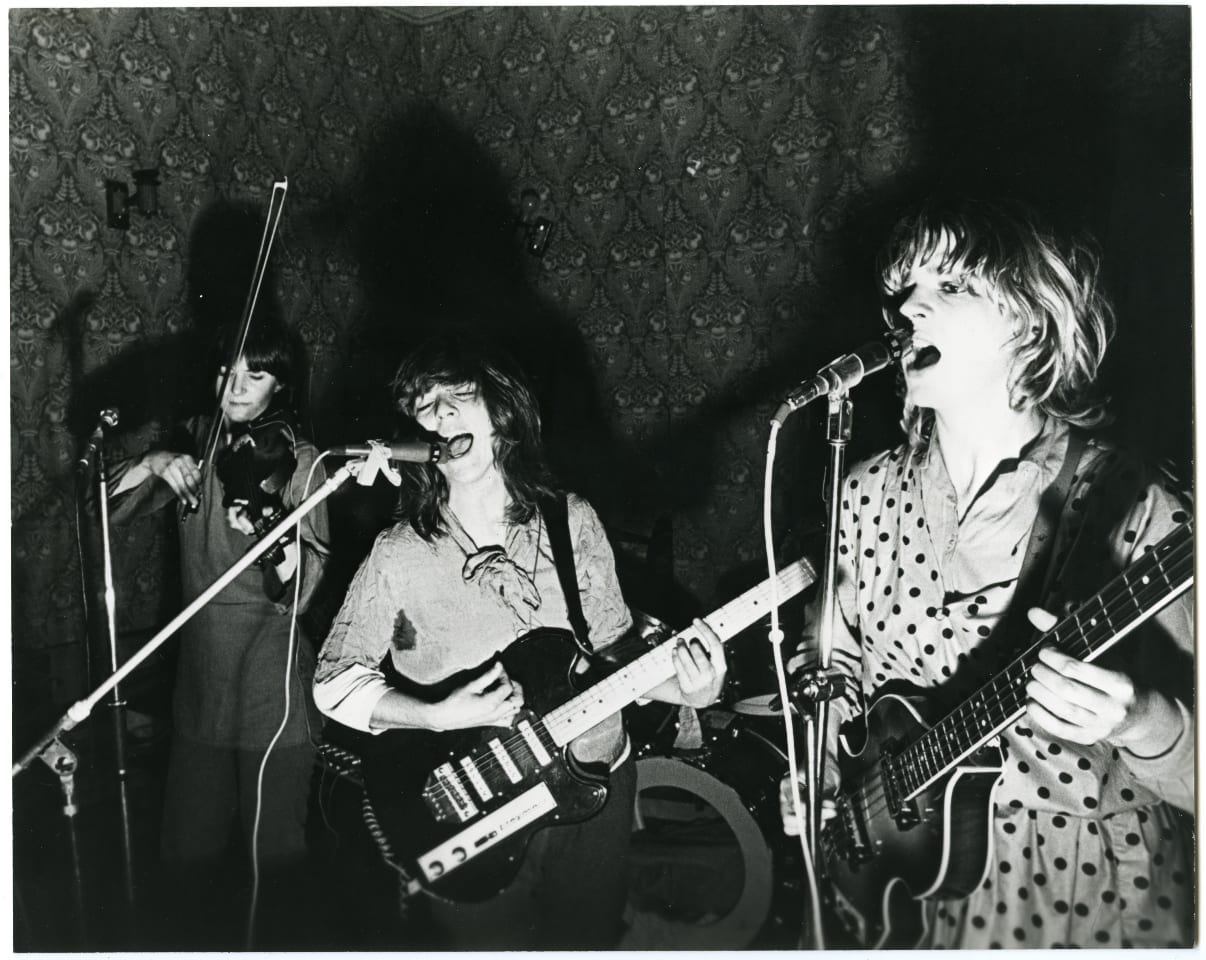
It mostly began when Birch and da Silva met at Hornsey College of Art, where they were both studying, and started going to punk gigs together. They saw bands like the Sex Pistols, the Buzzcocks, and Subway Sect, but it wasn’t until they saw the Slits play their first gig in London in 1977 that their brains were jolted. “I was completely blown away,” says Birch over Skype, laying on a couch in her home, eyes closed to conjure the moment. “It was as if suddenly I was given permission. It never occurred to me that I could be in a band. Girls didn’t do that. But when I saw the Slits doing it, I thought, ‘This is me. This is mine.’”
Between the two of them, they didn’t have very much musical experience: da Silva had learned a few chords and folk songs on an acoustic guitar, and Birch knew that she liked to sing when she was alone. Da Silva went out and bought her first guitar, an imitation Telecaster, for 25 dollars. She still has it today. “It’s got history, too,” da Silva says with a smile as she holds the guitar up to the screen for me to see. She tells me it was featured in the 1980 Sex Pistols mockumentary The Great Rock ‘n’ Roll Swindle. Meanwhile, Birch decided she would purchase the instrument that she believed would be the easiest to play, one that she could just “slip in somewhere”—a 30 pound, brown Gibson-shaped bass that she spray-painted sparkly blue. “Trying to weave a bass line with a vocal is bloody difficult!” she laughs, going on to say that she taught herself by playing along to reggae records such as Toots and the Maytals’ Funky Kingston.
With their new instruments, Birch and da Silva started writing songs. Often times, Birch didn’t know the notes she was playing, but figured out the visual patterns around a root note. They learned by listening and feeling, rather than mastering standard technique, and they wrote a majority of the songs that would end up on The Raincoats debut self-titled LP. They recruited a rotating cast of friends to join the band, but the most well-known iteration of The Raincoats wasn’t formed until 1978, with the addition of classical violinist Vicky Aspinall and former Slits drummer Paloma Romero a.k.a. Palmolive. Birch likens their songwriting skills to piecing together a dress from small bits of fabric, with each member bringing their own ideas and the band putting them together collectively. “I like space,” she says, and references the strong influence of reggae. “We went from space to high textured. Each song was on a journey. We wove the pieces together, and I think that made it interesting.”
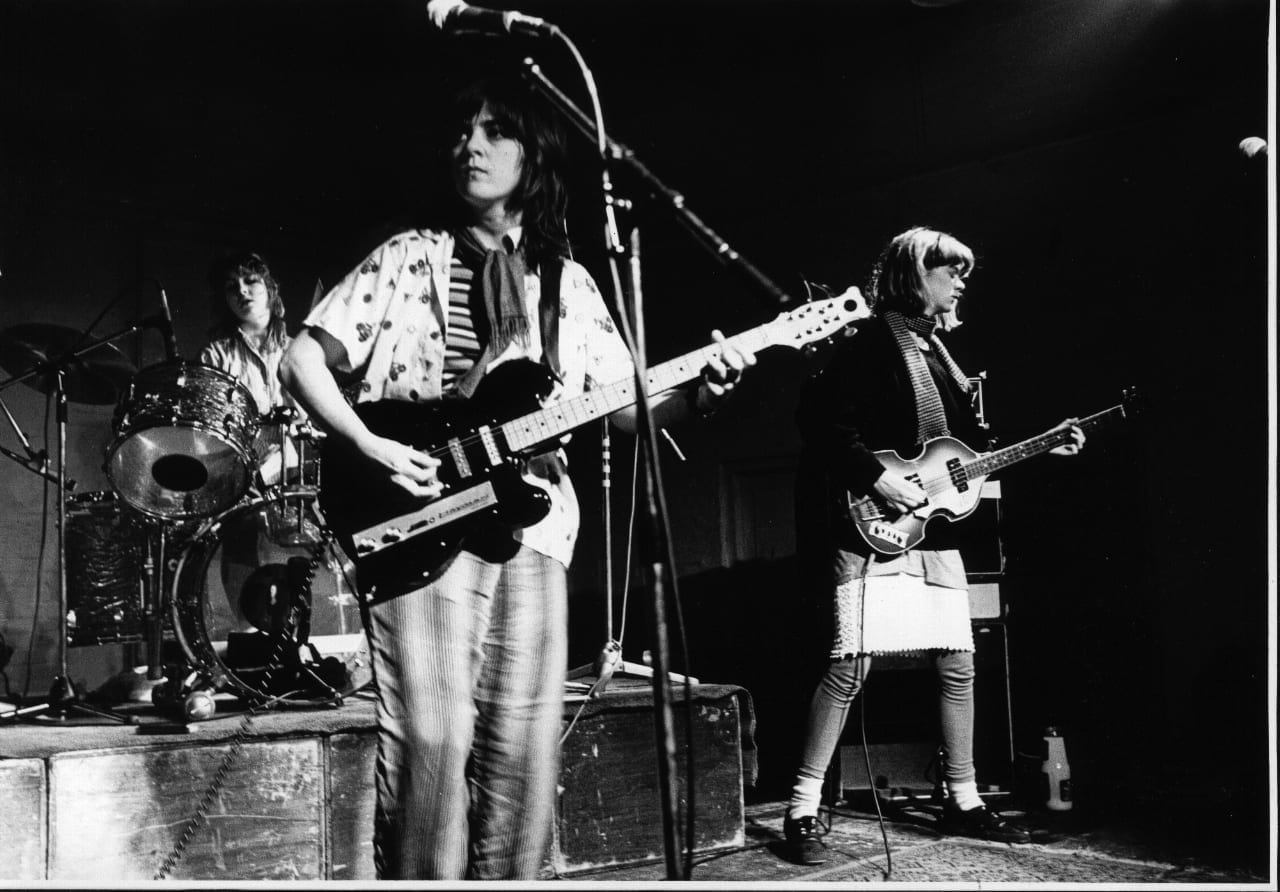
da Silva, Birch, Aspinall, and Palmolive played their first gig in 1978 at Acklam Hall in London. “When we went on stage, we weren’t really great players,” says da Silva. “We were learning at the same time as we were doing gigs.” Birch believes they truly learned how to play in public: “We often had our eyes closed, trying to play and feel and remember and learn. I do believe, and people have said, that the audience was willing us.” She remembers the first crowds being empathetic when everything fell apart, but she also remembers people being rude—after witnessing a performance early in their career, Danny Baker, writer and journalist, wrote a review in NME that said, “[The Raincoats] are so bad that every time a waiter drops a tray we’d all get up and dance.” Their sound was undoubtedly uncommercial, writing songs in a patchwork style that lended to roving basslines and jaunty guitars. “[The crowds] were used to boys shredding in their bedrooms for the last 15 years before they got on stage,” Birch laughs. “We let all of our stuffing hang out.” She admits hesitantly that the Slits were the glamourous women in punk at the time, and that The Raincoats were deemed to be more anti-glamour. “In photo shoots we were known to wear jumpers with holes in them and not brush our hair,” she laughs. “But in the end, that was all to our credit.”
While everything Birch and da Silva did was imbued with feminism, when Aspinall joined the band she brought the word feminism with her. “It was a difficult, emotive word at the time, and none of the other women in bands were using it,” says Birch. “There was a backlash against the word, and I genuinely believe that it was a male conspiracy to make feminism sound hideous. It was a way of undermining feminism.”
In 1979, Rough Trade released The Raincoats’ first single, a 7-inch with “Fairytale in the Supermarket” as the A-side, backed by “In Love” and “Adventures Close to Home.” Managed by Shirley O’Loughlin, the band went on its first UK tour with the influential, all-women Swiss post-punk band Kleenex. Da Silva admits that The Raincoats’ first tours were not easy: “Some people just adored us, and some people just thought it was rubbish. And that’s the thing about punk. It was the fact that girls really weren’t suppose to be doing that.”
During the tour, Palmolive decided to leave the band. Birch and da Silva wanted her to play drums on their debut, so they started recording immediately after the tour. With The Raincoats, a 10-song LP released by Rough Trade in 1979, the world was exposed to what would become one of the most generationally transcendent albums of the last 40 years. “From the very first time I heard it, I related deeply to its emotional tenor, to its combination of joy and melancholy and humor and anger and resolve,” says Jenn Pelly, writer and reviews editor at Pitchfork who is currently working on a book about The Raincoats for the 33 1/3 series, due out this year. “The Raincoats came out 10 years before I was born, but it always just felt like a part of me and I wanted to understand that [with the book].”
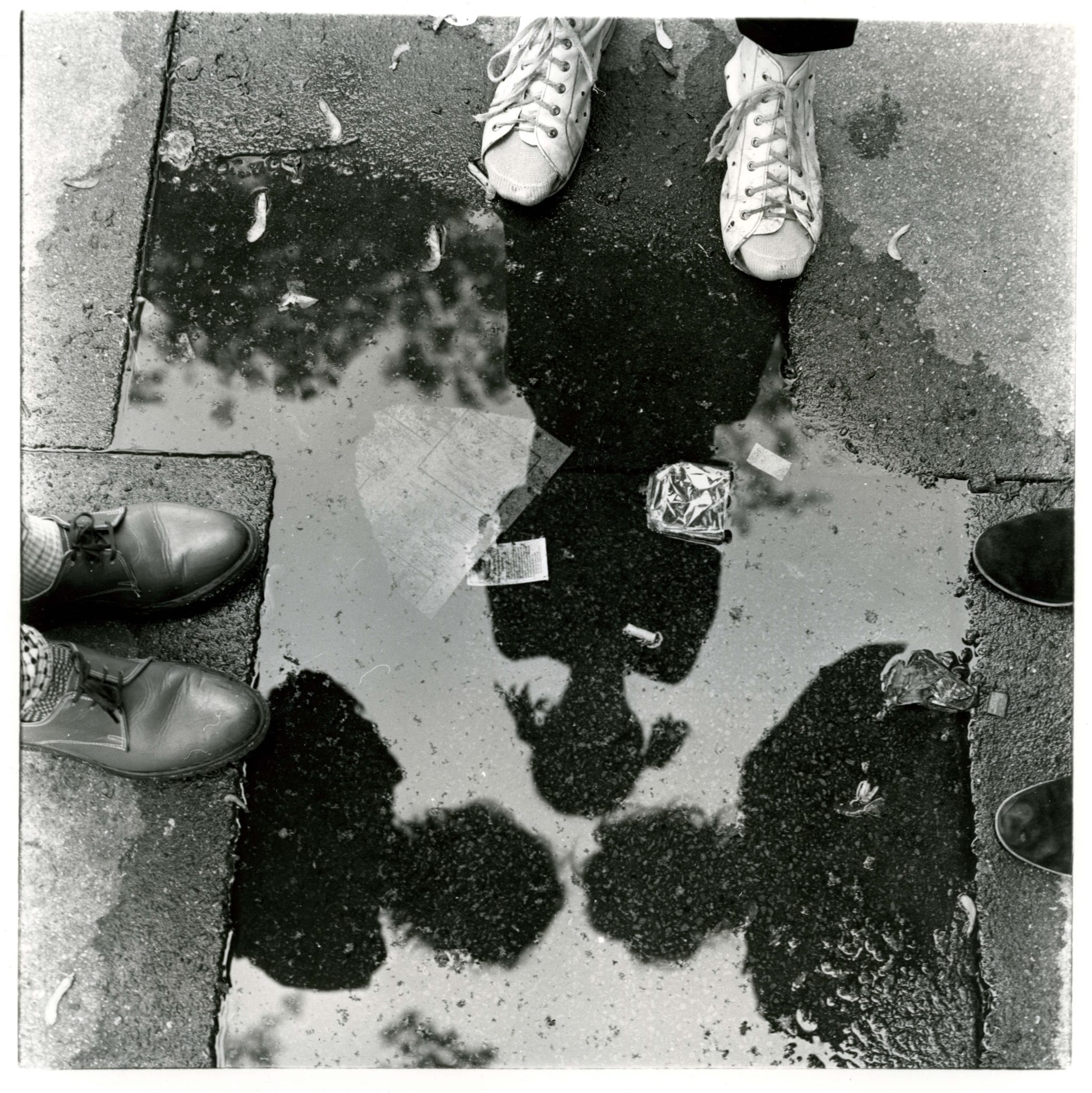
The album was recorded in three weeks, with each instrument pushed beyond its capacity, all in favor of learning and unlearning. “I think sometimes technique can get in the way,” says Birch. “The more you know, the more difficult it is to do something simple. If you don’t know much, you can do something simple and turn it on its head.” Birch played an early ’70s Gibson Les Paul recording bass and da Silva played a 1972 Hayman 1010 guitar. When talking about her guitar style, da Silva says, “We came out of punk and people weren’t really shredding. It was more about strength and showing some kind of power. For us, it was about focusing on developing ideas opposed to the technique.” It is this approach to their instruments, combined with their songwriting process, that created The Raincoats’ experimental post-punk sound. In writing violin parts, Birch felt that Aspinall needed to unlearn all of the classical training she had undergone—they wanted her to sound like a cheese wire or to bash the bow on the string. On certain songs, unaware of how to create the effects they wanted, the band improvised. With “In Love,” Birch wanted a repeating echo effect, so she created it naturally using only her voice. With other songs, such as “The Void,” a song eventually covered by Hole, the band worked together. “I was really into sliding the bass. And then the violin came and slid with me, and opposed me, and Ana came up with the anti-lead parts, very minimal and tuneful.” On this release, the band also recorded a spirited version of “Lola” by the Kinks, and included two songs from their first single, “In Love” and “Adventures Close to Home” (with the third, “Fairytale in the Supermarket” appearing on the ‘90s reissue).
In 1981, Rough Trade released The Raincoats’ sophomore album Odyshape. With Ingrid Weiss replacing Palmolive on drums, Odyshape also had drumming contributions from Richard Dudanski, Charles Hayward, and Robert Wyatt. With diverse percussion, a new set of instruments (the band began listening to world music and using instruments like the shruti box and balaphone), and a growth in abilities and ideas, Odyshape developed an experimental free-jazz sound. “I suppose we were exploring more things,” says da Silva. “The first album, we didn’t know how to play that well. The whole punk thing inspired us. It was more direct. Then we started floating away.” A stand-out on the album is the opener, “Shouting Out Loud,” which begins with airy drums, sparse guitars, and a driving bass. “I love that bassline,” says Birch. “In the second half of the song it’s the spine, and it meanders all over the place. If you listen to it without hearing the bass, then you’re missing such a huge part of it.”
Following their live album, The Kitchen Tapes (recorded in New York at The Kitchen for the Performing Arts and released by Reachout International in 1983), Rough Trade released The Raincoats’ third studio album, Moving, in 1984. “The Raincoats and Odyshape are my favorites because they capture the band really working together and negotiating and collaborating on a sound that none of them could have produced on their own,” says Pelly. “With the other albums, I think you can hear them growing apart a bit; you can tell more who is writing the particular songs.” With this record, the band surely felt the nocuous pull into separate ways. “Instead of different things coming together, everyone was going in different directions,” says da Silva. “The songs were very much a product of the songwriter, and what their ambitions were. For me, it was a very hard time. I didn’t want anything more to do with it.” It was then that The Raincoats decided to split up, but they went through with the record anyway. Shortly after its release, each member began working on solo projects, and the band fell silent for 10 years.
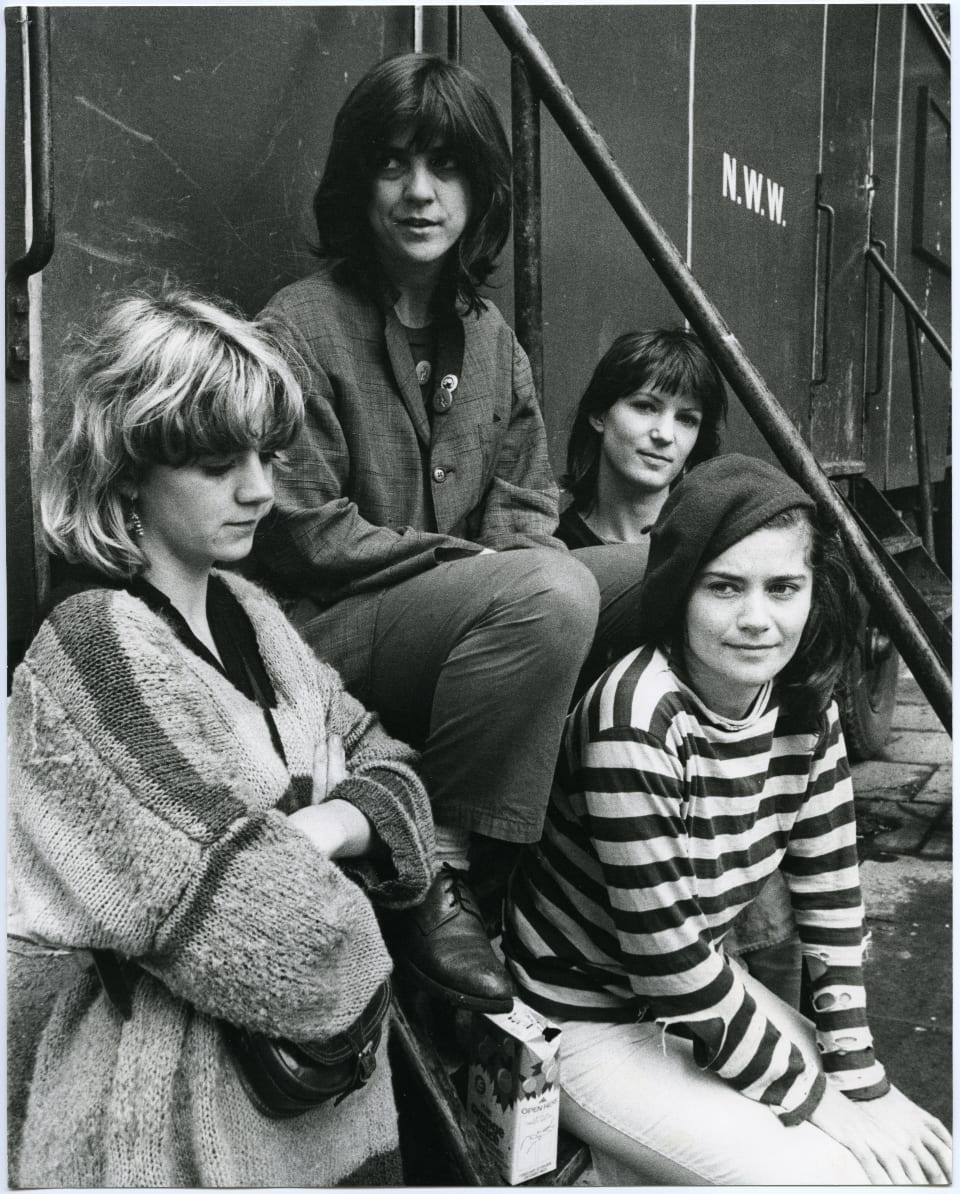
By 1994, The Raincoats’ records were all out of print, but with the rise of the CD, O’Loughlin, Birch, and da Silva decided to reissue the albums. Ray Farrell at DGC Records (a division of Geffen Records) licensed the reissued CDs from Rough Trade, and the band threw a party in London to commemorate the releases and to play those songs again, this time with Steve Shelley of Sonic Youth on drums and Anne Wood on violin. Kurt Cobain, a huge fan of The Raincoats, wrote the liner notes for their self-titled reissue, and asked them to go on tour with Nirvana in the UK. However, the tour never happened—Cobain died a week before they were set to leave. “When I listen to The Raincoats I feel as if I’m a stowaway in an attic, violating and in the dark,” wrote Cobain. “Rather than listening to them I feel like I’m listening in on them. We’re together in the same old house and I have to be completely still or they will hear me spying from above and, if I get caught—everything will be ruined because it’s their thing.”
With The Raincoats’ reissues, and the growing riot grrrl movement, there was a new flare of interest and a much needed resurgence for the band. “We had our thing—and then we fell out of sync,” says Birch. “When riot grrrl happened, we clicked back into place. It left us speechless and excited, because we realized that you can’t kill it—it’s going to come back stronger and different. It came back more political. It was a mutually inspiring moment.”
As a result of Farrell’s interest in The Raincoats, DCG released their fourth and final album in 1996. Looking in the Shadows, da Silva mentions, is their least popular album, but she really likes it. The sound is more produced than previous releases, they had access to an expensive studio and equipment, and they were paid more money. On the other hand, Birch had mixed feelings: “I felt that perhaps we had come full circle, and maybe it would have been nice to make something less produced in that way. It feels very layered.”
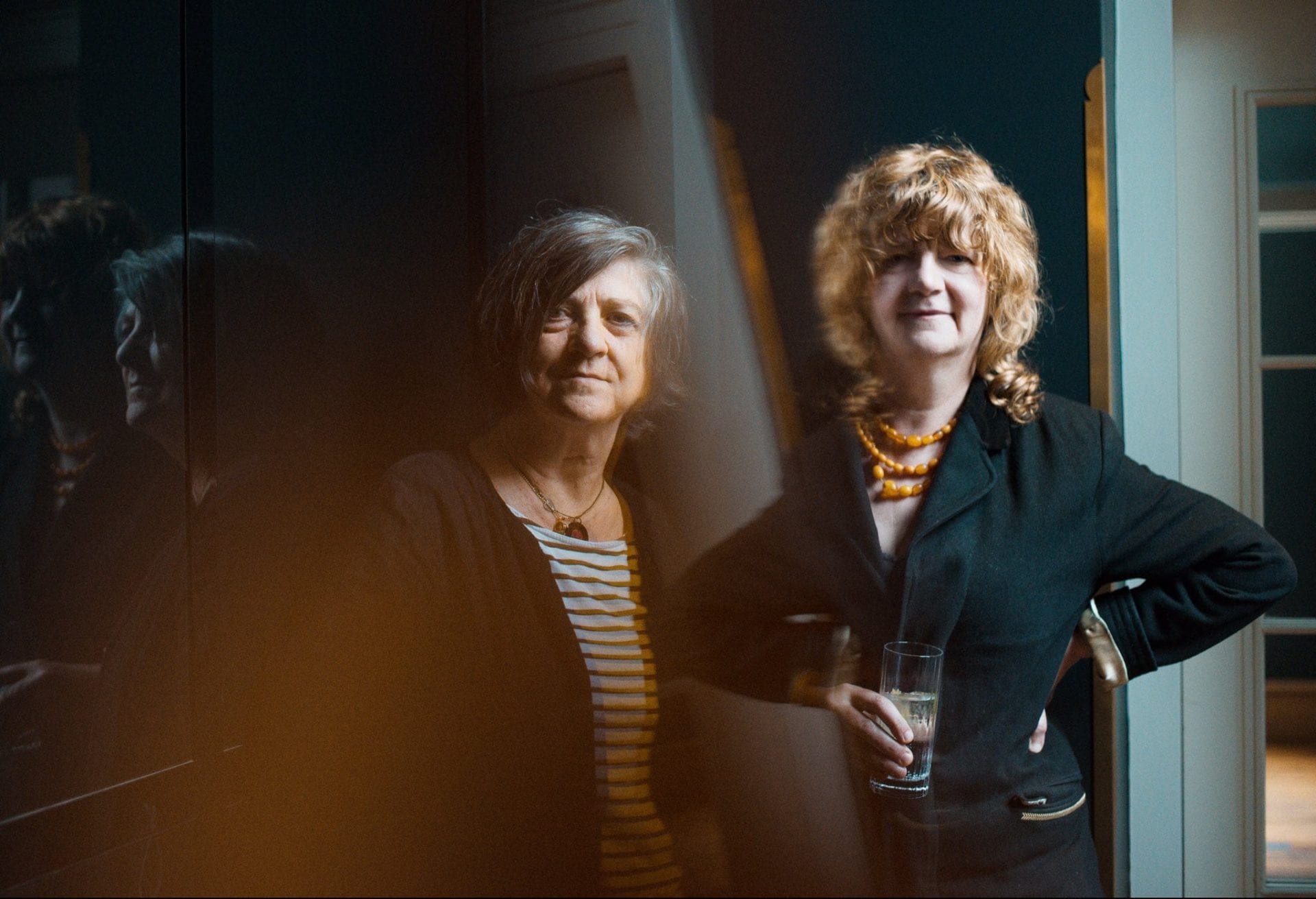
The Raincoats subsequently re-released the self-titled album in 2009 and Odyshape in 2011, both on We ThRee, a label owned by O’Loughlin, Birch, and da Silva, and will re-release the first single on April 15th for Record Store Day. The band has played shows and special events sporadically, but has mostly been working on solo projects. Da Silva released The Lighthouse in 2005 and is currently working on her next album—an electronic collaboration—,and her drawings, while Birch is working on her music, paintings, and video projects. This summer, Birch released Stories from the She Punks, a documentary about British women in bands in the ‘70s, and also has The Raincoats documentary on the backburner. Most recently, The Raincoats went on a short UK tour that included a show with Angel Olsen. After hearing Olsen’s records and loving them, the band asked her to collaborate for the Rough Trade 40th anniversary show in London. They spent three days with Olsen, rehearsing and working on each others’ songs. “We like to keep it fresh, otherwise there’s no point really,” says da Silva. “We’re really interested in what people are doing now.” Similarly, Birch recently played a show at Silent Barn, a DIY venue in Brooklyn, New York. “It felt very familiar, she says. “It felt more like the ‘70s [in the UK] and like Manhattan in the early ‘80s. It was a bit more lo-fi and community based, with people throwing themselves into things. People power rather than big corporations. It felt like it was human.”
When asked how it feels to be a band for 40 years, da Silva shrugs her shoulders and laughs, admitting that it is quite strange, but also only a number. With the release of the 33 ⅓ book, The Raincoats have been discussing plans to celebrate, but nothing has been finalized. Pelly mentions that the legacy of The Raincoats is still growing, one that is instinctive and visceral. “They had a real voice and an original perspective. The Raincoats was the result of four very different people coming to work together,” says Pelly. She adds that the band is crucial in the histories of punk, post-punk, and feminist punk, influencing so many significant movements in both music and art. The Raincoats get a shout out in Mike Mills 2016 film 20th Century Women (and let us not forget the one in Gil Junger’s 10 Things I Hate About You in 1999) in which Greta Gerwig’s character describes the band as “what happens when your passion is bigger than the tools you have to deal with it.” The Raincoats embraced what might be viewed as wrong, the unconventional methods of making music, and this is what makes them such a powerful, celebratory band not only for women who fear tackling a sphere unknown, but to the wider scope of music in general. “If you have an idea, just try your hardest to do [it],” advises da Silva. “Look at things, look at life, look at how you feel. Grab all the richness there is around you, and inside you, and put that together.”
Shana Cleveland of L.A. surf/psych band La Luz teaches us how to play “Sure As Spring” from the debut LP, “It’s Alive” (Hardly Art), in this month’s episode of The Way—including TABS to help you follow along!
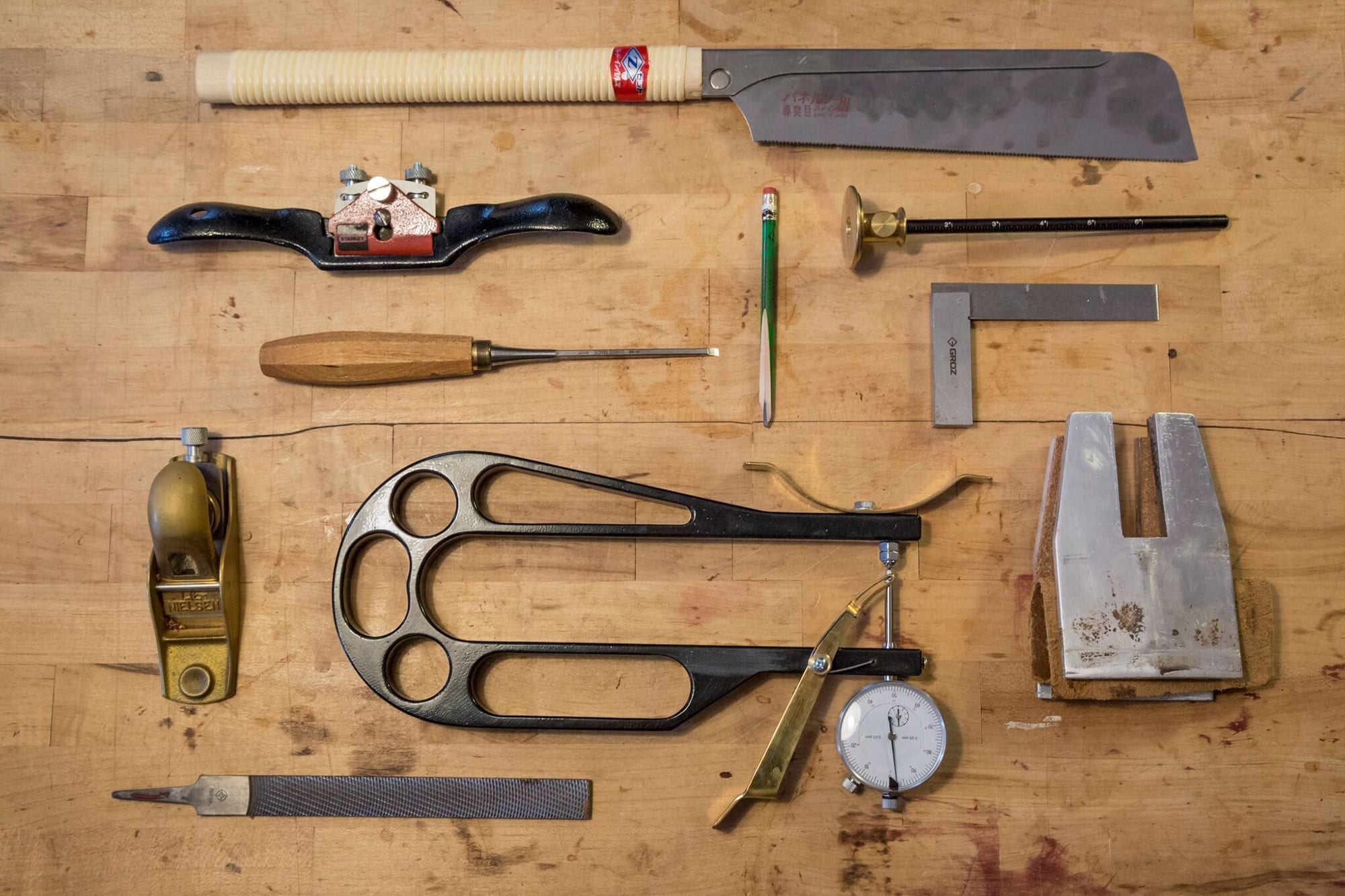
Do you ever think about building your own guitar? Get to know the life of a luthier, their tools and how they got started as we venture into the lives of prolific luthiers, Rachel Rosenkrantz and Elizabeth Henderson
In this month’s “Legends” series we follow the many talents of conservatory-trained Catalan musician Renata Tarrago that made her one of the most acclaimed classical guitarists of the 20th century.
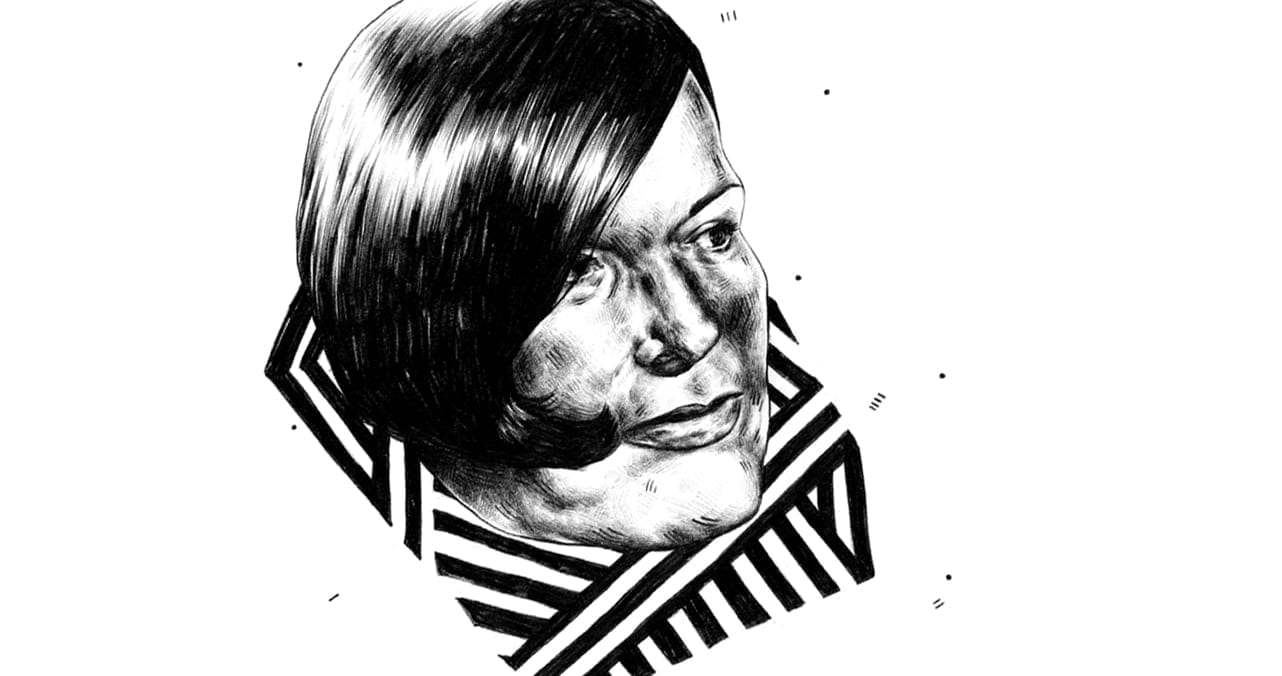
On the kickoff track of Black Belt Eagle Scout upcoming debut LP, multi-instrumentalist Katherine Paul her channels frustration into a cathartic guitar solo. Listen to the premiere “Soft Stud” now.

Tarrago was born in Barcelona in 1927. Her father, Graciano Tarrago, was an established musician and educator, but there’s no indication that her surname brought any advantages in classical music circles. If anything, it might have brought undue pressure for the younger Renata, beginning with her public debut at age 14.
Tarrago finished her formal studies at the Barcelona Conservatory (Conservatori Superior de Musica del Liceu) in 1944, earning upon graduation an assistant professorship for teaching guitar. By 1951, Tarrago’s earliest career accomplishments earned her the Conservatory’s Premio Extraordinario award for guitar performance.
Among her early highlights as a recording artist is numerous tracks recorded with operatic soprano Victoria de los Angeles. In 1958, Tarrago became the first woman to record Spanish composer Joaquin Rodrigo’s 1939 composition Concierto de Aranjuez, adding her own touch to a true modern classic.
Tarrago became a world-acclaimed performer in the 1960s, introducing her classical guitar style and double-stringed Spanish instrument, the vihuela, to live audiences in the Soviet Union and the United States. Her spread of a lesser-known instrument beyond Barcelona casts Renata as a folklorist of sorts, blending history lessons on older arrangements with her furthering of modern classical music.
One of Tarrago’s most visible performances came in 1968 crime film Deadfall. She’s shown playing an excerpt from John Barry’s Romance for Guitar and Orchestra, netting her an IMDB listing alongside Michael Caine.
Like all great classically-trained performers, Tarrago balances taut, technical proficiency with the creative nuances needed to tell stories without words. She played with her fingertips instead of her fingernails, crafting a simple yet precise right-hand technique. On some recordings, her guitar is tuned a half-step higher, creating a harp-like sound.
Tarrago died in 2005 at age 77, leaving behind some of the best, most creatively rewarding classical recordings of the 20th century. For pushing forward the classical sounds of her family and nation, she’s as much a legendary guitarist as any popular music performer of her generation.
Bağcan was born in Muğla, a city in the southwestern part of Turkey, in 1948. Her love of music was encouraged at home. She learned to play mandolin at age five, and as a teenager she developed an interest in playing guitar and singing along with popular English, Spanish, and French songs on the radio.
Bağcan established the groundwork of her career while she was in college. She developed an affinity for traditional Turkish folk songs and started to perform live at Beethoven, her brothers’ popular music club in the capital city of Ankara, where she met many of her folk and rock inspirations. Throughout the 1970s, Bağcan continued to blend her mastery of the guitar and the traditional Turkish stringed instrument, the baglama, with lyrics heavily inspired by regional folk traditions. Despite her dedication to keeping folk traditions alive, many of these songs include traces of rock and even nascent experimental music influences.
Bağcan’s lyrics often champion the working poor, which made her popular among Cold War-era leftists in her home country, and at times, a perceived threat to the government. Following the 1980 coup Turkish d’état, she was imprisoned multiple times and had her passport confiscated, which limited much of her touring opportunities for the better part of the decade..
Political turbulence and legal issues did not deter Bağcan from writing and performing politically-charged music in the ‘90s. One of her best-known songs from the decade, 1993’s “Uğurlar Olsun,” was a tribute to investigative journalist Uğur Mumcu, who had recently been assassinated.
Today, Bağcan remains active in Istanbul and on the European festival circuit. In the English-speaking world, her music has been sampled numerous times by hip-hop artists. For example, portions of “İnce ince,” a song about economic inequality, can be heard in Mos Def’s “Supermagic” and Dr. Dre’s “Issues.” Within this different context, one of Bağcan’s best-known political anthems proves to have a message that extends well beyond national borders.
Although the traditions she honored and the oppression she spurred was uniquely Turkish, by providing a voice to the voiceless in turbulent times with her guitar and songs of protest, Bağcan’s simple yet steadfast pleas for equality will remain globally relevant in 2017 and beyond.
Valente was born in Paris, France in 1931 and is of Italian descent. She comes from a long lineage of vaudevillians and musicians, including her accordion-playing father and musical clown mother. Her lengthy and prolific career spanned nearly 50 years, with more than 1,500 songs recorded in various languages and over 18 million records sold globally. This longevity was due in part to Valente’s embracing of various vocal and guitar styles, from American jazz to Brazilian bossa nova.
Notable early career performances range from her breakout European hit, a German language version of Cole Porter’s “I Love Paris” from 1954, to a 1957 duet with Bill Haley, “Vive le Rock and Roll,” for German film Hier Bin Ich Hier Bleib Ich. Other collaborations, on recordings or television, featured a who’s-who of the era—Chet Baker, Jack Sperling, Ella Fitzgerald, and numerous others.
Valente’s wide range of talents made her a regular guest on variety television shows on both sides of the Atlantic, back when there were just a handful of channels in most markets. In the US, she made numerous television appearances for one of her most visible and vocal fans at the time, Perry Como.
In one clip from the Dean Martin Show that’s made the rounds online, she proves to be the host’s musical and comedic match. Valente’s popularity in the states peaked in 1965 with her co-starring gig on CBS variety show The Entertainers, alongside comedy heavy-hitters Bob Newhart and Carol Burnett.
Although changing trends in music and television caused Valente’s star to fade somewhat in the US, she remained a prominent entertainer in Europe until her retirement in 2003.
Valente’s talent as a guitarist alone makes her a legend, and her music opened the door for her to become a television star responsible for introducing multicultural sounds to living rooms in several countries.
The otherwise thorough book, Hawaiian Music and Musicians: An Illustrated History (University of Hawaii Press, 1979), mentions Kerr’s eponymous Annie Kerr Trio in passing because prolific composer Irmgard Aluli and her sister Diane were members. Only the Hawaiian Steel Guitar Association gives Kerr her due as a groundbreaking musician, identifying her as the first professional Wahine (Hawaiian and Māori word for “woman”) steel guitarist.
Grasping Kerr’s understated place in popular music history requires a brief glimpse at her instrument’s backstory. The steel guitar, along with falsetto singing and the less common slack key guitar, have long been Hawaii’s most visible contributions to popular and roots music. In the late 19th century, Hawaiian musicians discovered innovative ways to manipulate readily accessible Spanish guitars, using metal objects to hold down the fretboard and create chime-like sounds.
By the 1930s, the spread of popular Hawaiian music led to innovations on the mainland, including professionally crafted steel guitars with built-in resonators by such companies as Dobro and National. Like the African banjo, the Hawaiian steel guitar was eventually integrated into country and bluegrass, cementing its place in modern popular music. Hawaiian influence was not completely absent from the burgeoning “Nashville sound” in the 1960s, with influential picker Jerry Byrd being well-versed in both styles.
The few examples of Kerr’s music on YouTube blend tropical music instrumentation with the multi-part vocal harmonies and upbeat melody of the era’s pop standards, making her music accessible to listeners on the mainland.
Although a lot has been written over the years about gender roles within Hawaiian families, both before and after missionary contact, there’s no indication that women were discouraged from performing music. Also, Kerr wasn’t the first woman to play guitar in a distinctly Hawaiian style. She was the first notable Hawaiian woman to carve out a career in the nascent recording industry.
Kerr was a pioneer for women in Hawaiian music, paving the way for fellow steel guitarist Mikilani Fo and other multi-talented entertainers to pursue careers in music. Considering the steel guitar’s seamless integration into rural music on the mainland, Kerr and her peers are unlikely links between Hawaiian roots traditions and the long history of country and western music.
Dead Moon formed in Portland, Oregon in 1987. Fred Cole, who had began playing in bands as a teenager in the mid-1960s, had caught a taste for punk rock and with his wife, bassist Toody Cole and drummer Andrew Loomis, architected a stripped-down blend of rock, punk, and country that would fuel them for nearly twenty years of regular touring and ten studio albums. Like a lot of the best, Dead Moon relied more on heart and feeling than classical skill, and Fred Cole’s innate knack for songwriting and storytelling—touching on themes of politics, love, and the human experience through the lens of an outsider—combined with the band’s hard-driving (and loud!) performances made them unmissable and timeless.
 Toody and Fred Cole by Lauren Baker
Dead Moon disbanded in 2006, with the Cole’s launching Pierced Arrows, a new trio with drummer Kelly Halliburton, soon after. After a brief reunion in 2014, Loomis passed away after a battle with cancer in March, 2016. These days, Fred and Toody Cole continue to share their music with the world as a duo.
Today, Dead Moon releases a new live LP, What a Way to See the Old Girl Go. The record is Volume 6 of Voodoo Doughnut Recordings’ “Tales from the Grease Trap,” series of live archival releases from early ’90s Portland. The album was recorded to 8-track at Portland’s X-RAY Cafe on August 16, 1994, the same year the band released its Crack in the System LP. Mixed and mastered from the original cassettes by Don Fury, the album gives a glimpse into the band’s unbridled power, rawness, and spirit.
She Shreds is proud to present the exclusive premiere of Dead Moon’s What a Way to See the Old Girl Go. Listen to the record in full below, and for more about Dead Moon, read our in-depth interview with Toody Cole here. What a Way to See the Old Girl Go is available now.
Seeger is a multi-talented performer, playing 5-string banjo, guitar, Appalachian dulcimer, autoharp, English concertina, and piano. With those instruments, and her moral compass, Seeger has compiled a still-growing songbook informed by the folk traditions of her native US and her UK home.
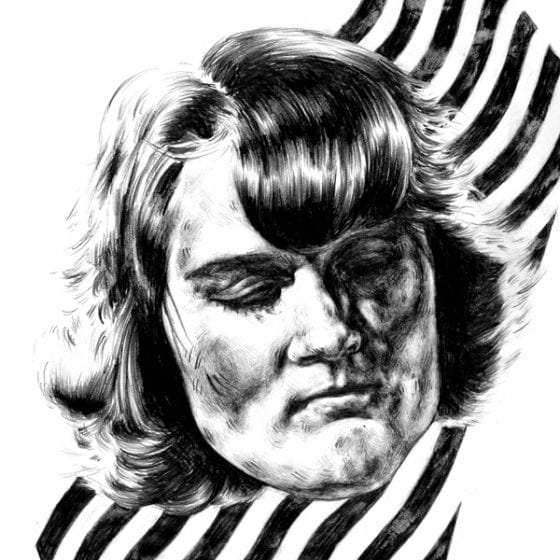
It’d be an understatement to say that the Seeger family tree is ripe with musical talent. Peggy’s mother, Ruth Crawford Seeger, was a modernist composer and the first woman recipient of the Guggenheim Fellowship. Her father Charles was a musician and educator, and brother Mike and half-brother Pete were key figures in the American folk revival of the 1960s.
In the 1950s, Peggy Seeger began to carve out a legacy separate from her parents and siblings by spending most of career in the British folk music scene. After trips to Communist China and Soviet Russia prompted political pressure in the states, Seeger left her native New York in 1956 for London. The move placed Seeger near many folk music traditions’ points of origin, creating ample work and inspiration for the budding folklorist and songwriter.
Seeger’s British folk career is known in part for her working relationship with her late husband Ewan MacColl. In fact, she’s the face behind his best-known composition, and Roberta Flack’s breakout hit, “The First Time I Ever Saw Your Face.” The couple collaborated on over 30 albums and co-created the Radio Ballads, a series of BBC radio shows that ran from 1957-’64 and used folk songs and stories to draw attention to contemporary topics.
Whether performing solo or with family, including collaborations with current spouse Irene Pyper-Scott, Seeger has always upheld past traditions while fearlessly tackling socio-political injustices. Many of her compositions, including women’s rights anthem “Gonna Be an Engineer,” challenge the status quo while imagining a better world for the common people. Seeger comes from a place of empathy in these songs, casting herself as a friend and fellow sufferer. As her “Song of Myself” puts it: “Of miners and weavers, of rebels and dreamers; When I sing of my comrades I sing of myself.”
Seeger remains a champion for the downtrodden in these contentious times—needless to say, her email newsletter has not been short on material since last November. For fighting the good fight as an octogenarian, Seeger is perhaps the quintessential living legend among folk musicians.
As a Southern singer-songwriter who walked the line between rock and country before Americana formally existed, she was long evaded by major labels. Despite years of being overlooked, she’s released 13 studio albums; won three Grammy’s in country, folk, and rock; received a Lifetime Achievement Award in 2011; and won Album of the Year for last year’s Down Where the Spirit Meets the Bone.
Throughout Williams’ career, her father—acclaimed poet Miller Williams, who may be best known for reading at Bill Clinton’s inauguration in ‘97—stood by her side as a huge source of support. His death from Alzheimer’s last year, 10 years after Williams lost her mother, is a keynote on her latest release The Ghosts of Highway 20. The apparitions of Williams’ past are presented through nostalgic lyrics, mournful guitars, and resilience. I spoke on the phone with Williams from her home in LA about her identity as a Southern singer-songwriter, the loss that permeates her sound, and starting her own record label after years of industry hardships.
She Shreds: When did you realize you wanted music to be your life?
Lucinda Williams: It really all come to fruition when I moved to Austin in 1974. That’s where I really started honing my craft and developing a little following—it was completely all on my own. I moved out to LA in late ‘84 and that’s when I got introduced to the whole business aspect of things, when I started attracting attention from some of the record labels. I got what they used to call a development deal with Sony Records. They gave you enough money for six months to pay your rent and live on—the idea being that you write songs and, if they like what you’ve done, then they sign you to a deal. That’s when I came up with the majority of the songs that would later end up on the Rough Trade album [Lucinda Williams]. Sony Nashville said it was too rock for country and Sony LA said it was too country for rock. So, that demo tape floated around for a couple of years, and eventually found its way into the hands of Rough Trade Records. It sounds sort of Cinderella-ish [laughs]. At that point I had been turned down by every label out there—all the majors, all the minors. It took a punk label from England to recognize what I was doing.
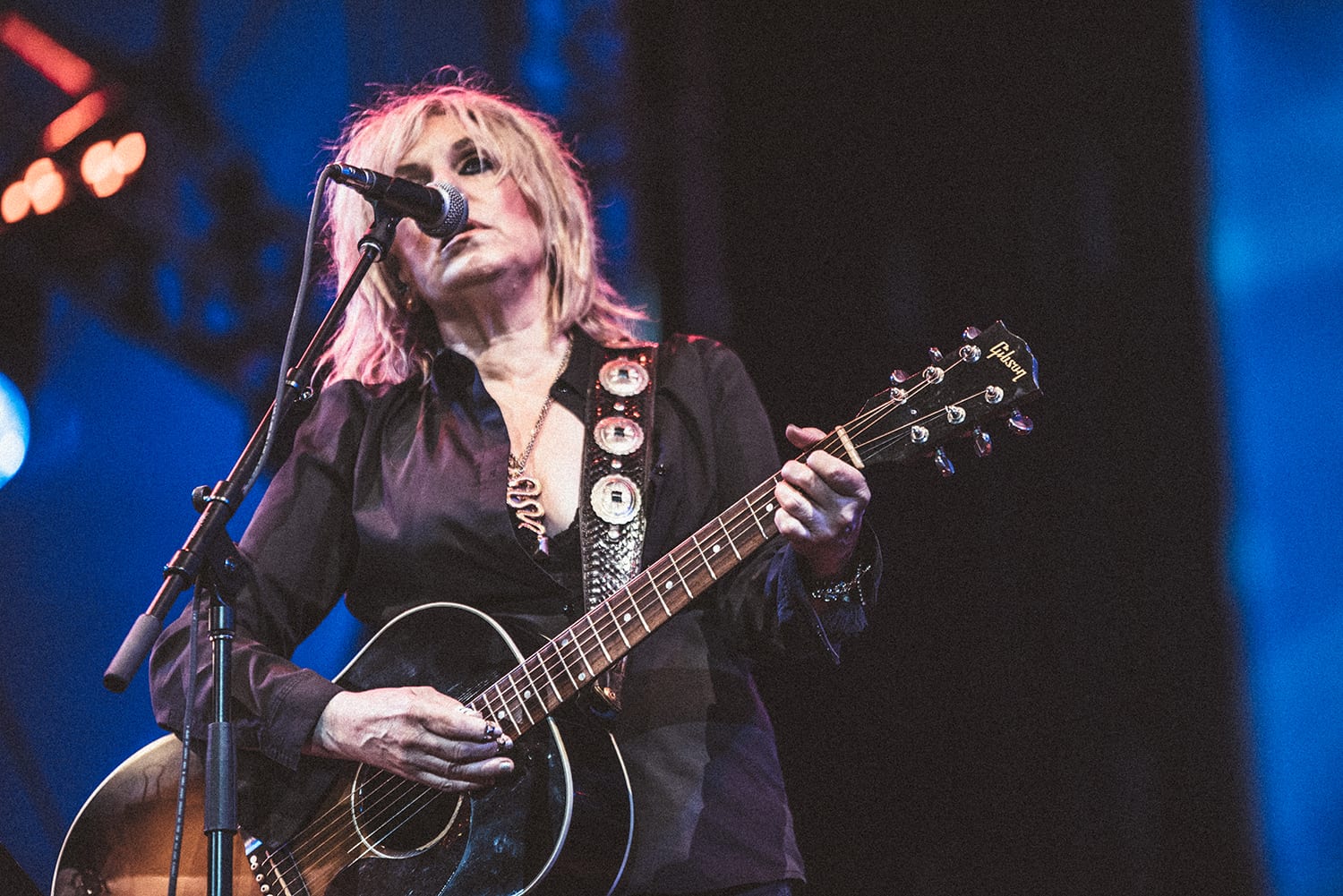
Why do you think it took so long for the majors to acknowledge your music?
The main thing was, this was all happening before the big Americana movement came about, and that market was created for the kind of music I was doing. Up until then, they just didn’t know what to do with me. It was a timing thing. There had been women singer-songwriters in the ‘70s who were successful, like Joni Mitchell and Carole King. I got caught in between that period, and at some point in the late ‘80s/early ‘90s there was that wave of female singer-songwriters, like Mary Chapin Carpenter and Tracy Chapman. I was able to catch that wave. I kept saying, “Look, we’ve all been around for all this time. There’s more where I came from.” [Laughs.] There are more of us out there.
Absolutely. That feeling of being recognized in such a grandiose way, just because you’re a woman—as if we haven’t been out there, playing and just as capable as men, this entire time.
I know—they treat it like it’s a big phenomena. It would be like, “all-girl band” or “girl drummer” and I’d be like, “Why can’t you just say drummer?” Female this, female that. It’s an oddity. [Laughs.] Well, I don’t think oddity is the right word. It’s not like we’re circus freaks or something—”Hey everybody, come look at the oddity over here! Look, it’s a woman who can actually write really good songs and sing and play guitar!”
Speaking of identity, I’m curious how your roots in the South have influenced your songwriting.
I grew up being aware that I was Southern, and that being a very important thing for me. And being drawn to short story writers, like Flannery O’Connor and Eudora Welty—the surroundings in their stories were so familiar to me, the whole Southern Gothic thing. That world only existed in that part of the country. It’s going to inform the personality of the songs. In a lot of my songwriting, I mention towns and places. It’s a culturally traditional thing in the South to tell stories. My dad was very much aware of that fact that he was Southern, and made that distinction a lot when I was growing up. Because, at the time, when he was trying to be successful as a poet, he was considered a Southern poet, much like how I was later considered a female singer-songwriter.
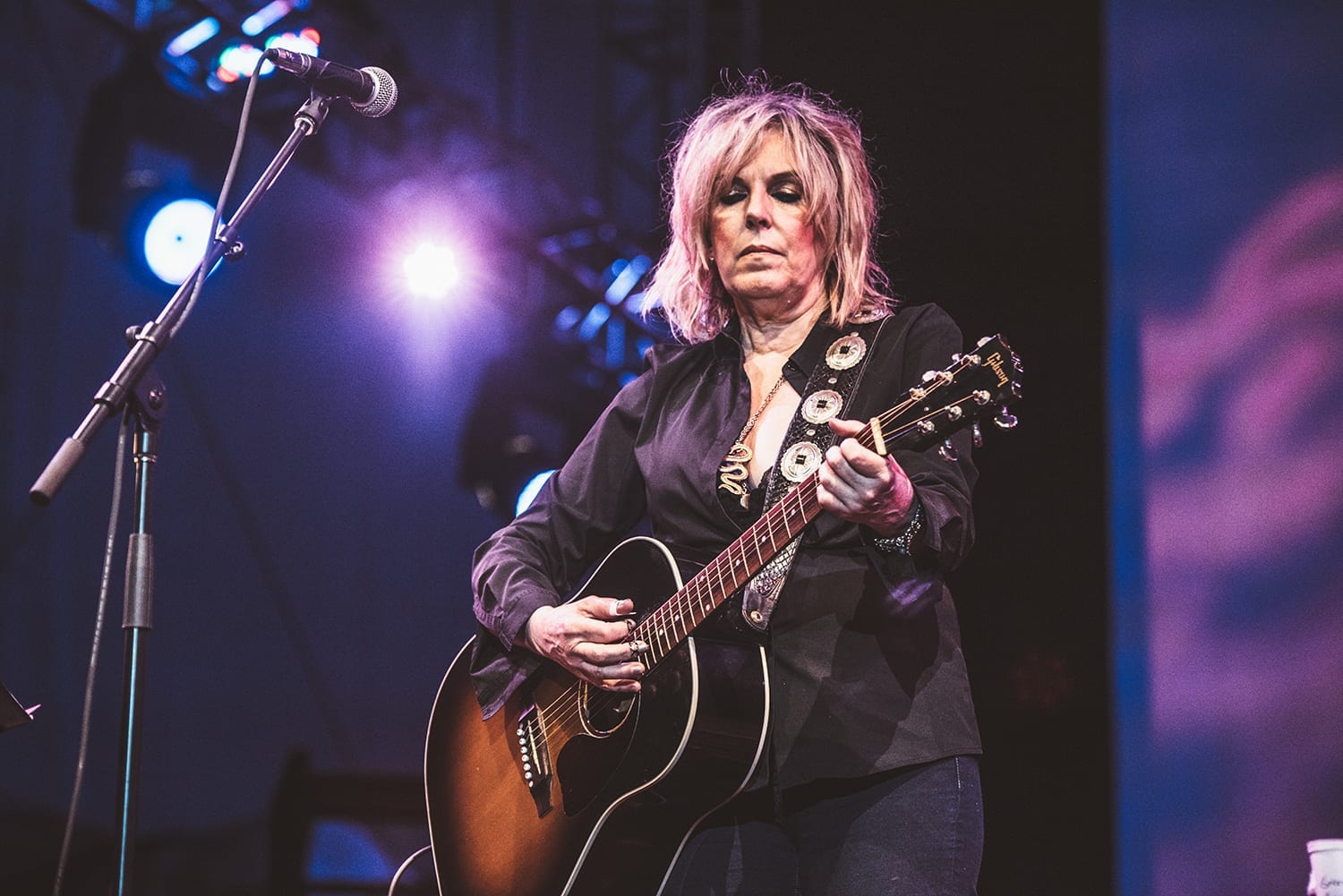
You lived all over the South in your youth, and you tell the stories of those places so vividly. Do you feel that the song “Ghosts of Highway 20” was a modern follow-up to the younger perspective of “Car Wheels on a Gravel Road”?
It wasn’t a conscious effort. I was talking about a lot of the same things, only now I’m older. With “Car Wheel” I was a child in the back seat—and in “Ghosts of Highway 20” I’m driving the car, looking out the window, and looking back. It’s a similar song, but coming from the perspective of the woman grown and looking at the loss. Highway 20 runs through some of the towns I grew up in, and it runs through the town of Monroe, Louisiana, where my mother was from and where she is now buried in her family plot—where she didn’t want to be buried, but that’s a whole other story. Talk about Southern Gothic. [Laughs].
Grief has always been a huge theme in your songs, but it seems particularly heavy on Ghosts of Highway 20. I know you lost your father last year—how do you feel this grief has affected your songwriting?
My mother passed away in 2004, and then my dad 10 years later. That period in between, I wrote songs like “Death Came”, and then after my father passed away I wrote, “If There’s A Heaven” and “If My Love Could Kill”, which I wrote about the Alzheimer’s disease that killed my father. There’s a lot of dealing with loss, and heavy stuff, and life. It’s a lot different of an album than some of my earlier one’s, like Essence, when I was still struggling with unrequited love as a younger girl. Now I’m a woman of 63-years-of-age and I’m having to deal with…well, I’ve always dealt with dark stuff. I mean, we deal with it from the time we’re born. We start suffering as soon as we pop out into the world. We start out crying, you know? [Laughs.] And it goes from there. I choose to write about it because it helps me deal with it. It’s very cathartic.
I’m curious to know what your process is when writing songs.
I always have a notebook and pen with me—there’s never a lack of inspiration, that’s for sure. My thing is more, when the muse strikes. And I use a Zoom, that little thing you can record into. In fact, I had this dream, and I wrote this new song in the dream, and I usually don’t remember them. And so I woke up and I said to Tom [husband and manager], “I have to put something down right now. Find the Zoom, make sure it has batteries in it.” [Laughs.] I didn’t want to forget. It’s strange how the subconscious works.
When Lost Highway folded, the label you released under for 10 years, you started Highway 20. What was the motivation to run your own label?
When Lost Highway ended, we started shopping around for a new label, and there were just some prerequisites that we wanted understood by whoever we were going to work with. We’ve cut out the middleman, so to speak. Financially, for me, it’s much more rewarding. If you own your own label, you’re not turning the profits over to a major label corporation. You know, I started on an indie label, Rough Trade, and I signed to a major label right after that, and it fell apart. So now I’m on my own label, and there are no rules. If we want to make a double album, we can. If we want to write a song that’s 19-minutes long, we can. It’s the liberty and freedom.
The New York band’s 1963 deal with Decca came at a time when women in popular music were predominantly vocalists accompanied by male musicians or, such as in the case of legendary session bassist Carol Kaye, relegated to behind-the-scenes roles. Today, the Gingerbreads’ legacy extends beyond an answer to an obscure trivia question in part because it propelled guitarist Carol MacDonald to a lengthy run as a creative force and LGBT voice in mainstream rock.
Goldie and the Gingerbreads was formed in 1962 by band namesakes Genya “Goldie” Ravan (vocals) and Ginger Bianco (drums). Organist Margo Lewis swiftly replaced original member Carol O’Grady, and after a year-long search for a guitarist, the lineup became complete when MacDonald joined the fold. While there’s little information available about MacDonald’s pre-Gingerbreads career, it’s unlikely her bandmates’ lengthy search ended for a novice performer. In fact, her skill with a Fender Stratocaster solidified the group’s formidable take on the then-popular Mersey beat sound.
The band’s groundbreaking career lasted five years and produced a handful of 45s, including a 1965 cover of Herman’s Hermits’ hit “Can’t You Hear My Heartbeat” that cracked the Top 25 in the United Kingdom. Other standout tracks include organ-driven garage stomper “The Skip” and “Sailor Boy,” a doe-eyed love song with girl group style vocal harmonies. The band performed these songs in the states and overseas, sharing stages with rock ‘n’ roll peers such as the Rolling Stones, the Animals, and Chubby Checker.
After the Gingerbreads parted ways, MacDonald (vocals, guitar) and Bianco (drums) formed the all-woman horn-rock ensemble Isis in 1972. Lewis joined as organist and keyboardist a few years later. The critically-acclaimed band mirrored the sound of the times, adding their own spin to funk, jazz fusion, and blues-rock.
Isis became only the fifth all-woman band with major label backing after signing with Buddah Records in 1973. This lack of all-woman bands acknowledged by the mainstream, just a few years after the counterculture’s spirit of protest radicalized facets of popular culture, casts the music business of the early 70s as severely behind the times.
During her years with Isis, MacDonald became openly gay, broaching the topic as a songwriter with the tender-hearted “She Loves Me” and fiery freedom anthem “Bobbie and Maria.” While it’s encouraging to know that such songs were released back then by a major label, MacDonald later told She’s a Rebel: The History of Women in Rock & Roll author Gillian G. Gaar that coming out of the closet was discouraged within the music business and likely halted Isis’ shot at commercial success. Despite a lack of hits, the band maintained a visible platform as a touring act, sharing stages with KISS, ZZ Top, and Lynyrd Skynyrd.
Interest in Goldie and the Gingerbread’s legacy has spiked at times over the past 20 years, including a one-off comeback show in 1997 and inclusion in the Rock and Roll Hall of Fame’s 2011 “Women Who Rock” traveling exhibit. An Isis reunion followed in 2001 but was halted by MacDonald’s health concerns. She passed away in 2007.
Each flurry of interest in MacDonald’s career draws well-deserved attention to two of the first all-woman bands signed by major labels. It also highlights the varied contributions of a guitarist, singer, and songwriter whose brilliance outshone cultural biases against her gender and sexuality.