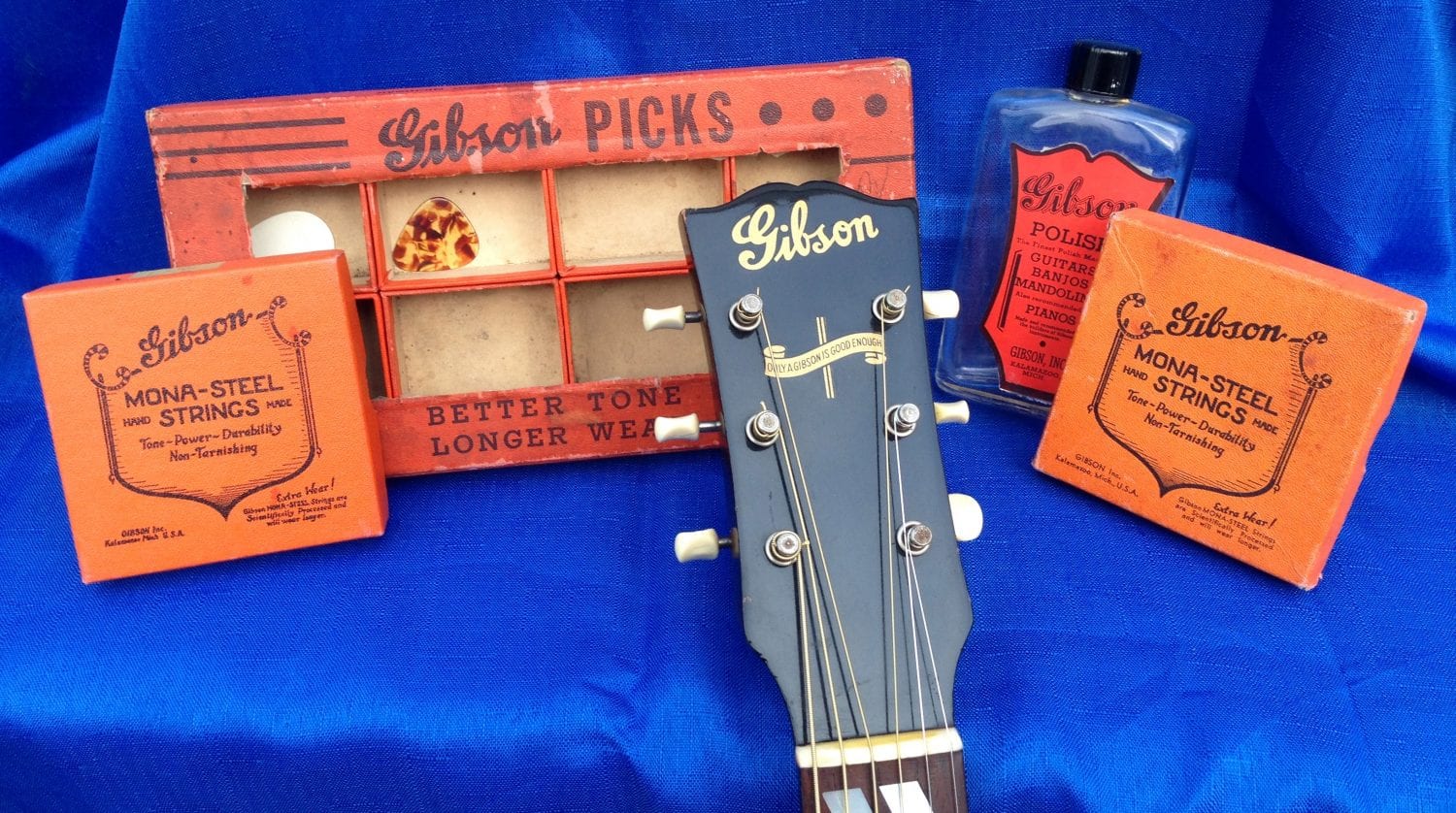
 In addition to making guitars, the Kalamazoo Gals made the strings depicted in this photo.
John Thomas, author of Kalamazoo Gals: A Story of Extraordinary Women and Gibson’s “Banner” Guitars of World War II, calls her “Laura the Luthier”, a name that speaks for the hundreds of women behind the Gibson walls who were building guitars during the war.
In January of 1942, a month into U.S. involvement in the war, factories turned their manufacturing capacity over to government war contracts. Rickenbacker in Santa Ana, California and Gretsch in Brooklyn, New York stopped instrument production entirely after, respectively, eleven and nine years of producing guitars. In Nazareth, Pennsylvania, C.F. Martin & Co., the first guitar manufacturer in the U.S. in 1833, remained in production during the war and had four female employees at its modest North Street plant.
According to Kalamazoo Girls, while production was slim across the board, the guitar factory with the most female employees—over 200 between 1942 and 1946—was Gibson Guitar Corporation in Kalamazoo, Michigan. These women were hired to make munitions, but they also clandestinely created the line of “Banner” guitars. The Gibson Banner flattop acoustic guitars had a gold banner on the headstock with the slogan, “Only a Gibson is Good Enough.” They were discontinued at the end of the war and only resurfaced as reproductions in the ‘90s. The six original Banner flat top models are still highly sought after by collectors: the J-50, J-45 Jumbo (played by Buddy Holly), LG-2, LG-3, LG-1, and the SJ Southerner Jumbo (one of Woody Guthrie’s “This Machine Kills Fascists!” guitars).
In addition to making guitars, the Kalamazoo Gals made the strings depicted in this photo.Gibson has alternated between claiming no guitars were made during the war and admitting that a handful were produced. According to Julius Bellson, a longtime Gibson employee and historian who wrote the 1973 book, The Gibson Story, the few guitars they admitted to were fashioned by “seasoned craftsmen” who were too old to fight in the war. Executives believed that consumers would not buy Banner guitars if word spread that they had been made by women.
John Thomas’ meticulously researched book exposes Gibson’s unjust cover-up. He chose “Kalamazoo Gals” as a nickname for the women builders after the Glenn Miller hit, “(I’ve Got a Gal In) Kalamazoo,” which was the #1 song in America in January 1942—the same month the Kalamazoo Gals began work at Gibson. “To my surprise, none of the dozen Gals I located and interviewed played the guitar,” Thomas mentioned recently to She Shreds. “I do think, though, that had Gibson not hidden the Gals’ contribution, the instrument would have had a better chance to appeal to girls and women. I still believe this.”
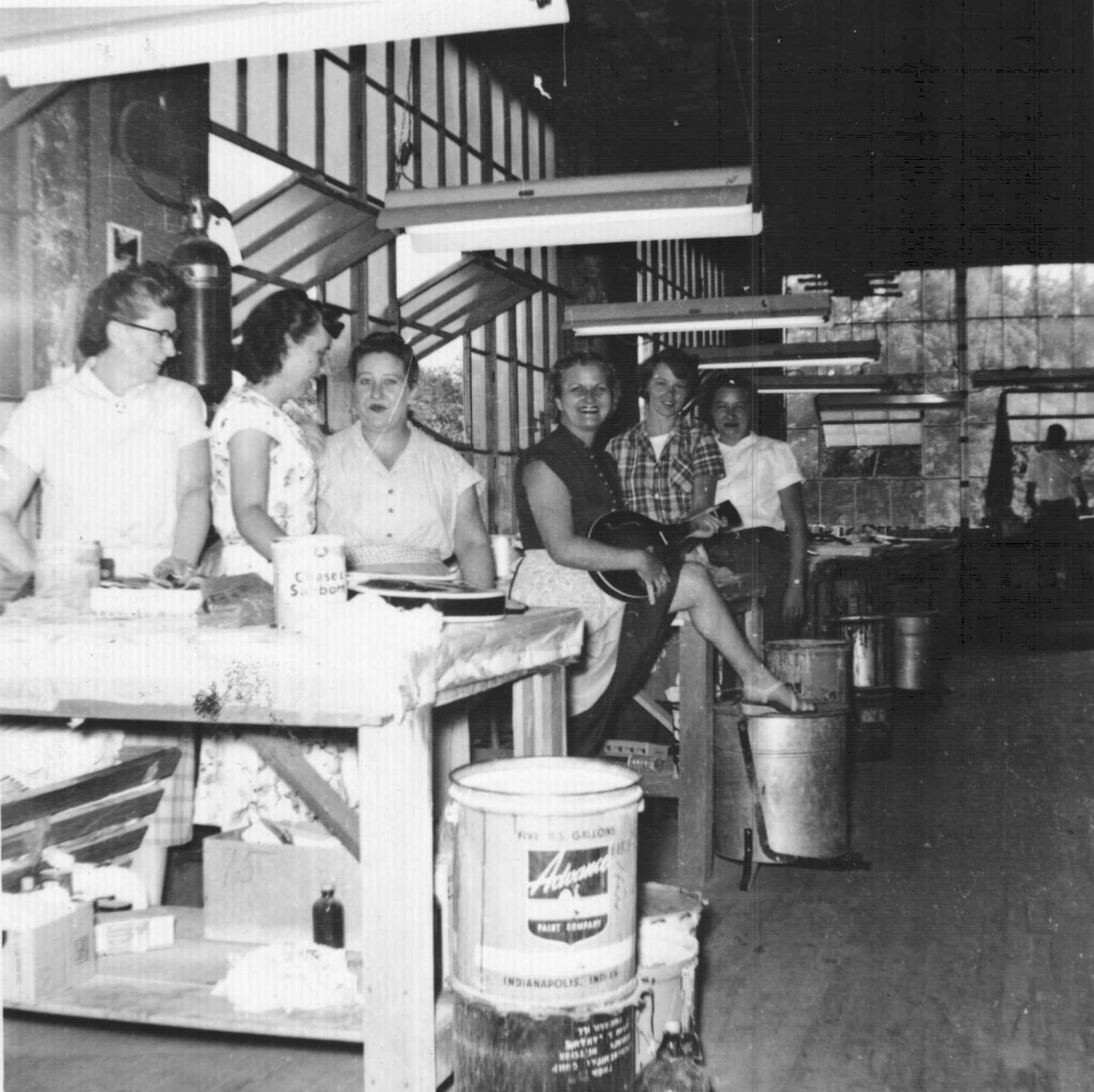 Originally published as book cover for Kalamazoo Gals: A Story of Extraordinary Women & Gibson’s “Banner” Guitars of WWII.
John located and interviewed 12 Kalamazoo Gals in his book, but today only two survive. We spoke with Irene Stearns, one of the remaining Kalamazoo Gals who worked in the string department, about her time with Gibson.
It reminded me of sitting at a sewing machine, an old time treadle. There was a foot pedal for my right foot. We’d put the ball of wire on the left, like you would thread the needle for a sewing machine. There was the thing [ball] at the end of the string. We’d put that on a little spindle and just pull that wire. You’d have your pliers and twist it around. You’d cut it off and hang it on a little rack and when you got a gross, you’d wind it up in a ball and just keep doing that until you had a whole bunch of them.
We liked our work. We enjoyed each other. We got a lot more pay than some jobs that were out there. At a flea market one time my daughter and I saw some Gibson strings, and they were in the little bags in the boxes like I used to put them in. We bought them, and when I looked at them they were terrible! I said, “Oh, my gosh, I would never dare to turn these strings in. They would have been thrown away, if I’d made them.’’ I am proud that I made good ones. We did good work.
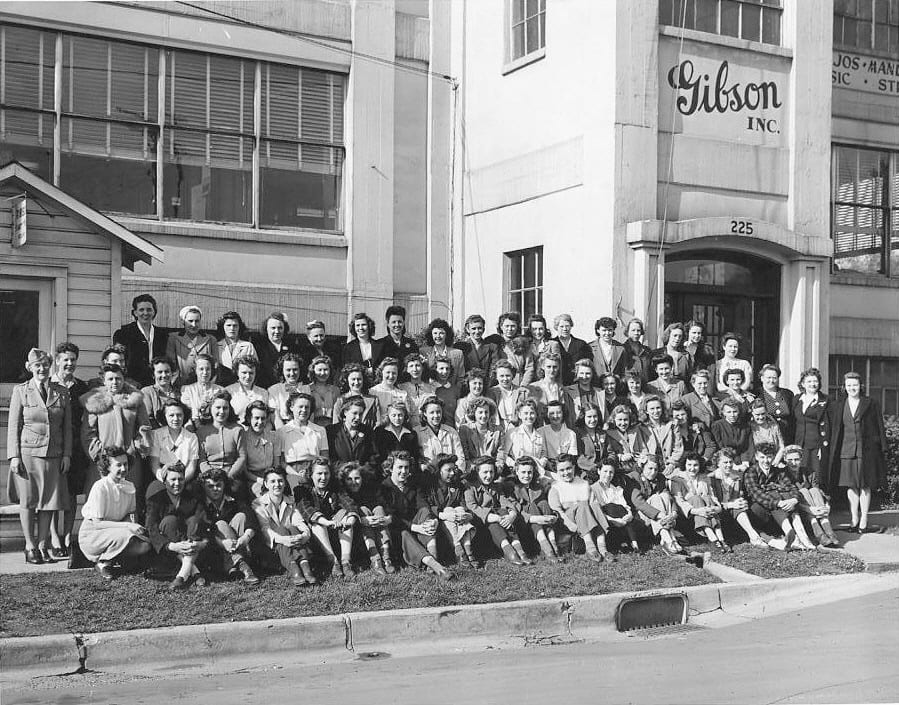 Previously published 1944 workforce photo.
When given the chance to advance to the position of manager, Irene turned it down at first, but then accepted to do it with her friend Helen Charkowski:
For some reason [our manager] left. They asked me if I wanted to be the manager, and I said, “Oh no!’’ Then they said, ‘“Well, will you and Helen do it together?’’ We said, “Well, we’ll try it.’’ They would come in and tell us what to tell the girls. Neither one of us wanted to tell the girls what they told us! Some of the executives from the office came through, just checking in, and they’d seen someone just sitting there and said, ‘’You go tell them that they’ve got to keep working until the bell rings.’’ Well, this girl—I don’t blame her a bit, I would have done the same thing—she told me off! We decided right then that we could not do this with our friends. They got a guy in there that we had to teach. Well, men don’t like that! He wasn’t very happy with us, because we had to tell him where everything was and what to do. That didn’t work out too good. I guess he stayed there. I didn’t. I got fired!
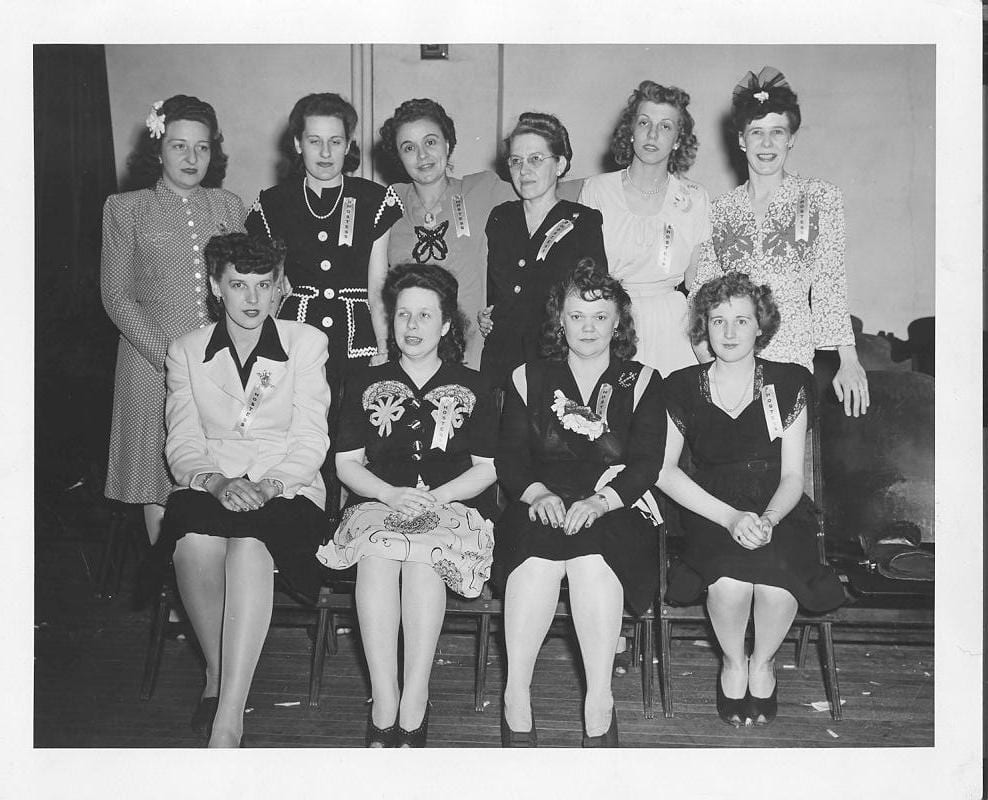 Kalamazoo Gals at a Gibson party.
It was really hot in there. It’s an old crummy building—no heat hardly in the winter, no fans or anything in the summer—so we really got tired and hot. It was almost quitting time, but we had our quota in, so I think Helen said, “Boy, let’s get out of here!” I said, “Well, I think we ought to talk to somebody.” Well, wouldn’t you know, we couldn’t find anybody, so we left. Four of us. We came back in the morning and we had to start at 7:00 and the office didn’t open until 8:00. I saw one of my friends sitting on the front step of the office and I said, “What are you doing here?” and she said, “Oh, never mind. You’ll find out.” So I start to go in the door, and the guard said, “You can’t come in.” No explanation. So I went out front and sat on the step with her. It ended up four of us sitting there. Then when the office opened up they called us in and told us that we were all done. They wouldn’t let us go back in the string room or anything if we had anything in there. We said, “Well, we had our work done, but we couldn’t find anybody to tell.” One girl was pregnant and already turned in her time and she was going to be out of there in a week or two anyway. Normally I didn’t say anything. I was real quiet back then, but that made me mad. I said, “Well, fire the rest of us,” I said, “but for crying out loud, can’t you let her quit? She already turned in her time.” “Nope, nope, she’s fired too.” So the whole string room heard about it, and we went out by the tracks to wave at them…that was the end of my days at Gibson.
After the release of Kalamazoo Girls in 2013, the women at Gibson have received the due praise and attention that was neglected during World World II. Since then, there’s been a rise in women working as luthiers. When asked how she felt about the recent attention, Stearns replied, “Here I had this dumb job all those years ago, and now all this—the book and everything. I just can’t imagine all this. It’s been a lifesaver for me.”
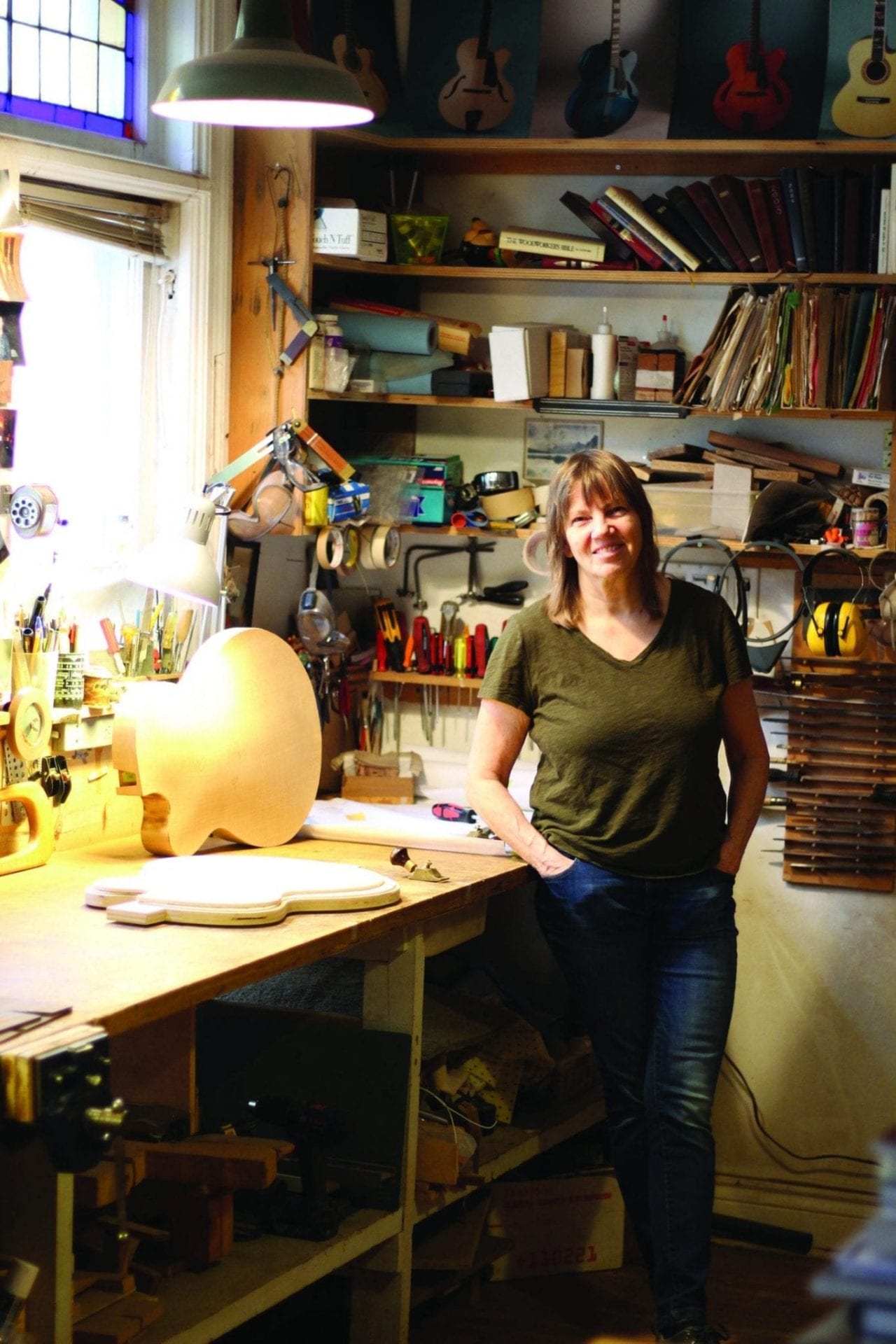
She apprenticed early on with Jean Larrivée, the renowned Canadian guitar maker, and later studied with iconic archtop builder Jimmy D’Aquisto in New York. Her role as a fiercely innovative designer and one of the few elite women luthiers working today gathered momentum when she forged a creative friendship with jazz guitarist Pat Metheny. In 1984, Metheny commissioned Manzer to design and build a guitar with as many strings as possible, resulting in the Pikasso—a 42-stringed, triple-necked acoustic chimera. One of Manzer’s signature innovations, the Wedge, was developed to make the Pikasso more comfortable with the top of the guitar slightly angled back towards the player. We were treated to a glimpse of her converted coach house workshop on a tea-fueled winter day in central Ontario.
Brooklyn Lutherie: You’re such a creative thinker—did you initially feel restricted by the inherent traditionalism in the field?
Linda Manzer: Ha, that’s kind of a complicated question!
We intended for that question to mean design-wise, but we were like, “Wait, could that also refer to gender representation?”
The beauty of when I started is I had no clue how rarified it was to be a female guitar-maker. It was 1974, and at that time there was only a handful of guitar makers in North America. It took me probably two months to even find out that Larrivée existed and then I started phoning him, bugging him … He really didn’t want to hire me, but I talked him into it.
Why do you think he didn’t want to hire you?
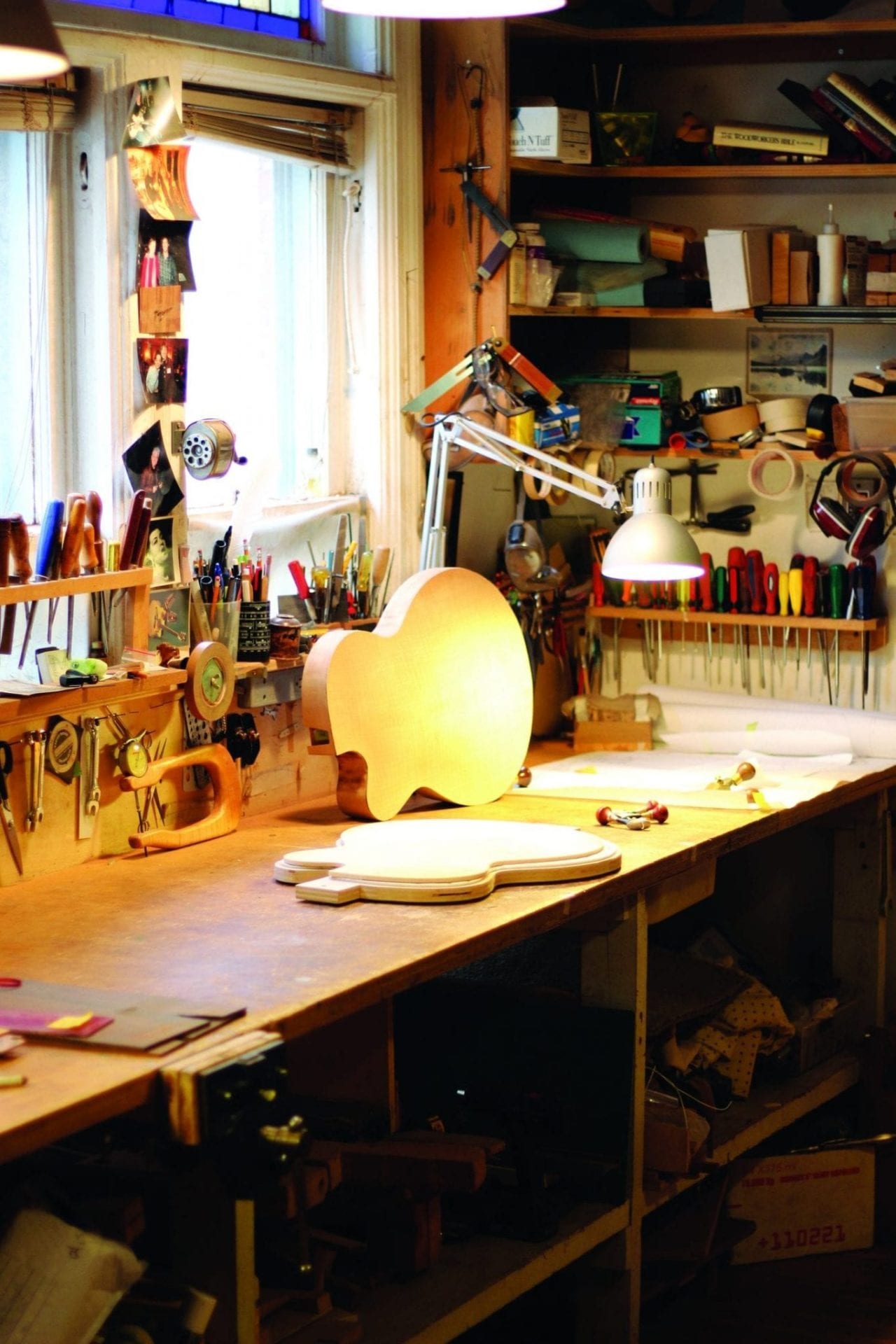
Because I was a woman … he told me that. It was like going to work for an auto body shop—it was all guys. But I also have two older brothers, so I was pretty fearless. I was used to fighting my way in. So, I was unfazed by this completely. And one of the times I called him, I said, “I’d like to work for you,” and he said, “Well, I’m a male chauvinist.” In the background I could hear his wife laughing and I thought, if she’s laughing, he can’t be as bad as he thinks he is. I went and did an interview and it was kind of astounding because I remember when I walked up the stairs, David Wren [of Wren Guitar Works] was working on a guitar. He was sitting on this chair with a cup of tea. He was sanding the holes of the classical guitar peghead, a little stick with sandpaper, and he went, “Oh, hello.” And as soon as I saw him doing that with the dusty windows and the yellow light coming through in this old wooden building, I thought, “I want it. This is it.” It was like a bell that resonated. And from that moment on it was basically love at first sight, and that was over 40 years ago.
Are you still in love?
I’m a little older and tired-er, but yes. It’s been an amazing career for me because the guys I worked with, as it turned out, were fantastic. They were funny, they were very supportive … and it just worked out great. The guys in the guitar-making world, and musicians in general, are open-minded. So, it wasn’t an issue for them. I think they liked the idea of having women’s energy in the shop because it made it sort of more humane.
What are you working on in the shop right now?
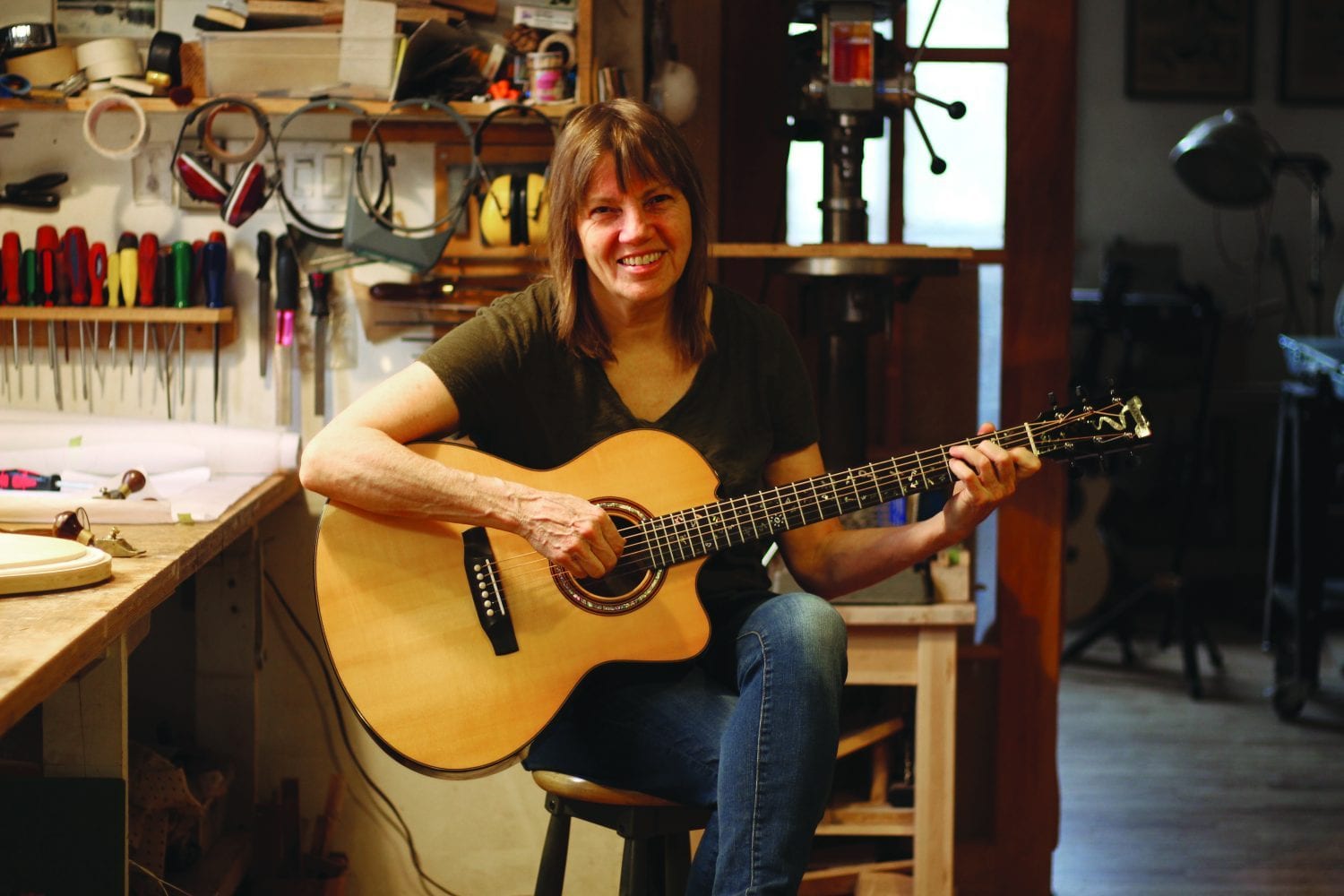
I’m working on a project involving Canadian painters [from] the ‘20s called The Group of Seven. It occurred to me that there was [a] similarity between their connectedness and the connectedness between this group of seven Toronto luthiers that I build guitars with: Jean Larrivée, [William] Grit Laskin, David Wren, Tony Duggan-Smith, Sergei de Jonge, George Gray, and me. I thought, “Oh, there’s seven of us, and seven of them,” and I said, “Do you guys want to do a tribute to the Group of Seven Painters? One guitar each?” They were all keen [so we] approached a prominent gallery and they have commissioned us to do this project for 2017, which is the 150th anniversary of Canada.
Which artist did you get?
I actually got the one that I wanted the most. His name is Lawren Harris. He painted mountains and was into theosophy, and was quite delightful and wonderful. It’s been quite a journey because I’ve been studying him really deeply for two years now—part of it is my roots, that I went to art college. You know, I was kind of a failed folk singer, and that was how I got into guitar making … and I made the right choice, going into the tangent of the music industry which actually ended up suiting me perfectly because it’s more me—fixing things and making things and creating things. And nobody is subjected to my singing…so…[smiles].
Can you tell us about your guitar design for The Group of Seven project?
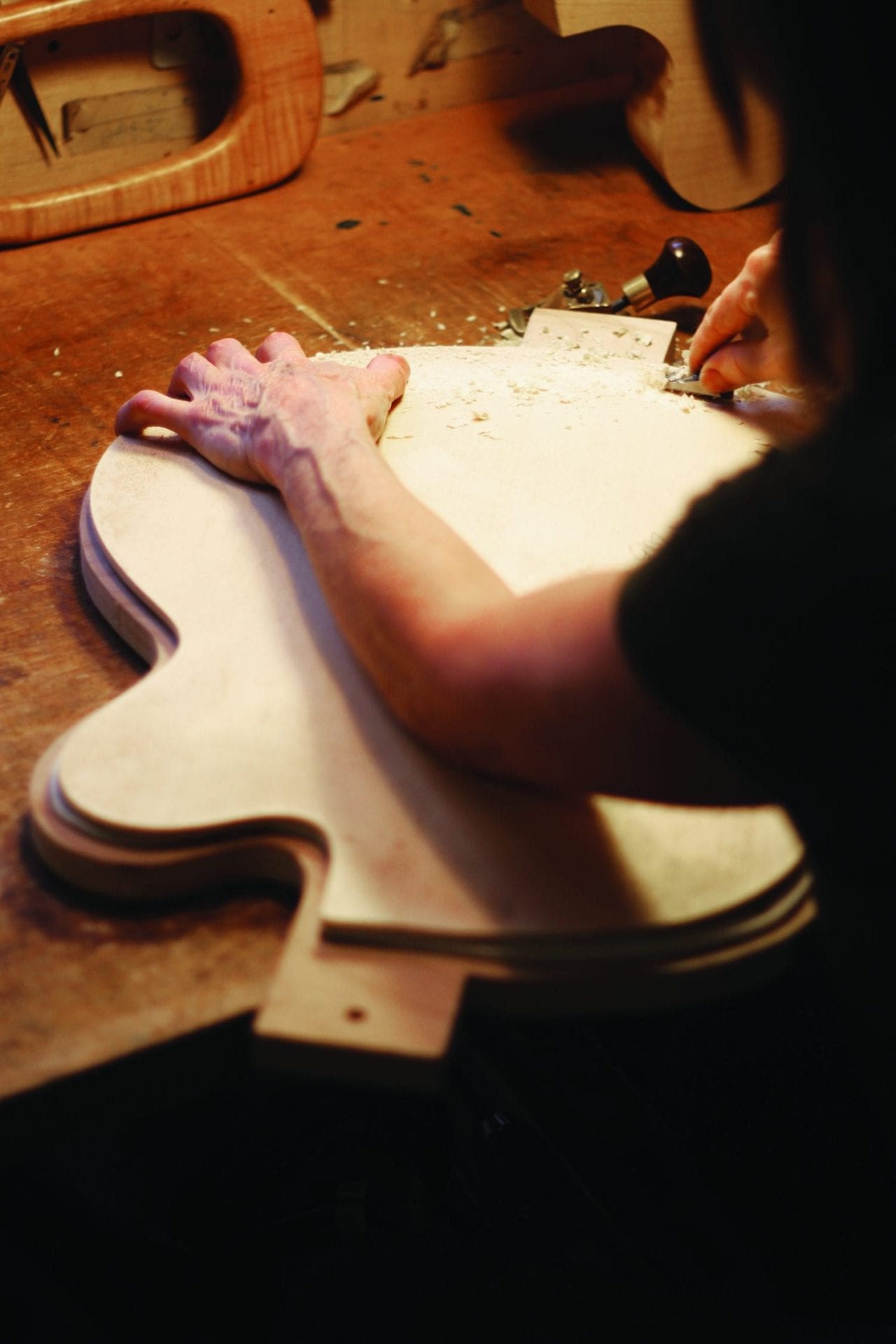
It’s influenced by one of his paintings; it’s got two necks and two sound holes. I’m actually going to carve the top a little bit, so it’ll be a combination flat top/archtop, which is sort of weird. The top is actually really, really thick. I’ll carve the recurve into it with a hand plane so it has that nice, kinda sexy archtop look to it. It’s physically hard work. Now I’m at the grinder stage, but [first] I wanted to get a sense of how the wood sounded, which is why I started with a hand tool. I wanted to see how it would cut through, how tight it was, how flexible the wood was, how crisp it was, how tenacious it was, and I was just sort of feeling that. Now I have a sense of it compared to all the other woods.
You can tell all that from the way a blade moves through the wood?
Yeah, and how it sounds, because as it’s going through it’s making a noise and you can tell how bass or crisp or how dense it is. Mostly what you’re feeling is the density of the wood.
We’re curious about the comparison between the violin-making world and the classical-guitar-building tradition. In violin making, it can seem like there’s not a lot of room for different ideas. Have you found that people are sometimes reluctant to accept unusual design approaches?
Yeah. It was like that when I started, especially in the classical world. When Larrivée brought in the cutaway, that was actually pretty radical. I know it’s so hard to believe that now. When I came up with the idea of the wedge for the Pikasso guitar, it was more functional—it would lean the guitar back so you could see over [the top] and then it was comfortable. I started doing it on my normal guitars, but I didn’t tell anybody because I was so afraid I would get drummed out of the guitar world for being radical. It seems ridiculous now with all the innovation and wildness, but it was about 1984 when I did it. It was really radical and I was really nervous about being rejected. In fact, I did [the wedge] on many guitars and didn’t tell people. They wouldn’t even notice, they would just think it was more comfortable. And then I would actually tell them and they would say, “Cool.” So I stuck with it.
It’s interesting to hear that you were nervous when you let some of these things out into the world, things that now are clearly really cool ideas, and have been adopted by a lot of other builders.
Well, I was also trying to make a living, so anything that made me different was actually not good. My big break was Pat Metheny, because he was American. He loved what I did and started buying my guitars and immediately offered to endorse me, and that was huge for my career. That put me on the map. It really made a huge difference.
So, in this case, you are building for a specific musician; but you must get commissions from private collections and museums. How does it affect your experience to know that the instrument is going into a collection rather than to a player?
I think back to the words of [mentor, master archtop builder] Jimmy D’Aquisto [who] said that the guitar always ends up in the hands of the person it’s meant to be in. So, even if the guitar is sitting in a glass case, it just means it’s going to be preserved for [the] right person. You never know where they’re going to end up.
“We’ve been working with Jenn for about ten years,” says Penny Haas, who co-owns Reverend with her husband Ken Haas. “She plays our Charger HB and Jetstream HB models in her various projects: Wye Oak, Flock of Dimes, Dungeonesse. Jenn asked us to make a guitar to match her stage outfit for her upcoming release with her solo project Flock of Dimes, and Ken thought it would be a great way to do a Signature Model for her—she was always on the short-list [of prospective collaborators], it was just a matter of finding the right project.”
Based in Toledo, Ohio, Reverend Guitars has developed signature instruments for a number of musicians Kenn describes as having “crazy talented, but totally original voices” including legends like The Stooges’ guitarist Ron Asheton, Cure guitarist Reeves Gabrels, and bassist Meshell Ndegeocello (who donated one of her signature Fellowship basses to the soon-to-be-opened National Museum of African American History and Culture). The process typically starts with Reverend approaching the artist collaborating on their ideal instrument. “What we want to do is to make the actual instrument that the artist is going to tour with,” Ken said.
The Jenn Wasner Signature Guitar came about from a different direction. Though she had asked for a custom instrument, she hadn’t anticipated that her request would inspire something more. “Once we go through the work to put the pattern on the guitar, why make just one? Why not offer it to her fans, too?” Ken.said.
He approached Wasner with the idea, and while she had some mixed feelings about the concept of her own signature instrument, she ultimately chose to go ahead with the project.
“I couldn’t pass up an opportunity to contribute to normalizing the image of someone who looks like me playing this or any instrument — not as a novelty, or an accessory, but as a tool to create exactly as I see fit,” wrote Wasner in an statement she published on Medium.
The Jenn Wasner signature guitar is similar to the Charger HB that she has been playing for years. It features a Korina body, a maple bolt-on neck, and Reverend’s Special H Humbuckers among other elements.
The distinctive black-and-white pattern across the guitar, dubbed “Optic Interruption,” was created in collaboration with Baltimore-based textile artist April Camlin, who designed the jumpsuit Wasner wears onstage. At Reverend, guitar designer and company founder Joe Naylor and his daughter Lindsey Naylor (“a fantastic graphic designer in her own right,” Haas said) adapted the design for the face of the guitar. The sides and back of the instrument are in Midnight Black, which further highlights the pattern’s vivid look.
The Reverend Jenn Wasner Signature will be available for purchase in August. Find out more about the instrument here.
In the 1990s, the rise of new genres like indie, alternative, and grunge paired with the efforts of movements like Riot Grrrl and women-focused magazines, countless new guitarists emerged, unknowingly creating unique sounds that would influence people for decades to follow. To show just how important this time was for women in music, we decided to make a list of 50 women whose contributions in the ‘90s still resonates with us today (in no particular order).
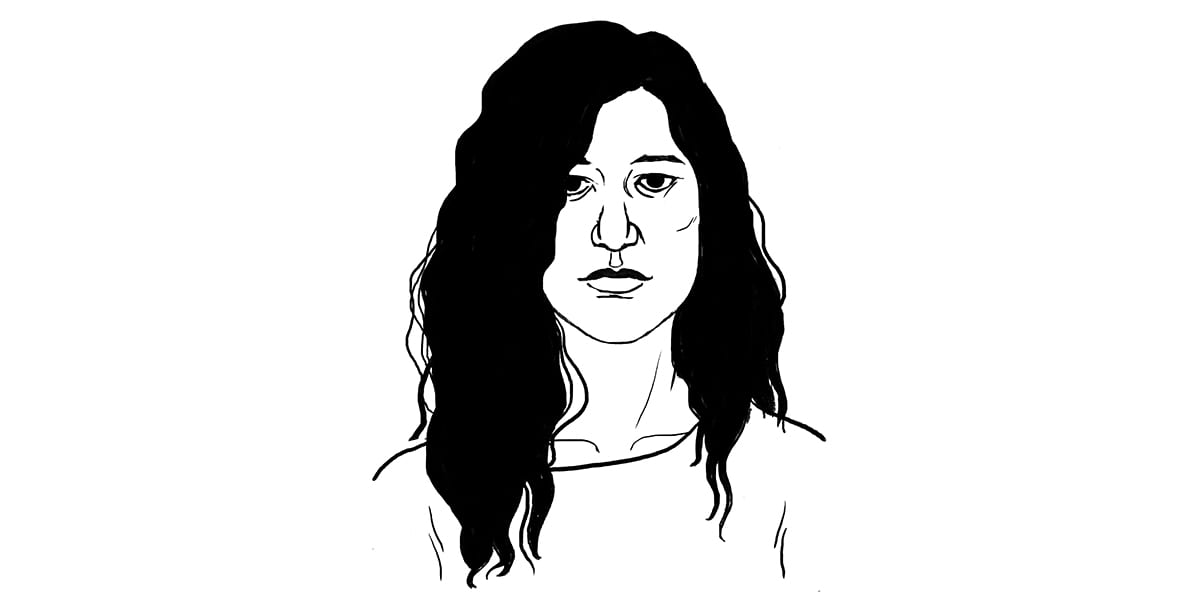
LESLIE MAH
Along with vocalist Lynn Breedlove, queercore and hardcore punk pioneer Leslie Mah was one of the founding members of seminal queercore band Tribe 8. Her aggressive guitar playing in the group demonstrated innovative use of lead guitar riffs combined with the speed and heaviness of hardcore punk rhythm guitar.
Recommended listening: Fist City (1995)
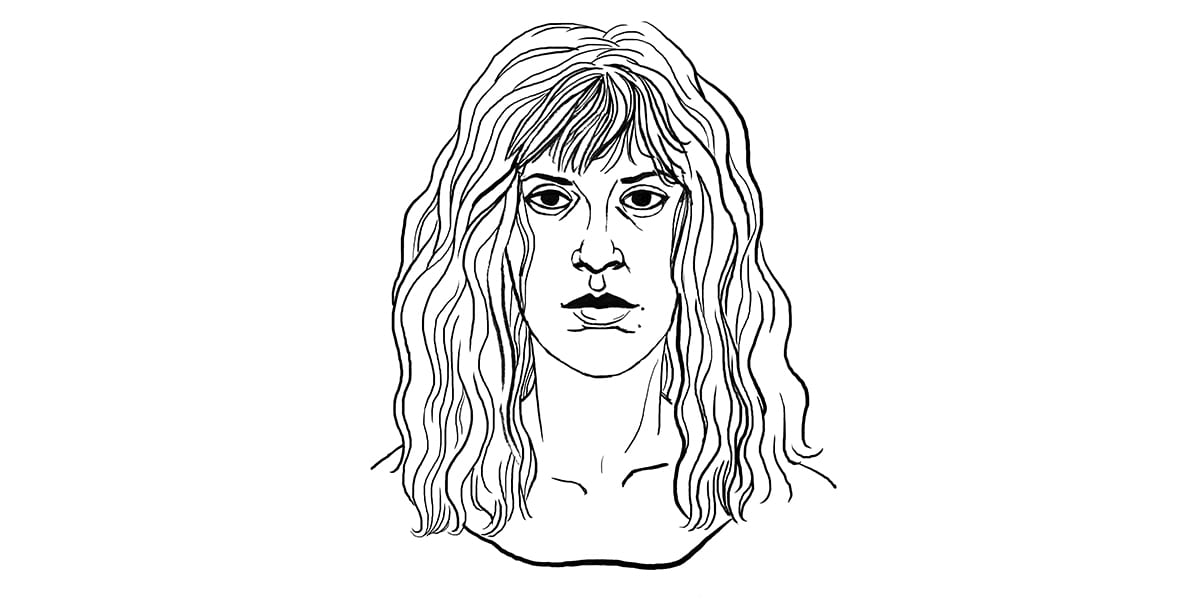
KAT BJELLAND
Kat Bjelland’s guitar sound helped define what would eventually become the sound of Riot Grrrl, influencing such bands as Bikini Kill, Bratmobile, and 7 Year Bitch. Her fearless playing was a driving force in her band Babes in Toyland, ensuring her a place among 1990s punk legends.
Recommended listening: Fontanelle (1992)
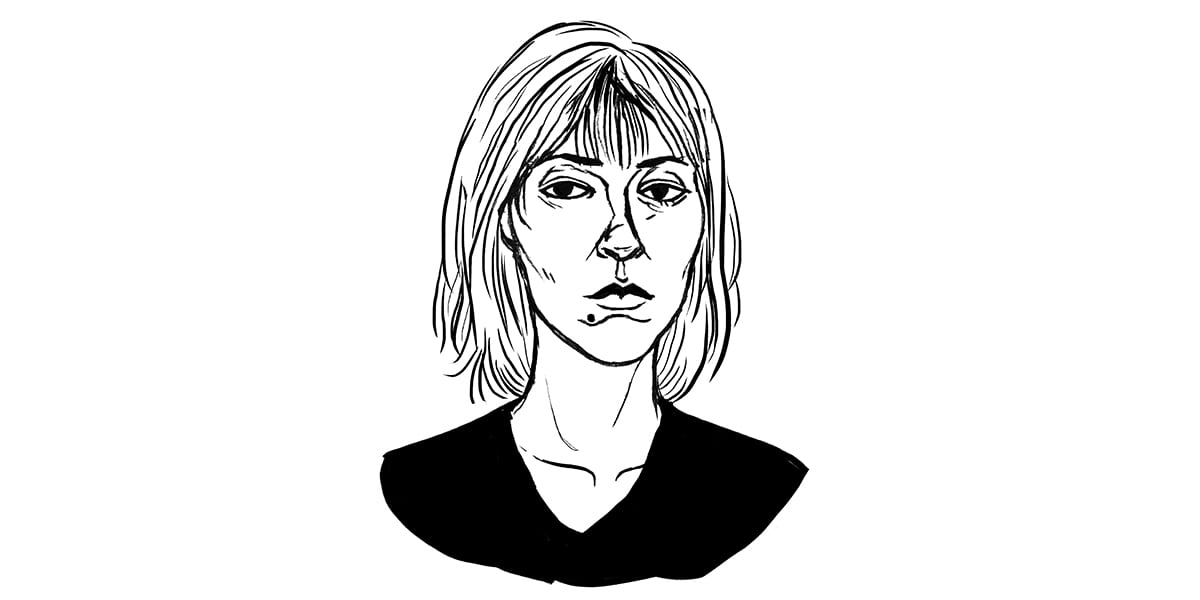
CHRISTINA BILLOTTE
Christina Billotte’s work with Slant 6 expertly combined hardcore punk riffs with pop-punk tone energy. Her later playing with Quix*o*tic reflects elements of early rock and roll with a good measure of stylistic influence from punk and goth, creating a distinctive minimalistic sound. Billotte’s flexibility as a guitarist permitted her to experiment with a variety of sounds in alternative rock and made her one of the best guitarists in the genre.
Recommended listening: Night for Day (1999), Quix*o*tic; Soda Pop * Rip Off (1994), Slant 6
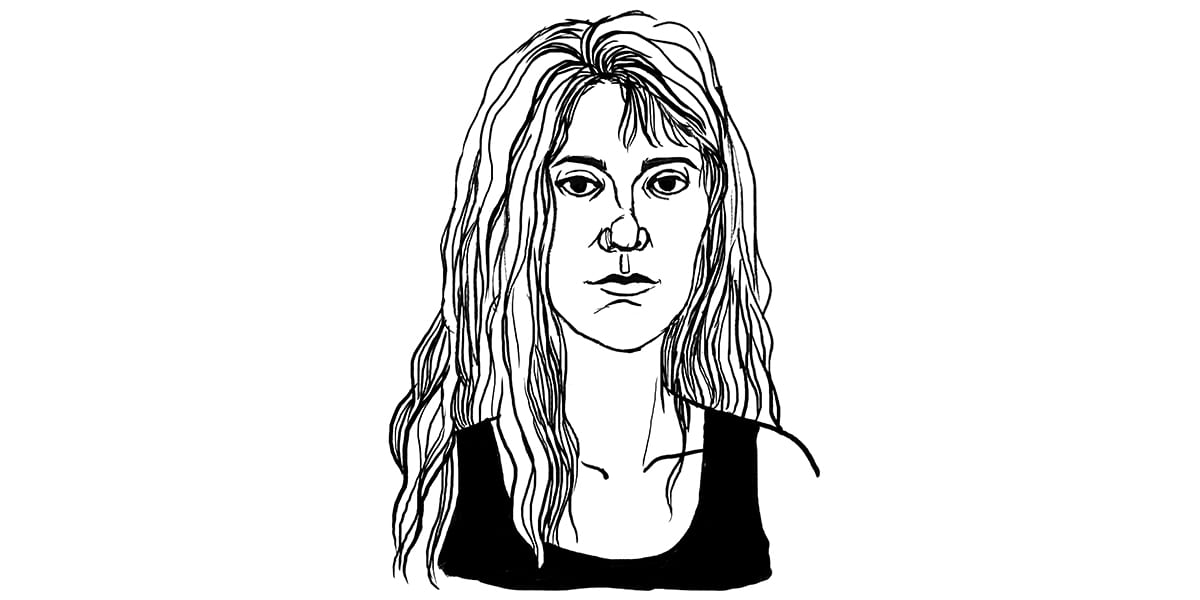
DONITA SPARKS
Donita Sparks played with L7, where her heavy guitar sound had a strong influence on grunge and Riot Grrrl. Her hard-hitting riffs and forceful rhythm playing helped make L7 a particularly memorable group. In addition to her work with L7, Sparks collaborated with the Feminist Majority Foundation to create Rock for Choice, a concert series benefiting pro-choice organizations.
Recommended listening: Smell the Magic (1990)
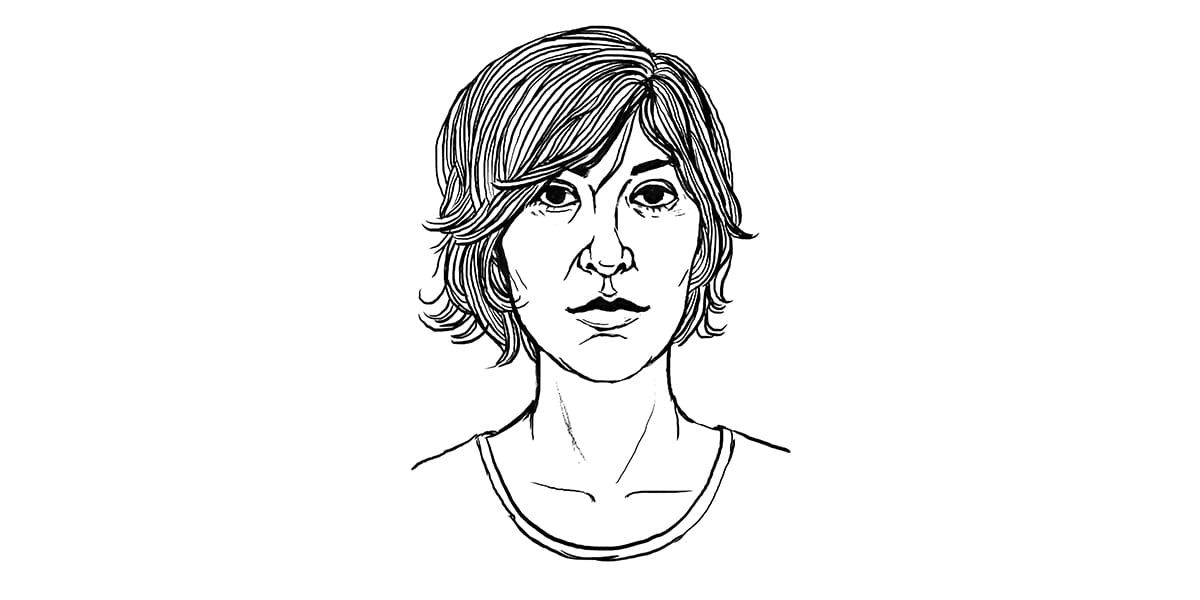
CARRIE BROWNSTEIN
Carrie Brownstein is widely recognized as a pioneer in Riot Grrrl because of her involvement with Excuse 17 and Sleater-Kinney. Her minimalistic lead guitar sound in Sleater-Kinney is made even more distinct by tuning in D flat, an innovation that makes up for the band’s lack of a bassist and became one of its stylistic signatures.
Recommended listening: Dig Me Out (1997)
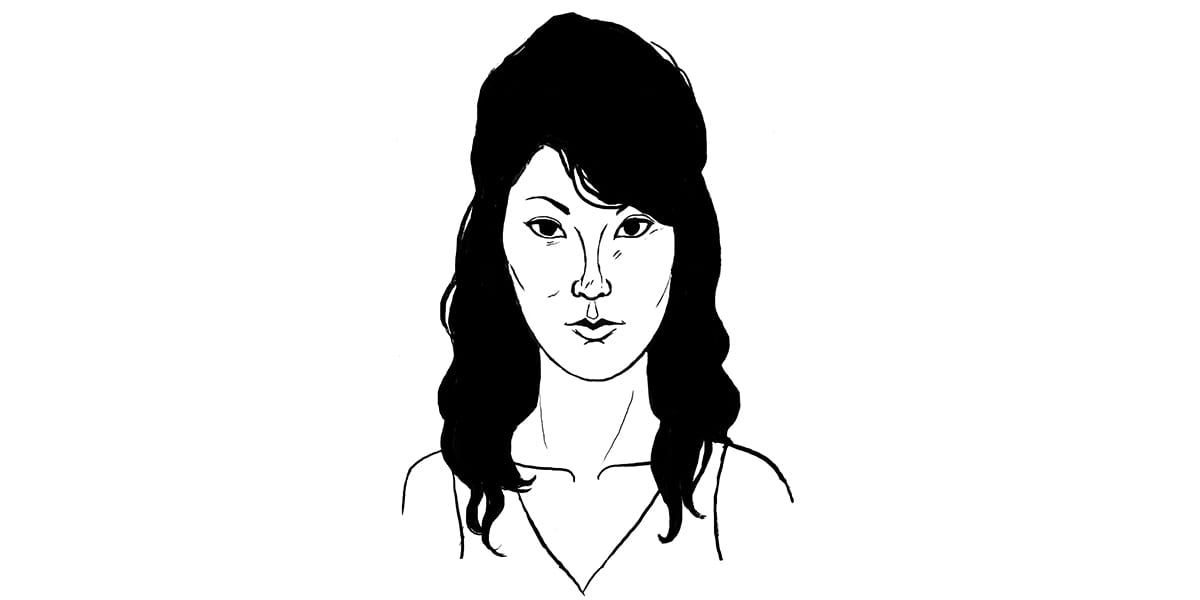
YOSHIKO “YAMA” YAMAGUCHI
Yoshiko Yamaguchi is the talented bassist from the legendary cult all-girl Japanese band, The 5.6.7.8’s. Heavily influenced by ’60s girl groups and surf rock, the stylish and energetic band was known in Japan’s under-ground garage-rock scene to cover songs they loved by deconstructing rock and roll into punk with the use of distortion, noise, and screaming. In 2003, The 5.6.7.8’s were hand-picked to perform in the izakaya scene of Kill Bill: Vol. 1.
Recommended listening: Can’t Help It (1991)
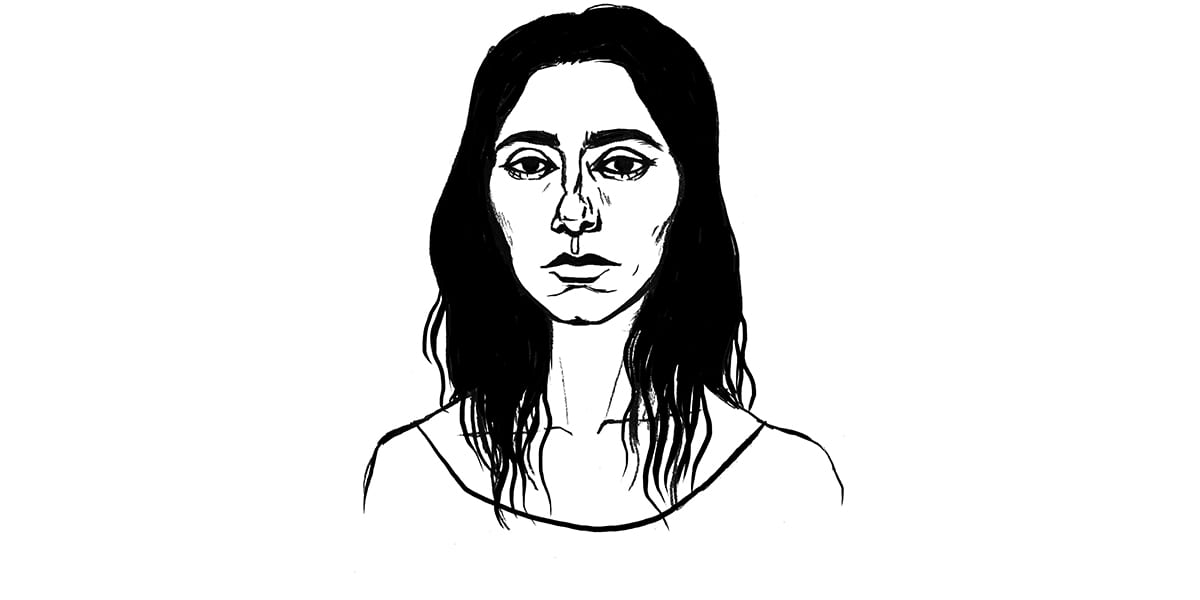
PJ HARVEY
While Polly Jean Harvey is most of-ten noted as a singer-songwriter, the eccentric English musician is also well versed in a wide and varying range of instruments from the saxophone to the autoharp. In 1992 Rolling Stone awarded her Best New Artist and Best Singer Songwriter, just four years after her professional career began.
Recommended listening: To Bring You My Love (1995)
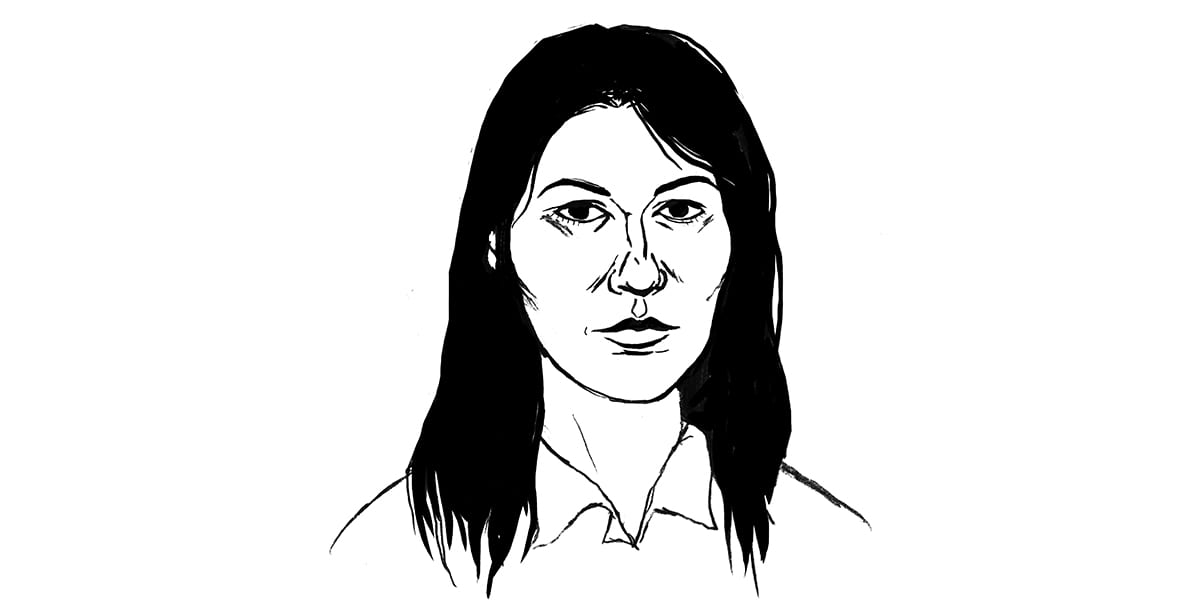
KIM DEAL
The self-effacing Kim Deal is an unstoppable musical force and may be mostly remembered as the bass player from the Pixies, but the guitar was her first love. Deal formed The Breed-ers with her identical twin, Kelley, when the pair were young teenag-ers in Dayton, Ohio. Deal wrote hundreds of songs before releasing quintessential ’90s album Last Splash, which features the band’s biggest hit, “Cannonball”.
Recommended listening: Last Splash (1993)
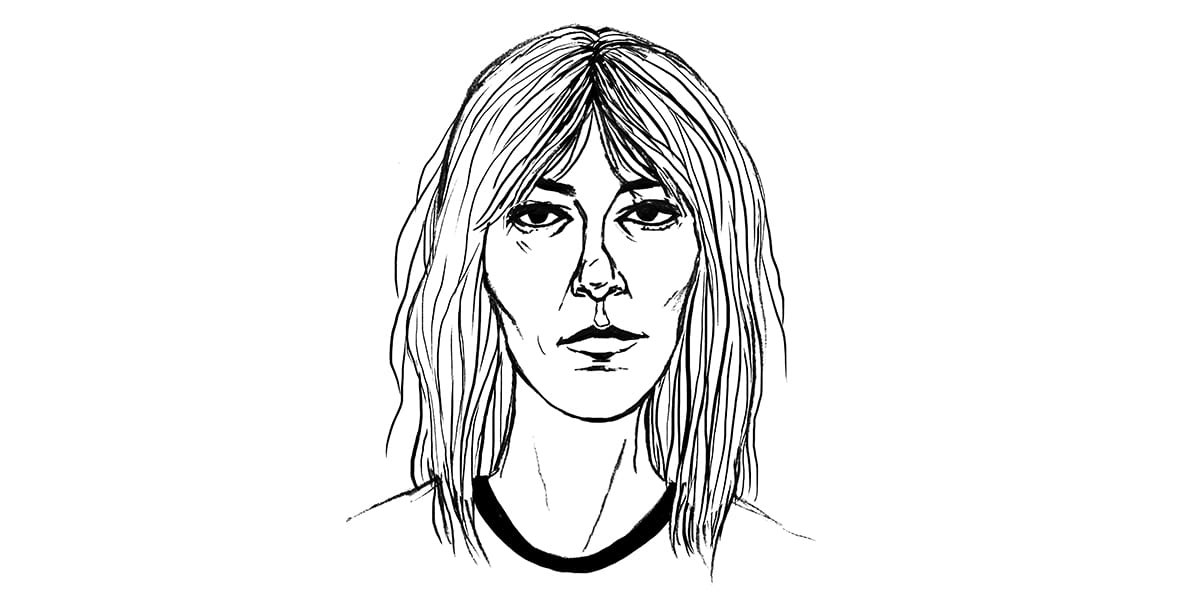
KIM GORDON
Producer, director, and visual artist extraordinaire, Kim Gordon is a fore-runner who pushed the envelope in the post-punk/no wave scene. Instead of getting shoved behind a front man, Gordon was up front and center, playing bass and trading lead vocals with Thurston Moore. She influenced countless aspiring and established musicians, including Bikini Kill’s Kathleen Hanna.
Recommended listening: Goo (1990)
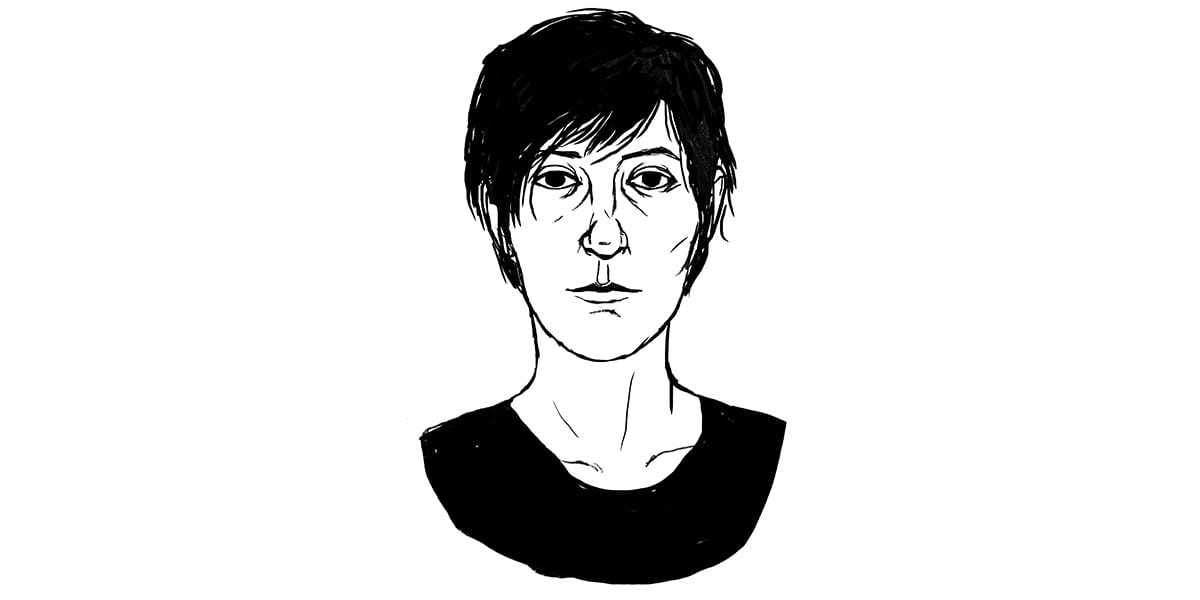
DEBBIE GOOGE
My Bloody Valentine’s Debbie Googe played the bass as if every time was her last. Playing with arguably the best shoegaze band with the fewest releases, she helped to shape and influence the perception of the genre. Though she did not appear on the 1991 album Loveless, she brought the songs to life with her raucous bass playing at the band’s live shows.
Recommended listening: Loveless (1991)
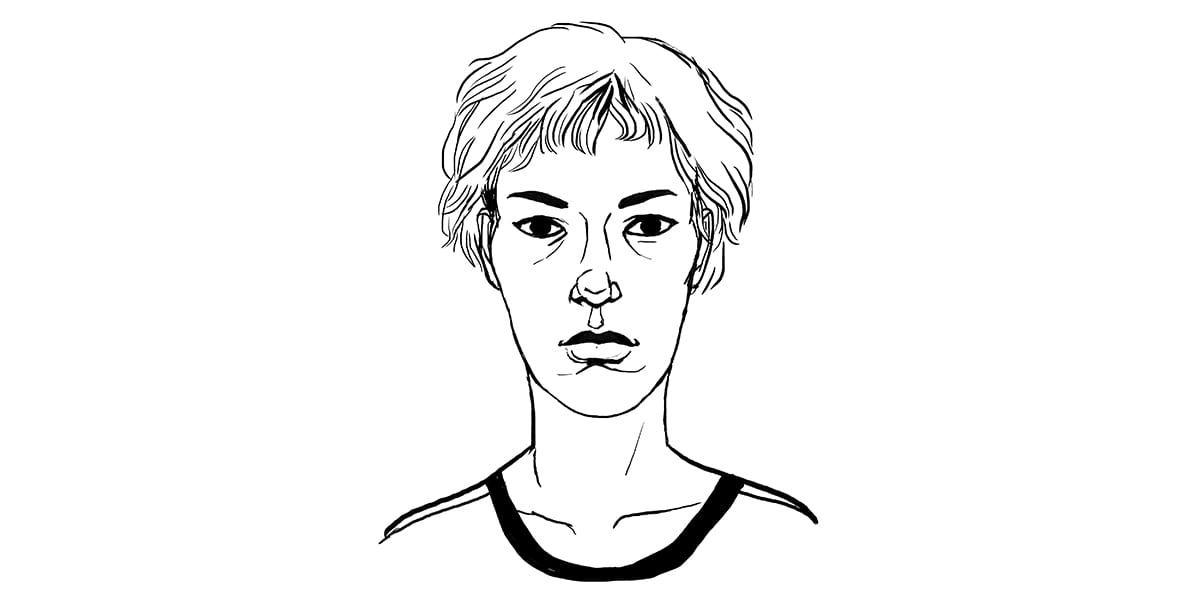
KATHI WILCOX
Kathi Wilcox played bass in seminal feminist punk band Bikini Kill, hailing from Olympia, Washington. While she might not have known it at the time, Wilcox and the rest of the band were founders of the Riot Grrrl movement, and inspired creative and expressive freedom in generations to come. You can find her playing bass today alongside Bikini Kill cofounder Kathleen Hanna in The Julie Ruin.
Recommended listening: Yeah Yeah Yeah Yeah (1993)
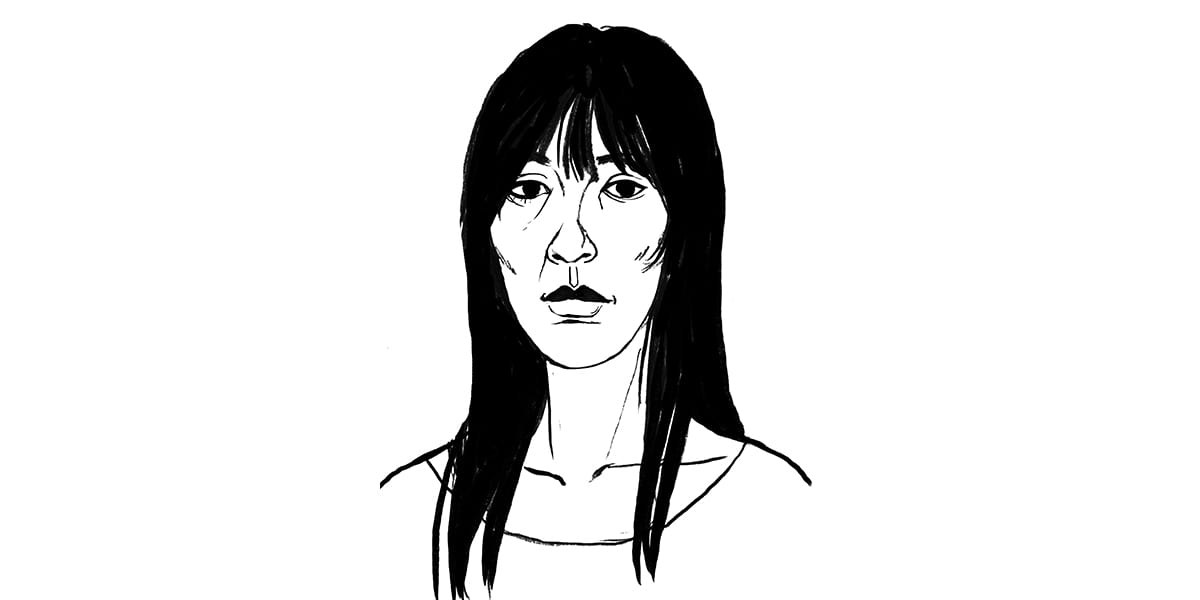
KAZU MAKINO
When Kazu Makino met her future Blonde Redhead bandmates at a restaurant in New York City, they never expected they would become one of the archetypal noise-rock bands of the of ’90s. Makino, who has discussed her battles with stage fright, plays guitar and sings in the band, which has made innovative and ornate atmospheric music for more than twenty years.
Recommended listening: La Mia Vita Violenta (1995)
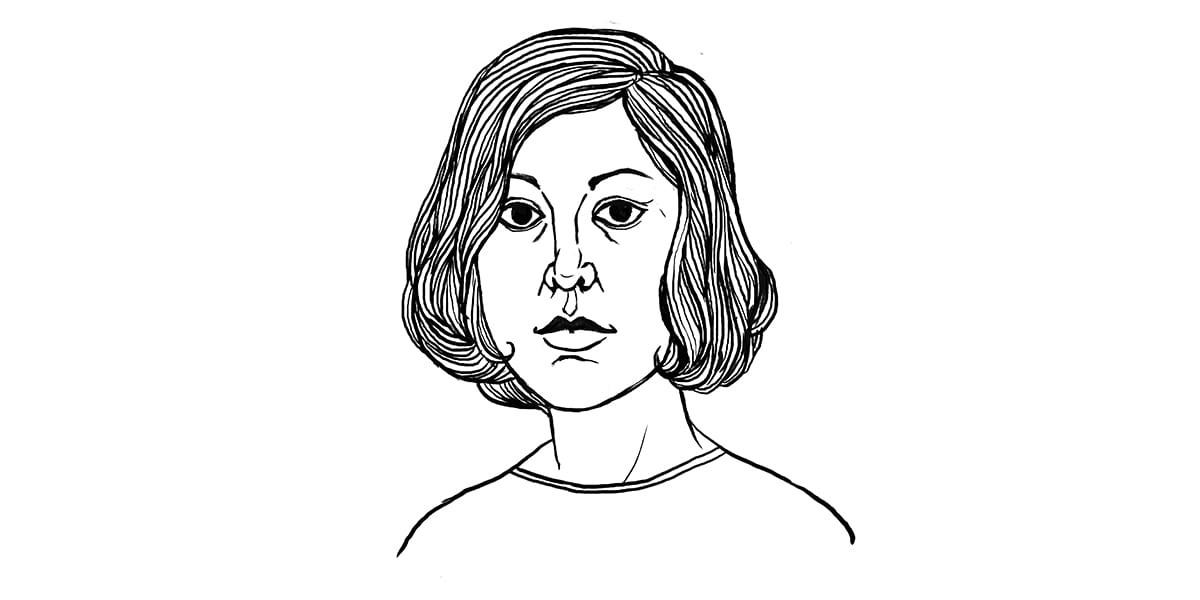
CORIN TUCKER
Corin Tucker may be one of the most recognizable faces—and voices—of the late-’90s Pacific Northwest music scene, playing mostly rhythm guitar to complement Carrie Brownstein’s angular lead lines in pioneering feminist punk band Sleater-Kinney. Tucker previously played in Heavens to Betsy and currently plays in The Corin Tucker Band.
Recommended listening: Sleater-Kinney (1995)
NINA GORDON
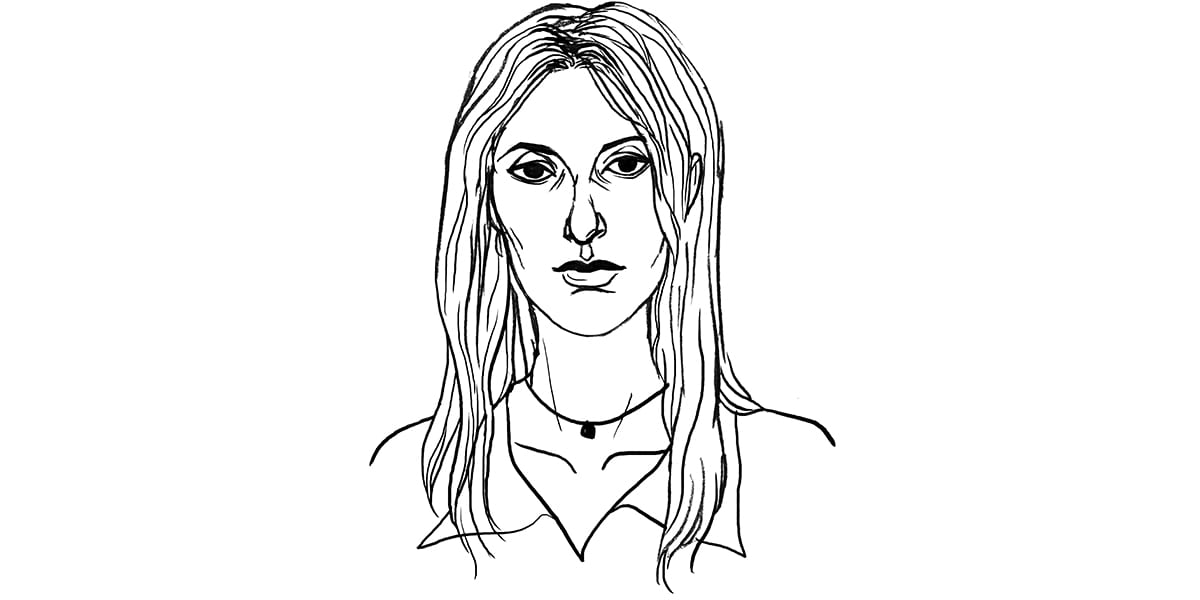
Veruca Salt guitarist and vocalist Nina Gordon met her bandmate Lou-ise Post in 1993 in Chicago. Together, their breed of alternative rock took the airwaves and MTV by storm, and over the next few years, they toured with Hole, Live, and PJ Harvey. Ver-uca Salt may have peaked early, but their sound is so quintessentially ’90s that it will always be classic.
Recommended listening: American Thighs (1994)
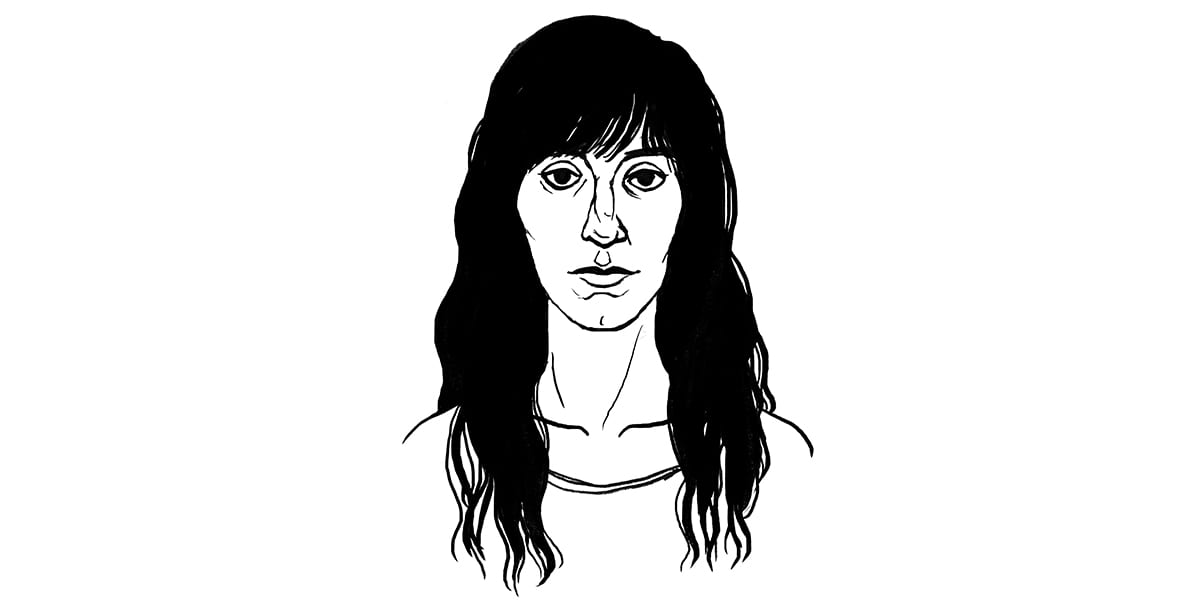
KRISTEN PFAFF
Kristen Pfaff was asked to join Hole after touring on the West Coast with her Minneapolis-based band, Janitor Joe. After initially turning down the offer, she moved to Seattle in 1993 to work on Hole’s second album, which reached platinum status within one year of its release. Pfaff was a vital part of Hole’s continuous growth and saga, and will be remembered as a prolific bassist.
Recommended listening: Live Through This (1994)
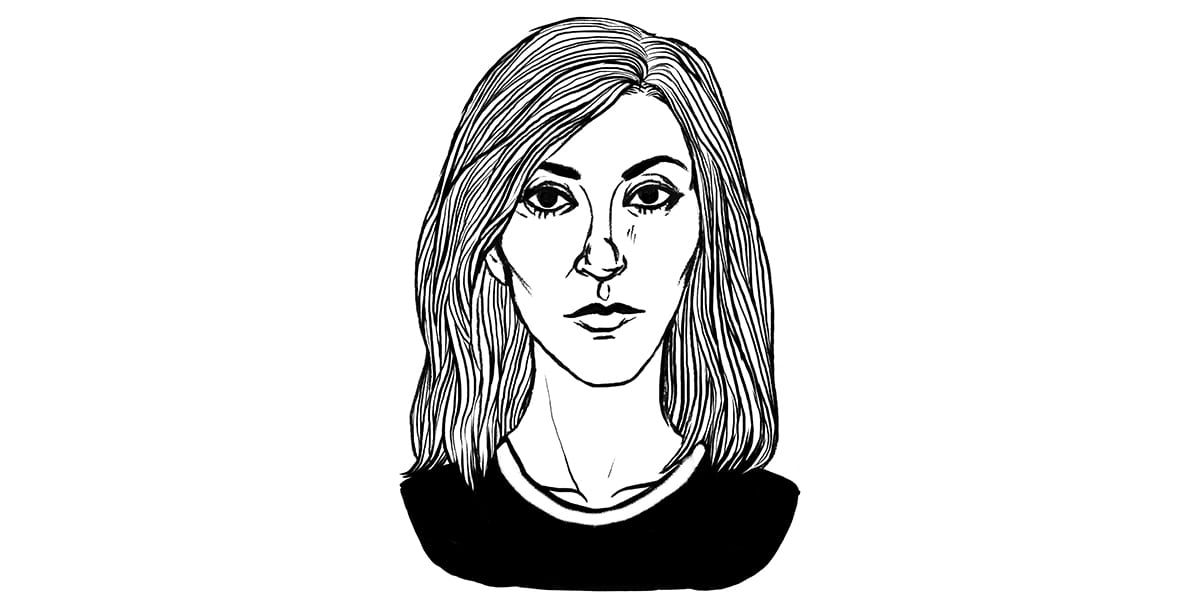
LIZ PHAIR
Before Liz Phair released Exile in Guyville, one of the most beloved girl-power records of the 1990s, she recorded the now-infamous Girly Sound tapes on a four-track in her bedroom. In stark contrast to Phair’s later work, 1991’s Girly Sound record-ings are intimate, stripped down, and soul bearing: just a girl, her guitar, and her words.
Recommended listening: Exile in Guyville (1993)
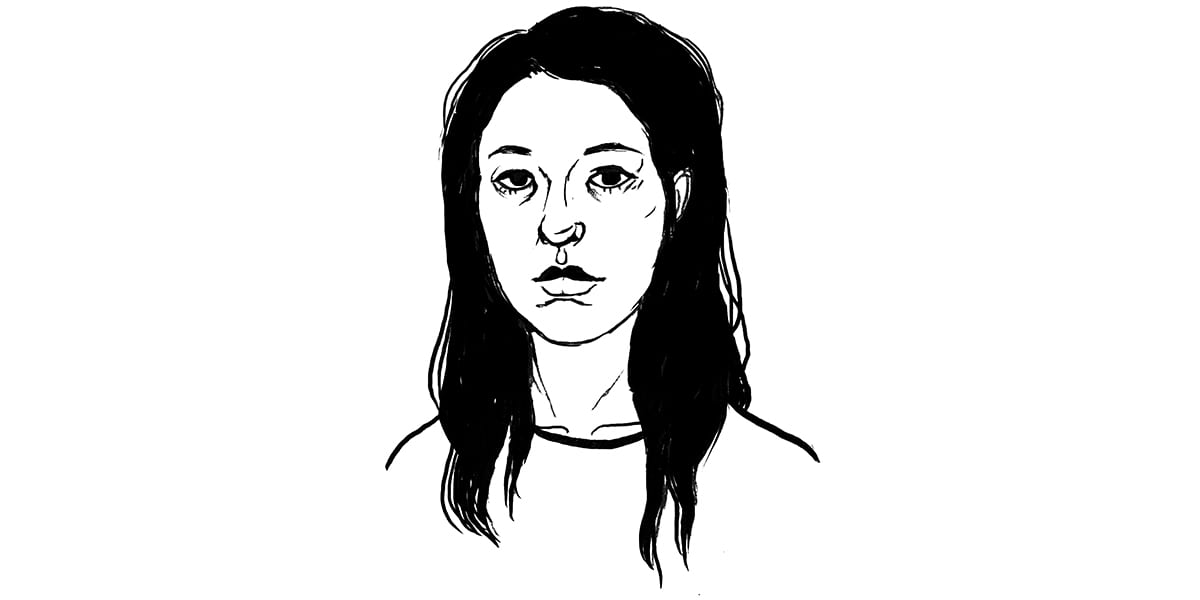
MARY TIMONY
Formed in Boston and signed to Matador Records, Mary Timony’s band Helium effortlessly combined new wave, punk, slide guitar technique, and samples of recorded explosions into cohesive epics. Timony’s technically adept playing and magnetic vocals demonstrated mastery as both a lead singer and guitarist.
Recommended listening: The Magic City (1997)
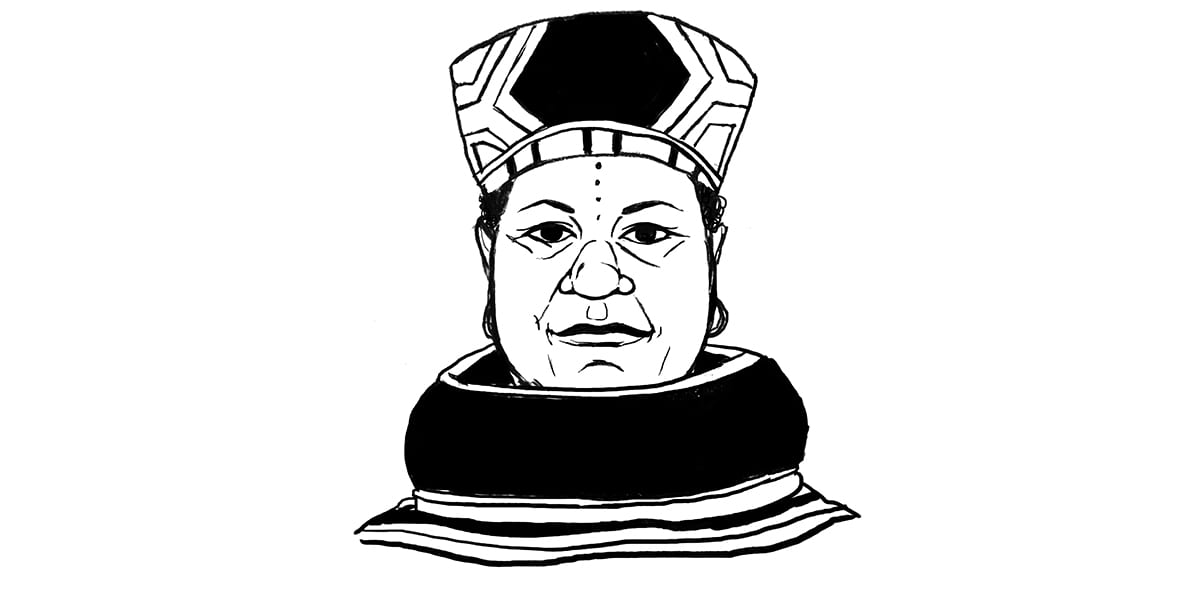
NOTHEMBI MKHWEBANE
Considered the Queen of Ndebele (a language spoken by 1.6 million people in South Africa) music, and a national icon, Nothembi Mkhwebane is widely considered to have brought the Ndebele language to the world stage. A prolific multi-instrumentalist, Mkhwebane composes on guitar and traditional instruments, and her songs often feature uplifting hand-claps, intricate guitar riffs, and music shakers.
Recommended listening: Zimani Balibalele (1998)
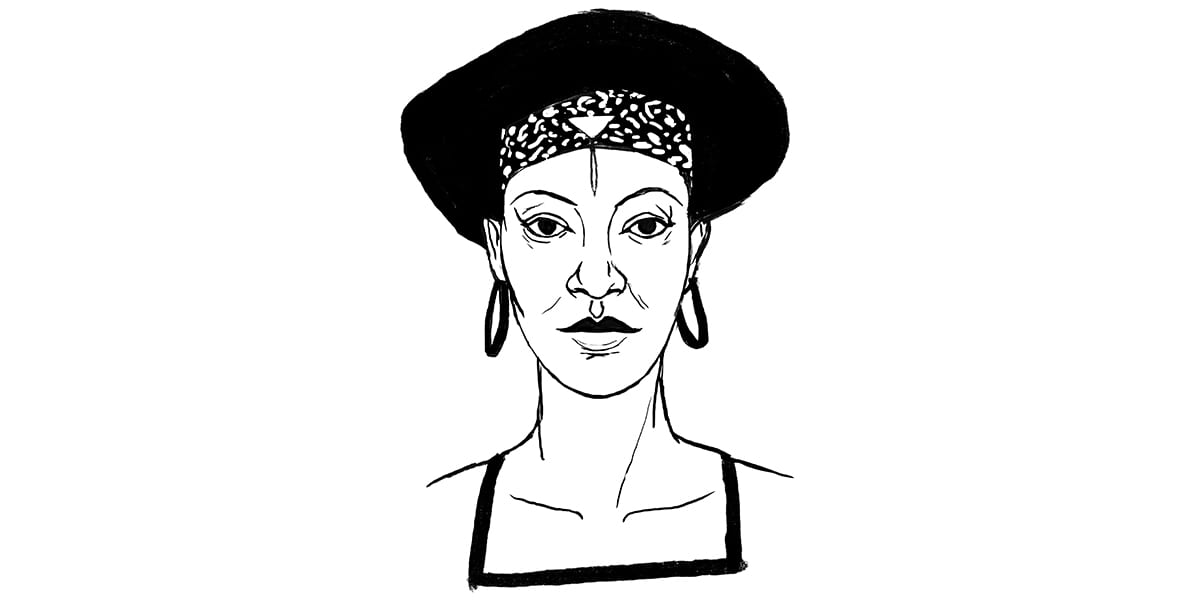
TU NOKWE
Hailing from South Africa, Tu Nokwe taught herself to play the guitar as a young woman. She eventually landed a spot at the Manhattan School of Music and went on to perform around the world. Nokwe’s work has detectable funk and pop influences, but her adept guitar playing and soprano voice create a style that is uniquely her own.
Recommended listening: African Child (1999)
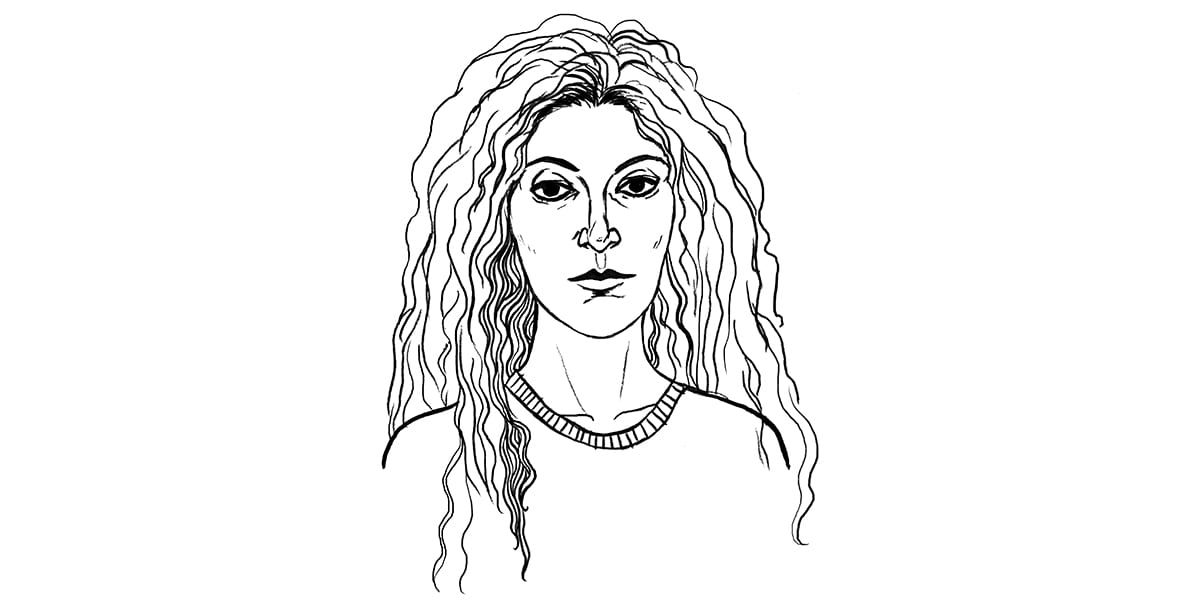
SEAN YSEULT
Sean Yseult is best known for her work in heavy metal band White Zombie. Although hardly ever given credit for being a founding member, Yseult spent 11 years as the band’s bass player and in 2010 released her own book of stories titled I’m in the Band: Backstage Notes from the Chick in White Zombie.
Recommended listening: Astro-Creep: 2000 (1995)
RADIO SLOAN
Radio Sloan helped redefine two-piece bands with her angular yet heavy distorted guitar parts in Olympia queercore band The Need. Sloan has worked with bands such as Peaches and Le Tigre and now focuses on instrument gear repair in Vancouver, Washington.
Recommended listening: The Need (1997)
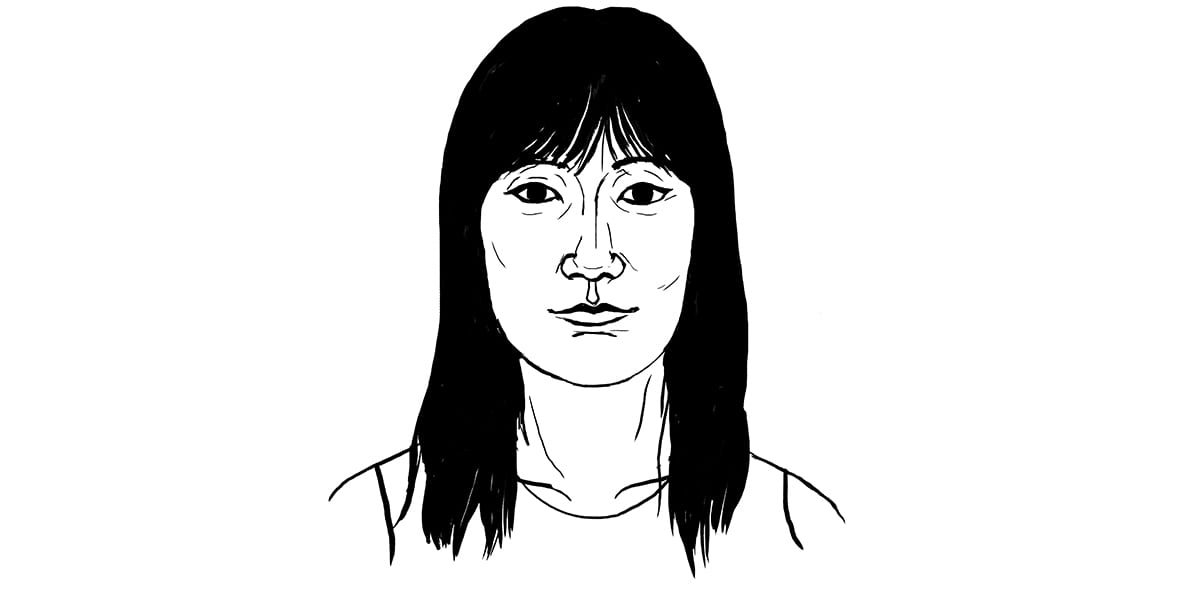
NAOKO YAMANO
Naoko Yamano plays a perfect blend of DIY rock and punk riffs, juxtaposed with sugary lyrics. As the only original member left in Shonen Knife, Yamano helped bring Japanese underground music to an international level during the band’s 30-year existence.
Recommended listening: 712 (1991)
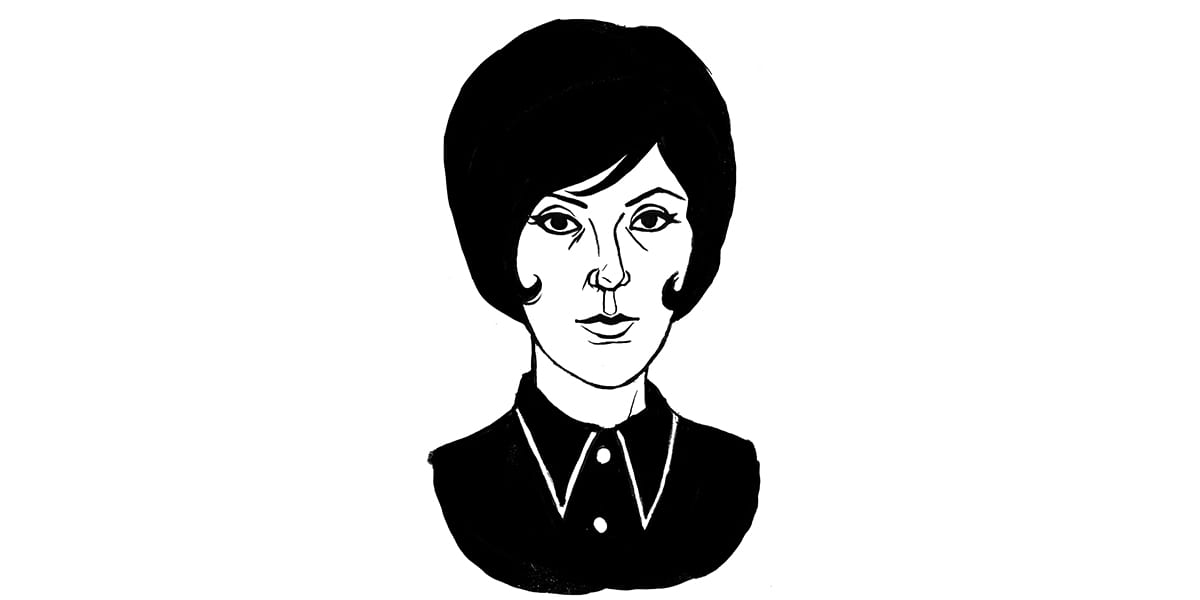
MICHELLE MAE
Michelle Mae began her career in Olympia, Washington, as the second bass player in The Frumpies before moving to Washington, DC, to start The Make-Up. Mae combines punk with soul and funk to create her own style that helped define The Make-Up’s signature sound.
Recommended listening: I Want Some (1999)
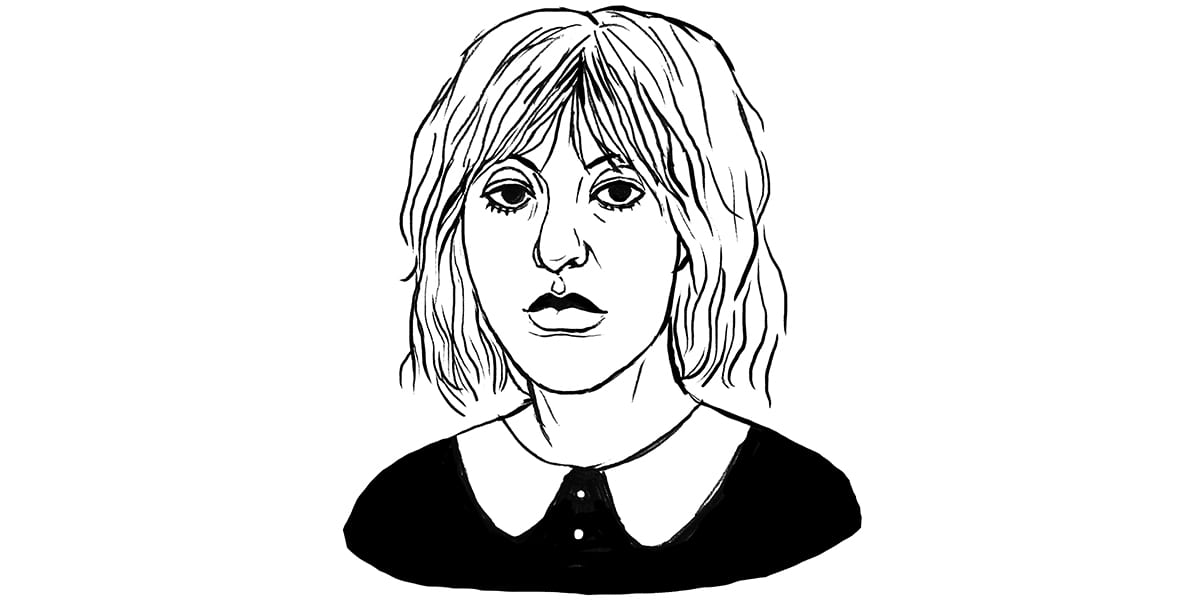
COURTNEY LOVE
A living Rorschach test, discussions about Courtney Love, the woman, frequently neglect to include Love the musician. Throughout her work, Love fearlessly addresses sexual violence, elitism, the perils of fame, and child abuse in unforgettably listenable packages. Distorted power chords, pop chord progressions, and glossy 12-string guitar work are frequently used tools in her band Hole’s arsenal. In recognition of Love’s artistry, Fender’s Squire label released a sig-nature guitar designed by Love called the Venus in 1997.
Recommended listening: Pretty on the Inside (1991)
KELLEY DEAL
Even though Kelley Deal, Kim Deal’s twin sister, barely knew how to play guitar when she first joined The Breeders, she played lead on their critically acclaimed 1993 release, Last Splash. In 1995, she formed The Kelley Deal 6000 and released two albums as a solo artist.
Recommended listening: Go to the Sugar Altar (1995)
25 more guitarists who helped define sounds from the ’90s:
MELISSA AUF DER MAUR The Smashing Pumpkins, Hole
TANYA DONELLY Belly, The Breeders, Throwing Muses
MESHELL NDEGEOCELLO
MAUREEN HEMAN Babes In Toyland
SUZI GARDNER L7
ERIN SMITH Bratmobile
DONNA DRESCH Team Dresch
JOHNETTE NAPOLITANO Concrete Blonde
MAGGIE VAIL Bangs
GAIL GREENWOOD Belley, L7
KIM SHATTUCK The Muffs
ELKA ZOLOT The Trashwomen
MARY RAMIREZ The Detroit Cobras
DEBBIE SMITH Curve, Echobelly
TRACY CHAPMAN
EMILY’S SASSY LIME (rotating guitarists)
KIM WARNICK The Fastbacks
HOLLY GOLIGHTLY Thee Headcoats
TARA MCLEOD Kittie
GRACIELA FOLGUERAS Las Brujas
LARISSA STRICKLAND Laughing Hyenas
JODY BLEYLE Hazel
KAIA WILSON Team Dresch
DELIA SPARROW Mambo Taxi
STEFANIE SARGENT 7 Year Bitch
Through experimenting with identity, aesthetic, style, sexuality, and musical genres while actively critiquing societal and gender norms, as well as the trappings of the music industry, Prince became an icon of self-expression and a symbol for progress. He was the 5’2, heel wearing, flamboyant performer who could play nearly 30 different instruments, including, of course, guitar.
In 1993, at odds with his record label Warner Bros., Prince adopted an unpronounceable symbol as his monniker that combined symbols for both male and female, essentially transcending gender, and encouraging people to explore their identity and be multi-faceted, while speaking out for artists’ rights.
In his 57 years, Prince defied the norms, produced some of the most groundbreaking music to date, and left an incredible legacy as a songwriter, performer, and artist. He also turned his fame and notoriety into a platform to support emerging artists, and particularly women musicians in a time before it was popular.
Over the decades he would nurture the talents and careers of dozens of women, some of which played alongside him in his groups The Revolution, New Power Generation, and 3rdeyegirl, and many who stepped out to success in their own projects.
Today, we pay tribute to the life and work of Prince with a list of a few of the hugely talented women that worked alongside him since the beginning of his career.
The Revolution – “Let’s Go Crazy”
[iframe id=”https://www.youtube.com/embed/FwWBJ3U3THs”]
New Power Generation – “Cream”
Sheila E. live with Prince – “Glamorous Life”
Vanity 6 – “Nasty Gal”
Apollonia 6– “Sex Shooter”
3rdeyegirl – “She’s Always in My Hair”
I can understand why she is skeptical about it, especially without prior knowledge of the publication. Recently, another guitar magazine told her they were going to run an article about her in what she referred to as, “their female section.” No matter that Ford has a music career spanning four decades, helped to pioneer punk rock as a teenager in the 1970s as the lead guitarist of The Runways, became a multi-platinum-selling, world-famous solo artist in the 1980s, and has been nicknamed “the Queen of Metal” for her artistic prowess. As of spring, 2016 she still experiences marginalization of her talents based on her gender.
This year Ford is in the spotlight in a big way, having recently-released a memoir, Living Like a Runaway (Dey Street Books), as well as her eighth album as a solo artist, Time Capsule (SPV/Steamhammer). “It’s a busy year and I’m very excited about it, you know? I love to keep busy and I love all this great stuff,” she said.
As one might expect from such a badass, Living Like a Runaway is a no-holds barred look into an incredible life and music career. Starting from her happy childhood and close-knit relationships with her parents (who would remain her bedrock), her days with the Runaways and subsequent rise to solo fame in the 80s, through a turbulent, isolating marriage that she broke free of in 2011, though but not without heartbreaking consequences as she was alienated from her two young sons. Although raw and uncompromising, Ford mixes in plenty of tenderness and humor, and while the book has caught attention for her tales of rock ‘n’ roll excess (and especially her rock ‘n’ roll love life), her insight into love, music, and triumph over obstacles are what makes it an especially compelling read.
She Shreds caught up with Ford from her home in California. She had just returned from a national book tour for Living Like a Runaway. Next up, tour prep for an arena run with Halestorm in support of Time Capsule. We spoke at length about the memoir and the response she’s gotten from it, the art of reinvention, and then got a lesson on shredding from the Queen of Metal herself. A condensed version of our interview follows:
She Shreds: What is some of the feedback you’ve gotten about your memoir either from people who are excited about it, or people who already had the chance?
Lita Ford: There are so many different [responses]. I’ve gotten wackos—of course in the New York Post, the first thing they do is pick out the sex. “Ok, She did this guy, this guy, this guy…” It’s like “great.” I figured that much, that there would be this chauvinistic [reaction] and they would miss the subject of the book entirely. But I’ve had girls come up to me, too. A couple of girls came up to me at the last book signing in Denver and they said they had struggled their entire lives with child abuse, and that they didn’t know what a real life was like, they didn’t know they could go out and be someone as a female until they discovered my Dancing on the Edge album. That was years ago, but because of the book tour they came to me to have the book signed, and they told me about their experiences growing up, and how much it has helped them and changed their lives.
That’s really amazing. A lot of things you have dealt with in your life are things that so many women have dealt with. I know the word “brave” is a cliche, but at the same time, to be so personal and open about these experiences is meaningful to a lot of people.
Good. I was scared at first. I didn’t know what to expect.
You mentioned the New York Post making this sex expose about the book. There’s actually been a lot of press that’s focused on your love life but to me, the thing that stood out more was this dual idea of female sexuality and how it affected your career, whether it was a marketing tool putting the Runaways together as these “hot teenage girls” and later developing this sexual image as a solo artist. Then also getting negative feedback from it where stores were afraid to carry your records or having “Hungry” (For Your Sex) banned from the radio. Do you think that double standard still hold true for women?
No, I don’t think it holds true for women. Not anymore. I think if I had been a guy and released “Hungry” I it would have gotten airplay and it would have been fine. I think that was a chauvinistic thing that happened. When the first rappers that came out from Compton, they came up with some stuff that was really sexually explicit and I thought, “How are they getting away from it, but they won’t play ‘Hungry For Your Sex?'” All it says in the song is “I’m so hungry for your sex. I want to fill the sting. I want to taste your sweet thing.” That’s it! That’s as sexual as it gets. “How do you like that pussycat scratch?” I mean, come on. Really?
Even the Beatles hinted around that much. That’s crazy.
I don’t know. It was just one hurdle I had to jump through. And then the album cover was banned because…It was so stupid. They banned the album cover because of the blood on the guitar. Because they said, “Well, Walmart is not going to carry this with blood on the guitar.” I was like, “It’s a guitar.” It’s not real. It’s just airbrushed in there, but nobody said anything about the fact that I didn’t have any pants on. I’m wearing a leather g-string on the album cover.
Do you think that was the real reason then? The blood?
I don’t know. There was something about that cover and they just blamed it on the blood on the guitar. It could have been a number of things. It was just bizarre. Today no one would take a second guess, you know?
When you reinvented yourself as a solo artist after the Runaways split, your new image seemed to stick it back to these people that had criticized the Runaways for being too sexual or writing off your guitar playing as a novelty. How did you deal with people overlooking your talent in those days or taking credit for your work? How did you turn that into a strength?
I just kept plodding through and didn’t let anything discourage me. As a matter of fact, sometimes stuff like that makes you stronger, like that Kelly Clarkson song, “What Doesn’t Kill You Makes You Stronger.” I should have written that. That should have been my song!
That’s definitely a recurring element in your story. This idea of reinvention and not letting things hold you back, whether it was the band breaking up, bad relationships, the loss of your parents, and then really having to rebuild your life when you left your ex-husband. How did your music help you get through these hurdles in your life?
I had a great childhood. I had great parents, as you read in the book, that not something many musicians write about. And I’m a mother, and these other guys aren’t. It’s the basis of what grows up to be something that is confident and strong, but I can also get sucked in. I’m a Virgo, I have a big heart and sometimes that does you wrong. Sometimes bad guys finish first. I think having good parents just really gave me a lot of confidence to move forward in life and never second-guess myself or question anything.
I was brainwashed through my marriage, and even then I never let go of the fact that I am Lita Ford. Even though he would try to talk me out of it. “You’re not a Ford. You’re a Gillette.” I am not a Gillette. I am a Ford. I was born that way and I will always be that way. Nothing changes that; not a piece of paper, not a wedding ring around your finger. You are who you are, and I never let go of that fact. I think parents are what gives somebody their confidence from childhood. In my case, I joined the Runaways at 16 and had my first record out at 17, and I had my parents’ support throughout all of that.
In your book you also wrote a lot about business, and having a bunch of managers that didn’t know what to do with you because you were this anomaly who really didn’t fit the mold. Then things started coming together when you started working with Sharon Osbourne, which also had its ups and downs…
There was a whole other side to that. You know? Then I had to deal with jealousy, or whatever it was I don’t know what it was. Jealousy or suspicion. It was just “wow, what’s going on here?” It was awful.
Do you think because there were so few women [in that scene] at that time that women were sort of pushed towards competition? How different do you think your career would have been if there had been more women in the industry?
Oh yeah. If there were more women it would probably be like today where it isn’t a novelty anymore. Well, it still is because… if you think about it. What is the name of your magazine? She Rocks or something?
She Shreds.
See, right there, that is almost chauvinistic. She Shreds. Why do women have their own fucking category? You wouldn’t put Jimi Hendrix in a black man’s category so why do women have to have their own fucking category. It’s just ridiculous. You’re either a guitar player or you’re not. I guess that is a step in the right direction, but next on my “To Do” list is to get rid of the “She.” It’s not just you, though. It’s all over the world. It’s everywhere. A “She” category. I can guarantee that if there was a Grammy Award it would be “Best Female Rock Guitarist.”
That’s a conversation we’ve had a lot. Part of the thought with She Shreds was that there are so many talented musicians that are being overlooked and might continue to be if we don’t create a platform, so why not do it in an informative and intelligent way? Hopefully we are furthering the conversation.
Ok.
One thing that kept coming up in your book was your favorite guitar pick and how it’s been a constant for you. How important did your pick end up being to your style of playing? In your opinion, how should people find what works for them and their style?
I think you just adapt to it. It’s kind of like what gauge strings you use. I can only talk about the guitar pick I use and why I use it. I’ve always used a home plate-shaped pick. It’s got a really pointy tip on it, and I find that a normal is more rounded than pointed. I need that point–I’ve gotten so used to it that I can’t really play without it.
Your first guitar was a chocolate Gibson SG and from there you started using BC Rich guitars. Do you have any advice for newer guitarists on how to find the right guitar for them or the right tone?
With any new guitar player, they should always keep in mind the style of music they want to play. If they want to play heavy metal, don’t go buy an acoustic guitar. Buy something that shreds, you know? That you’re able to plug into an amplifier. And if you live in an apartment and you can’t play that loud or you gotta keep it quiet in case mom starts yelling at you, then buy something really small. They make these little speakers you can plug into, or even a set of headphones that just plug straight into the guitar.
Always fit the neck to your hand. If you have a small hand, don’t get a big, fat neck. If you have a big hand, don’t get a little, tiny neck. You want to get something that feels right for your hand and your body. Don’t get a great big guitar if you’re a tiny girl. Get one that is smaller. Fit it to yourself and your musical needs.
Do you have any warm-up exercises, whether it’s for playing guitar or for signing 300 books after this call?
I always do a minor scale backwards and just play that over and over, and I just hit a few chords and bend a few notes. If we have time, we go backstage before the show and play, on electric guitar but not plugged in, we’ll play 3-4 songs of the songs out of the set. It’s a good way to get your voice warmed up, so you actually sing out at full volume and all the crap from the night before comes out, rather than onstage during the first song. I think it’s better to clear your pipes and warm up for at least five minutes before you go on stage. If you can break a sweat it’s even better. Definitely.
It’s like walking into the gym before a workout. You don’t go straight for the heaviest weight in the room. Then, when you hit the stage you are at full volume and you are ready for it. And [to prepare] mentally, kick everyone out of the dressing room. I don’t care if it’s your mother. Kick them out and really focus on what you’re about to do, what you’re about to take over, and the people, and what you’re going to say between songs. You’re stepping into another world.
That’s great advice. It can be harder for people playing places without a back stage.
Find a place. Use the bathroom. Kick everyone out. Sit in your car and do it. There is always a place, even outside, as long as it is not raining or snowing. Just find a place to play. You don’t have to be in a dressing room to hold your guitar. You can stand behind the curtains and do it.
So, now that your book tour is over you’re going on tour for your new record, Time Capsule.
Yeah! We’re doing a tour with Halestorm and we’re releasing the Time Capsule on April 15. Tax Day.
The album contains a lot of material from your archives and there are many collaborators and friends on it. What are the most important elements that make for a great collaboration? Over the years whether it was jamming with Ritchie Blackmore or anyone else, what are some unexpected things you’ve taught other guitar players or learned through collaborating?
I taught [Judas Priest guitarist] Glenn Tipton how to use a harder pick. We both looked at each other and laughed. He uses a medium-soft pick, and for my liking it was very bendy and had no attack, so I suggested he use a harder pick. I don’t know if he ever did, but he probably thought about it. Maybe he switched, I don’t know. He heard me loud and clear, that’s for sure! We both laughed.
Steve Hunter from Alice Cooper’s band taught me how to change a guitar string really quickly. He came to one of the Runaways shows and was watching us and my string broke. At the time I didn’t have anyone to change it. We had no tech. He took my guitar and I said, “You can’t take my guitar! We’re in the middle of a show.” Because I had my other guitar, an Explorer with me. And he said, “Check this out!” He comes out on stage and he gets the audience to count to sixty and said, “By the time you count to sixty, I will have changed and tuned and stretched this string.” The audience starts to count, “One, two, three…” as soon as they get to sixty, BOOM, he’s done. String is changed. The end is not clipped off, it’s still hanging, but it looks pretty cool hanging, and it’s in tune.
And he made it part of the show.
Yeah, he made it part of the show. It was great! He ties the string into little fishing knots so it doesn’t slip when you wrap it around the machine heads. He folds it over and latches it, and then he rolls it tight.
You’re touring with Halestorm this spring. Do you listen to a lot of contemporary hard rock and metal? What are your thoughts on how the genre has really progressed over time?
There are a lot more women right now, which is great to see. I don’t particularly care for the electronical stuff. I prefer recording the way we used to record. It doesn’t affect it too much, but I try to stay as true as I can to a real guitar playing or a real band sound without using too many click tracks and electronical devices. I like to stay as true as possible.
“It was a really challenging experience, recording this record in LA, isolated. No family, friends, or any obligations of that matter,” says vocalist and guitarist Julia Kugel. But working with producer Nic Jodoin at Hollywood’s Valentine Recording Studio pushed the trio to new limits during the recording process, making Nosebleed Weekend their most all-around impressive record yet. Kugel remembers spending hours searching for the right guitar tones for each song with Jodoin, determined and focused on tweaking the songs on the album until they were as powerful as they could be.
“Nic made us work a little harder than the Atlanta crew, because we’ve been friends with those guys for a long time,” Kugel said. “There’s a little less hanging out, a little more down to business. It’s nice getting pushed in that way.”
The Coathangers will celebrate ten years since their rise out of Atlanta’s underground punk scene in 2006 with the release of Nosebleed Weekend. “Atlanta used to be a really gritty city,” Kugel explains. “Shit sucked, and everyone was poor, so the only escape from that was to go to shows and get rowdy and throw beer cans and stuff. It’s catharsis.”
The friendships between bandmates, which along with Kugel includes Stephanie Luke and Meredith Franco have grown and changed over the last decade and when keyboardist Candice Jones left the band in 2013, the remaining trio has learned to rely on each other more than ever.
“Tour after ten years brings out the worst in you. The amount of respect this craft demands of us has changed how much self-control we have to exhibit,” says Kugel. “You see these people at every level of their sanity, so as far as the friendships between us go, we’ve never been more honest with each other.”
Although they started without much musical experience among them, over the last decade, The Coathangers’ carefree youthfulness evolved into a contagious confidence and punk attitude.
“Nothing when we started was deep. We were just blindly going for it,” Kugel says. “We were like soldiers, just keeping on going and going. We were really determined and fearless in that way. It was desperation.”
The trio has become known for exchanging instruments and vocals on different songs through out their live performances, showing their versatility. The constant instrument changes make sure that no Coathangers album ever has a dull moment. That is most apparent on Nosebleed Weekend, where the band pulls off everything from “Squeeki Tiki,” a therapeutic breakup anthem punctuated by the squeaks of an old dog toy, to “Make It Right,” the album’s grungey lead single. Of course, The Coathangers have new grievances in 2016 that they weren’t worrying about ten years ago. On “I Don’t Think So,” the band laments, “I’m tired of staring at a phone like it’s a person… Hello, hello, can you hear me? It’s not easy.”
While The Coathangers’ 2007 debut self-titled album featured angry, straight-forward anthems like “Shut the Fuck Up” and “Don’t Touch My Shit,” Nosebleed Weekend draws from that same tenacity in a more seasoned way. Songs at the core of the album like “Watch Your Back” and “Burn Me” demand a backdrop of a sweaty punk show in a basement with their percussive cymbals, aggressive bass, and shared vocals among the trio. But now, with a decade of performance under their belt, these addictive punk elements are spiced with more intricate guitar riffs and complexity. The songs are longer and more complicated than a simple minute-and-a-half long jam, with suprising variations upon each verse. Kugel, Luke, and Franco layer their vocals and harmonize throughout songs like the title track “Nosebleed Weekend,” adding a new edge to their sound.
“Every album goes in a different direction,” Kugel says. “We don’t want our songs to be on the radio or anything – it’s just us saying, ‘This is who we are right now.’ The process of making music isn’t for anyone but us.”
In the early days, while working on albums like The Coathangers, Kugel, Luke, and Franco adopted the nicknames Crooked, Rusty, and Minnie Coathanger, harking back to the punk alteregos of bands like The Ramones. These nicknames have become more of a nostalgic echo than a stand-in identity for the stage, but Kugel still appreciates the influences that inspired the nicknames.
“We were inspired by all of the rowdy ladies of the 70s and 80s, and people have always been stoked to see us acting out on stage however we want to,” Kugel says. “It’s empowering for guys and girls to see what should be a certain way not be that way. If our music inspires anyone to pick up any instrument, whether it’s a guitar, a hammer, or a wrench… Fuck. We can all do anything we want to.”
Just weeks after the release of Nosebleed Weekend on April 15, on Suicide Squeeze and their album release show in Atlanta, The Coathangers will depart on a European tour. The trio may not get much downtime outside of the tour van and the studio, but no matter how difficult the mania can get, this whirlwind lifestyle suits Kugel, Luke, and Franco.
“The ten year anniversary made us step back,” Kugel says. “We were like, ‘What the fuck?’ We thought it was seven years – we’ve been together seven years now for the past five years, it feels like.”
Though they may have lived a decade-long adrenaline rush, The Coathangers’ persistence and motivation is as present as ever on Nosebleed Weekend. They say time flies when you’re having fun, and for the three women the Atlanta underground, it’s still time to let loose on stage.
And then on another list of the most badass, intimidating, no-bullshit humans on earth is Kim Gordon, bass player/songwriter for Sonic Youth and, most recently, guitar player in Body/Head. But to say that Kim Gordon is just a musician is like saying that Andy Warhol was just an artist. In fact, Kim Gordon might not even consider herself a musician at all. And she couldn’t care less what you think about that. It’s exactly that don’t-give-a-damn attitude that has made Gordon so iconic to people all over the world. Gordon took 15 minutes from the busy schedule of a European tour with Body/Head to talk with us about disregarding technicality, using instruments as tools for creative expression, and her influences.
Kim Gordon: Well, I don’t know. It just seemed like there wasn’t that much thought put into it. I wanted to do something more—straightforward is maybe the wrong word—I guess stripped down, like you said, and I just wanted to play with Bill [Nace]. We did play with a drummer once or twice, but we liked having the space of just the two guitars with a vocal. It felt good to play like this, and that’s really all there is to it [laughs].
Yeah, sure, I’ve improvised with other people. I mean, I grew up listening to jazz and free jazz….
We just play. Sometimes I write some ideas for lyrics and then, you know, we each have certain effects that we use. The vocal goes through an amp with effects, also. It’s mixed with dry mic. It’s different every night. Often, it’s affected by how the stage sounds and how the room sounds. You can make it more inspiring or harder. We just sort of listen to each other.
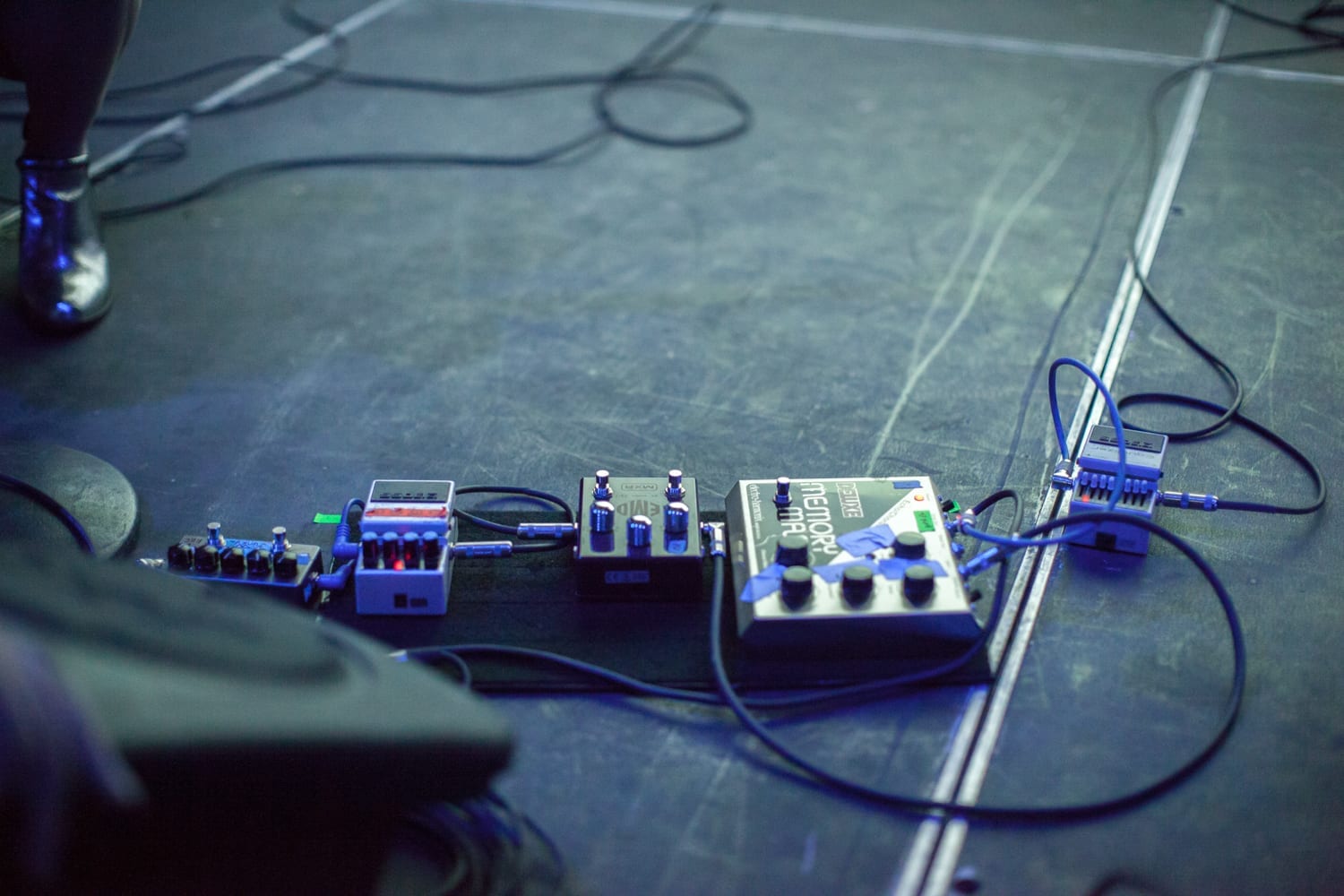
It’s just all improvised, you know. I have a couple loop pedals. It’s a very lo-fi loop, so it only holds one loop—you can’t save it, really. Or you can save it, but you can only have that one loop on it then. It sounds more like it has a cassette sound to it. Bill has, I think, the same pedal. I have one fly vocal. You know, it’s just kind of playing with the texture of effects on vocals…. It’s just like another instrument, I guess.
I don’t know. I just don’t really think about it, you know? It’s kind of like: I like playing music, but I don’t necessarily want to be a musician [laughs]. It’s kind of weird, but it’s not my identity so much. I’m more of a visual artist. I guess it’s because I wasn’t trained as a musician. You know, I sort of picked it up post-punk, and the kind of band [Sonic Youth] was… the bass was the only thing in normal tuning, so it wasn’t like we talked in terms of chords and stuff. I mean, I vaguely knew the tunings the guitars were in, and there’d sometimes be root notes later on. But early on it was more playing and then finding things that worked, and then we would work on them, whereas in Body/Head we kind of let it go…. We don’t make it into a structured song, but it has some of the same energy, I guess.
It’s just another form of expression and context. Maybe instead of making art that references popular culture, it’s more working within a subculture and referencing it in different ways through the lyrics.
Lyrically, you know, thinking about being a woman, there’s a whole lot of subject matter other than a love song or something. When we signed to a major label, I was more aware of sexism in the music industry. It was only weird because people have this idea that people in the music industry are somehow more enlightened but, you know, corporations are corporations.
I don’t, really. I mean, the one thing is more women playing music. That allows you to have different personalities, so it kind of cuts through the clichés about how women are perceived. But I don’t really think things in the mainstream have changed so much. In the underground, it seems like there’s a lot more women involved in the scene, which mostly comes out of male record collectors, so it was surprising in the late ’80s to start seeing more girls and women involved with experimental music as that scene grew. That’s pretty cool.
Well, there are people like M.I.A. or Karen O who are making interesting music. It’s not just about image and doing something different. I don’t know, I don’t really think about mainstream music so much unless there’s some rapper I like… but most of it is not that interesting. You know, it’s people talking about Miley Cyrus, and I don’t really listen to her music, so… that would be my first complaint [laughs]: her music, not her image. Image is a symptom; it’s not the problem. She’s just, like, dressing up and toy-acting, I think. Trying on different kinds of sexuality. But, I mean, there are more interesting people to talk about.
Hmm… I don’t know. A lot of people. I like this Portuguese singer, Catherine Ribeiro. She’s pretty great. She’s Portuguese, though she sang in French. Brigitte Fontaine, Yoshimi and the Boredoms… Joan Jett, the Runaways, a lot of different people.
I have to say that in the Body/Head record there are some things that came out where I was like, “Whoa, this is really heavy,” [laughs] or “No one has ever written a song like this,” or, like, “No one has written lyrics like this.”
Sometimes you just play music to see what’s going to come out and to be surprised, and I just felt like it was the way everything came together. It didn’t sound like it was improvised to me, so I guess that’s what surprised me.
That’s almost kind of a zen idea: using your weakness and accepting it… or your difficult position and making something out of it. I just think that sometimes I’m comfortable working with limitations because, in a way, if you have too much choice, it can get in the way of ideas. I think that it’s sometimes interesting to see something out of balance instead of in balance. In a way, you arrive at its process, and then you arrive at some other point that you make something out of. It’s like the idea of art that looks destructive. Its like you’re destroying something and making something out of it. Like, tearing it down first and then making something out of that.
Oh, I dont know. Theoretical questions like that…. Maybe I wouldn’t even want to do music if I had studied it.
Well, the thing is that the kind of music that I’ve been involved with [is] like honing the fine art of not having a technique, I guess. It’s a lot of what punk and indie rock came out of or formed. It’s not all about playing punk rock. It wasn’t about technique; it was something else. And rock and roll never really was about that. It was about sexuality and finding something that was breaking out of the conventional form.
Want to read more from Issue #4? Head over to shop.sheshreds-staging.jzck3hem-liquidwebsites.com and order your issue today!
Since her 1992 debut album, Dry, the vocalist and guitarist (who is also proficient on many other instruments) has explored innumerable musical styles including punk, bluesy hard rock, folk, pop, and chamber music, among others, never shying away from an artistic risk and often baring her soul in the process.
With Harvey’s ninth studio album, The Hope Six Demolition Project, coming out on April 15 through Island Records, She Shreds is celebrating her music by asking a number of guitarists who have been captivated by her work about their favorite song from across her catalog. Check out our PJ Harvey playlist below and soak in the inspo.
Chelsea Wolfe – “Man-Size” (Rid of Me)
“I love the raw-energy guitar on this song and I also love how the drums sound. And the lyrics are badass. I remember watching this video and wanting to feel that free!”
Teri Gender Bender of Le Butcherettes – “That Was My Veil” (Dance Hall at Louse Point, collaborative album with John Parish)
“This song is a movie of sounds that resonate from the first listen to the 200th time listening to it. The production on this song feels minimal but strikingly holds firm through the times.
The first time I heard this song I was feeling alone in a bus in Guadalajaran traffic and there was a woman in front of me on the right aisle, looking down at her hands. Her wrinkles were dry. She seemed lost inside an old memory. That was my veil was playing in my head set and the storytelling went in like butter, capturing that moment perfectly. A woman looking for closure, resigned yet convicted to go on.”
Mackenzie Scott of Torres – “Plants and Rags” (Dry)
“It’s very hard to choose any one thing PJ Harvey has done. She’s one of my biggest heroes. But if I had to, I would choose the opening riff of “Missed” from Rid Of Me, one of my favorite records of all time. I like the subtle complexity of her picking into a strum and the slightly offset time – 3 bars of 3 and a bar of 2 – or however you want to count it. I feel like that little section really illustrates her genius and ability to slip less obvious playing and timing into her compositions in a way the listener can’t always put their finger on. It’s a theme in all of her work. Long live Polly Jean.”
Kim Talon of Kino Kimino – “Plants and Rags” (Dry)
“One of my favorite PJ Harvey songs has always been “Plants and Rags” from her first album Dry. Within the first two bars of the song we understand the heart of it, with its hypnotic acoustic guitar and her foot tapping in the background. It’s the definition of “rhythm guitar” – the guitar acts as the kick drum holding down the tempo and momentum for the whole band, chugging from start to end. For someone we usually think of as the queen of wailing electric guitar, it is exciting to hear PJ Harvey play basic rhythm guitar on an acoustic. It’s the first step we all take in playing this instrument and there’s something more intimate about acoustic versus electric. We can feel the player more. It’s exciting to get closer to PJ Harvey in this way.
Dry was the first chance PJ Harvey had to make a record, and she thought it would be her last. The passion, desperation and eagerness to express it all can be heard on this one song. There is a gorgeous rawness that comes across in this unfiltered and unselfconscious track. The simple guitar parts in this song are better appreciated when one has an understanding of Harvey’s range. She is better known for her cutting and tortured electric guitar style which can actually be heard in the violin parts of this song’s chorus. The abrasive razors of the violin contrasted with the warmth of the acoustic guitar is what makes this song heartbreakingly beautiful.”
Kristin Kontrol (a.k.a. Ms. Dee Dee of Dum Dum Girls) – “Down By The Water” (To Bring You My Love)
“The rollout of this song is perfect, from the vocal pickup at its start right into the repetitive fuzz bass, to the chiming backups and shaker, and then maybe ultimately the creepy whispered section.”
Amy Gore of Gore Gore Girls – “Desperate Kingdom of Love” (Uh Huh Her)
“PJ Harvey’s lyrics depict the existence of a person exposed to all the elements of love in its most brutal state. The simple, driving and sometimes discordant guitar work weave around the raw emotion brought to the surface in her songs.”
Ceci Gomez of Crater – “Glorious Land” (Let England Shake)
“The song that inspired me to start a punk band in college was “Joe” off of Dry. All I wanted to do was sing and play guitar that fast. The raw brutal nature of the record was something I truly aligned with at 21 while living in New York City. Now at 26 and living in Seattle, I still listen to 90s PJ but her record Let England Shake and particularly “The Glorious Land” resonates with me most because of it’s hypnotic washy guitar and vocal arrangement.
In 1927, hailing from the humble town of Maces Spring, VA, the Carter Family grew to become the most influential family and band in country music’s history. Driven towards the business of music by AP Carter, they rose to fame very quickly and enjoyed a long career of recording, touring and evolving as family members joined and left from the band.
The original Carter Family band consisted of Maybelle Carter (guitar, vocal harmonies), Sarah Carter (lead vocals + autoharp), and Sarah’s husband at the time, AP Carter (songwriter, band manager + occasional vocalist). After Sarah and AP divorced, the matriarch of the band, Maybelle, kept the band going and added her daughters June, Anita, and Helen to the roster. Despite the band’s fame, the far-reaching influence of one of the key members has gone largely unnoticed.
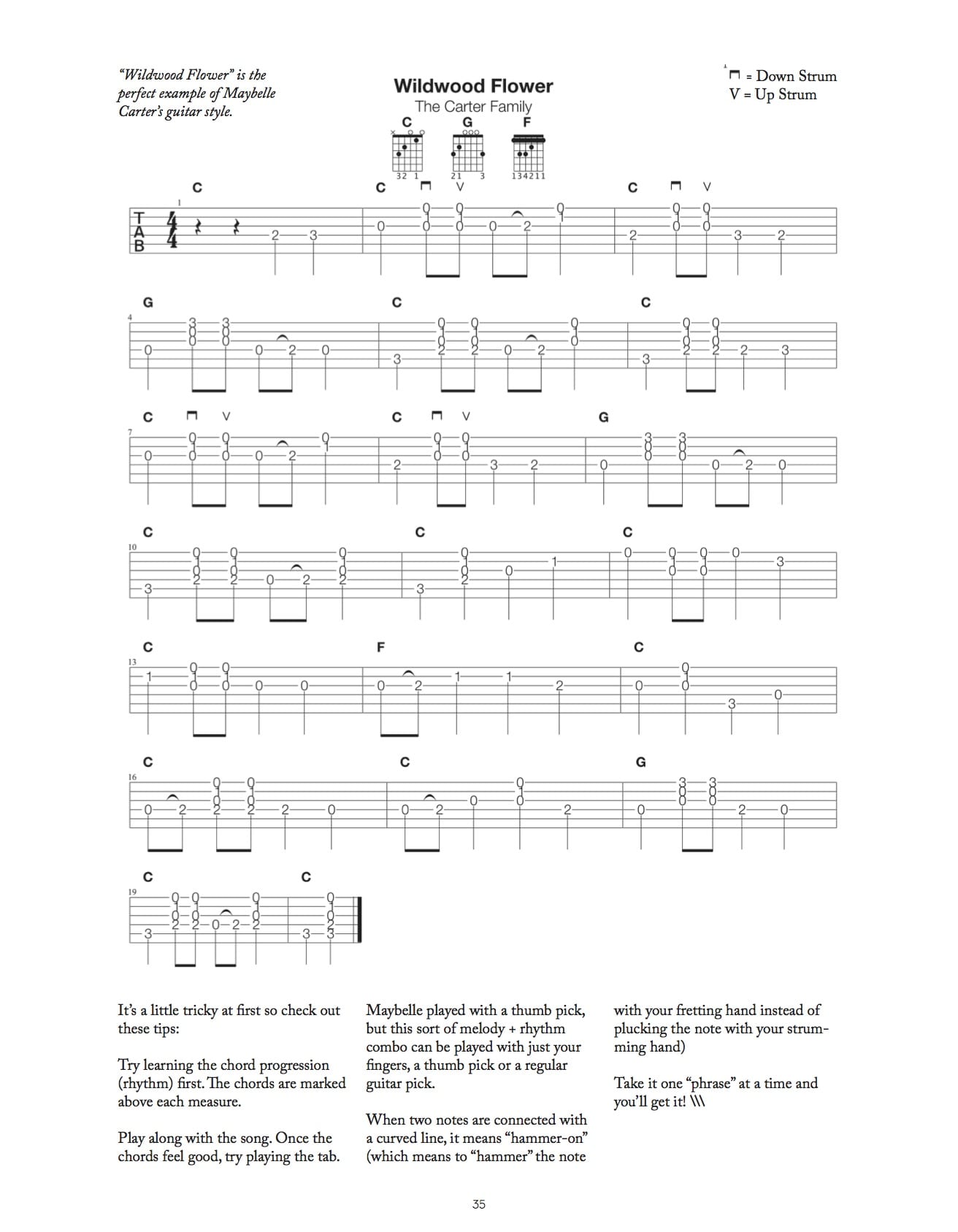
At the core of the Carter Family’s music was “Mother Maybelle’s” utterly unique guitar playing. She played melody on the low E, A, and D strings, while also strumming the rhythm with her index finger. Her background playing banjo and autoharp inspired this kind of pick-strumming. Before Maybelle took the stage, the guitar had only been used as a rhythm instrument (think strumming along in the background of a big jazz band). After she invented this “Carter Scratch” guitar style, lead guitar became a part of almost every country, folk and rock band to follow. She single-handedly got Americans to take the guitar seriously. Legends such as Chet Atkins and Johnny Cash played in her band and took inspiration from her constant innovation. She loved to connect with other musician who were likewise pushing musical boundaries. Also a gear tastemaker, Maybelle’s beloved Gibson L-5 archtop held the tone that became the sought-after sound in country music.
Mostly self-taught, Maybelle was known for being completely dedicated to the pursuit of musical perfection and innovation. In addition to inventing and mastering her own playing style, she also learned blues, slide, and Hawaiian-style guitar. She gained a lot of inspiration from Leslie Riddle, an African-American musician and so-called fourth member of the Carter Family. Riddle traveled throughout the country with AP Carter, seeking out old songs and melodies the Carter Family could rework. AP secured the lyrics and Riddle memorized the melodies. He could remember almost everything he heard and would pass it on to Maybelle, who also soaked it all in by ear. She was a complete road warrior who loved driving the tour van herself and living the musician’s lifestyle – one of the earliest Queen of Country and Rock n’ Roll.
Learn how to play Carter style below:
Want to read more from Issue #2? Head over to shop.sheshreds-staging.jzck3hem-liquidwebsites.com and order your issue today!
The tour will be her most ambitious in 25 years, with dates in cities across the country and will feature tracks from Pure & Simple, along with classics throughout her catalog. Full details have yet to be announced, but keep your eye on her website for the full scoop. As always, tickets are expected to sell out quickly once they go on sale.
In anticipation for what is likely to be one of the most exciting major tours of the summer, She Shreds has rounded up some of our favorite Dolly moments from throughout her prolific career:
“Joshua,” live from the Grand Ole’ Opry (1967)
“Bury Me Beneath the Willow” with Linda Rondstant and Emmylou Harris (1976)
“Coat of Many Colors” (1983)
“Applejack” / “Do I Ever Cross Your Mind” (1986)
“Train, Train” (2002)
“Jolene,” at Glastonbury Festival (2014)
“It is with deep sorrow that I have to announce the mourning of my wonderful mum Frances Sokolov, known to many as Vi Subversa, who has passed away peacefully following a short illness. We know that her death will come as a shock. Vi had recently celebrated her 80th birthday and only a few short weeks ago gave what was to be her final performance.
“Vi led an extraordinary life in a variety of fields, but was no doubt best known as the lead singer, lyricist and rhythm guitarist in Poison Girls. She was a key figure to a lot of people and we know that there will be a great many who would wish to pay tribute to her music and words, as well as to her remarkable achievements in life. We know too that she would want this to happen.”
Born Frances Sokolov on June 20th, 1935 in London England, Subversa was much more than a musician—she was a mother, an anarchist, a pioneer and someone who broke a lot of norms to pave the way for future music and political movements. As a 40 year-old mother of two during the band’s inception in 1976, Subversa wrote songs explored gender and sexuality, and challenged convention.
From Alex Yusimov who recently reissued Poison Girls’- Hex 12″ on Water Wing Records:
“One of the more inspiring projects I’ve ever been a part of was reissuing a few records from Poison Girls last year. The music was one thing, but getting to know the history and the relentless drive of Vi Subversa. She became part of the Soho anarchist scene of the 50s, took part in the original CND march to Aldermaston, then a counter culture drop out of the 60s. In her 40’s already a mother of two, Vi started one of the most influential feminist anarcho punk bands of all time. Recently celebrating her 80’s birthday, Vi proved that you can still retain passion for your beliefs and your art at any age.
With deepest condolences for her friends and family,
RIP VI SUBVERSA June 20th 1935 – February 19th 2016″
Rest In Power Vi Subversa!
Poison Girls, “Riot in My Mind”
Poison Girls: Another Hero, Live 1980