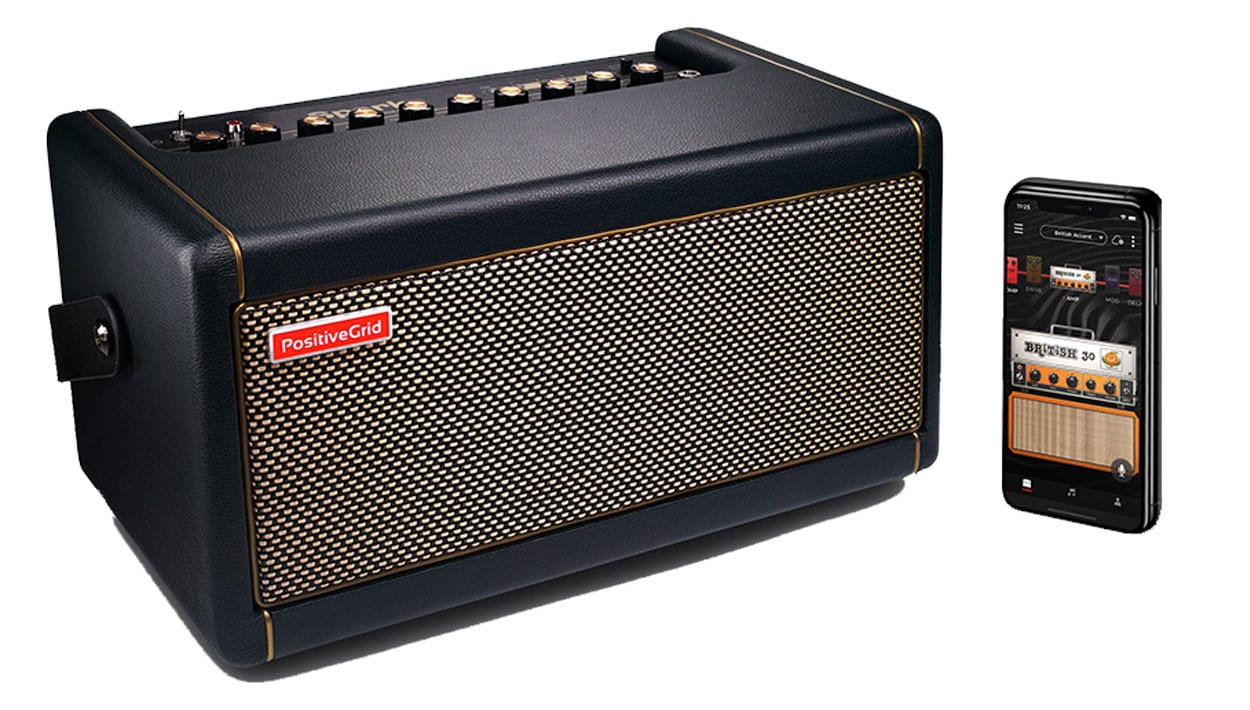
Let’s talk about the Positive Grid Spark Amp. More often than not, smart technology in music is notorious for quality issues. Manufacturing malfunctions, user navigation complications (e.g. the overwhelming amount of options), and disappointing tones result in user hesitance, especially for those of us who don’t like to waste time on extra knobs, much less an entire array of sounds that you have to dig into the digital cloud to find. Trust me, I’ve been there—in fact, 99% of the time I’m thatguy raising arms at the new world of gear.
That being said, I also love the ability to experiment with sounds that are new to me, practice with ease, and record ideas on the fly without compromising audio quality. This is where smart technology can open up a whole new, albeit scary, world. The desire to practice doesn’t necessarily come easy, so when it does I like to be able to just plug and play without connecting my entire pedalboard and dealing with troubleshooting. As a songwriter, when I practice, the result is often a few ideas for new songs that end up in one (or both) of two places: a folder where ideas go to be forgotten, or my social media pages where they go to be loved on.
Either way, juggling these desires and finding the right balance as a musician takes a long time, and you have to be somewhat advanced to accurately understand and connect all the varying tools. As artists, we’re no longer just musicians anymore; we’re also engineers and content creators, keeping up with the reasons we fell in love with music in the first place.
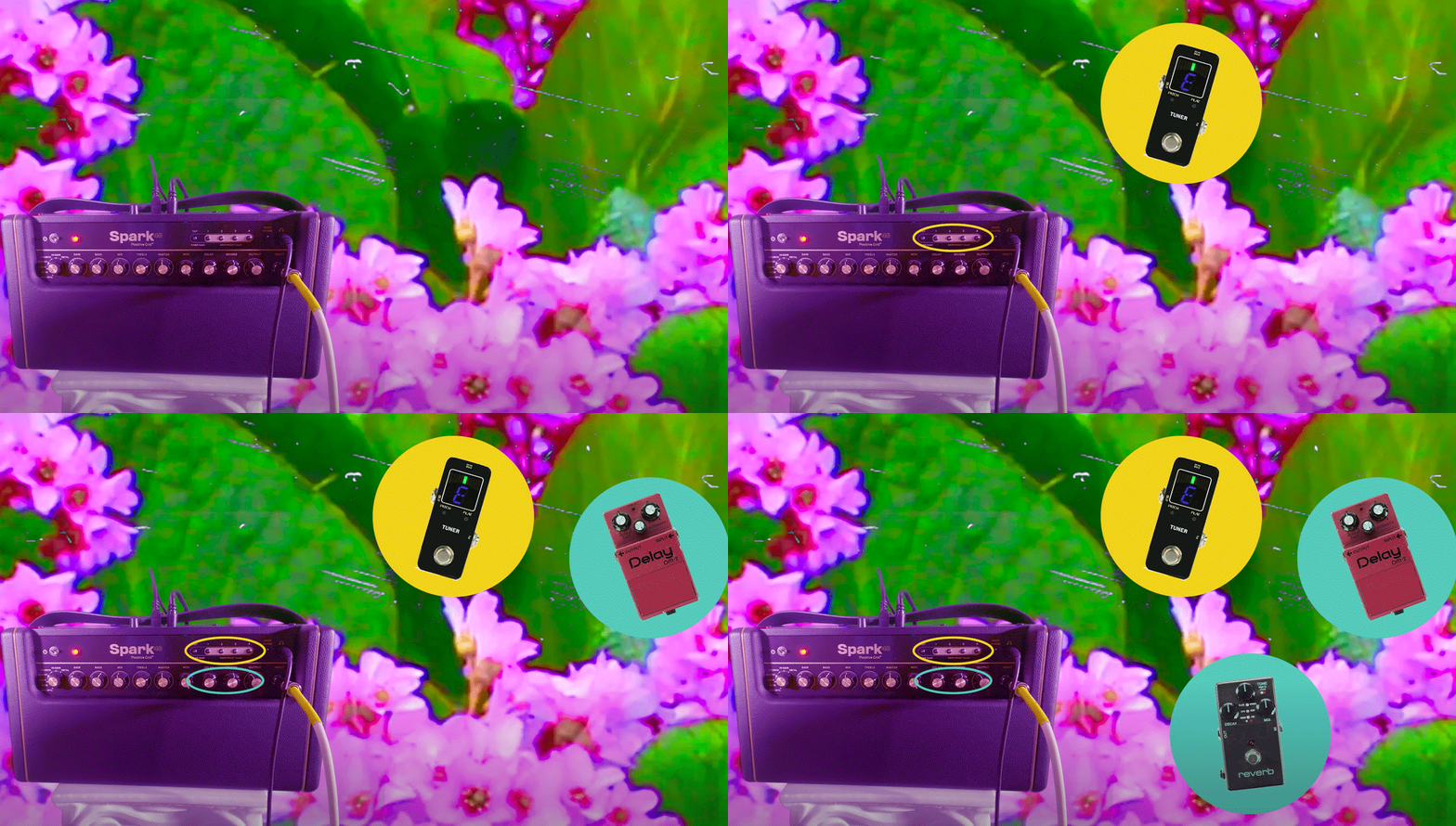
In the middle of this multifaceted world of music is where the Positive Grid Spark Amp thrives. Weighing just 11.5 pounds and compact enough to carry around your shoulder like a purse or handbag, the 40 Watt Spark Amp is set up to function in an everyday home setting—it’s adaptable and accommodating to whatever mood you may be in. In just the first 30 minutes spent with this amp, we learned that it’s a:
Traditional 40 Watt Amp: it can be used with its built-in hardware alone, if you’re not ready to open up the app immediately.
Bluetooth Speaker: literally, you just connect to it via Bluetooth and play music from your phone or computer.
Audio Interface: included with the packaging is a USB cord with which you can connect the Spark Amp directly into your computer, open up your DAW, and immediately begin recording.
Video and Audio Recorder Optimized for Socials: you can record quality video and audio direct to the app, which includes the option to upload a backtrack to your recording.
Electric, Acoustic, and Bass Guitar Amp: the 4″ speakers are capable of outputting a wide range of frequencies.
Amps/Pedals: The app offers 30 amps and 40 pedals to experiment with. Imagine connecting to that much gear…nevermind, don’t.
Skill Development platform: within the app, you’ll find a number of options to develop your skill at your own pace, such as Auto Chords technology (yes, the app displays chords for your favorite songs in real time), and tons of backing tracks to play along with.
Community: Upload your tone creations to the ToneCloud, and download other sounds created by fellow players, artists, and producers. There are over 10,000 available and counting.
Tuner: the amp includes a built-in tuner.
Metronome: the app features a metronome to practice along with (I was perhaps overly thrilled about this).
This long list of possibilities may feel overwhelming already, but it’s important to remember that all of the above was discovered in less than 30 minutes. The manual alone is a single two-sided page, which to us meant that the Spark Amp is:
Built with the most intuitive and user-friendly navigation in mind.
Built to promote experimentation, and optimized for option-based learning.
In other words, the Spark Amp doesn’t assume you’re any one type of player; rather, it provides the necessary tools for you to move at your own pace. This, in particular, is what (in our opinion) truly sets the Spark Amp apart.
Hardware
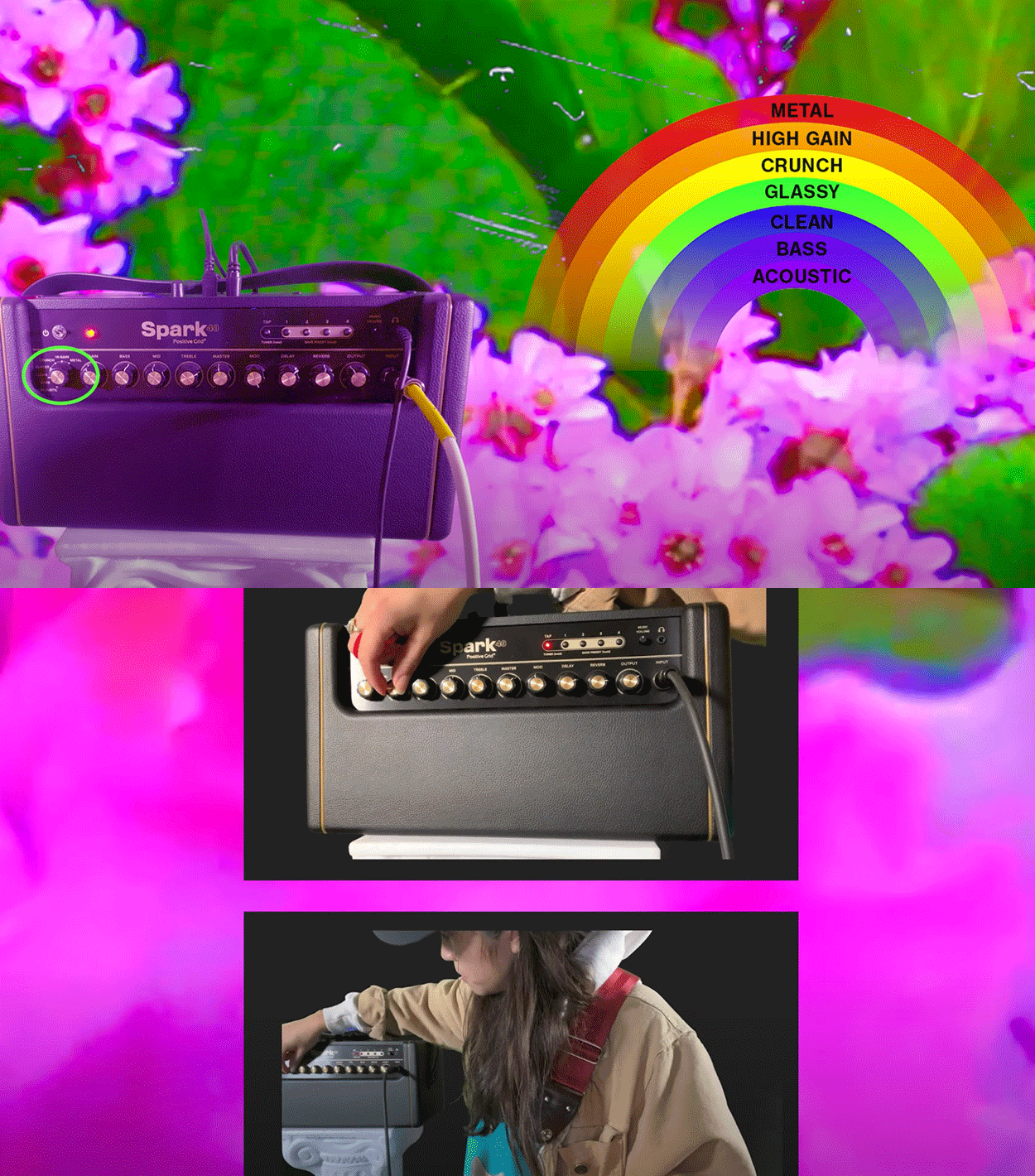
As mentioned in our gear review, the options begin as soon as you plug in your electric, acoustic, or bass guitar. Do you want to utilize the rainbow of sounds available with the Spark Amp hardware alone, or do you want to dive deeper into new tones with the app?
Something I really appreciate about the provided sounds is that the Spark Amp doesn’t claim to imitate any pre-existing amps or pedals; instead, it simply offers a wide range of customizable tones, powered by Positive Grid’s highly praised BIAS tone engine. On the hardware, adjusting the “mod” knob affects the sound of the channel you’re in. The delay and reverb built into the amp can also be adjusted at any time and offer a really spacey sound when cranked to 10. Take a tour of the built-in Spark Amp tones here.
App
Once connected to the amp via Bluetooth, you can visit additional amp tones and pedals, as well as adjust each knob on the app itself, keeping in mind that anything you do in the app will sync with the amp.
Like I said earlier, to be a musician these days means to be an entire creative team, and so having all of the tools you need in one place is what the Spark Amp app provides. It’s really important to find the flow that works best for you, which you can do by downloading the app here (no sign up required). You’ll find options such as:
Experimenting with endless sounds and tones.
The ability to import your music from Spotify, Apple Music, or YouTube, and learn or follow along to your favorite songs with Auto Chords technology.
The Smart Jam function, which listens to your riffs and provides drum and bass accompaniment, allows you to practice solos, or just jam right along.
Record and distribute video straight from the app.
Keep your recordings and your progress organized.
Another not-to-be-expected feature of this tiny 40 Watt amp is it’s potential to get loud while also balancing frequencies. I’ve used this both as a Bluetooth speaker and an amp without going past volume level four—if you have any doubts, rest assured it’s loud yet crisp!
Play Video
Interface
The audio interface capability of the Spark Amp is one of our favorites, truly making it an incredible tool for musicians and producers on a budget, and a great resource for idea development.
Typically, for audio recording, you need an interface that ranges from $100 and beyond in price. The USB cord that comes with the Spark Amp allows you to just plug into your computer and open up any DAW such as GarageBand, Ableton, or the free copy of PreSonus Studio One Prime recording software that your purchase comes with.
All of the guitar sounds in our gear review were recorded using the Spark Amp interface process, so you can listen to the quality of the recording for yourself.
Troubleshooting note: if you experience latency, lower the buffer size in your DAW until the latency is gone.
Is the Spark Amp worth it?
We’ll let you make that call for yourself; however, what we will say is that for $299.00 (plus a 20% off New Year promotion) you’ll receive every essential necessary to maintain your practice routine while exploring your soundscape curiosities and evolving as a creator and songwriter. In our opinion, there’s almost no going wrong with the Positive Grid Spark Amp.
In January, the She Shreds crew returned to Anaheim, California for NAMM for show and conference to preview the guitar industry’s newest instruments, gear, and technology. Check our some of the amp companies that caught our attention below, and see our favorite guitars of NAMM, 2018 here.
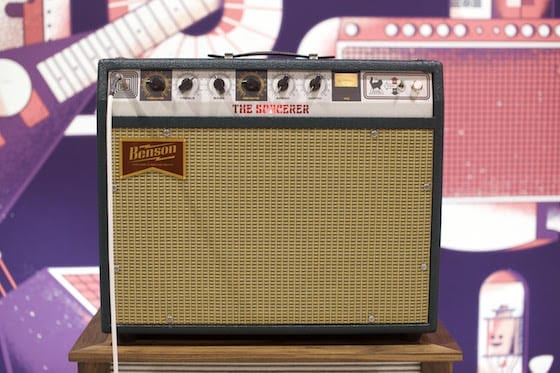
courtesy of Benson Amps
Benson Amps I played through a lot of Bensons at NAMM this year. I couldn’t tell if it was by chance or if it’s a magnetic Portland thing, but I’m always excited to play out of a Benson because of how consistently great they are. This year Benson brought out their prototype Ryan Adams signature amp—the Sorcerer. It’s a 15w Chimera circuit with Tall Bird style ‘verb and custom chorus/tremolo module made by Chase Bliss Audio. This thing sounds great and looks stylish as hell with that working VU meter.
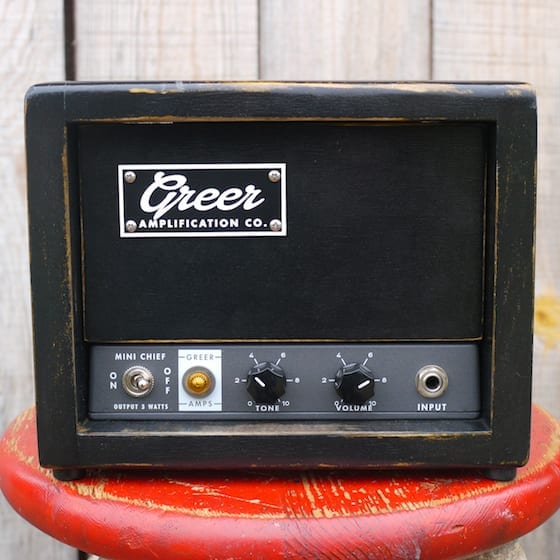
courtesy of Greer Amps
Greer Amps I played through the Mini Chief 3 Watt amp head by Greer Amplification Co. at NAMM and chatted with Nick Greer about his amps and pedals. I can’t help but be drawn to things that are tiny, especially amps, so the Mini Chief stood out to me. This one had more to offer than being adorable. It’s mighty. It can be clean, dirty, fuzzy, happy, sad, angry, you name it. It’s beautifully designed and it’s got a lot of heat; probably because it’s from Athens, Georgia. I love the quick response to tone and volume changes and the easy breakup. This is a great, versatile amp that can be used at home, in the studio, or at rehearsals and small club gigs.
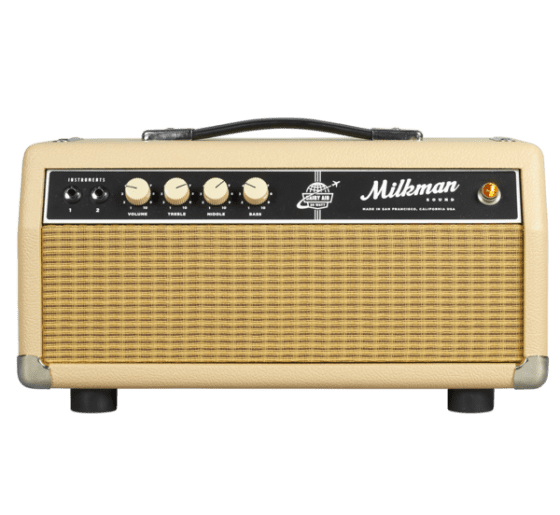
courtesy of Milkman Sound
Milkman Amps Tim Marcus is a dairy heir who named his amp company, Milkman Sound, after his family’s business. He’s rolled with the dairy theme and it’s pretty damn delicious. His various amp designs have labels like Pint, Half Pint, Creamer, Half & Half, Dairy Air, etc. They can come in “chocolate” (brown) or “vanilla” (cream). The amps are based off of vintage designs, but nothing is copied or cloned. Basically Tim—who is a guitar player—builds amps to his own liking, sourcing the highest quality American-made transformers, cabinets, speakers, wires, turrets, capacitors, etc. He cleanly assembles each amp by hand in San Francisco, CA. Feist and John Mayer are among his customers, and these amps sound and look amazing.
As an artist you know that no matter what gear you use to create, big or small, expensive or cheap, numerous or few, it all comes down to what you do with what you have. So why settle for anything that is harder than it has to be?
There are a lot of steps between knowing how to play guitar and knowing how to get good tone. It’s a long journey that can even be physically grueling at times, lugging gear on and off stage, from venue to venue. But we still do it, over and over, for years and years, because it’s worth it. So when I was told I could make one of those steps drastically easier without sacrificing my hard-earned tone, and it caught my attention.
Weighing just over one pound, the Vox MV50 AC fits in the palm of my hand and packs up to 50 watts of power. It’s a micro-sized amp head with analog components and Nutube technology that is said to give you tube warmth, compression, and response. But you really can’t look at this little machine without it raising some questions: How does it work, what does it sound like, what is Nutube technology? Let’s take a look.
Whatchu got:
The features of the Vox MV50 AC are pretty straightforward. On the front panel there are 3 control knobs: gain, tone, and volume. Next to these knobs there’s a volume unit meter that gives off an old school amber glow (a very cool touch). This measures your output level. Last, we have the quarter-inch input/gateway to the magic.
The rear panel has a little more to offer. There are four switches, starting on the left with the Eco ‘off/on’ switch. This gives you the option of automatically powering down after 15 minutes of inactivity. Then we have the “standby/on” switch. Essentially this turns it off or on. Next is the EQ ‘flat/deep’ switch. You can set it to “deep” to get more low end when playing through a small cab. And finally we have the 4/8/16-ohm impedance selector. This is important because the output will change depending on the impedance of the speaker. Basically,impedance is how hard the amp has to push to drive the speaker(s). We measure impedance in ohms. The lower the number, the more power is required. The MV50 AC will give you 12.5 watts at 16 ohms, 25 watts at 8 ohms, and 50 watts at 4 ohms!
Last, we have a headphone/line quarter-inch input, and a quarter-inch speaker output. This makes the MV50 incredibly ideal for practicing with headphones or for a mobile studio setup. You can go into an interface or record straight into your computer. There is also a large metal handle on the top. Seeing as it almost doubles the height, for easier storage this handle is removable with a little surgery.
The Nutube technology is… significant. It is ceramic based and extremely durable. I’m talking 80,000 playable hours before it would have to be replaced. This thing lasts forever! At lower gain, the MV50 AC has a very nice jangly, clean tone. Gain it up a bit and it drives really well, you get a good range of crunch and that snarly, chime-y, British rock tone. And damn does it get loud!
If you’re going to crank this thing all the way up, make sure you have ear protection because it roars. I was very happy to find it works fantastically well with pedals, very effects friendly. Absolutely loud enough for rehearsals and gigging. It’s not a toy, it’s not a gimmick. It’s a real amp head and it packs a punch.
Because of its small size, you’ve got some options. You could place it on your cab like a traditional head. But what it really seems suited for is a pedalboard. It would be the perfect travel/fly rig.
This is an extremely versatile device. I think it’s the start of something new, maybe even the end of traditional tubes (Nutube technology uses 2% the power of what a conventional vacuum tube uses). Hopefully this means the end of carrying around heavy amps and at less than 200 bucks, the price point is hard to beat.
The one, and maybe only, challenge I faced with the MV50 was finding the right power supply. It takes a 19v DC power supply which is included when you buy it. I didn’t have the right one but I had a laptop charger that was the right voltage and size. Considering the sound quality and convenience this little machine offers, that effort is more than worth it.
Winnipeg, Canada-based punk duo Mobina Galore was on stage during first show on their recent European tour with Against Me! when guitarist/vocalist Jenna Priestner realized something had gone wrong.
“I play through two guitar amps, and I have them set up through a YBA pedal so they both run at the same time,” she said. “Our nerves were already there because it was our first show with them. The sound check was all good, we went on stage, everything is good and then part way through the first or second song I heard a huge drop in the levels from my monitor and I’m just like, “Oh, shit! What’s going on?” In a lot of my songs I’m constantly singing, so there isn’t time to take a second to look around and see if something got unplugged or what happened. [This time] it turned out one of the amps just totally blew.”
If you’ve ever performed in a band, you know that you can be as prepared as possible and life can still get in the way of a perfect set. When that happens, you have two choices: you can totally freak out, or you can roll with the punches as they come until you find a solution. In this instance, the band, which has been around since 2010 and has seen their share of stage mishaps (their own and others), played through the song and thankfully the venue’s sound person was on their game to help out. “At that point, you have to put a lot of trust in whoever is doing sound in the front of house because if they don’t notice that something is happen, they’re not going to be able to remedy the situation. It’s happened to me a couple of times. Running two guitar amps, one of them will go, and the front-of-house person will notice and just double up on my other amp and fill the sound. Because there is nothing you can do, right? You have 30 minutes to play a set and you don’t have time to really do much troubleshooting on stage. You just have to wait until it is over and figure out what went wrong after the show, and hopefully get it fixed before the next one.”
Mobina Galore is currently on their own tour of North America, in support of their recently-released LP, Feeling Disconnected (New Damage Records), and once again they’ve found themselves facing technical difficulties. “My amp head just blew the other day and I’ve been borrowing gear from other people,” she said. “It’s pretty annoying because you get used to your own sound and the tones coming from your amps, specifically, but at the same time it forces you to manage and make it work, and it’s been alright for the last few shows. I’ve been able to borrow an additional amp from one of the other bands and just make it work because there’s always something that goes wrong.”
With that in mind, Priestner shared some tips for troubleshooting or lessening the impact of unexpected gear issues while on the road. Feeling Disconnected is available for purchase now.
Stay Calm: To stay calm, I usually touch base with my drummer [Marcia Hanson]. We both usually know if something has gone wrong, if one of us has messed up, or a guitar gets unplugged or a cymbal falls over. We touch base with each other and give a quick glance that says, “Don’t worry about it. Don’t let it stress you out.” Make that eye contact with your bandmates to make sure they know it’s all good, you can get through this, and it’s not a big deal. You need that support and you need to be able to communicate without actually communicating.
To Err is Human: When you see a show and you see the band bickering on stage, it’s the worst. You have to stay positive and laugh it off, or it gets worse. That’s the thing about live music. Something is going to go wrong at some point, and you need to remember that you are just a human and you are playing music live. Just wait until the song is over, find out what is wrong, and try to fix it. Sometimes I’m jumping around and I’ll unplug one of my cables. If people are engaged and they are watching me, they’ll see exactly what happen and they’ll say, “Oh my god, that was funny!” When people mess up, it just makes everyone human. It’s about staying calm and knowing if you look nervous or freak out about it, the audience is going to see that and then they are going to be wary of you throughout the show. So stay calm and laugh it off.
Find Support Offstage and in the Crowd: Onstage, you’re relying on stagehands, or people in the audience depending on the venue you are playing. It’s a constant thing for us that the mic stands are really crappy and worn out, and they’ll slowly start falling. If someone out there in the audience happens to be a musician, they’ll hop on stage and help you out. I do that all the time when I see bands play. That’s the thing—just getting the crowd engaged in the show so they really want to be part of it. When they want to be part of the solution it’s really awesome. Everyone wants to be on stage, so if some kid gets to jump up and save the day they kind of feel like a hero, and it makes everyone else in the audience feel more like they are a part of the show.
Be Organized: I do a lot of band management stuff and I am a very organized person. That’s important because if you don’t have an actual manager you need someone in the band who will take over those duties… I’ve got a dropbox folder, “Mobina Galore promo,” that I update every year with our band bio, stage plot, band photos, everything that a promoter or an agent or a sound tech needs so when we’re on the road we’re not scrambling to pull over and find wifi to shoot a press photo to someone. We have a link we can send them to instead.
It’s about managing your time well. If people ask I can say, “Go to our website and you will find everything you need on there.” I always carry hard copies on me as well. We just have a bag we carry around to shows and stuff with paper copies just in case. It’s kind of being overly prepared for something going wrong and having a preventative measure for something in place to hopefully solve the problem quicker than being, “Oh my god, what do we do?” Putting stuff like that up on your website is so easy to do, but a lot of people are lazy, or don’t think it’s important at all. If I was running a venue and I saw that, I’d think, “This is great! I don’t have to email them for anything.”
Do Your Research (which includes playing more shows!): When you start out, everything’s a learning curve. When I was just starting out I was Googling things like, “What’s a stage plot?” “What’s an input list?” and stuff like that. For an artist who is starting out, it takes a while to find out all the assets that you need, but once you start learning, it starts being easier for you. And knowing what exactly what you want to hear on stage is a matter of playing more shows. The only way you’re going to learn it is to keep playing shows. Every stage is different. An outdoor show is going to sound different than a smaller club. Some places have crappy monitors, and even though you know what you want you might not get it in your sound. The only way to get what you want is to play more shows, to ask properly, and to not be an ass on stage. So many people you see playing shows and saying, “I can’t hear myself.” All you have to say is “can I get more vocals in my monitor?” Just be polite. Everyone there is doing a job.
Cultivate a Strong Social Media Network: Social media makes it is so easy to reach out to people. Like when my amp head blew the other day, initially you would panic a little bit, but now you can look at your schedule and post, “Hey, does anyone in Milwaukee know a good amp repair shop?” It takes a while to get your friend list growing, but I put a lot of stuff out on social media. “Do you have a guitar I can borrow at tonight’s show?” Guaranteed, like I said earlier, someone will want to be the hero. They’ll show up at the show with a guitar, you’ll put them on the guest list. Social media is huge! Just getting the word out there. Everyone wants to share and help out. We’ve even needed to get people to run our merch at the Against Me! shows, and we just reached out on Facebook. Friends of friends of friends will just want to help out. It’s pretty cool. There is a lot of garbage on social media, but if you use it to your advantage then it is super beneficial.
In January, She Shreds returned to the National Association of Music Merchants (NAMM) Show in Anaheim, California where we got a taste of the year’s most innovative new and upcoming gear. Check out some thoughts on the best amps of the show from our “official amplifier correspondent,” Gothic Tropic‘s Cecilia Della Peruti. If you missed our roundup on the best guitars and basses of NAMM 2017, read it here.
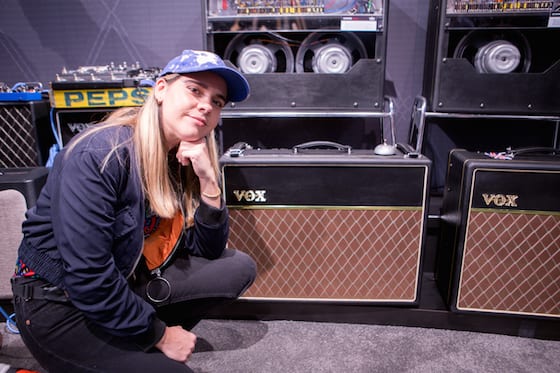
Vox Custom This was the amp I played in Rumspringa. Joey Stevens, our frontman/guitarist, had that Brittany Howard/Dan Auerbach grit and he always used Vox. I always looked up to him as a guitarist. Borrowed from the classic British sound, it’s versatile, and the distortion capabilities are awesome, even at a mellow volume. This amp is also great for tracking.
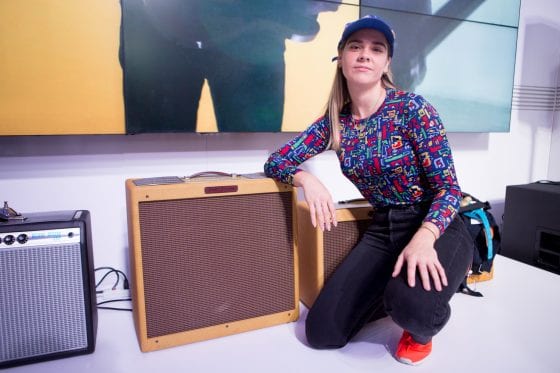
Fender ’57 Custom Pro-Amp I like this amp because it’s similar to the vintage Fender Bassman amp I used to play. It belonged to our previous bassist Daniel Denton. He kept that beauty in great condition and like the ’57 Custom Pro, it was pure tube and hand-wired. The tones from the Fender ‘57 Custom are fat, rich and glassy. It has good power output so when you want to push air, you’re not losing clarity. That beloved cover is also a great homage to the highly sought-after 50s narrow-panel tweed amps.
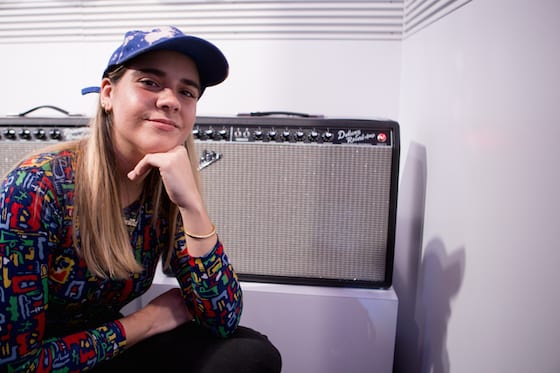
Fender ’65 Deluxe Reverb This is personally my bread and butter. This amp is incredibly versatile and has the timeless tones that were used in the top studios in the 60s. The reverb and vibrato is tube driven so it’s also got that “authentic” sound. This is the most classic amplifier option for any guitarist, and a definite staple piece for any studio.
Orange Custom This amp is clear, loud, and straightforward. It’s great for anyone who wants more volume and a wide sonic image. It has a thick and edgy sound, and you can really push this amp without sacrificing tone. This single channel amp still has some great functions, and really packs a punch.
People of the Shred life, we are stoked to introduce the first annual She Shreds roundup of gear we use, love, and recommend: The Guide.
Throughout the years you all have been asking us to suggest gear that we can’t live without. That, paired with so many new and improved tools that came out in 2016, made us realize that we needed to add a fourth release to our year. Unlike the rest of our print publications, The Guide will be a 100% free of charge bonus issue sent to She Shreds subscribers and available digitally to all. Written by locally respected and loved guitarists (full list below), the Guide includes artists from past issues and their gear as well as picks for the categories of Guitars (electric, acoustic and bass), Amps, Pedals, Accessories and Vintage; all of which are directed to pages that will provide more information on the product and purchasing options. Check it out below and happy shredding to all y’all shredders out there!
And She Shreds Founder and Editor-in-Chief Fabi Reyna
Thanks so much to Guitar Center, PRS Guitars and Ear Trumpet Lab for the
If you’d like to receieve a physical copy of The Guide, free or charge, please fill out the submission form below!
*USA only
For out latest Gear Guide, we spoke with none other than Against Me! frontwoman and She Shreds Issue 9 cover artist Laura Jane Grace.
Today, Grace is a celebrated figure in the pop-punk / rock community, activist, and author—her memoir Tranny: Confessions of Punk Rock’s Most Infamous Anarchist Sellout (co-written with Noisey editor Dan Ozzi) will be released November 15—but like many musicians her first guitar was a basic Harmony Acoustic Guitar (purchased through a Sears catalog with money she earned mowing lawns). “I make the joke when you’re eight years old and starting out on that Harmony Acoustic, it’s so difficult [to play] because the action is so high and the neck is practically bent for archery.” she says.
Thankfully she stuck with it, and over the years she’s grown to become a guitar enthusiast with a particular fondness for Rickenbackers. “I have a lot of Rickenbackers that I don’t even like to play,” she says. “Some of them are damn near impossible to record with because the tuning is so weird with them. It’s almost impossible to get the G string of a Rickenbacker to be in tune with a G string of a Les Paul but I just think they are really beautiful, really unique guitars and whenever I see a unique one I’ll get it…They’re really temperamental guitars. They require a lot of attention.”
For Grace, that extra time and care has been worth it. Her Rickenbackers are a huge component of Against Me!’s distinctive rootsy sound, and while they may be challenging in the studio, on stage (where she typically runs them through a Vox HT30) is another story. “Live, I specifically switch between a [Rickenbacker] 360 and a newer 370. They’ve been my staple touring guitars for years, and I still record with some of them too.”
When it comes to musicians still in search of their own sound, Grace advises, “You don’t need a fancy guitar to make something great or write great songs. You just need to find a guitar you’re comfortable playing.”
“I get really mystical when it comes to guitars. I feel like they have souls, often, or my guitars get mad at me if I haven’t been playing them enough. Sometimes I feel like I’ll stumble onto a relationship with a guitar where I feel that, ‘this guitar has songs in it,’ and I’ll pick up the guitar and write songs with it and feel like if it had been another guitar there wouldn’t have been songs.”
And for Grace, the song itself is ultimately more important than what it’s played on. “The song has to be good enough that it could rip on whatever piece of gear,” she says.
Read on for more about Laura Jane Grace’s current favorite gear. Against Me!’s seventh album, Shape Shift With Me, is available now through the band’s own label, Total Treble Records.
Nash Wayfarer:
“My new favorite piece of gear is the Nash Wayfarer guitar. It’s a great, lightweight guitar.”
Rickenbacker TR7:
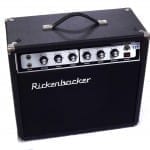
“With our new record, on 90% of the songs I used a Rickenbacker solid state TR7 amp, like a 30-watt amp with a 16″ speaker. I’d been carrying that amp around for years, always wanting it to sound good with something but it never did. Somehow the combination of the [Fender] Coronado through it works, I love it. It’s my favorite recording duo I’ve ever had. Live, it’s totally unrealistic because it can’t produce that kind of volume, but for the record it worked.”
Blackstone Overdrive Pedal:
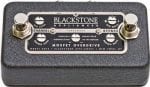
“I’ve had that guitar pedal onstage with me for ten years now, and it still works. Our song, “Teenage Anarchist,” that’s the sound. That’s the Blackstone. The single note picking on the one string, concise and and tight.”
Rowland S. Howard Pedal (Reuss RSH-03):
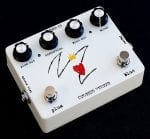
“I’ve used it with different combinations of gear, but it’s funny because instead of in and out it says, ‘Jaguar,’ and ‘Twin Reverb,’ because that’s the gear he used. If you plug it into a Jaguar and a Twin you think, “Nice. I sound like Rowland S. Howard.” I love his songwriting. I knew his music from The Birthday Party but I’d never really gotten into his solo stuff until 4-5 years ago.
Gibson Acoustic J-40:
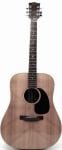
Instead of the J-45 it’s a J-40 and it’s blonde, and I bought it used. There is a store here called Chicago Music Exchange and when you walk in you think, “Goddamn, I’m going to buy something here.” But I’ve always been happy with anything I’ve picked up, and this is my favorite used guitar I’ve ever bought.
Erica Freas is an Olympia, Washington-based musician, founder of Rumbletowne Records, and an advocate for women, queer, trans people in the arts community and beyond.
She’s highly-regarded for her involvement punk bands RVIVR and Somnia as well as her acoustic solo projects. “I am in love with the way that a song feels different when it’s bare and stripped down and when it’s driving and loud. It can be more accessible and allow the beautiful parts of the lyrics or guitar melodies to stand out better. It’s exciting to play around with variation,” she said.
Though the sounds may vary, even when she is writing an intimate ballad, Freas’ punk roots are never totally out of the picture. “I’m playing to a drummer that’s not there and often writing that percussion into the guitar parts. Punk rock taught me how to sing loud with confidence and loads of my solo songs are down-picking the whole time. I’m a rocker even when I’m fingerpicking a lullaby, it’s just in there.”
On September 30, Freas will release her latest solo album on Don Giovanni Records, titled Patient Ones. A prolific songwriter, the album’s songs are a from collection of material she’s been steadily building on since her 2012 album Belly, and an EP titled “Tether” she released the following year. “I’ve got these songs coming through, and every now and then the basin gets full and there’s enough material to make a collection,” she said.
Despite the solo nature of the album, its final additions stemmed from a participating in a project with other songwriters. “At the end of 2015 I realized I was close to having enough songs to choose some that fit together nicely and then in January of this year I did a song-a-day challenge with a group of writers across a swath of underground genres and found the inspiration to complete this new record….It feels a little bit like I don’t get to choose when it’s time for a new record but it’s my job to work really hard on making it real when the time comes,” she said.”
Production on the record is minimal, but with Freas’ smooth voice and the luscious, warm tones of her Martin 0015M (which she sometimes runs through a Fender Deville 4×10 combo), you wouldn’t want it any other way. Cellist Jen Grady provides accompaniment on some tracks (including the recently-released, “Please Go Walk in the Rain), but otherwise Freas is completely on her own.
“Moon,” the latest track to be revealed from the album, was inspired by Freas’ personal experience but hits on a subject familiar to anyone who has ever had unrequited feelings for someone they may never have. “‘Moon’ is a song wrapped around the gigantic sense of yearning that only belongs to people who can’t touch or see or feel the horizon of reunion with someone they long for. I wrote it with an incredible human on the mind but I won’t kiss and tell,” says Freas. Beginning with fingerpicked guitar parts and hushed vocals, the song builds in volume and power to a strummed, anthemic conclusion.
Listen to “Moon” now. You can pre-order Patient Ones here before it comes out on 10/14.
Larkin Poe is the rootsy Southern rock group fronted by sisters guitarist/vocalist Rebecca Lovell and lapsteel guitarist / vocalist Megan Lovell.
The sisters began playing music together as teenagers growing up in Georgia, leading a bluegrass-focused group before reinventing themselves as Larkin Poe in 2010. Since then, they’ve released five EPs (with four named for each season) as well as two full-length albums, most recently Reskinned (RH Music) in April, 2016.
Larkin Poe’s latest video, for the track “Blunt” illustrates the raw power of the still emerging band. Directed by Raja Virdi, the video was shot at a sold out performance London’s Borderline venue and captures a up-close-and-personal experience that makes the viewer feel as if they are in the front row of the show. “The energy in the room that night was electric. “Blunt” came as an intimate moment in the set list. Looking out into the crowd and seeing people singing along with the words broke our hearts open wide,” says Rebecca Lovell, speaking on behalf of the sisters.
The video’s audio, recorded and produced by James Denness and Record Live, brings out the magnetism and spiritual vibe of the track even more so than the studio take. “We are strange people living in even stranger times. Oftentimes, plotting a course forward feels difficult and confusing… How does one affect positive change in their lifetime? It’s a big question. With ‘Blunt,’ we’re not trying to answer the question, we’re just trying to ask it,” Lovell says.
Check out the video below and get ready to see Larkin Poe next time they play near you. Rebecca Lovell is playing a Fender Shawbucker Stratocaster through a Fender Deluxe amp, and Megan plays a Rickenbacker Lap Steel guitar through a Fender Vibrolux amp.
[In celebration of the 10th issue of She Shreds, we will be posting some of our favorite selections from across our print catalog throughout April. The feature was originally published in the fifth issue of She Shreds Magazine, June 2014 and has been edited for timely accuracy. Subscribe here and receive your copy of She Shreds’ 10th issue when it is released later this month!]
Snobby gear bros and tech-heavy publications can make buying and troubleshooting issues with your amp seem daunting. Don’t be deterred. The information in this article is meant to equip you with basic amp knowledge, lend some tips so you can confidently seek out the perfect amp for yourself, and help you figure out what’s wrong when it isn’t acting so, well, perfect.
BUYING AN AMP
When you’re buying an amp, you need to know your goals. Are you wanting to use the amp for playing live? Practicing at home? If you’re playing with a band, what sort of band is it? Knowing the sound you need is very important. Your amp is your canvas, your pedals are your colors and the electric guitar in your hands is your paint brush. The size, style and brand you choose should be based on the outcome you’re looking for.
Once you know what you need from your amp, you can quickly narrow down your options. Be patient, though. Many people go through two, three, or even 10 amps before finding the right one, and that’s totally fine. That is the beauty of buying and selling on sites like Reverb.
Remember that no single brand works for every sound. For example, Fender amps have an unmistakable chimey, clean sound. They are a great blank canvas that take pedals very well. On the other hand, Marshalls and other British rock amps (like Orange) have that dirty sound: classic rock grit. And there are endless boutique and smaller companies. Once you know what kind of sound you want, you can pick the brand that fits.
When considering an amp’s wattage, keep in mind that tube amp watts are (usually) a lot louder than solid state watts. For example, a 15-watt tube amp can sometimes be as loud as 150-watt solid state amp. For a typical rock band, anything 25 tube watts or above will work depending on how loud your drummer is. If you’re lucky enough to play a venue with monitors and mics for the amps, a lower wattage amp will work. There is a misconception that double the tube watts equals double the volume. To get an actual doubling of your volume, you have to go 10 times your wattage. So a five-watt amp turned all the way up is half as loud as a 50-watt amp turn all the way up.
EQ-ING ON STAGE
It’s simple: you are the only person who understands exactly how you want to sound. EQ-ing your amp (adjusting the knobs) is an important aspect of achieving your sound live, and even if you play at a venue with a sound person, they can’t be relied on to EQ your amp. So make sure to find the right balance of settings for your sound. For example, if you’re playing heavier music with lots of distortion, cranking the mids and turning down the bass and treble will help your guitar cut thru through in the mix (you’ll come through clearly). There’s no magic formula, though, so take the time to figure out specifically what works for you.
TROUBLESHOOTING AMP PROBLEMS ON STAGE
Problem: amp lights up but no sound.
Step 1: Make sure you’re fully plugged in both at the guitar, between your pedals, and at the amp. If you have a separate head and cab, make sure the speaker cable is fully plugged in on both ends. If you have a tube amp, make sure it is out of standby mode.
Step 2: Make sure the volume on your guitar, the volume on your pedals, and the volume on your amp are all turned up. Both of these steps sound really obvious, but they are the most common mistakes people make that result in not getting any sound.
Step 3: Check that all of your pedals have a solid power connection (i.e are plugged in and light up when you step on them). True bypass pedals will let a signal go through even when they are not powered, whereas buffered pedals (most common pedals, such as Boss pedals and Digitech) will not.
Step 4: Investigate the integrity of your cables. If you use pedals, disconnect them and plug your guitar directly into your amp to see if they’re the problem. If you still don’t get sound, you might have a bad cable. Always carry extra cables!
Step 5: If you’re using a tube amp look behind the amp to make sure all the tubes are lit up, if visible.
Step 6: Wow! If none of those steps solve your problem, you probably have an issue that needs some more in-depth repair.
Problem: amp will not power on.
Step 1: Is your amp fully plugged in? Does the outlet work? Are you using a power strip that works?
Step 2: Check your fuse. The fuse is generally located in the back panel of the amp. Take it out (after turning the amp off and unplugging), and if you can see any visible burning or charring, you know you’ve got a bad fuse. Sometimes a fuse can go bad without showing any visible difference, so either way, see if using a new fuse does the trick. Always carry an extra fuse! The back of your amp should say what type. Replacing the fuse may very well get you through your show, but afterwards you should still get your amp checked out by a professional, as fuse problems can be indicative of larger issues.
HOW TO REPLACE YOUR TUBES
Preamp tubes:
There are two types of tubes in your amp: preamp tubes and power tubes. We don’t recommend replacing power tubes on your own because it can get a bit tricky but pre amp tubes can be replaced in just these four easy steps.
Step 1: Very, very important: make sure your amp is off and unplugged.
Step 2: Make sure your amp has been off for about 10 to 15 minutes then lightly touch the tubes to make sure they’re no longer hot.
Step 3: Very gently wiggle the tubes until they come loose from the tube socket (you may need to unscrew a panel on your amp to access the tubes).
Step 4: Get the appropriate replacement tube (generally preamp tubes are 12AX7, and power tubes should be clearly labeled when you look inside your amp). Align the pins on the tubes with the holes in the tube socket and gently press down until secure.
AMP GLOSSARY
Tube Amp: Any amp that uses vacuum tubes for power. They tend to produce a warmer, rounder sound. Solid State Amp: Any amp that uses transistors for power, rather than tubes, which produces a more flat sound. Head: A guitar amp where the amplifier section is in one case without any built in speakers. Cabinet: A speaker box with no built in amp. Half Stack: A head and a cabinet. Full Stack: A head and two cabinets. Combo: An amplifier with built in speakers. Fuse: A small metal and glass tube that is in the circuit of your amp to protect it from being damaged by electrical spikes. If there is a sudden power surge, the fuse takes the damage (and blow), thus preventing the surge from getting into the inner workings of your amp. Watts: the output rating for an amp. Ohms vs. Khz: Impedance refers to Ohms, which are units of measurement for electrical resistance. The only reason you need to know this is if you have a tube head and cab (rather than a combo), you need to make sure they are paired correctly. You need to match your impedance from the amp to the speaker. The way to do this is look at your cabinet or speaker and read what the impedance (ohm rating) of the cabinet is. Generally it will be eight or 16 Ohms. Your amp/head will either have different outputs for eight and 16 ohms or an ohm selector that will allow you to switch between eight and 16 Ohms. This subject can get very complicated if you’re running multiple cabinets or if you don’t know the impedance reading of the cab you’re using. In these cases, go to your local gear store and ask for some assistance. Generally, you match 8 to 8 and 16 to 16. This is just for guitar amps. For bass amps you’ll generally find 4 or 8 Ohms as your options and you’ll match in kind. The risk of not matching is damage to either your speakers, output transformed in your amp or both. Also! Make sure you’re using a speaker cable, which is different from an instrument cable, to plug your head into your cab. This should be clearly marked on the cable but if it’s not, ask! Head Room: The volume that your amp can achieve before the tubes start to distort. If you want a loud clean sound, you’re going to want a higher wattage amp.
She Shreds Media: Our mission is to educate, empower, and inspire people through unexplored musical and cultural landscapes. Our vision is to continuously refine, redefine, and reimagine the possibilities of how music connects us, ensuring an inclusive and accessible music community 100% of the time.
 courtesy of Benson Amps
 courtesy of Greer Amps
 courtesy of Milkman Sound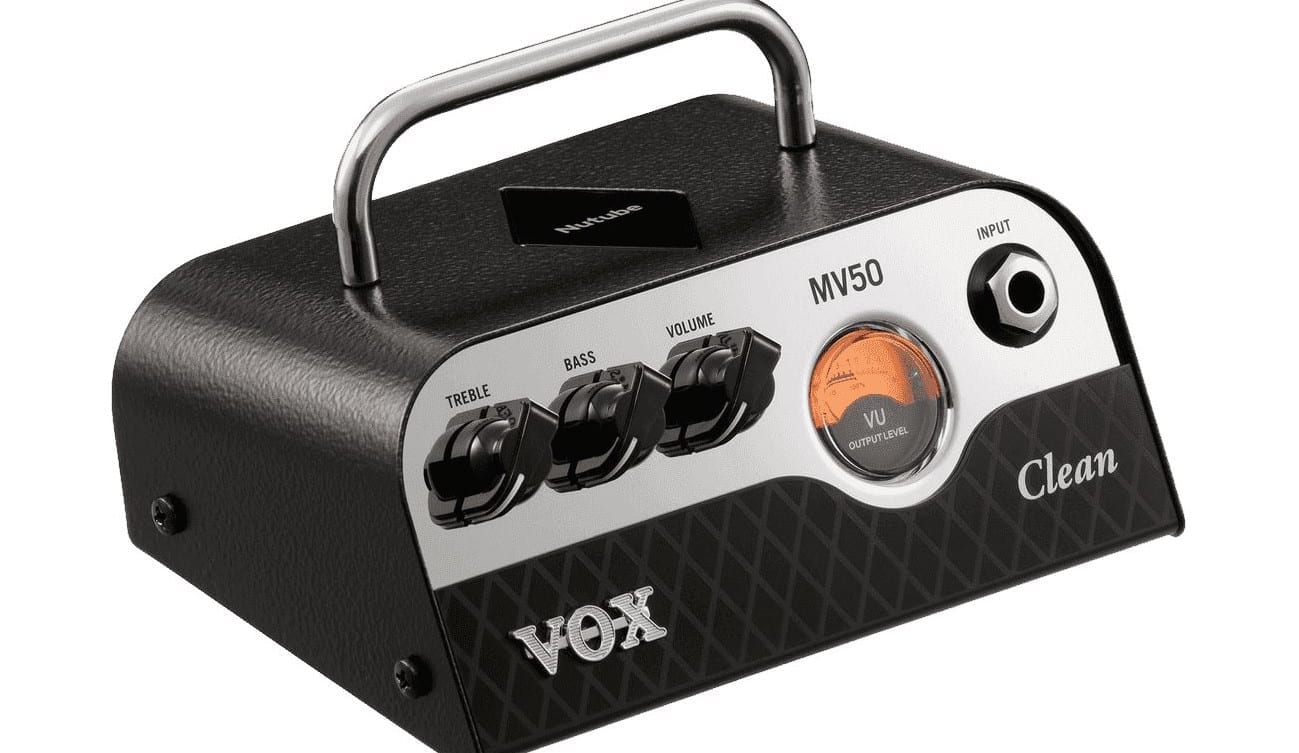
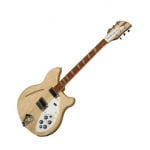 Rickenbackers are a huge component of Against Me!’s distinctive rootsy sound, and while they may be challenging in the studio, on stage (where she typically runs them through a Vox HT30) is another story. “Live, I specifically switch between a [Rickenbacker] 360 and a newer 370. They’ve been my staple touring guitars for years, and I still record with some of them too.”
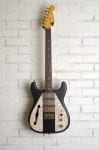 lightweight guitar.”