In February 2019, we published “50 Historic Black Women Guitarists and Bassists You Needs to Know” to showcase the influences that Black and Afro-identifying women musicians have had on music history. Since then, we’ve been consistently updating this list because we should constantly be celebrating the innovation, resilience, and talent of Black music communities.
For this particular list, we choose to focus on Black women guitarists and bassists whose careers started prior to 1999 to specifically showcase the legends—many of whom have unfortunately been overlooked, dismissed, or forgotten—who should be recognized as pillars of music history.
This list is not to be brushed off as just another list. Rather, it should be treated as a step taken towards exposing the truth. It’s for all of us who can’t count the names of Black women guitarists on one hand. It’s for the young Black girls aspiring to be musicians but seldom see a history that represents them. It’s to learn about our past and evolve into our future—and without Black history, we cannot accurately do so.
Below are 100 women—some of which you’ve heard about countless times, such as Sister Rosetta Tharpe, Elizabeth Cotten, and Barbara Lynn. Others were found in liner notes, vintage photos without names, and obscure websites deep within the internet. With your help, we hope this list can continue to grow. If you have names, videos, or pictures, please leave them in the comments below. And if you feel so inclined, please share this article and help distribute the names and lives of these incredible women.
Sister Rosetta Tharpe (1915 – 1973) is often referred to as the “original soul sister” and “the mother of rock and roll” for too many good reasons to display at once. Among others, Tharpe was among the very first recording guitarists to incorporate heavy distortion on her tracks. Not only did Tharpe influence many recognizable names such as Elvis Presley, Chuck Berry, Johnny Cash, Bob Dylan and Eric Clapton, but her unique style and ability to merge genres gave her an instrumental role in pushing music forward. In 1945, Tharpe’s single, “Strange Things Happening Every Day,” was the first gospel song to cross into popular music, reaching #2 on the Billboard charts.
Even before Sister Rosetta Tharpe, it was guitarist/bassist/vocalist Memphis Minnie (1897 – 1973), born Lizzie Douglas, who picked up the torch to keep African American popular music raw and relevant between the 1920s and 1950s. Although more recognized for her impeccable voice, Memphis Minnie’s music helped shape the sound of modern pop music. Below are her best known tracks influenced by her original songs:
Memphis Minnie: 1929 “When the Levee Breaks”
Made famous by: Led Zeppelin
Memphis Minnie: 1930 “Bumble Bee” Made famous by: Muddy Waters
Memphis Minnie: “What’s the Matter with the Mill”
Made famous by: Bob Wills and the Texas Playboys
In 2016, She Shreds had the honor of speaking with blues guitar picking queen Beverly “Guitar” Watkins (1939 – 2019), who began her career as the guitarist for Piano Red in 1959. Despite a long and self-described extremely difficult musical path, Watkins desired nothing more than to continue playing, writing, and performing.
She Shreds: Who introduced you to the blues?
Beverly Watkins: Well, it was born in me, from my ancestors. I had a granddaddy who was a banjo player. And then I had four aunties, called the Hayes Sisters—Aunt B., Aunt Ruth, Aunt Nell, and Aunt Margaret. They had a group back in them days and they would go to different churches down in Commerce and they would dress alike. Aunt B. played guitar, Aunt Ruth and Aunt Nell sang, and Aunt Margaret played piano. And my daddy, Lonnie Watkins, played the harmonica.
Peggy Jones (1940 – 2015), later known as Lady Bo, was an innovative and expressive guitarist. She was an original part of Bo Diddley’s sound from 1957 to 1962 and influential in her own songwriting and musical endeavors thereafter. Jones always displayed an enthusiastic willingness to experiment with guitars, effects, and sounds. Her enthusiasm for new guitar technologies helped balance out Diddley’s reliance on the cigar box guitar that made him famous, and allowed the band to evolve sonically over the course of time. Though she typically favored Gibson guitars, Lady Bo also played more experimental instruments such as the Roland guitar synthesizer and used their unique sounds in ways not often heard in rhythm and blues guitar.
Jessie Mae Hemphill (1923 – 2016) was truly a great example of the “one woman band,” often performing live with a guitar and tambourine at once. Although guitar was Hemphill’s instrument of choice since age 7, she was also a skilled drummer and percussionist. Hemphill, whose mother, father, and three sisters were all musicians, would go on to be internationally recognized for her unique talent and technique.
Born in Manhattan, Carline Ray (1925 – 2013) was an award-winning guitarist/bassist/pianist/singer who studied at Juilliard and earned her Master’s in composition. In 1946, Ray joined The International Sweethearts of Rhythm, the “all girl jazz band” known best for being the first and arguably most important all-women contribution to the big band era. Her seven decade career spanned a variety of genres, often switching from various instruments. According to her daughter, Catherine Russell, Ray “always made a point of saying she wasn’t a female musician, she was a musician who happened to be female.” We couldn’t stand by her statement more.
Odetta Holmes aka “Odetta” (1930 – 2008) is often referred to as “The Voice of the Civil Rights Movement” for her immense capability to reflect the passion and emotion of her community through works of jazz, folk, blues and beyond. As a result, she influenced some of the greatest names of the folk revival movement: Bob Dylan, Joan Baez and Janis Joplin all site Odetta as a major influence on their decision to sing and write they way they did. According to Time magazine, Rosa Parks was her #1 fan, and Martin Luther King Jr. called her “the queen of American folk music.” Bob Dylan was quoted saying, “The first thing that turned me on to folk singing was Odetta… I went out and traded my electric guitar and amplifier for an acoustical guitar.” Baez mentions that “Odetta was a goddess. Her passion moved me. I learned everything she sang.”
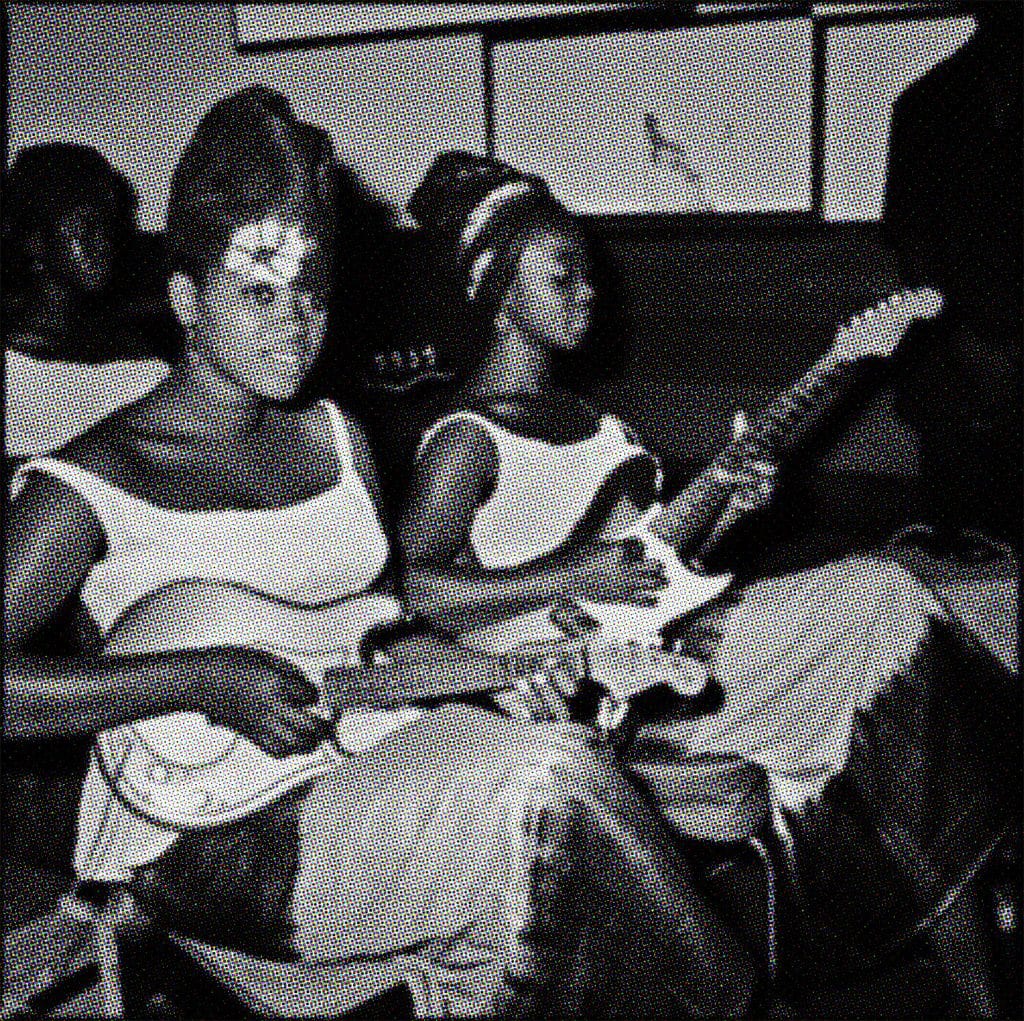
An image of these unknown women was taken by Roger da Silva for a series of photos taken between 1953 – 1969 meant to present a historical portrait of Senegal. As far as we know, the names and whereabouts of these women are unknown. The exhibit was featured and presented by XARITUFOTO—a nonprofit in Dakar with a mission to preserve African art as well as The Intensive Art Magazine (IAM)—”one of the first publications that focused exclusively on female African art, fashion, and design.”
Sylvia Vanderpool aka Sylvia Robinson is considered “The Mother of Hip-Hop” for being a record producer, record label executive, and founder/CEO of Sugar Hill Records—the label that produced hip hop’s very first top 40 single, “Rappers Delight,” by Sugarhill Gang. However, before becoming the mother of hip hop, Robinson obtained her production, writing, and managing skills as the guitarist and co-writer in Mickey and Sylvia, the duo who sold over 1 million records for their single “Love Is Strange” in 1957. But it doesn’t end there. In 1972, after being rejected by numerous outlets, Robinson recorded her debut solo album on her own, “Pillow Talk,” which became #1 on the R&B chart and crossing over to #3 on Billboard’s Top Hot 100.
Check out our 2019 article, “Sylvia Robinson’s Legacy as ‘The Mother of Hip Hop‘” for more information about the influence of Sylvia Robinson.
Born Etta Lucille Reid (1913 – 2016), Etta Baker was a playing legend of the Piedmont blues for 90 years. Picking up her first guitar at the age of three, Baker’s father Boone Reid taught her how to play a six-string guitar, 12-string guitar, and five-string banjo. Her discography spans from 1956 – 2015, and even while birthing and raising nine kids, Baker was known to never once give up playing the Piedmont Blues.
Algia Mae Hinton (1929 – 2018) was born in Johnston County, North Carolina and learned to play the guitar at nine years old. She was taught by her mother, who was an expert guitarist and singer, often seen performing at community gatherings. Her father was a dancer and taught her buck dancing and two step. Hinton was best recognized for her ability to merge buck dancing and Piedmont fingerpicking, often playing behind her head (as shown above) as she danced—a true pro. (Video Credit: Dust To Digital)
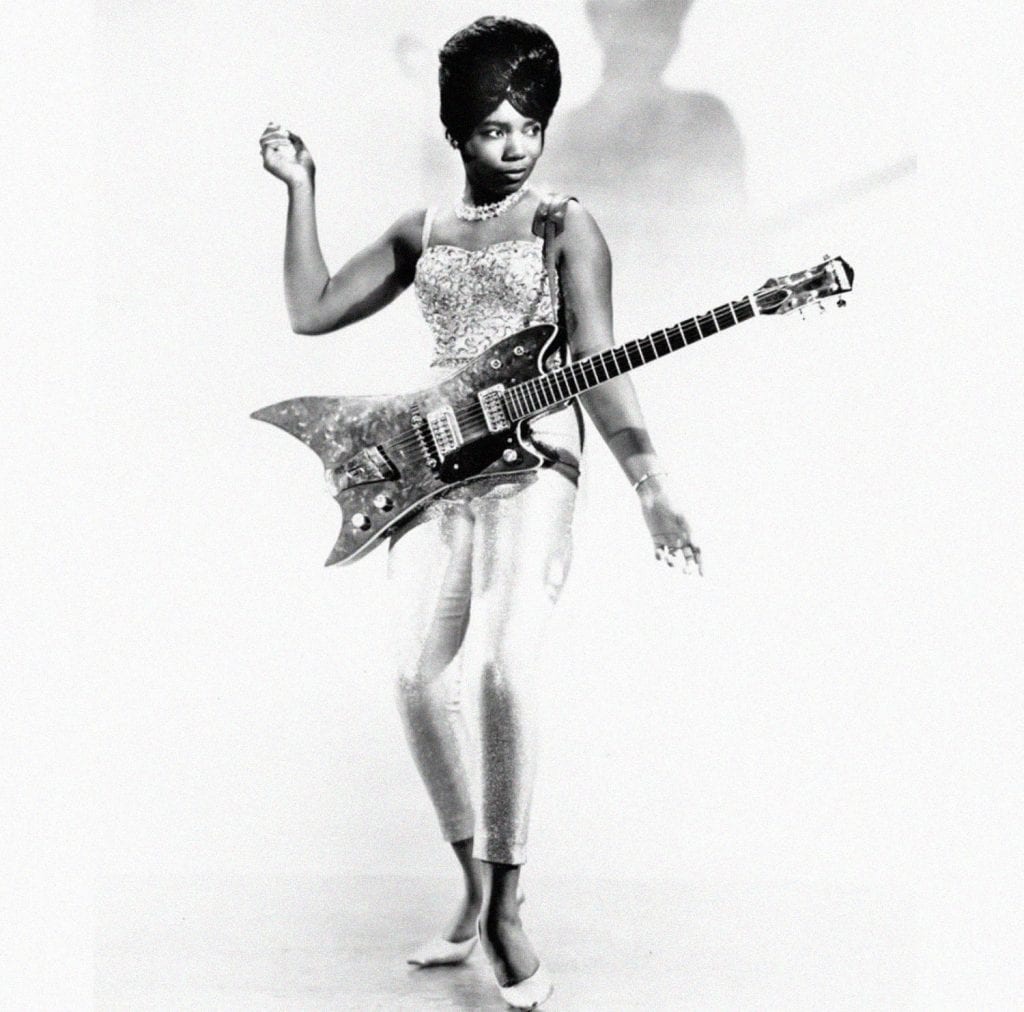
Norma Jean Wofford aka The Duchess (1938 – 2005) was the second guitarist in Bo Diddley’s band between 1962 and 1966. With her Gretsch Jupiter Thunderbird, she performed back up vocals, danced, and played rhythm guitar alongside Bo Diddley until calling it quits in 1966 to pursue raising a family.
Elizabeth Cotten (1893 – 1987) is the true definition of innovation. Born in in Chapel Hill, North Carolina, Cotten began teaching herself to play banjo at the age of eight. As a teenager and domestic worker, Cotten saved up $3.75 for a Sears guitar and began teaching herself to play left-handed. What resulted was her very own signature technique: she would take the right-handed guitar and turn it upside down, playing the bass lines with her fingers and the melody with her thumb—a technique known now as “Cotten Picking.” Her most recognized song is “Freight Train.”
While there’s not very much information on Linda Martell (born Thelma Bynem in 1941), she was an American Country singer and guitarist. She became the first African American woman to perform at the Grand Ole Opry, but soon thereafter abandoned her career to raise a family.
Little information floats around the internet about Cora Fluker. Born in Livingston, Alabama around 1920, she grew up sharecropping with her family and was nearly beaten to death after trying to run away at the age of nine. It seems that shortly thereafter, Fluker’s life took a shift into a deep dedication to preaching. As a young girl, she built her own guitar and began writing and singing songs in the church. Fluker performed in churches and at the occasional festival until her death. You can now hear some of her songs on Spotify.
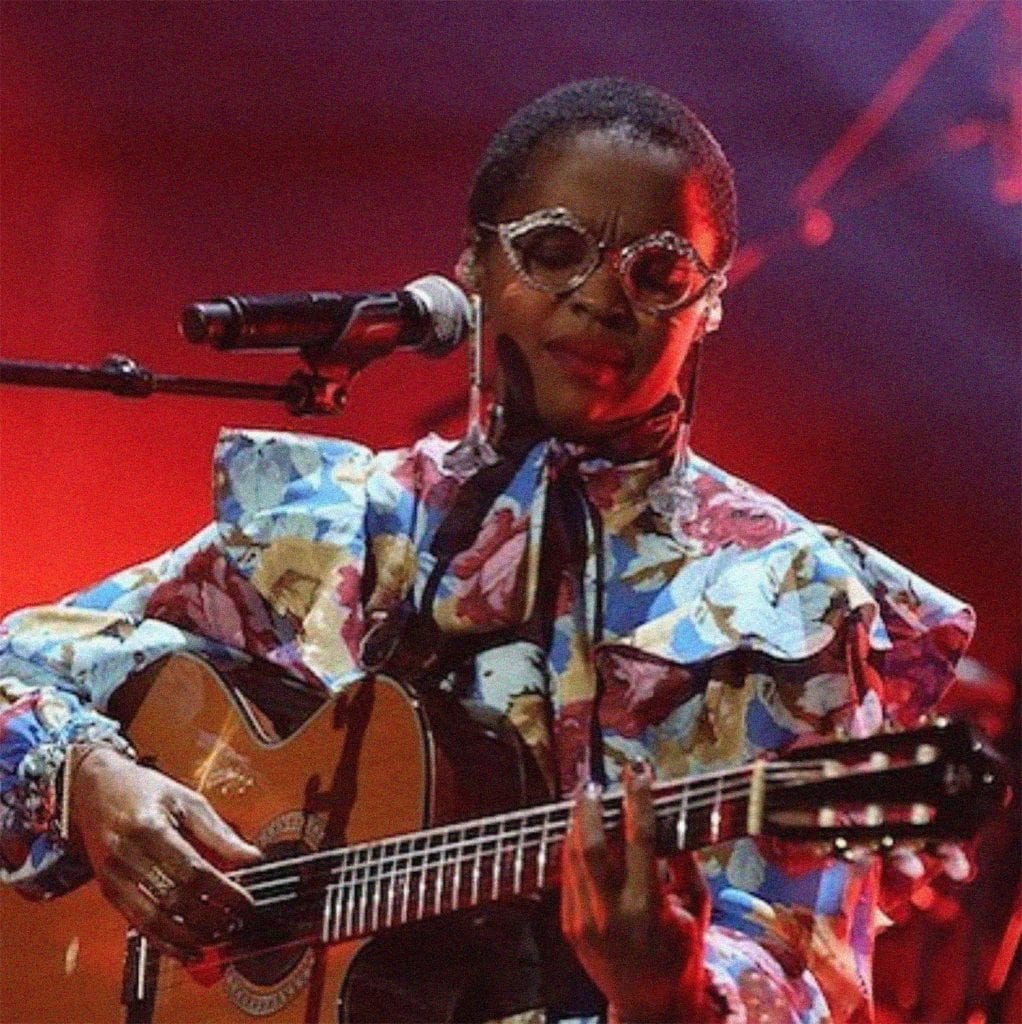
You might know Lauryn Hill from the Fugees and her award-winning solo album, The Miseducation of Lauryn Hill—but do you know what Lauryn Hill does live? She composes, she conducts her band, she sings and raps, and she plays an extremely fierce nylon guitar all at the same time.
“Born 25 September 1910, Como, Mississippi, USA, d. 22 October 1968, Senatobia, Mississippi, USA. The daughter of Sid Hemphill, Rosa Lee Hill grew up in a musical family, playing a broad repertoire for both whites and blacks. Her recordings are confined to blues, which she sang ‘from my mouth, and not from the heart’, feeling them to be incompatible with her religious faith. Her blues are typical of Panola County, where she spent her whole life: accompanied by a droning guitar, her songs have an inward-looking, brooding feel, comparable to those of Mississippi Fred McDowell. Hill and her husband were sharecroppers and lived in dire poverty, particularly towards the end of their lives, when their house burned down and they had to move into a tumbledown shack.” (Caption Cred: allmusic.com)
Joan Armatrading was born in Basseterre, Saint Kitts Britain on December 9th, 1950. Her recording career spans 40 years and she began as a self taught guitarist at the age of 14. At 15, after dropping out of school to support her family, she lost her first job after taking her guitar to work and playing it during tea breaks. She would later become a world-renowned singer songwriter/guitarist nominated for three Grammy Awards, 2 Brit Awards, and receive an Ivor Novello Award for Outstanding Contemporary Song Collection.
For more information, check out our 2020 feature, “The Righteousness of Joan Armatrading.”
Born Barbara Lynn Ozen in Beaumont, Texas on January 16, 1942, Lynn is known as the “Lefty Queen of R&B” for being a lefty guitarist and expert R&B composer. She first began playing the piano as a youngster before switching to guitar. Still a teenager, Lynn began performing at local clubs after winning many high school talent shows, and soon was recognized by singer Joe Barry. Shortly after, Lynn headed to New Orleans to cut her first 12-song LP, comprised of 10 original songs (unusual for an African American woman at the time), including the most well known of them all, “You’ll Lose A Good Thing.” She toured with the likes of Stevie Wonder, Smokey Robinson, Sam Cooke, James Brown, Al Green, Carla Marvin Gaye, the Temptations, and B.B. King, and was covered by the Rolling Stones and Ottis Redding. In the 1970s, Lynn retired to take care of her family after not being satisfied with how she was represented by her label, Atlantic Records. Twenty years later, she began writing and touring, and continues to do so to this day.
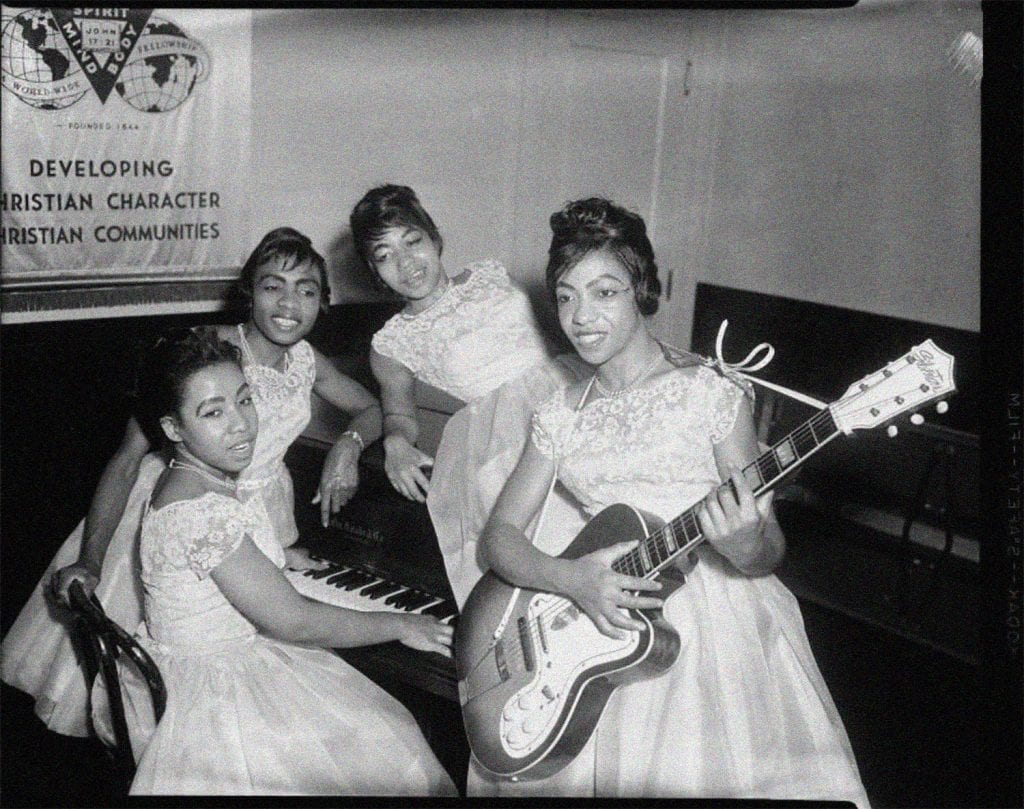
One of the many images that speak to the prominence of Black women instrumentalists unsung. PS: That Silvertone guitar though.
Gail Anne Dorsey is a longtime musician best known for her work as the bassist for David Bowie between 1995 until his death in 2016, as well as her songwriting, bass, and touring work with Tears for Fears from 1993 to 1996. Dorsey’s career is long and packed, but it all started with a guitar at the age of nine. Although she picked up the bass at 14, she didn’t consider herself a bassist until the age of 20, which then became her main instrument as a solo and session player. Among many other accomplishments, Dorsey has recorded, performed, and written with the likes of Lenny Kravitz, Bryan Ferry, Boy George, the Indigo Girls, Gwen Stefani, Charlie Watts, Seal, Gang of Four, and many more.
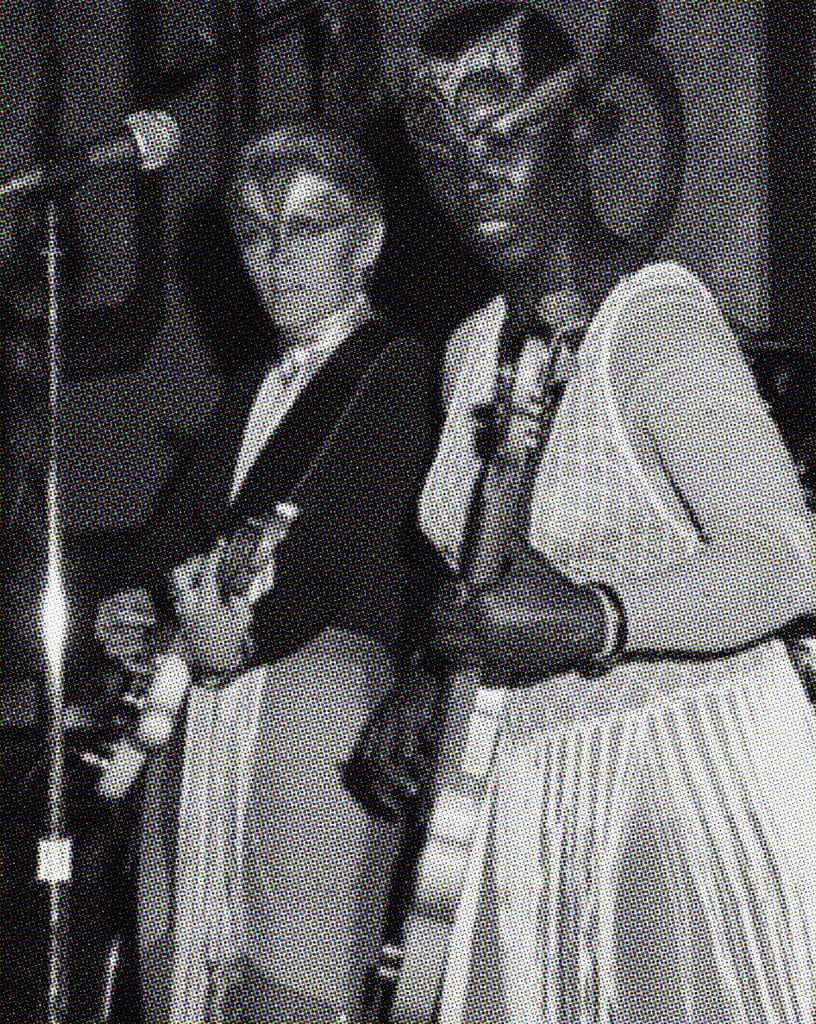
Stella Bass was a member of the horn rock band IsIs, named after the Egyptian Goddess. (Horn rock was a genre that developed in the late 1960s fusing jazz, improve, funk, rock and blues.) IsIs was the fifth all-women band to sign to a major label, and one of the few (if not only) signed to a major label at the time with an openly gay woman. It’s tough to find info on Stella herself and the career she led before and after the band; however, IsIs was a legendary band for their time—opening for the likes of Kiss, Lynyrd Skynyrd, and The Beach Boys.
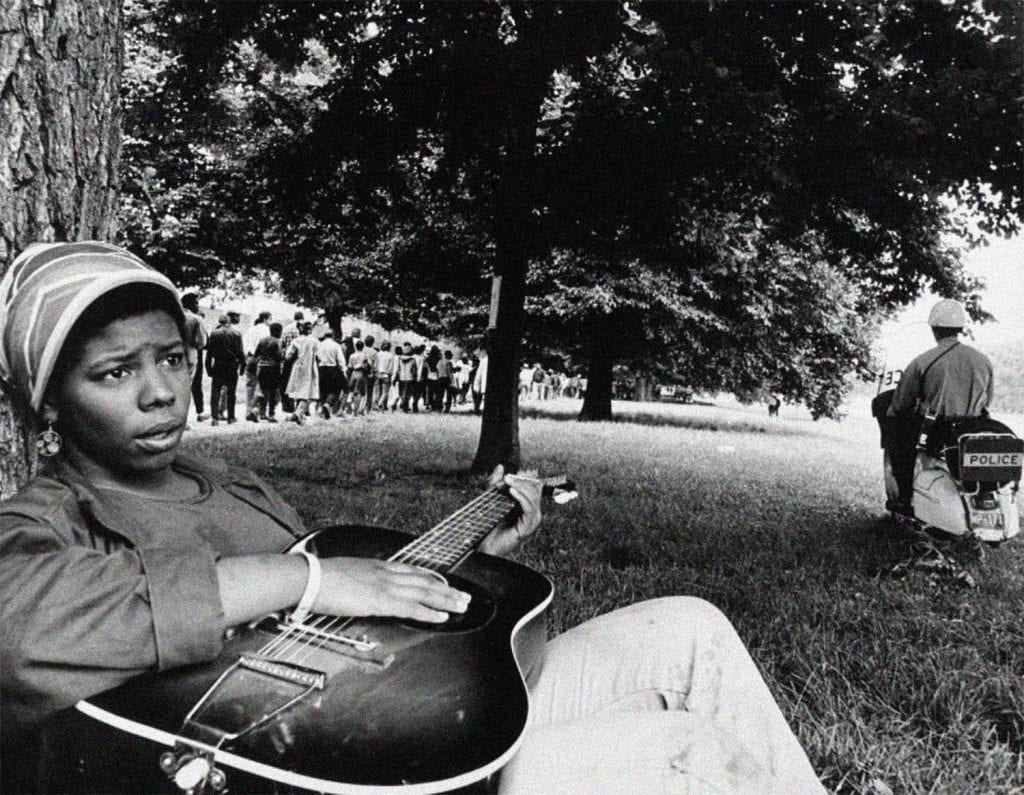
Taken during the Civil Rights Movement .
Born in Louisa County, Virginia (1908 – 1990), Flora Molton was a gospel singing slide guitarist who made a name for herself busking on the corner of 7th Street NW and F Street NW streets in Washington, DC. Due to being born partially blind, she was often unable to find employment and therefore continued busking, performing at local venues and even toured Europe until just a few months before her death at 82 years old. Morton wrote what she called “spiritual and truth music,” and according to a plaque dedicated to her in Louisa County, she picked up the slide guitar by seeing it played with a knife at a community party—a technique she adopted herself later on.
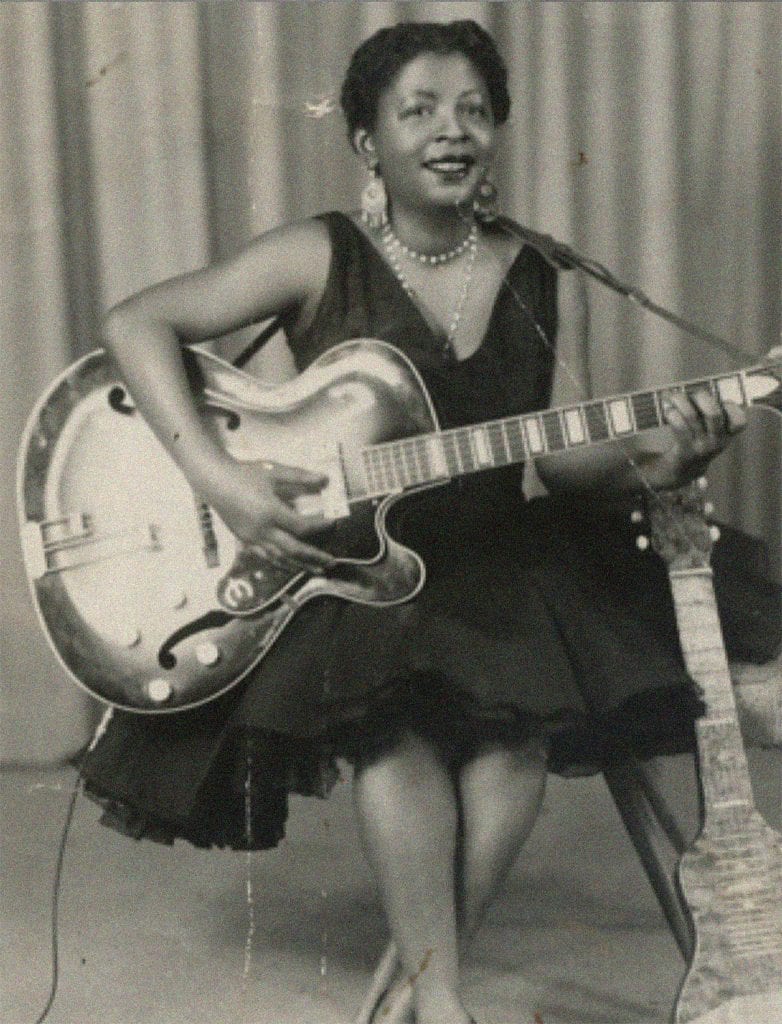
Willa Mae Buckner (1922 – 2000) is truly one of the most fascinating stories we’ve encountered yet. Born in Augusta, Georgia, Buckner was a fearless woman who taught herself piano at age 21 and picked up the guitar at 35. She was known for many different lives: she knew seven languages, traveled with her own circus/snake show, was a guitar slinging burlesque dancer, and “settled down” by owning 28 snakes at the end of her life. From an interview in Living Blues Magazine, April 1993: “I sang just regular kind of blues that they were singing out there. I used to do risqué, dirty songs. I started playing piano when I was 21, then I switched over to guitar when I was about 35. There was three of us. We used to get together with our instruments. One of us played Hawaiian guitar, the other one played straight.”
“Precious Bryant was born on January 4, 1942, in Talbot County, the third of nine children, and was a country blues singer and finger style guitarist of the Piedmont Tradition. As a young girl she sang with her sisters in their Baptist church. Her family was musical, and she learned to play guitar at a very early age, becoming proficient by age nine. Her father then taught her to play bottleneck guitar, and eventually her uncle and mentor, blues musician George Henry Bussey, presented her with an instrument of her own, a Silvertone from Sears and Roebuck. Bryant dropped out of high school in the eleventh grade and in 1965 got married. She soon began performing whenever possible, accepting tips in her guitar. Bryant’s repertoire evolved from traditional songs to include original arrangements and compositions.” (Caption Credit: Terminus Records)
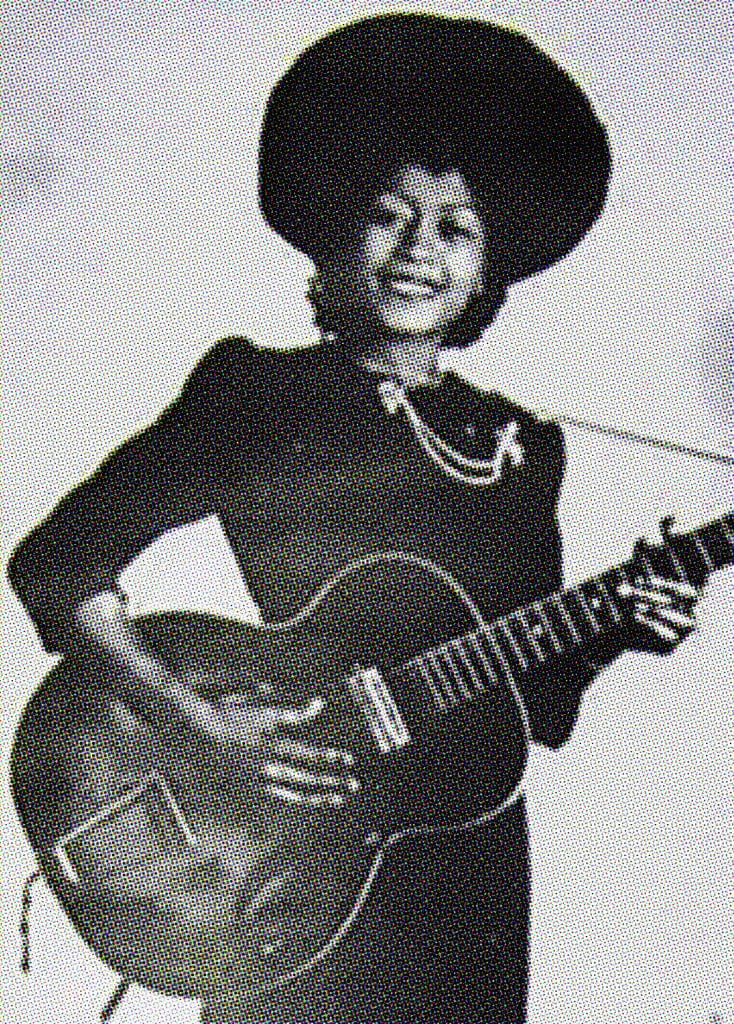
Marylin Scott/Mary Deloach had two stage names: the former for her gospel church recordings, and the latter for her R&B arrangements—the two genres generally steering clear for one another in the 1950s. Although composing under similar genres and gaining similar notoriety as Sister Rosetta Tharpe at the time, little is known about Marylin Scott besides having a recording career between 1943 – 1953, in which she recorded guitars and vocals in blues and gospel style.
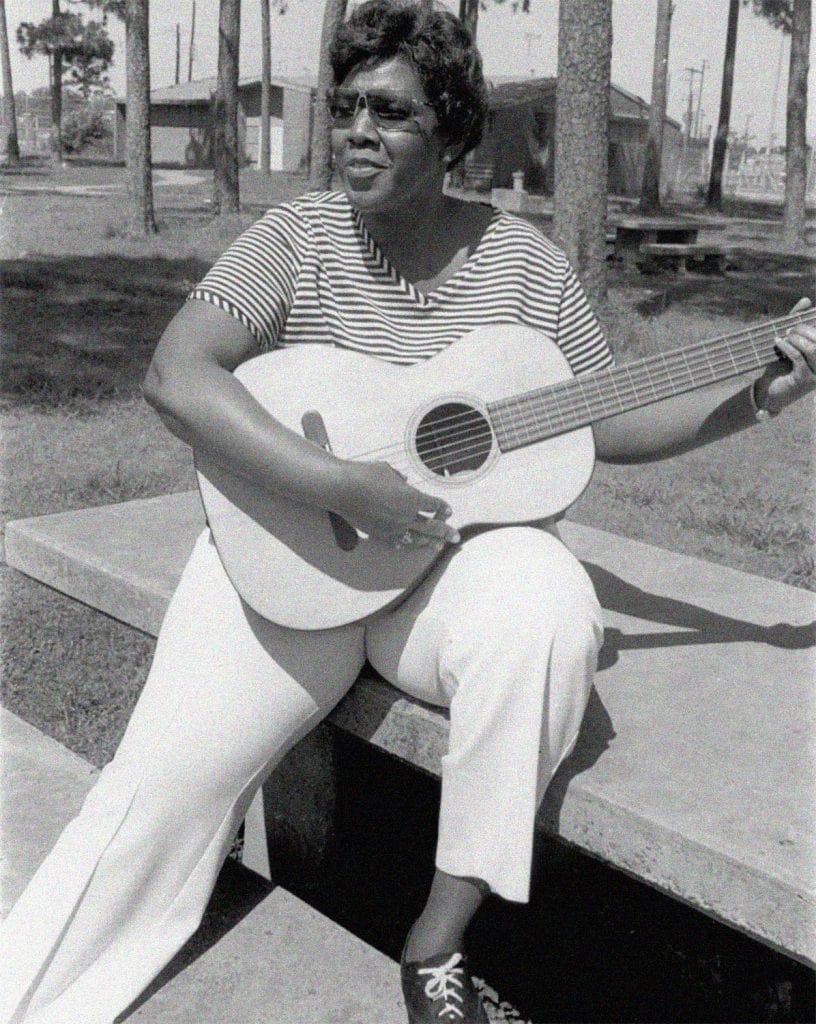
Born in Houston, Texas Barbara Jordan (1936 – 1996) was an incredible leader of the Civil Rights Movement, a politician, and an educator who enjoyed playing guitar as a hobby. Despite facing segregation laws and attitudes in all facets of her career, Jordan maintained the first in many categories, including being the first Black politician elected to the Texas Senate since 1883, and the first Black Southern woman elected to the US House of Representatives—the first woman in her own right to represent Texas in the House.
Sister O.M. Terrell, born Ola Mae Terrell (1911 – 2006), was an Atlanta native who experienced a salvation experience at age 11 while attending a Holiness Movement tent revival. By the Great Depression, she had become a blues-minded street musician who used her talents to evangelize passers-by, singing original compositions such as “God’s Little Birds.”
Tracy Chapman is one of the most recognizable voices of contemporary folk pop, with hits so memorable that her lyrics remain in the lexicon of anyone who lived through the late 1980s and 1990s. At a time when hair metal and synth-pop dominated the airwaves, Chapman brought the minimalist traditions of the singer-songwriter to the Bush era, offering an unfiltered and sobering social critique that resonated around the world. Chapman is often credited with having revived the singer-songwriter style in mainstream music all together, paving the way for a long string of folk singers who gained mainstream success throughout the 1990s.
Signed to Elektra Records in 1987, her self-titled debut album in 1988 sold over 20 million records worldwide. A long time anti-apartheid activist, she was invited to perform her hit “Fast Car” at Nelson Mandela’s 70th birthday tribute, which raised money for children’s’ causes and for South Africa’s Anti-Apartheid Movement. In addition to multi-platinum record sales, Grammy Awards, and her history of social activism, Chapman’s mainstream visibility as a queer woman of color in the 1980s and 1990s can not be overlooked as a significant legacy. From all of us to Tracy—THANK YOU!!
Bea Booze (1912 – 1986), often referred to as “Wee Bea Booze,” was an R&B and jazz singer popular in the 1940s for her interpretation of Ma Rainey’s song “See See Rider Blues,” which went to number one in 1943 on the US Billboard R&B Chart. Immersed in the rich musical culture of Harlem, she channeled the influences of singers such as Lil Green while recording for Decca Records. “See See Rider Blues” has continued to take on a life of its own, becoming a staple of blues performers such as Ella Fitzgerald, LaVern Baker, and Lead Belly, eventually picked up by many white performers such as Peggy Lee, Elvis, Janis Joplin, Bruce Springsteen, and the Grateful Dead.
Both a young legend and an active contemporary artist, Meshell Ndegeocello’s debut album, Plantation Lullabies, was released in 1993 and is credited with helping ignite the neo-soul movement of the 1990s. A bassist, songwriter, and rapper, her career has featured collaborations and recordings with Chaka Khan, Herbie Hancock, Madonna, John Mellencamp, The Rolling Stones, Basement Jaxx, Alanis Morrissette, Zap Mama, and Ibeyi, to name a few. Part of Ndegeocello’s legacy is her reverence to other former legends, having recorded a full album in tribute to Nina Simone in 2012, as well as having created a theatrical production in homage to James Baldwin’s book, The Fire Next Time. The musical, Can I Get a Witness? The Gospel of James Baldwin, debuted in 2016 and featured fellow guitarist and #43 on this list, Toshi Reagon.
Felicia Collins is best known as the lead guitarist for the house band on Late Night With David Letterman, known as the CBS Orchestra. Also a vocalist and percussionist, she has toured and recorded since the 1980s with artists such as Nile Rodgers, Al Jarreau, Cyndi Lauper, Madonna, Vonda Shepard, George Clinton, P-Funk, and the Thompson Twins. In 2018, Collins performed at the Rock and Roll Hall of Fame induction of Sister Rosetta Tharpe, appearing onstage with Brittany Howard, Questlove, and Paul Shaffer. Previously, she had provided guitar for Marie and Rosetta, a theatrical production about the lives of Sister Rosetta Tharpe and gospel singer Marie Knight.
Deborah Coleman (1956 – 2018) was a lead blues guitarist and singer-songwriter born in Virginia. Raised in a musical family, she picked up the guitar at age eight and went on to play in various rock and R&B bands when she was 15. In 1993, Coleman took first place at the Charleston Blues Festival’s National Amateur Talent Search. As a result, she was able to record her debut album, Talkin’ A Stand, which was released in 1994 with New Moon Records in North Carolina.
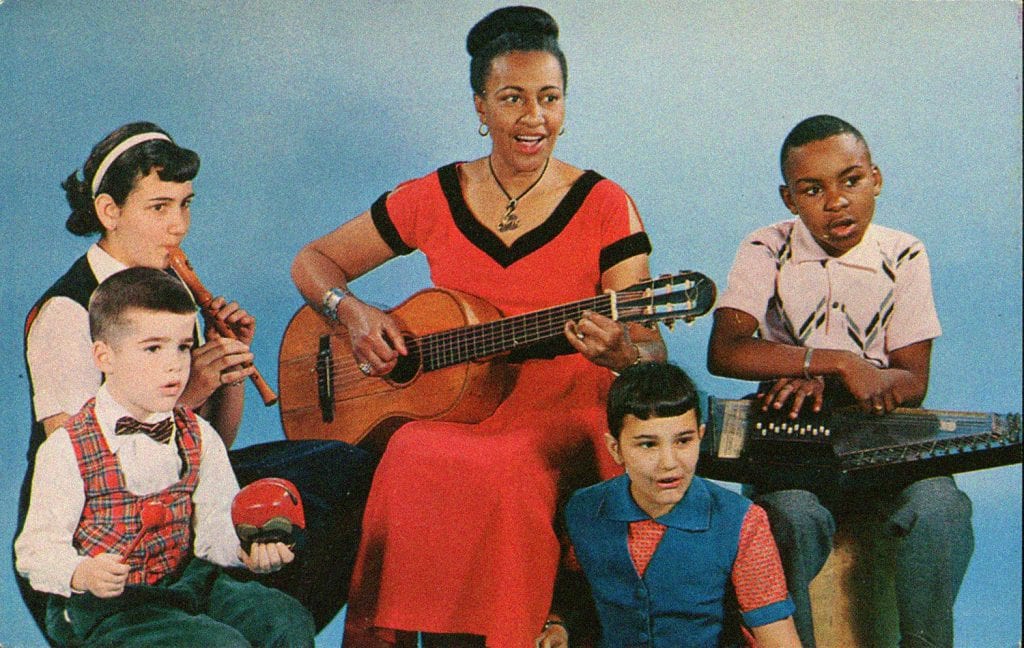
Charity Alberta Bailey (1904 – 1978) was a singer, educator, TV host, and pioneer in the field of children’s music. She wrote songbooks arranged on guitar and piano, and developed curriculums that used classical music and folk music from around the world to teach music to children. Bailey studied at Julliard and Dalcroze before becoming Director of Music at the Little Red School House in New York City.
The Thornton Sisters appeared on the Ted Mack Amateur Hour twice during the 1950s. Their dad enrolled the sisters into music lessons and soon after, they became regular performers on college campuses, often performing as the the backup instrumental group for R&B concerts. These performances were also a way for the family to save for medical school tuition for their daughters. The Thornton Sisters sound transitioned from jazz to R&B as the times changed.
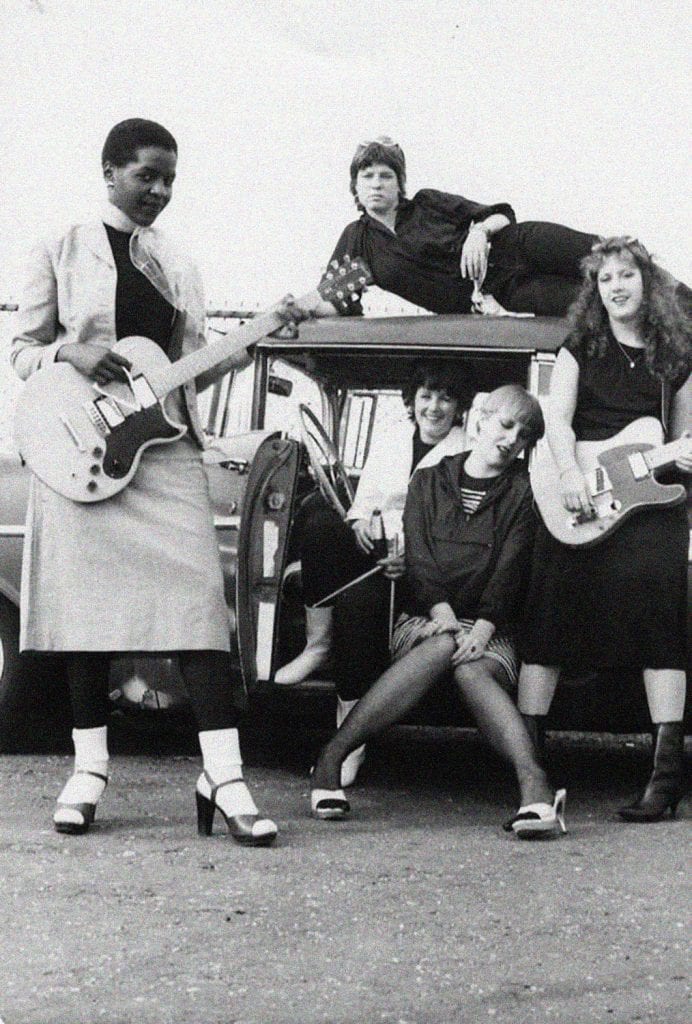
Joyce Rooks played guitar and vocals in rock band The Dinettes from 1979 – 1980. Right before, in 1978, she had been in the band The Cockpits (seen above), which eventually morphed into The Dinettes and had a few member changes.
Serifatu Oladunni Oduguwa, also known by her stagenames Queen Oladunni Decency and Mummy Juju, was one of the most popular musicians of the Yoruba jùjú genre (Nigerian popular music from traditional Yoruba percussion). Queen Oladunni Decency fronted the Unity Orchestra as a singer and guitarist.
Formed in 1979 in LA by producer/drummer Bernadette Cooper, Klymaxx was a R&B/Pop band whose members included Cheryl Cooley (guitar), Lynn Malsby (keyboard), Lorena Porter Shelby (vocals/bass), Joyce “Fenderella” Irby (vocals/bass), and Robbin Grider (guitar/synthesizers) in Klymaxx Their 1984 album, Meeting In the Ladies Room, went platinum in the United States.
Sarah McLawler (1926 – 2017) formed an all-women instrumental group, Sarah McLawler & The Syncoettes, in Chicago in the 1940s right before the rock ‘n’ roll era took off. The Syncoettes were a four piece, with McLawler (piano), Lula Roberts (saxophone), Hetty Roberts (drums), and Vi Wilson (bass). They became the house band for Chicago’s Club Savoy for a short time and released a handful of records during the 1950s.
The International Sweethearts of Rhythm was one of the first racially integrated all-women swing bands that gained popularity during the WWII era. The group toured extensively throughout the states and abroad with the USO, performing on the Armed Forces radio and playing top venues across the country. The Jim Crow laws, racism, and sexism made traveling dangerous and difficult for the band to be taken seriously as musicians. Carline Ray was a guitarist in the group and can be seen in the above video.
Janice-Marie Johnson was a founding member and the bassist/vocalist of the recording act A Taste of Honey, formed in 1971. The group’s main genre was disco with a few songs that were chart toppers in both R&B and pop, including “Boogie Oogie Oogie.” Johnson picked up the bass while she was in college and played shows with A Taste of Honey all along Southern California and on military bases. The group won a Grammy in 1978 for Best New Artist.
Toshi Reagon has been active as a folk, blues, R&B, country, gospel, rock, and funk musician since 1978. As a queer artist and activist, Reagan was raised by musician parents who were social activists during the civil rights movement and part of The Freedom Singers group. She has performed and shared stages with the likes of Lenny Kravitz, Elvis Costello, and Ani DiFranco. Reagon’s most recent musical endeavor was Parable of the Sower: The Opera, adapted from Octavia E. Butler’s post-apocalyptic novel of the same name.
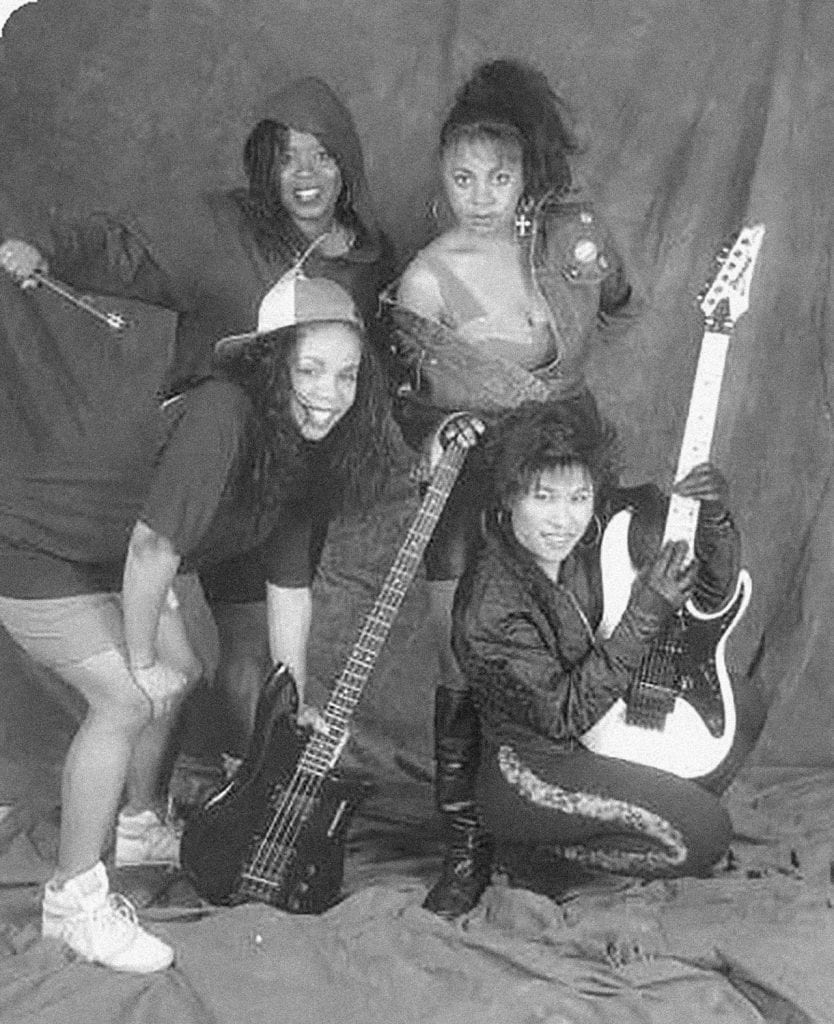
PMS (Pre-Metal Syndrome) was the first all-Black female metal band formed in the early 1990s by guitarist Suzanne Thomas. PMS defied what it means to be a Black woman performing heavy metal music in a scene that is often dominated by heteronormative, white cis males. PMS is featured in Laina Dawes 2012 book, What Are You Doing Here? A Black Woman’s Life and Liberation in Heavy Metal.
Considered the Queen of Ndebele (a language spoken by 1.6 million people in South Africa) music, and a national icon, Nothembi Mkhwebane is widely considered to have brought the Ndebele language to the world stage. A prolific multi-instrumentalist, Mkhwebane composes on guitar and traditional instruments, and her songs often feature uplifting hand claps, intricate guitar riffs, and music shakers.
Recommended listening: Zimani Balibalele (1998)
Hailing from South Africa, Tu Nokwe taught herself to play guitar as a young woman. She eventually landed a spot at the Manhattan School of Music and went on to perform around the world. Nokwe’s work has detectable funk and pop influences, but her adept guitar playing and soprano voice create a style that is uniquely her own.
Recommended listening: “African Child” (1999)
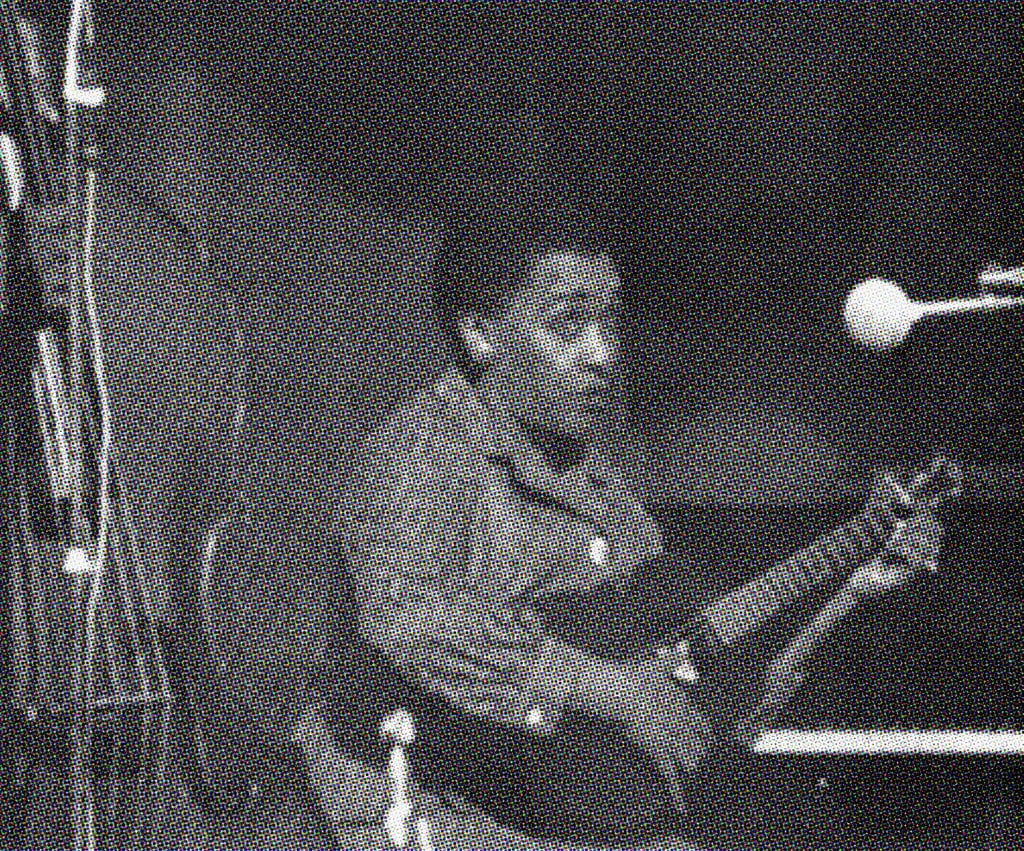
Born in Houston, TX, Victoria Spivey (1906 – 1976) was an American blues singer and songwriter whose career began in the family string band and later got into show business and Vaudeville theater. In 1951, Spivey decided to retire from show business, but just about a decade later, in 1962, she formed her own record company, Spivey Records, upon which she returned to recording and performing music.
Queen Sylvia Embry (1941 – 1992) was born in Arkansas. As a kid, she was trained on piano by her grandmother. By the time she was 19, Embry moved to Memphis, followed by Chicago, to pursue music. In Chicago she fell in love with the bass and started working with Lefty Dizz. She soon became known as one of Chicago’s leading blues bassists. By 1983, Queen Sylvia went out on her own and released her debut solo record, Midnight (Evidence).
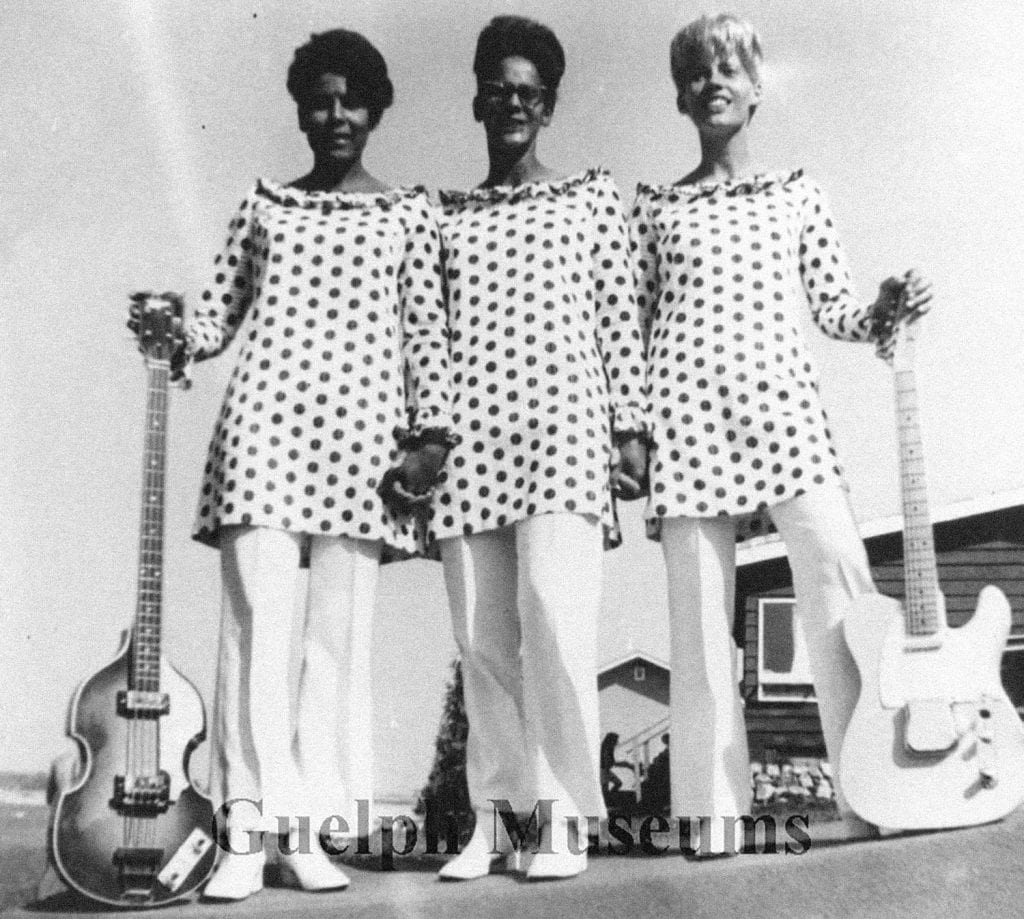
Melba Jewell (1934 – date unknown) and her sibling Pat formed the Fabulous PJs and released one album together while residing in Guelph, Ontario. The Jewell’s were one of many families local to the area that used their musical talents to combat racism and to empower the Black youth of the time.
Las Chicas Del Can was the first all-women merengue group from the Dominican Republic with a rotating cast of Dominican and Afro-Dominican singers and musicians throughout their career. Founded in 1981, they performed a number of hits throughout the 1980s, and a great number of their singles and albums achieved gold and/or platinum status. Las Chicas Del Can toured around the world and Europe, including Venezuela, Ecuador, Colombia, Peru, Puerto Rico, the United States, Holland, and more.
Tracy Wormworth began her career as the bassist for new wave band the Waitresses until their breakup in 1984. She went on to record and tour with the B52s, starting around 1990, and officially became a band member in 2017. Wormworth was once part of the house band on The Rosie O’Donnell Show, and she’s toured with Cyndi Lauper, Sting, Joan Osborne, and more.
Hailing from the South Bronx, ESG was formed by the Scroggins sisters in 1978. The iconic no-wave funk band wrote the most sampled song of all time, “UFO,” which has been referenced by everyone from Grime Mob, to Wu Tang Clan, to indie rockers Liars. Deborah and Renee Scroggins both played bass in different iterations of the band—starting out on vocals, Renee took over bass duties when Deborah left the band in 1987. Renee still performs as ESG, with her daughter Nicole and son Nicholas.
Read our feature with Renee Scroggins, “40 Years of Dancing: In Conversation with Renee Scroggins of ESG.”
“Here name is Rhonda and she is funky.” – Prince
Canadian bassist Rhonda Smith worked with Prince for almost a decade, having been introduced to him by world famous drummer Sheila E, whom Smith met while at a music convention in Germany. She’s also performed with Chaka Khan, Beyonce, Erykah Badu, Patti Labelle, Little Richard, George Clinton, and many more. In 2000, Smith released, Intellipop, marking her first album as a soloist, followed by RS2 in 2006.
Debra Killings has offered her vocals and bass playing to some of the most iconic artists of the 1990s, including TLC, Monica, and OutKast. In 2003, the Atlanta-born bassist released her debut solo album, a gospel LP entitled Surrender. She has also played bass for BET’s “Black Girls Rock” all-star band.
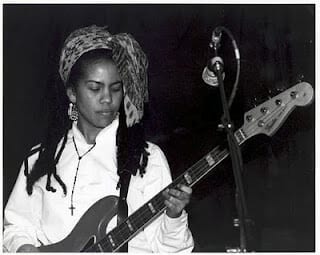
Originally from Newport, RI, Leslie Langston played bass in two of Tanya Donelly’s 1990s alternative rock bands, Throwing Muses and Belly. Langston’s driving bass and incredible tone was an asset in enhancing the shifting tempos of Donelly’s writing, adding an additional layer of spasmodic catchiness.
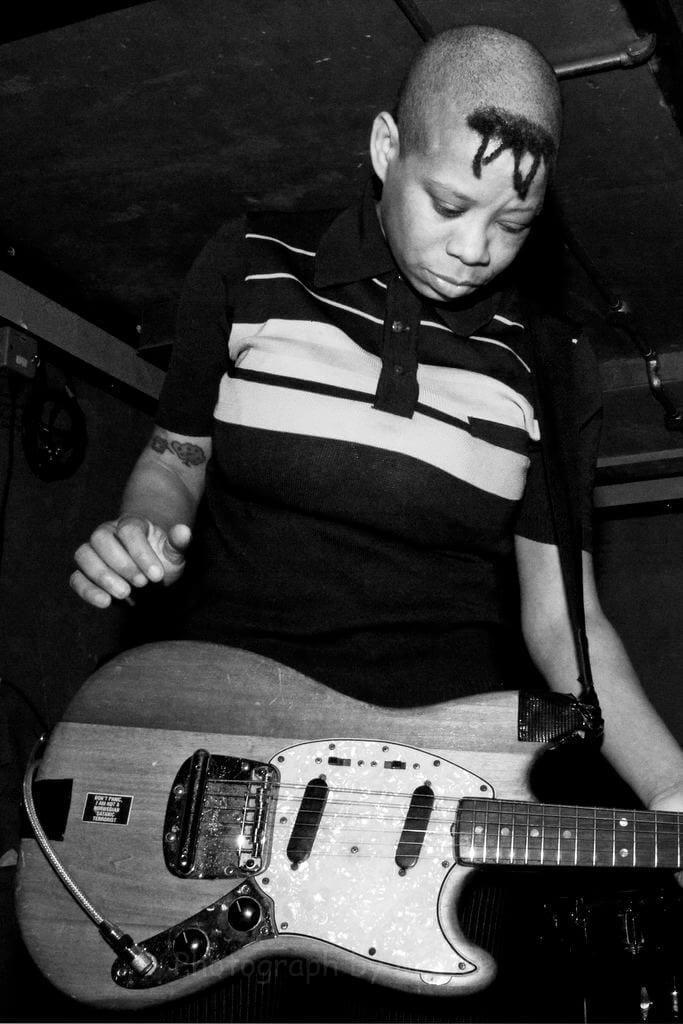
British guitarist and bass player Debbie Smith was in a variety of British rock bands in the 1990s, including Echobelly, Nightnurse, Snowpony, Bows, Ye Nuns, and SPC ECO. Today, she performs as a DJ and plays guitar with the bands Blindness and The London Dirthole Company.
Raised and trained in Philadelphia and New York, bassist Starr Cullars was the only woman musician in George Clinton & Parliament-Funkadelic. She was introduced to George Clinton by Prince, whom she had auditioned for, and toured with P-Funk for many years. She was also featured as a TV celebrity on VH1’s “Rock N Roll Fantasy Camp 2” and was called the “Queen of Rock” by Paul Stanley (of Kiss) and Mark Hudson (producer). Today, Cullars performs with her own groups, including the hard rock band The SCC.
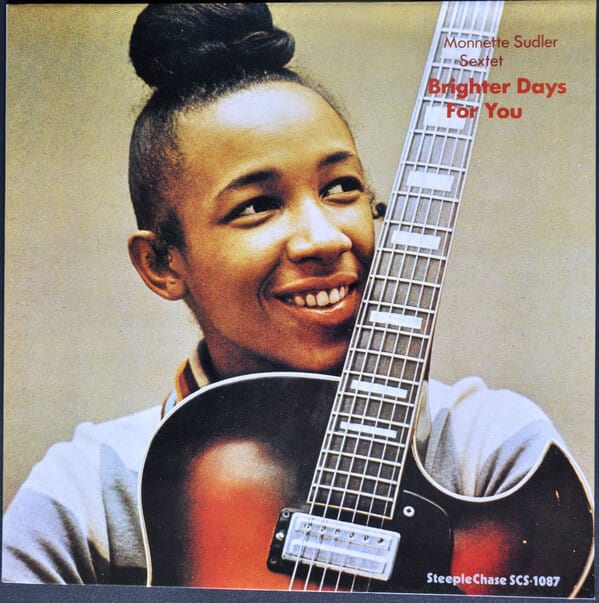
Jazz guitarist Monnette Sudler started playing when she was just 15 years old. Born in 1952 and raised in Philadelphia, she started taking lessons at the Wharton Center, and eventually went on to study at Berklee School of Music in the 1970s and at Temple University in the 1980s. Early in her career, she performed with Sounds of Liberation, a group who used their music to help spark social activism, with a tremendous impact on the African American and jazz community in Philadelphia. From 1977 through 2009, Sudler recorded eight jazz albums and has performed with a variety of musicians.
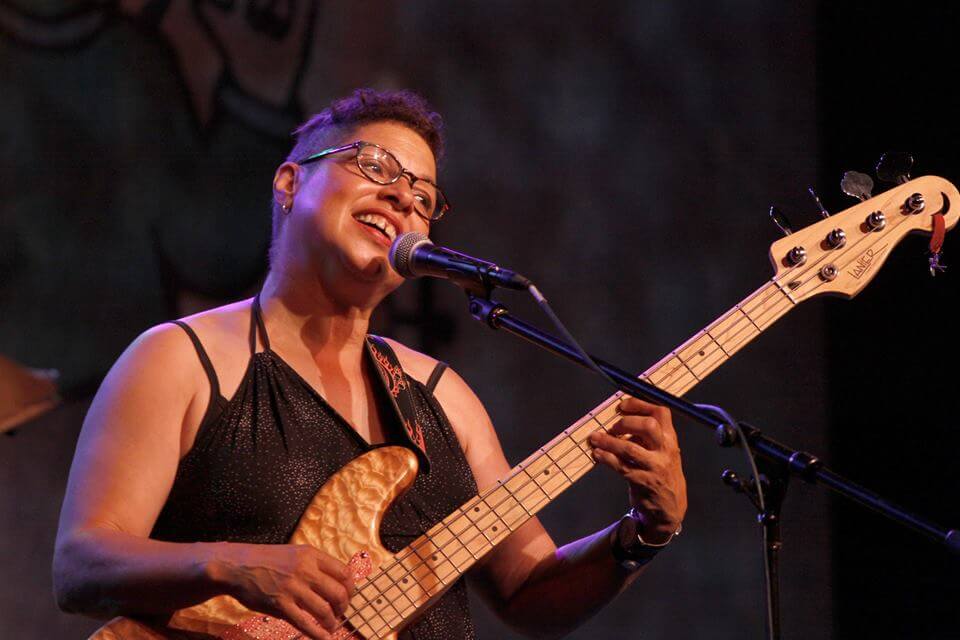
Known for her folk and Afro-Celtic songs, guitarist Laura Love did not find the path to a musical career easy. Born in Lincoln, Nebraska, her mother’s mental health took a devastating toll on her childhood, and her jazz musician father, Preston Love, was not present for much of her youth. Love began performing at 16 years, singing for prisoners at the Nebraska State Penitentiary. She eventually relocated to Seattle, WA, where she was a member of the 1980s rock groups Boom Boom G.I. and Venus Envy. She has released 12 albums since 1990, and in 2004 she published her memoir, You Ain’t Got No Easter Clothes, with an accompanying album of the same name.
R&B singer-songwriter India.Arie has won four Grammy Awards out of 23 nominations to date, including Best R&B Album in 2003 for Voyage to India. Since 2001, she’s released seven studio albums, and has written soulful, political-driven songs such as 2006’s “I Am Not My Hair” and 2016’s “Breathe,” which was inspired by Black Lives Matter and Eric Garner’s last words.
Blues guitarist and vocalist Valerie Turner is an incredible player and resource of Piedmont blues, a style characterized by fingerpicking with an alternating thumb bass string rhythmic pattern that supports a syncopated melody while the treble strings are generally picked with the fore-finger. Musicians such as Elizabeth Cotten, Memphis Minnie, and Etta Baker are known for playing in this style, and Turner and her husband often play as a duo called Piedmont Blūz. She has released two albums, authored and edited the book, Piedmont Style Country Blues Guitar Basics, and was inducted into the New York Blues Hall of Fame (along with her husband and their duo, each separately) in 2018.
New Yorker and jazz bassist Kim Clarke is most notably known for touring with the late Joe Henderson Quartet throughout Europe in 1986. She toured with numerous groups across the world over the years, playing both acoustic and electric bass. Clarke has also worked as an educator, bringing the history of dance and jazz to numerous schools in the New York area, as well as collaborating on a jazz study program (with pianist Bertha Hope through the Jazz Foundation of America) geared to mentor Bronx high school girls.
Fun fact: In 1963, Clarke’s mother brought her to the March on Washington, where she watched Martin Luther King deliver his “I Have A Dream” speech.
Few details about the life of Geeshie Wiley (1908 – 1950) can be confirmed, but the country blues singer and guitarist has left a legacy regardless. Writer John Jeremiah Sullivan published a New York Times feature about Wiley and her recording partner Elvie Thomas, collecting facts about the two women from musicologist and folklorist Mack McCormick. Wiley recorded six known songs during her life, all released on Paramount Records during 1930-1931, and the song “Last Kind Words” has been covered by numerous artists.
As mentioned above, Elvie “L.V.” Thomas (1891-1979) is often noted as Geeshie Wiley’s recording partner, but the Texas blues guitarist also wrote some of those initial songs. In 1930, she recorded two songs issued by Paramount Records, “Motherless Child Blues” and “Over to My House,” on which Wiley played second guitar. The two recorded the duet “Pick Poor Robin Clean” for Paramount in 1931, and Thomas also backed Wiley on guitar for three other tracks from these sessions, including “Last Kind Words,” “Skinny Leg Blues,” and “Eagles on a Half.” In her later years, Thomas sang in Mount Pleasant Baptist Church choir in a suburb outside of Houston.
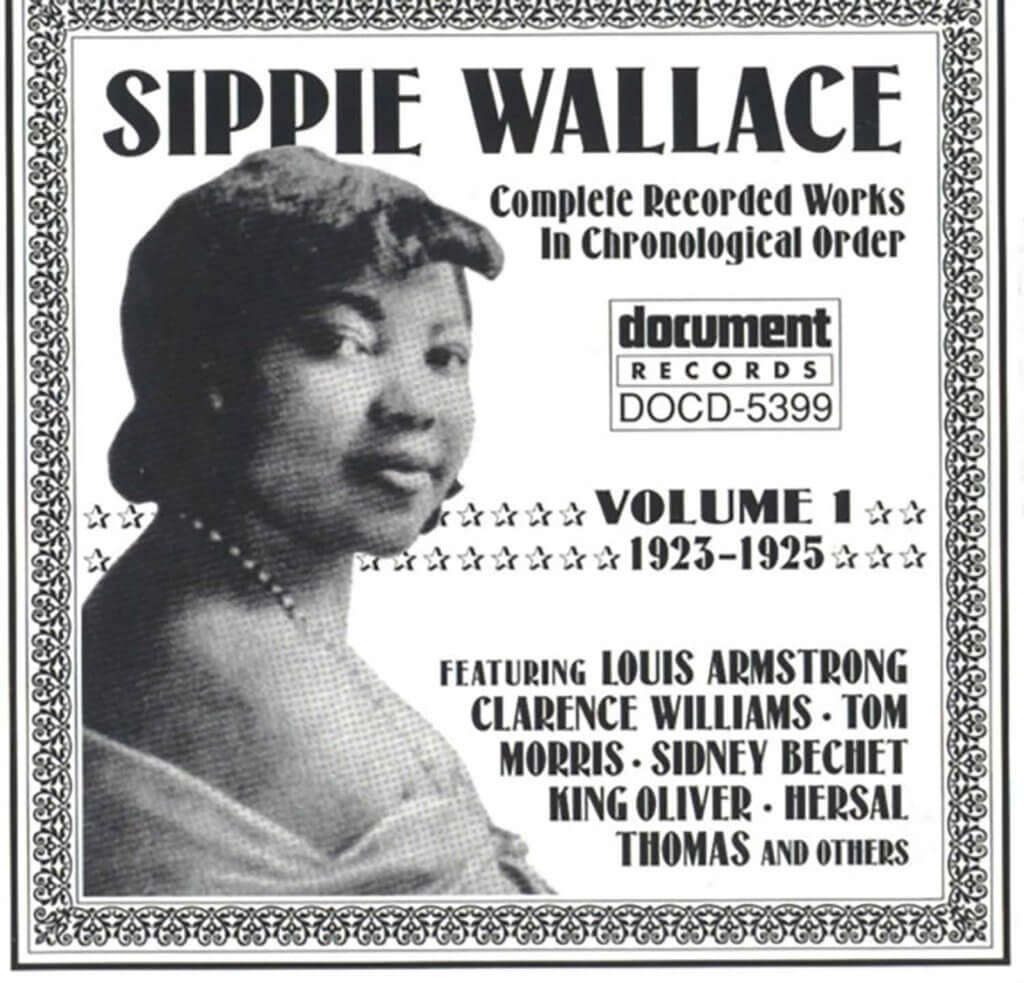
Sippie Wallace grew up in a music family, and she followed her brothers around, moving from Houston to New Orleans to Chicago, where she eventually signed a contract with Okeh Records in 1923. For about 40 years, Wallace quit recording and performed as a singer and organist with the Leland Baptist Church in Detroit, until she was coaxed to make a comeback in 1966, resulting in the recording of two albums, Women Be Wise and Sing the Blues. These recordings inspired Bonnie Raitt to take up singing and playing the blues in the late 1960s, and even recorded covers of Wallace’s “Women Be Wise” and “I’m Mighty Tight Woman” on her self-titled debut album in 1971. The two women toured and recorded together in the 1970s and 1980s, and Wallace continued to record on her own as well. She was nominated for a Grammy Award in 1982 and was inducted into the Michigan Women’s Hall of Fame in 1993.
Born in 1924, educator and children’s musician Ella Jenkins has been dubbed as the “The First Lady of the Children’s Folk Song.” She got her start in the 1950s while working as a YMCA program director for teens, performing international folk and traditional songs that she learned through her neighborhood in Chicago, as well as songs she had written. For the last 50 years, Jenkins has toured her songs for school assemblies across the United States with a focus on passing on cultural knowledge, released over 60 albums for children (including 1995’s Multicultural Children’s Songs, the most popular Smithsonian Folkways release), appeared on numerous children’s television programs, and received a Grammy Lifetime Achievement Award in 2004.
Nigerian guitarist Victoria Iruemi was a highlife pioneer. She left her training as a seamstress to pursue mastering the guitar in the 1950s, and eventually joined one of the most popular bands in Lagos, the Cool Cats, started by Victor Olaiya in 1954. During one of their shows, Iruemi was noticed by the proprietor of the Lagos Roadhouse Hotel, who invited her to front the nine-piece Roadhouse Dance Band, making her Nigeria’s first woman bandleader. Despite having faced harsh criticism as a woman and disappearing from music in the 1960s, Iruemi inspired other Nigerian women to pick up instruments and form all-women bands.
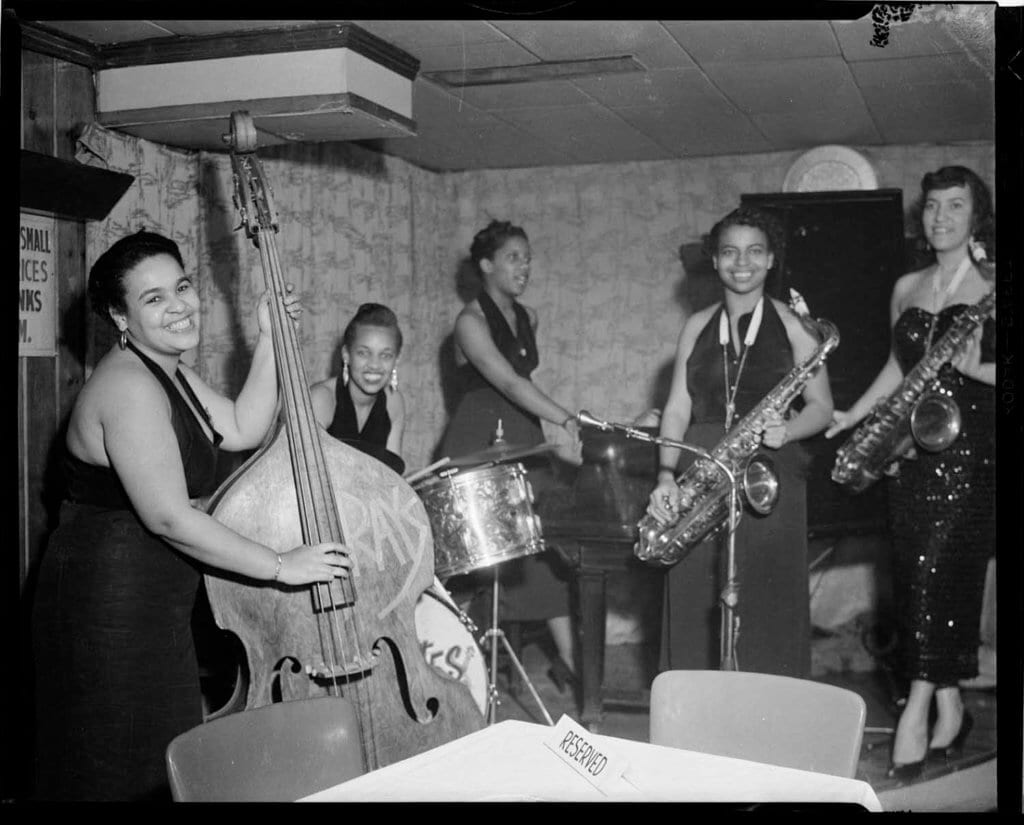
Gloria Bell was the bassist of Myrtle Young and her Rays of Rhythm, an all-women band started and led by Myrtle Young on saxophone, Hetty Smith on drums, Regina Albright on piano, and Willene Barton on tenor saxophone. The band originated in the early 1950s, and was the precursor to the International Sweethearts of Rhythm, the first integrated all-women’s band in the United States.
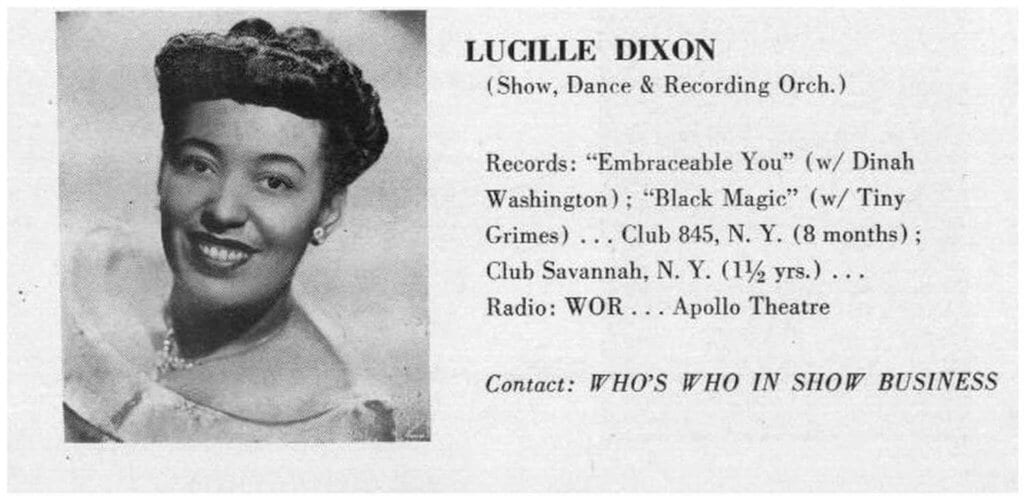
Born in Harlem, Lucille Dixon (1923 – 2004) was a jazz double bassist who started her studies in high school, performing with the All City High School Orchestra and the National Youth Administration Orchestra. She studied at Brooklyn College, as well as with Frederick Zimmerman of the New York Philharmonic, and went on to perform in the International Sweethearts of Rhythm and the Earl Hines jazz band. In 1946, she started the Lucille Dixon Orchestra, which performed until 1960. In 1964, Dixon joined a group of other Black musicians to form the Symphony of the New World, the first racially integrated orchestra in the United States.
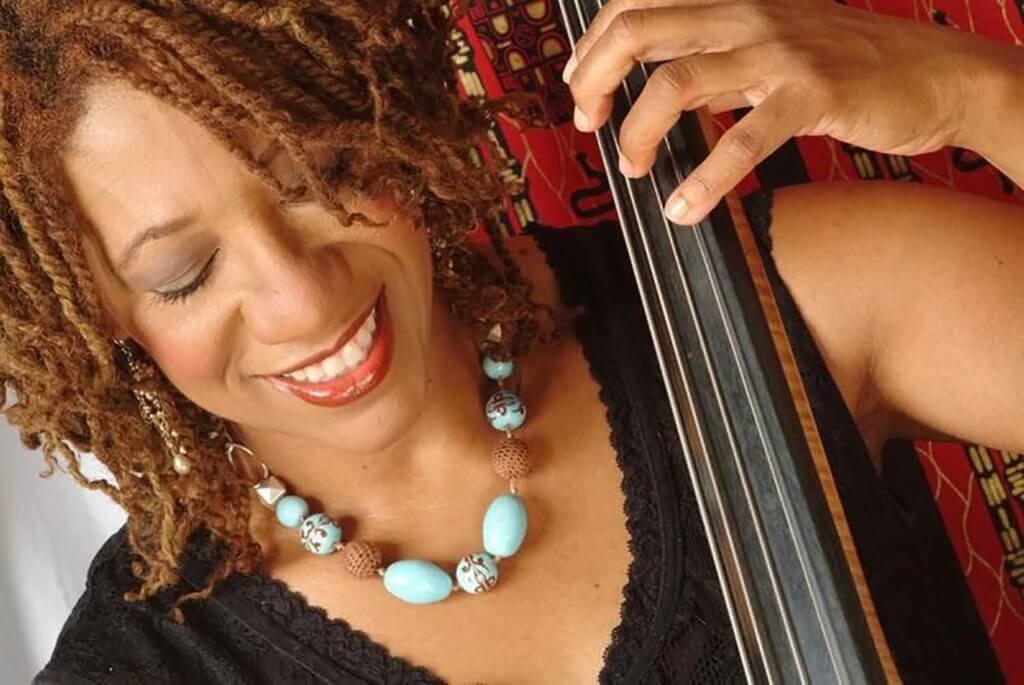
In 1964, Detroit jazz bassist Marion Hayden began playing when she was just 12 years old. She has been involved in countless ensembles throughout her career, including Straight Ahead and the all-female group Venus, performing and recording with jazz legends, and releasing her own work, including her solo album Visions. She is currently on the faculty in Michigan’s Department of Jazz and Contemporary Improvisational Studies.
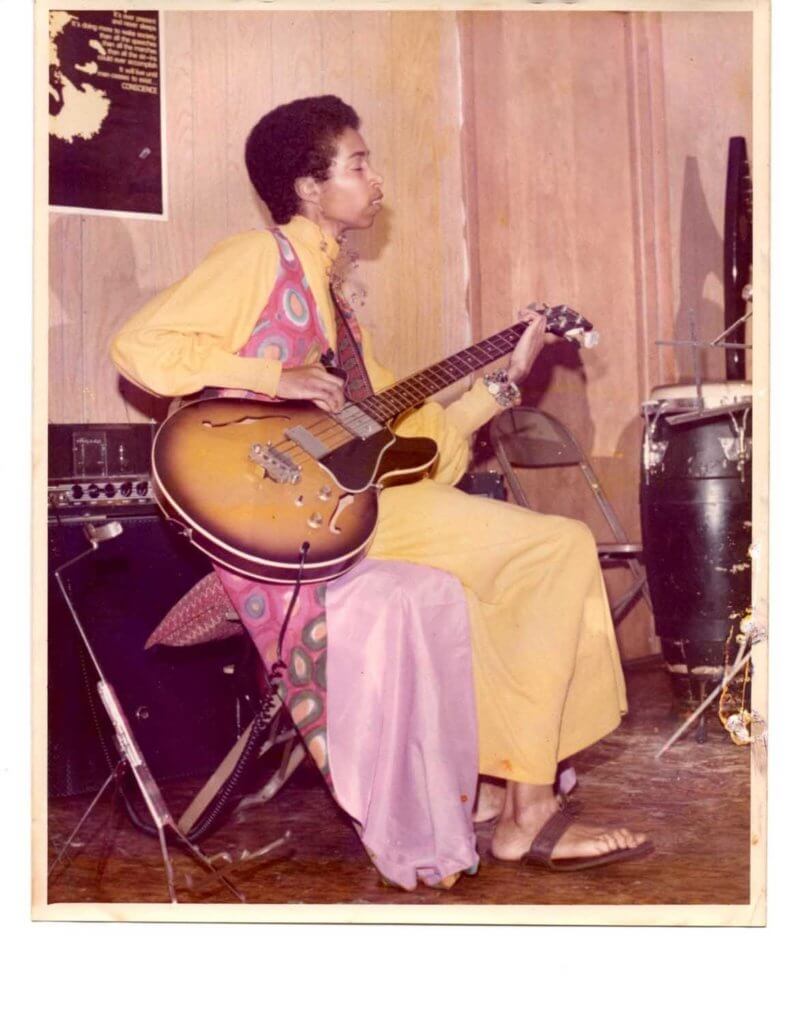
Shanta Nurullah brings together the sitar, the Indian classical instrument, with jazz. She founded Sitarsys, a Spiritual Jazz ensemble, in addition to co-founding Sojourner and Samana, playing with Nicole Mitchell, Dee Alexander, and the Association for the Advancement of Creative Musicians (AACM). She also plays bass, piano, and many other instruments, as well as being an award-winning storyteller. Last year, She Shreds chatted with Nurullah on what drew her to the sitar and the connection she’s grown with the instrument.
While Edna M. Smith (1924 – date unknown) was a phenomenal bassist, performing primarily in the 1940s and 1950s with the International Sweethearts of Rhythm, the Vi Burnside Orchestra, and the Edna Smith Trio, her major contribution to music was that of an educator. During the 1950s and 1960s, Smith studied at the Manhattan School of Music and Teachers College at Columbia University in New York City. She went on to teach in the public school system, and from 1961 to 1967 she lived in Africa and worked as a lecturer at the University of Nigeria. She contributed to numerous articles, journals, and TV and radio programs on the subject of African and Afro-American Music.
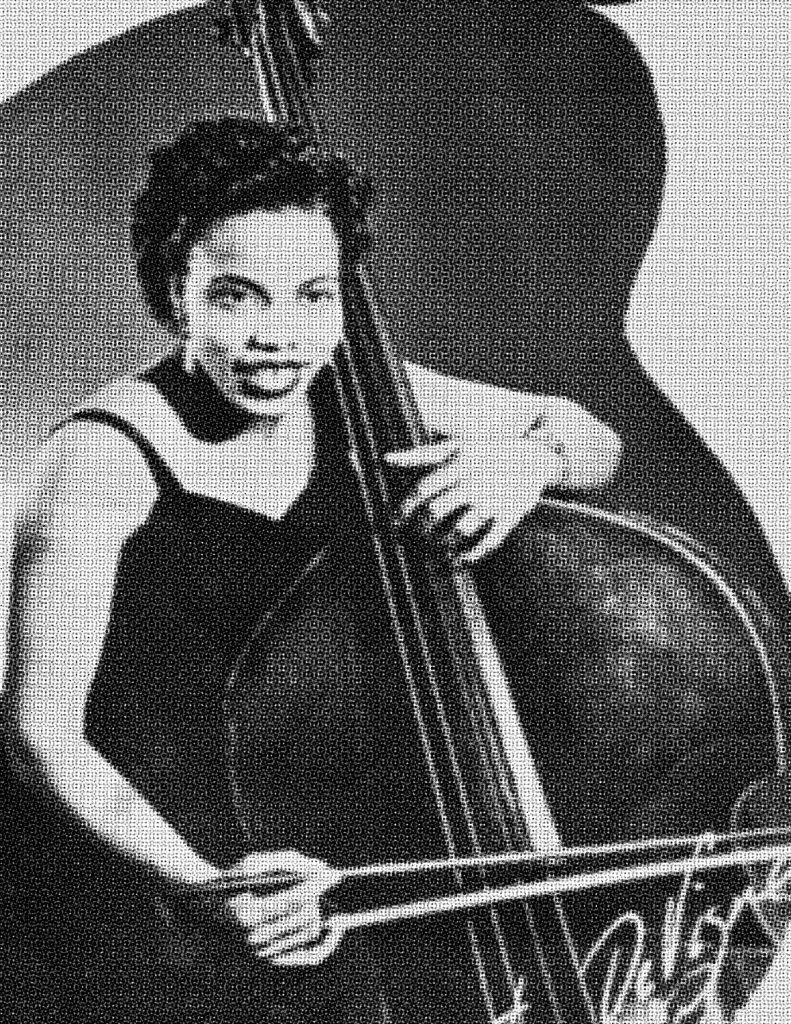
Born and raised in Los Angeles, Violet “Vi” Wilson was a bassist, pianist, vocalist, and (wait for it) master barber. She played briefly with the International Sweethearts of Rhythm and Frances Grey’s Queens of Swing, as well as other important women’s groups that came through LA. From 1976 to 1977 she sang with Interdenomination Choir, who toured Israel, Jordan, and more. In 1996, Wilson spoke with music professor and author D. Antoinette Handy, sharing that, “Women musicians should be given more credit for the contribution they have given to the music world.”
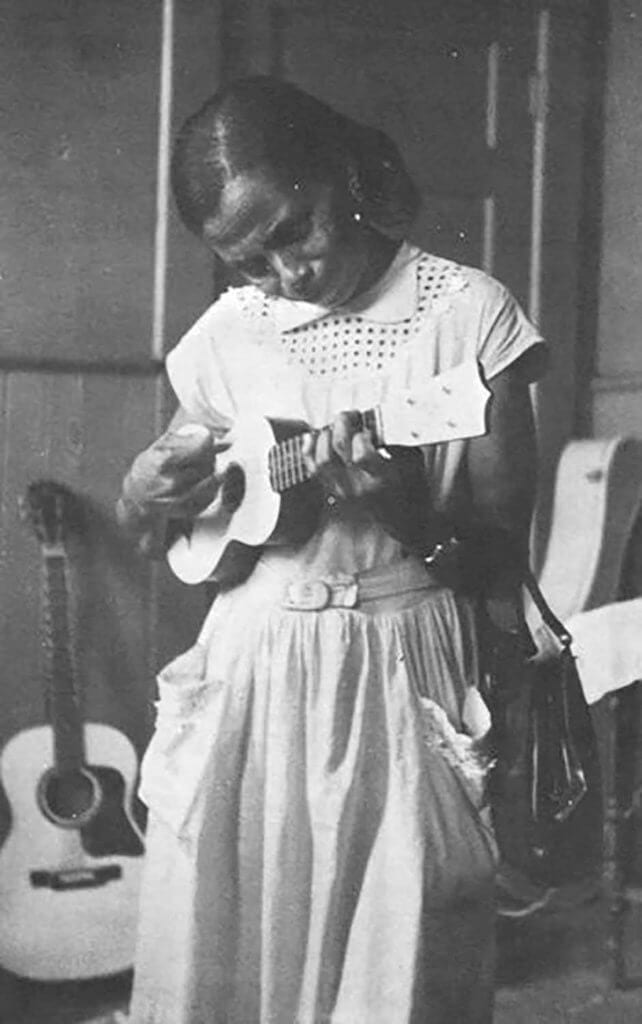
Laura Ella Dukes (1907 – 1992), sometimes referred to as Little Laura Dukes (due to her height of 4’7”) was an American blues singer and mandolin, banjo, and ukulele player in Memphis, Tennessee from the 1920s to the 1980s. From the late 1950s, Dukes mainly performed in Dixieland groups, and in 1972 she recorded tracks that were first released on the Italian albums, Blues Oggi and Tennessee Blues Vol.1. She continued to perform in clubs in Memphis in the 1980s.
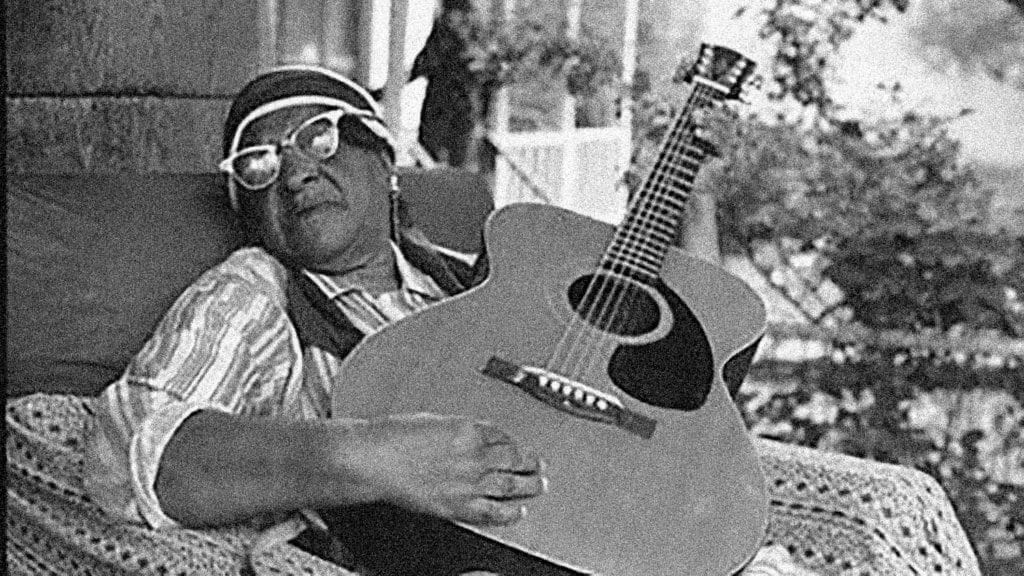
Born in Somerville, Tennessee, Van Zula Carter Hunt (1901 – 1995) was a guitarist who made a name for herself in the 1910s. She moved to Memphis, where she traveled with numerous groups, including Barnum and Bailey’s and her own group Madame Hunt’s Traveling Show. She played with local blues artists, including Bessie Smith and Memphis Minnie, recorded a number of songs, and played with the Beale Street Jug Band.
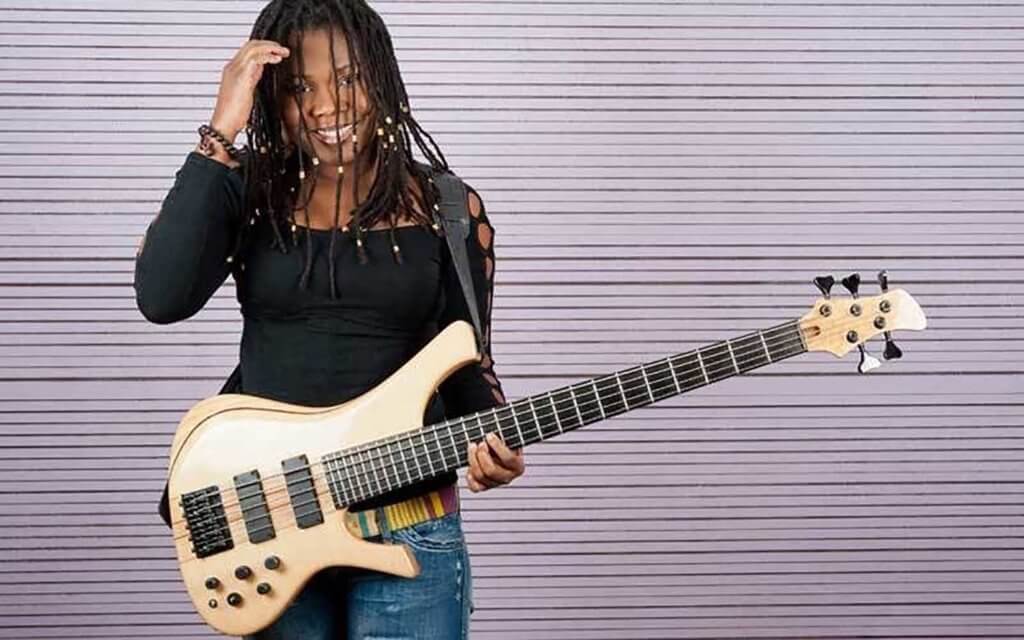
Manou N’Guessan Gallo is a West African bassist, born on the Ivory Coast in 1972. Her playing style incorporates the rich heritage of her origin, the Djiboi tribe, and her musical career led her to the legendary world music band Zap Mama. In 2009, Gallo won the MAMA Award (MTV Africa) as the “best artist,” and in 2013 Forbes Africa named her the only women among the “Top 10 Best African Bassists.” Her latest album, Afro Groove Queen, released in 2018, was produced by Booty Collins.
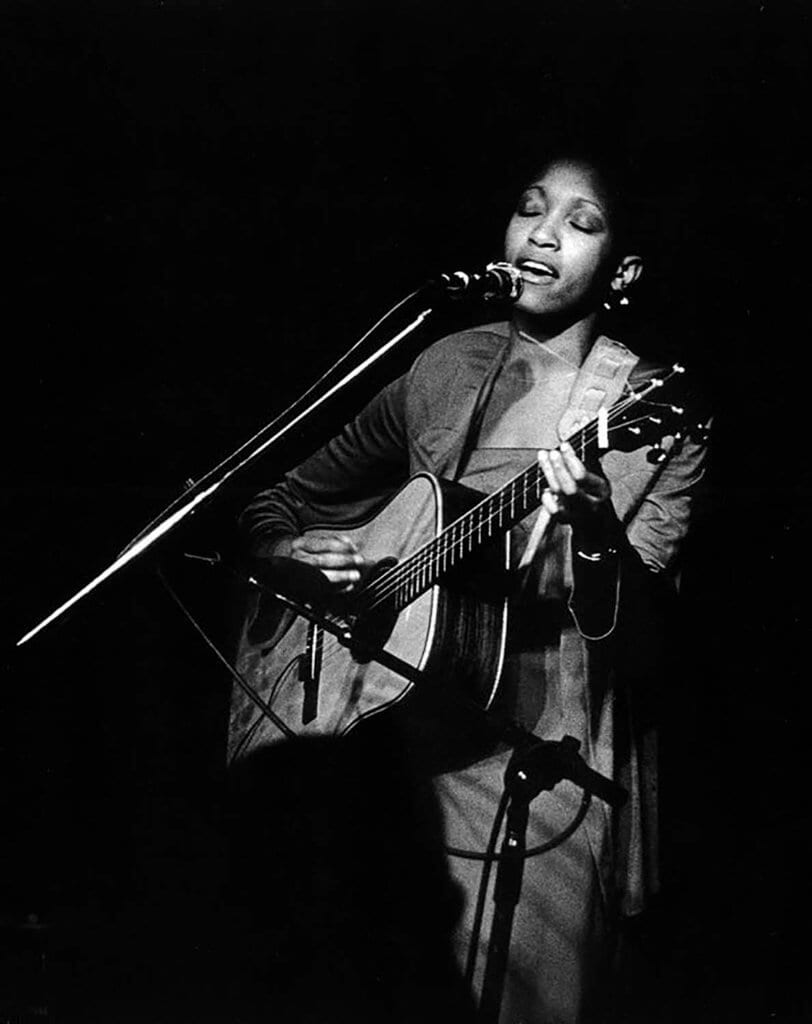
In 1963, at just nine years old, Louisville-based Faith Pillow (1954 – 2003) was given her first guitar by her mother. The jazz guitarist and singer spent some time performing in her hometown, but in the early 1970s she moved to Cincinnati to join Dee Felice’s jazz quartet, with whom she toured the United States and Caribbean. In the late 1970s, Pillow moved to Chicago to begin her songwriter career, and in 1981 she released her debut self-titled album. She eventually left Chicago, settling in Los Angeles and then Amsterdam, and released three additional albums: Sanity (1995), and Run in the Sunshine (1996), and Amsterdam (2001).
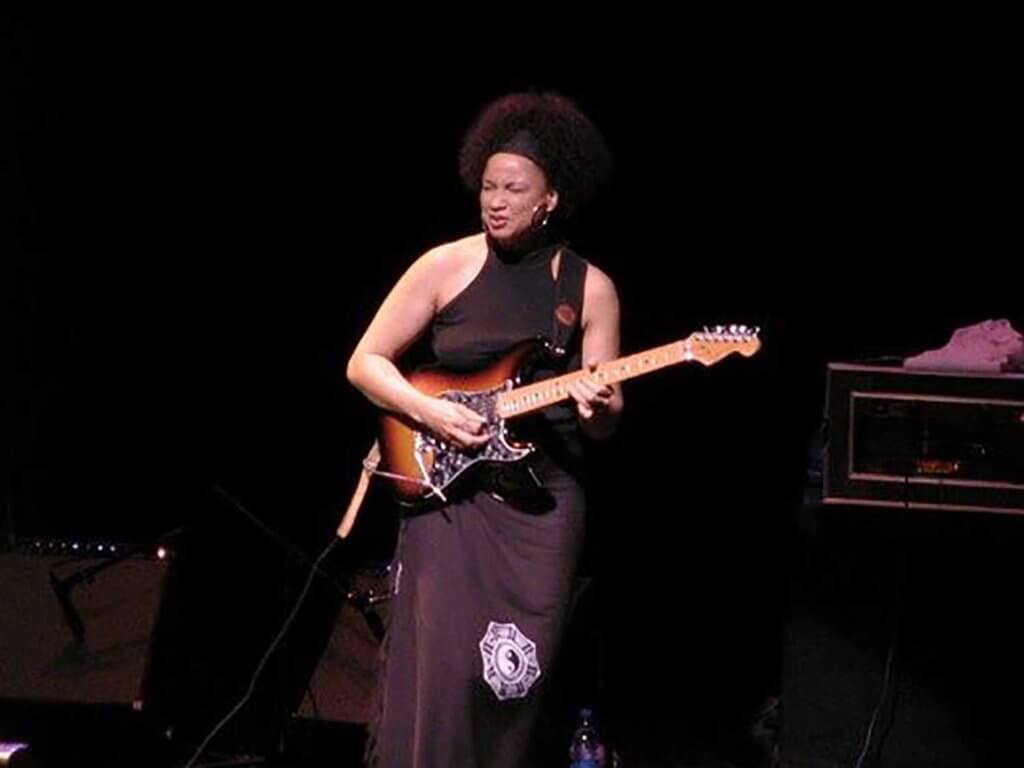
Darlene Moreno is best known for being the only woman guitarist to perform with the “Maestro of Love” Barry White. She began touring and recording with the Grammy-winning musician in 1995, joining the Love Unlimited Orchestra for over seven years. She went on to work with other notable musicians including Gerald Albright, who she performed with for six years. In 2015, Moreno suffered a traumatic head injury, and little information about her recovery and career has been publicized since.
Born in Jackson, Mississippi in 1955, jazz musician Cassandra Wilson’s love for music stemmed from her parents—her mother was a retired elementary school teacher who loved Motown, and her father a jazz bassist. She was a founder of M-Base, a collective of Black Brooklyn musicians in the 1980s, who focused on new sounds, improvisation, and creative expression. Since 1987, Wilson has released 19 solo albums and won numerous awards, including a Grammy Award for Best Jazz Vocal Performance (1997, New Moon Daughter), Grammy Award for Best Jazz Vocal Album (2009, Loverly), and BET Soul Train Award for Best Traditional Jazz Album (2001, Silver Pony).
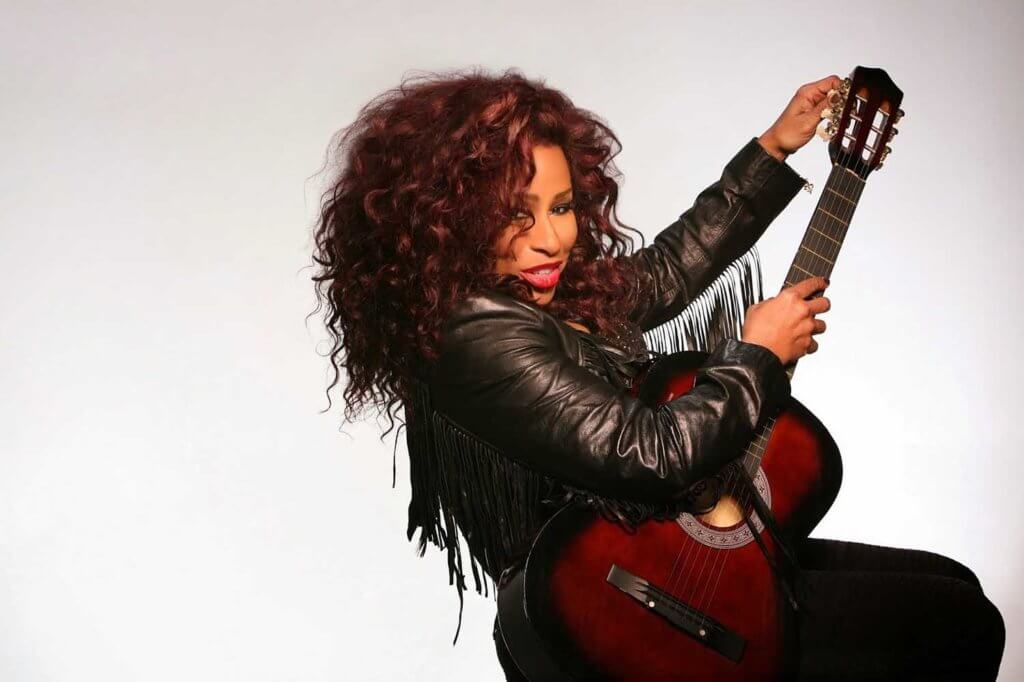
Yvette Marie Stevens, better known by her stage name Chaka Khan, is a 10-time Grammy Award-winner who performs under multiple genres, but is best known as the “Queen of Funk.” In the early 1970s, Khan started out her career as lead vocalist of Rufus, but eventually went on to pursue her solo career, releasing 12 albums starting with Chaka in 1978. She’s been nominated for induction into the Rock ‘n’ Roll Hall of Fame twice, has performed with some of the most celebrated musicians, and in 2019 she released, Hello Happiness, her first album of original music in 12 years.
There’s very little information about and no recordings or photos of Nigerian guitarist Maggie Aghomo, who performed with the all-women band the Originators. She was a pioneer of highlife, and also performed rumba and pop music. The Originators were a result of the dream of Victoria Iruemi (#65 on this list), who hoped to inspire Nigerian women to pick up instruments so that she could lead an all-women band. While Iruemi never had the chance to perform in a band of all women, she did inspire Aghomo and many more to do such.
Active since 1993, Divinity Roxx is best known for her work with Beyoncé from 2006 to 2011. She is a bassist, composer, and so much more. With Beyoncé, Roxx has done some incredible things on bass and as musical director, including appearing in two Beyoncé videos (“Irreplaceable” and “Green Light”), performing at The White House for President Barack Obama and Michelle Obama, and performing on the Grammy’s and other awards and television shows. She’s recorded three solo albums: 2003’s Ain’t No Other Way, 2012’s The Roxx Boxx Experience, and 2016’s Impossible.
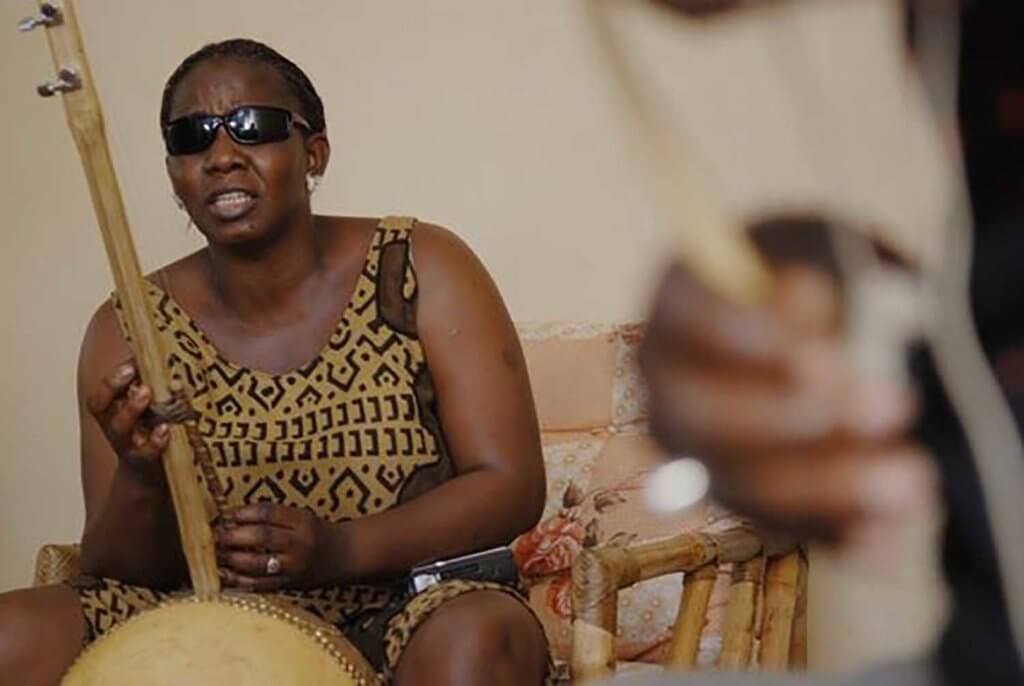
Madina N’Diaye is known for being the first Malian woman to perform with the kora on stage. One of the most symbolic instruments in the Malian musical heritage, traditionally reserved for men, the kora is a 21-string plucked harp made from a gourd. N’Diaye began her professional career with the instrument in 1990, helped by the world’s greatest kora player, Toumani Diabaté. N’Diaya went on to perform with African-influenced French band, Lo’Jo, and then formed her own group in 2000. Despite losing her eyesight in 2002, N’Diaye persevered: She went on to tour France and Europe, and released her first solo album in 2004, followed by Bimogow in 2011.

Rosemary Wahu Kagwi, known by her stage name Wahu, is a Kenyan singer-songwriter. Born in Nairobi in 1980 and originally a fashion model, actress, and entrepreneur, Wahu began performing with the guitar in late 1999. Her first single, “Niangalie, was released in 2000, and she went on to become the inaugural recipient of the MTV Africa Music Awards 2008 for Best Female Artist category, and has won a plethora of other music awards in her career.
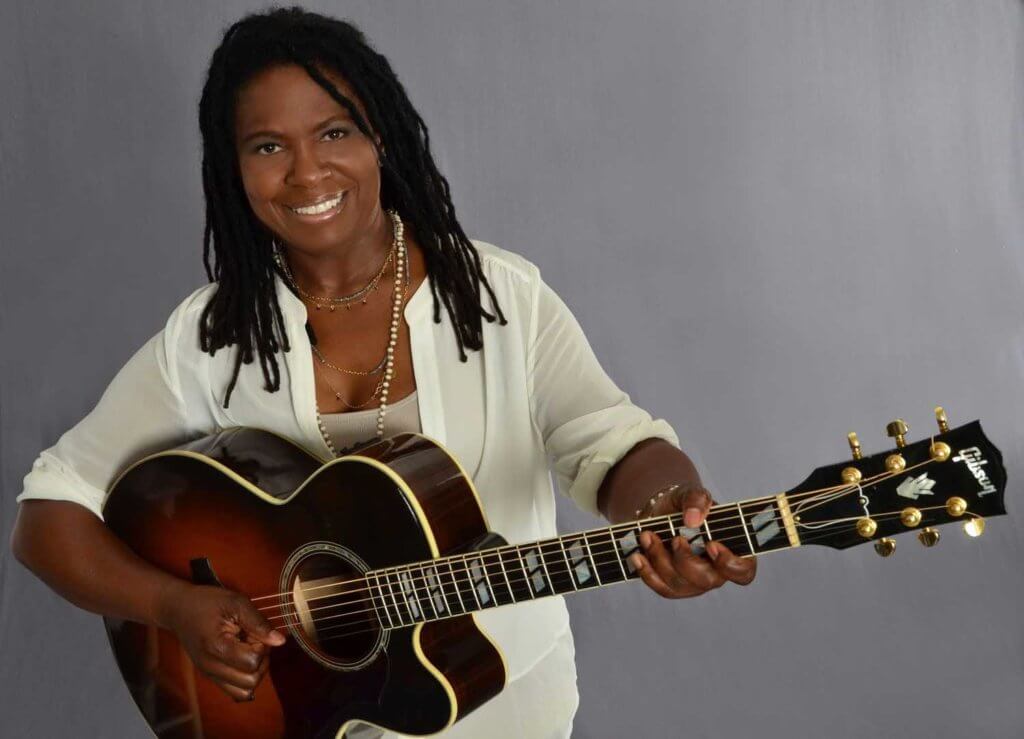
Born in 1964 in Gause, Texas, blues and folk musician Ruthie Foster began her career in gospel. She went on to study music and audio engineering, followed by joining the Navy and singing for the Navy band, Pride, which solidified her love for performing. After leaving the service, Foster signed a contract with Atlantic Records and moved to New York City to pursue a career as a professional musician. Since 1997, Foster has released 10 albums and received numerous awards and nominations, including three Grammy nominations for Best Blues Album.
Coot Grant (1893 – 1970) was born in Birmingham, Alabama, and was a blues vocalist and guitarist from the 1910s through the early 1930s. She is most well-known for her duo with her second husband, Wesley Wilson. The couple wrote over 400 songs during their career, performed and recorded with Louis Armstrong, and wrote the two songs made famous by Bessie Smith, “Gimme a Pigfoot and a Bottle of Beer” and “Take Me for a Buggy Ride.”
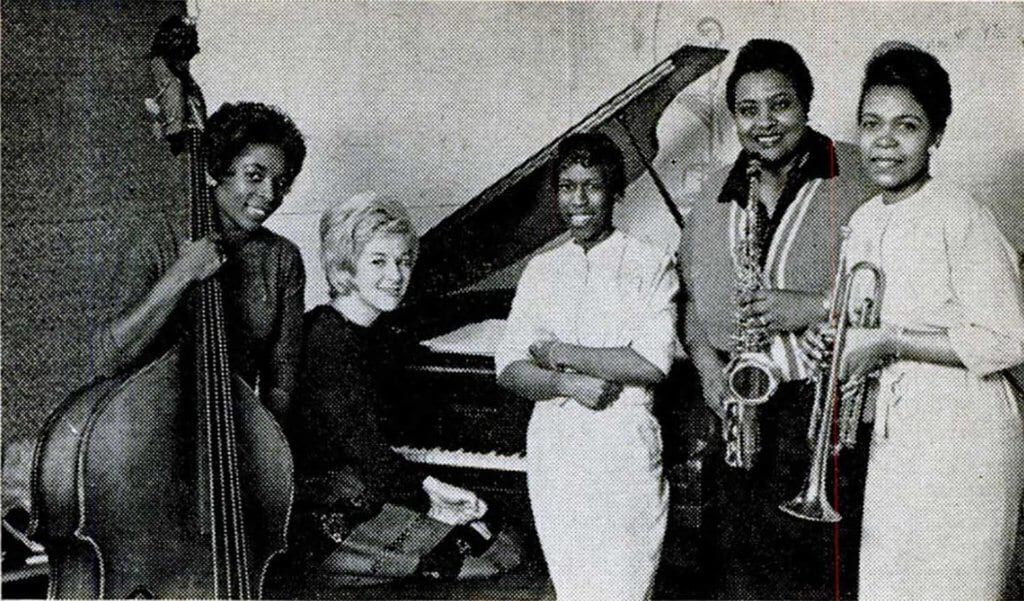
While there’s very little information available about Eileen Chance, she was best known for her bass playing with the International Sweethearts of Rhythm, Vi Burnside’s all-women orchestra, and Tiny Davis’s Hell-Divers. In a 1953 issue of Jet Magazine, it was mentioned that Chance was “excited about returning to Trinidad to marry a rich plantation owner she met when the band played there recently.” However, a 1962 issue states that Chance embarked on a six-month tour of Sweden with an unnamed all-woman jazz group.
Josie Bush was born in Florence, Mississippi. She learned how to play guitar from an uncle known as “Red” and she married Willie Brown, one of the pioneer musicians of the Delta blues genre and an influence on Robert Johnson and Muddy Waters. However, it’s been claimed by musicologist David Evans that Bush was probably just as good as her husband, and that she even taught her husband many songs.
Born as Elenore Kingston (1909 – 1995), the singer-songwriter and bassist went under a number of aliases, including Lenore King, Lenore Kinsey, Lola King, Susan King, Susan Lenore King, Nora Lee Lucie, and Nora Lee King Lucie. She recorded with Mary Lou Williams in the 1940s, and her 1950s and 1960s records were accompanied by her husband, guitarist Lawrence Lucie. King owned her own music publishing company, Kinlu Music, and in the early 1960s she and her husband started Toy Records. In the 1980s, the couple started a cable channel from their home in Manhattan that taught viewers how to play guitar, and they toured Europe and America with The Harlem Blues & Jazz Band.
Mother of notable composer and pianist Scott Joplin (often called the “King of Ragtime”), Florence G. Joplin (1841 – 1881) was a singer and banjo player. After her husband, Giles, left Joplin for another woman and, in turn, to care for her six children on her own in Texarkana, Arkansas, she struggled to support her family through domestic work. However, it was noted by biographer Susan Curtis that Joplin’s support and introductory music education for Scott was a large reason for the couples separation and Scott’s success.
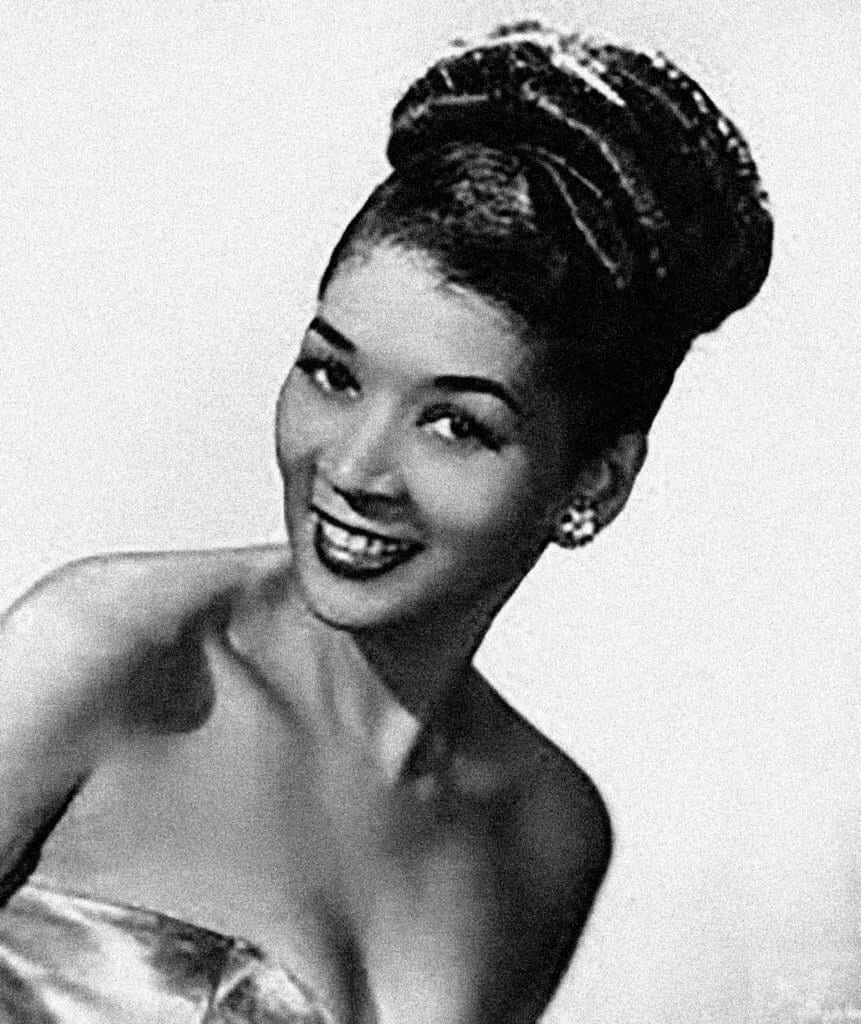
Most known for directing the International Sweethearts of Rhythm, Anna Mae Winburn (1913 – 1999) was a jazz vocalist, bandleader, and guitarist. Born in Port Royal, Tennessee, she moved with her family to Kokomo, Indiana, where she performed in various clubs under the name Anita Door. She then moved to Nebraska, where she played guitar for a variety of bands led by Red Perkins. Winburn was the leader of the International Sweethearts of Rhythm from 1941 through 1949.
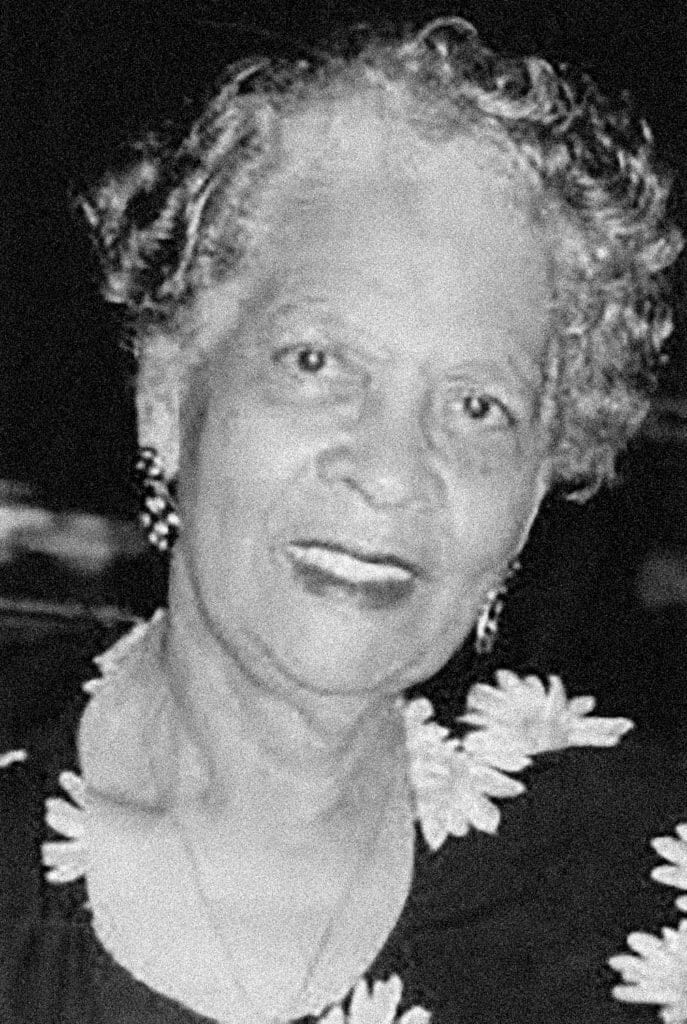
Yvonne Plummer (1919 – 2013) was born in Brighton, England, and started her musical career with the bagpipes. Arriving in the United States in 1935, Plummer worked at Piney Woods, an African American boarding school in Mississippi where the International Sweethearts of Rhythm was formed, from 1939 to 1942, occasionally performing on saxophone and guitar with the Swinging Rays of Rhythm.
Born in New Orleans, Louisiana, Olivia Porter (1880 – 1980) learned how to play bass in 1917 after she moved to New York City to join her older sister, May, to pursue a career as a musician. By the late 1920s, Porter has started her own band, the Jazz Mines, and went on to establish the Negro Women’s Orchestral and Civic Association.
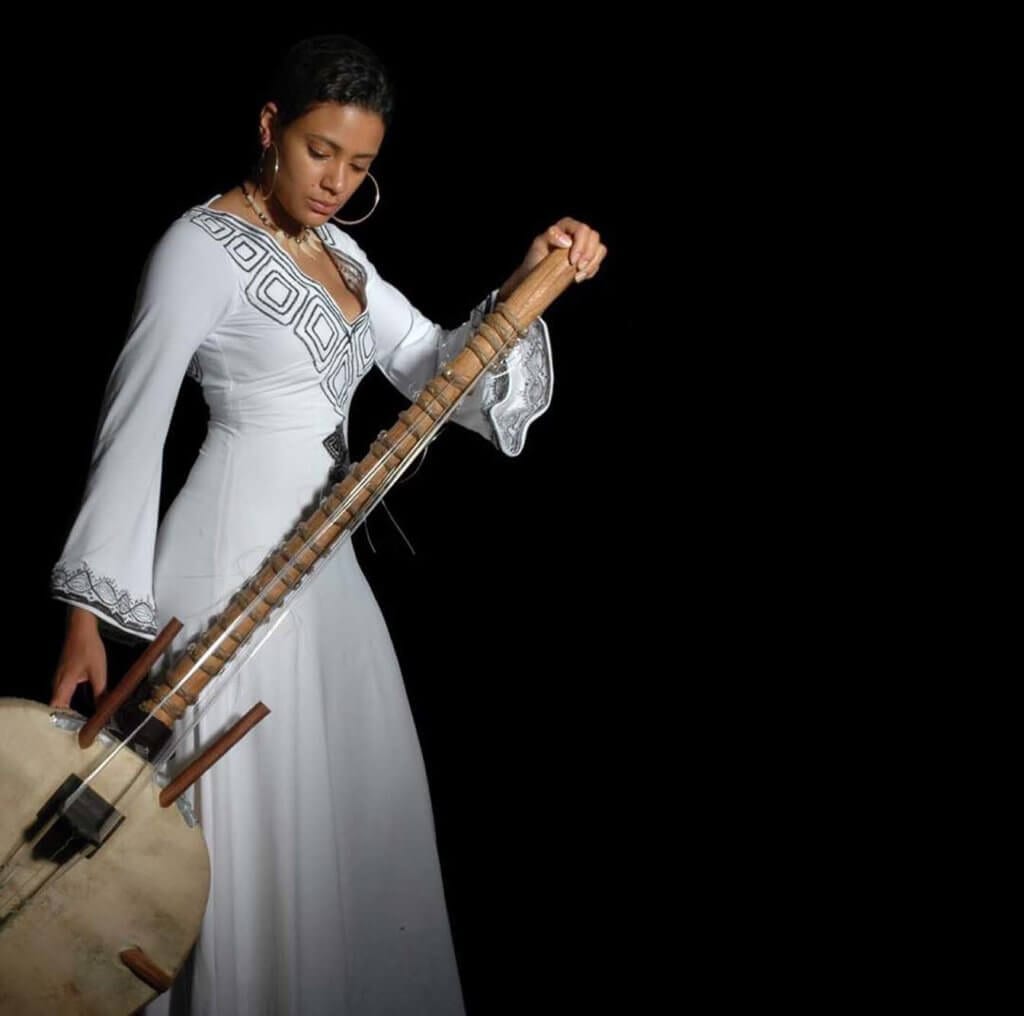
Born in The Gambia of West Africa, Sona Jobarteh is carrying on her family’s musical legacy that dates back 700 years. She was born into one of the five principal Griot families from West Africa, and is the first woman kora player to come from a Griot family as, traditionally, the kora is passed down from father to son. Jobarteh gave her first performance when she was only four years old at London’s Jazz Cafe.
Read our 2018 feature on Jobarteh here.
The often unrecognized sister of jazz bassist George “Pops” Foster, Elizabeth Foster performed on mandolin, violin, and bass with The Foster Trio, a late-nineteenth-century family band that performed quadrilles, polkas, and rags in Donaldsonville, Louisiana.
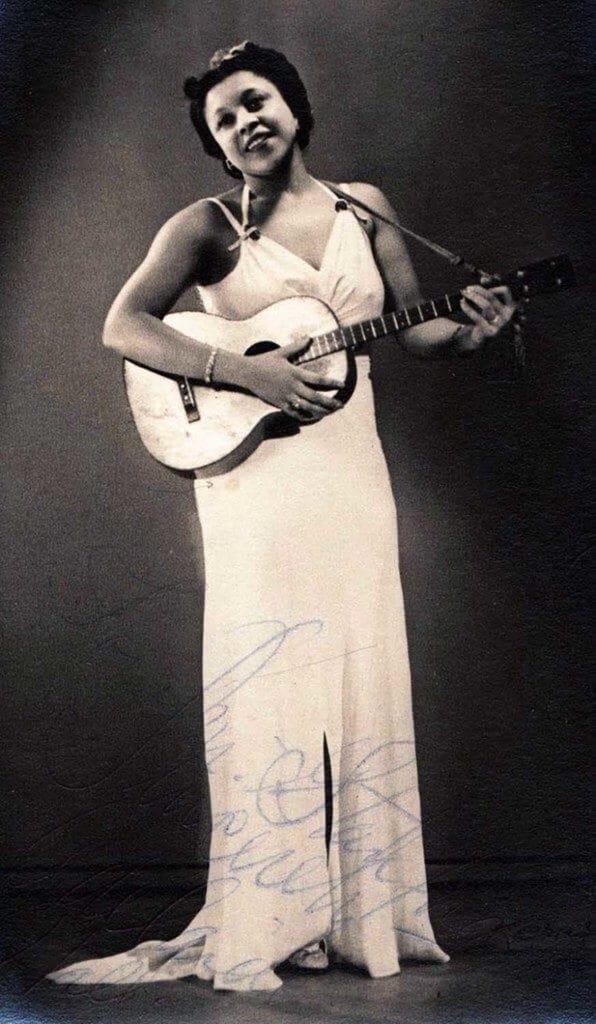
A major performer in the Harlem Renaissance, Adelaide Louise Hall (1901 – 1993) was born in Brooklyn and relocated to London in 1938. She pioneered scat singing, is widely acknowledged as one of the world’s first jazz singers, and was the first female vocalist to sing and record with Duke Ellington. Hall entered the Guinness Book of World Records in 2003 as the world’s most enduring recording artist having released material over eight consecutive decades. She played guitar and ukulele, and performed at the 1933 World Fair in Chicago, where she was referred to as “the darling girl with the guitar and the mellifluent voice” by the Pittsburgh Courier.
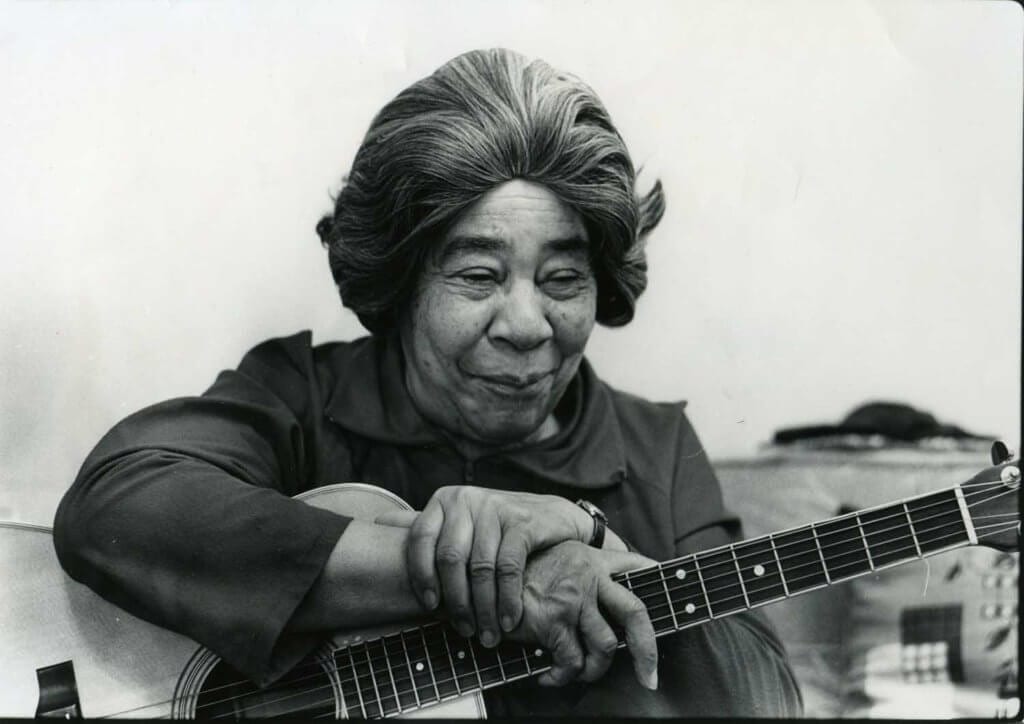
Blues singer and guitarist Esther Mae Scott (1893 – 1979) was never recognized as widely as her contemporaries, including Gertrude “Ma” Rainey and Bessie Smith. She learned how to play guitar at eight years old, and left home at 14 to join the vaudeville group W.S. Wolcott’s Rabbit Foot Minstrels. Scott eventually gave up music to become a maid, but revived her performing career when she moved to Washington, DC in 1958. She performed at the Smithsonian Folklife Festival and released her only album, Mama Ain’t Nobody’s Fool at 78 years old in 1971, which included the backup vocals of the not-yet-famous Emmylou Harris.
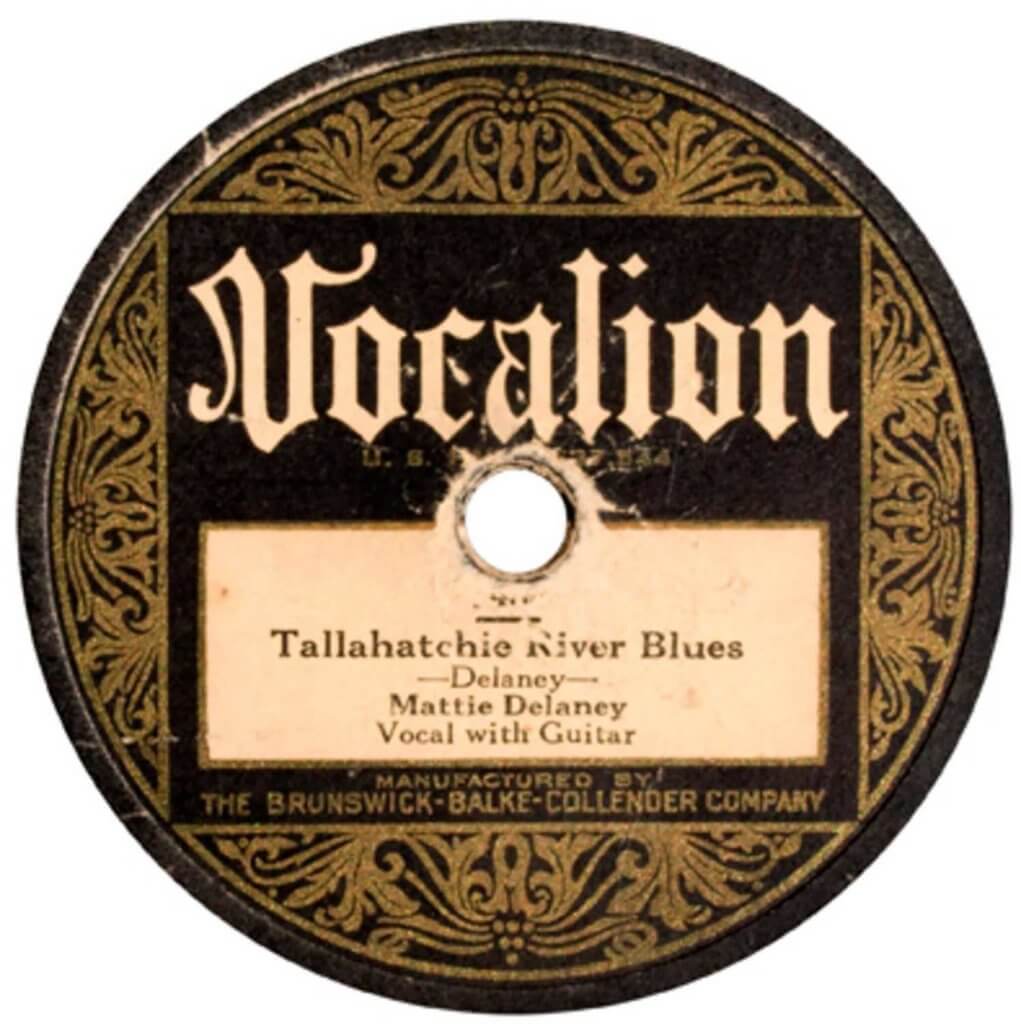
Mattie Delaney (1905 – date unknown) was a Delta blues singer and guitarist active during the 1930s. Aside from her two sole recordings on Vocalion Records, “Down the Big Road Blues” (covered by Lucinda Williams) and “Tallahatchie River Blues,” there’s very few confirmed facts about Delaney’s life.
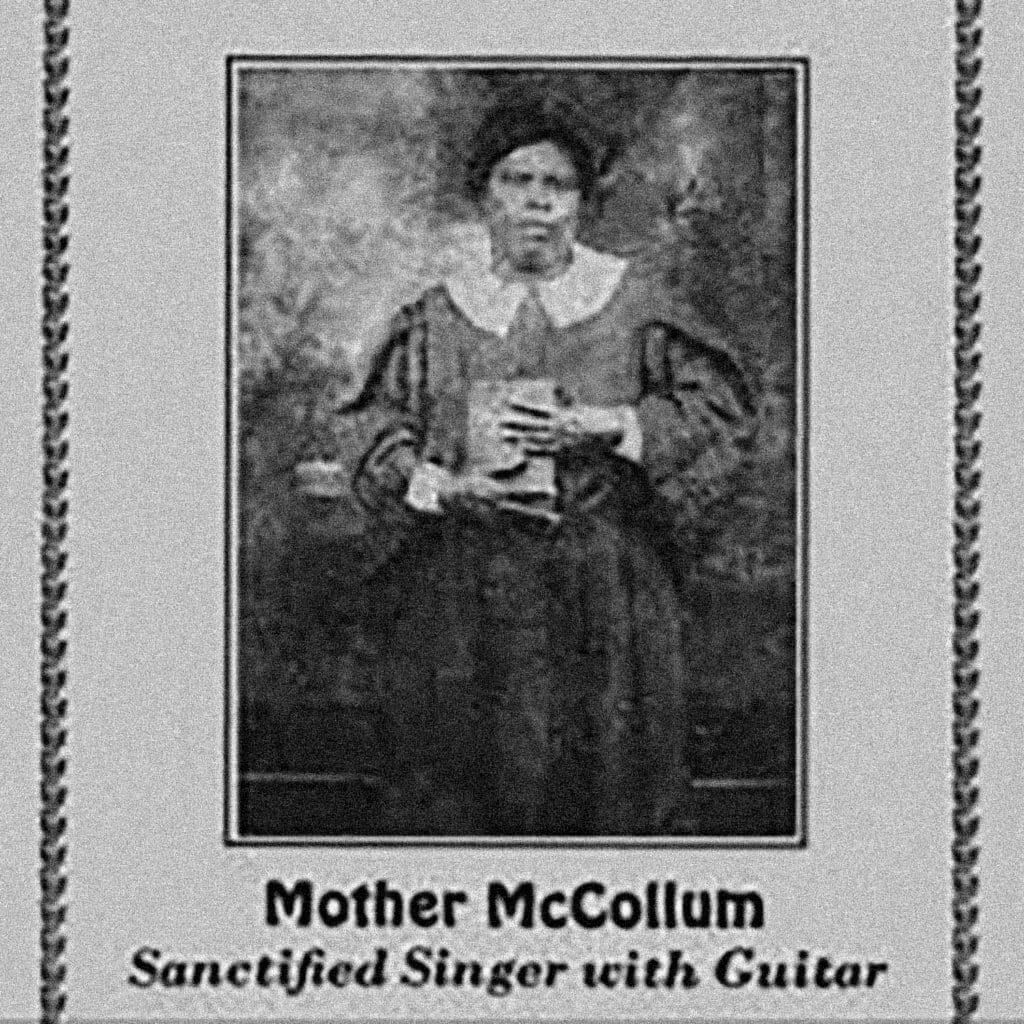
Often billed as the “Sanctified Singer with Guitar,” there is little information available about the Mississippi-born Mother McCollum, aside from her six known blues/gospel recordings from the 1930s: “Jesus is My Air-O-Plane,” “Glory! Glory! Hallelujah!” “You Can’t Hide,” “Oh Lord I’m Your Child,” “When I Take My Vacation in Heaven,” and “I Want to See Him.”
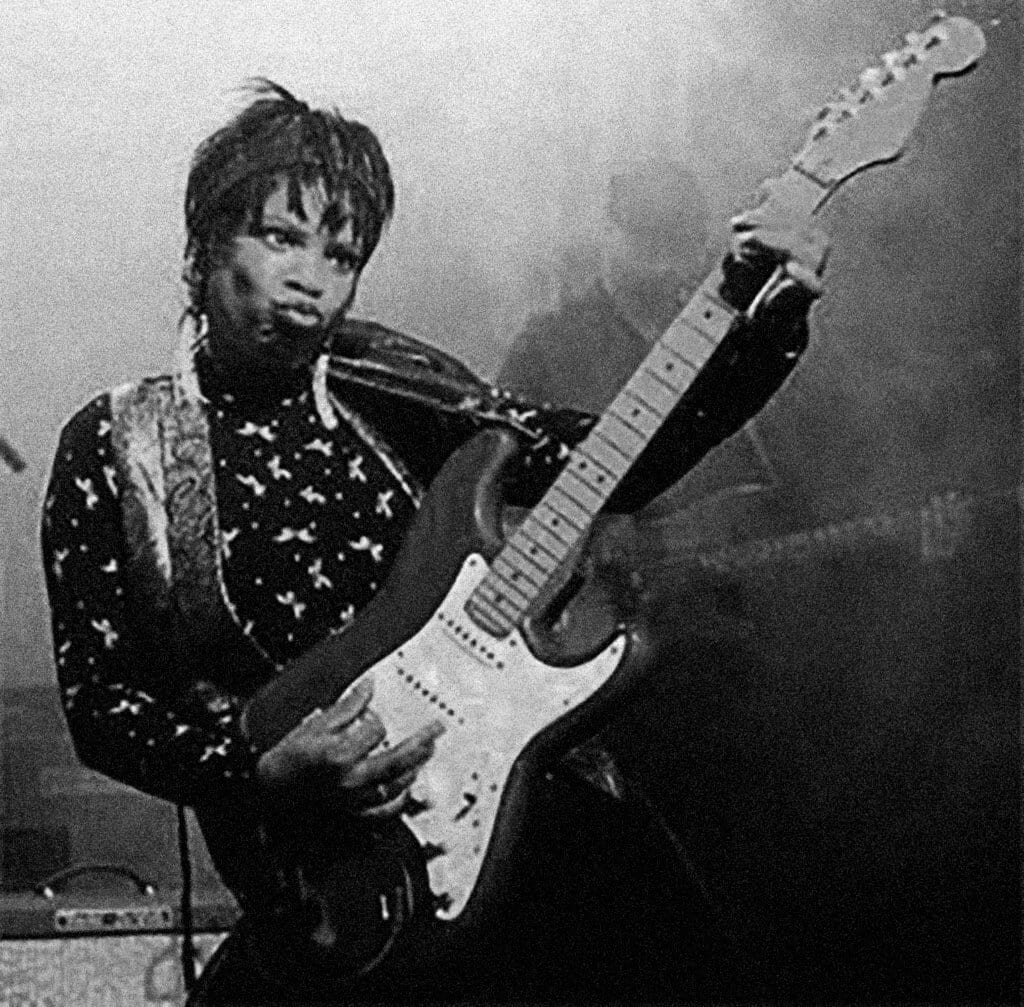
Born in San Francisco in 1955, guitarist Gail Muldrow started her career by performing on Sly Stone’s 1975 album, High On You. She performed with Graham Central Station for two years and is featured on the 1977 album Now Do U Wanta Dance. Muldrow also played with Prince, Chaka Kahn, and more. In 2003 Gail finally released her debut album, Cleen Spirit, followed by four additional solo albums through 2007.
LuLu Jackson was a blues singer and guitarist in the 1920s. She recorded a few songs for Vocalion Records in 1928, including “Careless Love Blues,” and “You’re Going to Leave the Old Home, Jim!”
Barbara Roy is a vocalist/guitarist/songwriter who is known most prominently for founding the 1970s disco supergroup Ecstasy, Passion and Pain. She started her career performing with niece Brenda Gaskins under the name Barbara and Brenda in the 1960s, and went on to play guitar with Inez and Charlie Foxx. In 1973, Ecstasy, Passion and Pain was formed, releasing a string of hit singles including “Ask Me,” which was written by Roy. After the group disbanded, Roy signed as a solo act to RCA records, releasing the chart-topping, “Gotta See You Tonight.”
Most well known as “SharBaby,” blues guitarist Sharon Newport first learned to play when she was 12 years old, inspired by her gospel-singing father. At 14, she joined her first touring band, Checkmates Part 2, and went on to form her own band, The Soul Sensations, a year later. In the early 2000s, she formed SharBaby and the Rhythm Blues Band in Alabama, releasing four albums and touring across the US and Europe. In 2012, Newport was awarded a “Master of Blues” certificate with the Blues Hall of Fame, and she currently works with the Alabama Blues Project, a non-profit effort to preserve blues through interactive programming and education.
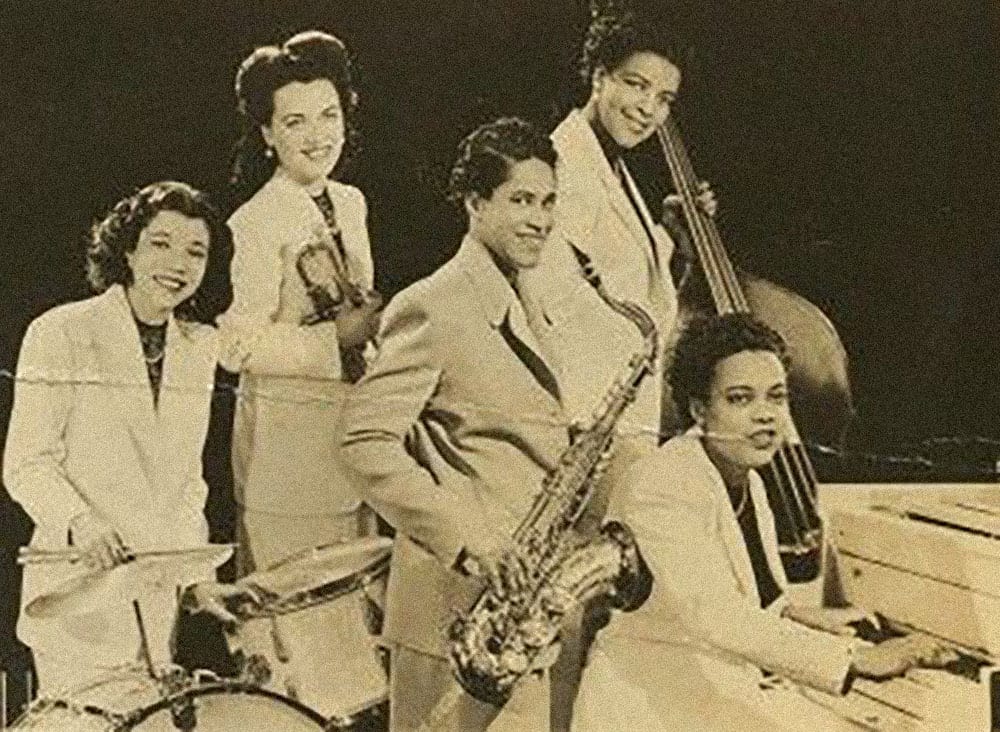
Very little information can be found on Bernice Rothchild; however, we’ve found that she played upright bass in Vi Burnside’s All-Stars and the International Sweethearts of Rhythm. We believe she is shown in the top right of the photo above.

Born in Havana in 1835, Doña María Martínez was a singer and guitarist most prominently known in Spain, France, and the United Kingdom. She studied music at the Madrid Royal Conservatory, paying her way by teaching guitar lessons. She went on to impress Queen Isabella II of Spain, and in the 1850s performed to prestigious audiences in Paris and London, including Her Majesty’s Theatre. Believed to be one of the first Black musicians who performed for wealthy white crowds in Europe and the UK in the 19th-century, very little has been written about Martínez. She was often compared to that of white contemporaries Jenny Lind and Maria Malibran, resulting in the nickname, “The Black Malibran.”
Emma Daniels was a singer and guitarist most well known for Two Gospel Keys, her 1940s gospel duo with Mother Sally Jones on vocals and tambourine. They recorded few songs, including “I Don’t Feel At Home In This World Anymore” and “You’ve Got To Move.”
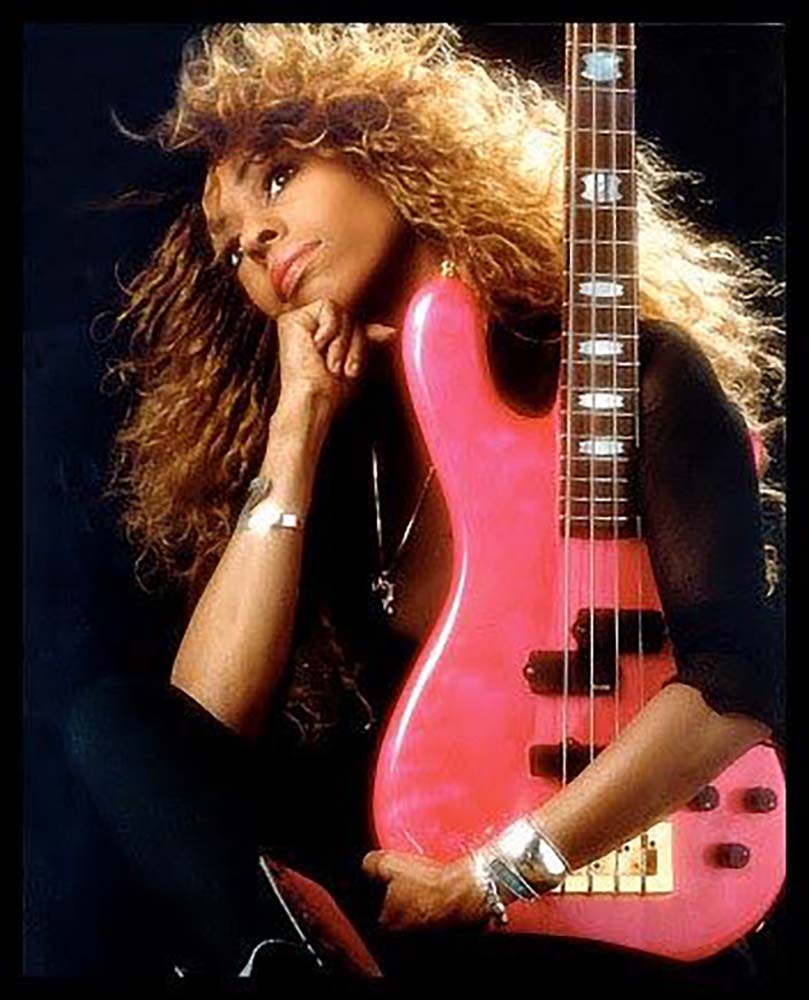
Born and raised in Queens, New York, Lizz Chisholm (also known by her solo moniker, Double Z) is a vocalist, bass player, and multi-instrumentalist who has toured with Grand Master, Melle Mel and the Furious Five, and Run DMC. She is one of the first women bass players to perform in hip-hop, and has dubbed herself as “the very first live hip-hop bass player… EVER!” She’s written music for TV and film, and has performed with the funk group The Jack Sass Band for over 30 years.
Kat Dyson has performed with some of the most profound legends in music history, including Prince, Cyndi Lauper, Sheila E, Big Mama Thornton, Odetta, and plenty more. She is best known for her work with Prince as a guitarist/vocalist in the New Power Generation and is featured on albums Emancipation, The Truth, and Newpower Soul. Before joining Prince, Dyson was a contributing guitarist and vocalist on Cyndi Lauper’s multi-platinum greatest hits album, 12 Deadly Cyns, along with Sisters of Avalon, At Last and The Body Acoustic, and she continues to perform with Lauper today.
Evi-Edna Ogholi is often credited as Nigeria’s first woman reggae musician who permanently changed the genre’s landscape, but her story is widely unknown. Ogholi is a master guitarist who is known for singing in her Isoko dialect, and from 1987 through 1990 Ogholi released six albums (three of which went platinum), wrote one of Nigeria’s most famous songs to date, “Happy Birthday,” and permanently changed the landscape of Nigerian reggae.
Learn more about Evi-Edna Ogholi in our 2020 feature, “The Unsung History of Evi-Edna Ogholi, Nigeria’s Queen of Reggae.”
Gaye Adebalola is many things: activist, teacher, photographer, and accomplished blues guitarist. Musically, she is best known for founding Saffire-The Uppity Blues Women, a three-woman blues ensemble active from 1987 to 2009 that won a Blues Music Award (best original song) for “Middle Aged Blues Boogie,” written by Adegbalola. She went on to work as a solo artist, releasing her 1999 debut solo album, Bitter Sweet Blues, followed by three more studio albums, including 2019’s The Griot. In 2018, she won the Kristin Lems’ “Social Change Through Music” Award at the National Women’s Music Festival. Outside of music, from 1966 to 1970, she was involved in New York’s Black Power Movement, and in 2011 she was named an OUTstanding Virginian by Equality Virginia for her LGBTQA+ activism. As of 2020, she continues to serve as Vice President and works on the Political Action Committee of her local NAACP chapter.
Mary Cutrufello has been a mainstay in the Americana scene for over 30 years. Bouncing from city to city—Connecticut to Houston to St. Paul—she fuses heartland rock with Texas twang. She’s performed on The Tonight Show and Austin City Limits, toured in all 50 states and several European countries, and has released five studio albums, including 2014’s Telecaster-driven, Faithless World.
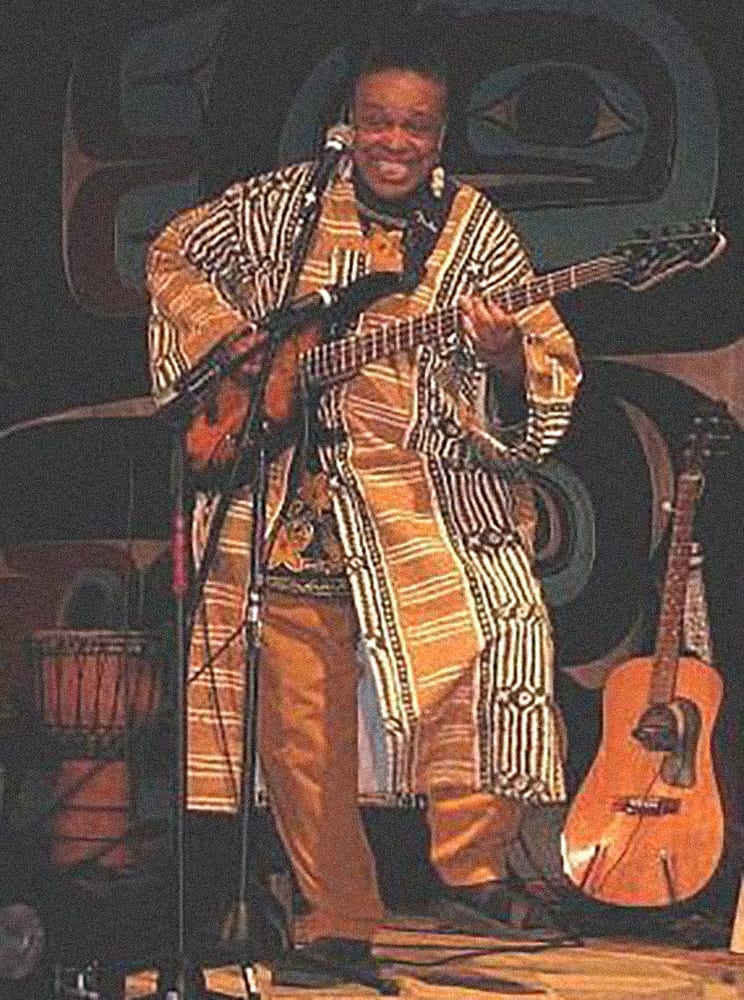
In her own words, Paula Larke can be described most accurately as a “story-teller / gatherer.” A dramatist, writer, educator, and musician for over 25 years, Larke has performed nationally, presenting chants, songs, and spirituals from Tuskegee, Alabama; the Georgia Sea Islands; the Blue Ridge and Appalachian mountains; and the Piedmont Plateau region of North Carolina. She has also worked on and off Broadway, founded Voices in the Treetops, and has been described as “a modern-day djali (village chronicler in West Africa), carrying the personal stories of ordinary people to the altar of life for benediction and forgiveness.”
Bassist and vocalist Oneida James-Rebeccu has toured the world and performed with the likes of Lenny Kravitz and Joe Cocker. Today, she continues performing her own music with the Oneida James Band, and teaches at the Musicians Institute in Los Angeles, focusing primarily on the many aspects of groove. In 2005, she wrote the bass guitar instruction book, Groove Mastery: the Bassist’s Guide to Groove.
Acclaimed singer-songwriter, jazz musician, and activist Pamela Means received her first guitar at 14, just after her mother died of cancer. Music became her main means of expression, and remains so today. Fronting many varied outfits (solo, Pamela Means and the Reparations, Pamela Means Jazz Project), she has released 10 albums to dates and has shared stages with Pete Seeger, Neil Young, Joan Baez, Violent Femmes, and more. Ani Difranco once said to Means, “You’ve got such a deep, deep groove, I can’t get out. And, I wouldn’t want to.”
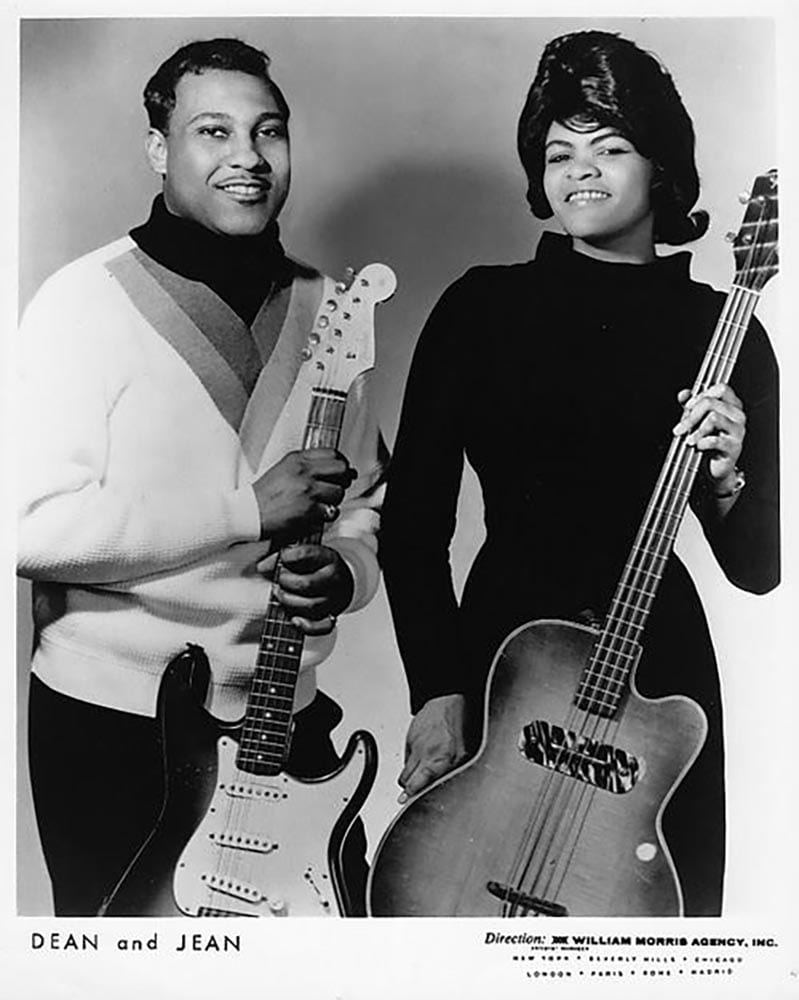
One half of the duo Dean and Jean with Welton Young, Brenda Lee Jones (later known as Brenda Melson) was a singer, songwriter, and guitarist/bassist. The band was active from 1958 to 1966, and while little is known about Jones after Dean and Jean, it has been noted that she recorded a solo album, Try Jesus (Morada) in 1983.
Best known as the guitarist for legendary R&B outfit Klymaxx, Cheryl Cooley began learning guitar at the age of 11. She studied music composition, orchestration, and arrangements at her Los Angeles high school, earned a college degree in commercial music, and in 1979 she joined Klymaxx.
Dallas blues guitarist Cookie McGee started playing guitar at 5 years old, learning from her blues legend neighbor and Rock and Roll Hall of Fame inductee Freddie King. She started her career as a backup musician and bandleader, but frustrations with the music industry and personal obligations kept her in and out of music. In the 1990s she made a comeback, releasing the albums Right Place (JSP Records, 1998) and One Way Ticket (Wolf Records, 2010).
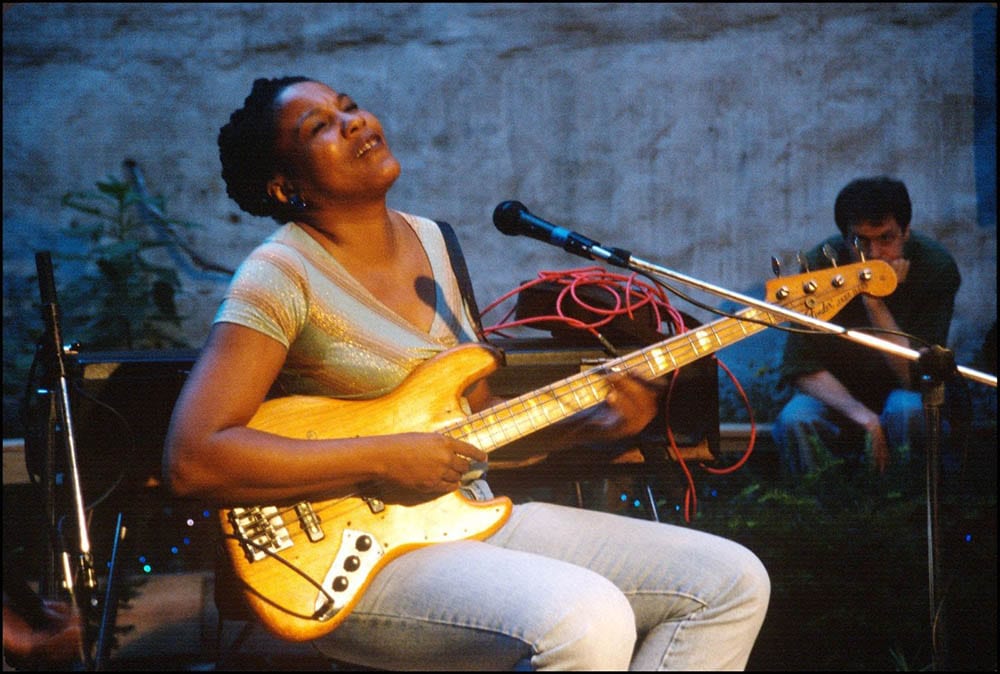
Felice Rosser is a singer, songwriter, bassist, actress, and writer born in Detroit and currently living in New York. In the past, she has played in the all-women reggae band Sistren, as well as with artist Jean-Michel Basquiat, and Ari Up of the Slits. She currently leads the band Faith.
After the departure of Carlita Dorhan, Hazel Payne joined disco-soul group A Taste of Honey on guitar in 1979. The group became a duo in 1980, featuring Payne and Janice-Marie Johnson, but Payne left the group in 1983 and became an international stage actress. The duo reunited in 2004 for the first time in 20 years.
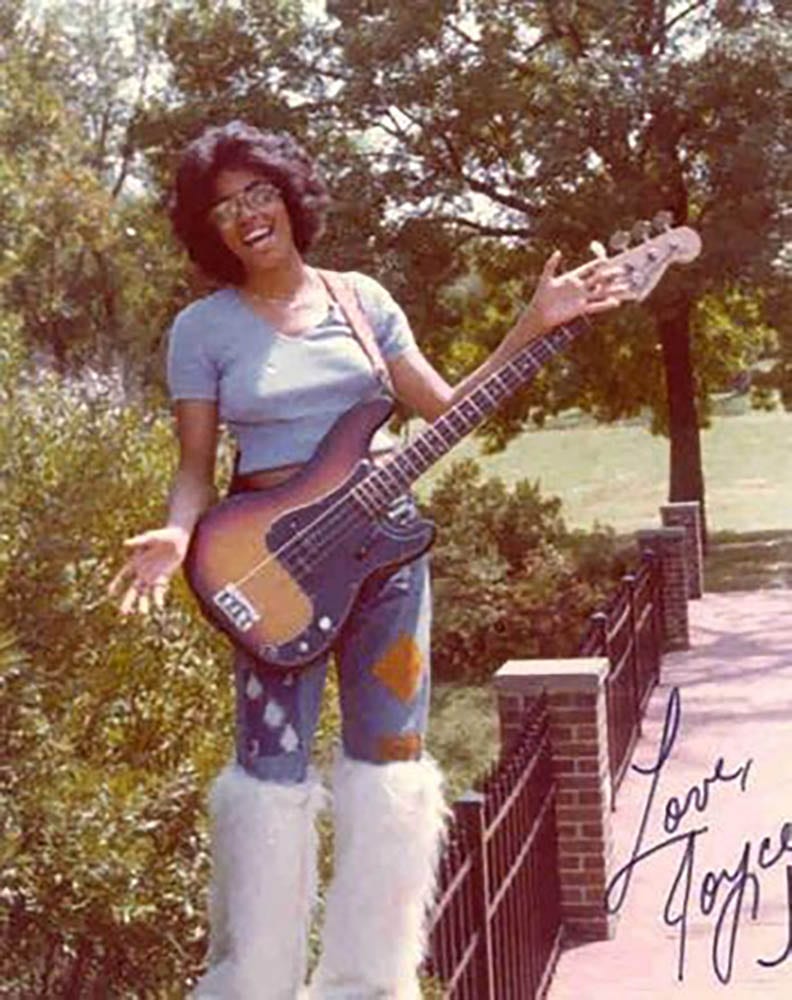
As a teenager, Joyce Irby could be found performing bass outside concerts on the loading dock, which is where George Clinton found her and resulted in her signing on with his P-Funk crew as “Fenderella.” She went on to sign a record deal with Motown in 1989, followed by joining Klymaxx as the original lead singer and bass player on three of Klymaxx’s four biggest records. She went on to found Diva One Productions, with which she signed and published a number of up-and-coming artists, including scoring a top 5 Billboard hit as a co-writer with the Fat Joe/Chris Brown song, “Another Round,” in 2012.
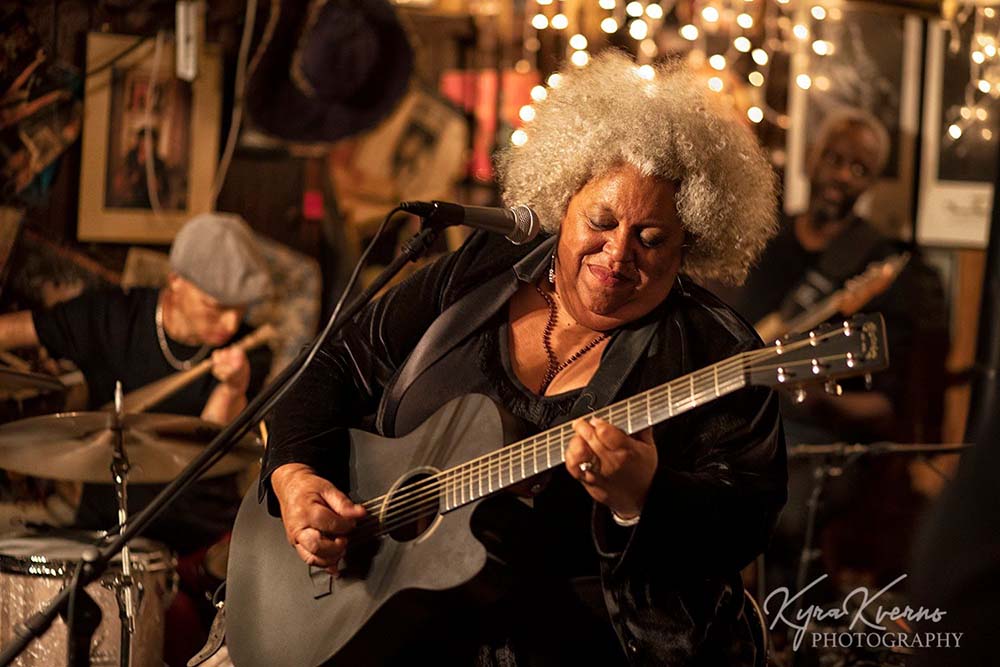
Born and raised in New York City, KJ Denhert is an acclaimed singer-songwriter who has been performing for over 40 years. She toured the world with Connecticut-based all-women band Fire, founded Mother Cyclone Records (through which she released her debut solo album), and started the music collective The NY Unit. She earned seven Independent Music Awards, and has maintained a 20-year residency at Manhattan’s 55 Bar.
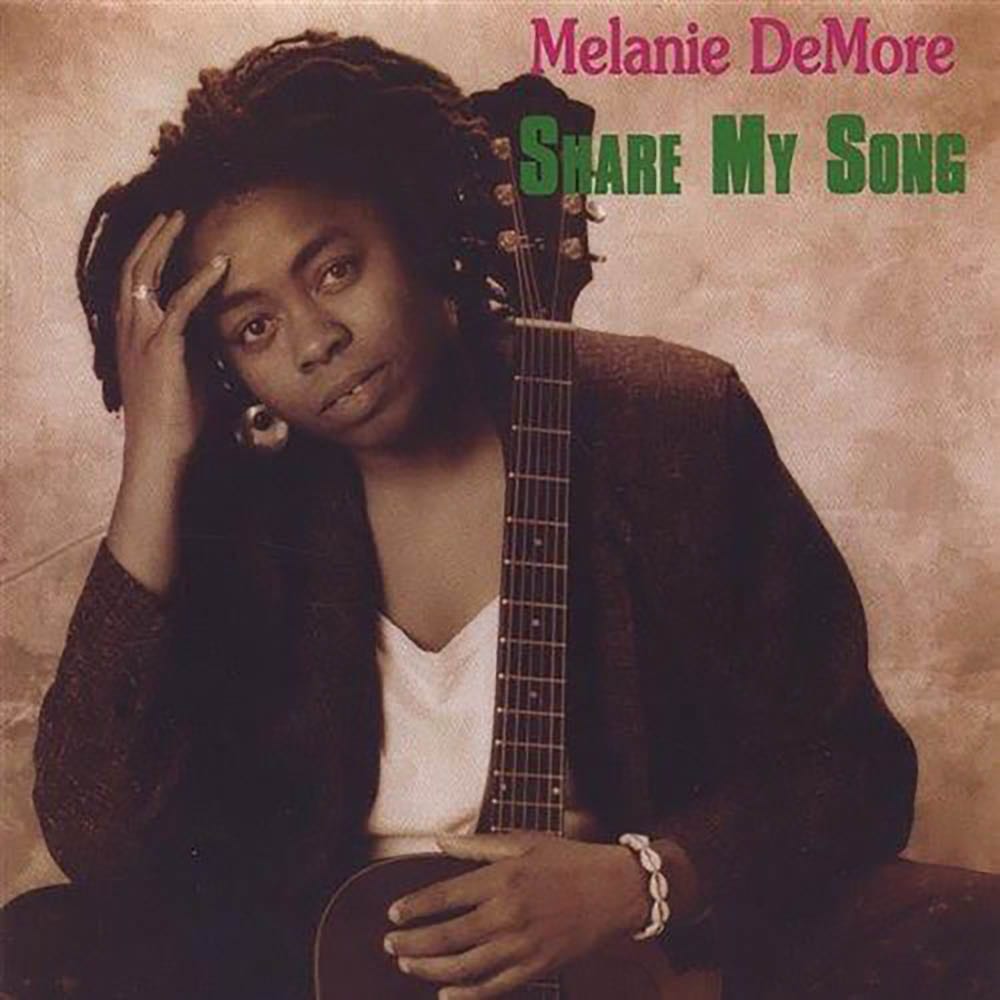
Accomplished songwriter, composer, choral conductor, and educator Melanie DeMore has traveled the world with her music. She was a founding member of the Grammy-nominated vocal ensemble Linda Tillery and the Cultural Heritage Choir, and has shared the stage with Gloria Steinem, Odetta, Pete Seeger, Ani DiFranco, and more. She released her debut solo album, Share My Song, in 1993 and In the Mother House in 2012. She has also developed a number of vocal and educational music workshops for children and adults.
Rev. Rabia has been performing for over 30 years. Born in the Bay Area, she learned how to play guitar at the age 14. She performed as a singer-songwriter as well as a backup singer with Afrobeat band Bole Bantu, but it wasn’t until she met mentors Robert Lowery and Virgil Thrasher that she found her musical direction. She has since performed at several festivals in California, toured southern Italy with Sonny Rhodes, opened for the late J.J. Cale, and released three albums—2000s Never Too Late (with Thrasher), 2015’s Future Blues, and 2020’s Ol’ Guitar.
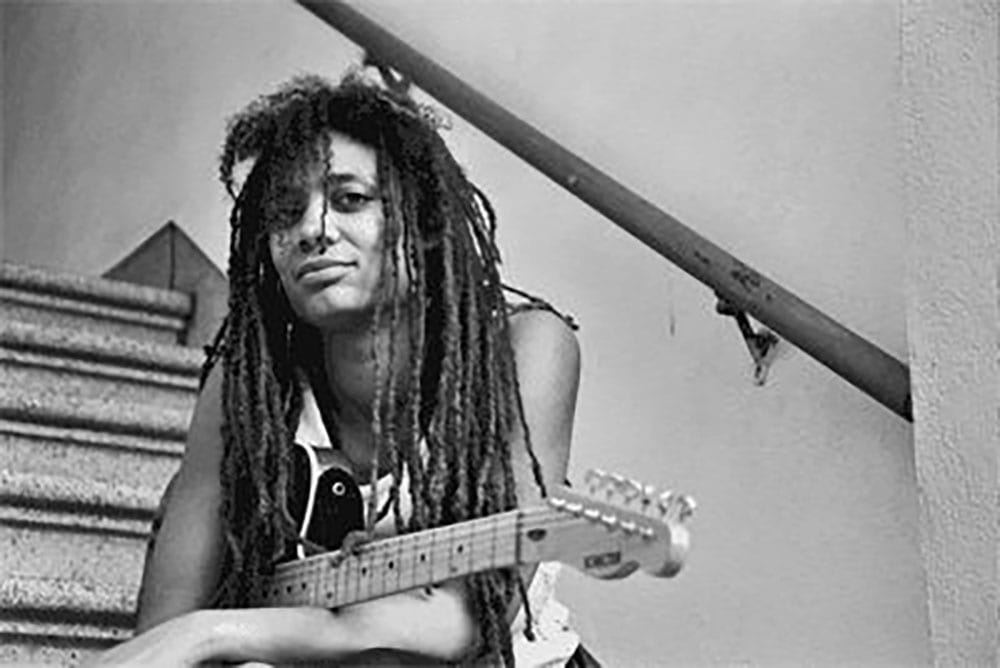
Guitarist Shelley Doty may best be known for founding the popular West Coast band Jambay, but she’s gone on to do plenty more since they disbanded in 1996. She currently fronts her band Shelley Doty X-tet, and also often performs solo acoustic these days. She has played and recorded with Bonfire Madigan (Kill Rock Stars), and was featured in the March 2008 issue of the renowned Guitar Player Magazine.
Acoustic folk blues guitarist, banjo player, and historian Veronika Jackson was inspired by artists such as Odetta, Dolly Parton, and Joan Baez as a child growing up in St. Petersburg, Florida. She grew up to create her own unique sound, combining R&B, acoustic folk, and Piedmont-style guitar picking. She released her debut album, Hat Check, in 2000, and her most recent album, The Woman I Am, in 2019. As a folk blues historian, she teaches workshops that focus on the early 1900’s – 1960 and uses her live performance to illustrate the roots and history of African American folk blues.
Daughter of Tom Winslow, folk singer and former member of Pete Seeger’s band, Thomasina Winslow was born with music in her veins—as a toddler she was a music prodigy, and sang back-up on her two of her father’s album as well as performed with her family band, The Winslows. The blues and gospel singer-songwriter went on to perform solo, as well as with numerous bands, and released the solo album, RETURN, in 2020. She is the owner of Winslow Productions and teaches music and performing arts in upstate New York.
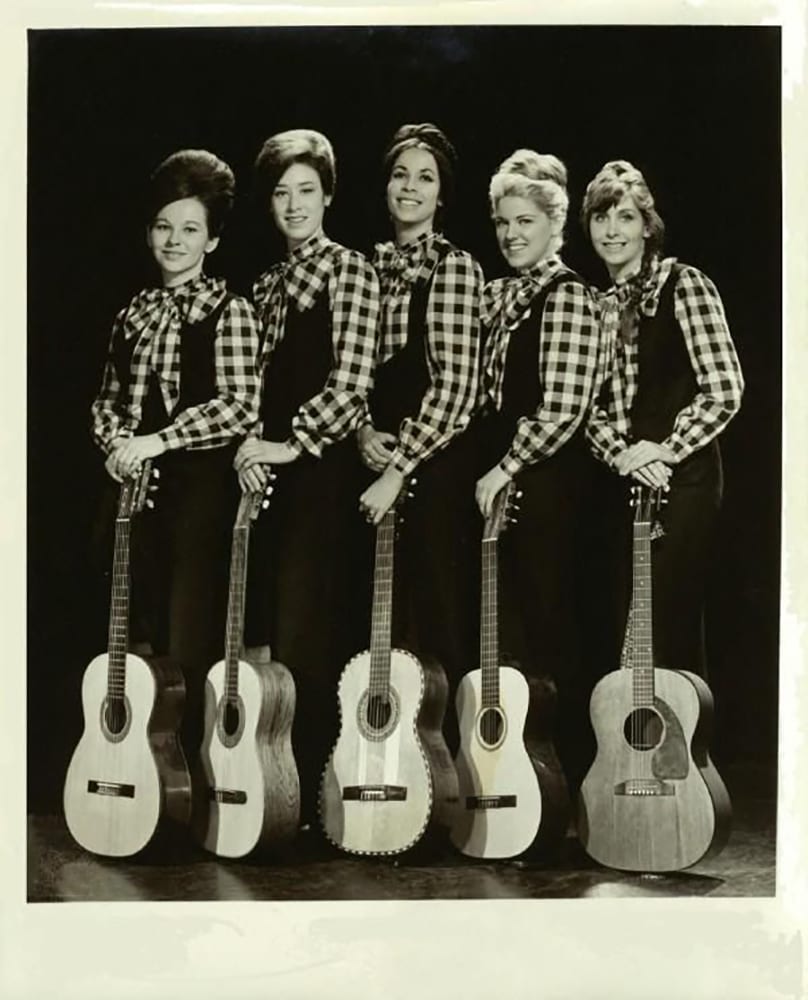
Musically, Leni Ashmore Sorenson is best known for her involvement in the all-women folk band The Womenfolk, in which she played guitar. Active from 1963 to 1966, The Womenfolk started in Los Angeles, and during their five years recorded five albums for RCA Victor and toured North American and the UK. More recently, their hit song, “Little Boxes” was featured in the HBO show Weeds. These days, Sorenson is a historian and homesteader.
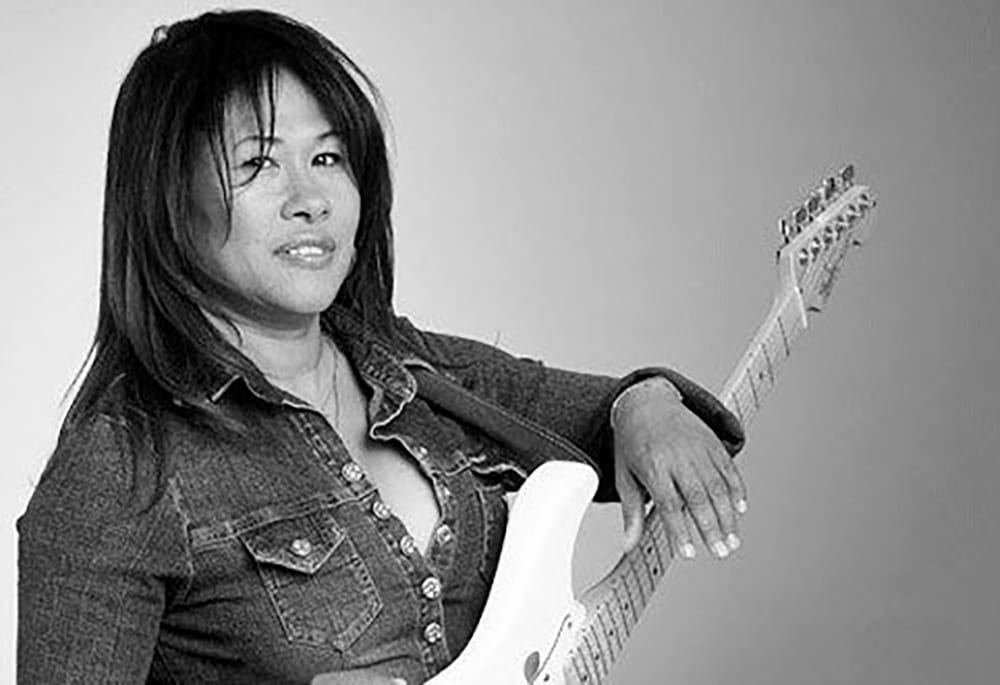
Suzanne “Minnie” Thomas (1955 – 2011) founded and joined some of the most pivotal music outfits that transformed the music industry for Black women. In the 1990s, she founded PMS (Pre-Metal Syndrome, and #44 on this list), the first all-Black women metal band. In 1996, she joined the all-women dance duo A Taste of Honey, after founder Janice-Marie Johnson reformed the group after her split with co-founder Hazel Payne. Thomas also fronted her own band, Suzanne and the Blues Church, who released The Cost of Love in 2011.
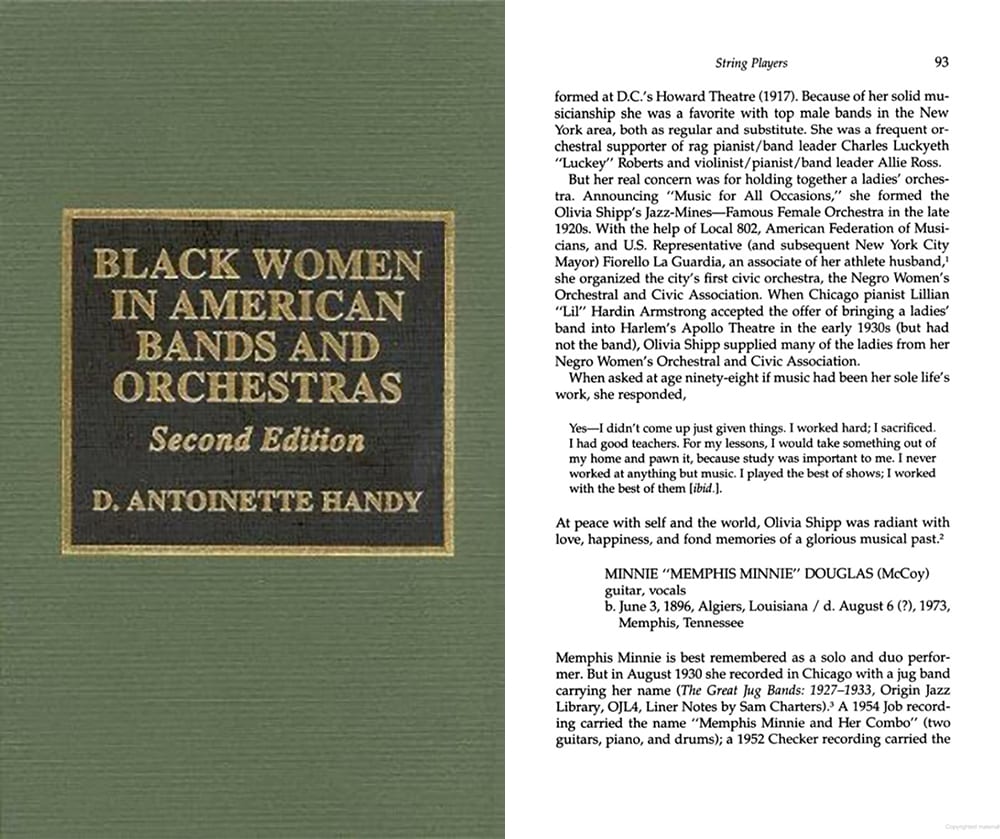
Very little is known about the life of Betty Lomax. She performed on guitar with the Negro Women’s Orchestral and Civic Association (founded by Olivia Sophie L’ange Porter Shipp, #92 on this list) in New York City during the late 1920s and early 1930s.
Blues guitarist and vocalist Pat Wilder has spent the past 30 years performing in a series of funk, rock, and blues bands around the Bay Area, including with Bobbie Webb, Billy Dunn, Curtis Lawson, Zakiya Hooker, Luther Tucker, and more. In 2015 she released the album, Alive.

Sisters Alice and Fanny Wiley played, respectively, string bass and guitar in their family band, The Wiley String Band, based out of South Carolina. Aside from this meager information found in the book, Black Women in American Bands and Orchestras, by D. A. Handy, little else is known about the sisters or the band.
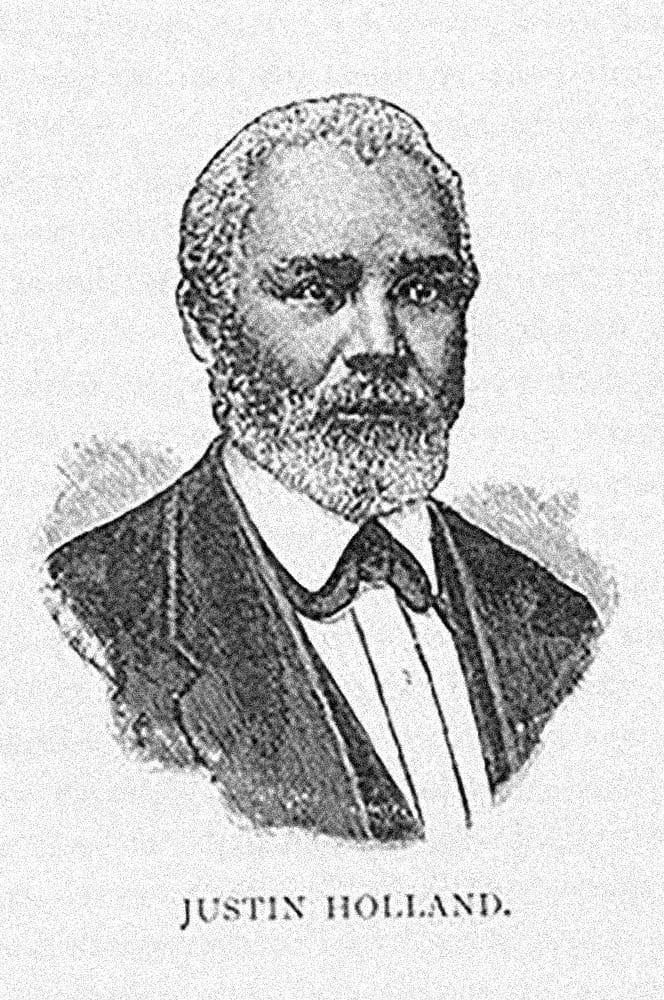
Clara Monteith Holland, daughter of classical guitarist Justin Holland, was an accomplished pianist and guitarist in the late 1800s. Little else is known about her life, but her father, aside from being an esteemed guitarist, was also a music teacher, community leader, and civil rights activist who worked to help slaves escape through on the Underground Railroad.
She Shreds recently had the opportunity to take a field trip to the C.F. Martin and Co. headquarters in rural Nazareth, Pennsylvania, the location of Martin manufacturing since 1839. We were eager to dive deeper into the Martin 186-year timeline and see for ourselves the inspiration behind the recent release of the Size 1 de Goñi Authentic 1843 guitar, as well as the expanding definition of who makes and plays a Martin guitar.
First on our agenda was a tour of the Martin factory. Considered one of the oldest guitar manufacturers in the United States, Martin is unique in that it still heavily relies on handwork by skilled craftspeople rather than production automation. Take for example the delicate pearl inlays Martin is notorious for: Many of the Martin guitars in the past 25 years, with inlay incorporated into the design, have passed through the hands of artist Luann Werner.
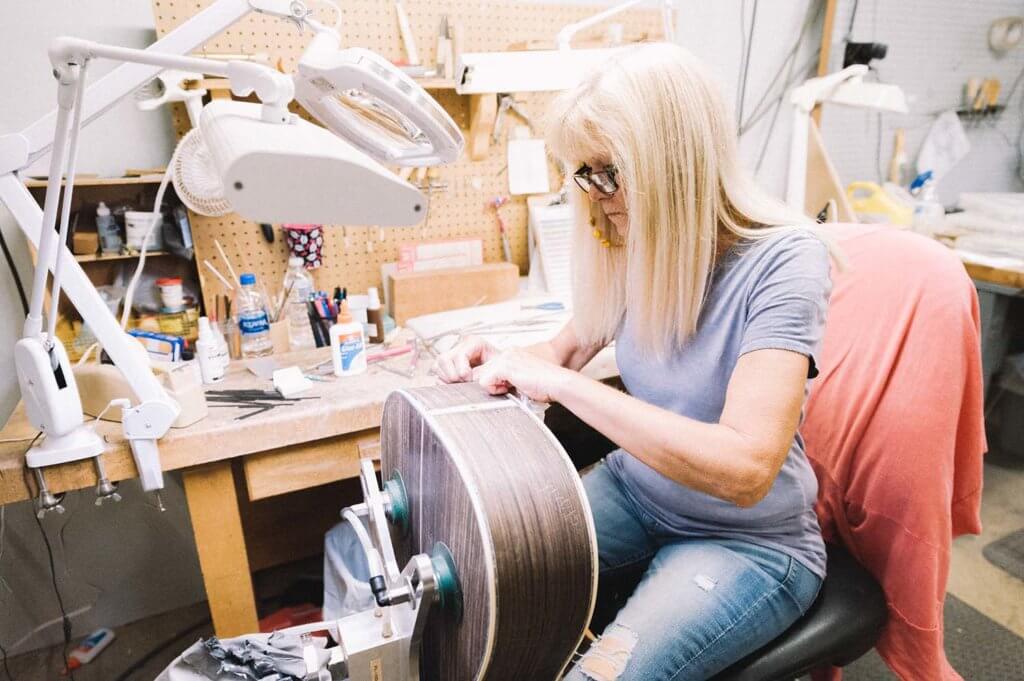
Werner has been at Martin for over 30 years and has spent the last 25 as a pearl inlay artist. When asked about her craft, a very tedious and no-room-for-error task, Werner shared the somewhat stressful learning process behind her skillset: “The material falls apart easily. So when you’re putting a miter on something and it falls apart, it’s kind of scary. But the more you do it, the better you get at it.” So what keeps someone like Werner coming back for decades to a high pressure position within Martin? Personal satisfaction: “Even though it’s not easy, when you’re finished and it looks great, it’s rewarding.”
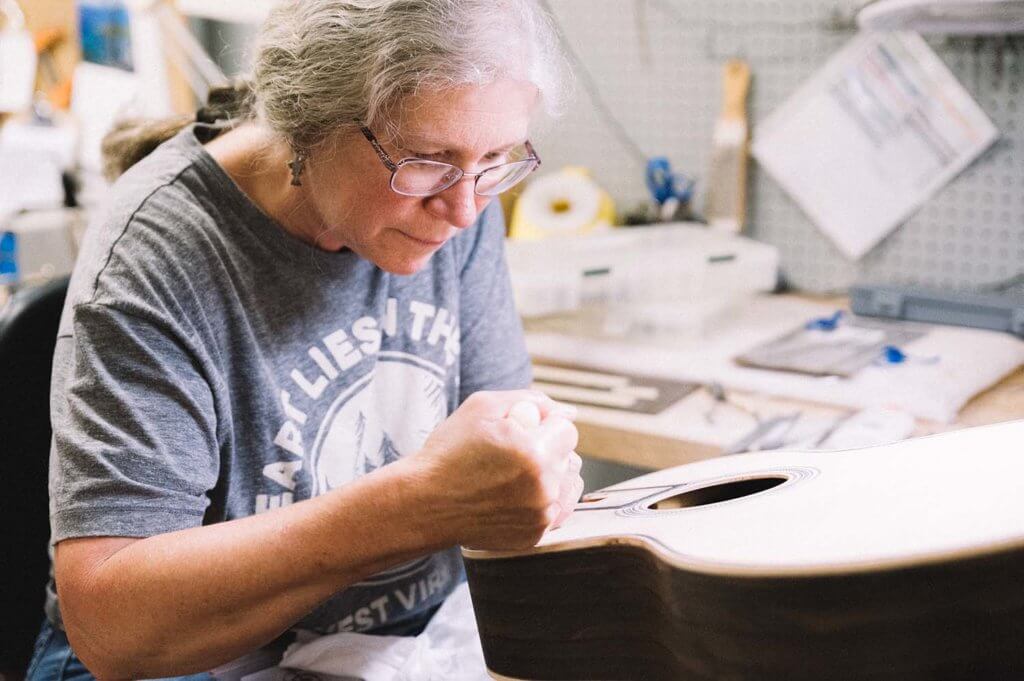
Sue Wagner has been with the company for 22 years, serving primarily as a pre-finish sander on guitar necks—a position responsible for transforming raw wood into a perfect surface ready for the next steps of neck building. The patience and practiced eye-for-detail required as a sander led Wagner to pearl inlay, making her a great addition to the department where she’s been helping out for the last two years. At her workstation, next to Werner’s, she stresses that both sanding and pearl inlay are consequential at Martin: “There’s a lot to learn here. It’s a challenge and it’s not easy. But for the standards we have for this quality of instrument, we have to really take our time and be careful.”
When Martin does choose to automate parts of their production methods, they go for technology that improves the working conditions of their employees instead of replacing them. Leslie Mammele, who started out with Martin in the early ‘90s as the CAD/CAM CNC programming manager, brought CNC technology into their production line as means to reduce work-related injuries. “We had a lot of workplace injuries from repetitive motion,” says Mammele. “So we started to figure out how we could automate this without affecting the handmade quality of the Martin guitar.”
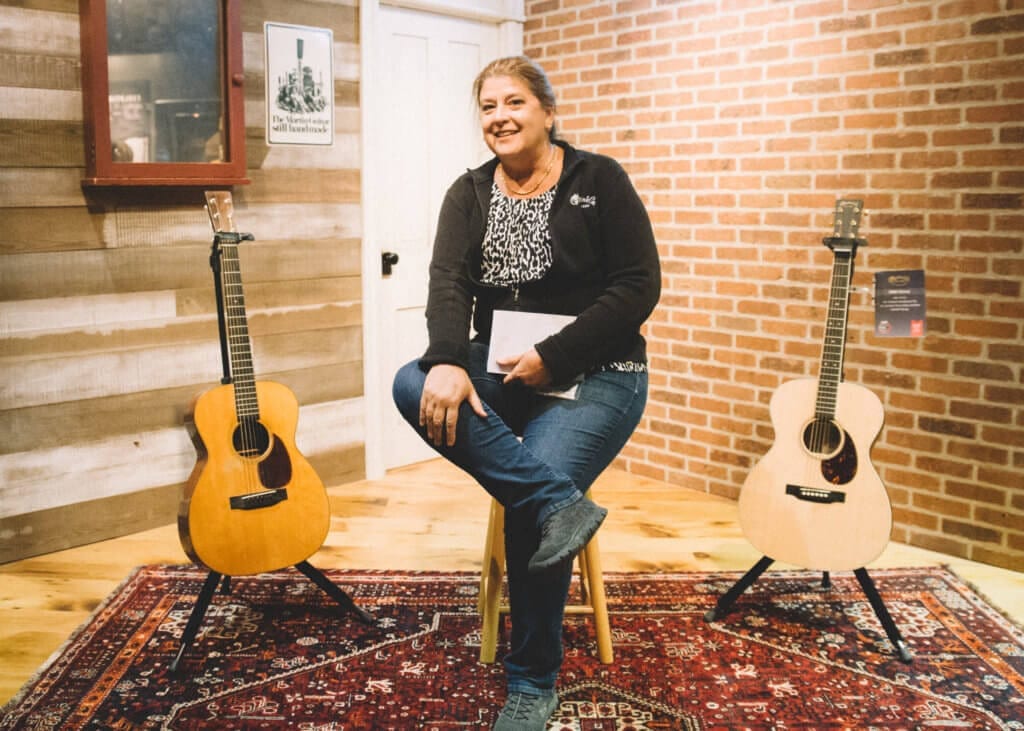
At first, the idea of new technology in the production line was apprehensively viewed by long-standing staff committed to the traditional practices behind making Martin guitars. But once Mammele made clear that these machines were being implemented to improve staff lives both inside and outside of work, all were on board. “We were able to reduce the hogging operations that would help people with their carpal tunnel injuries,” says Mammele. “So we didn’t take out the handmade part of it, we adjusted the [repetitive] part that people didn’t really need to do.”
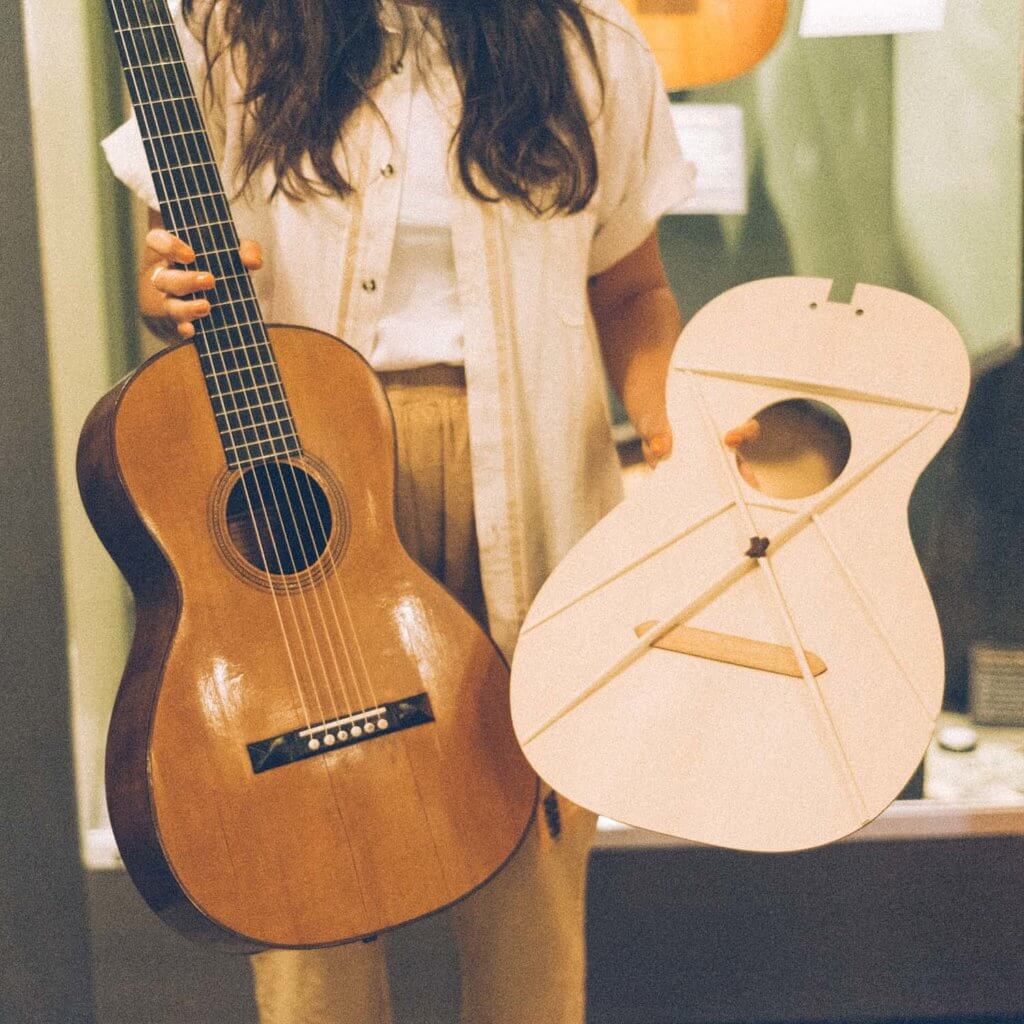
In 2019, Martin continues to value their tried and true production methods, and we see this most notably with the release of their Size 1 de Goñi Authentic 1843 guitar, debuted at this year’s Winter NAMM and considered by Martin staff to be “the most complicated Authentic ever made.” The forms and tooling to accommodate the unique details of the Martin de Goñi guitar, such as recreating the early version Martin dovetail neck joint, had to be found or recreated before guitar production could begin—not to mention the careful handling required to X-ray the interior for exact measurements, as well as finding sustainable wood sources that wouldn’t compromise the tone heard with the original.
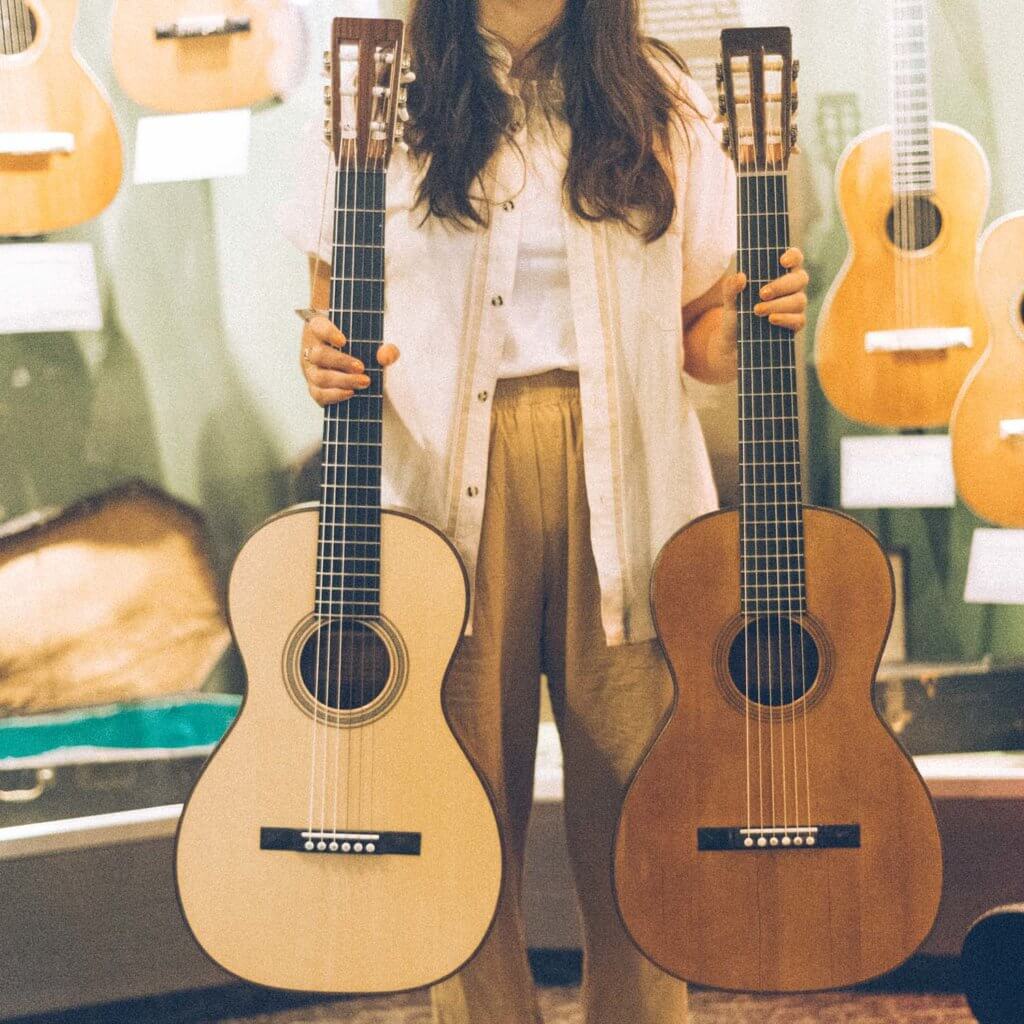
One of the first to admire the difference of a Martin acoustic was Madame Delores Nevares de Goñi, a highly revered, Spanish guitar virtuoso of the 1800s, and a significant character in the Martin legacy. After immigrating to the United States in the 1840s, Madame de Goñi gained much admiration and respect within the first five years of her arrival. In February 1842, a Boston publication known as The Musical Cabinet wrote:
So, what makes this guitar an important milestone in Martin history? The Goñi Authentic harks back to Martin’s first Size 1 model acoustic and the earliest X-braced guitar ever documented. As stated in an earlier article on She Shreds, the X-braced system used in early Martin guitars influenced the entire acoustic industry and helped to create what is known as the “Martin sound” and arguably “the starting point for what American guitars would become,” according to Martin’s Museum & Archives Specialist, Jason Ahner:
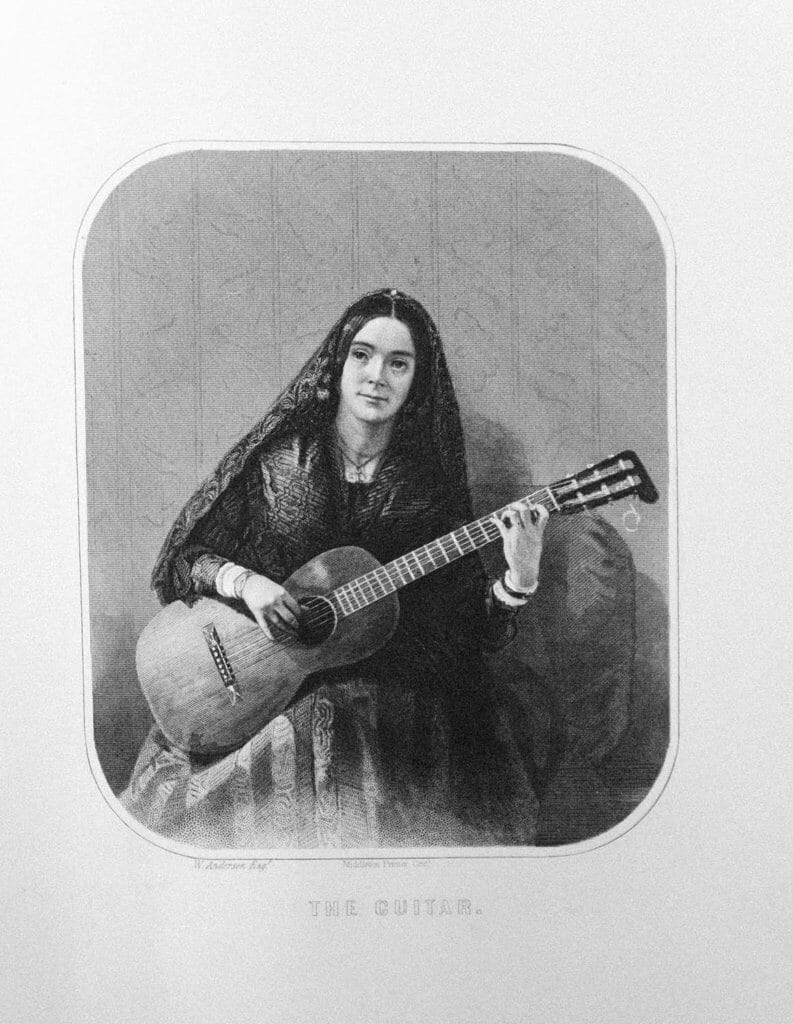
“Madame de Gony [sic] is a most delightful performer of the guitar, and is certainly an artiste of high merit. She appears to have the most perfect command of the instrument. Her performances were distinguished for neatness, beauty, grace, sweetness, power, variety, finish, expression, and pathos. We have never heard anything like it. She was received by the audience with the warmest enthusiasm.”
While Madame de Goñi was winning East Coast hearts, C.F. Martin Sr., a recent German immigrant, started crafting Spanish-inspired guitars in response to the mid-1800s U.S. music scene, which coveted anything Spanish. Crossing paths with Martin Sr. at a party hosted at his home, Madame de Goñi was hesitant to believe that anything could be better than her beloved Spanish guitar. However, she agreed to try out a guitar that was custom built for her by Martin Sr., fashioned after her own guitar but including unique Martin characteristics, such as the recently developed X-braced system. After playing a few songs, she then stowed her own guitar away, proclaiming, “I’m through with that. I don’t care for it any longer. This is the guitar I want.” Thus, establishing Martin as a leading innovator in guitar history.
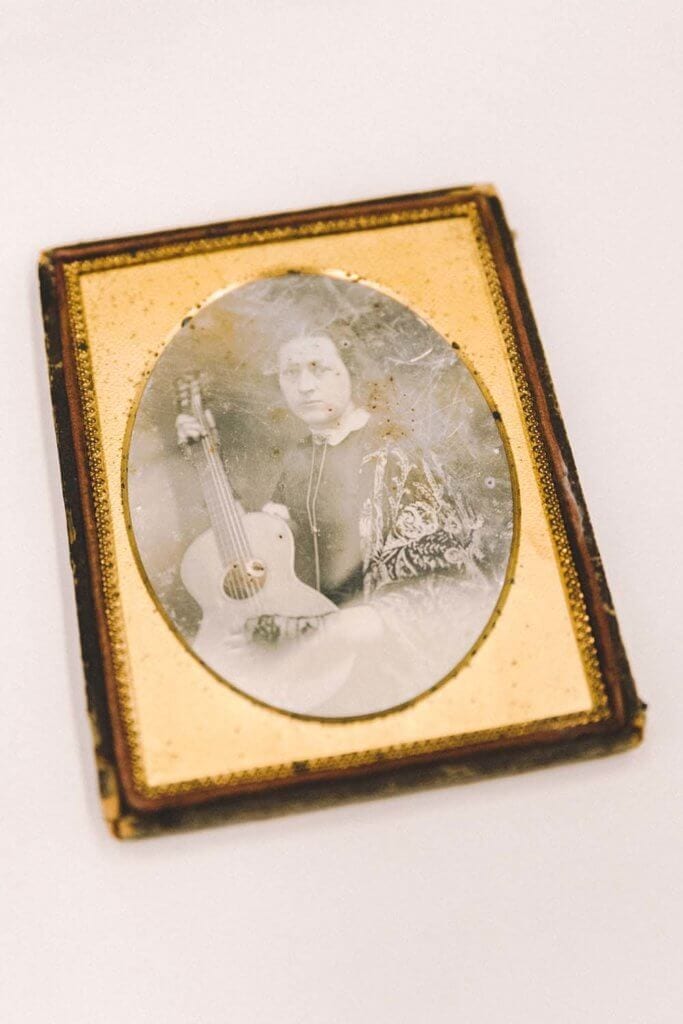
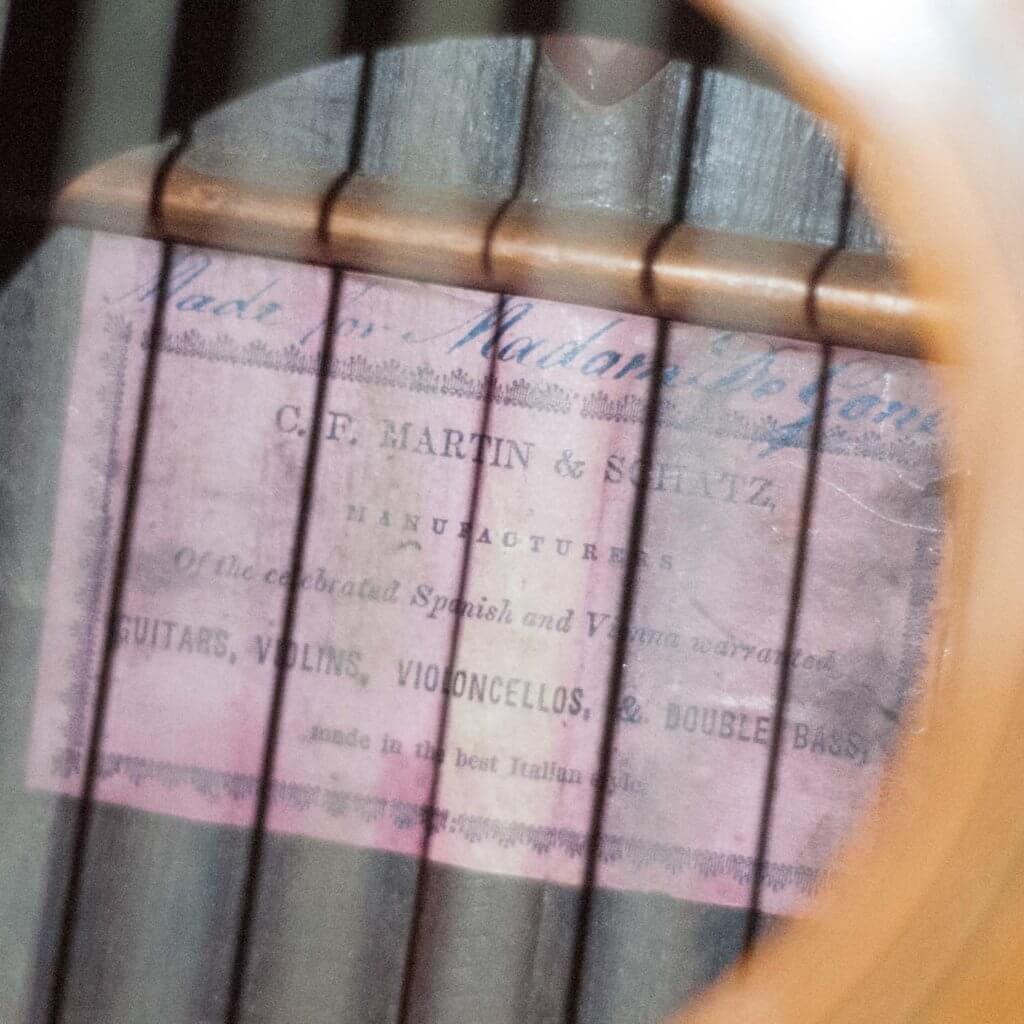
Today, the Madame de Goñi custom sits in the Martin Guitar Museum alongside a rare photo of her. Peering into the glass case, you can see the original label within the sound hole, which reads, Made for Madame de Gone [sic]. Surrounding it are other Martin milestones within the context of the late 19th century music history. To our surprise, we noticed that the photos and artifacts of reputable and admired musicians of that era were primarily women. It felt shocking to be in a museum showcasing an earlier time in which women—albeit specifically white women—were not only appreciated for their musical abilities but were also gifted with custom made guitars from society’s most skilled builders. A woman’s endorsement of Martin was valued as a key to success; a far cry from where the guitar ended up in the 21st century.
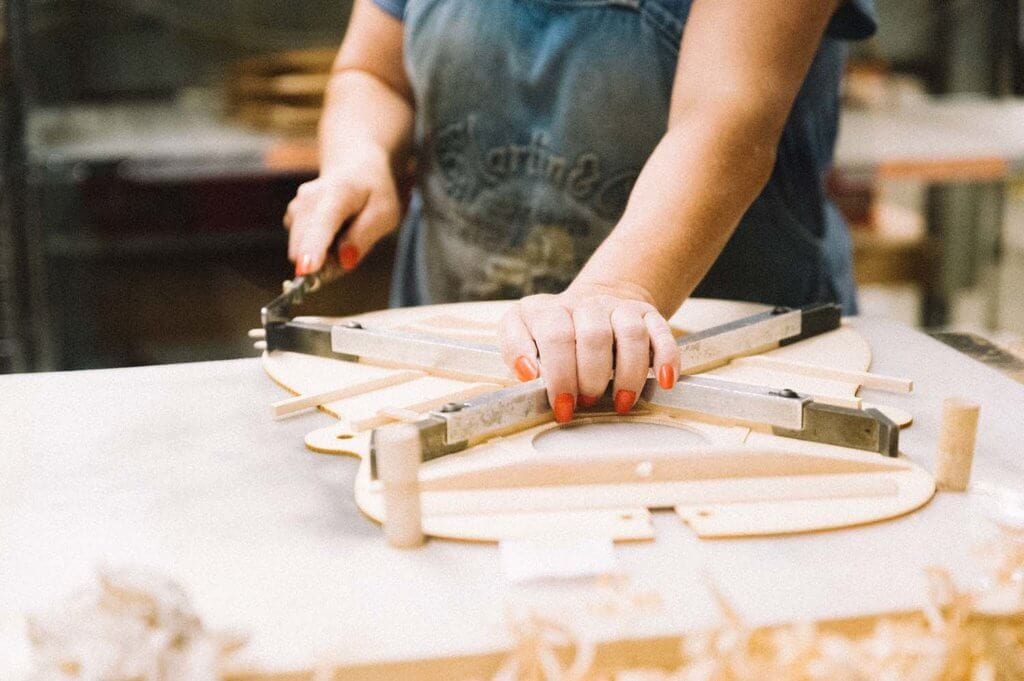
However, observing the people behind the scenes who build, manage, and shape Martin’s legacy, we’ve found that the involvement of women is more than an attempt to acclimate with modern practices; it’s an understanding that women influence good business practices and bring quality to an instrument built to last a lifetime.
This article originally appeared in She Shreds Magazine Issue #17, released in April 2019.
In the fall of 2018, Dr. Kim Perlak was named chair of the acclaimed guitar department at Berklee College of Music. She is the first woman to hold this position at the college, and only the fourth person ever to hold the position since the college added guitar as a principal instrument in 1962.
This was big news for the world of guitar education. Out of the 30 top national schools with classical and jazz guitar programs, only a handful of women hold guitar faculty positions. In fact, the vast majority of top music schools don’t have any women on their guitar faculty at all, and some have just one. At Berklee, there are just eight women among its total guitar faculty of 57.
Despite these very low numbers, it’s important to note that four of these women are heads of the guitar programs at their schools: Dr. Perlak at Berklee, Sharon Isbin at Juilliard School of Music, Dr. Molly Miller at Los Angeles College of Music, and Dr. Lily Afshar at the University of Memphis. She Shreds looked at the work of these educators and several more to shed light on the state of women’s contributions in higher guitar education.
Berklee College of Music
At Berklee, Dr. Perlak held the position of assistant chair for five years before taking over for Larry Baione, the current chair emeritus. “When I learned about the assistant chair position, I thought, ‘As a player and an educator, it would be my dream to be a part of a place like that,’” says Dr. Perlak. “During the application process, I realized that no matter how far I’d come, I had not always seen myself from a position of strength, because I was often the youngest and the only girl. I used that to build a strong presence in music and education, both in my performance career and in my work. I think it made me a sensitive and strong player, and a good teacher because I could understand that other people might not be having an easy time.”
Dr. Perlak became the assistant chair in 2013, bringing over two decades of teaching experience, community service, performance, and leadership skills to the school. In the fall of 2018, she was named the chair of the guitar department, leading the college’s second largest instrument group, with nearly 1,000 students. According to guitarist and Berklee faculty member Jane Miller, who teaches classes like Chart Reading, Visualizing Chords, and Guitar for Music Therapy, Dr. Perlak brings knowledge, expertise, and more to the program: “She knows how to work with people and get the best out of us in a very positive, spirited, and friendly way.”
Since Dr. Perlak started at Berklee, she has developed Contemporary Classical Ensemble, a class where students focus on performing contemporary pieces that have potential for an improvisational component. She teaches the class with guitarist and faculty member David Tronzo; the two also co-teach Spontaneous Composition, where students develop their free improvisation skills with an emphasis on interpretive techniques. “The fact that I’ve taken lessons with several of our faculty members has allowed me to branch out musically in ways that I wouldn’t have imagined,” says Dr. Perlak of the importance of a commitment to learning amongst educators. “Knowing that faculty are learning can help [students] get over the fear of doing something new. The guitar faculty are open about their continued learning. I think that that is such a revelation to young players; you have to go deep to be free.”
In addition to Dr. Perlak, there are a number of additional women educators who have made notable contributions to Berklee’s guitar department. Full-time professors Lauren Passarelli, Robin Stone, and Abigail Aronson are all on the Guitar Education Committee, working to regularly develop and revise the curriculum. Passarelli has been in the guitar department for more than 30 years; she’s a Beatles expert, wrote Berklee’s Guitar for Songwriters lab, and is one of the main tutors of the proficiency materials. Stone is “one of the main architects of what we do in rock guitar at Berklee,” says Dr. Perlak, adding that Stone’s labs and ensembles highlight specific eras and styles of rock; she has written all of the arrangements for the classes she has developed, including the Music of the Allman Brothers class. Aronson developed a tutoring system to strengthen the fingerboard knowledge of guitarists of all styles, and is the founder of the Joni Mitchell Ensemble, one of the premier ensembles at Berklee. The part-time faculty includes Sheryl Bailey, who teaches some of the top-level divisional classes in jazz guitar; Amanda Monaco, a jazz guitarist who teaches a class in Ted Dunbar’s approach to the guitar and wrote the Charles Mingus Ensemble; and newest faculty member Berta Rojas, a virtuosic classical guitarist who has “broadened the classical guitar and Latin music curriculum,” according to Dr. Perlak.
Juilliard School of Music
In 1989, classical guitar virtuoso Sharon Isbin founded the guitar program at Juilliard School of Music. She continues to be the department’s sole classical guitar faculty and chair. Isbin has trained students from more than 20 different countries at the school, many of whom have gone on to become premiere performers in Europe, South America, Japan, Korea, China and North America. “I designed the program to give guitar students opportunities to collaborate and perform with other instruments, vocalists, and composers,” she says, explaining that students also have opportunities to participate in festivals, play at Lincoln Center and Juilliard, and work as performers and educators in community outreach programs bringing music to NYC schools and hospitals.
Isbin is one of the most acclaimed guitarists in the world, with multiple awards to her name and over 25 recordings. She co-published, with the late renowned Bach scholar and keyboard artist Rosalyn Tureck, the first ever performance editions of the complete Bach Lute Suites for G Schirmer, which she also recorded as J.S. Bach: Complete Lute Suites on Warner Classics. She has been the director of the classical guitar program at the Aspen Music Festival since 1993, giving master classes in guitar performance and chamber music.
Los Angeles College of Music
The program at Los Angeles College of Music is small, with only 25 students currently, but its guitar faculty is impressive. Among heavyweight names like Adam Levy and Bill Fowler, there’s Dr. Molly Miller, who has been the chair of the guitar department since April 2017. Dr. Miller has recorded and toured with Jason Mraz and The Black Eyed Peas, and performs her own music with the Molly Miller Trio.
At LACM, Dr. Miller teaches a variety of classes, including guitar ensembles, performance ensembles with multiple instruments and vocalists, fingerstyle, music theory, and guitar pedagogy. Miller played a pivotal role in reworking the curriculum at LACM, ensuring that students receive an ample amount of reinforcement on key music concepts, and has also has brought in musicians like Arianna Powell to give clinics. “It was so cool to have Arianna teaching. She wowed everyone,” says Dr. Miller. “She’s such a killer player.”
Rudi E. Scheidt School of Music at the University of Memphis
Dr. Lily Afshar heads the guitar program at the Rudi E. Scheidt School of Music at the University of Memphis. A native of Iran, Dr. Afshar is influenced by both Persian and classical music. She has taught master classes, performed all over the world, and was the first woman to be awarded a doctorate in guitar performance. “I didn’t realize that I was the first until after it was done,” she says. “I looked around and thought, ‘Gosh. I’m the first one!’ I feel very proud.” Students at the University of Memphis are fortunate to have the opportunity to study privately with Dr. Afshar, whether they are on the undergraduate, masters, or doctoral level. There are currently six students under her tutelage, and she strives to give them a well-rounded education. In addition to private instruction, Afshar also teaches Guitar Ensemble, Guitar Pedagogy, Guitar Literature, Music Theory, and Music Appreciation. “I want them to become complete musicians and not just guitarists,” Afshar say. She is also the artistic director of the Memphis International Guitar Festival.
Princeton University
Laura Oltman has taught guitar as part of Princeton’s performance faculty for nearly 40 years. Oltman and her husband, Michael Newman, have performed together in the Newman & Oltman Guitar Duo for the same length of time. Together, they founded both the Raritan River Music Festival, now in its 30th year, and the New York Guitar Seminar at Mannes, which is in its 19th year. The Raritan River Music Festival has won several awards for its cultural programming and community outreach, including the ASCAP-Chamber Music America Award for Adventurous Programming. The New York Guitar Seminar brings together guitarists from all over the country for performances and study. Oltman hopes that her students learn fundamentals of the classical guitar so that they can continue to grow and enjoy making music: “I think what most teachers really want is to teach their students enough that they can go on, play the rest of their lives, and keep learning.”
Peabody Institute at John Hopkins
The Peabody Institute differs from other institutions due to its affiliation with John Hopkins University’s renowned medical program. A stand-out, innovative educator at the conservatory is Dr. Serap Bastepe-Gray, a master guitarist, medical doctor, and occupational therapist. She’s the co-founder of Johns Hopkins Center for Music and Medicine and is on the Performing Arts Rehab team. Dr. Bastepe-Gray’s contributions at Peabody include her many arrangements and compositions, which are performed by the guitar ensemble, as well as the online curriculum for Playing Well, which she developed and teaches, instructing musicians on how to take care of their bodies and prevent playing-related injuries.
Applying her unique expertise in both music and occupational therapy, Dr. Bastepe-Gray is also now working on a project known as the SmartGuitar, currently in research and development. Working with faculty and students from the Hopkins Mechanical Engineering Department, Dr. Bastepe-Gray’s SmartGuitar is a next-gen prototype that will measure finger-force application on the fretboard. “The fretting and fingering hand on string players, including guitarists, is under the demand of repetitive and also sustained force production, which presents risks for injury of the forearm and hand muscles,” she says. There is currently no such tool to measure these forces, but Dr. Bastepe-Gray is confident in the development and impact of SmartGuitar. “By better understanding these force applications, we are hoping that we will be able to train guitarists towards expert movement and force patterns more efficiently.”
Despite their accomplishments, it’s hard not to notice that the number of women guitar educators is very small compared to the number of men educators. However, the tide is turning, as more women educators emerge in guitar programs of all sorts, and more educators work to create inclusive spaces. According to Berklee educator Amanda Monaco, members of the guitar community are supporting each other in these efforts. “I’m really committed to making sure that young women coming up are given equal opportunities,” she adds. “I’m involved with the Berklee Women in Jazz Collective. It’s really important that we are out there now to be advocates.”
It will take time, but as women gain leadership positions in education and across the industry, they will inspire even more women guitarists. Dr. Perlak has already seen change since starting at Berklee: “The percentage of women guitar students in the department, people who choose guitar as their primary instrument, had never been above four percent in the guitar department. In the five years that I’ve been there, it doubled to eight percent. There’s a shift happening. There are many more high school guitar programs and formalized ways that young women can get involved with the instrument. And that’s really cool.”
“She’s not going to go away, so you might as well just say yes off the bat.”
Polite persistence paid off for Meredith Coloma as a teenager, back when she was an aspiring guitar builder. She was described like this by master guitar builder Roger Sadowsky and the then semi-retired builder Michael Dunn. Haunted by the tone of her childhood guitar instructor’s acoustic Dunn guitar, Coloma approached Michael after working with Sadowsky and completing study at a guitar building school, which taught her how to use tools, but left her desiring additional instruction. She had an idea of the tonal and design quality she was looking for and wanted to get it.
Initially uninterested in taking on a new student, Dunn was intrigued. Who was this young woman that contacted Sadowsky at 17 to learn to make a better guitar? Why was she interested in acoustic instruments after spending time learning how to build electric guitars and basses? While persistent, her politeness grounded their interactions. He decided to check references, calling Sadowsky, who vouched for his former pupil.
Dunn’s decision to work with Meredith marked a turning point in her career. As Meredith puts it, “That was the beginning of my journey into the magical mind of Michael’s creativity. He taught me how to unlearn all my limiting beliefs about building an instrument without jeopardizing, and often improving, the structure and tone.”
Years later, Coloma is still both polite and persistent. She is the owner and founder of multiple businesses: her namesake guitar company (Coloma Guitars, where she builds and repairs instruments and teaches workshops) and Pacific Wood Lab, a workspace equipped with machinery for craftspeople. She also co-produces the Vancouver International Guitar Festival with Shaw Saltzberg, an event-packed experience that mixes builders, clients, and vendors.
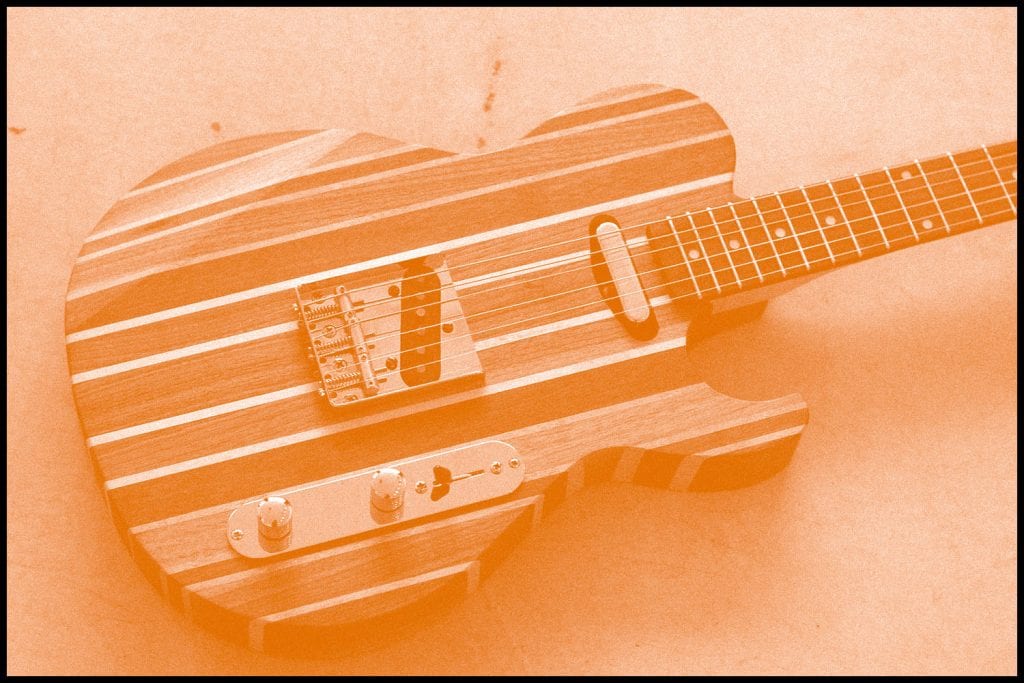
In recognition of her work, Coloma received the Top 30 Under 30 Award from BC Business magazine—no small feat, as Coloma was the only craftsperson represented amongst awardees. Between building guitars, teaching workshops, and running her other businesses, Coloma took time out of her schedule to tell She Shreds about her work and give advice to aspiring craftspersons and entrepreneurs.
What is a typical day at your business like? How much time do you spend building instruments versus managing the business?
Teaching my customized courses and workshops to my instrument building students can be for just a couple of hours on weekends or evenings or very intensive; it depends on the student. Sometimes they are local students while others come from far away places, like Qatar. Some are retired hobbyists; some are young people wanting to start a career. There is no typical day.
Because I work with students who have a flight to catch so occasionally, if they sand through something or make an alteration, we work long hours.
Repairs and builds are ongoing, as is marketing and organizing the Festival and growing Pacific Wood Lab.
The Vancouver International Guitar Festival has a staff of three: me, Shaw and our amazing everything person, Jenny. William is my VWL partner and CNC genius. I’m also very lucky to have Henry, my invaluable shop manager, who keeps the shop running when I am away. This allows me to spread my time between everything.
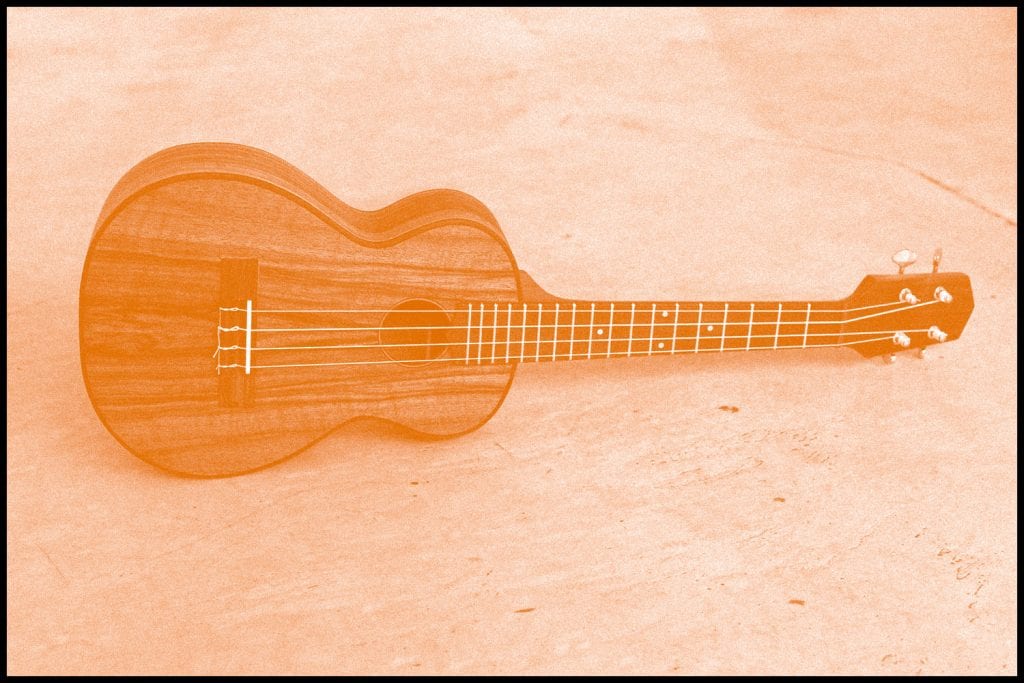
What was your educational experience like? You’ve studied with different builders. It would be fascinating to know how your experience varied over time and in different educational contexts.
I learned the very basics from a guitar school that taught me how to use the tools; I had no background in that so it was very necessary. But the electric and acoustic instruments I was building there weren’t what I wanted. So I went to top specialists in their field: Roger Sadowsky for electric and bass guitars, and Michael Dunn for all types of acoustic stringed instruments.
With Sadowasky, I learned not only about superior tone wood, components and attention to detail but also about running a small business and customer service. Similarly, with Michael Dunn, I learned curved joinery; creative problem solving in building unique instruments; pushing boundaries of design esthetics; and working with non-traditional design methods without compromising on tone.
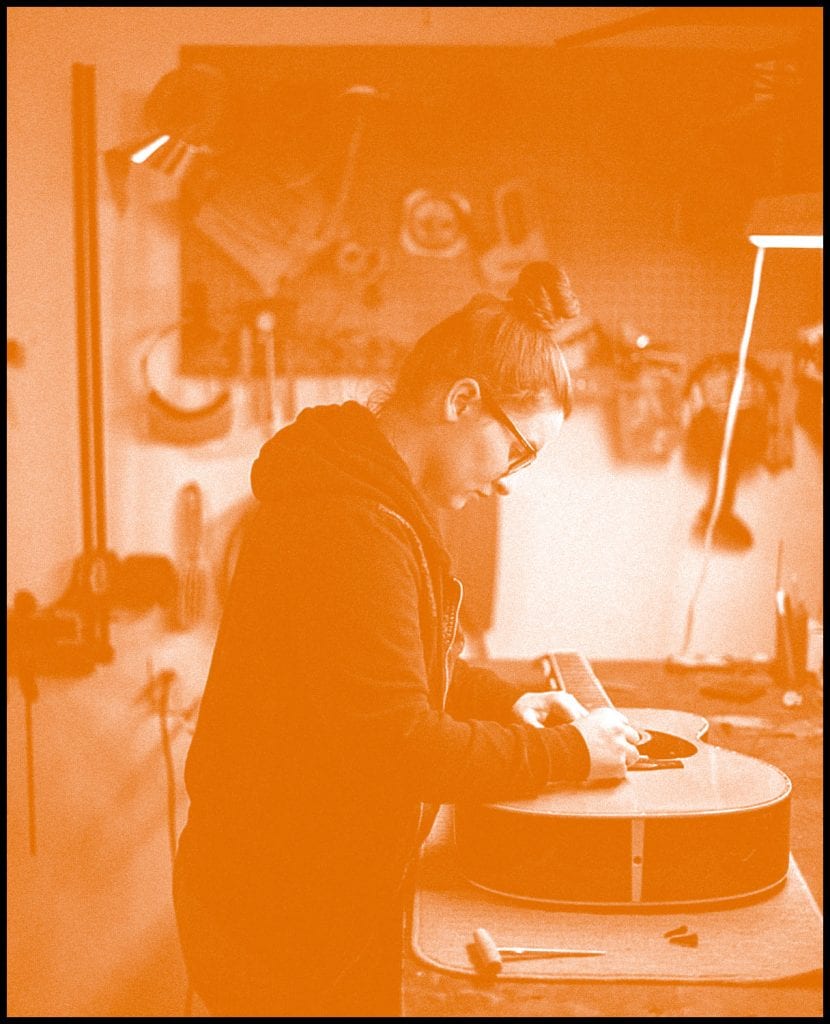
What’s something that’s misunderstood about your job?
In the most tangible sense, people don’t realize the hours of sanding and grunt work involved. From a more philosophical perspective, however, I have found that builders have resisted collaboration. I enjoy running the festival because we are proving that we can build a stronger industry for everyone if we support each other, challenge and celebrate each other, and match up the right instrument or service to the right builder. We are changing the misunderstanding that we are in competition with each other. We can all win when we support the industry and craftsmanship as a whole.
Could you tell our readers about some of the instruments you’re most proud of making?
Stand out ones are the Sun Guitar and the Tree Guitar. The Sun Guitar was an Art Deco OM guitar with an internal wooden resonator. The Tree Guitar was a lot of detailed joinery and inlay work with over 80 pieces of inlay. In both cases, I was really happy with the tonal outcome. The Sun Guitar had great write ups in Guitar Aficionado Magazine, Fretboard Journal, and Acoustic Guitar Magazine.
The stand out guitar built by one of my students is Trevor’s patchwork guitar that came from me teaching him joinery and him taking it to the next level. That kind of collaborative work gives me a high.
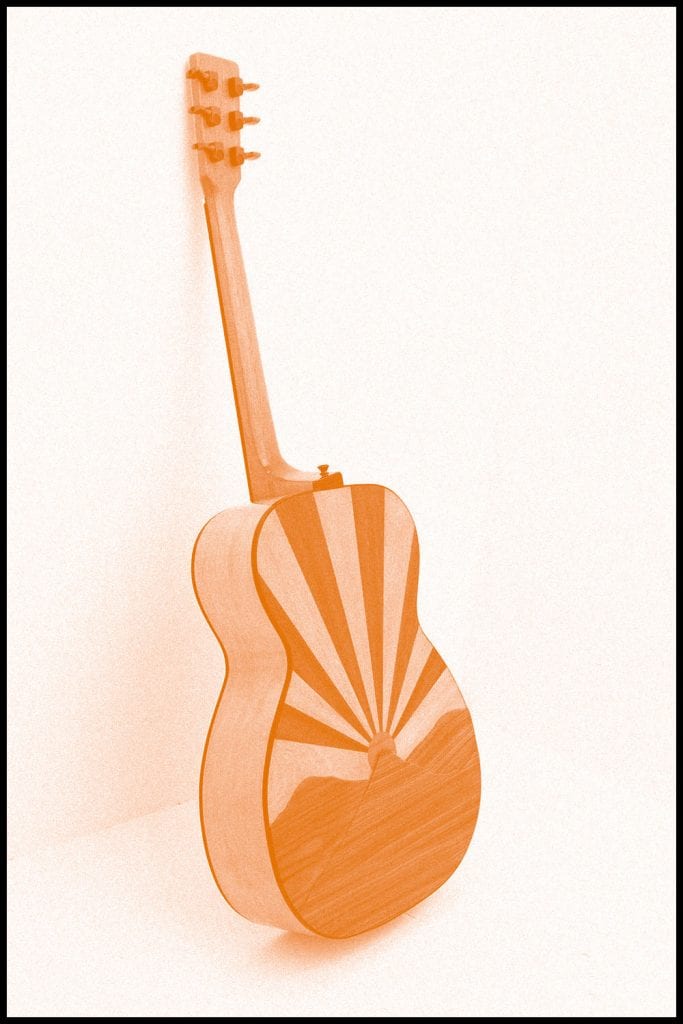
What’s the most challenging thing you’ve ever built?
A business! As a craftsperson, finding a balance of building a profitable business from traditional craftsmanship in one of the most expensive cities in the world is much more challenging than the perplexities of building or repairing any instrument.
What tools do you use to do your job?
A mixture of hand tools and machinery, including a band saw, drum sanders, hand planes, and chisels. My favorite instrument is a 1/16th inch micro-chisel for detailed inlay.
Do you have thoughts on how advances in manufacturing technology (e.g., CNC routers, 3d printers) have impacted the field?
I have CNC machines. There will always be traditional clients that want everything done by hand, and that’s an important tradition that needs to be honored. But for small business owner/craftsman, there is a benefit to embracing technology for certain aspects of the build, like fretboards, bridges, templates and moulds that can allow for more precision and time management.
Having the foundations in handcrafted skill, but embracing technology, allows small business owners a greater likelihood of economic viability and diversity in what we can offer clients. Robots are my friends; but so are my old chisels.
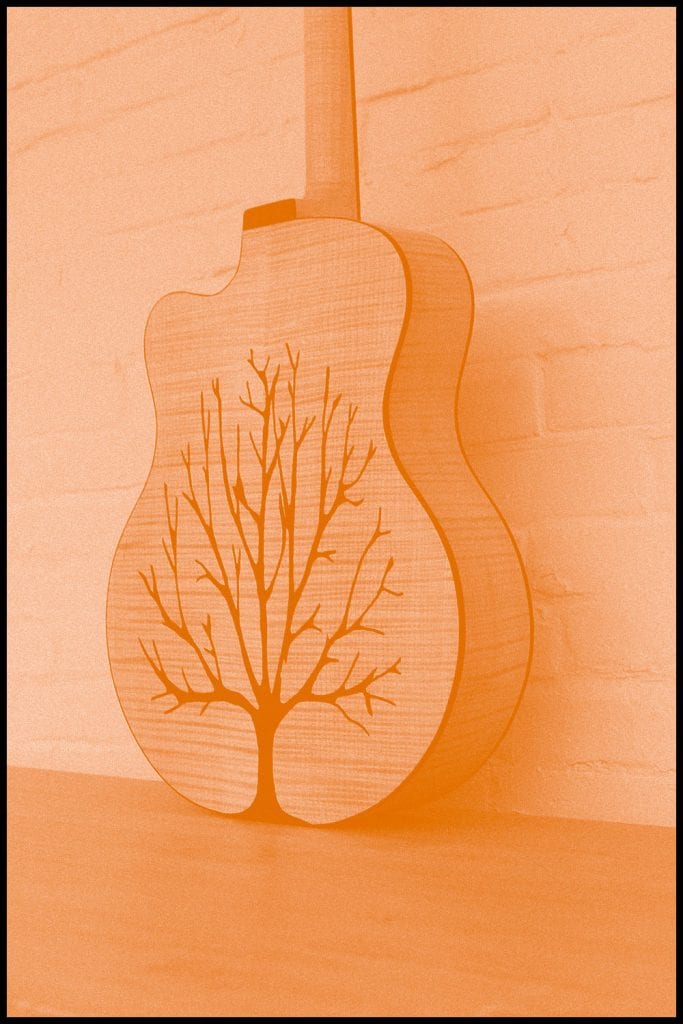
What advice would you give a reader interested in breaking into the field?
I found it effective to invest in basic woodworking and guitar building skills before I applied for individual apprenticeships. I had my own strong ideas on what I wanted to create, but I put that on hold to soak up all the knowledge I could from these experts. Then later, I experimented with combining what I learned from them and my own ideas. Michael was very helpful after my apprenticeship about being open to troubleshooting and problem solving with me on new creations and encouraging me to develop my own style.
Are there any resources (e.g. books, articles, educational programs, etc.) you would recommend to our readers who might be interested in pursuing a career in the field?
Absolutely! Coloma Guitars lol. I offer courses and workshops customized to help you build your own dream guitar.
A few books that I reference often and think every builder should have in their library are Trevor Gore and Gerard Gilet’s Contemporary Acoustic Guitar Design and Build and Ervin Somogyi’s Making the Responsive Guitar trilogy.
You can donate toward Jean Millington’s stroke recovery expenses, equipment, and modalities of therapy at www.gofundme.com/jean-millington-go
Fanny was the ferocious Los Angeles band anchored by sisters Jean and June Millington from the late ‘60s through the early ‘70s. Despite being one of the first visible rock groups made entirely of women, only in recent years has Fanny gained recognition as the throttling and critical part of the rock ‘n’ roll canon that they are. And that is nothing short of mind-boggling.
The Millingtons have performed and harmonized together since childhood, and started gigging in junior high: first with their band the Svelts, followed by Wild Honey, which ultimately morphed into Fanny. With June on guitar and Jean on bass, Fanny signed to a major label, becoming one of the first women rock groups to do so. They released an album every year from 1970 to 1974, often melding hard-edged riffs with soul-drenched keys. Along the way, Fanny held legendary jam sessions at their Hollywood Hills house, Fanny Hill, leaving jaws dropped wherever they played.
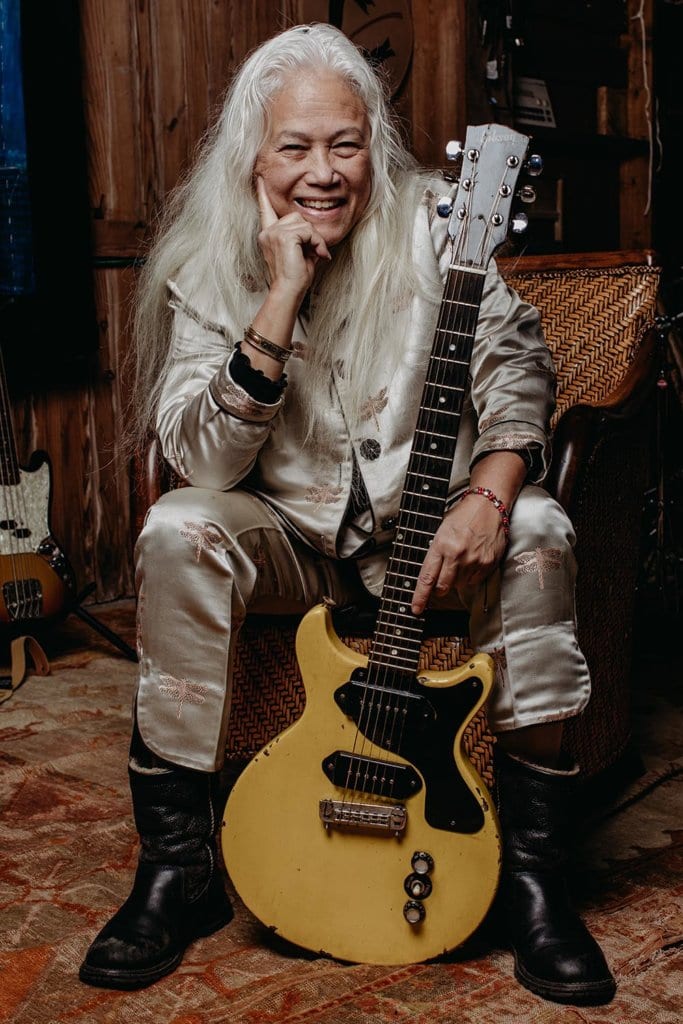
After June left the band in 1973, Fanny released its final album, Rock and Roll Survivors, with Patti Quatro on guitar; the band ultimately disbanded in 1975. Today, June works as the artistic director of the Institute for the Musical Arts, an educational institute that she co-founded with her partner Ann Hackler in 1986 with a mission to support women and girls in music. Jean has continued playing music over the years, and is currently recovering from a stroke.
Fanny’s legacy is the subject of a forthcoming musical, written by Jessica Hagedorn and commissioned by Two River Theater in New Jersey, and a documentary is slated to release in 2020. Following the release of June’s book, “Land of a Thousand Bridges: Island Girl in a Rock and Roll World,” the two sisters reunited with Svelts drummer, Brie Darling, to form the band Fanny Walked The Earth—a testament to Fanny’s seismic impact in music, then and now.
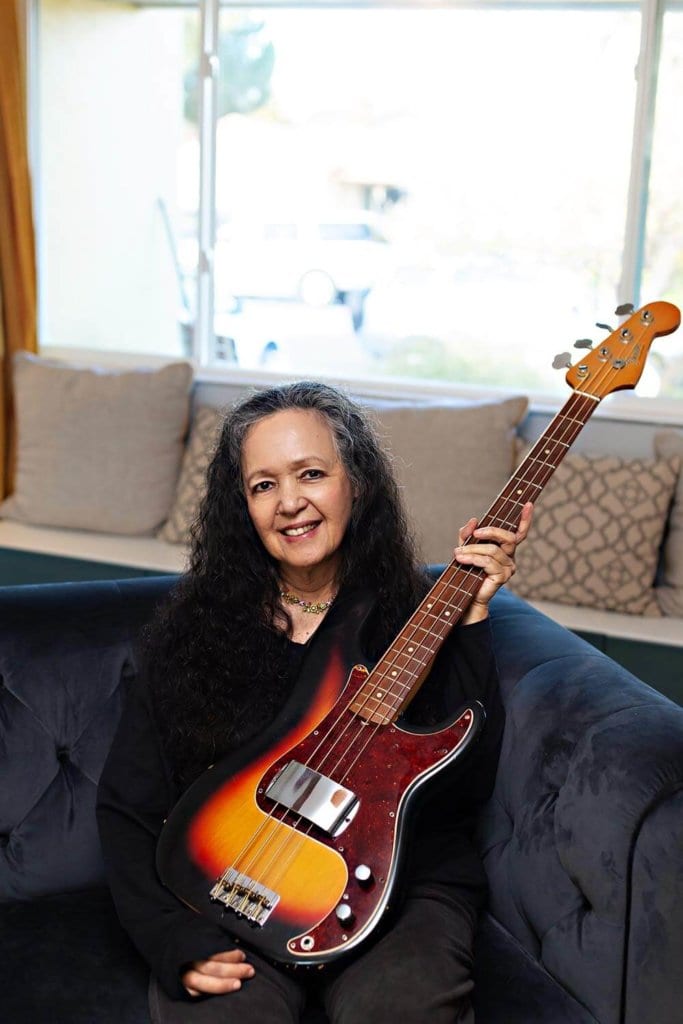
Can you tell me about growing up in the Philippines?
Jean Millington: In the Philippines, music is such a huge part of the culture. We were watching a TV show, [Estrella Watch Time], which was kind of like Soul Train, before any of that was ever on air in the States. From pretty early on, we were definitely inspired, and we both got into playing ukulele. After a bit of time, we got into more exciting things, and the guitar was certainly next.
How old were you both when you started playing the ukulele?
Jean: I was probably around 9 or 10, and June was 10 or 11. We picked it up quite naturally. It was actually amazing; we didn’t even think about it, or that it would be hard to do. We just did it.
June: I remember somebody, maybe one of our cousins, handed me a ukelele and said, “This is how you tune it: [sings] my dog has fleas.” He showed me three chords, and I think [the song], “How Much Is That Doggie In the Window?” Next thing you know we were playing songs off the radio. It was totally natural, like eating or breathing.
Did you perform for your family and friends?
June: At Sunday dinner every week, [our family] would have us sing. And if we went to the beach, especially in my mom’s hometown, we would play for extended family. They were so proud of us. They couldn’t figure out how we did it. But everyone sang along.
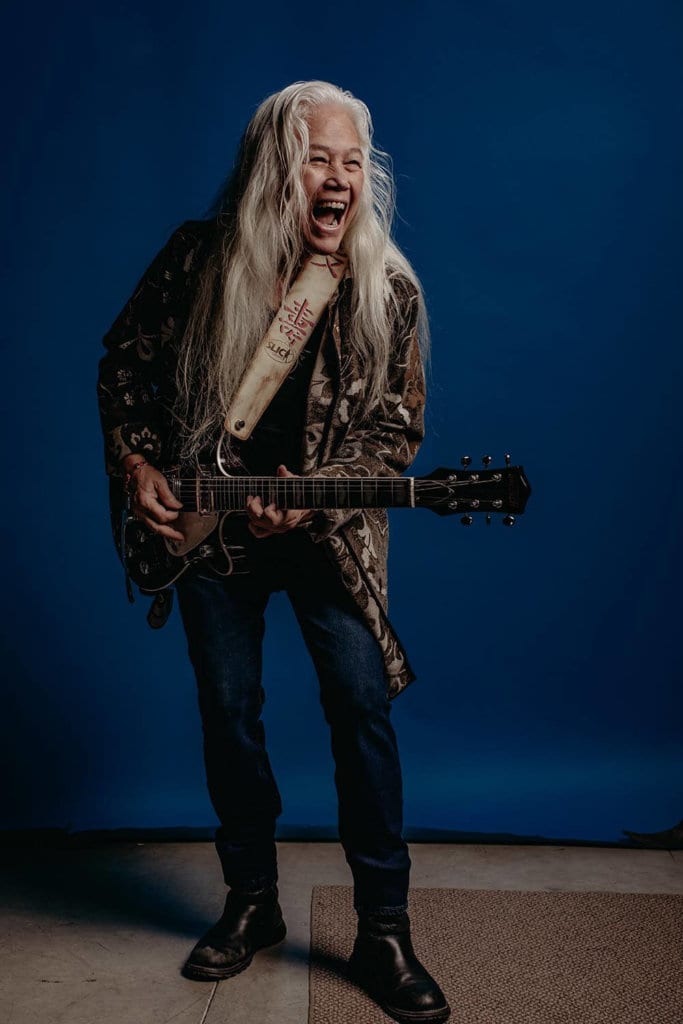
And then you moved to Sacramento as teenagers?
Jean: I was 12, and June was 13. That was certainly a really hard period, entering your teens. In the Philippines, school lets out in March, or something like that, and we didn’t start school until September in Sacramento. So we were out of the loop for a long time, and how you meet kids is through school. It was very awkward and difficult for us. Besides the fact that kids [are] in a very cruel phase in junior high, June and I were total oddballs.
June: But they changed once we started playing music publicly. We sang a song at the junior high variety show in early spring
Jean: There was a song that June wrote [for the variety show] called, “Miss Wallflower of ‘62.” [Laughs.]
June: So we’d arrived in ‘61, and by ‘62, we were singing that song. We met two other girls who also walked to school, and the four of us started singing together, with me and Jean playing the guitars and the other two singing with us—and it was kind of a hit! Kids started to stop us in the hall and talk to us, which was a complete revelation. We had no idea that was going to happen… I mean, for immigrants, that was everything.
That must have been a tough experience.
June: We found the same thing later when we started to play in the Svelts and people just rejected the idea completely because no one had ever seen it. [They] could not accept the idea that girls were in a band. Their reaction was to hate it right away. But when we started to play, they loved it. Music can turn stuff around like that—feelings, resentments, and prejudices. It’s incredible.
It was a whole journey for us to get from playing acoustic guitars and singing folk songs basically—we sang at hootenannys—to starting the Svelts and playing gigs and booking them ourselves when the Vietnam War was starting. We were able to not just get gigs at high schools and frat parties at UC Davis, [but also], for example, at Air Force bases. That was a very formative period because we were able to get so many gigs. And we had to change really fast and get up to speed with what was happening in the world, in the country. And believe me, we did.
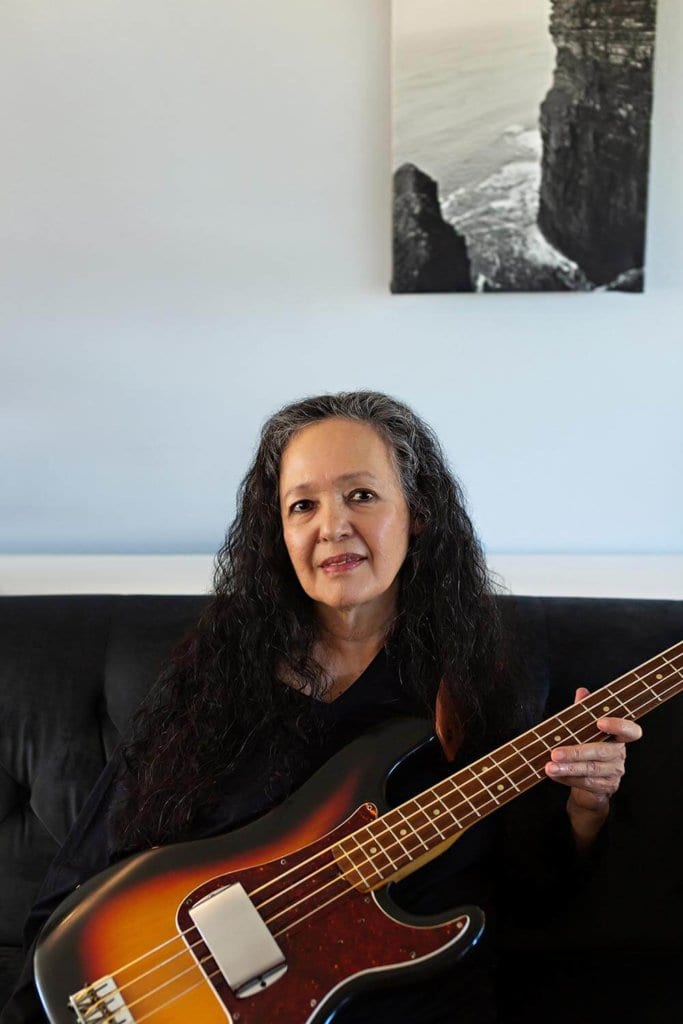
Jean: This was still the era of sock hops, and [our boyfriends] would get a gig and we would play when they were on a break. Pretty soon we were getting the gigs, and our boyfriends were not happy about that. But people really loved what we were doing. We played popular songs like “Be My Baby” [by The Ronettes].
June: “Nowhere To Run” by Martha and the Vandellas.
Jean: Not to mention Beatles stuff. “Eight Days A Week” was a big deal. Or the Beau Brummels [song] “Still In Love With You Baby.”
June: We didn’t start a band in a conventional way. We would hop on boys’ instruments. Then we heard that there was a gig we could audition for. Of course, the boys auditioned, and we auditioned on their equipment as well, but we got the gig. And from that point on we had to get our own equipment. That was sort of our entry into show business: Are you going to rise up and do it? Are you going to somehow get that equipment so you can keep going rather than having something be a stumbling block?
But how did we do it? Through our mom!
Jean: I don’t even know how she did it because at that time, I don’t think my dad really allowed her to have a checking account or anything, so it’s a mystery to me how she was able to sign for it. But she did.
June: It was a lot of equipment: bass guitar, bass amp, a PA, a bigger guitar amp than I had already. I had a Sears Roebuck, I think, from a pawn shop, so I got a real amp and a real guitar. Not that those Sears guitars are bad, but that’s how we got our rig, man—with a PA! So within a few months we were booking our own gigs, pulling our own equipment around to Air Force bases and whatnot, and setting up the whole thing ourselves.
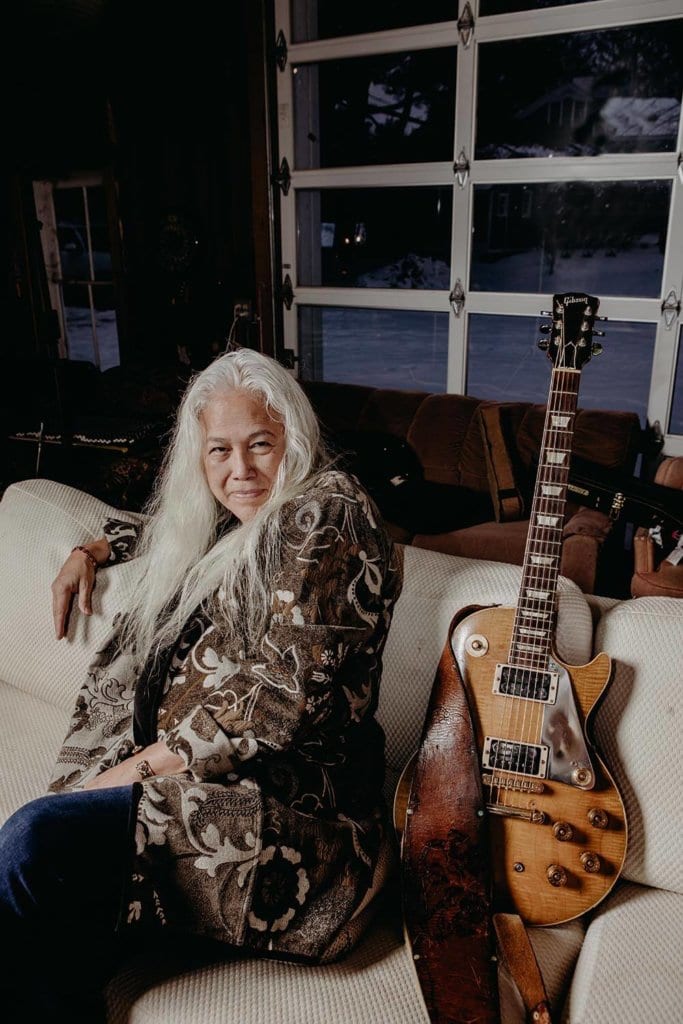
What were your first pieces of gear?
Jean: I think I had a Framus bass. And probably because Paul McCartney had one, I’m guessing that’s why I got it. I don’t remember what bass amp I got…
June: You probably got a Vox amp, because the Beatles were so big. I got a Gretsch Country Gentleman guitar and a Vox amp because that’s what George [Harrison] played. I also had a Fender Mustang that got stolen. Those were my two first important guitars.
Jean: I still have my Fender Precision Bass that I’ve had since the ‘60s.
How does the story of Fanny getting signed to Reprise Records go? It happened one night that you were given five minutes to play at the Troubadour?
Jean: We were supposed to play probably two songs, and in the audience was a woman named Norma Kemper. She was [record producer] Richard Perry’s secretary. She saw us play, and [the audience] loved us so much that we kept getting encores.
June: The audience literally got up on the tables and were stomping. That’s when the Troubadour manager panicked. He ran up to Jean and said, “Play more, play more!”
Jean: And then Norma told Richard about us, and about two days later we auditioned for him. We probably played for a whole hour. If only we knew what happened to those tapes.
June: It was against all odds. No one had done it quite like that.
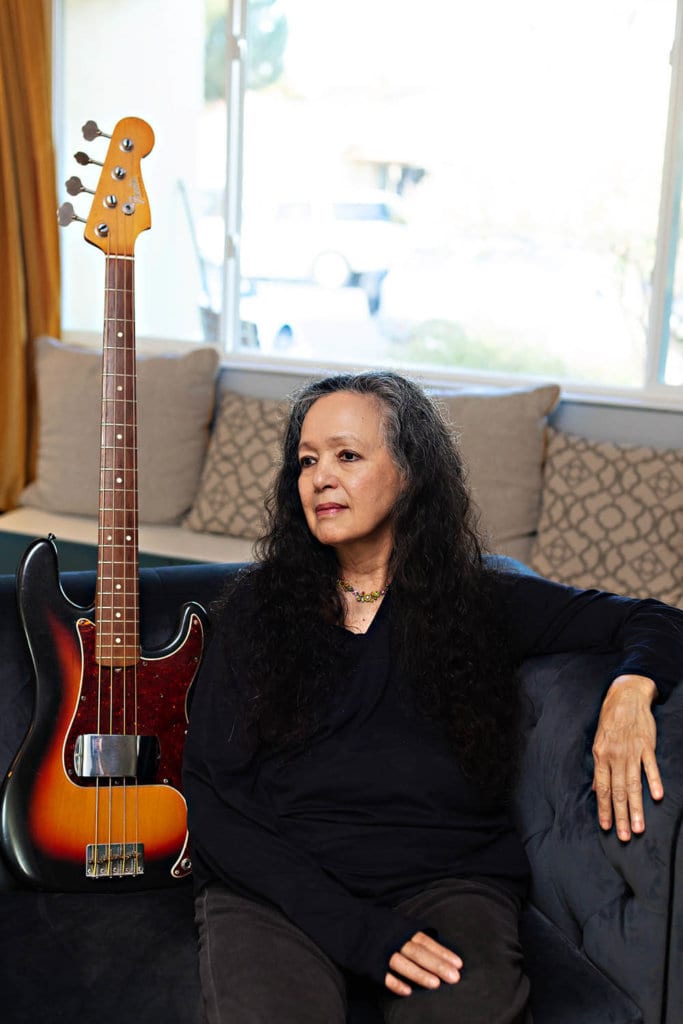
What happened after that?
June: We started to record, record, record. I mean really, it was just pure hard work all the time. We rehearsed in the house. We did gigs around Hollywood. And we were really good. That’s one of the reasons Reprise were so behind us. They knew what they were marketing, and they were proud of us.
Warner Brothers, [which Reprise was a part of], let us rehearse at their movie sound lot, any soundstage that wasn’t being used. And so we got used to projecting a bigger sound. Six months later, when we were playing at the Fillmore West, we knew how to handle that hall. On the album cover for Charity Ball, our second album, we used outfits from My Fair Lady—we actually went into wardrobe at Warner Brothers and each picked out our outfits and parasols.
June: Since we were signed to a movie company as well as a record company, a lot of opportunities were thrown our way, like practicing at Warner Brothers. Like having [actress] Candice Bergen shoot [the album cover]. And other artists like Little Feat—we loved them, they loved us—would jam with us at [our house] Fanny Hill. There was an awful lot of hanging out and horseplay and jams, which is what you need at that age, when you’re working really hard night and day.
Jean: We definitely had a scene going. We had the basement setup for playing, and the guys really liked to come over and jam with us.
June: As I was learning how to play, all the guys who were really good would spend time with me, and that’s how I learned how to shred in the way that I do. I learned how you hold the guitar, how you vibrato, how you push the string up, push it down, how you make it moan in the moment when you need it to.
How did you avoid burn out when working that much?
June: It’s just what we did. We didn’t try to avoid getting burned out. I think what really got us was, after our album on Apple [Records], we realized we hadn’t gotten the hit yet. And we should have. Whether it was one of our songs, or “Hey Bulldog,” which the Beatles let us add a verse on to… it seemed like society wasn’t ready to accept us full-on. And that hurt us. I think that’s why we’re not in the Hall of Fame, because we didn’t have a top 10.
But I really feel like we tried to write songs with a deeper meaning. We worked hard at it. Take a look at any of the songs that we wrote ourselves. They’re not nonsensical. I don’t even understand all of [Fanny keyboardist] Nickey [Barclay]’s lyrics, but when you put it together, you get a narrative. Like her song “Conversation With a Cop,” it’s quite beautiful. I wrote “Thinking of You,” the love song. There’s “Think About the Children.” There’s a lot of stuff that really had content.
Jean: There’s a song I wrote called “What’s Wrong With Me?” Just really thinking about what’s going on in your real life.
June, do you mind telling me about your decision to leave Fanny?
June: Well, like I said, we realized we weren’t getting a hit and we were so tired. There wasn’t enough money coming in, and the record company started to panic and that filtered down to us. That undermined our confidence. Also, the woman I was with at the time left me, and so I had no personal life. That really freaked me out. And you’ve got to remember, we were in our early twenties. We were babies. So handling that and all of the pressure when we were so tired was, for me, too much. I had this feeling that I had to leave and I talked it over with Jean. I had to find out what was wrong and how I could be a real human being. I didn’t know how to be a person.
That was truly frightening because I was going to leave Jean, which I didn’t want to do. And everything we had worked so hard for since 1964, dreaming so hard—we were doing it. It was like a bad acid trip for me: we didn’t have a hit, we were constantly on the road, creditors were hounding our management, and the record company was losing their edge on us. It was like ashes in our mouths. I also made a promise not to leave until we found my replacement, and then we found Patti Quatro playing in a band in Detroit. Jean and I looked at each other and said, “Hey, maybe this is the woman who’s going to take my place.”
Jean: Frankly, June, I blocked out so many of those memories that I don’t remember how it came about with Patti playing… I was so blown away that you were going to leave, and it was not going to be what we had. It was a very difficult time period for me.
June: But I think it was really clear that I was so agitated. I mean, my mom thought I was going to die. It was not drugs, it was because I was so freaked out by where we had found ourselves. You can’t help but feel a little bit sad. You wonder if I could have hung in a little bit longer, but nobody knows, because society was changing towards [bands] like KISS behind masks. And we wanted to be seen for who we were, and the music.
What was it like coming together again with Fanny Walked the Earth, after you played at a tribute show for June in 2016?
Jean: I think it mostly stemmed from that. We were playing together and saying, “Oh my god, this feels so good,” and the vocals flowed.
June: It was pretty phenomenal. This tribute became a reading from my book plus everybody singing something that was associated with me, or a song that the Svelts used to do.
In order to understand Fanny, you have to get the Svelts, because that’s where it all started. The energy that was the Svelts, when Brie [Darling], Jean, and I were in the band, manifested itself exactly as when we were 16 and 17. We were like, “Whoa, this is hot!” And that’s exactly what happened [with Fanny]. It was supposed to happen. We have a rock and roll destiny that we just can’t deny. It’s so powerful.
JUNE
Instruments: Vintage 1957 Gibson Les Paul, 1959n Gibson Les Paul Jr TV Model, 2007 Taylor T5 Electric-Acoustic, 1960s Fender Stratocaster, 2011 Gretsch Electromatic
Amp: Fender Hot Rod DeVille 410
JEAN
Instruments: 1962 Fender Precision BassAmp: Genz Benz 6.2 Shuttle with a 12-inch speaker main cab and a 12-inch extension cab
Washington D.C. trio Ex Hex couldn’t have picked a better title for their 2014 debut album, Rips. The power trio—comprised of vocalist-guitarist and indie rock legend Mary Timony (Helium, Wild Flag), bassist-guitarist Betsy Wright (Bat Fangs), and drummer Laura Harris (Aquarium)— assembled a collection indebted to the Ramones and Def Leppard as much as each member’s own time-tested creativity. The band’s cohesion is an act of trust: “If somebody [has] a really strong opinion, everyone [gets] on board,” Timony says of their songwriting process. And you can hear that faith all over their adventurous second album, It’s Real, released in March via Merge Records

Like Rips, It’s Real was inspired by the group’s love of Mutt Lange and Heart, but was a more exploratory endeavor, resulting in a collection representative of everything the group likes to listen to. But they aren’t just polyglots when it comes to their sound influences—speaking to She Shreds, Timony and Wright recounted that the group was just as voracious when it came to gear. “At one point, we had literally 10 or 12 amplifiers lined up in the studio: Gemini, AMPEG, Orange Rockerverb, a Fender amp,” they explain, almost in unison. But it’s that curiosity and willingness to try new things that makes Ex Hex, well, rip.
She Shreds: It’s been almost five years since Rips. Why was now the time for a new record?
Mary Timony: We toured Rips so much, it was hard to get right back into writing songs. It took a little bit longer than we would have liked.
I’m glad you mentioned songwriting, Mary. In a lot of the press you did last year for the Helium reissues, you mentioned that being in that band forced you to unlearn a lot of traditional guitar techniques. Betsy, you are a guitarist who plays bass specifically in Ex Hex. How do you both refocus yourselves creatively when it comes to writing these power pop style songs?
Timony: We try to write songs that we want to listen to. It doesn’t sound that complicated but, to me, that’s actually one of the hardest things to do. The easiest thing to do, for me, is just pick up a guitar and feel my feelings.
Betsy Wright: You have to be critical and edit a lot. We would all come to a consensus about things that were up in the air. And usually, weirdly, we would all agree on things.
Timony: I’ve been in other groups where there’s a general sense of distrust. With this band, you trust that if somebody doesn’t like something, even if you do, you believe them.

I’d love to know more about the evaluation process, as well as the earlier phases of the Ex Hex songwriting process. Are you bringing things from home that you’ve demoed, or writing together live?
Wright: Mary or I would have either a seed or a fleshed out song and then we would bring it to the group: me, Mary, and Jonah Takagi, our collaborator and producer of the record. We would get together and jam on it—playing guitars, somebody would be playing drums. We’d switch instruments, record a demo and rearrange things, pick everything apart, move parts around and add parts. I had songs without lyrics in certain places, and Mary would come up with lyrics, which was really cool because I’ve never actually worked on songs like that before.
Timony: I try not to freak out about lyrics. I really freak out about writing the music because, to me, it’s harder.
Wright: I feel the opposite.
Timony: That’s why we’re a good match. Betsy comes up with super catchy melodies really easily. It all balances out.

What kind of guitars are you using? What ended up on the album?
Timony: Let’s see if we can list all of them… I have a guitar made by Saul Koll over in Portland. It’s the best-sounding guitar I’ve ever played. That’s on the album a lot. It just sounded great all the time.
Wright: I have a newer [Gibson] SG that we used a little. We also used a 2002 Gibson Flying V.
Timony: I found it so hard to play because the body shape is so weird.
Wright: It sounded good, though [laughs]. If I ever wanted to play it live, I’d have to really figure out how you’re supposed to do that. The body is so narrow.
Timony: I ended up using, finally, my Paul Reed Smith guitar. I’ve had it forever. It’s pretty embarrassing. I never play it live anymore, although I did at one point. We used it for some dive bomb stuff. I was pretty excited that it finally worked out that I got to use that thing.

Betsy, are you still using your 1978 Fender Mustang bass that you talked about with us last year?
Wright: Yeah, I love it. It reminds me of the Beach Boys. But I’m actually going to be playing guitar now when we tour. There are a lot of guitars on this record, a lot of layered stuff. There are actually a lot of guitar parts on the last record and when we play live we omit them because we’re only three people on stage. We’ve decided to bring a bass player on tour, so I’m going to play guitar.
Timony: There’s really a guitar focus in the band. We’re both playing on the record, so it made a lot more sense to have Betsy play guitar live. We can do so much more as a four-piece.
Wright: It’s kind of like a fun experiment, too. It’ll be fun to try this.

Mary, you’ve said before that Ex Hex is the most fun band you’ve ever been in, so it sounds like you’ll be adding another element of fun to your tour. It’s such a stressful time, so to speak, and if you have an outlet where you can express yourself and feel good, be with your friends, and do something that’s meaningful to you, that’s kind of ideal.
Wright: We’re not a political band, but having a voice and trying to spread positivity and give people some relief from their everyday lives—I feel good about that.

As with some of the writing, are there parts that are harder or maybe aren’t as fun?
Timony: Well, we made one version of the record that we threw out.
Wright: We tried a weird technique that we thought was going to make things sound really cool. We recorded everything isolated. We tried to do isolated drums and it was a really bad idea. One track was only the snare, one track was only the cymbals, and so on. It didn’t work.
Timony: It took a lot of time and effort and it sounded bad. We put so much work into it that we didn’t want to admit that it sounded shitty. Finally, we just were like, “You know what? This makes us feel very uncomfortable because it sounds so bad.” Then we had to start over.
What inspired you to record that way?
Wright: Jeff Lynne, Mutt Lange. I think we read that Jeff Lynne did that on Tom Petty’s records.

Throwing work out is so difficult and so painful. How did you cope?
Timony: It took a lot of time to record that way. Then Jonah spent hours and hours and hours trying to move things around and edit it and get it to sound good. You know when you’ve heard something a million times, and you can’t tell what it sounds like any more? Betsy and I hadn’t really heard it. He sent us some stuff and we were like, “Oh, this sounds kind of like a demo.” It was scary and it felt horrible. We spent a bunch of money and time on [it]. It was intense, but I’m glad we decided to do it.

Did you have a new relationship to any of your songs when you were doing it the second time around?
Wright: It just felt better. It was more fun because the drums were live and they sounded really good.
Outside of Mutt Lange and Jeff Lynne, were there any other inspirations for the album?
Wright: It’s such a mixture of music that we really love a whole lot. There are some things that sound sort of psychedelic. “Cosmic Cave” reminds me of an early Beatles song. But then you’ll have another song that has more of a Def Leppard feel. The last record was a little bit more uniform, more of a punk, Ramones sound.
Timony: What I like about this record is that we weren’t trying to force it. It was more like, “What do we have? What do we like?” The answer to, “What do we like?” was definitely late ’‘80s Heart, but we also had a bunch of songs that definitely didn’t fit into that. We also used this headphones amplifier called the Rockman. We read somewhere that Mutt Lange used it a lot on [the Def Leppard album] Hysteria. Tom Schultz from Boston invented it.
Wright: If you listen to the guitar sound on “More Than a Feeling,” it’s the same guitar sound on our song “Good Times” [laughs]. It’s just this little box you plug into and it goes straight into the computer.
Timony: And it’s got that great blend of chorus and distortion that’s so ’‘80s.
Wright: It’s so satisfying.
While the Americana tradition is grounded in the experience of the country’s most marginalized, the contributions of people of color, past and present, is often ignored. Now, four of the genre’s leading black women artists have come together for “Songs of Our Native Daughters,” a banjo-led album exploring slavery’s legacy and the power of familial and musical roots.
The project, which was released on February 22, 2019 on Smithsonian Folkways, was organized by Rhiannon Giddens of the Grammy-winning Carolina Chocolate Drops. Giddens invited multi-instrumentalists Allison Russell, Amythyst Kiah, and Leyla McCalla to write and record at the Louisiana studio of co-producer and veteran Appalachian musician Dirk Powell. Many of the songs are tributes to resilient black women, fictional and real, and the title pays homage to James Baldwin’s essay collection “Notes of a Native Son.”

As Giddens wrote in the album’s liner notes, “Interpreting, changing, or creating new works from old ones, this album confronts the ways we are culturally conditioned to avoid talking about America’s history of slavery, racism, and misogyny, knowing that what’s past is prologue—but only if we let it be.”
She wrote, “Black women have historically had the most to lose, and have therefore been the fiercest fighters for justice — in large, public ways that are only beginning to be highlighted, and in countless domestic ways that will most likely never be acknowledged.”
Smithsonian Folkways Director and Curator Huib Schippers said, “I wanted to give her [Giddens] carte blanche in reflecting critically about the position of African-American women in this country historically with reflections on where it is now. For us, it fits within a very long tradition of giving voice to people that are underrepresented or even unheard.”
The album spans the African diaspora’s diverse musical traditions, from gospel harmonies to upbeat Cajun melodies to spoken word. The range of banjo models, including the five-string, tenor, and minstrel, connects the 13 tracks. Banjos originated in West Africa and were central in the development of North American black culture. Despite these roots, white players, most infamously blackface minstrel performers, have defined the instrument’s image.
Allison Russell, who founded folk group Birds of Chicago with husband JT Nero, said black traditional musicians are tokenized to this day. Russell recalled when she was mistaken for other musicians and when she was turned down by a label because they already had “a black girl who plays banjo.”

“Can you imagine if that same metric was applied to white guys who play guitar? That would be crazy,” she said, adding “We’re all very different in our voices, our histories, and everything. But we have the common experience of often being othered. It was quite healing and powerful to all be together creating.”
Russell decided to be part of the project, which she described as an “inspiring, uplifting, creative explosion,” because Giddens is “making relevant and modern so much lost history, specifically of black music.” She said “Songs of Our Native Daughters” was an opportunity to reckon with slavery in an era of resurgent white nationalism and xenophobia.
“I don’t think there would be incarcerating children at the border if we remembered our history…” she said. “I think the arts help us to see ourselves and each other with more humanity. I think music does that in a visceral, emotional way.”
Russell is from Vancouver B.C. and recently connected with her biological family from Grenada, a West Indies island nation. She had an abusive adopted father and said it was important to hear stories of her biological father’s ancestors. She learned about Quasheba, a family matriarch sold into slavery. On “Quasheba, Quasheba,” Russell sings, “Blood of your blood. Bone of your bone. By the grace of your strength we have life.”

Russell said she hopes Quasheba’s strength is passed down to her daughter. The album’s final track “You’re Not Alone” is a lullaby of sorts and Russell said, “motherhood was bound up in the stories we were telling and writing.”
She said, “That camaraderie and sisterhood is not going to just disappear because we finish that record. I think we’ll be doing more. It opened me up to letting history live in a personal way in my work.”

Russell collaborated with self-described “southern Gothic songster” and Tennessee native Amythyst Kiah on “Polly Ann’s Hammer,” another song about a powerful woman. While the popular John Henry ballad focuses on a “steel-driving man,” the hero is his wife Polly Ann, who takes over the hard labor. Kiah had been messing around with a melody for a while and co-wrote the lyrics in a rapid morning session.
“Here was an opportunity to not only celebrate somebody that was able to raise the family while John Henry was at work, but when he was sick, she worked his job and did just as good if not better than the other people there,” Kiah said. “Of course we know lots of working class women who went to work and also went home to take care of the kids.”
Kiah also wrote the tone-setting opener “Black Myself,” an anthem celebrating black resiliency. She sings, “I pick the banjo up, and they sneer at me ‘cause I’m black myself. You better lock your doors when I walk by ‘cause I’m black myself.”
As the group’s relative newcomer, Kiah picked up banjo because of Giddens’ music. She enjoys the rhythmic nature of clawhammer banjo, a down-picking style. While she has traditionally been more guarded about her songwriting process, she said it was eye-opening to create collectively.

“I understood the practicality of co-writing and what it could do but it didn’t really hit me until this project…” she said. “Recognizing when you have that kind of connection with another songwriter and they write words, you’re like, ‘Oh my god this is amazing.’ It’s a spiritual experience.”
Cellist Leyla McCalla is a long-time collaborator with Giddens and said playing banjo was liberating because it’s “the optimal instrument to have these hard conversations about American history.”
McCalla, who recently released her third album “Capitalist Blues,” is influenced by her Haitian background and adopted home of Louisiana. “Songs of Our Native Daughters” was an opportunity for her to sing in Creole, particularly on the upbeat “Lavi Difisil,” a song inspired by Haitian troubadour Althiery Dorival.
She has also long been fascinated by blues guitarist Etta Baker. A pioneer of the Piedmont picking style, Baker turned away from music to raise her nine children, only performing again late in life. After completing the guitar-heavy “I Knew I Could Fly,” McCalla realized the lyrics applied to Baker and the long history of women’s potential being squandered. It’s a narrative McCalla knows well: She has managed to have a family while continuing her creative work.

“I knew I could defy the odds,” she said. “Not that this story is all written, but it’s a privilege to be able to reflect on it and still be in the struggle of it at the same time.”
While no tour dates have been announced, it’s likely “Songs of Our Daughters” will hit the road in some capacity. All four artists said this project is just the beginning of their collaboration, only scratching the surface of their creative potential.
“I’m feeling the truth of these songs in my body,” McCalla said. “I think that that’s what changes the world, to use a very trite phrase. I think that’s what changes people and creates social and political change, when people feel in their bones that something needs to be made right.”
Subscribe here now to receive She Shreds #17 as your first issue in a full year of magazines. You can also order a single issue of the magazine through our online store for a limited time. She Shreds Issue #17 will available in stores (including select Barnes & Nobles), starting April 15th 2019. Our current list of stockists are available here, and keep your eye out for new retailer announcements to come!
Want to carry She Shreds? Email accounts@sheshreds-staging.jzck3hem-liquidwebsites.com.
Thank you to our issue #17 sponsors: Fender, Martin & Co, Ernie Ball, Taylor, Guild, The Great Escape Festival, Reverb.com, EarthQuaker Devices, Old Blood Noise, Animals Pedals, Strymon, Red Panda Lab, D’Addario, Night Owls Print, We’Moon, and Run For Cover Records. We literally would not be able to produce this issue without their support.
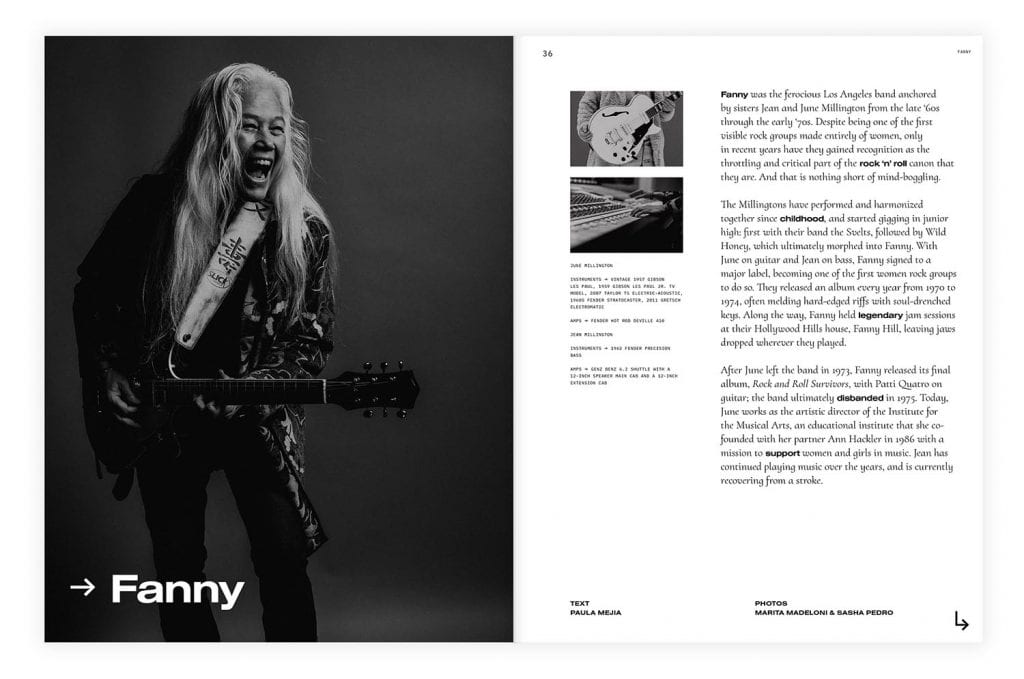
Cover Story: Fanny
Jean and June Millington started playing music together in the late-60s, but have only recently received their rightful place in the rock ‘n’ roll canon. The sisters open up about growing up in the Philippines, being one of the first visible rock groups made entirely of women, and getting the band back together.
Sasami
With influences ranging from classical composers to Brazilian singers, Sasami Ashworth shares her experience in leaving Cherry Glazerr to go solo, how being a music teacher affects her performance, and her amp preferences.
Tawiah
Beverley Akua Mansa Tawiah went from being signed to a major label to being completely independent in the name of self preservation. From visiting her familial home in Ghana to her re-connection with the guitar, Tawiah talks about her journey to autonomy.
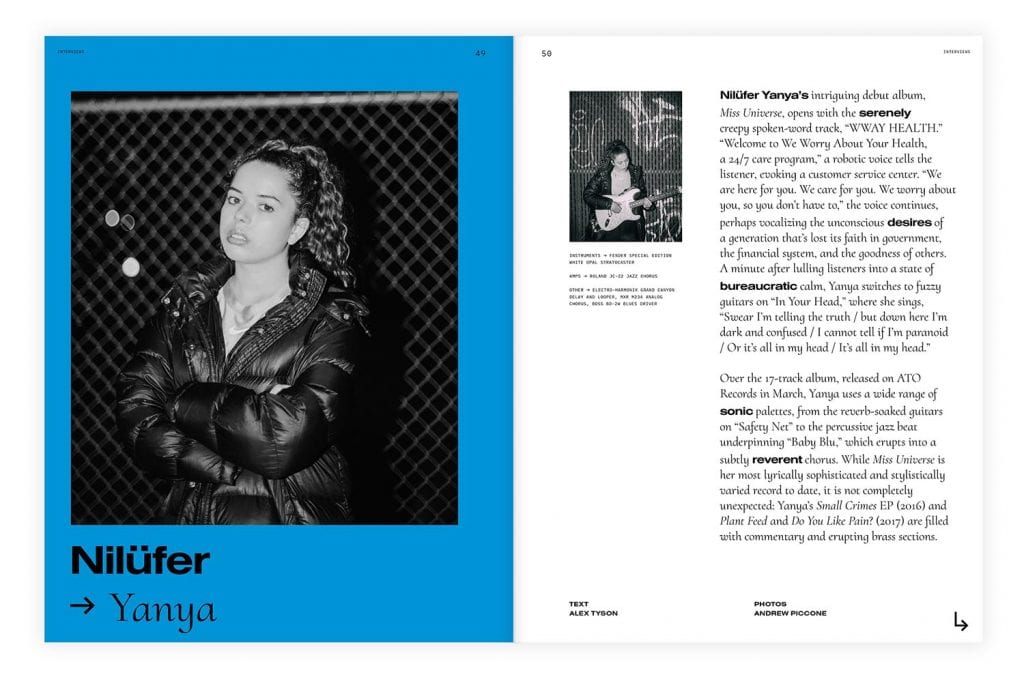
Nilüfer Yanya
From maintaining her own community to paying it forward with the arts organization she co-founded with her sister to serve displaced communities, Nilüfer Yanya chats with She Shreds about creating our own realities.
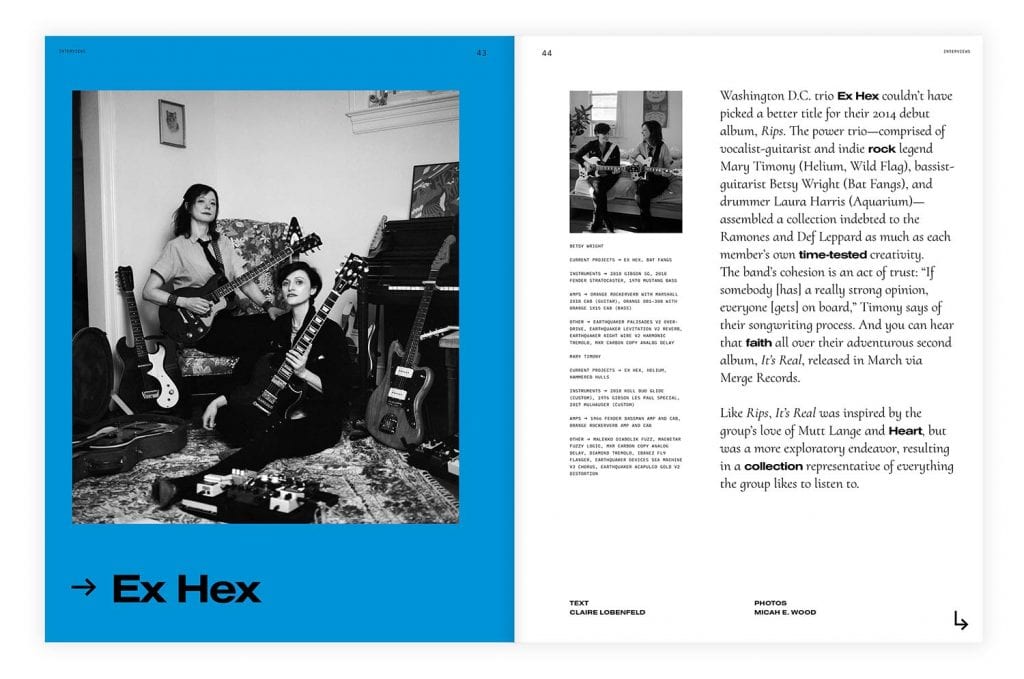
Ex Hex
Mary Timony and Betsy Wright covet trust between band members in Ex Hex. The two talk about their song writing dynamics, the extensive list of gear used on their sophomore album, and their love of classic rock.
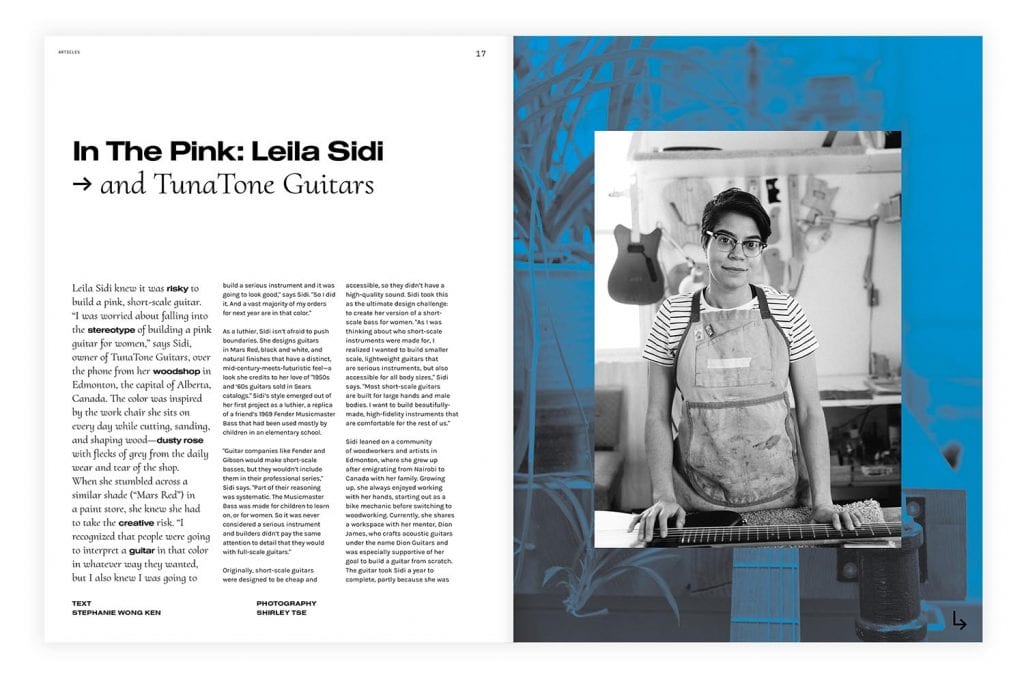
In the Pink: Leila Sidi and TunaTone Guitars
Pink short-scale guitars and a priority on community are only a fraction of the innovative work luthier Leila Sidi is producing with TunaTone Guitars.
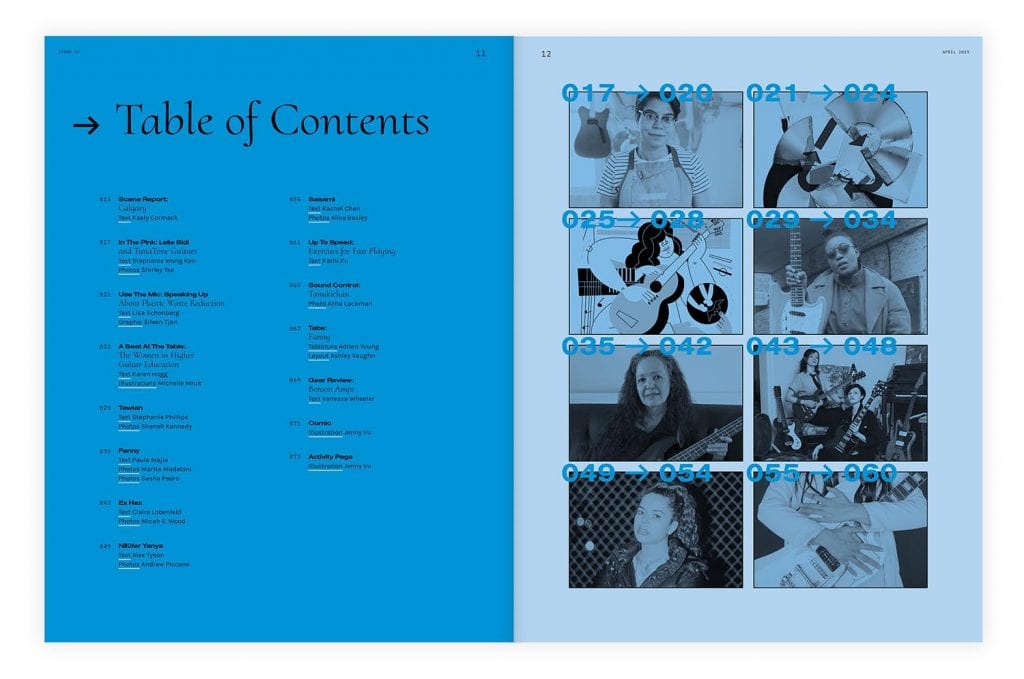
15 Scene Report: Calgary
17 In the Pink: Leila Sidi
21 Use the Mic: Speaking Up About Plastic Waste Reduction
25 A Seat At The Table: The Women in Higher Guitar Education
29 Tawiah
35 Fanny
43 Ex Hex
49 Nilüfer Yanya
55 Sasami
61 Up To Speed: Exercises for Fast Playing
65 Sound Control: Tanukichan
67 Tabs: Fanny
69 Gear Review: Benson Amps
71 Comic
72 Activity Page
There may be a group of Buffy Sainte-Marie fans who may have first seen her not as a musician responsible for one of the 1960s most exciting debuts, or as a passionate activist speaking out against colonialist violence, but as one of the trusted (and lucky) adults who got to surround themselves with Muppets on a regular basis. Beginning in 1975, Sainte-Marie served as a writer and performer on Sesame Street, performing music while breaking down stereotypes of Indigenous people along the way. “The fact that Indians exist—that was really important to get through to little kids and their caregivers,” Sainte-Marie recalled in her biography. Her work as a musician, and as an activist has always been about breaking down things, be they boundaries or stereotypes.

“Making art, making things, making a connection to earth is all intertwined to her,” says her biographer Andrea Warner. “She doesn’t create separation. It’s all one beautiful interconnected flowing continuum.” Throughout the years her music has crossed genres—pop, folk, electronic, country—but all rooted in bearing witness, in speaking up, in being seen. “Buffy’s songs give space to people who were utterly non-represented in pop culture,” Warner continues. “She’s correcting history with her music.” As a self-taught guitarist and pianist, she embraced the diversity of music, from the quarter tones of India, to the chanteuses of France. And as an activist, she spoke up against the violence and indiginities done to Indigenous people. She created space inside of her music for both craft and social justice, and her career has been a lesson in both.

Sainte-Marie was born most likely in 1941, on or about February 20, likely on a reserve called Piapot in Qu’Appelle Valley, Saskatchewan. The details are vague because as Warner writes in her biography of the singer, “to be born Cree in the 1940s in Canada was to be a person who was not always counted.” She, like many Indigenous children at the time, was separated from her history, removed from her home. As Warner explains, “many Indigenous children were sent to residential schools, others were taken from their parents and adopted into white homes.” For Sainte-Marie, it was the latter. She was adopted by the Sainte-Maries and raised in Maine and Massachusetts. She was drawn to music at an early age. At three years old, she’d listen to her brother play the piano during his lessons, and rush to the instrument as soon as he finished to play, not just his lessons, but as she recalled, “what I really wanted to play, which was anything in my head.” Throughout the years, she never took lessons, but just played what was inside of her. “All I’ve ever been able to do is improvise,” she said. “I don’t read music, and I was never boxed in that way.”

Despite never taking formal lessons, Sainte-Marie used music to explore her inner life. Although her parents were supportive and loving, her homelife was marred by sexual abuse from two family members. It was music and nature that helped her find some measure of freedom and healing in those early years. She spent hours alone in the woods near her house, crafting stories and songs in her head. Those years of rooting her art to the nature, to the world around her, would be themes in her later works, as well. It was during her college years, that her music and her activism really began to come together. She studied philosophy and world religions; met students from the National Indian Youth Council who shared similar stories and backgrounds; shared conversations on politics, art, and philosophy with other engaged students; and she did one thing that would change her life—she began sharing her music with others.

She played with a local folk music club, and her classmates (including the blues musician Taj Mahal), and after graduation she played the coffee house circuit, eventually playing full-time in 1962. All the while, her activist spirit grew, and it was important to her that her songs spoke to larger social issues, particularly those affecting Indigenous people. During one of her musical stints in Canada, began to explore the country’s Indigenous history, eventually reconnecting with her Cree family. She poured her life, both the one she’d known and the one she’d reclaimed, into her music. She wrote about the US’s growing involvement in Vietnam (“Universal Soldier”), and pointed critiques of colonialism (“Now That the Buffalo’s Gone”). And when she moved to New York that year, and stepped into the city’s vibrant folk scene, she gained attention with her powerful songs and voice. She was offered a deal by Vanguard Records in 1963, and released her debut, It’s My Way!, in 1964 to raves reviews, even being named best new artist of the year by Billboard Magazine. It was the beginning of a long career steeped in truth and activism.

Although her songs would be covered by artists like Elvis Presley, Donovan, and Roberta Flack, Sainte-Marie’s name is less known. Even today, her songs “Cod’ine” and “Universal Soldier” are often credited to Donovan, with people often insisting that it’s true, “I’ve had people actually confront me about it,” Saint-Marie told Warner. But despite the constant attempts at erasure (including US-government led blacklisting, and the loss of the publishing rights to “Universal Soldier”), she remains. With nearly 20 albums over her 50-plus year career, she’s still using her voice to speak out against war, environmental racism, and issues affecting Indigenous people. “I never envisioned a ‘career’ in show business,” she told Warner. “I really thought I was a guest.” But the music she’s created has shown otherwise, “There are a lot of answers in her music that people have been searching for for a very long time,” Warner says. “It’s interesting, innovative music that will continue to find listeners.”
Shanta Nurullah brings together the sitar, the Indian classical instrument, with jazz. She founded Sitarsys, a Spiritual Jazz ensemble, in addition to co-founding Sojourner and Samana, playing with Nicole Mitchell, Dee Alexander, and the Association for the Advancement of Creative Musicians (AACM). She also plays bass, piano, and many other instruments as well as being an award-winning storyteller. She Shreds got to chat with her on what drew her to the sitar and the connection she’s grown with the instrument.
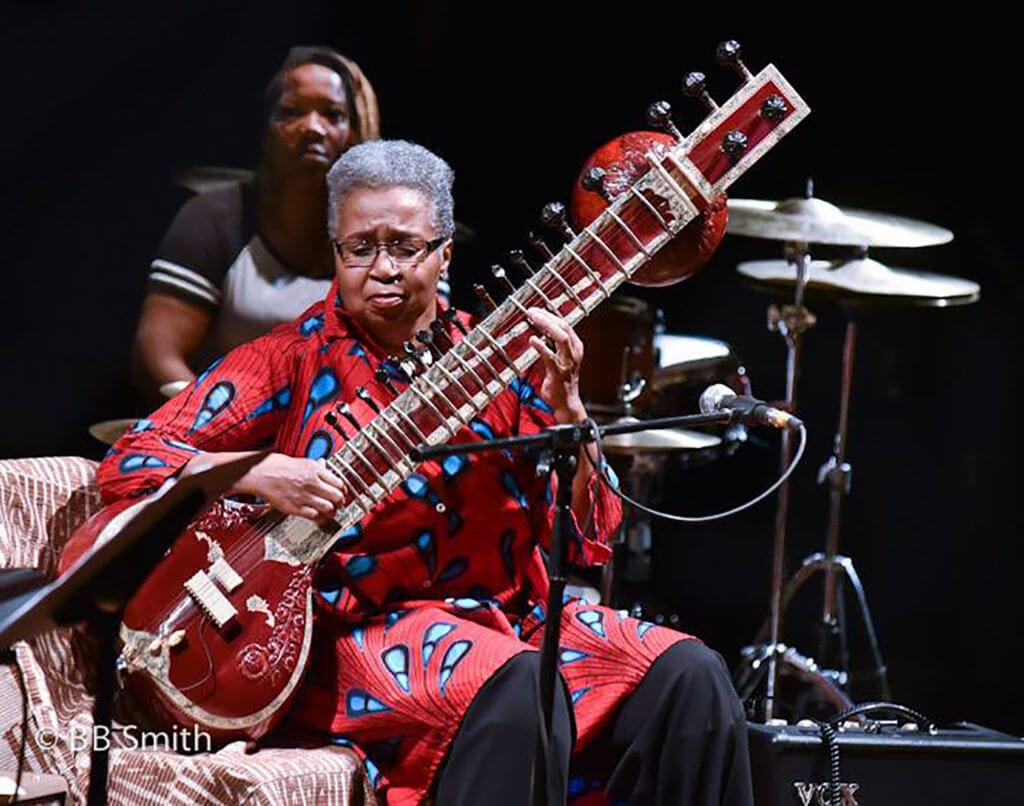
SS: How did you get into music?
My great aunt, a classical pianist, came to Chicago during the Great Migration. She taught children in the family and in the neighborhood. It was pretty much mandatory in the family to take piano lessons; I studied with her for 10 years. At the same time, I was taking tap dancing lessons with a childhood friend of my father. I’m pretty sure it was tap dancing that developed my sense of rhythm.
SS: Did you know you wanted to be an artist?
I didn’t intend to be an artist. In fact when I went to college, I had no idea what I wanted to do. But I enjoyed reading poetry and had figured out how to write good papers. So right before the deadline I declared English as my major. And that was that. Even when I went to Pune, India and heard the sitar, I fell in love. I still wasn’t thinking in terms of being a performer. I really loved this instrument and I really wanted to know how to play it.
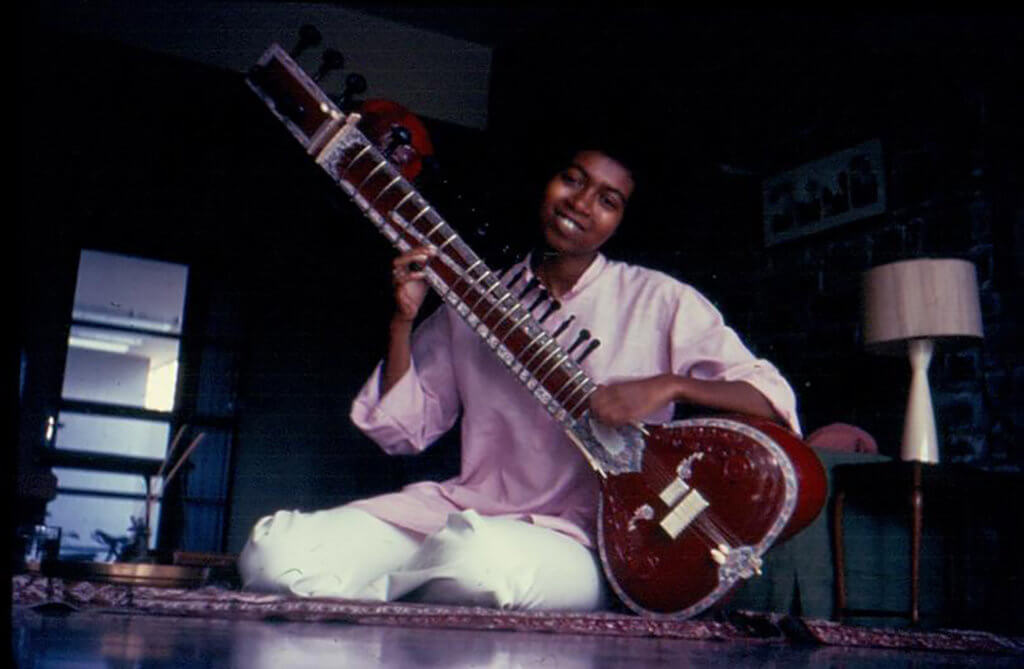
SS: What drew you to the sitar?
The sound of it was entrancing. It was very tranquil. On a metaphysical level, I think I went to India with the intent of getting the sitar and it’d be my instrument. Although I didn’t know that at the time.
SS: Do you think that playing the piano and tap helped you play sitar or was it a completely different experience of learning it?
The experience of learning sitar was definitely different, but I think the use of piano developed my ear to be able to pick things up in a system that was primarily oral. My teacher, Pt. Bhaskar Chandavarkar, had taught a number of Western students and said I picked it up faster than anybody else he had taught. I think with musical instruments, people have an experience of discovering affinity for one thing or another. It’s really unexplainable, but something in your being resonates with the sounds and the vibrations. The timbre that’s coming out of a particular instrument that would make you want to play the alto but would make me never want to play that alto.
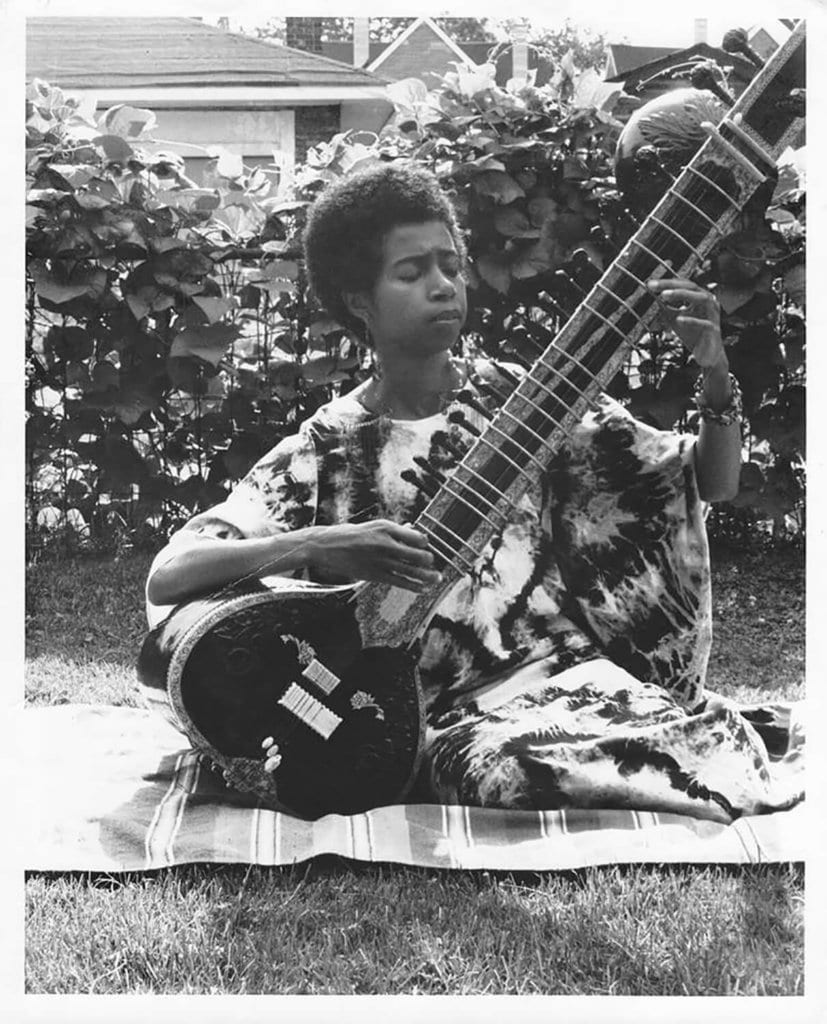
She Shreds: Where did the name Sitarsys come from?
When I started playing sitar in public, I was playing with Phil Cohran and people never remembered my name. So they would call that Sister with Sitar. Sitarsys is a play on that.
SS: Could you talk about your recent band?
I got a grant from DCASE in 2016 to actually form a band and do a recording. It was first band that I had led. I co-founded Samana and Sojourner but hadn’t had my own group. My objective with the recording was to feature the sitar and the various genres that I like. So it’s a little bit of blues, some jazz, a spiritual, and some free improvisation.
SS: Could you talk about how you returned to Chicago to play bass and working with Pete Cosey?
For my senior independent study at Carlton, I studied the Black Arts Movement. When I came back to Chicago, I really wanted to get involved in that movement and found the Kuumba Workshop. I would give rides home to people in the group and one woman invited me over. There was a base in the corner and I picked it up and started playing it. She was so amazed that she just gave me the bass and amp. Cosey guided me to Phil Cohran.
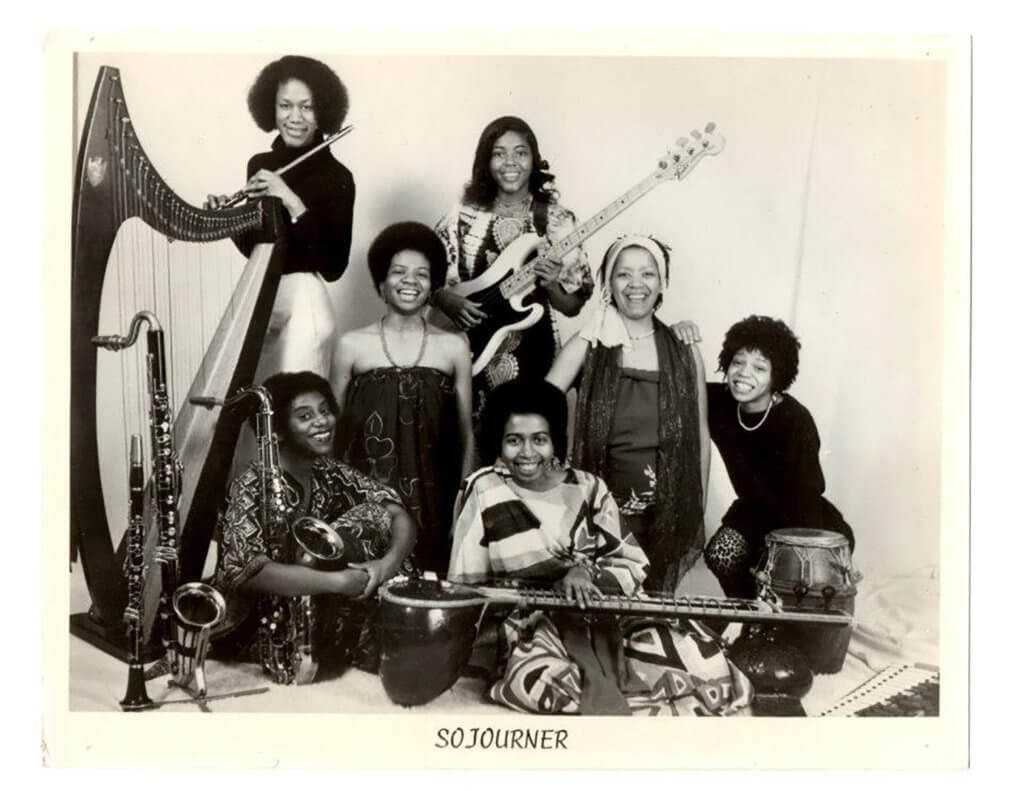
SS: Could you talk about how Phil Cohran encouraged you to play the sitar?
When I was in India and I started playing spirituals, like “Motherless Child.” Phil wrote this piece “Sitar Blues.” When I got back, I remember playing along with Ruth Brown record at home, just exploring. There was only so much of Indian classical that I got in the 5-6 months I was [in Pune.] I got the basics on how to hold the instrument and produce sound on it, but in terms of really getting into that whole system, it couldn’t happen in that short of time. So improvisational music worked for me and Phil had a way of bringing out whatever you had and writing in a way that made you sound good. It’s really a great experience studying with him.
Looking out over the crowd at Disco Fever, the Bronx nightclub that became a breeding ground for early hip hop, Grandmaster Flash and the Furious Five’s Melle Mel nervously awaited the next song. Music industry veteran and Sugar Hill Records owner Sylvia Robinson had just handed the DJ the group’s new song “The Message.” A nightmarish, seven-minute synth-fueled social critique, Robinson knew it was a hit from the moment she heard it; Melle Mel and the rest of the gang did not, thinking it would ruin their party image.
Robinson had already spent decades being second-guessed by men, and that night she was on the cusp of proving herself right—again. The venue was known to many in the industry as a place to test the waters for new records. Speaking to writer Damien Love for Uncut in 2013, Mel remembered the moment he realized the song was a hit: “I didn’t think it was going to get much response. Fever was really a dance club. But people kept dancing. That’s when I knew it had legs.”
The Midas touch of the Fever dance floor worked again. “The Message” became one of the biggest hits from Sugar Hill Records and is listed as the greatest hip-hop song of all time by Rolling Stone. Like an attentive parent, Robinson forced hip hop to show us where it was hurting, and as a result the reality of inner-city life for black youth was exposed to the world.
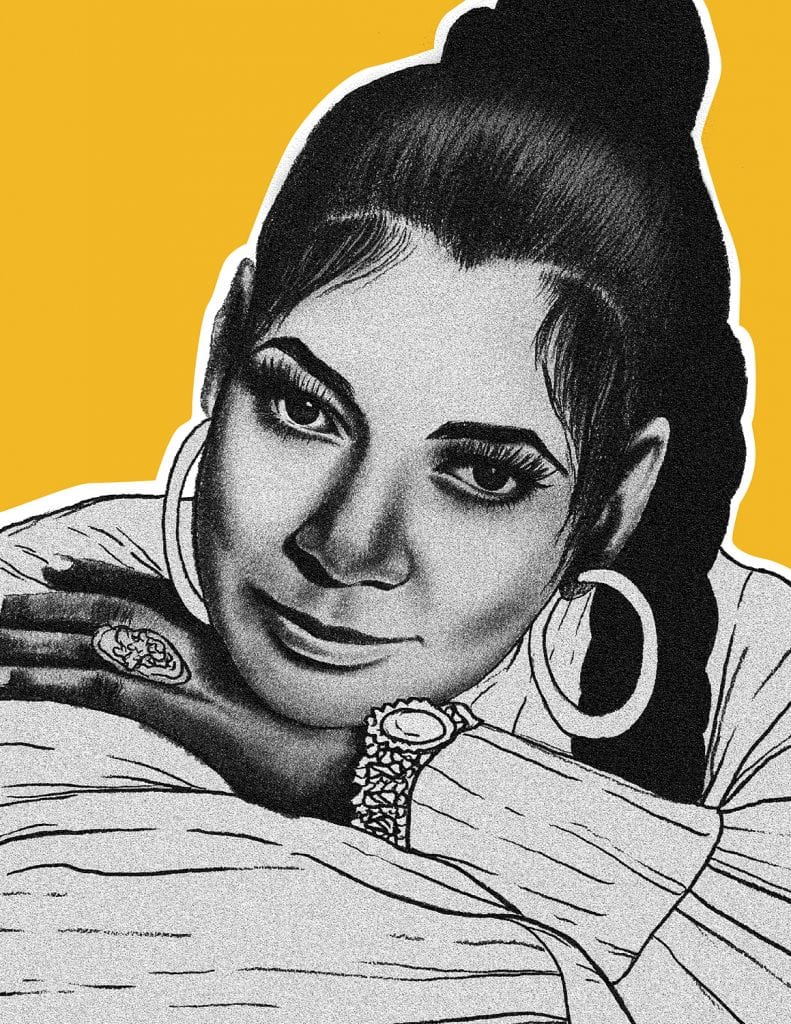
Robinson defied stereotypes and adapted to the changing winds of the industry, playing her part in the early roots of disco, funk, soul, and, most notably, hip hop. As her granddaughter, singer LeA Robinson, declares, Sylvia was a “boss” who was devoted to her family and dedicated to helping new artists. Sugar Hill Gang’s Henry “Hen Dogg” Williams, who joined the group in the early ‘90s, is frank about Sylvia’s talents and influence, saying, “She had a great ear. She knew a hit record when she heard it. If she didn’t have that idea, who knows where hip hop would be today.”
Born Sylvia Vanterpool in 1935, the legend who would later be known as the “mother of hip hop” was singing from an early age, landing a record deal with Columbia Records in 1950 under the name Little Sylvia. Her talents were soon spotted by Savoy Records and by the next year she scored a hit with “Little Boy.” Though still a teen, Robinson had already found the subtleties that would define her as a vocalist; her honey-drenched warble wavered on the verge of cracking, with a jovial warmth suggesting she had a cheeky story to tell after the song was over.
Many women of that era were reliant on the male gatekeepers who decided whether they would have a career. A teenage Robinson knew that was not the path for her and decided to take guitar lessons from Kentucky guitarist and Savoy session player Mickey Baker. “I wanted to learn how to play the guitar,” Robinson told Dazed in 2000, “and as soon as I learned to play guitar, I started writing.”
Soon after, the pair formed the duo Mickey & Sylvia and went on to enjoy success with the single “Love Is Strange” (1956), an Afro-Cuban-tinged pop number that featured Sylvia and Mickey playing guitar and singing in unison. Decades later, the single maintained its popularity when it soundtracked a prominent scene in the 1987 film Dirty Dancing. “Love Is Strange” is a reworking of a Bo Diddley original that included the same spoken interlude, with Diddley gruffly beckoning his lover, “C’mere woman.” With a gender-flipped version, Mickey & Sylvia created a softer take on the song’s raucous attitude and gently pushed an affirmative message of women’s sexuality into public consciousness.
By the late ‘50s, a number of black women guitarists had made an impact on music from Memphis Minnie and her influential blues music, to Lady Bo who joined Bo Diddley’s band in 1957, to proto rock ‘n’ roll singer and guitarist Sister Rosetta Tharpe. Despite the few who made it, most were not properly documented. Seeing Robinson seductively wiggling in an exquisite cocktail dress while strumming along and dragging out her infamous pronunciation of “baby” on the Steve Allen Show would have been life changing for women and girls across America.
Mickey & Sylvia disbanded in the late ‘50s, reuniting briefly to record a handful of songs before breaking up officially in 1962. In that short time, Robinson met and impressed a young Tina Turner, convincing her to record the hit single, “It’s Gonna Work Out Fine” (1963). According to Robinson, the recording featured Baker trading vocals with Turner and Robinson on guitar instead of Ike Turner. If ever there was an example of the ways the patriarchy takes credit for the work of black women, this was it: Robinson’s playing would go uncredited, with her guitar skills being passed off as the work of the guitar virtuoso and known brute Ike.
In the late ‘50s, Sylvia Robinson married the young entrepreneur Joe Robinson. Equals in their business acumen and hunger for success, they founded the independent soul label All Platinum Records in 1966. Robinson’s move to the male-dominated side of the music industry turned many heads, as her granddaughter explains. “There were a lot of stereotypes and doubt, and people saying ‘I don’t know if she can do this, let her husband run this’,” says LeA. “But she was like, ‘No, I’m a genius too. His genius matched my genius and made a whole genius company.’”
From their base, Soul Sound Studios, a converted lumber yard in Englewood, Joe would handle the business side of the label while Robinson was in charge of everything from finding new talent to producing records and writing hit singles. The label found success with soul trio The Moments, whose 1970 ballad “Love on a Two Way Street” was co-written by Robinson, and Shirley & Company’s “Shame, Shame, Shame” (1975). During this time, Robinson enjoyed her own solo success with the 1973 single “Pillow Talk,” a sensual take on women’s sexual empowerment. The single ushered in a new wave of women singers who could define their sexuality for themselves, and it brought Sylvia, now a mother of three in her late 30s, back into the limelight.
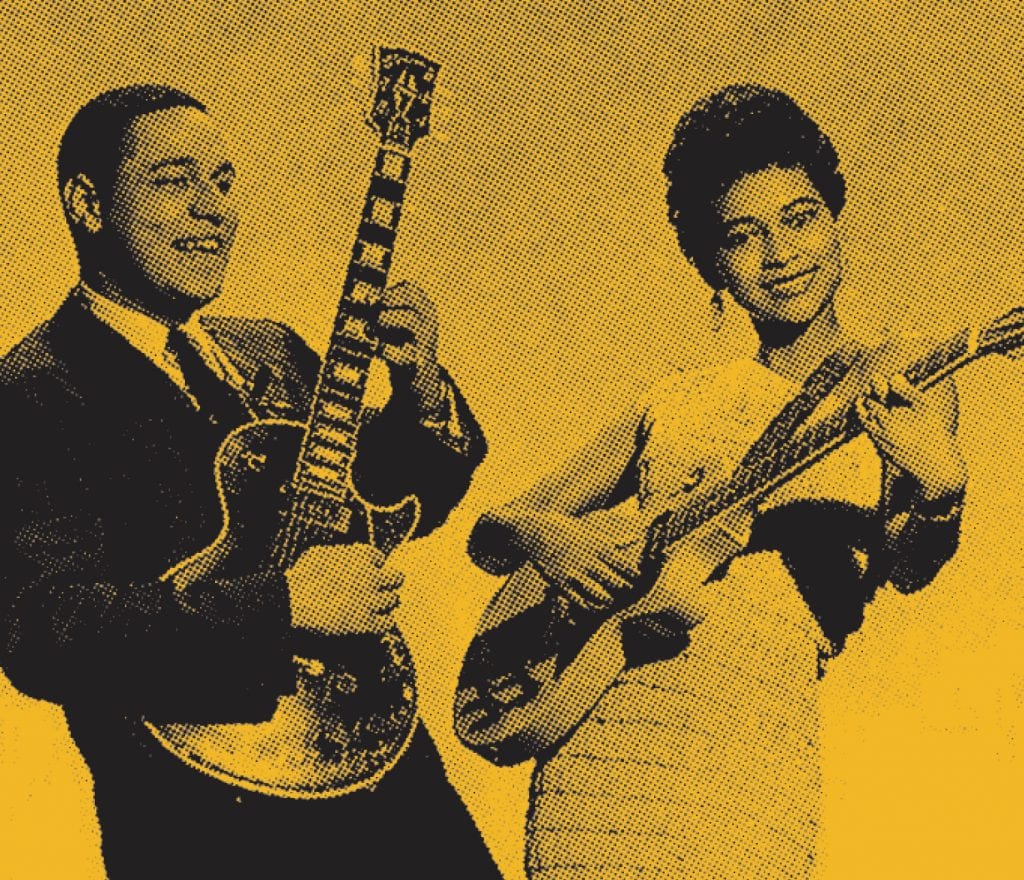
By the end of the ‘70s, All Platinum Records was struggling financially. A change was needed for the label to once again reach the black demographic it relied on. In 1979, Sylvia found that change at a birthday party in a club. “As I was sitting there, the dee jay was playing music and talking over the music, and the kids were going crazy,” she told The Star-Ledger in 1997. “All of a sudden, something said to me, ‘Put something like that on a record, and it will be the biggest thing.’ I didn’t even know you called it rap.”
She asked her son, Joey Robinson Jr., to look out for talent, and soon she had Michael “Wonder Mike” Wright, Henry “Big Bank Hank” Jackson, and Guy “Master Gee” O’Brien auditioning in her house. She couldn’t decide between the three, so they became a group that she named the Sugar Hill Gang. She also created a subsidiary label, Sugar Hill Records. With a reworked version of Chic’s “Good Times” as a backing track, the group made “Rapper’s Delight” and brought a slice of black New York hip-hop culture to the world. Sugar Hill Records became the main proprietors of young black culture, though it was hard to win the music industry over to Robinson’s way of thinking.
“She went to every record label there was in New York, trying to get a deal for Sugar Hill Gang, and they thought she was smoking,” says Hen Dogg. “They said, ‘This will never work, you don’t know what you’re talking about, no one will play a 15-minute song.’” Their fears about “Rapper’s Delight” were unfounded, and at the peak of the track’s success, some DJs would play it back to back.
Reminiscing on those early days, the members of Sugar Hill Gang remember Sylvia fondly. “No matter what you’ve heard, she was like a surrogate mother when we first started out,” says Wonder Mike. “A man always loves his mother, and she was making sure we had the best tracks, made sure we had nice clothes, broke us off some advances here and there.”
The long, narrow hallways of the label’s New Jersey studio were soon filled with everyone from James Brown to a young LL Cool J, all looking to be part of a scene that was making history. The label went on to enjoy more success with Grandmaster Flash and the Furious Five (“White Lines” and “Step Off” were both huge hits), The Funky Four Plus One, and The Sequence (an all-female hip-hop trio that featured a young Angie Stone). With each new development, Sylvia was still behind the desk, producing each hit.
Despite its success, Sugar Hill Records was short-lived, and by the mid ‘80s, major labels began taking over the hip-hop market. At the same time, a new, tougher sound was popularized by up-and-coming acts like Run DMC, which made the upbeat stylings of the Sugar Hill groups sound old-fashioned in comparison. By 1986, Sugar Hill Records was virtually dormant. Robinson started another label called Bon Ami with her son Joey, but she later shied away from the spotlight altogether.
Lea Robinson remembers her grandmother, who passed away from congestive heart failure at age 76 in 2011, in the way many remember their grandmothers: she made the best mac and cheese, loved seeing her granddaughter sing in church, and preferred to be called “mommy” as “grandma” didn’t sit well with her. There were times when Robinson’s star-studded past still lingered, though: the family once went on tour with NSYNC, and a young LeA started her performing career in her grandmother’s kitchen singing for Ronald Isley from the Isley Brothers.
For years, Robinson’s legacy almost became a fun fact reserved for hip-hop heads only. In 2017, to try and remain in the spotlight, the family appeared in The First Family of Hip-Hop, a Bravo reality series where they vied for the spot as the head of Sugar Hill Records. Today, the label is still dormant, and is currently managed by LeA’s father, Leland Robinson, the only surviving son of Robinson’s three boys.
And yet Robinson’s influence can be seen everywhere; in the Sugar Hill Gang, the group she formed that still continues to tour and release new material today, and in the groundbreaking work she made during the early hip-hop years, which will be studied for generations to come. It can even be seen in the work of prolific women producers such as Missy Elliott and newcomers Crystal Caines. For LeA, it still comes down to “Rapper’s Delight,” the song that made it all happen: “Even now, thinking [about how] that was a 15-minute song that went platinum. To this day I’ll go to any party and that’s the song that plays. All the Sugar Hill Records still play. She made timeless music.”
As the public grows hungrier for the stories of musical icons from marginalized backgrounds, Robinson’s impact will hopefully see a greater appreciation. To start, on the way is a biopic spearheaded by the Robinson clan and producer Paula Wagner, which could rightfully restore Robinson’s legacy, bringing it back to where it should be.
Using her talent and sheer determination, Robinson not only birthed a new musical genre, she also managed to break down the doors of several male-dominated spaces along the way. For every girl that picks up a guitar, conceives a toe-tapping arrangement, or dreams of a world that has more to offer, Robinson’s example guides the way.
Over 20 years have passed since a book was published on the history of women in rock music. Now, with profiles and illustrations of over 100 musicians, the new book Women Who Rock (Black Dog & Leventhal) is a testament to female artists who have shaped culture.
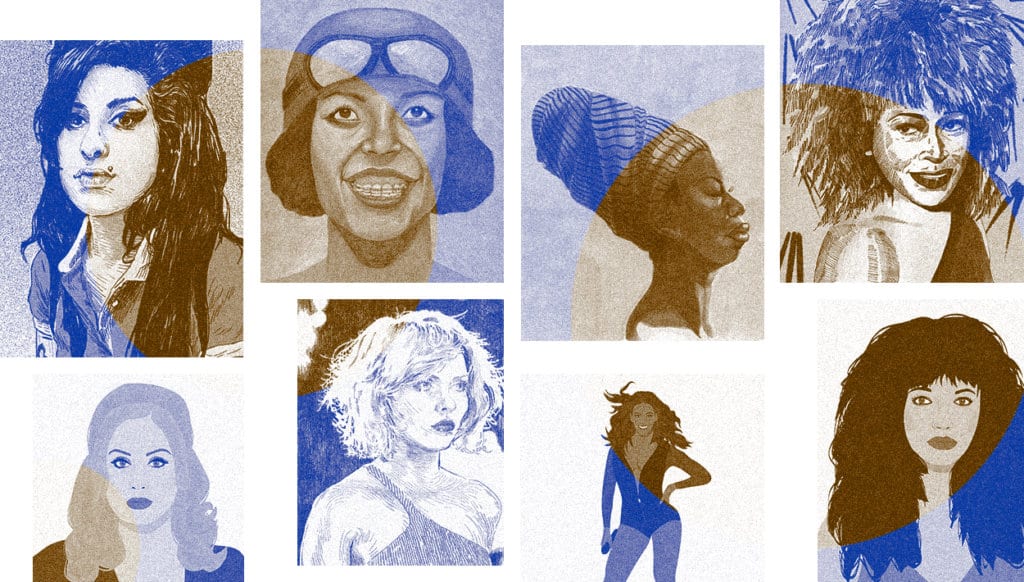
For the book’s editor and Loyola Marymount University professor Evelyn McDonnell, a celebration of women musicians is as needed as ever. Although in the past decade, artists like Adele, Beyoncé, and Lady Gaga have redefined popular music, women musicians’ accomplishments are often overlooked. She Shreds spoke with McDonnell about why the music industry needs a #MeToo moment, links between Bessie Smith and Brittany Howard, and the importance of bringing women into rock history.
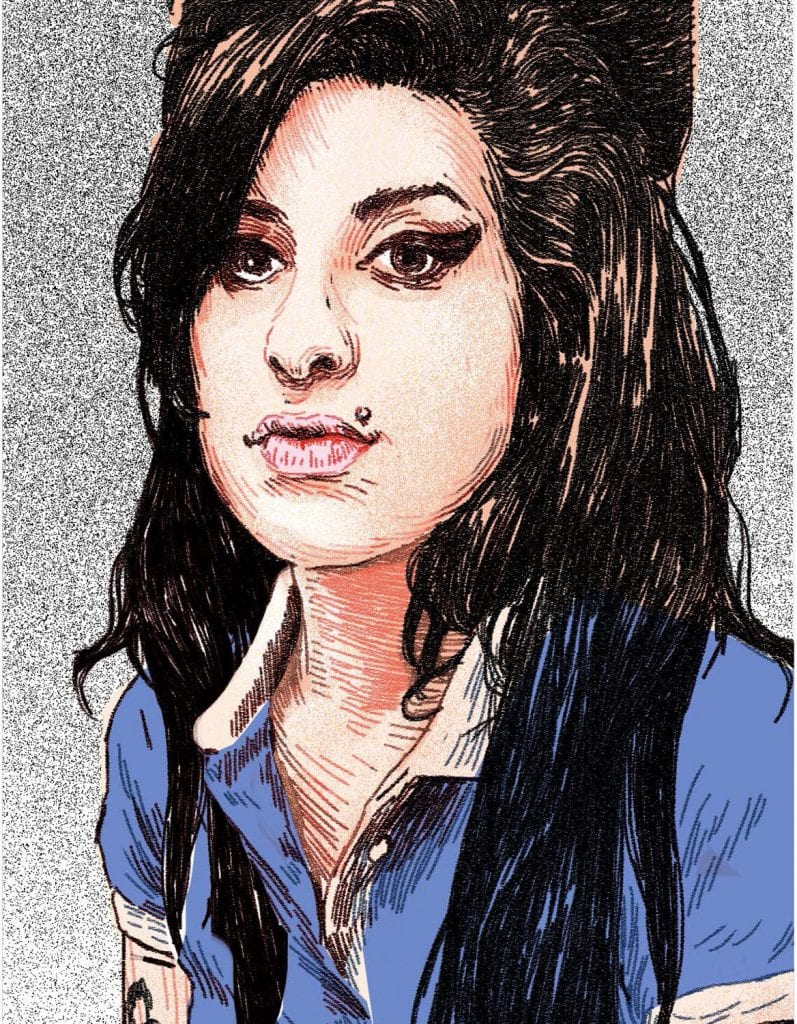
What connects the musicians featured in Women Who Rock?
The planned narrative thread was people who were game changers in modern popular music history, which we defined as starting with the recording era up until today. We found many threads throughout including overcoming great odds to become successful musicians or to become musicians at all. This starts with Bessie Smith being orphaned and playing on the streets through today with MIA speaking for the voices of exiles, refugees, and immigrants and Pussy Riot being jailed for making music. A large part were issues relating to gender, from abusive family situations to the incredible sexual harassment of the music industry, that being financial, emotional, and physical. For these women, music was their way out. Sometimes they didn’t escape. Some of the stories are tragic or they escaped but were killed in a plane crash, like Aaliyah or Patsy Cline. There’s also how high the stakes are and how the process of making music is inextricably linked with having freedom and a platform. That becomes a political fight, especially if you’re a woman, especially if you’re black woman, especially if you’re a black queer woman, like Big Mama Thornton and Sister Rosetta Tharpe. These women pioneered gender shifts that we didn’t have anything close to the language for at the time of their lives. But I think we can see their influence now.
Many music history texts and “best of” lists are criticized for ignoring the contributions of women and other marginalized groups. How does Women Who Rock correct that?
There’s always the question of should we even do these kinds of books: Are we reinforcing the divide and separating women’s history from men’s history again? I understand that argument. I don’t think a women who rock issue of Rolling Stone would be useful anymore, if it ever was. Another through line is artists not being treated well by the music press and the Rock and Roll Hall of Fame. Certainly if we didn’t do a book like this, a lot of these women wouldn’t be written into history books. Young women now who are trying to discover music to perform and inspire them might not learn about Betty Davis or Kim Gordon. This book is for mothers and daughters to share. But it’s also important for fathers and daughters and mothers and sons to share.
How does this project emphasize the importance of women having female musical influences?
One of the important things we wanted to do is show this lineage and legacy and make those connections of influence. One way to keep people disempowered is to keep them isolated, from recognizing they have peers and they can learn from people who came before them and pay it forward. It’s funny because I didn’t set out starting with Bessie Smith and ending with Brittany Howard. It almost had different beginnings and endings. But I love the way that happened. There is an important way in which they are bookends, literally. So much happens in between them, from Celia Cruz to Suzi Quatro. Yet there’s closure, a return to the tonic note, to speak musicalogically.
What has changed since 1997 and the publication of The Rolling Stone Book of Women in Rock: Trouble Girls, the last comprehensive text on women in music? What would you like to see 20 years from now?
In a way you hope this won’t be necessary in 20 years. Maybe we’ll be getting our due everywhere, but that’s doubtful, especially the way things are going. In the last 20 years, there have been remarkable achievements, like Beyoncé proclaiming herself a feminist, which was such a dirty word. Most of the women in this book probably didn’t call themselves feminists. In the last 20 years you have powerful women artists like Taylor Swift, Beyoncé, and Lady Gaga controlling the charts or Pussy Riot bringing the aesthetics of musical movements — riot grrrl and punk rock — into world politics. Do I think things are perfect or that much better? Not necessarily. I think the music industry is ready for the changes happening in film. That’s a theme in the book: It’s Ronnie Spector. It’s Tina Turner. It’s Aaliyah. Women artists face abuse by the men who are supposedly their champions.
This book also highlights these women’s power and gives them power and makes people aware of how long this abuse and discrimination has been going on and how pandemic it is throughout the industry. Sometimes it’s just feeling that girl power of getting a bunch of women writers, musicians, and illustrators all in one book. You start to communicate with each other and reach out to younger and older readers.