In February 2019, we published “50 Historic Black Women Guitarists and Bassists You Needs to Know” to showcase the influences that Black and Afro-identifying women musicians have had on music history. Since then, we’ve been consistently updating this list because we should constantly be celebrating the innovation, resilience, and talent of Black music communities.
For this particular list, we choose to focus on Black women guitarists and bassists whose careers started prior to 1999 to specifically showcase the legends—many of whom have unfortunately been overlooked, dismissed, or forgotten—who should be recognized as pillars of music history.
This list is not to be brushed off as just another list. Rather, it should be treated as a step taken towards exposing the truth. It’s for all of us who can’t count the names of Black women guitarists on one hand. It’s for the young Black girls aspiring to be musicians but seldom see a history that represents them. It’s to learn about our past and evolve into our future—and without Black history, we cannot accurately do so.
Below are 100 women—some of which you’ve heard about countless times, such as Sister Rosetta Tharpe, Elizabeth Cotten, and Barbara Lynn. Others were found in liner notes, vintage photos without names, and obscure websites deep within the internet. With your help, we hope this list can continue to grow. If you have names, videos, or pictures, please leave them in the comments below. And if you feel so inclined, please share this article and help distribute the names and lives of these incredible women.
Sister Rosetta Tharpe (1915 – 1973) is often referred to as the “original soul sister” and “the mother of rock and roll” for too many good reasons to display at once. Among others, Tharpe was among the very first recording guitarists to incorporate heavy distortion on her tracks. Not only did Tharpe influence many recognizable names such as Elvis Presley, Chuck Berry, Johnny Cash, Bob Dylan and Eric Clapton, but her unique style and ability to merge genres gave her an instrumental role in pushing music forward. In 1945, Tharpe’s single, “Strange Things Happening Every Day,” was the first gospel song to cross into popular music, reaching #2 on the Billboard charts.
Even before Sister Rosetta Tharpe, it was guitarist/bassist/vocalist Memphis Minnie (1897 – 1973), born Lizzie Douglas, who picked up the torch to keep African American popular music raw and relevant between the 1920s and 1950s. Although more recognized for her impeccable voice, Memphis Minnie’s music helped shape the sound of modern pop music. Below are her best known tracks influenced by her original songs:
Memphis Minnie: 1929 “When the Levee Breaks”
Made famous by: Led Zeppelin
Memphis Minnie: 1930 “Bumble Bee” Made famous by: Muddy Waters
Memphis Minnie: “What’s the Matter with the Mill”
Made famous by: Bob Wills and the Texas Playboys
In 2016, She Shreds had the honor of speaking with blues guitar picking queen Beverly “Guitar” Watkins (1939 – 2019), who began her career as the guitarist for Piano Red in 1959. Despite a long and self-described extremely difficult musical path, Watkins desired nothing more than to continue playing, writing, and performing.
She Shreds: Who introduced you to the blues?
Beverly Watkins: Well, it was born in me, from my ancestors. I had a granddaddy who was a banjo player. And then I had four aunties, called the Hayes Sisters—Aunt B., Aunt Ruth, Aunt Nell, and Aunt Margaret. They had a group back in them days and they would go to different churches down in Commerce and they would dress alike. Aunt B. played guitar, Aunt Ruth and Aunt Nell sang, and Aunt Margaret played piano. And my daddy, Lonnie Watkins, played the harmonica.
Peggy Jones (1940 – 2015), later known as Lady Bo, was an innovative and expressive guitarist. She was an original part of Bo Diddley’s sound from 1957 to 1962 and influential in her own songwriting and musical endeavors thereafter. Jones always displayed an enthusiastic willingness to experiment with guitars, effects, and sounds. Her enthusiasm for new guitar technologies helped balance out Diddley’s reliance on the cigar box guitar that made him famous, and allowed the band to evolve sonically over the course of time. Though she typically favored Gibson guitars, Lady Bo also played more experimental instruments such as the Roland guitar synthesizer and used their unique sounds in ways not often heard in rhythm and blues guitar.
Jessie Mae Hemphill (1923 – 2016) was truly a great example of the “one woman band,” often performing live with a guitar and tambourine at once. Although guitar was Hemphill’s instrument of choice since age 7, she was also a skilled drummer and percussionist. Hemphill, whose mother, father, and three sisters were all musicians, would go on to be internationally recognized for her unique talent and technique.
Born in Manhattan, Carline Ray (1925 – 2013) was an award-winning guitarist/bassist/pianist/singer who studied at Juilliard and earned her Master’s in composition. In 1946, Ray joined The International Sweethearts of Rhythm, the “all girl jazz band” known best for being the first and arguably most important all-women contribution to the big band era. Her seven decade career spanned a variety of genres, often switching from various instruments. According to her daughter, Catherine Russell, Ray “always made a point of saying she wasn’t a female musician, she was a musician who happened to be female.” We couldn’t stand by her statement more.
Odetta Holmes aka “Odetta” (1930 – 2008) is often referred to as “The Voice of the Civil Rights Movement” for her immense capability to reflect the passion and emotion of her community through works of jazz, folk, blues and beyond. As a result, she influenced some of the greatest names of the folk revival movement: Bob Dylan, Joan Baez and Janis Joplin all site Odetta as a major influence on their decision to sing and write they way they did. According to Time magazine, Rosa Parks was her #1 fan, and Martin Luther King Jr. called her “the queen of American folk music.” Bob Dylan was quoted saying, “The first thing that turned me on to folk singing was Odetta… I went out and traded my electric guitar and amplifier for an acoustical guitar.” Baez mentions that “Odetta was a goddess. Her passion moved me. I learned everything she sang.”
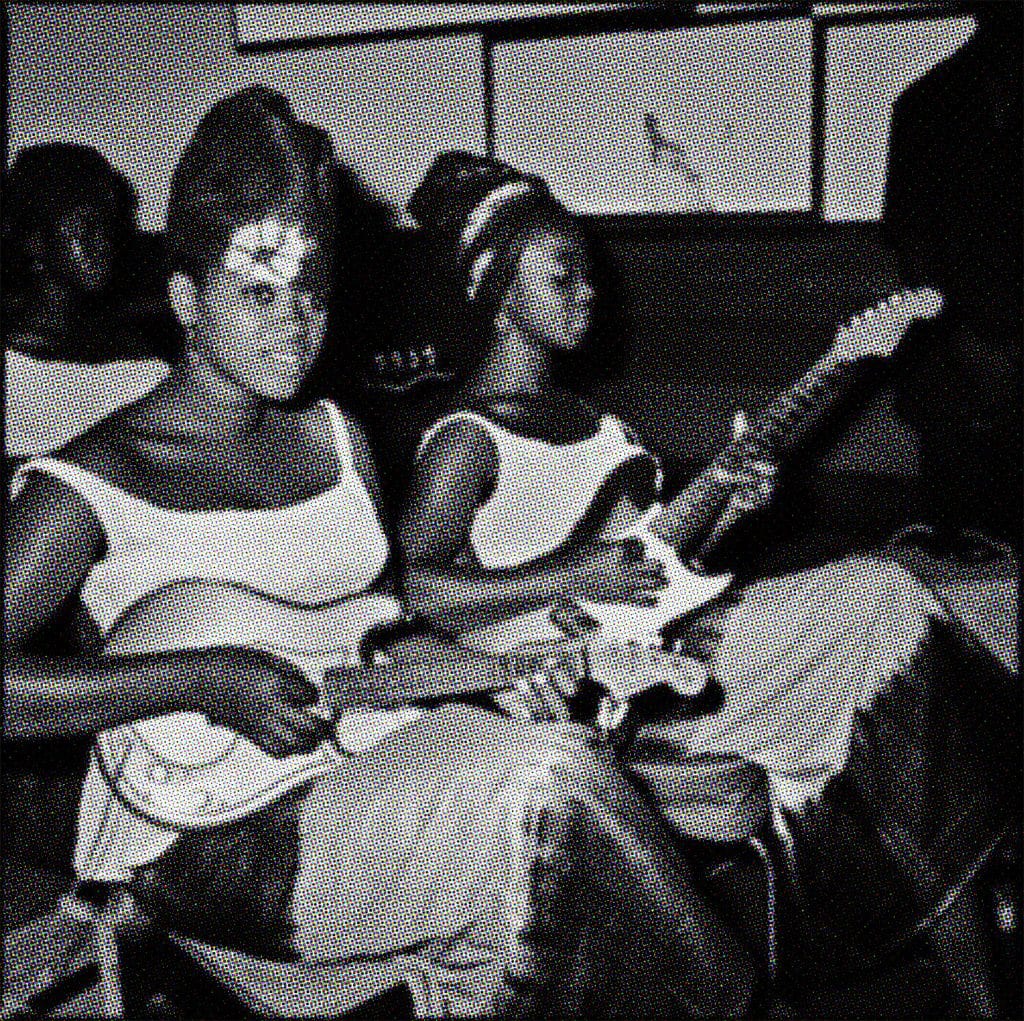
An image of these unknown women was taken by Roger da Silva for a series of photos taken between 1953 – 1969 meant to present a historical portrait of Senegal. As far as we know, the names and whereabouts of these women are unknown. The exhibit was featured and presented by XARITUFOTO—a nonprofit in Dakar with a mission to preserve African art as well as The Intensive Art Magazine (IAM)—”one of the first publications that focused exclusively on female African art, fashion, and design.”
Sylvia Vanderpool aka Sylvia Robinson is considered “The Mother of Hip-Hop” for being a record producer, record label executive, and founder/CEO of Sugar Hill Records—the label that produced hip hop’s very first top 40 single, “Rappers Delight,” by Sugarhill Gang. However, before becoming the mother of hip hop, Robinson obtained her production, writing, and managing skills as the guitarist and co-writer in Mickey and Sylvia, the duo who sold over 1 million records for their single “Love Is Strange” in 1957. But it doesn’t end there. In 1972, after being rejected by numerous outlets, Robinson recorded her debut solo album on her own, “Pillow Talk,” which became #1 on the R&B chart and crossing over to #3 on Billboard’s Top Hot 100.
Check out our 2019 article, “Sylvia Robinson’s Legacy as ‘The Mother of Hip Hop‘” for more information about the influence of Sylvia Robinson.
Born Etta Lucille Reid (1913 – 2016), Etta Baker was a playing legend of the Piedmont blues for 90 years. Picking up her first guitar at the age of three, Baker’s father Boone Reid taught her how to play a six-string guitar, 12-string guitar, and five-string banjo. Her discography spans from 1956 – 2015, and even while birthing and raising nine kids, Baker was known to never once give up playing the Piedmont Blues.
Algia Mae Hinton (1929 – 2018) was born in Johnston County, North Carolina and learned to play the guitar at nine years old. She was taught by her mother, who was an expert guitarist and singer, often seen performing at community gatherings. Her father was a dancer and taught her buck dancing and two step. Hinton was best recognized for her ability to merge buck dancing and Piedmont fingerpicking, often playing behind her head (as shown above) as she danced—a true pro. (Video Credit: Dust To Digital)
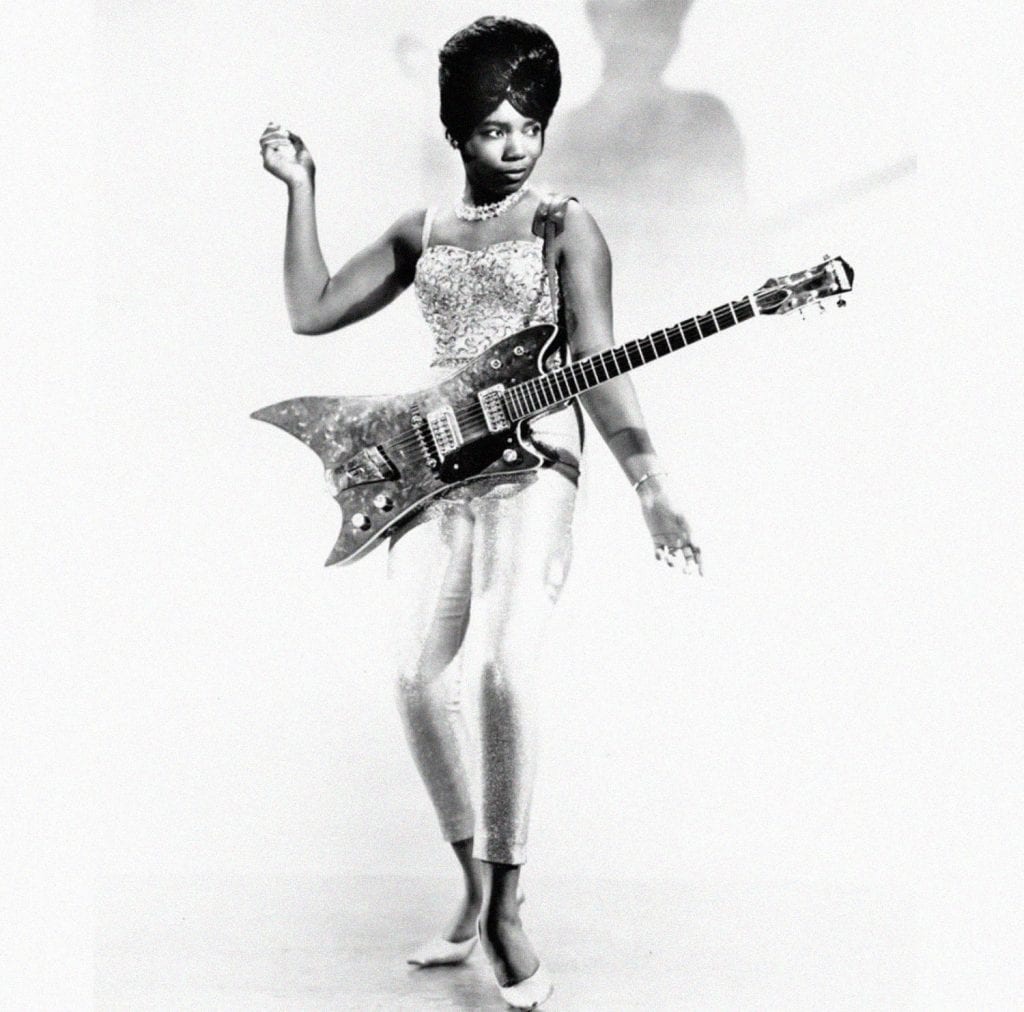
Norma Jean Wofford aka The Duchess (1938 – 2005) was the second guitarist in Bo Diddley’s band between 1962 and 1966. With her Gretsch Jupiter Thunderbird, she performed back up vocals, danced, and played rhythm guitar alongside Bo Diddley until calling it quits in 1966 to pursue raising a family.
Elizabeth Cotten (1893 – 1987) is the true definition of innovation. Born in in Chapel Hill, North Carolina, Cotten began teaching herself to play banjo at the age of eight. As a teenager and domestic worker, Cotten saved up $3.75 for a Sears guitar and began teaching herself to play left-handed. What resulted was her very own signature technique: she would take the right-handed guitar and turn it upside down, playing the bass lines with her fingers and the melody with her thumb—a technique known now as “Cotten Picking.” Her most recognized song is “Freight Train.”
While there’s not very much information on Linda Martell (born Thelma Bynem in 1941), she was an American Country singer and guitarist. She became the first African American woman to perform at the Grand Ole Opry, but soon thereafter abandoned her career to raise a family.
Little information floats around the internet about Cora Fluker. Born in Livingston, Alabama around 1920, she grew up sharecropping with her family and was nearly beaten to death after trying to run away at the age of nine. It seems that shortly thereafter, Fluker’s life took a shift into a deep dedication to preaching. As a young girl, she built her own guitar and began writing and singing songs in the church. Fluker performed in churches and at the occasional festival until her death. You can now hear some of her songs on Spotify.
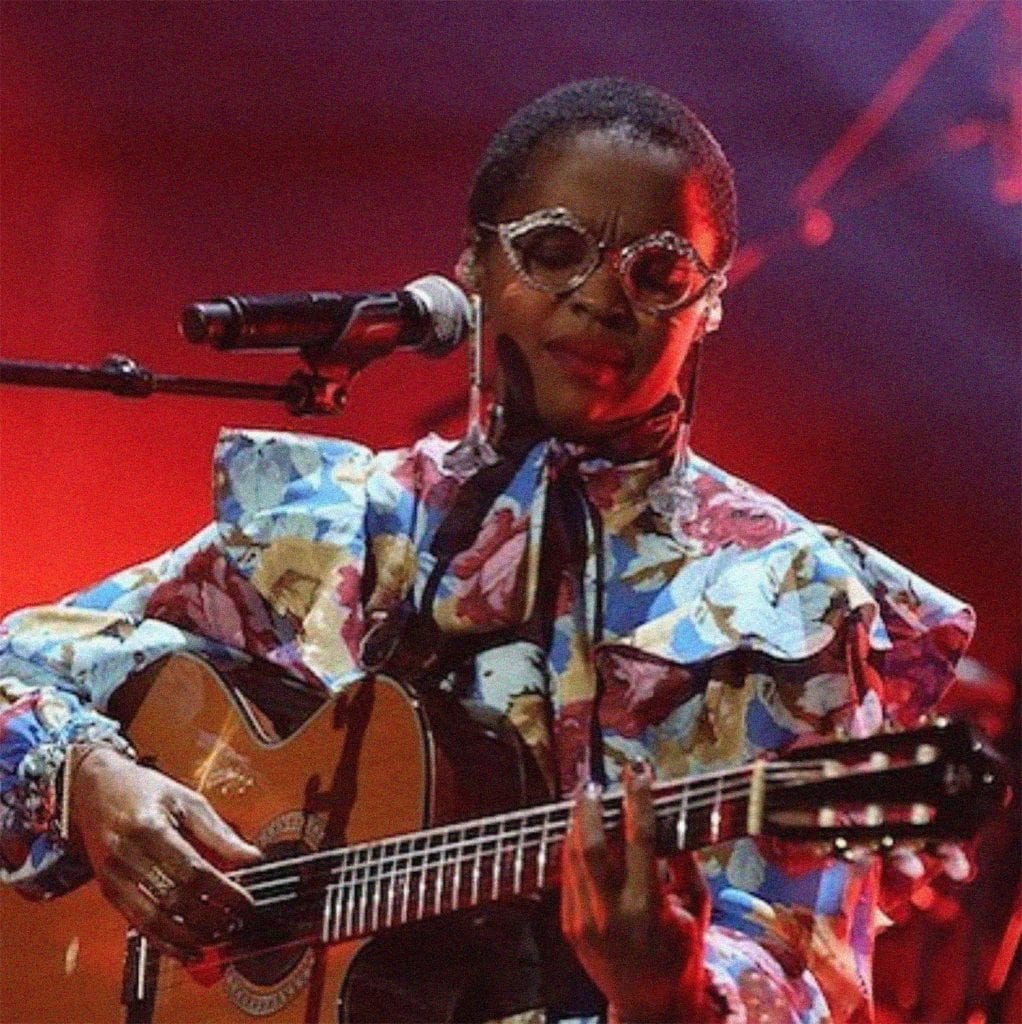
You might know Lauryn Hill from the Fugees and her award-winning solo album, The Miseducation of Lauryn Hill—but do you know what Lauryn Hill does live? She composes, she conducts her band, she sings and raps, and she plays an extremely fierce nylon guitar all at the same time.
“Born 25 September 1910, Como, Mississippi, USA, d. 22 October 1968, Senatobia, Mississippi, USA. The daughter of Sid Hemphill, Rosa Lee Hill grew up in a musical family, playing a broad repertoire for both whites and blacks. Her recordings are confined to blues, which she sang ‘from my mouth, and not from the heart’, feeling them to be incompatible with her religious faith. Her blues are typical of Panola County, where she spent her whole life: accompanied by a droning guitar, her songs have an inward-looking, brooding feel, comparable to those of Mississippi Fred McDowell. Hill and her husband were sharecroppers and lived in dire poverty, particularly towards the end of their lives, when their house burned down and they had to move into a tumbledown shack.” (Caption Cred: allmusic.com)
Joan Armatrading was born in Basseterre, Saint Kitts Britain on December 9th, 1950. Her recording career spans 40 years and she began as a self taught guitarist at the age of 14. At 15, after dropping out of school to support her family, she lost her first job after taking her guitar to work and playing it during tea breaks. She would later become a world-renowned singer songwriter/guitarist nominated for three Grammy Awards, 2 Brit Awards, and receive an Ivor Novello Award for Outstanding Contemporary Song Collection.
For more information, check out our 2020 feature, “The Righteousness of Joan Armatrading.”
Born Barbara Lynn Ozen in Beaumont, Texas on January 16, 1942, Lynn is known as the “Lefty Queen of R&B” for being a lefty guitarist and expert R&B composer. She first began playing the piano as a youngster before switching to guitar. Still a teenager, Lynn began performing at local clubs after winning many high school talent shows, and soon was recognized by singer Joe Barry. Shortly after, Lynn headed to New Orleans to cut her first 12-song LP, comprised of 10 original songs (unusual for an African American woman at the time), including the most well known of them all, “You’ll Lose A Good Thing.” She toured with the likes of Stevie Wonder, Smokey Robinson, Sam Cooke, James Brown, Al Green, Carla Marvin Gaye, the Temptations, and B.B. King, and was covered by the Rolling Stones and Ottis Redding. In the 1970s, Lynn retired to take care of her family after not being satisfied with how she was represented by her label, Atlantic Records. Twenty years later, she began writing and touring, and continues to do so to this day.
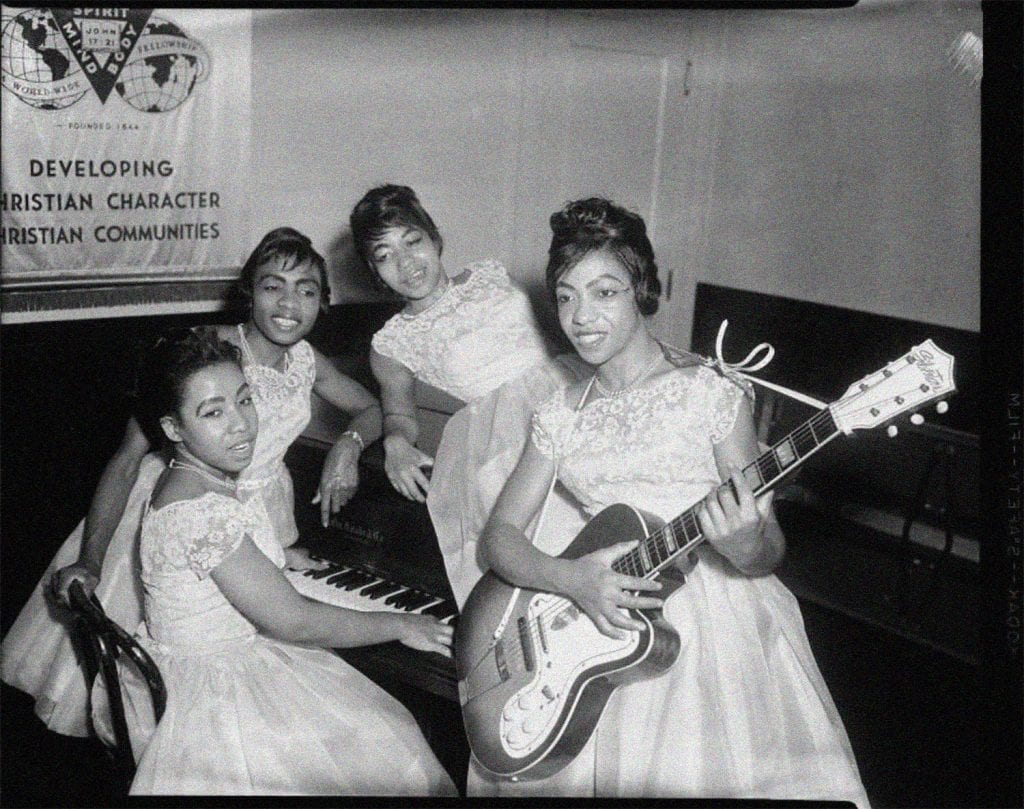
One of the many images that speak to the prominence of Black women instrumentalists unsung. PS: That Silvertone guitar though.
Gail Anne Dorsey is a longtime musician best known for her work as the bassist for David Bowie between 1995 until his death in 2016, as well as her songwriting, bass, and touring work with Tears for Fears from 1993 to 1996. Dorsey’s career is long and packed, but it all started with a guitar at the age of nine. Although she picked up the bass at 14, she didn’t consider herself a bassist until the age of 20, which then became her main instrument as a solo and session player. Among many other accomplishments, Dorsey has recorded, performed, and written with the likes of Lenny Kravitz, Bryan Ferry, Boy George, the Indigo Girls, Gwen Stefani, Charlie Watts, Seal, Gang of Four, and many more.
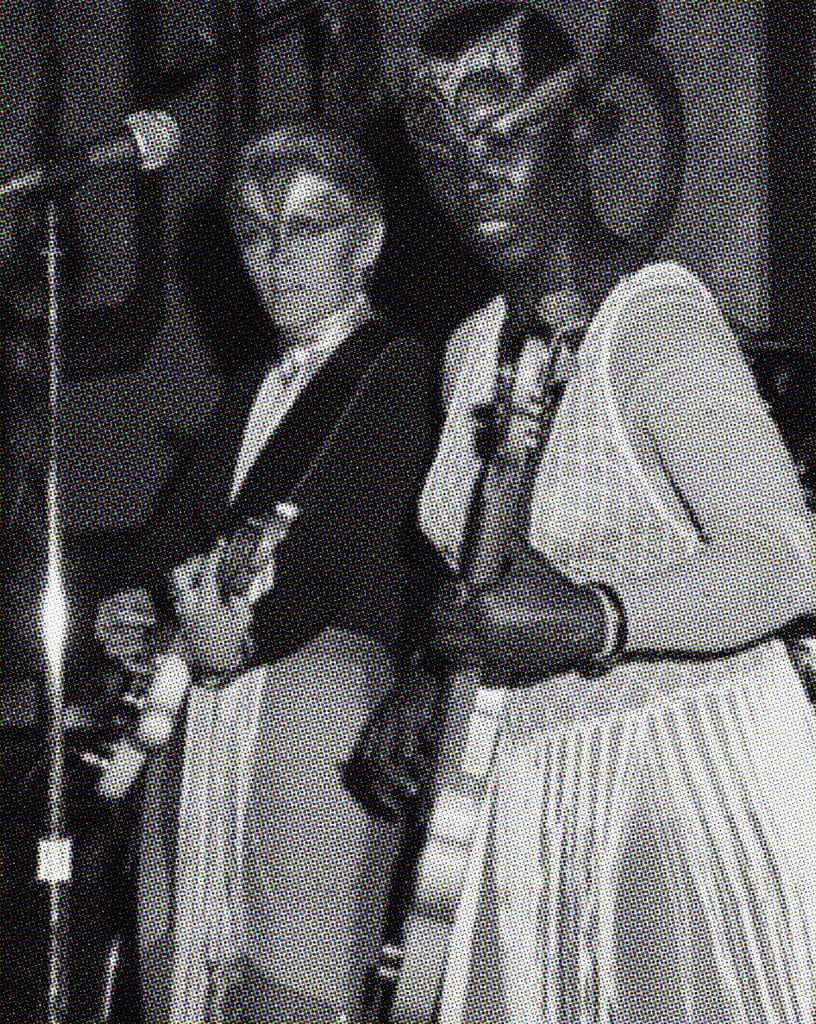
Stella Bass was a member of the horn rock band IsIs, named after the Egyptian Goddess. (Horn rock was a genre that developed in the late 1960s fusing jazz, improve, funk, rock and blues.) IsIs was the fifth all-women band to sign to a major label, and one of the few (if not only) signed to a major label at the time with an openly gay woman. It’s tough to find info on Stella herself and the career she led before and after the band; however, IsIs was a legendary band for their time—opening for the likes of Kiss, Lynyrd Skynyrd, and The Beach Boys.
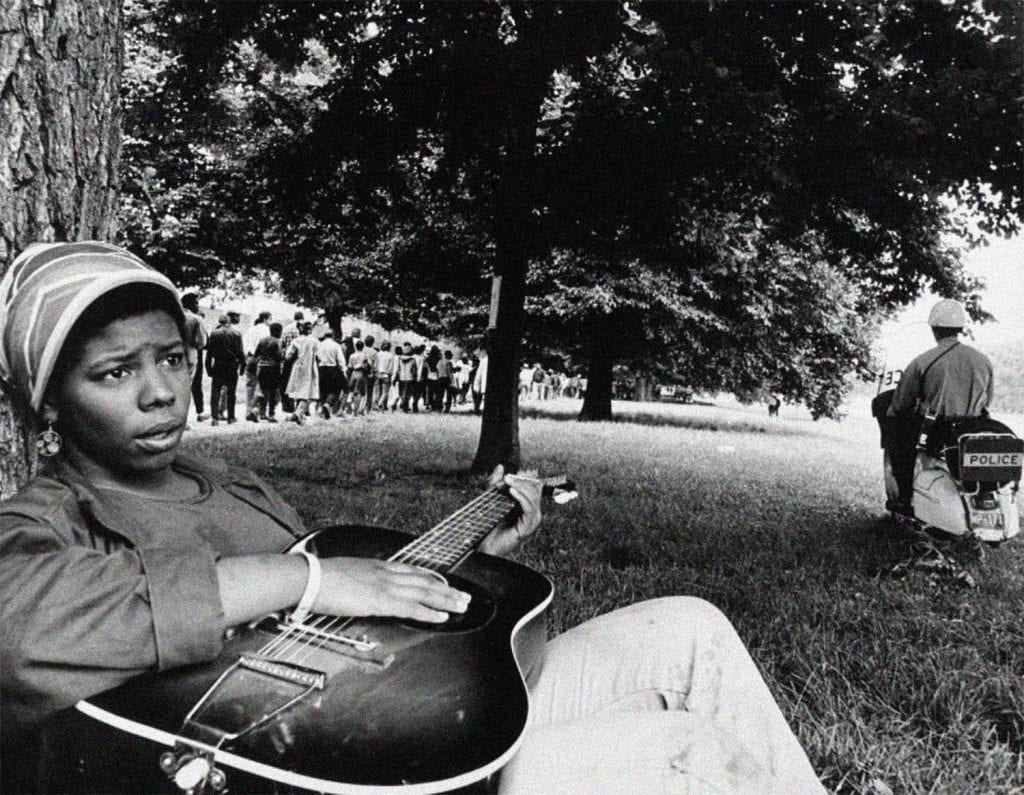
Taken during the Civil Rights Movement .
Born in Louisa County, Virginia (1908 – 1990), Flora Molton was a gospel singing slide guitarist who made a name for herself busking on the corner of 7th Street NW and F Street NW streets in Washington, DC. Due to being born partially blind, she was often unable to find employment and therefore continued busking, performing at local venues and even toured Europe until just a few months before her death at 82 years old. Morton wrote what she called “spiritual and truth music,” and according to a plaque dedicated to her in Louisa County, she picked up the slide guitar by seeing it played with a knife at a community party—a technique she adopted herself later on.
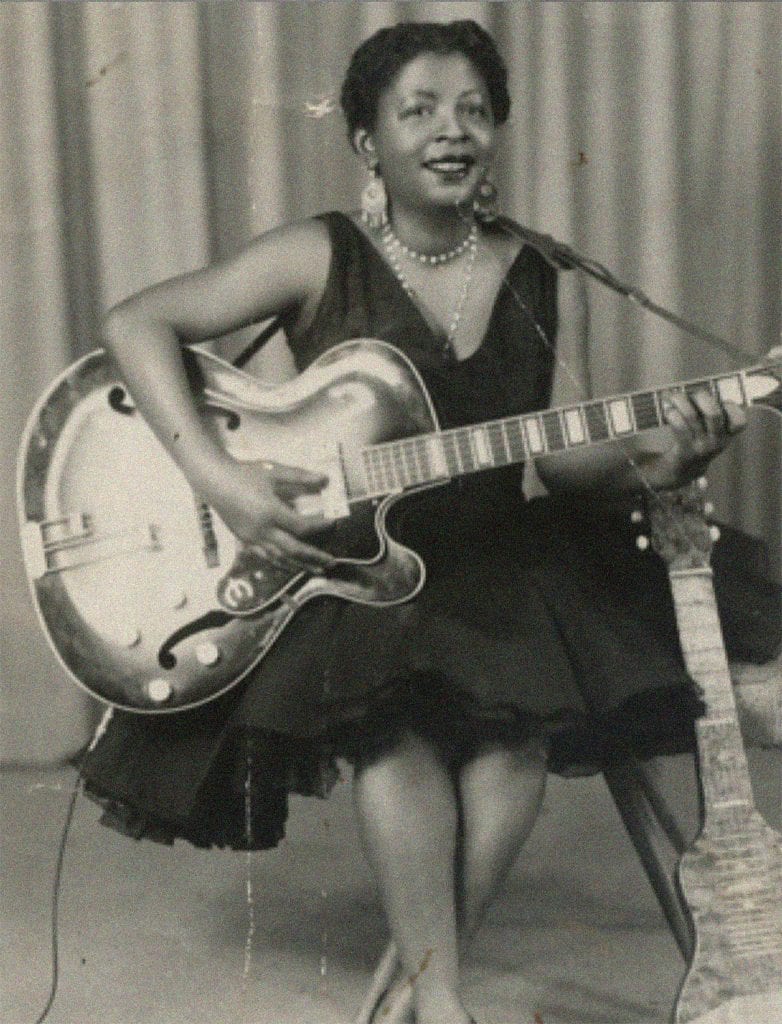
Willa Mae Buckner (1922 – 2000) is truly one of the most fascinating stories we’ve encountered yet. Born in Augusta, Georgia, Buckner was a fearless woman who taught herself piano at age 21 and picked up the guitar at 35. She was known for many different lives: she knew seven languages, traveled with her own circus/snake show, was a guitar slinging burlesque dancer, and “settled down” by owning 28 snakes at the end of her life. From an interview in Living Blues Magazine, April 1993: “I sang just regular kind of blues that they were singing out there. I used to do risqué, dirty songs. I started playing piano when I was 21, then I switched over to guitar when I was about 35. There was three of us. We used to get together with our instruments. One of us played Hawaiian guitar, the other one played straight.”
“Precious Bryant was born on January 4, 1942, in Talbot County, the third of nine children, and was a country blues singer and finger style guitarist of the Piedmont Tradition. As a young girl she sang with her sisters in their Baptist church. Her family was musical, and she learned to play guitar at a very early age, becoming proficient by age nine. Her father then taught her to play bottleneck guitar, and eventually her uncle and mentor, blues musician George Henry Bussey, presented her with an instrument of her own, a Silvertone from Sears and Roebuck. Bryant dropped out of high school in the eleventh grade and in 1965 got married. She soon began performing whenever possible, accepting tips in her guitar. Bryant’s repertoire evolved from traditional songs to include original arrangements and compositions.” (Caption Credit: Terminus Records)
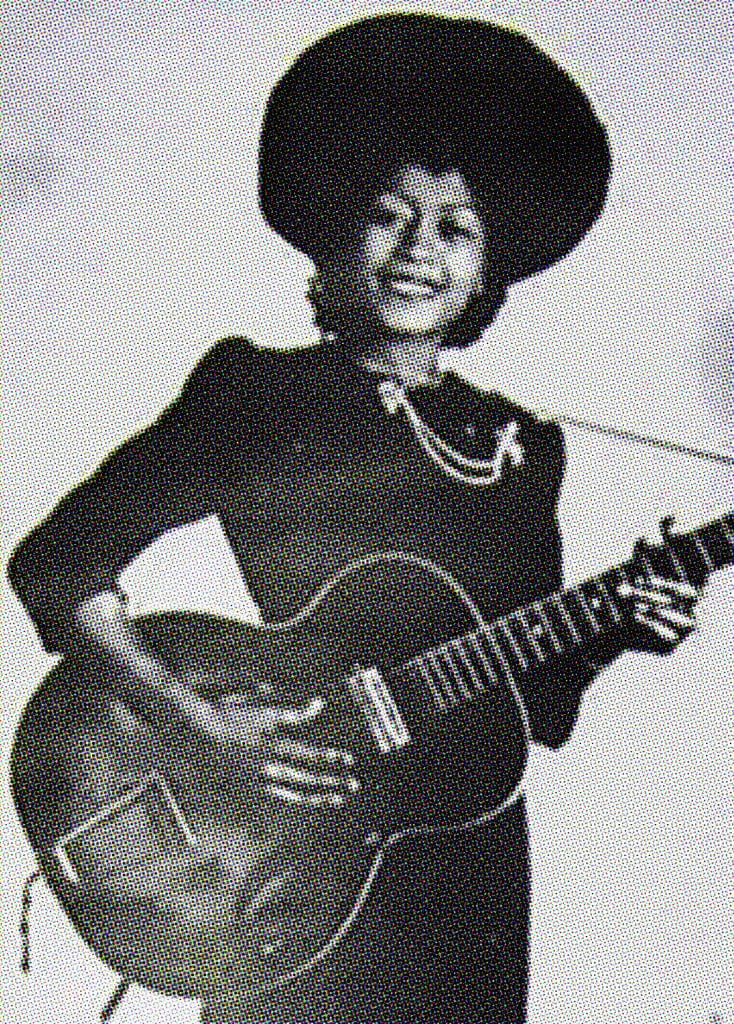
Marylin Scott/Mary Deloach had two stage names: the former for her gospel church recordings, and the latter for her R&B arrangements—the two genres generally steering clear for one another in the 1950s. Although composing under similar genres and gaining similar notoriety as Sister Rosetta Tharpe at the time, little is known about Marylin Scott besides having a recording career between 1943 – 1953, in which she recorded guitars and vocals in blues and gospel style.
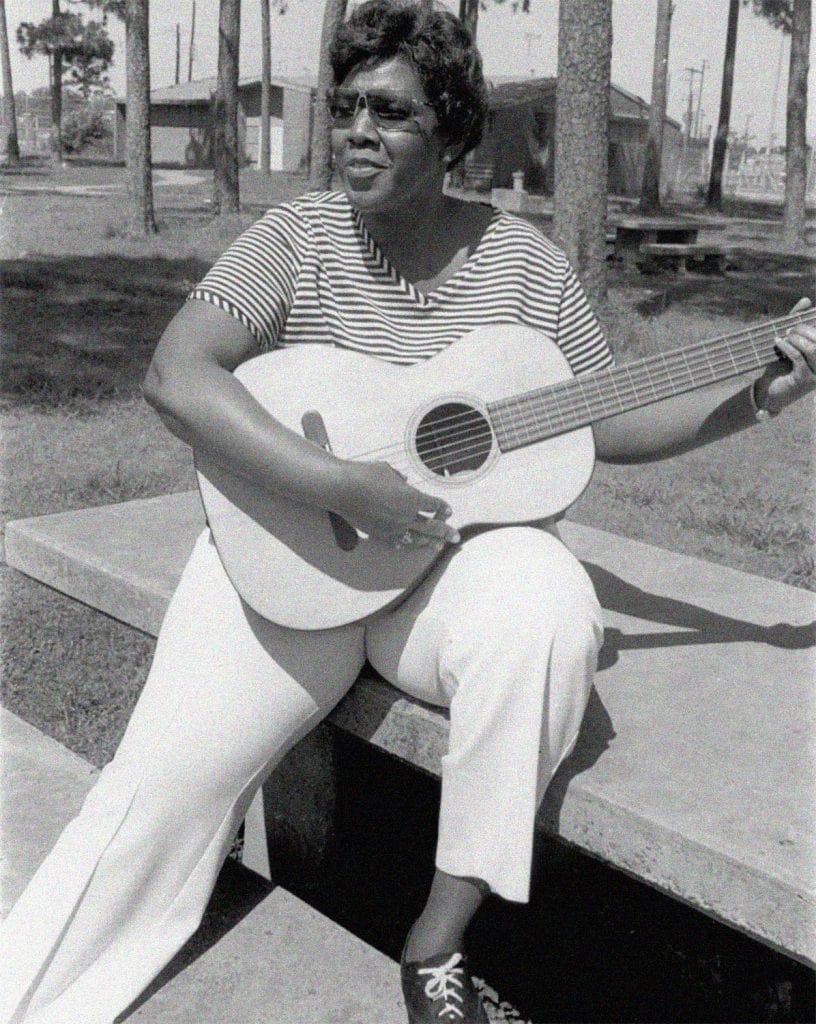
Born in Houston, Texas Barbara Jordan (1936 – 1996) was an incredible leader of the Civil Rights Movement, a politician, and an educator who enjoyed playing guitar as a hobby. Despite facing segregation laws and attitudes in all facets of her career, Jordan maintained the first in many categories, including being the first Black politician elected to the Texas Senate since 1883, and the first Black Southern woman elected to the US House of Representatives—the first woman in her own right to represent Texas in the House.
Sister O.M. Terrell, born Ola Mae Terrell (1911 – 2006), was an Atlanta native who experienced a salvation experience at age 11 while attending a Holiness Movement tent revival. By the Great Depression, she had become a blues-minded street musician who used her talents to evangelize passers-by, singing original compositions such as “God’s Little Birds.”
Tracy Chapman is one of the most recognizable voices of contemporary folk pop, with hits so memorable that her lyrics remain in the lexicon of anyone who lived through the late 1980s and 1990s. At a time when hair metal and synth-pop dominated the airwaves, Chapman brought the minimalist traditions of the singer-songwriter to the Bush era, offering an unfiltered and sobering social critique that resonated around the world. Chapman is often credited with having revived the singer-songwriter style in mainstream music all together, paving the way for a long string of folk singers who gained mainstream success throughout the 1990s.
Signed to Elektra Records in 1987, her self-titled debut album in 1988 sold over 20 million records worldwide. A long time anti-apartheid activist, she was invited to perform her hit “Fast Car” at Nelson Mandela’s 70th birthday tribute, which raised money for children’s’ causes and for South Africa’s Anti-Apartheid Movement. In addition to multi-platinum record sales, Grammy Awards, and her history of social activism, Chapman’s mainstream visibility as a queer woman of color in the 1980s and 1990s can not be overlooked as a significant legacy. From all of us to Tracy—THANK YOU!!
Bea Booze (1912 – 1986), often referred to as “Wee Bea Booze,” was an R&B and jazz singer popular in the 1940s for her interpretation of Ma Rainey’s song “See See Rider Blues,” which went to number one in 1943 on the US Billboard R&B Chart. Immersed in the rich musical culture of Harlem, she channeled the influences of singers such as Lil Green while recording for Decca Records. “See See Rider Blues” has continued to take on a life of its own, becoming a staple of blues performers such as Ella Fitzgerald, LaVern Baker, and Lead Belly, eventually picked up by many white performers such as Peggy Lee, Elvis, Janis Joplin, Bruce Springsteen, and the Grateful Dead.
Both a young legend and an active contemporary artist, Meshell Ndegeocello’s debut album, Plantation Lullabies, was released in 1993 and is credited with helping ignite the neo-soul movement of the 1990s. A bassist, songwriter, and rapper, her career has featured collaborations and recordings with Chaka Khan, Herbie Hancock, Madonna, John Mellencamp, The Rolling Stones, Basement Jaxx, Alanis Morrissette, Zap Mama, and Ibeyi, to name a few. Part of Ndegeocello’s legacy is her reverence to other former legends, having recorded a full album in tribute to Nina Simone in 2012, as well as having created a theatrical production in homage to James Baldwin’s book, The Fire Next Time. The musical, Can I Get a Witness? The Gospel of James Baldwin, debuted in 2016 and featured fellow guitarist and #43 on this list, Toshi Reagon.
Felicia Collins is best known as the lead guitarist for the house band on Late Night With David Letterman, known as the CBS Orchestra. Also a vocalist and percussionist, she has toured and recorded since the 1980s with artists such as Nile Rodgers, Al Jarreau, Cyndi Lauper, Madonna, Vonda Shepard, George Clinton, P-Funk, and the Thompson Twins. In 2018, Collins performed at the Rock and Roll Hall of Fame induction of Sister Rosetta Tharpe, appearing onstage with Brittany Howard, Questlove, and Paul Shaffer. Previously, she had provided guitar for Marie and Rosetta, a theatrical production about the lives of Sister Rosetta Tharpe and gospel singer Marie Knight.
Deborah Coleman (1956 – 2018) was a lead blues guitarist and singer-songwriter born in Virginia. Raised in a musical family, she picked up the guitar at age eight and went on to play in various rock and R&B bands when she was 15. In 1993, Coleman took first place at the Charleston Blues Festival’s National Amateur Talent Search. As a result, she was able to record her debut album, Talkin’ A Stand, which was released in 1994 with New Moon Records in North Carolina.
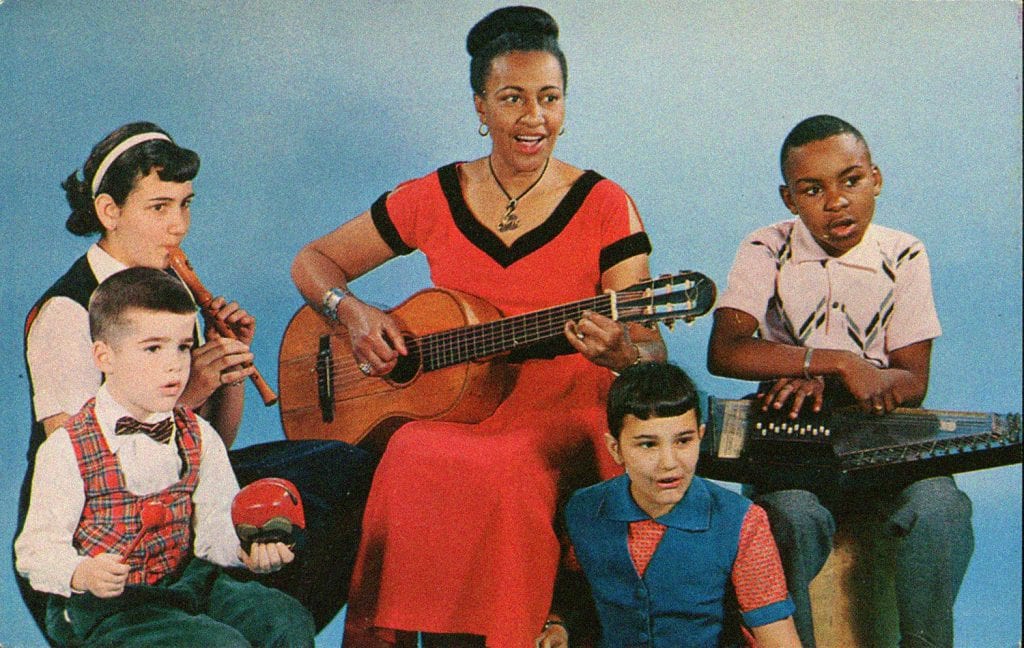
Charity Alberta Bailey (1904 – 1978) was a singer, educator, TV host, and pioneer in the field of children’s music. She wrote songbooks arranged on guitar and piano, and developed curriculums that used classical music and folk music from around the world to teach music to children. Bailey studied at Julliard and Dalcroze before becoming Director of Music at the Little Red School House in New York City.
The Thornton Sisters appeared on the Ted Mack Amateur Hour twice during the 1950s. Their dad enrolled the sisters into music lessons and soon after, they became regular performers on college campuses, often performing as the the backup instrumental group for R&B concerts. These performances were also a way for the family to save for medical school tuition for their daughters. The Thornton Sisters sound transitioned from jazz to R&B as the times changed.
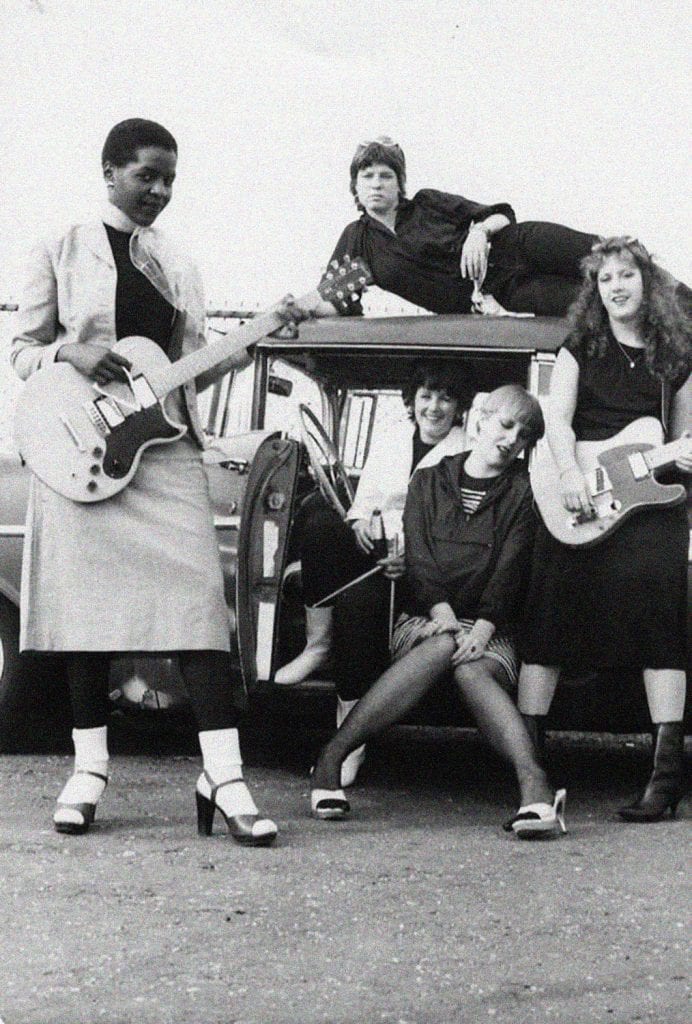
Joyce Rooks played guitar and vocals in rock band The Dinettes from 1979 – 1980. Right before, in 1978, she had been in the band The Cockpits (seen above), which eventually morphed into The Dinettes and had a few member changes.
Serifatu Oladunni Oduguwa, also known by her stagenames Queen Oladunni Decency and Mummy Juju, was one of the most popular musicians of the Yoruba jùjú genre (Nigerian popular music from traditional Yoruba percussion). Queen Oladunni Decency fronted the Unity Orchestra as a singer and guitarist.
Formed in 1979 in LA by producer/drummer Bernadette Cooper, Klymaxx was a R&B/Pop band whose members included Cheryl Cooley (guitar), Lynn Malsby (keyboard), Lorena Porter Shelby (vocals/bass), Joyce “Fenderella” Irby (vocals/bass), and Robbin Grider (guitar/synthesizers) in Klymaxx Their 1984 album, Meeting In the Ladies Room, went platinum in the United States.
Sarah McLawler (1926 – 2017) formed an all-women instrumental group, Sarah McLawler & The Syncoettes, in Chicago in the 1940s right before the rock ‘n’ roll era took off. The Syncoettes were a four piece, with McLawler (piano), Lula Roberts (saxophone), Hetty Roberts (drums), and Vi Wilson (bass). They became the house band for Chicago’s Club Savoy for a short time and released a handful of records during the 1950s.
The International Sweethearts of Rhythm was one of the first racially integrated all-women swing bands that gained popularity during the WWII era. The group toured extensively throughout the states and abroad with the USO, performing on the Armed Forces radio and playing top venues across the country. The Jim Crow laws, racism, and sexism made traveling dangerous and difficult for the band to be taken seriously as musicians. Carline Ray was a guitarist in the group and can be seen in the above video.
Janice-Marie Johnson was a founding member and the bassist/vocalist of the recording act A Taste of Honey, formed in 1971. The group’s main genre was disco with a few songs that were chart toppers in both R&B and pop, including “Boogie Oogie Oogie.” Johnson picked up the bass while she was in college and played shows with A Taste of Honey all along Southern California and on military bases. The group won a Grammy in 1978 for Best New Artist.
Toshi Reagon has been active as a folk, blues, R&B, country, gospel, rock, and funk musician since 1978. As a queer artist and activist, Reagan was raised by musician parents who were social activists during the civil rights movement and part of The Freedom Singers group. She has performed and shared stages with the likes of Lenny Kravitz, Elvis Costello, and Ani DiFranco. Reagon’s most recent musical endeavor was Parable of the Sower: The Opera, adapted from Octavia E. Butler’s post-apocalyptic novel of the same name.
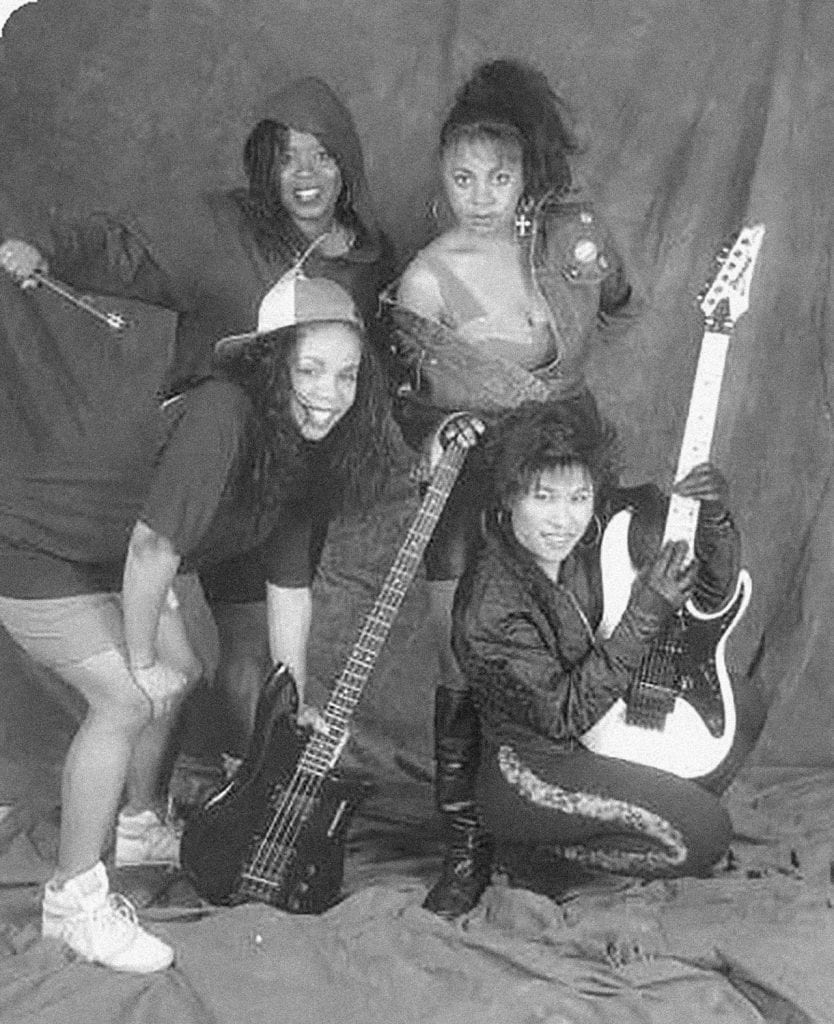
PMS (Pre-Metal Syndrome) was the first all-Black female metal band formed in the early 1990s by guitarist Suzanne Thomas. PMS defied what it means to be a Black woman performing heavy metal music in a scene that is often dominated by heteronormative, white cis males. PMS is featured in Laina Dawes 2012 book, What Are You Doing Here? A Black Woman’s Life and Liberation in Heavy Metal.
Considered the Queen of Ndebele (a language spoken by 1.6 million people in South Africa) music, and a national icon, Nothembi Mkhwebane is widely considered to have brought the Ndebele language to the world stage. A prolific multi-instrumentalist, Mkhwebane composes on guitar and traditional instruments, and her songs often feature uplifting hand claps, intricate guitar riffs, and music shakers.
Recommended listening: Zimani Balibalele (1998)
Hailing from South Africa, Tu Nokwe taught herself to play guitar as a young woman. She eventually landed a spot at the Manhattan School of Music and went on to perform around the world. Nokwe’s work has detectable funk and pop influences, but her adept guitar playing and soprano voice create a style that is uniquely her own.
Recommended listening: “African Child” (1999)
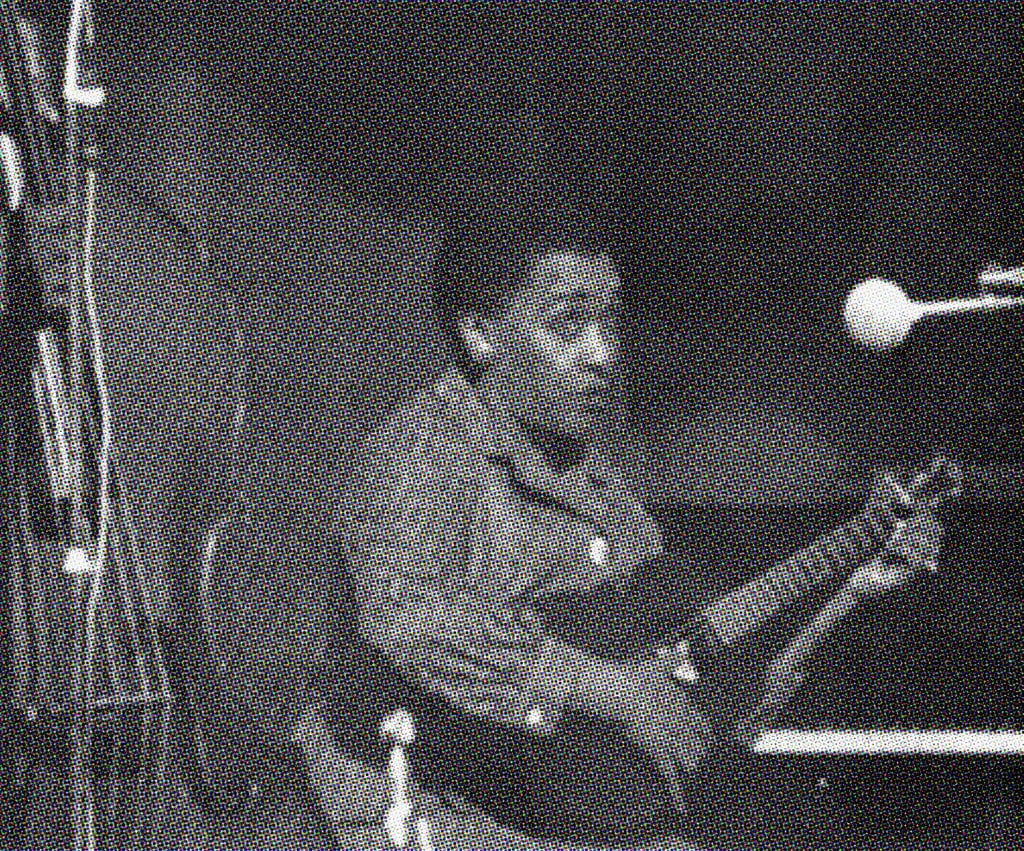
Born in Houston, TX, Victoria Spivey (1906 – 1976) was an American blues singer and songwriter whose career began in the family string band and later got into show business and Vaudeville theater. In 1951, Spivey decided to retire from show business, but just about a decade later, in 1962, she formed her own record company, Spivey Records, upon which she returned to recording and performing music.
Queen Sylvia Embry (1941 – 1992) was born in Arkansas. As a kid, she was trained on piano by her grandmother. By the time she was 19, Embry moved to Memphis, followed by Chicago, to pursue music. In Chicago she fell in love with the bass and started working with Lefty Dizz. She soon became known as one of Chicago’s leading blues bassists. By 1983, Queen Sylvia went out on her own and released her debut solo record, Midnight (Evidence).
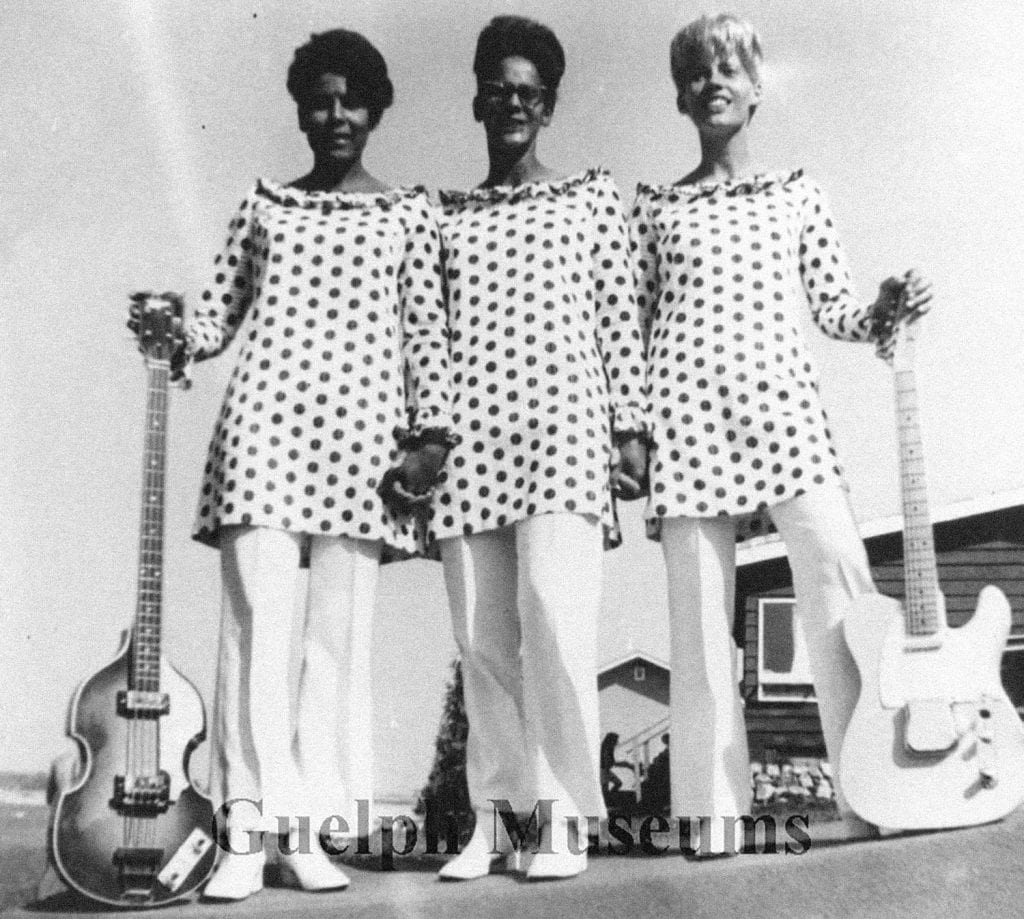
Melba Jewell (1934 – date unknown) and her sibling Pat formed the Fabulous PJs and released one album together while residing in Guelph, Ontario. The Jewell’s were one of many families local to the area that used their musical talents to combat racism and to empower the Black youth of the time.
Las Chicas Del Can was the first all-women merengue group from the Dominican Republic with a rotating cast of Dominican and Afro-Dominican singers and musicians throughout their career. Founded in 1981, they performed a number of hits throughout the 1980s, and a great number of their singles and albums achieved gold and/or platinum status. Las Chicas Del Can toured around the world and Europe, including Venezuela, Ecuador, Colombia, Peru, Puerto Rico, the United States, Holland, and more.
Tracy Wormworth began her career as the bassist for new wave band the Waitresses until their breakup in 1984. She went on to record and tour with the B52s, starting around 1990, and officially became a band member in 2017. Wormworth was once part of the house band on The Rosie O’Donnell Show, and she’s toured with Cyndi Lauper, Sting, Joan Osborne, and more.
Hailing from the South Bronx, ESG was formed by the Scroggins sisters in 1978. The iconic no-wave funk band wrote the most sampled song of all time, “UFO,” which has been referenced by everyone from Grime Mob, to Wu Tang Clan, to indie rockers Liars. Deborah and Renee Scroggins both played bass in different iterations of the band—starting out on vocals, Renee took over bass duties when Deborah left the band in 1987. Renee still performs as ESG, with her daughter Nicole and son Nicholas.
Read our feature with Renee Scroggins, “40 Years of Dancing: In Conversation with Renee Scroggins of ESG.”
“Here name is Rhonda and she is funky.” – Prince
Canadian bassist Rhonda Smith worked with Prince for almost a decade, having been introduced to him by world famous drummer Sheila E, whom Smith met while at a music convention in Germany. She’s also performed with Chaka Khan, Beyonce, Erykah Badu, Patti Labelle, Little Richard, George Clinton, and many more. In 2000, Smith released, Intellipop, marking her first album as a soloist, followed by RS2 in 2006.
Debra Killings has offered her vocals and bass playing to some of the most iconic artists of the 1990s, including TLC, Monica, and OutKast. In 2003, the Atlanta-born bassist released her debut solo album, a gospel LP entitled Surrender. She has also played bass for BET’s “Black Girls Rock” all-star band.
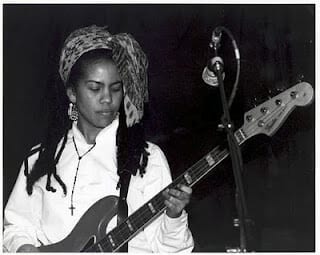
Originally from Newport, RI, Leslie Langston played bass in two of Tanya Donelly’s 1990s alternative rock bands, Throwing Muses and Belly. Langston’s driving bass and incredible tone was an asset in enhancing the shifting tempos of Donelly’s writing, adding an additional layer of spasmodic catchiness.
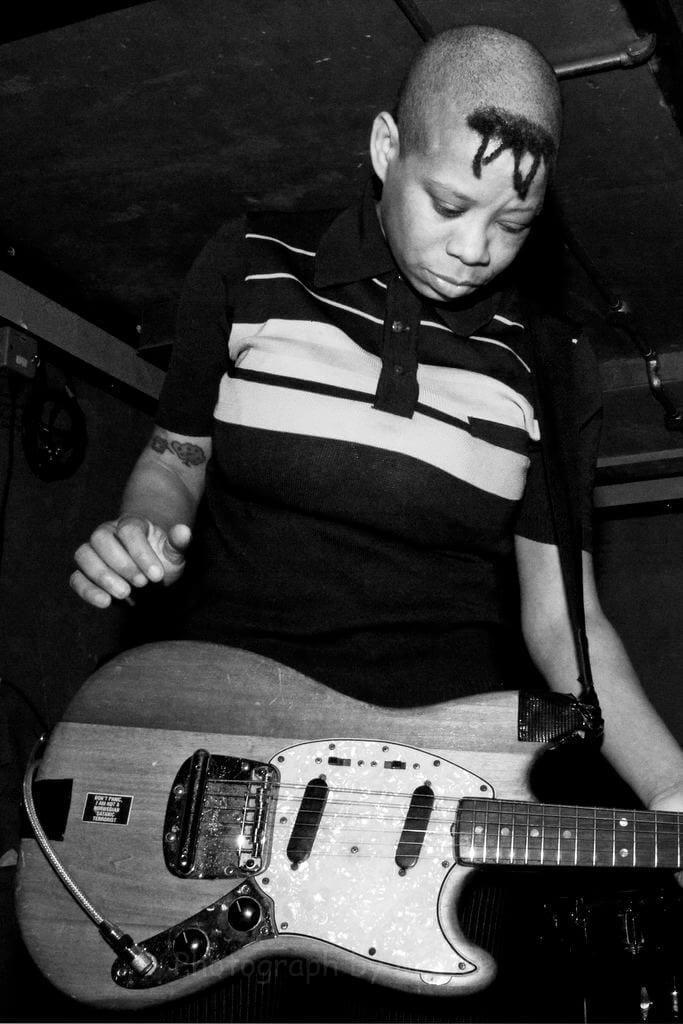
British guitarist and bass player Debbie Smith was in a variety of British rock bands in the 1990s, including Echobelly, Nightnurse, Snowpony, Bows, Ye Nuns, and SPC ECO. Today, she performs as a DJ and plays guitar with the bands Blindness and The London Dirthole Company.
Raised and trained in Philadelphia and New York, bassist Starr Cullars was the only woman musician in George Clinton & Parliament-Funkadelic. She was introduced to George Clinton by Prince, whom she had auditioned for, and toured with P-Funk for many years. She was also featured as a TV celebrity on VH1’s “Rock N Roll Fantasy Camp 2” and was called the “Queen of Rock” by Paul Stanley (of Kiss) and Mark Hudson (producer). Today, Cullars performs with her own groups, including the hard rock band The SCC.
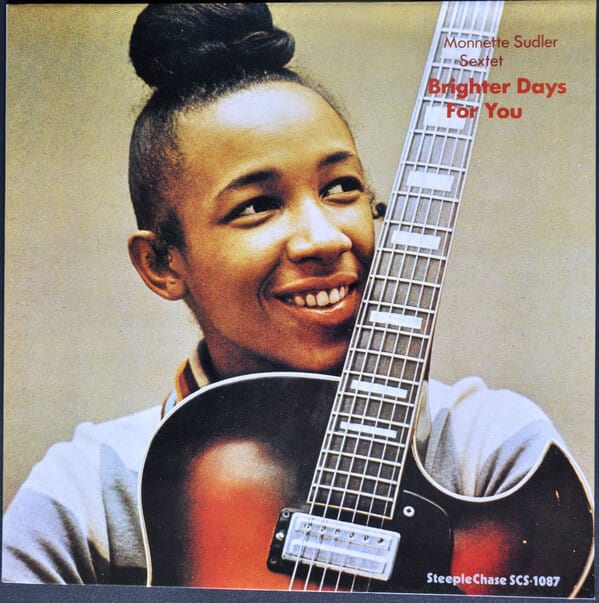
Jazz guitarist Monnette Sudler started playing when she was just 15 years old. Born in 1952 and raised in Philadelphia, she started taking lessons at the Wharton Center, and eventually went on to study at Berklee School of Music in the 1970s and at Temple University in the 1980s. Early in her career, she performed with Sounds of Liberation, a group who used their music to help spark social activism, with a tremendous impact on the African American and jazz community in Philadelphia. From 1977 through 2009, Sudler recorded eight jazz albums and has performed with a variety of musicians.
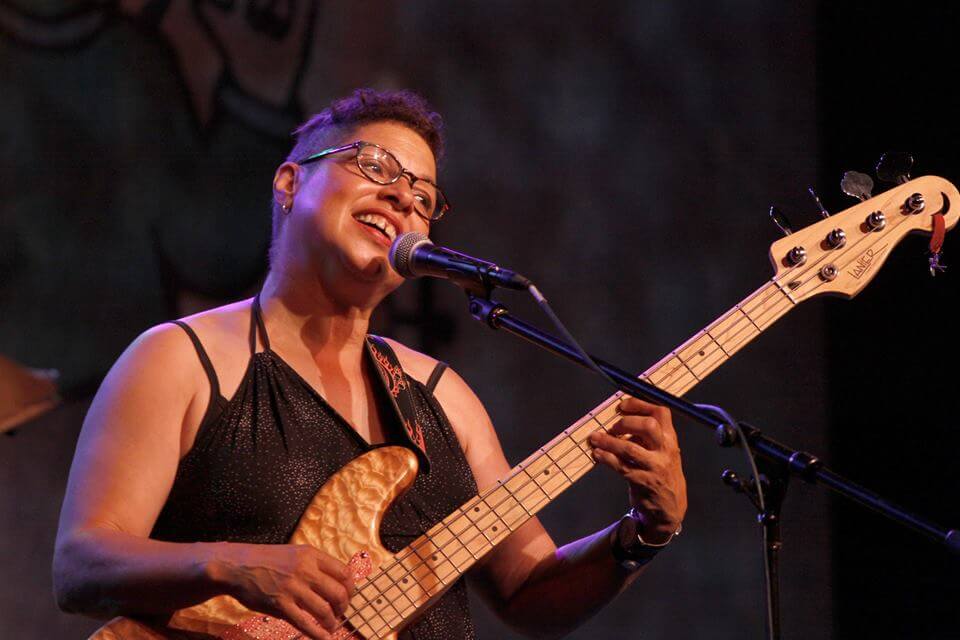
Known for her folk and Afro-Celtic songs, guitarist Laura Love did not find the path to a musical career easy. Born in Lincoln, Nebraska, her mother’s mental health took a devastating toll on her childhood, and her jazz musician father, Preston Love, was not present for much of her youth. Love began performing at 16 years, singing for prisoners at the Nebraska State Penitentiary. She eventually relocated to Seattle, WA, where she was a member of the 1980s rock groups Boom Boom G.I. and Venus Envy. She has released 12 albums since 1990, and in 2004 she published her memoir, You Ain’t Got No Easter Clothes, with an accompanying album of the same name.
R&B singer-songwriter India.Arie has won four Grammy Awards out of 23 nominations to date, including Best R&B Album in 2003 for Voyage to India. Since 2001, she’s released seven studio albums, and has written soulful, political-driven songs such as 2006’s “I Am Not My Hair” and 2016’s “Breathe,” which was inspired by Black Lives Matter and Eric Garner’s last words.
Blues guitarist and vocalist Valerie Turner is an incredible player and resource of Piedmont blues, a style characterized by fingerpicking with an alternating thumb bass string rhythmic pattern that supports a syncopated melody while the treble strings are generally picked with the fore-finger. Musicians such as Elizabeth Cotten, Memphis Minnie, and Etta Baker are known for playing in this style, and Turner and her husband often play as a duo called Piedmont Blūz. She has released two albums, authored and edited the book, Piedmont Style Country Blues Guitar Basics, and was inducted into the New York Blues Hall of Fame (along with her husband and their duo, each separately) in 2018.
New Yorker and jazz bassist Kim Clarke is most notably known for touring with the late Joe Henderson Quartet throughout Europe in 1986. She toured with numerous groups across the world over the years, playing both acoustic and electric bass. Clarke has also worked as an educator, bringing the history of dance and jazz to numerous schools in the New York area, as well as collaborating on a jazz study program (with pianist Bertha Hope through the Jazz Foundation of America) geared to mentor Bronx high school girls.
Fun fact: In 1963, Clarke’s mother brought her to the March on Washington, where she watched Martin Luther King deliver his “I Have A Dream” speech.
Few details about the life of Geeshie Wiley (1908 – 1950) can be confirmed, but the country blues singer and guitarist has left a legacy regardless. Writer John Jeremiah Sullivan published a New York Times feature about Wiley and her recording partner Elvie Thomas, collecting facts about the two women from musicologist and folklorist Mack McCormick. Wiley recorded six known songs during her life, all released on Paramount Records during 1930-1931, and the song “Last Kind Words” has been covered by numerous artists.
As mentioned above, Elvie “L.V.” Thomas (1891-1979) is often noted as Geeshie Wiley’s recording partner, but the Texas blues guitarist also wrote some of those initial songs. In 1930, she recorded two songs issued by Paramount Records, “Motherless Child Blues” and “Over to My House,” on which Wiley played second guitar. The two recorded the duet “Pick Poor Robin Clean” for Paramount in 1931, and Thomas also backed Wiley on guitar for three other tracks from these sessions, including “Last Kind Words,” “Skinny Leg Blues,” and “Eagles on a Half.” In her later years, Thomas sang in Mount Pleasant Baptist Church choir in a suburb outside of Houston.
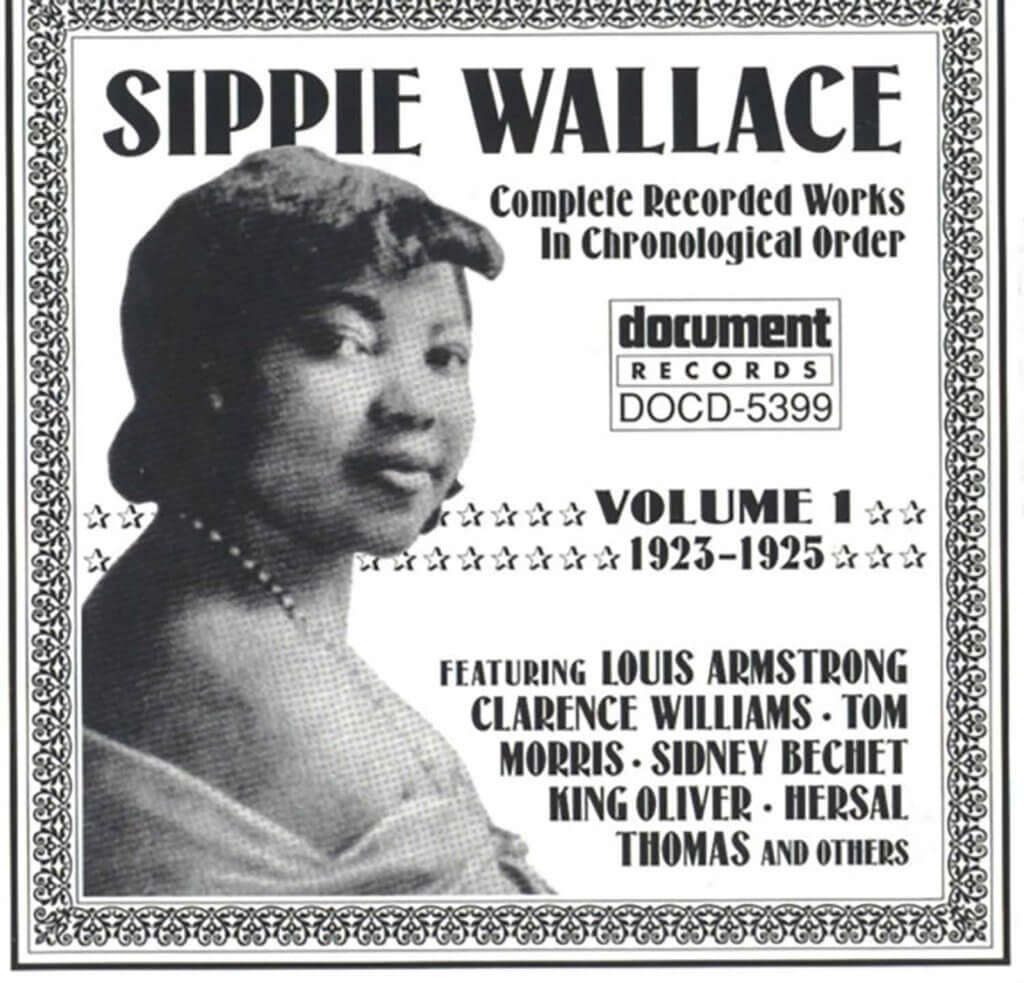
Sippie Wallace grew up in a music family, and she followed her brothers around, moving from Houston to New Orleans to Chicago, where she eventually signed a contract with Okeh Records in 1923. For about 40 years, Wallace quit recording and performed as a singer and organist with the Leland Baptist Church in Detroit, until she was coaxed to make a comeback in 1966, resulting in the recording of two albums, Women Be Wise and Sing the Blues. These recordings inspired Bonnie Raitt to take up singing and playing the blues in the late 1960s, and even recorded covers of Wallace’s “Women Be Wise” and “I’m Mighty Tight Woman” on her self-titled debut album in 1971. The two women toured and recorded together in the 1970s and 1980s, and Wallace continued to record on her own as well. She was nominated for a Grammy Award in 1982 and was inducted into the Michigan Women’s Hall of Fame in 1993.
Born in 1924, educator and children’s musician Ella Jenkins has been dubbed as the “The First Lady of the Children’s Folk Song.” She got her start in the 1950s while working as a YMCA program director for teens, performing international folk and traditional songs that she learned through her neighborhood in Chicago, as well as songs she had written. For the last 50 years, Jenkins has toured her songs for school assemblies across the United States with a focus on passing on cultural knowledge, released over 60 albums for children (including 1995’s Multicultural Children’s Songs, the most popular Smithsonian Folkways release), appeared on numerous children’s television programs, and received a Grammy Lifetime Achievement Award in 2004.
Nigerian guitarist Victoria Iruemi was a highlife pioneer. She left her training as a seamstress to pursue mastering the guitar in the 1950s, and eventually joined one of the most popular bands in Lagos, the Cool Cats, started by Victor Olaiya in 1954. During one of their shows, Iruemi was noticed by the proprietor of the Lagos Roadhouse Hotel, who invited her to front the nine-piece Roadhouse Dance Band, making her Nigeria’s first woman bandleader. Despite having faced harsh criticism as a woman and disappearing from music in the 1960s, Iruemi inspired other Nigerian women to pick up instruments and form all-women bands.
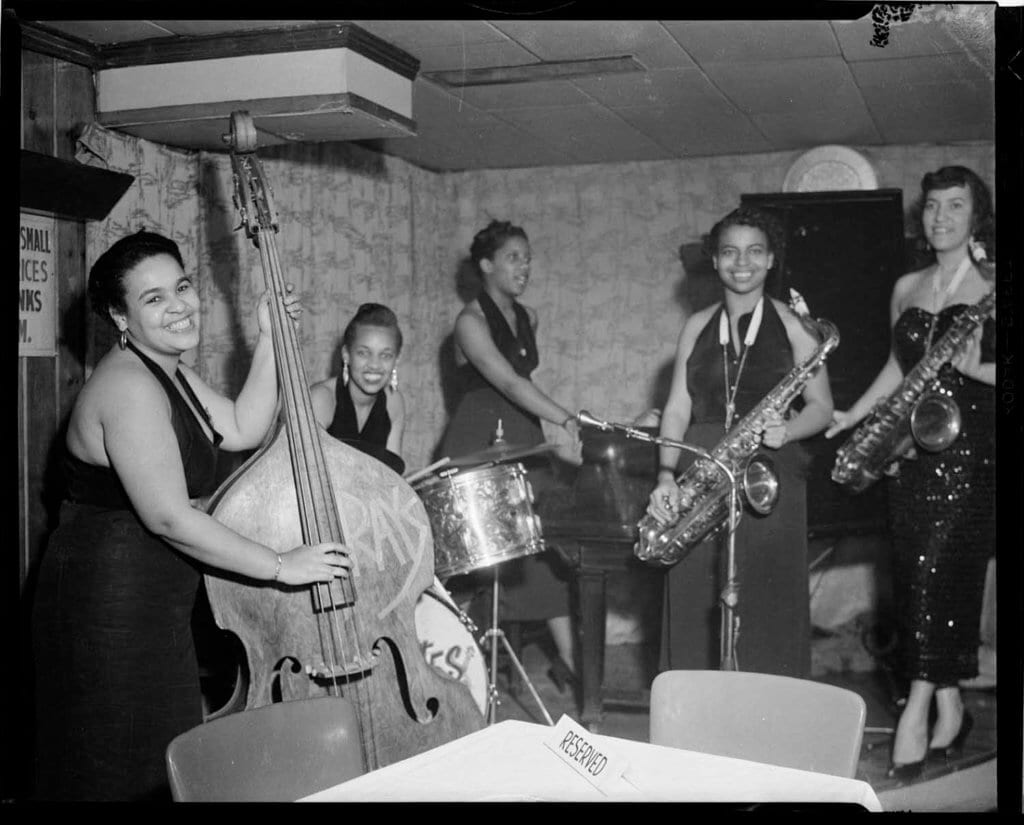
Gloria Bell was the bassist of Myrtle Young and her Rays of Rhythm, an all-women band started and led by Myrtle Young on saxophone, Hetty Smith on drums, Regina Albright on piano, and Willene Barton on tenor saxophone. The band originated in the early 1950s, and was the precursor to the International Sweethearts of Rhythm, the first integrated all-women’s band in the United States.
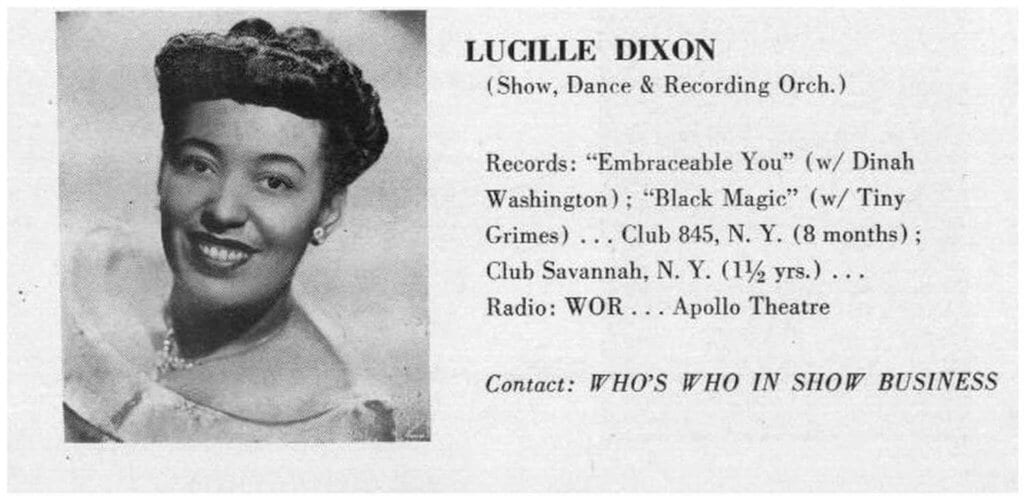
Born in Harlem, Lucille Dixon (1923 – 2004) was a jazz double bassist who started her studies in high school, performing with the All City High School Orchestra and the National Youth Administration Orchestra. She studied at Brooklyn College, as well as with Frederick Zimmerman of the New York Philharmonic, and went on to perform in the International Sweethearts of Rhythm and the Earl Hines jazz band. In 1946, she started the Lucille Dixon Orchestra, which performed until 1960. In 1964, Dixon joined a group of other Black musicians to form the Symphony of the New World, the first racially integrated orchestra in the United States.
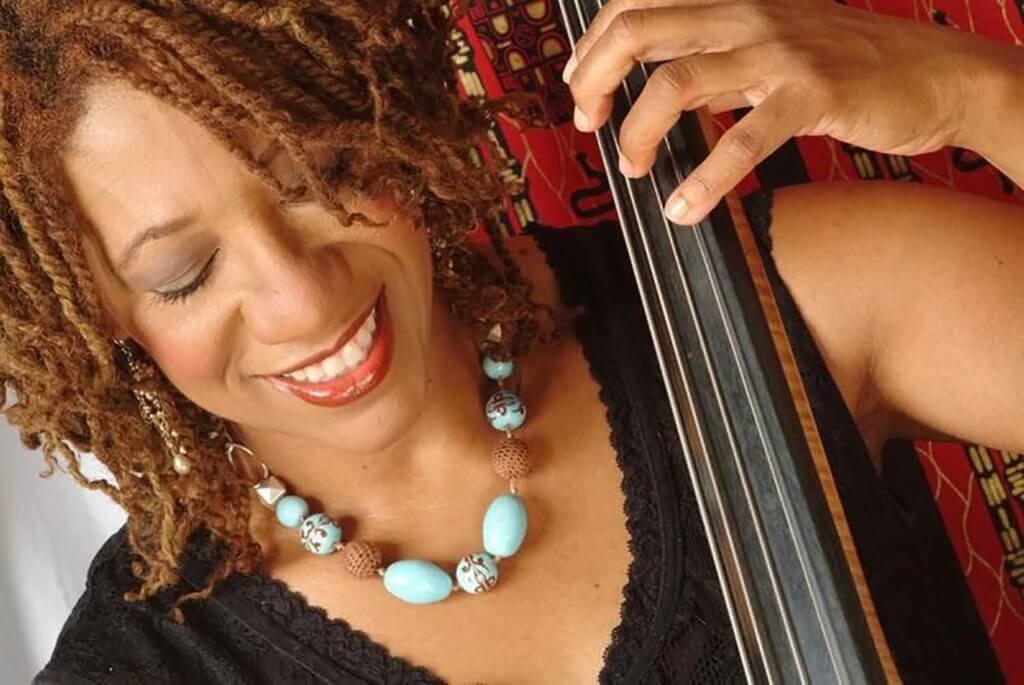
In 1964, Detroit jazz bassist Marion Hayden began playing when she was just 12 years old. She has been involved in countless ensembles throughout her career, including Straight Ahead and the all-female group Venus, performing and recording with jazz legends, and releasing her own work, including her solo album Visions. She is currently on the faculty in Michigan’s Department of Jazz and Contemporary Improvisational Studies.
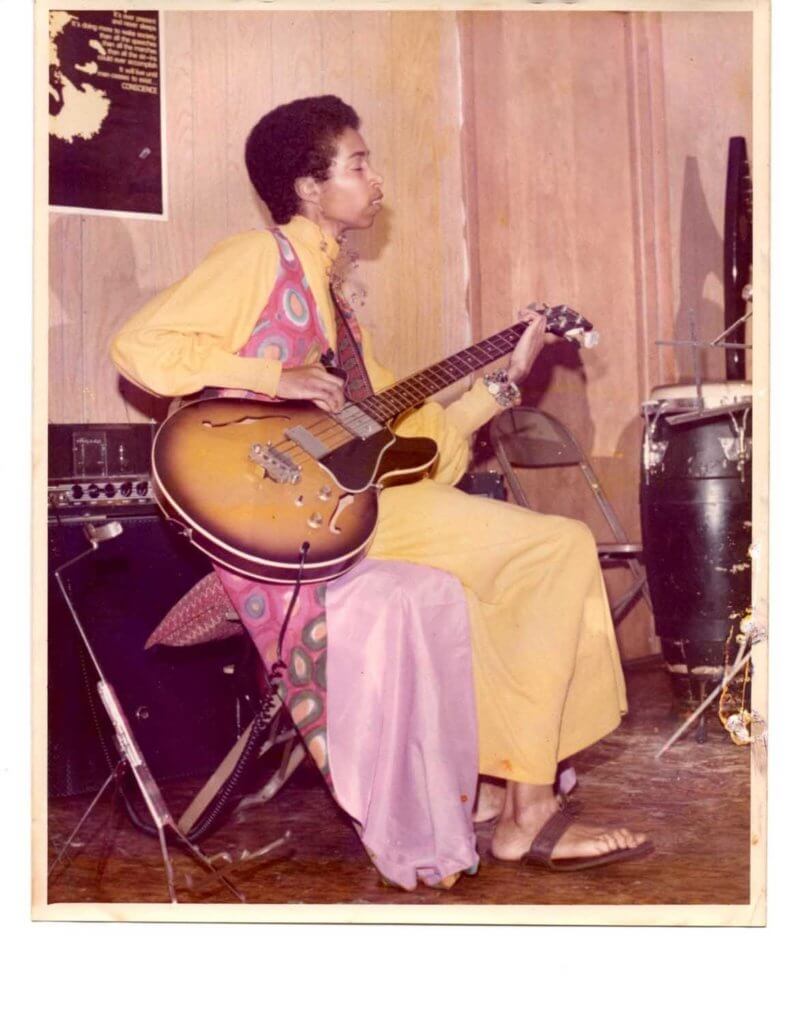
Shanta Nurullah brings together the sitar, the Indian classical instrument, with jazz. She founded Sitarsys, a Spiritual Jazz ensemble, in addition to co-founding Sojourner and Samana, playing with Nicole Mitchell, Dee Alexander, and the Association for the Advancement of Creative Musicians (AACM). She also plays bass, piano, and many other instruments, as well as being an award-winning storyteller. Last year, She Shreds chatted with Nurullah on what drew her to the sitar and the connection she’s grown with the instrument.
While Edna M. Smith (1924 – date unknown) was a phenomenal bassist, performing primarily in the 1940s and 1950s with the International Sweethearts of Rhythm, the Vi Burnside Orchestra, and the Edna Smith Trio, her major contribution to music was that of an educator. During the 1950s and 1960s, Smith studied at the Manhattan School of Music and Teachers College at Columbia University in New York City. She went on to teach in the public school system, and from 1961 to 1967 she lived in Africa and worked as a lecturer at the University of Nigeria. She contributed to numerous articles, journals, and TV and radio programs on the subject of African and Afro-American Music.
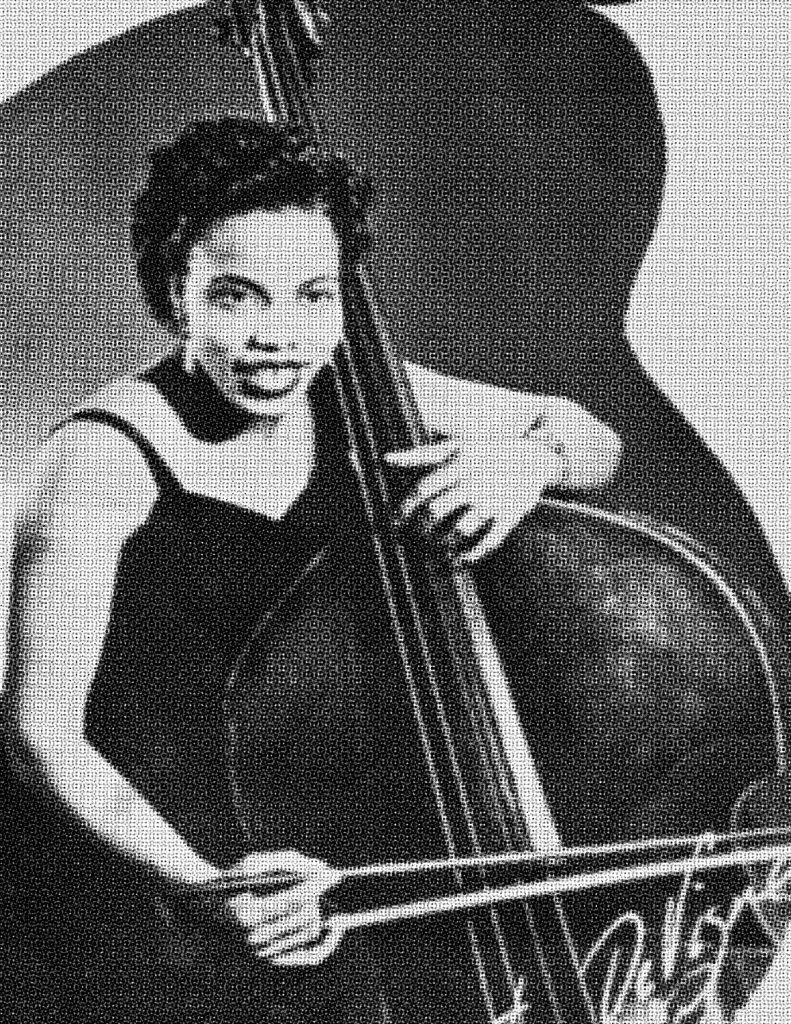
Born and raised in Los Angeles, Violet “Vi” Wilson was a bassist, pianist, vocalist, and (wait for it) master barber. She played briefly with the International Sweethearts of Rhythm and Frances Grey’s Queens of Swing, as well as other important women’s groups that came through LA. From 1976 to 1977 she sang with Interdenomination Choir, who toured Israel, Jordan, and more. In 1996, Wilson spoke with music professor and author D. Antoinette Handy, sharing that, “Women musicians should be given more credit for the contribution they have given to the music world.”
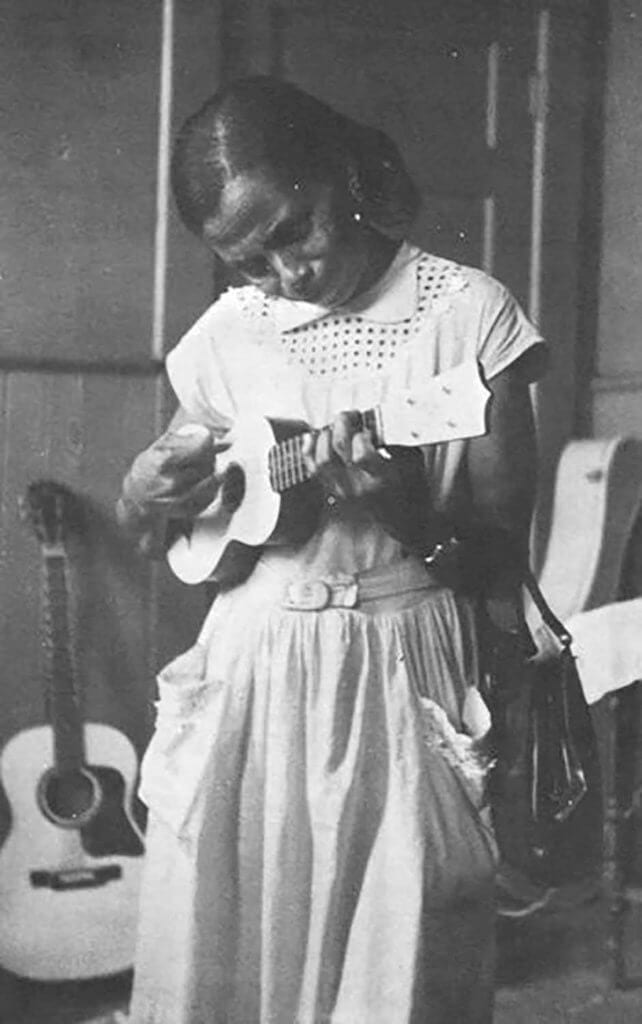
Laura Ella Dukes (1907 – 1992), sometimes referred to as Little Laura Dukes (due to her height of 4’7”) was an American blues singer and mandolin, banjo, and ukulele player in Memphis, Tennessee from the 1920s to the 1980s. From the late 1950s, Dukes mainly performed in Dixieland groups, and in 1972 she recorded tracks that were first released on the Italian albums, Blues Oggi and Tennessee Blues Vol.1. She continued to perform in clubs in Memphis in the 1980s.
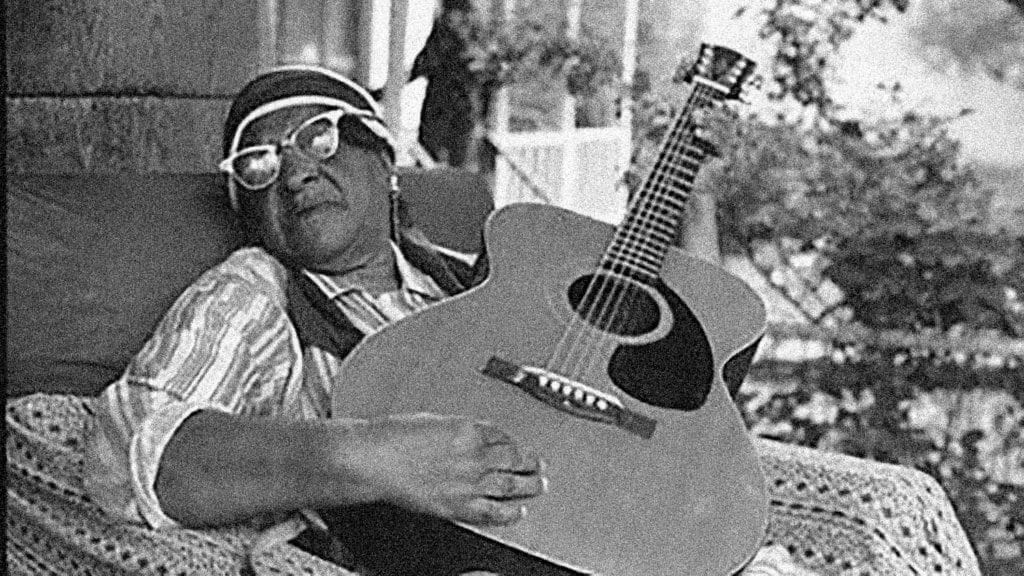
Born in Somerville, Tennessee, Van Zula Carter Hunt (1901 – 1995) was a guitarist who made a name for herself in the 1910s. She moved to Memphis, where she traveled with numerous groups, including Barnum and Bailey’s and her own group Madame Hunt’s Traveling Show. She played with local blues artists, including Bessie Smith and Memphis Minnie, recorded a number of songs, and played with the Beale Street Jug Band.
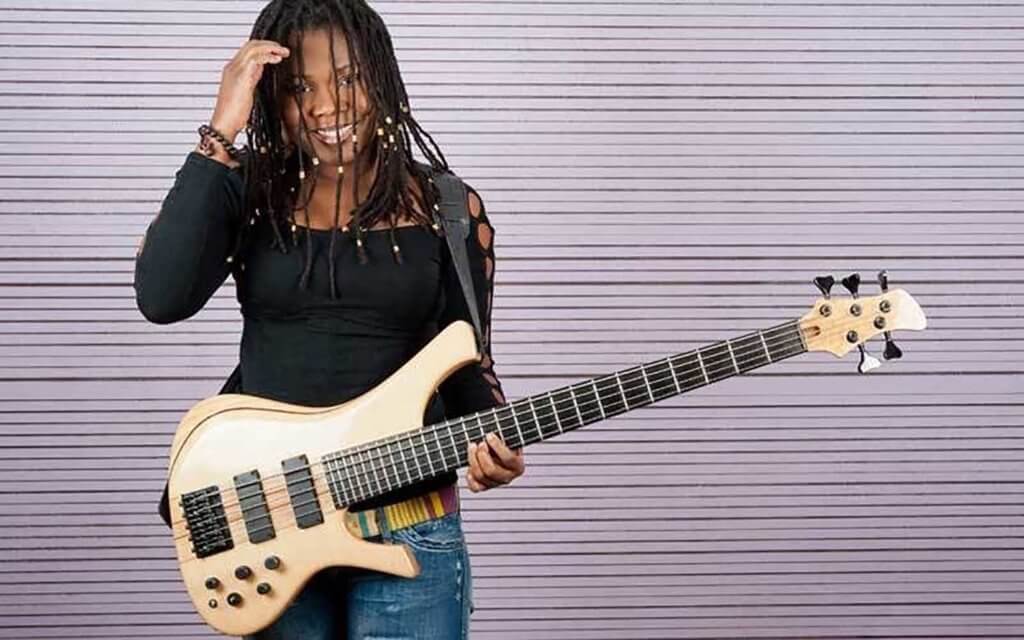
Manou N’Guessan Gallo is a West African bassist, born on the Ivory Coast in 1972. Her playing style incorporates the rich heritage of her origin, the Djiboi tribe, and her musical career led her to the legendary world music band Zap Mama. In 2009, Gallo won the MAMA Award (MTV Africa) as the “best artist,” and in 2013 Forbes Africa named her the only women among the “Top 10 Best African Bassists.” Her latest album, Afro Groove Queen, released in 2018, was produced by Booty Collins.
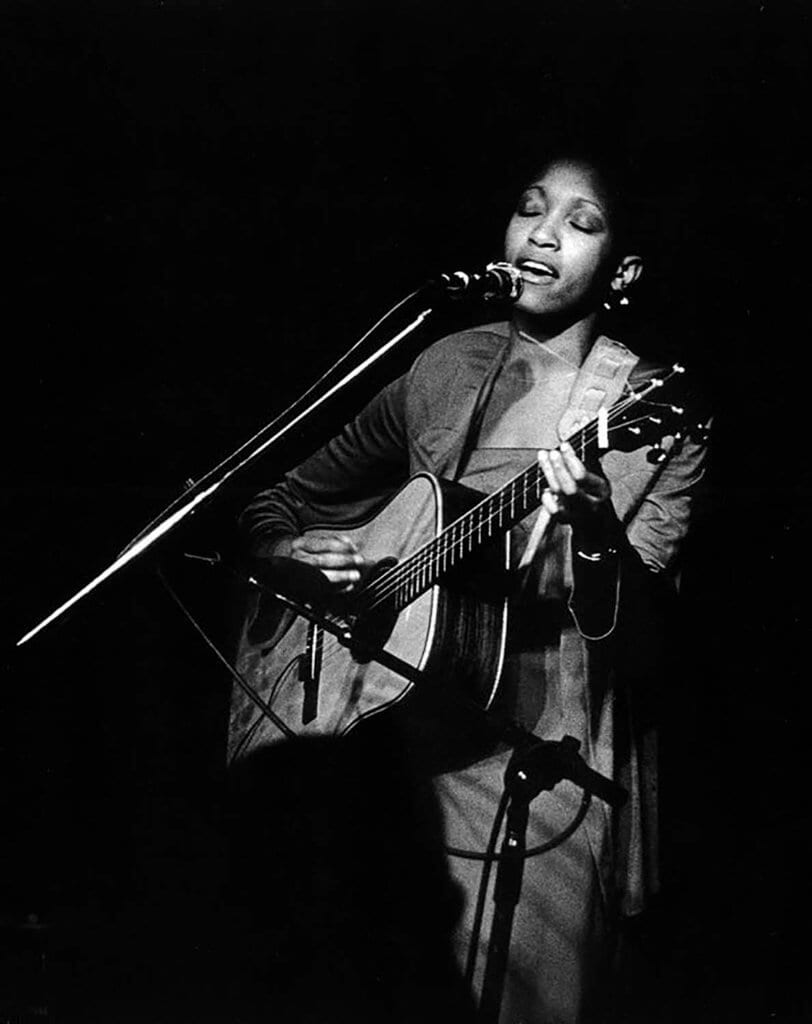
In 1963, at just nine years old, Louisville-based Faith Pillow (1954 – 2003) was given her first guitar by her mother. The jazz guitarist and singer spent some time performing in her hometown, but in the early 1970s she moved to Cincinnati to join Dee Felice’s jazz quartet, with whom she toured the United States and Caribbean. In the late 1970s, Pillow moved to Chicago to begin her songwriter career, and in 1981 she released her debut self-titled album. She eventually left Chicago, settling in Los Angeles and then Amsterdam, and released three additional albums: Sanity (1995), and Run in the Sunshine (1996), and Amsterdam (2001).
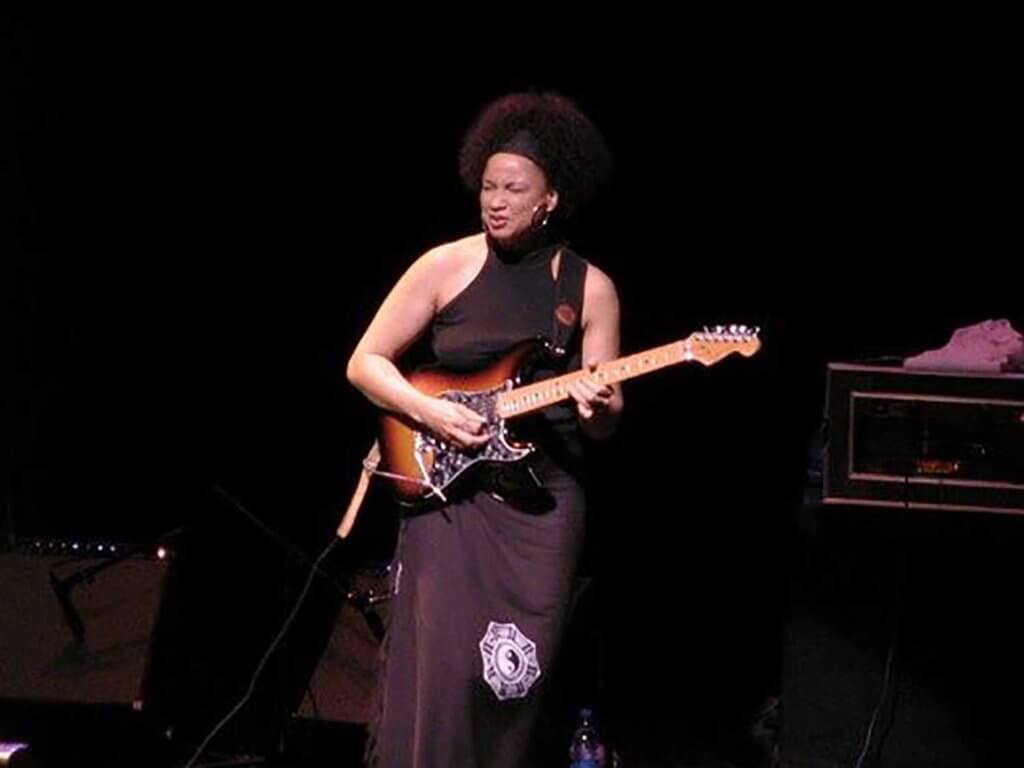
Darlene Moreno is best known for being the only woman guitarist to perform with the “Maestro of Love” Barry White. She began touring and recording with the Grammy-winning musician in 1995, joining the Love Unlimited Orchestra for over seven years. She went on to work with other notable musicians including Gerald Albright, who she performed with for six years. In 2015, Moreno suffered a traumatic head injury, and little information about her recovery and career has been publicized since.
Born in Jackson, Mississippi in 1955, jazz musician Cassandra Wilson’s love for music stemmed from her parents—her mother was a retired elementary school teacher who loved Motown, and her father a jazz bassist. She was a founder of M-Base, a collective of Black Brooklyn musicians in the 1980s, who focused on new sounds, improvisation, and creative expression. Since 1987, Wilson has released 19 solo albums and won numerous awards, including a Grammy Award for Best Jazz Vocal Performance (1997, New Moon Daughter), Grammy Award for Best Jazz Vocal Album (2009, Loverly), and BET Soul Train Award for Best Traditional Jazz Album (2001, Silver Pony).
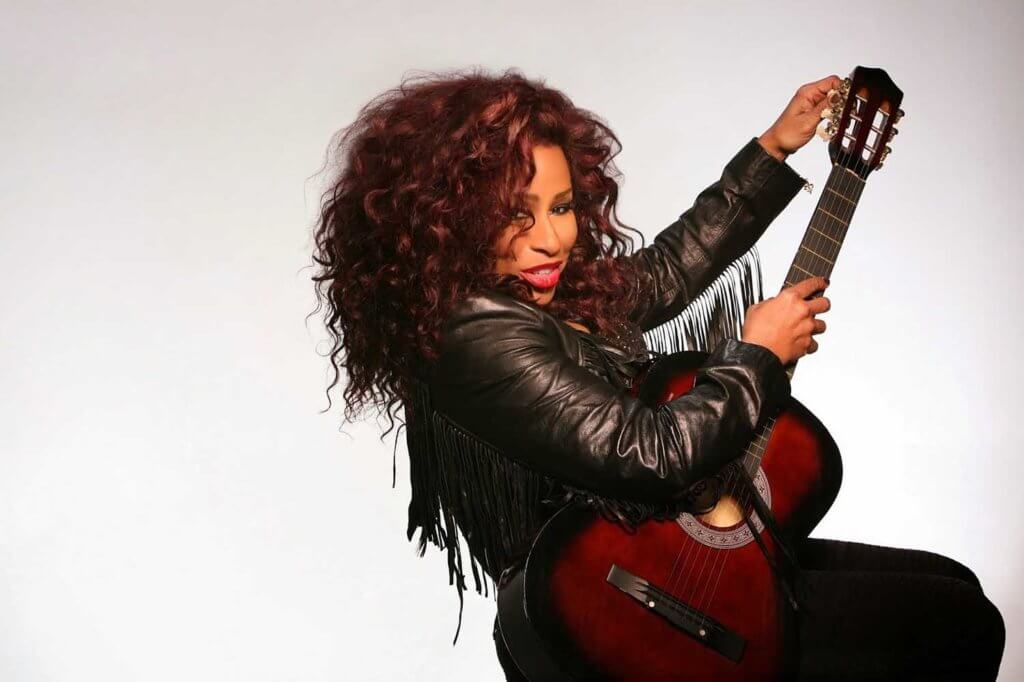
Yvette Marie Stevens, better known by her stage name Chaka Khan, is a 10-time Grammy Award-winner who performs under multiple genres, but is best known as the “Queen of Funk.” In the early 1970s, Khan started out her career as lead vocalist of Rufus, but eventually went on to pursue her solo career, releasing 12 albums starting with Chaka in 1978. She’s been nominated for induction into the Rock ‘n’ Roll Hall of Fame twice, has performed with some of the most celebrated musicians, and in 2019 she released, Hello Happiness, her first album of original music in 12 years.
There’s very little information about and no recordings or photos of Nigerian guitarist Maggie Aghomo, who performed with the all-women band the Originators. She was a pioneer of highlife, and also performed rumba and pop music. The Originators were a result of the dream of Victoria Iruemi (#65 on this list), who hoped to inspire Nigerian women to pick up instruments so that she could lead an all-women band. While Iruemi never had the chance to perform in a band of all women, she did inspire Aghomo and many more to do such.
Active since 1993, Divinity Roxx is best known for her work with Beyoncé from 2006 to 2011. She is a bassist, composer, and so much more. With Beyoncé, Roxx has done some incredible things on bass and as musical director, including appearing in two Beyoncé videos (“Irreplaceable” and “Green Light”), performing at The White House for President Barack Obama and Michelle Obama, and performing on the Grammy’s and other awards and television shows. She’s recorded three solo albums: 2003’s Ain’t No Other Way, 2012’s The Roxx Boxx Experience, and 2016’s Impossible.
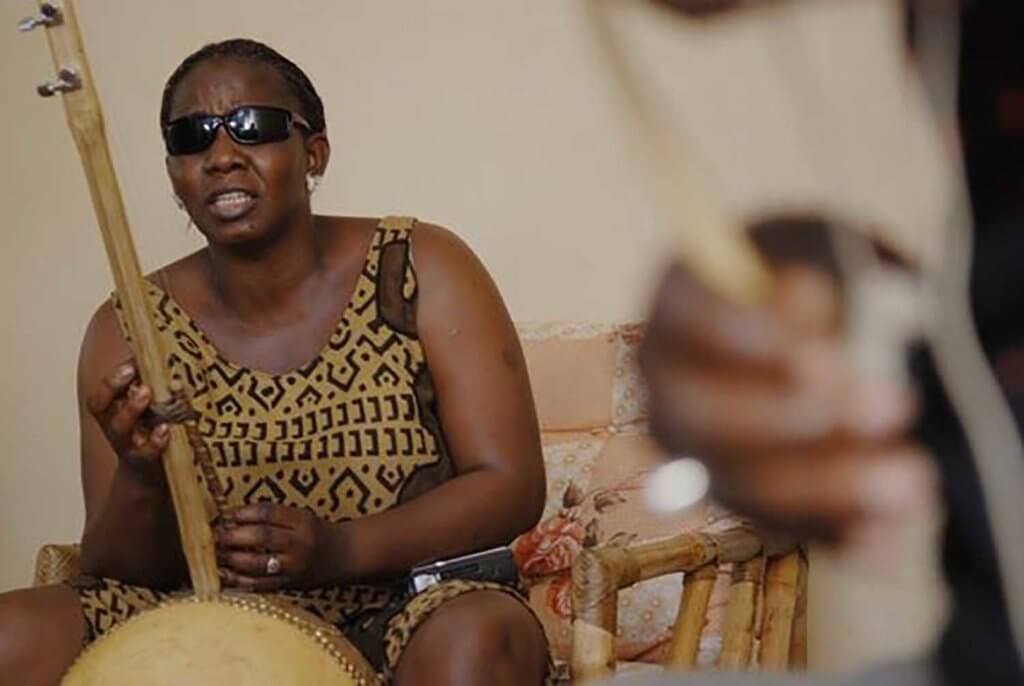
Madina N’Diaye is known for being the first Malian woman to perform with the kora on stage. One of the most symbolic instruments in the Malian musical heritage, traditionally reserved for men, the kora is a 21-string plucked harp made from a gourd. N’Diaye began her professional career with the instrument in 1990, helped by the world’s greatest kora player, Toumani Diabaté. N’Diaya went on to perform with African-influenced French band, Lo’Jo, and then formed her own group in 2000. Despite losing her eyesight in 2002, N’Diaye persevered: She went on to tour France and Europe, and released her first solo album in 2004, followed by Bimogow in 2011.
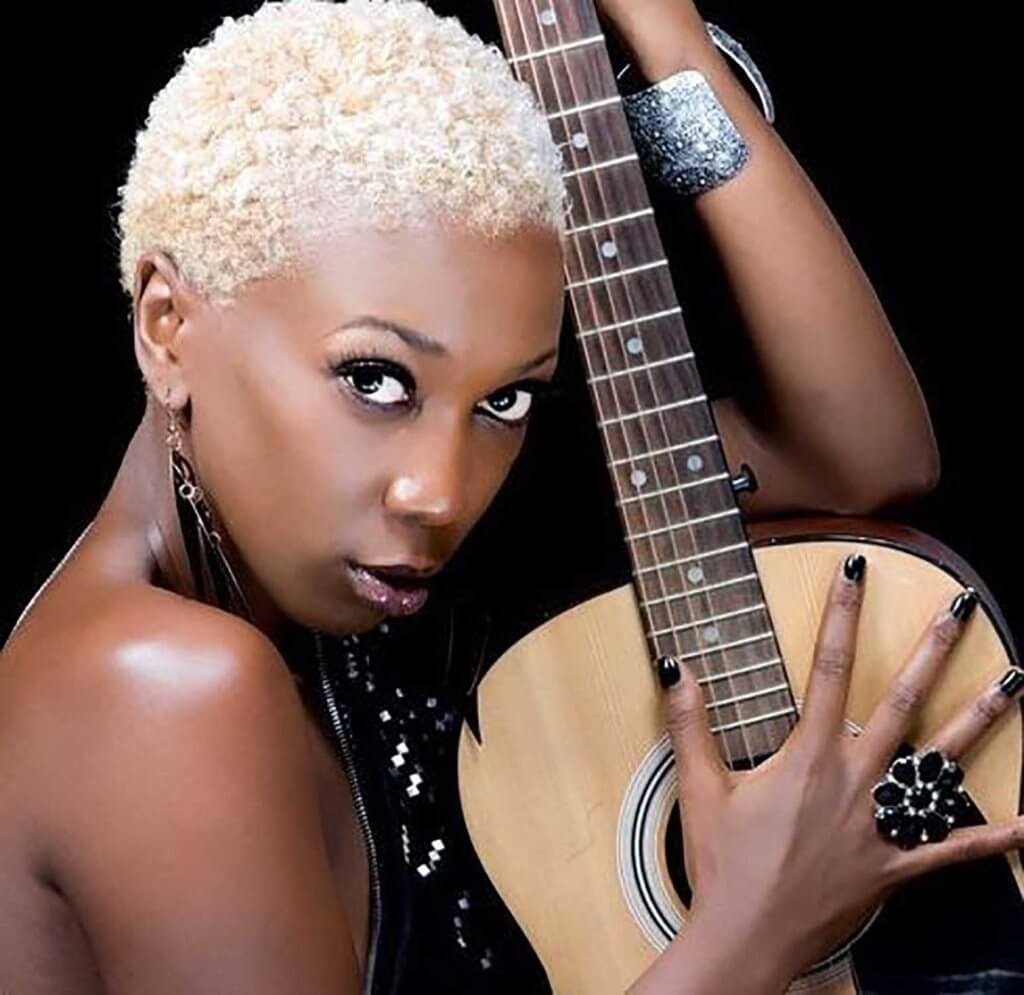
Rosemary Wahu Kagwi, known by her stage name Wahu, is a Kenyan singer-songwriter. Born in Nairobi in 1980 and originally a fashion model, actress, and entrepreneur, Wahu began performing with the guitar in late 1999. Her first single, “Niangalie, was released in 2000, and she went on to become the inaugural recipient of the MTV Africa Music Awards 2008 for Best Female Artist category, and has won a plethora of other music awards in her career.
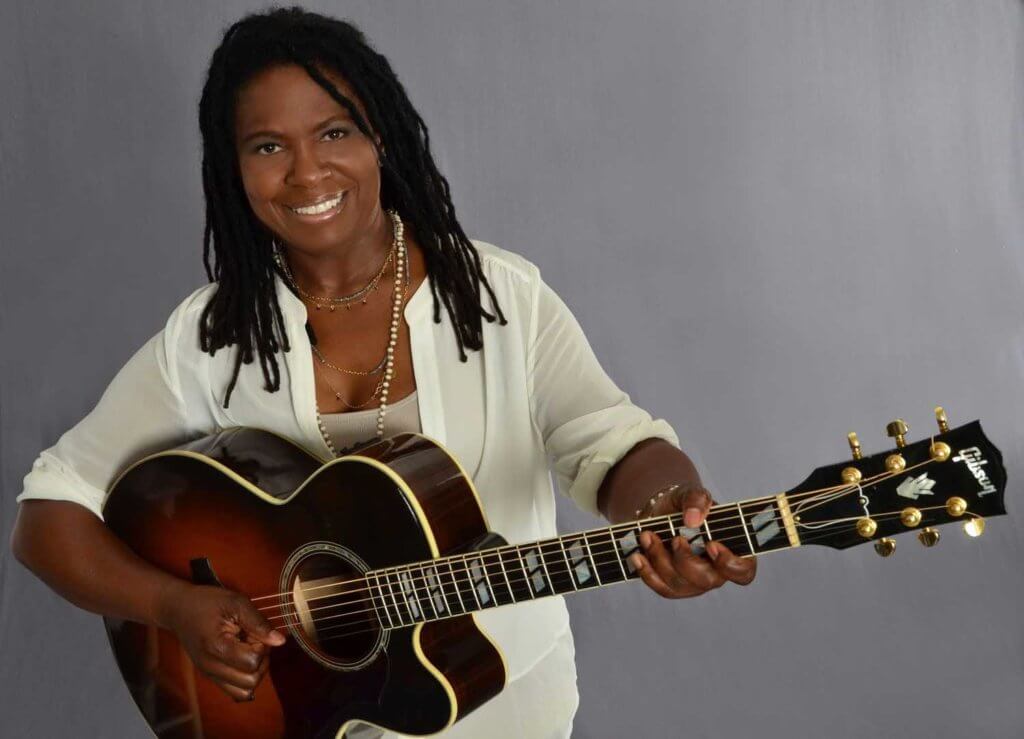
Born in 1964 in Gause, Texas, blues and folk musician Ruthie Foster began her career in gospel. She went on to study music and audio engineering, followed by joining the Navy and singing for the Navy band, Pride, which solidified her love for performing. After leaving the service, Foster signed a contract with Atlantic Records and moved to New York City to pursue a career as a professional musician. Since 1997, Foster has released 10 albums and received numerous awards and nominations, including three Grammy nominations for Best Blues Album.
Coot Grant (1893 – 1970) was born in Birmingham, Alabama, and was a blues vocalist and guitarist from the 1910s through the early 1930s. She is most well-known for her duo with her second husband, Wesley Wilson. The couple wrote over 400 songs during their career, performed and recorded with Louis Armstrong, and wrote the two songs made famous by Bessie Smith, “Gimme a Pigfoot and a Bottle of Beer” and “Take Me for a Buggy Ride.”
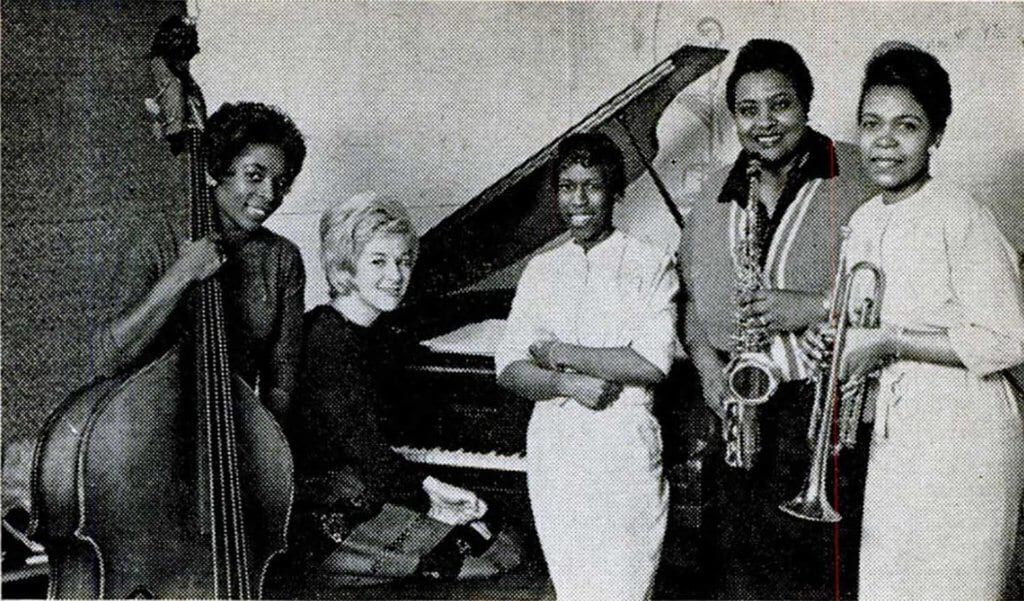
While there’s very little information available about Eileen Chance, she was best known for her bass playing with the International Sweethearts of Rhythm, Vi Burnside’s all-women orchestra, and Tiny Davis’s Hell-Divers. In a 1953 issue of Jet Magazine, it was mentioned that Chance was “excited about returning to Trinidad to marry a rich plantation owner she met when the band played there recently.” However, a 1962 issue states that Chance embarked on a six-month tour of Sweden with an unnamed all-woman jazz group.
Josie Bush was born in Florence, Mississippi. She learned how to play guitar from an uncle known as “Red” and she married Willie Brown, one of the pioneer musicians of the Delta blues genre and an influence on Robert Johnson and Muddy Waters. However, it’s been claimed by musicologist David Evans that Bush was probably just as good as her husband, and that she even taught her husband many songs.
Born as Elenore Kingston (1909 – 1995), the singer-songwriter and bassist went under a number of aliases, including Lenore King, Lenore Kinsey, Lola King, Susan King, Susan Lenore King, Nora Lee Lucie, and Nora Lee King Lucie. She recorded with Mary Lou Williams in the 1940s, and her 1950s and 1960s records were accompanied by her husband, guitarist Lawrence Lucie. King owned her own music publishing company, Kinlu Music, and in the early 1960s she and her husband started Toy Records. In the 1980s, the couple started a cable channel from their home in Manhattan that taught viewers how to play guitar, and they toured Europe and America with The Harlem Blues & Jazz Band.
Mother of notable composer and pianist Scott Joplin (often called the “King of Ragtime”), Florence G. Joplin (1841 – 1881) was a singer and banjo player. After her husband, Giles, left Joplin for another woman and, in turn, to care for her six children on her own in Texarkana, Arkansas, she struggled to support her family through domestic work. However, it was noted by biographer Susan Curtis that Joplin’s support and introductory music education for Scott was a large reason for the couples separation and Scott’s success.
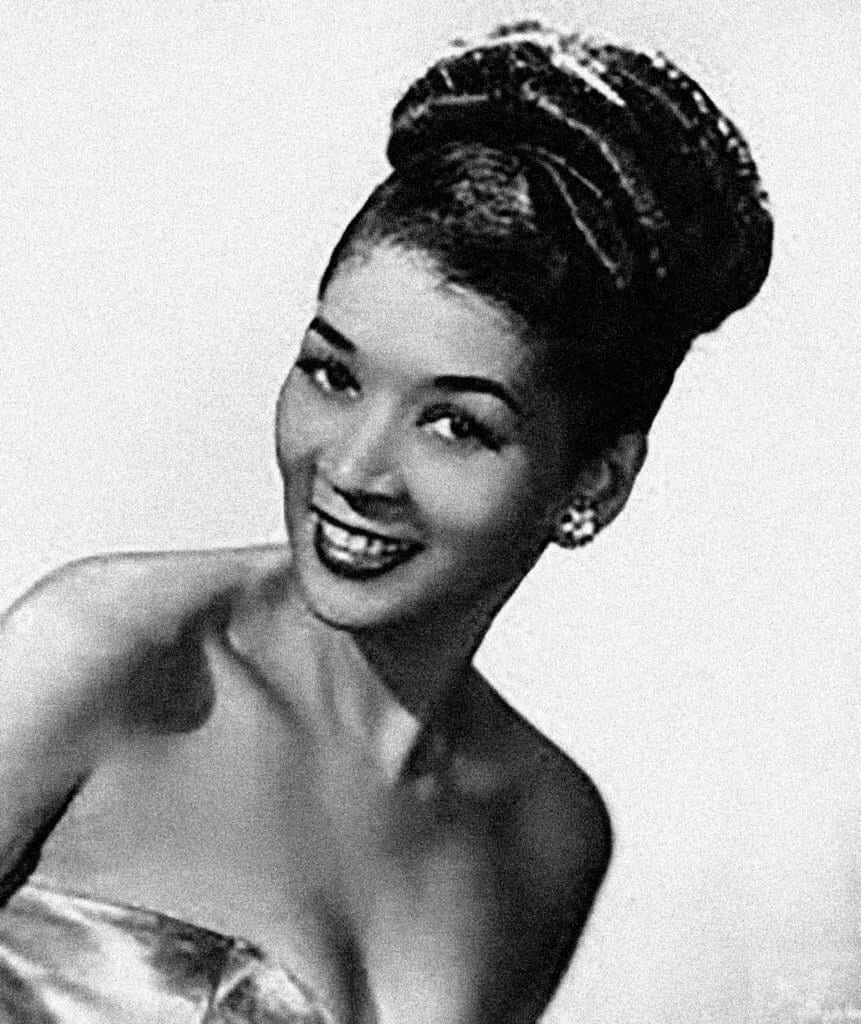
Most known for directing the International Sweethearts of Rhythm, Anna Mae Winburn (1913 – 1999) was a jazz vocalist, bandleader, and guitarist. Born in Port Royal, Tennessee, she moved with her family to Kokomo, Indiana, where she performed in various clubs under the name Anita Door. She then moved to Nebraska, where she played guitar for a variety of bands led by Red Perkins. Winburn was the leader of the International Sweethearts of Rhythm from 1941 through 1949.
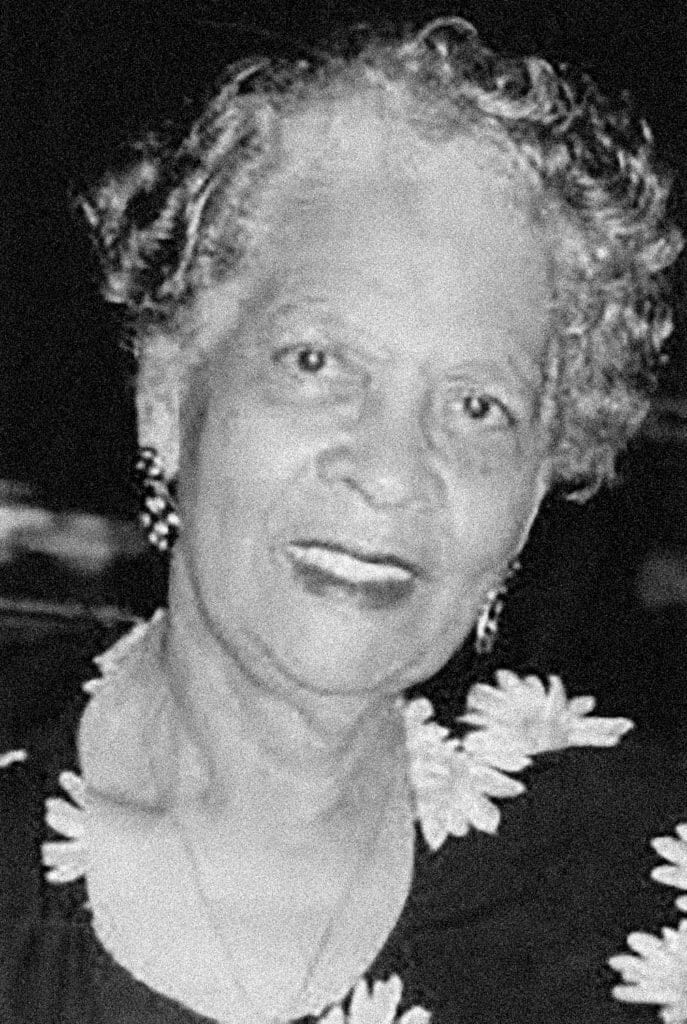
Yvonne Plummer (1919 – 2013) was born in Brighton, England, and started her musical career with the bagpipes. Arriving in the United States in 1935, Plummer worked at Piney Woods, an African American boarding school in Mississippi where the International Sweethearts of Rhythm was formed, from 1939 to 1942, occasionally performing on saxophone and guitar with the Swinging Rays of Rhythm.
Born in New Orleans, Louisiana, Olivia Porter (1880 – 1980) learned how to play bass in 1917 after she moved to New York City to join her older sister, May, to pursue a career as a musician. By the late 1920s, Porter has started her own band, the Jazz Mines, and went on to establish the Negro Women’s Orchestral and Civic Association.
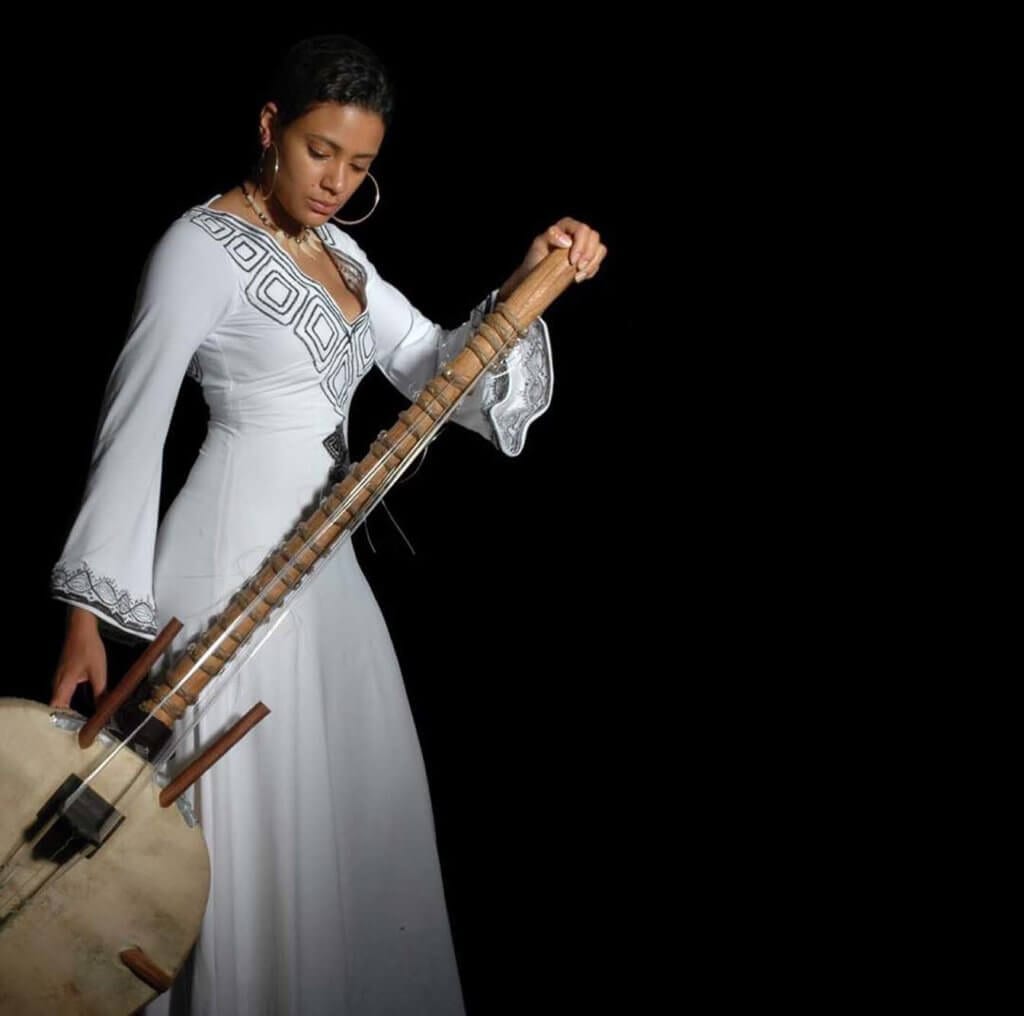
Born in The Gambia of West Africa, Sona Jobarteh is carrying on her family’s musical legacy that dates back 700 years. She was born into one of the five principal Griot families from West Africa, and is the first woman kora player to come from a Griot family as, traditionally, the kora is passed down from father to son. Jobarteh gave her first performance when she was only four years old at London’s Jazz Cafe.
Read our 2018 feature on Jobarteh here.
The often unrecognized sister of jazz bassist George “Pops” Foster, Elizabeth Foster performed on mandolin, violin, and bass with The Foster Trio, a late-nineteenth-century family band that performed quadrilles, polkas, and rags in Donaldsonville, Louisiana.
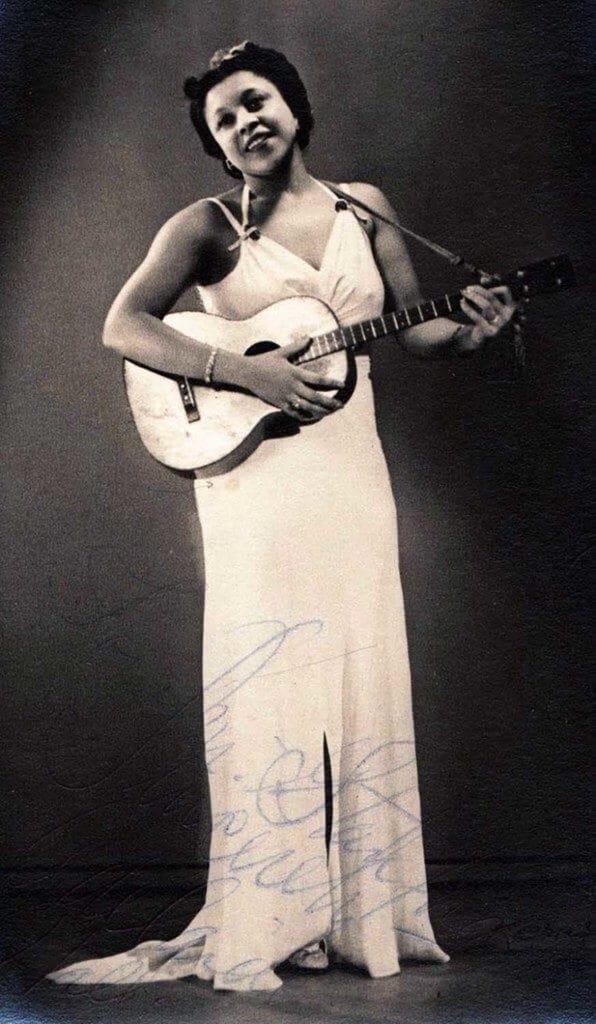
A major performer in the Harlem Renaissance, Adelaide Louise Hall (1901 – 1993) was born in Brooklyn and relocated to London in 1938. She pioneered scat singing, is widely acknowledged as one of the world’s first jazz singers, and was the first female vocalist to sing and record with Duke Ellington. Hall entered the Guinness Book of World Records in 2003 as the world’s most enduring recording artist having released material over eight consecutive decades. She played guitar and ukulele, and performed at the 1933 World Fair in Chicago, where she was referred to as “the darling girl with the guitar and the mellifluent voice” by the Pittsburgh Courier.
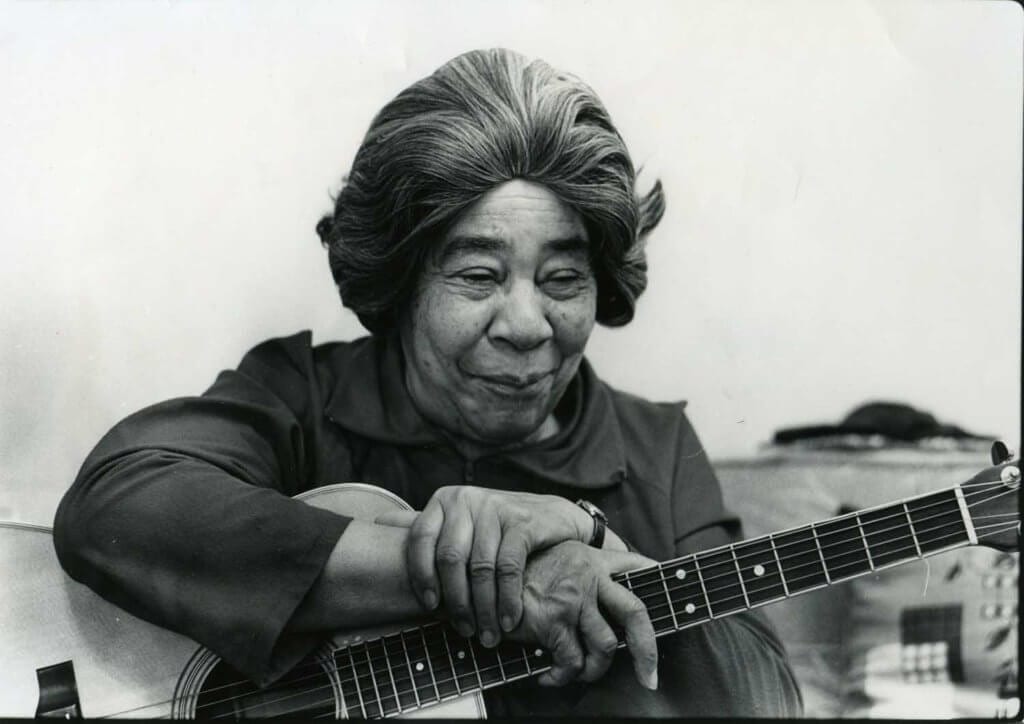
Blues singer and guitarist Esther Mae Scott (1893 – 1979) was never recognized as widely as her contemporaries, including Gertrude “Ma” Rainey and Bessie Smith. She learned how to play guitar at eight years old, and left home at 14 to join the vaudeville group W.S. Wolcott’s Rabbit Foot Minstrels. Scott eventually gave up music to become a maid, but revived her performing career when she moved to Washington, DC in 1958. She performed at the Smithsonian Folklife Festival and released her only album, Mama Ain’t Nobody’s Fool at 78 years old in 1971, which included the backup vocals of the not-yet-famous Emmylou Harris.
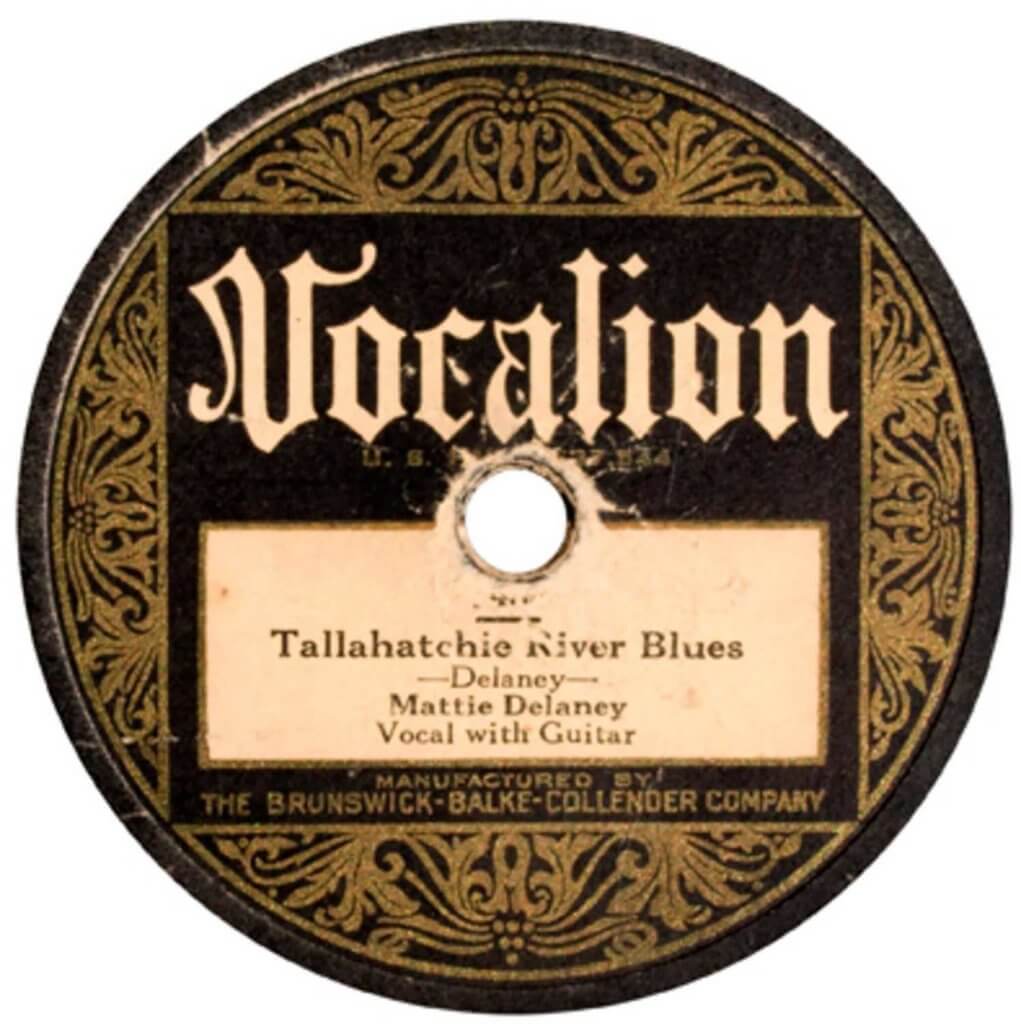
Mattie Delaney (1905 – date unknown) was a Delta blues singer and guitarist active during the 1930s. Aside from her two sole recordings on Vocalion Records, “Down the Big Road Blues” (covered by Lucinda Williams) and “Tallahatchie River Blues,” there’s very few confirmed facts about Delaney’s life.
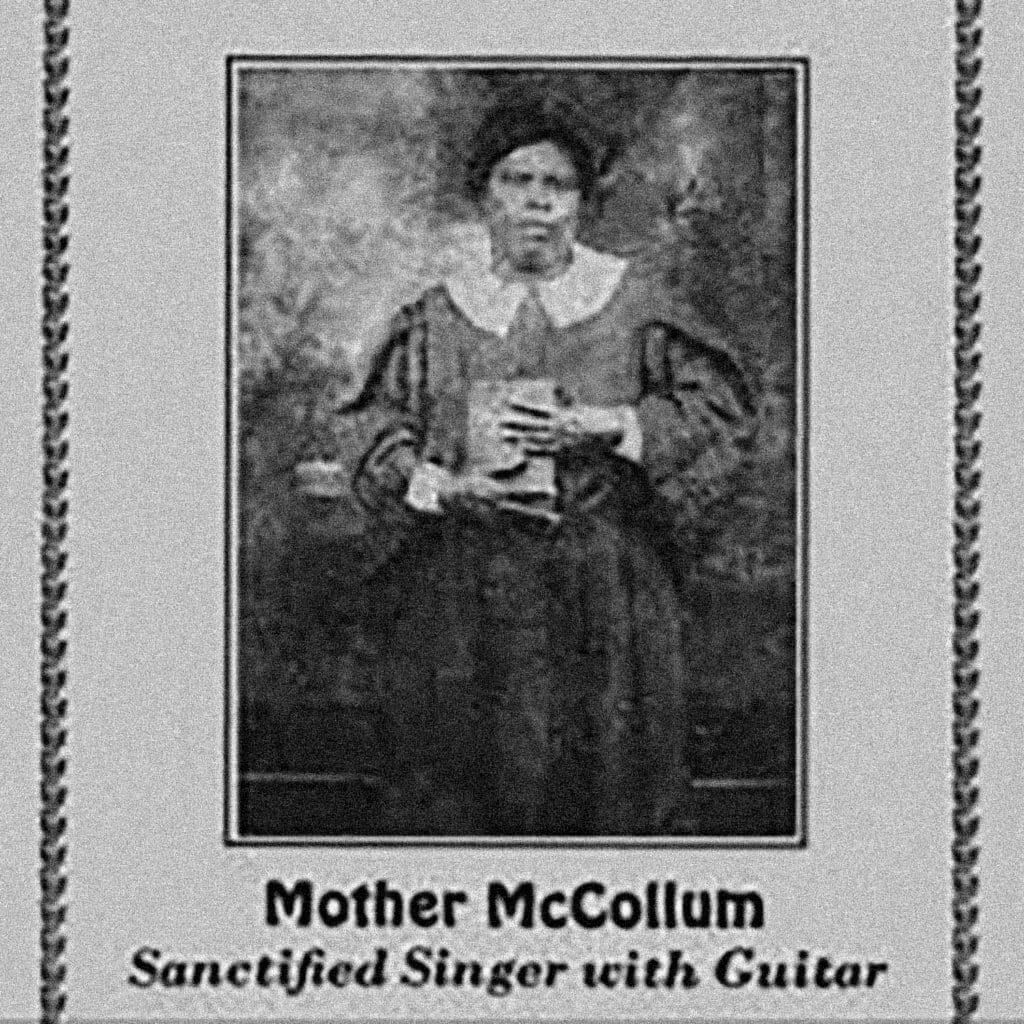
Often billed as the “Sanctified Singer with Guitar,” there is little information available about the Mississippi-born Mother McCollum, aside from her six known blues/gospel recordings from the 1930s: “Jesus is My Air-O-Plane,” “Glory! Glory! Hallelujah!” “You Can’t Hide,” “Oh Lord I’m Your Child,” “When I Take My Vacation in Heaven,” and “I Want to See Him.”
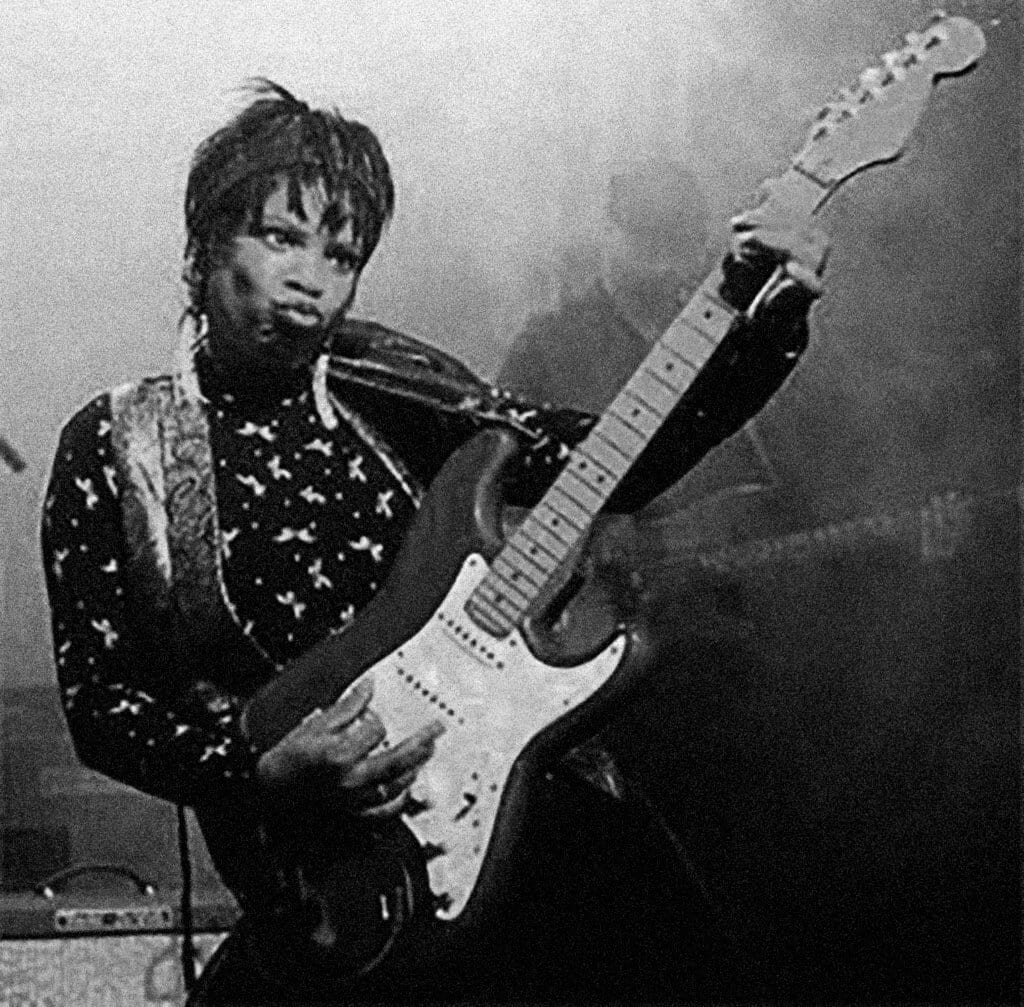
Born in San Francisco in 1955, guitarist Gail Muldrow started her career by performing on Sly Stone’s 1975 album, High On You. She performed with Graham Central Station for two years and is featured on the 1977 album Now Do U Wanta Dance. Muldrow also played with Prince, Chaka Kahn, and more. In 2003 Gail finally released her debut album, Cleen Spirit, followed by four additional solo albums through 2007.
LuLu Jackson was a blues singer and guitarist in the 1920s. She recorded a few songs for Vocalion Records in 1928, including “Careless Love Blues,” and “You’re Going to Leave the Old Home, Jim!”
Barbara Roy is a vocalist/guitarist/songwriter who is known most prominently for founding the 1970s disco supergroup Ecstasy, Passion and Pain. She started her career performing with niece Brenda Gaskins under the name Barbara and Brenda in the 1960s, and went on to play guitar with Inez and Charlie Foxx. In 1973, Ecstasy, Passion and Pain was formed, releasing a string of hit singles including “Ask Me,” which was written by Roy. After the group disbanded, Roy signed as a solo act to RCA records, releasing the chart-topping, “Gotta See You Tonight.”
Most well known as “SharBaby,” blues guitarist Sharon Newport first learned to play when she was 12 years old, inspired by her gospel-singing father. At 14, she joined her first touring band, Checkmates Part 2, and went on to form her own band, The Soul Sensations, a year later. In the early 2000s, she formed SharBaby and the Rhythm Blues Band in Alabama, releasing four albums and touring across the US and Europe. In 2012, Newport was awarded a “Master of Blues” certificate with the Blues Hall of Fame, and she currently works with the Alabama Blues Project, a non-profit effort to preserve blues through interactive programming and education.
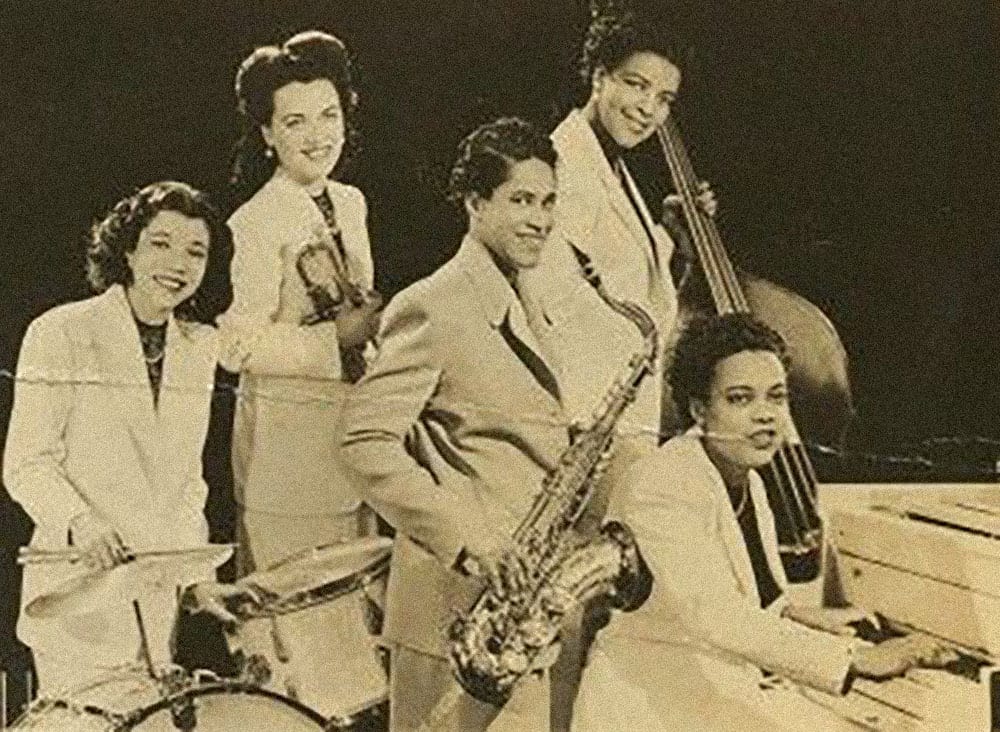
Very little information can be found on Bernice Rothchild; however, we’ve found that she played upright bass in Vi Burnside’s All-Stars and the International Sweethearts of Rhythm. We believe she is shown in the top right of the photo above.

Born in Havana in 1835, Doña María Martínez was a singer and guitarist most prominently known in Spain, France, and the United Kingdom. She studied music at the Madrid Royal Conservatory, paying her way by teaching guitar lessons. She went on to impress Queen Isabella II of Spain, and in the 1850s performed to prestigious audiences in Paris and London, including Her Majesty’s Theatre. Believed to be one of the first Black musicians who performed for wealthy white crowds in Europe and the UK in the 19th-century, very little has been written about Martínez. She was often compared to that of white contemporaries Jenny Lind and Maria Malibran, resulting in the nickname, “The Black Malibran.”
Emma Daniels was a singer and guitarist most well known for Two Gospel Keys, her 1940s gospel duo with Mother Sally Jones on vocals and tambourine. They recorded few songs, including “I Don’t Feel At Home In This World Anymore” and “You’ve Got To Move.”
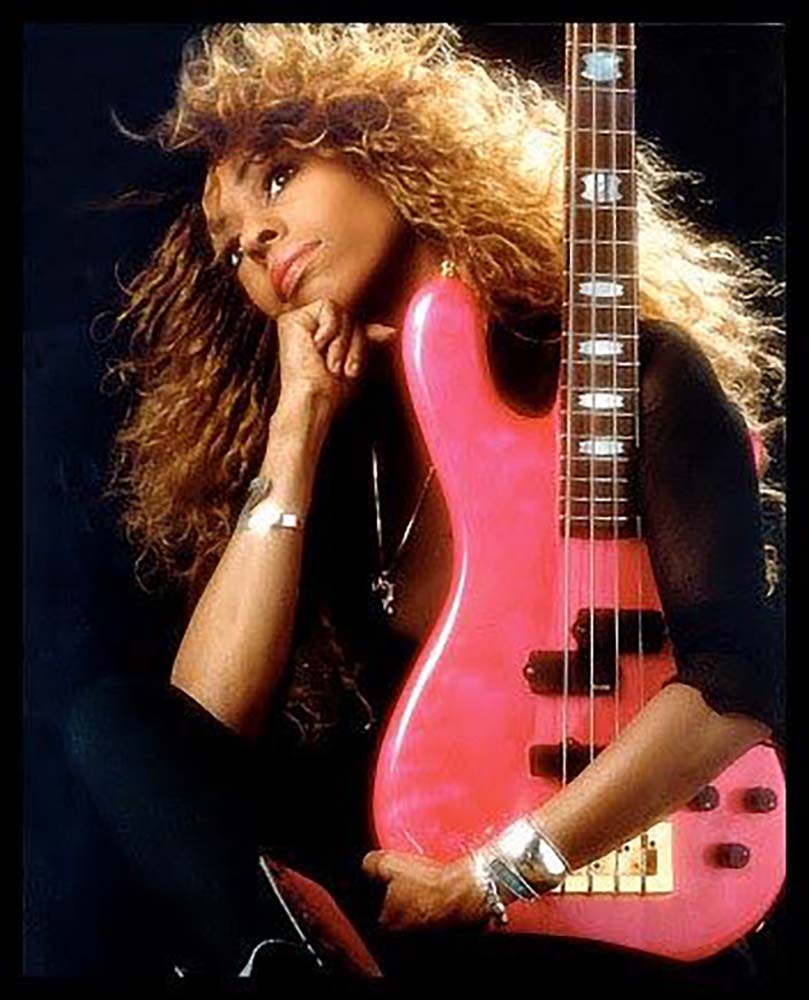
Born and raised in Queens, New York, Lizz Chisholm (also known by her solo moniker, Double Z) is a vocalist, bass player, and multi-instrumentalist who has toured with Grand Master, Melle Mel and the Furious Five, and Run DMC. She is one of the first women bass players to perform in hip-hop, and has dubbed herself as “the very first live hip-hop bass player… EVER!” She’s written music for TV and film, and has performed with the funk group The Jack Sass Band for over 30 years.
Kat Dyson has performed with some of the most profound legends in music history, including Prince, Cyndi Lauper, Sheila E, Big Mama Thornton, Odetta, and plenty more. She is best known for her work with Prince as a guitarist/vocalist in the New Power Generation and is featured on albums Emancipation, The Truth, and Newpower Soul. Before joining Prince, Dyson was a contributing guitarist and vocalist on Cyndi Lauper’s multi-platinum greatest hits album, 12 Deadly Cyns, along with Sisters of Avalon, At Last and The Body Acoustic, and she continues to perform with Lauper today.
Evi-Edna Ogholi is often credited as Nigeria’s first woman reggae musician who permanently changed the genre’s landscape, but her story is widely unknown. Ogholi is a master guitarist who is known for singing in her Isoko dialect, and from 1987 through 1990 Ogholi released six albums (three of which went platinum), wrote one of Nigeria’s most famous songs to date, “Happy Birthday,” and permanently changed the landscape of Nigerian reggae.
Learn more about Evi-Edna Ogholi in our 2020 feature, “The Unsung History of Evi-Edna Ogholi, Nigeria’s Queen of Reggae.”
Gaye Adebalola is many things: activist, teacher, photographer, and accomplished blues guitarist. Musically, she is best known for founding Saffire-The Uppity Blues Women, a three-woman blues ensemble active from 1987 to 2009 that won a Blues Music Award (best original song) for “Middle Aged Blues Boogie,” written by Adegbalola. She went on to work as a solo artist, releasing her 1999 debut solo album, Bitter Sweet Blues, followed by three more studio albums, including 2019’s The Griot. In 2018, she won the Kristin Lems’ “Social Change Through Music” Award at the National Women’s Music Festival. Outside of music, from 1966 to 1970, she was involved in New York’s Black Power Movement, and in 2011 she was named an OUTstanding Virginian by Equality Virginia for her LGBTQA+ activism. As of 2020, she continues to serve as Vice President and works on the Political Action Committee of her local NAACP chapter.
Mary Cutrufello has been a mainstay in the Americana scene for over 30 years. Bouncing from city to city—Connecticut to Houston to St. Paul—she fuses heartland rock with Texas twang. She’s performed on The Tonight Show and Austin City Limits, toured in all 50 states and several European countries, and has released five studio albums, including 2014’s Telecaster-driven, Faithless World.
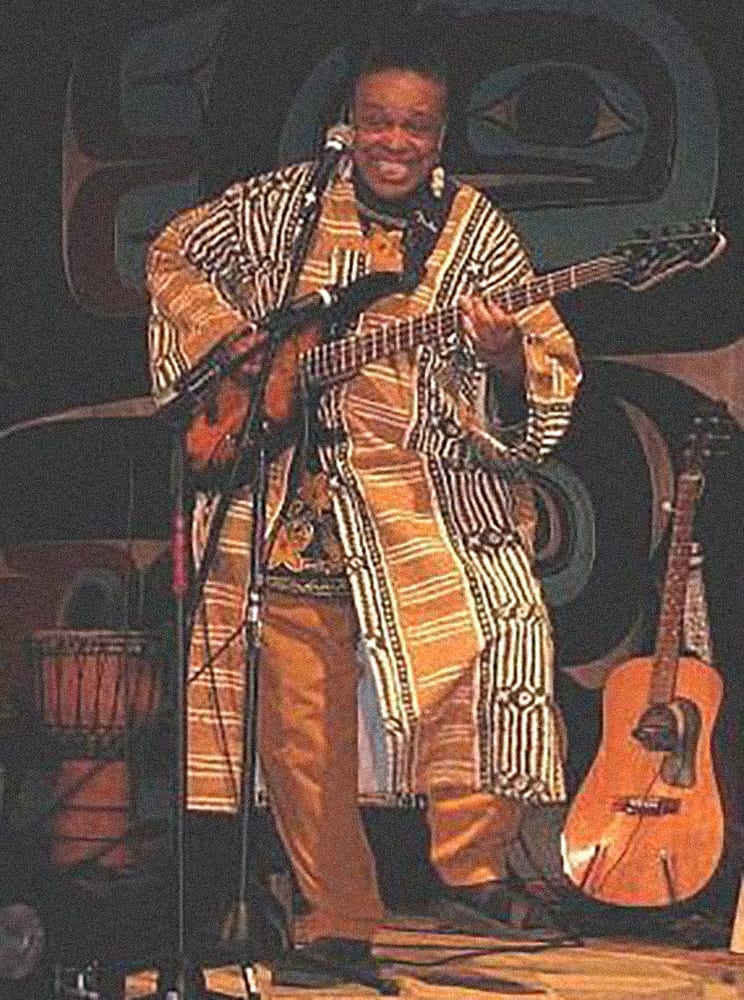
In her own words, Paula Larke can be described most accurately as a “story-teller / gatherer.” A dramatist, writer, educator, and musician for over 25 years, Larke has performed nationally, presenting chants, songs, and spirituals from Tuskegee, Alabama; the Georgia Sea Islands; the Blue Ridge and Appalachian mountains; and the Piedmont Plateau region of North Carolina. She has also worked on and off Broadway, founded Voices in the Treetops, and has been described as “a modern-day djali (village chronicler in West Africa), carrying the personal stories of ordinary people to the altar of life for benediction and forgiveness.”
Bassist and vocalist Oneida James-Rebeccu has toured the world and performed with the likes of Lenny Kravitz and Joe Cocker. Today, she continues performing her own music with the Oneida James Band, and teaches at the Musicians Institute in Los Angeles, focusing primarily on the many aspects of groove. In 2005, she wrote the bass guitar instruction book, Groove Mastery: the Bassist’s Guide to Groove.
Acclaimed singer-songwriter, jazz musician, and activist Pamela Means received her first guitar at 14, just after her mother died of cancer. Music became her main means of expression, and remains so today. Fronting many varied outfits (solo, Pamela Means and the Reparations, Pamela Means Jazz Project), she has released 10 albums to dates and has shared stages with Pete Seeger, Neil Young, Joan Baez, Violent Femmes, and more. Ani Difranco once said to Means, “You’ve got such a deep, deep groove, I can’t get out. And, I wouldn’t want to.”
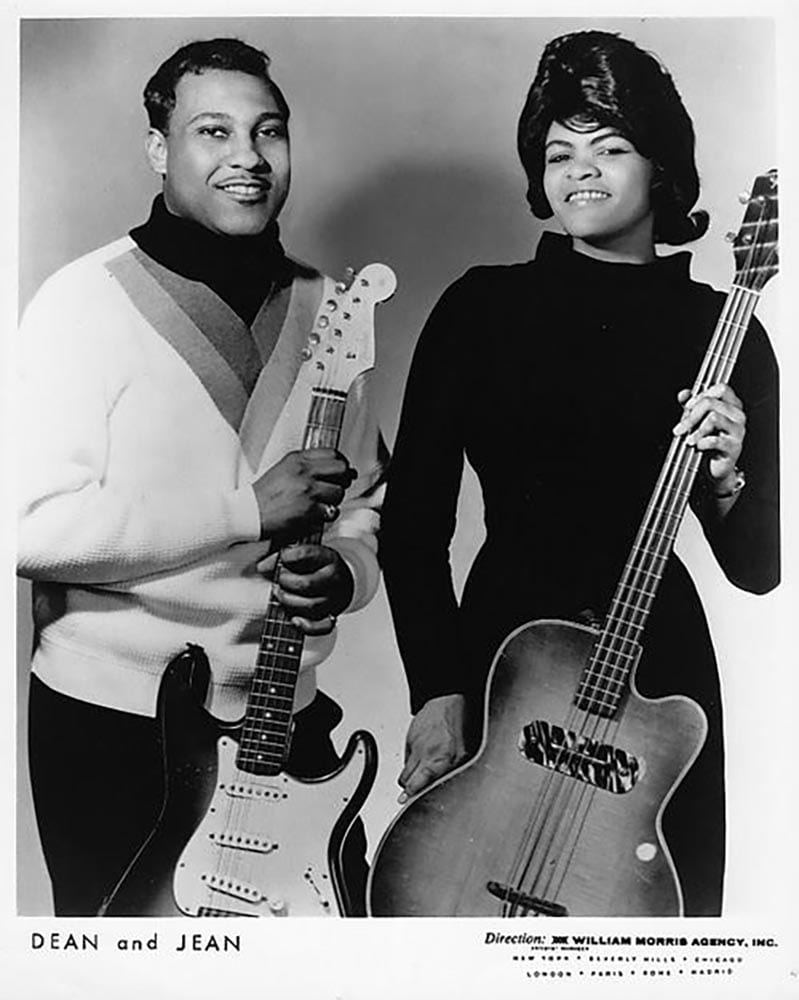
One half of the duo Dean and Jean with Welton Young, Brenda Lee Jones (later known as Brenda Melson) was a singer, songwriter, and guitarist/bassist. The band was active from 1958 to 1966, and while little is known about Jones after Dean and Jean, it has been noted that she recorded a solo album, Try Jesus (Morada) in 1983.
Best known as the guitarist for legendary R&B outfit Klymaxx, Cheryl Cooley began learning guitar at the age of 11. She studied music composition, orchestration, and arrangements at her Los Angeles high school, earned a college degree in commercial music, and in 1979 she joined Klymaxx.
Dallas blues guitarist Cookie McGee started playing guitar at 5 years old, learning from her blues legend neighbor and Rock and Roll Hall of Fame inductee Freddie King. She started her career as a backup musician and bandleader, but frustrations with the music industry and personal obligations kept her in and out of music. In the 1990s she made a comeback, releasing the albums Right Place (JSP Records, 1998) and One Way Ticket (Wolf Records, 2010).
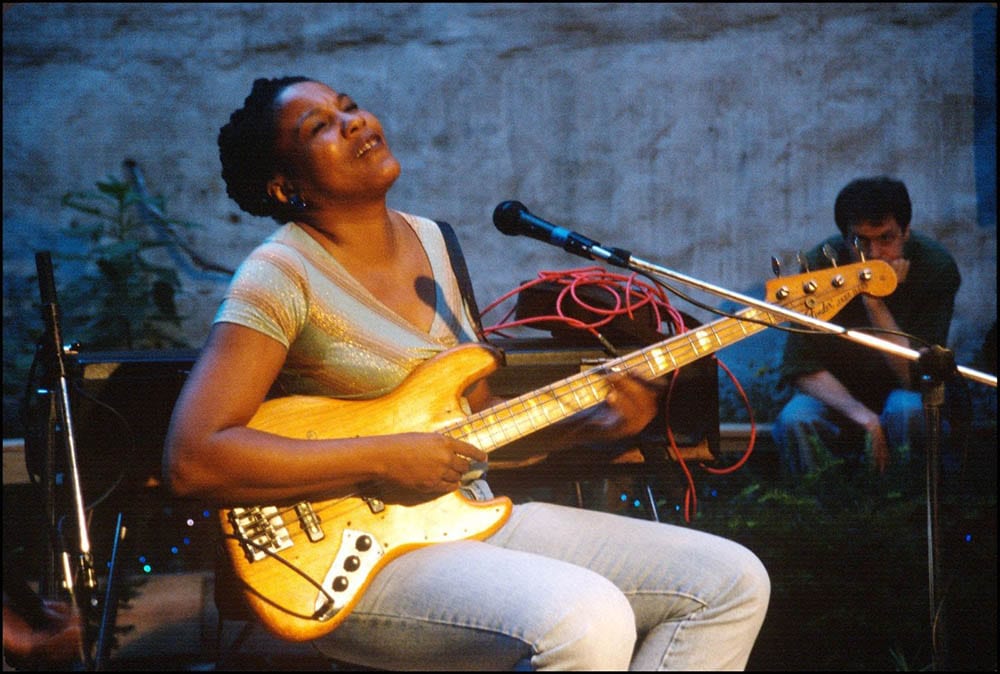
Felice Rosser is a singer, songwriter, bassist, actress, and writer born in Detroit and currently living in New York. In the past, she has played in the all-women reggae band Sistren, as well as with artist Jean-Michel Basquiat, and Ari Up of the Slits. She currently leads the band Faith.
After the departure of Carlita Dorhan, Hazel Payne joined disco-soul group A Taste of Honey on guitar in 1979. The group became a duo in 1980, featuring Payne and Janice-Marie Johnson, but Payne left the group in 1983 and became an international stage actress. The duo reunited in 2004 for the first time in 20 years.
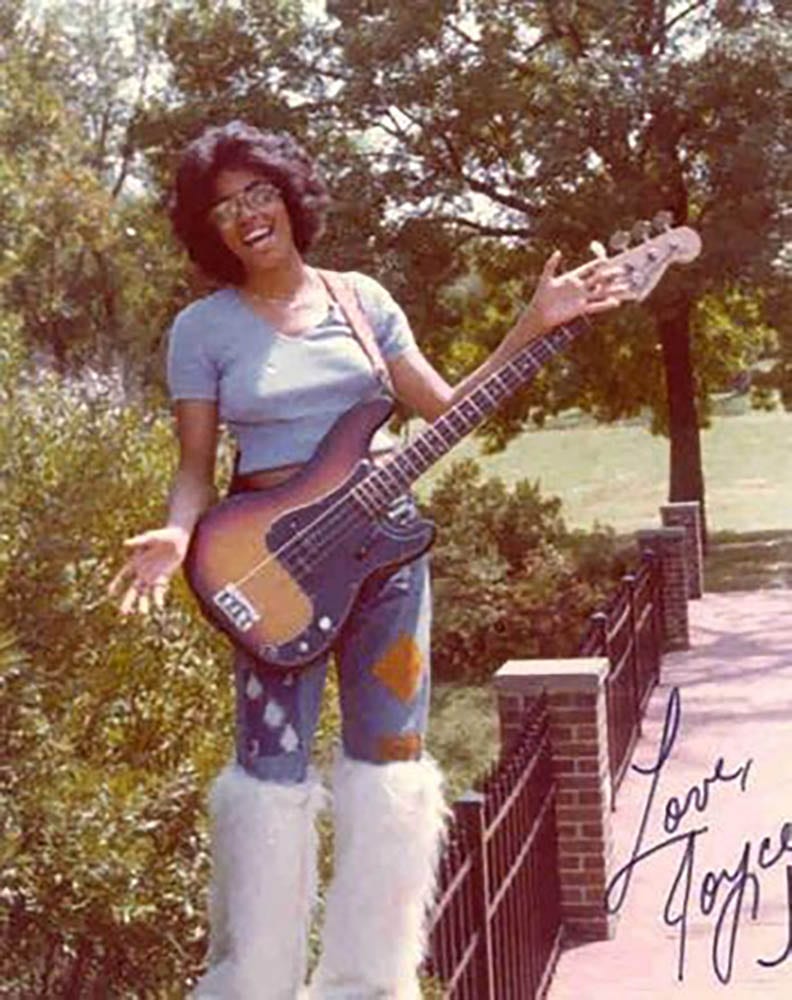
As a teenager, Joyce Irby could be found performing bass outside concerts on the loading dock, which is where George Clinton found her and resulted in her signing on with his P-Funk crew as “Fenderella.” She went on to sign a record deal with Motown in 1989, followed by joining Klymaxx as the original lead singer and bass player on three of Klymaxx’s four biggest records. She went on to found Diva One Productions, with which she signed and published a number of up-and-coming artists, including scoring a top 5 Billboard hit as a co-writer with the Fat Joe/Chris Brown song, “Another Round,” in 2012.
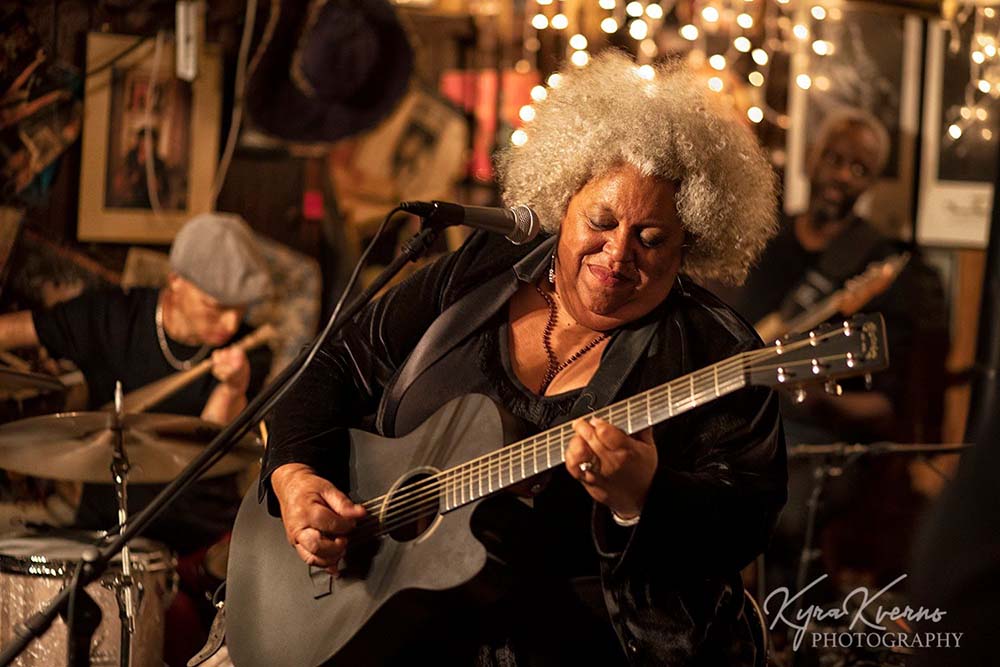
Born and raised in New York City, KJ Denhert is an acclaimed singer-songwriter who has been performing for over 40 years. She toured the world with Connecticut-based all-women band Fire, founded Mother Cyclone Records (through which she released her debut solo album), and started the music collective The NY Unit. She earned seven Independent Music Awards, and has maintained a 20-year residency at Manhattan’s 55 Bar.
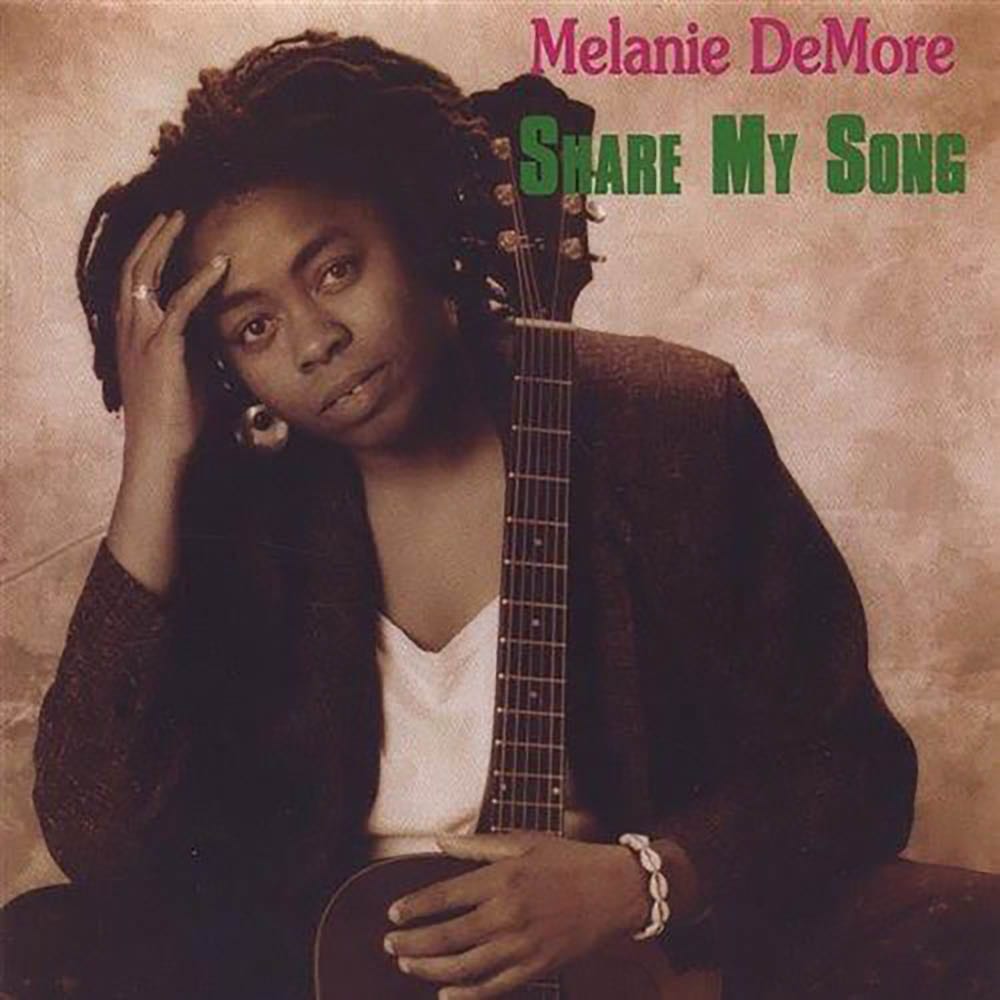
Accomplished songwriter, composer, choral conductor, and educator Melanie DeMore has traveled the world with her music. She was a founding member of the Grammy-nominated vocal ensemble Linda Tillery and the Cultural Heritage Choir, and has shared the stage with Gloria Steinem, Odetta, Pete Seeger, Ani DiFranco, and more. She released her debut solo album, Share My Song, in 1993 and In the Mother House in 2012. She has also developed a number of vocal and educational music workshops for children and adults.
Rev. Rabia has been performing for over 30 years. Born in the Bay Area, she learned how to play guitar at the age 14. She performed as a singer-songwriter as well as a backup singer with Afrobeat band Bole Bantu, but it wasn’t until she met mentors Robert Lowery and Virgil Thrasher that she found her musical direction. She has since performed at several festivals in California, toured southern Italy with Sonny Rhodes, opened for the late J.J. Cale, and released three albums—2000s Never Too Late (with Thrasher), 2015’s Future Blues, and 2020’s Ol’ Guitar.
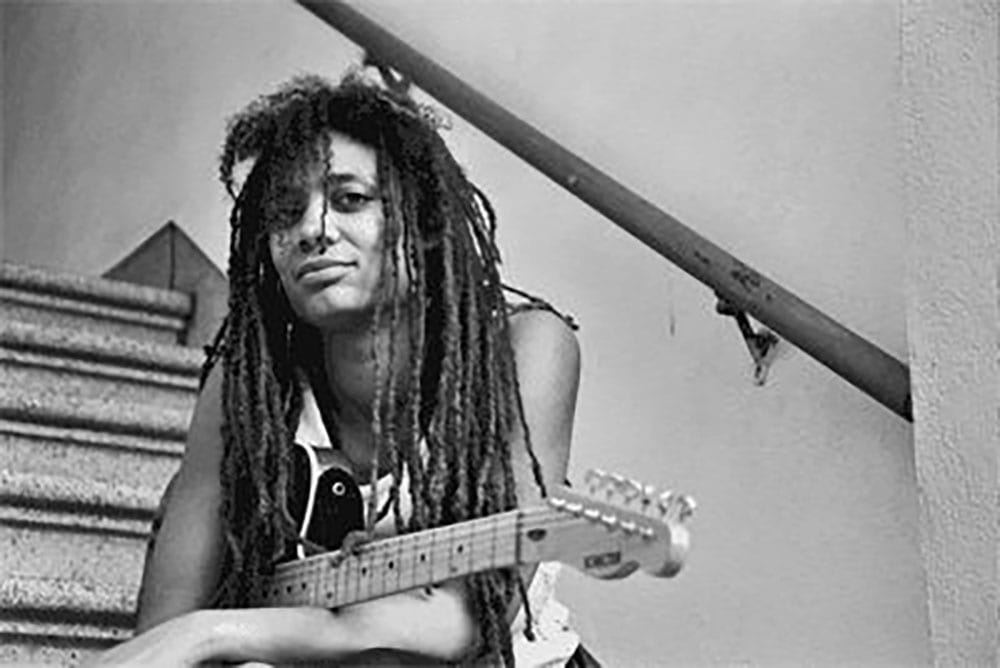
Guitarist Shelley Doty may best be known for founding the popular West Coast band Jambay, but she’s gone on to do plenty more since they disbanded in 1996. She currently fronts her band Shelley Doty X-tet, and also often performs solo acoustic these days. She has played and recorded with Bonfire Madigan (Kill Rock Stars), and was featured in the March 2008 issue of the renowned Guitar Player Magazine.
Acoustic folk blues guitarist, banjo player, and historian Veronika Jackson was inspired by artists such as Odetta, Dolly Parton, and Joan Baez as a child growing up in St. Petersburg, Florida. She grew up to create her own unique sound, combining R&B, acoustic folk, and Piedmont-style guitar picking. She released her debut album, Hat Check, in 2000, and her most recent album, The Woman I Am, in 2019. As a folk blues historian, she teaches workshops that focus on the early 1900’s – 1960 and uses her live performance to illustrate the roots and history of African American folk blues.
Daughter of Tom Winslow, folk singer and former member of Pete Seeger’s band, Thomasina Winslow was born with music in her veins—as a toddler she was a music prodigy, and sang back-up on her two of her father’s album as well as performed with her family band, The Winslows. The blues and gospel singer-songwriter went on to perform solo, as well as with numerous bands, and released the solo album, RETURN, in 2020. She is the owner of Winslow Productions and teaches music and performing arts in upstate New York.
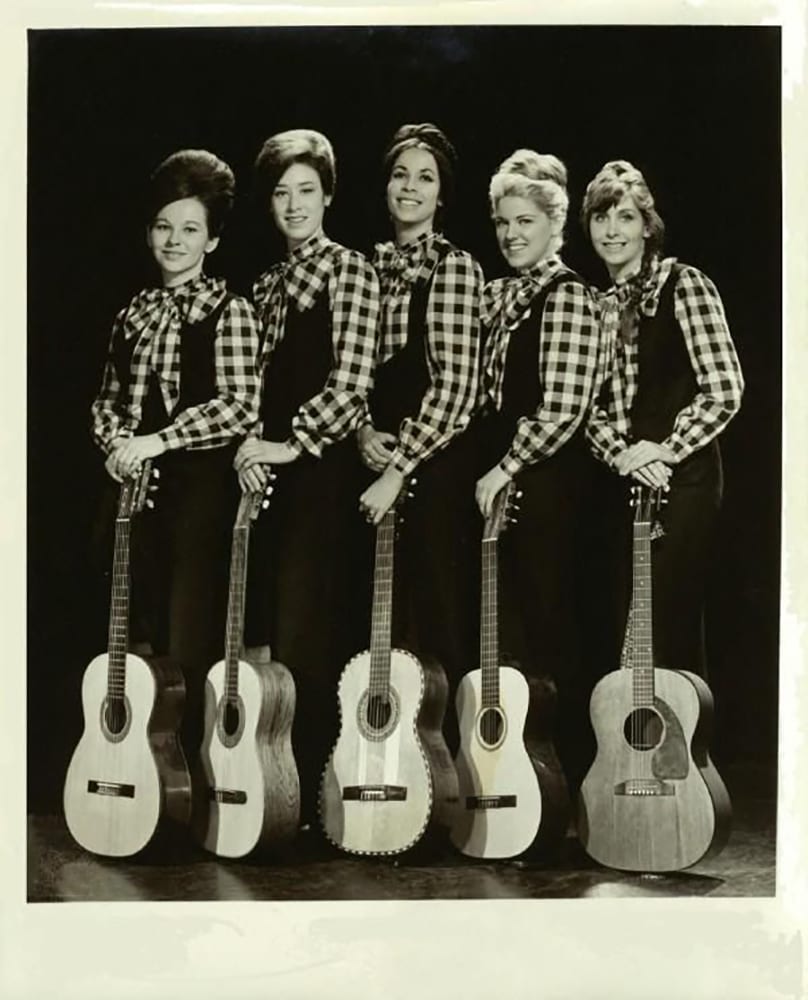
Musically, Leni Ashmore Sorenson is best known for her involvement in the all-women folk band The Womenfolk, in which she played guitar. Active from 1963 to 1966, The Womenfolk started in Los Angeles, and during their five years recorded five albums for RCA Victor and toured North American and the UK. More recently, their hit song, “Little Boxes” was featured in the HBO show Weeds. These days, Sorenson is a historian and homesteader.
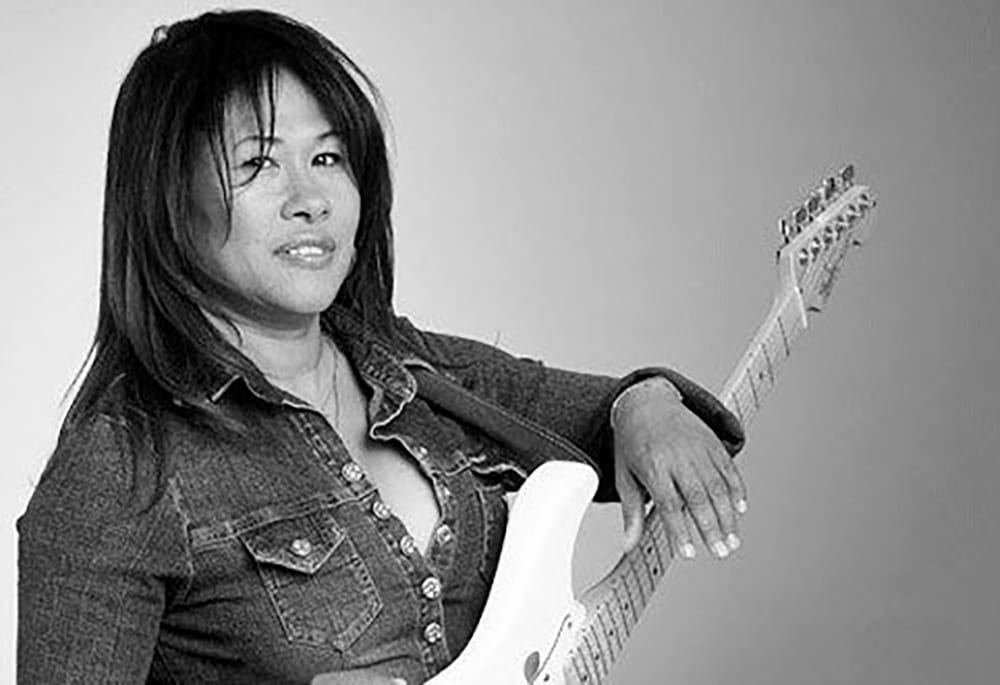
Suzanne “Minnie” Thomas (1955 – 2011) founded and joined some of the most pivotal music outfits that transformed the music industry for Black women. In the 1990s, she founded PMS (Pre-Metal Syndrome, and #44 on this list), the first all-Black women metal band. In 1996, she joined the all-women dance duo A Taste of Honey, after founder Janice-Marie Johnson reformed the group after her split with co-founder Hazel Payne. Thomas also fronted her own band, Suzanne and the Blues Church, who released The Cost of Love in 2011.
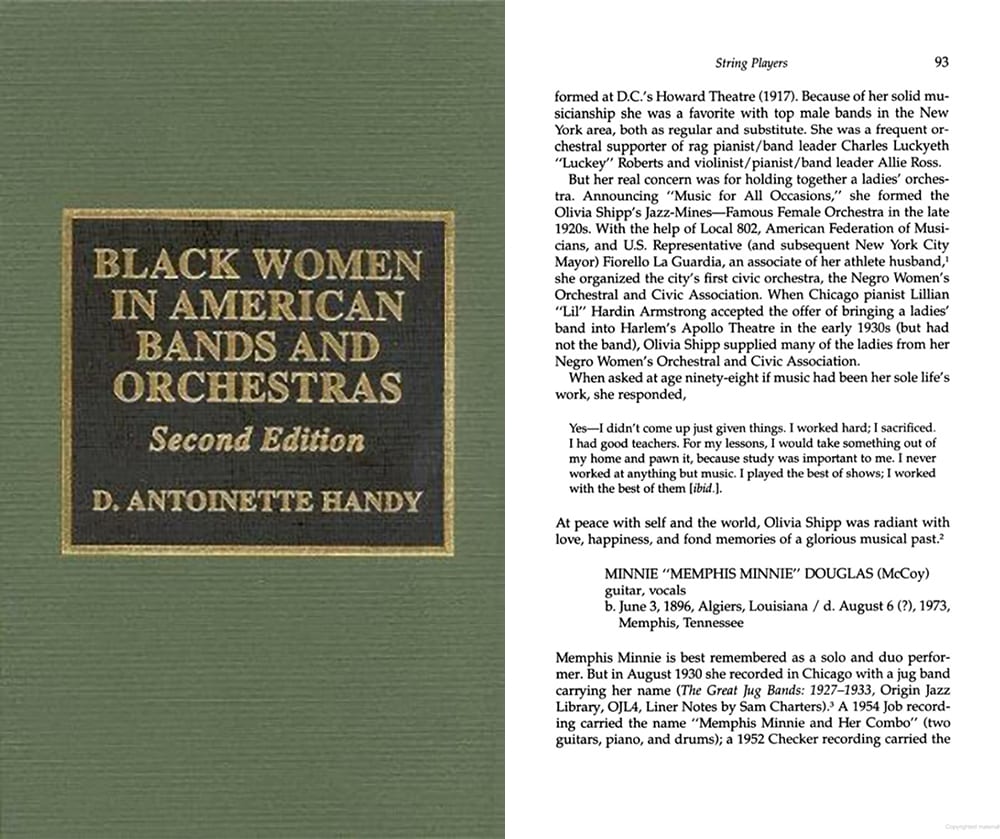
Very little is known about the life of Betty Lomax. She performed on guitar with the Negro Women’s Orchestral and Civic Association (founded by Olivia Sophie L’ange Porter Shipp, #92 on this list) in New York City during the late 1920s and early 1930s.
Blues guitarist and vocalist Pat Wilder has spent the past 30 years performing in a series of funk, rock, and blues bands around the Bay Area, including with Bobbie Webb, Billy Dunn, Curtis Lawson, Zakiya Hooker, Luther Tucker, and more. In 2015 she released the album, Alive.

Sisters Alice and Fanny Wiley played, respectively, string bass and guitar in their family band, The Wiley String Band, based out of South Carolina. Aside from this meager information found in the book, Black Women in American Bands and Orchestras, by D. A. Handy, little else is known about the sisters or the band.
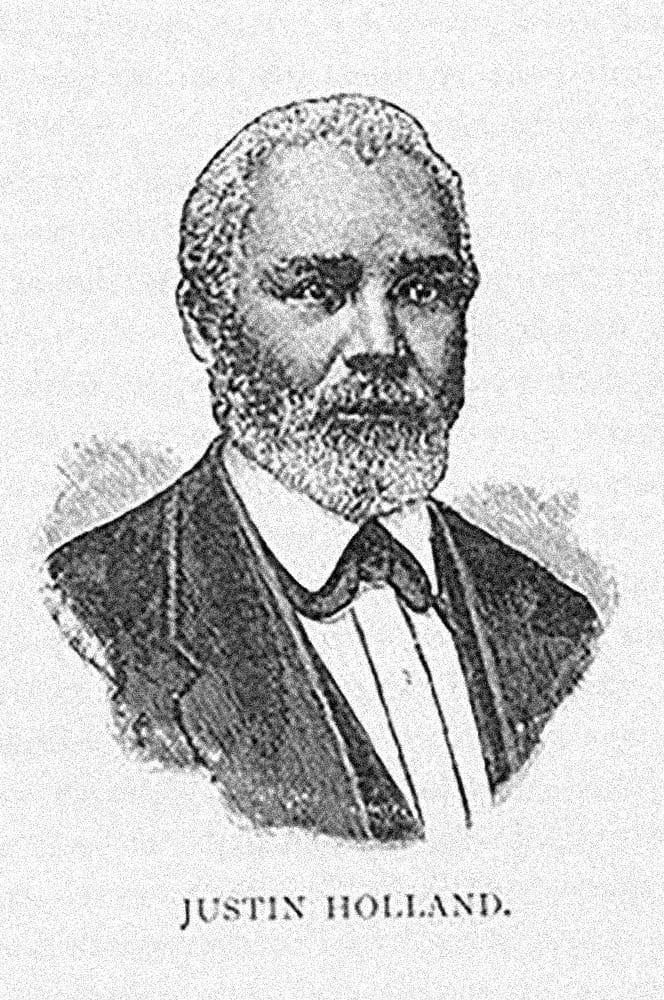
Clara Monteith Holland, daughter of classical guitarist Justin Holland, was an accomplished pianist and guitarist in the late 1800s. Little else is known about her life, but her father, aside from being an esteemed guitarist, was also a music teacher, community leader, and civil rights activist who worked to help slaves escape through on the Underground Railroad.
Let’s be real—every single one of you who participated in #1RiffADay is a winner in our hearts. We hope you continue to take this challenge with you throughout the year, shredding your instruments and supporting each other in what has turned into such an incredible community of players.

We absolutely love that the only bassist included in our #1RiffADay finalists won! And we want to give a huge shout out to runners up @laboulbeniomycete and @black_and_bluestocking.
Thanks to the 1324 of you voted, to everyone who participated in #1RiffADay, and to all of our finalists. We can’t wait for next year’s challenge!
When choosing the Top 10 #1RiffADay finalists, we followed the following criteria:
The winner of #1RiffADay will receive a feature on the She Shreds website, and a package that includes:

For me, playing bass has always been about “the feel.” Because of that, I’ve been afforded awesome opportunities even though I consider myself a “Bass Baby,” at the beginner/intermediate level.
“Feel” is how you connect with music through time and rhythm. Notes and scales are important, but rhythmic skills are quintessential—you’re able to express yourself in many ways even if you’re only playing two to three notes or chords. I’ve definitely played lines using only three or four notes and had people grooving. Rhythmically, I was killing—but to more trained musicians, they almost always listen for dynamics note-wise. At the end of the day, I continue to receive my blessings in music.
Around 2011, my grandparents gave me an acoustic guitar. I started lessons, but every time I played a song, I was unknowingly trying to play the bass line. I didn’t know it, and I naively bought an electric guitar. When I still couldn’t hit the low notes that I aimed for, a friend told me to get a bass. He later introduced me to his bassist (Hashim Bunch) who became my teacher, along with the help of YouTube videos. Through learning patience, ear training, awesome feel, and belief in myself, it’s been possible to live my dreams of being a badass.
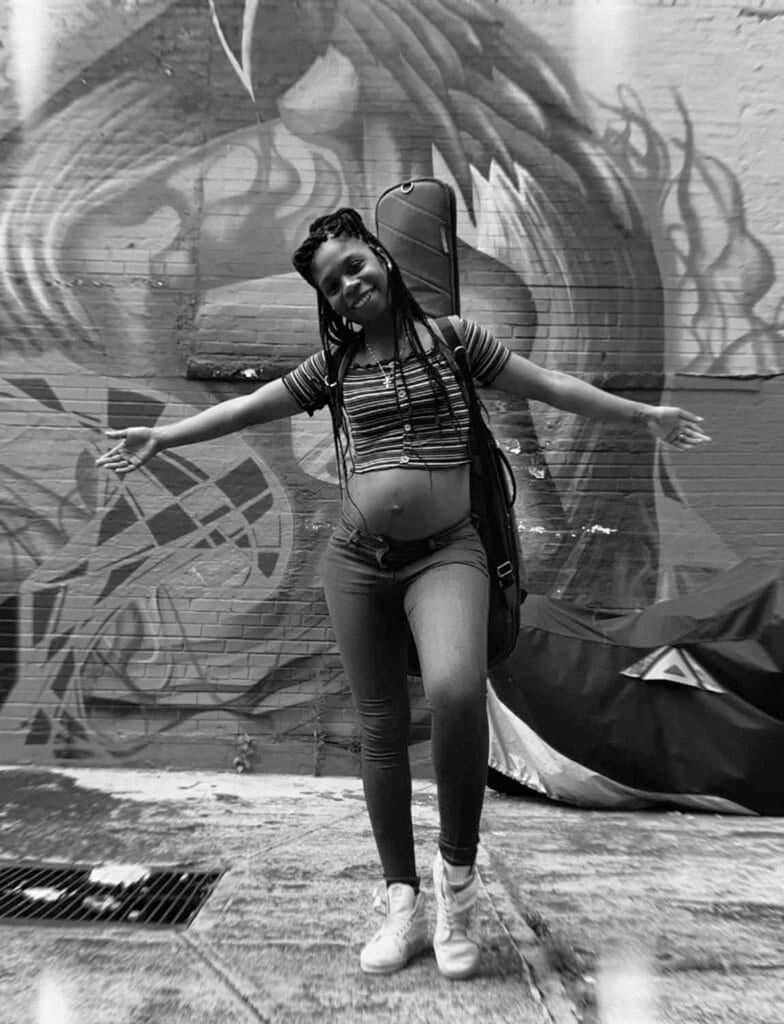
Enjoying different styles of music and learning other people’s bass lines has helped me most in my still-developing sound: funk and hip hop, because their lines were the easiest to learn in the beginning; R&B, because those lines connect to the singers’ vocals and helped me understand how to use my voice better; and gospel, because the musicality has always made me feel connected, and as an artist you want to connect and move people. Across all genres, drums have probably played the biggest part in inspiring my grooves.
The bass lines I play with Sammus are lines that she comes up with. With 79.5 I mainly follow the keys and what the creator would like to hear. My own sound has yet to be featured in the music that I’m mostly known for, but I have a few singles (and unreleased music) that I perform, which allows me to explore my sound. Thankfully, from doing so many shows and touring, I’m a lot more comfortable stepping out on my own, where I have the space to create and express myself more freely.
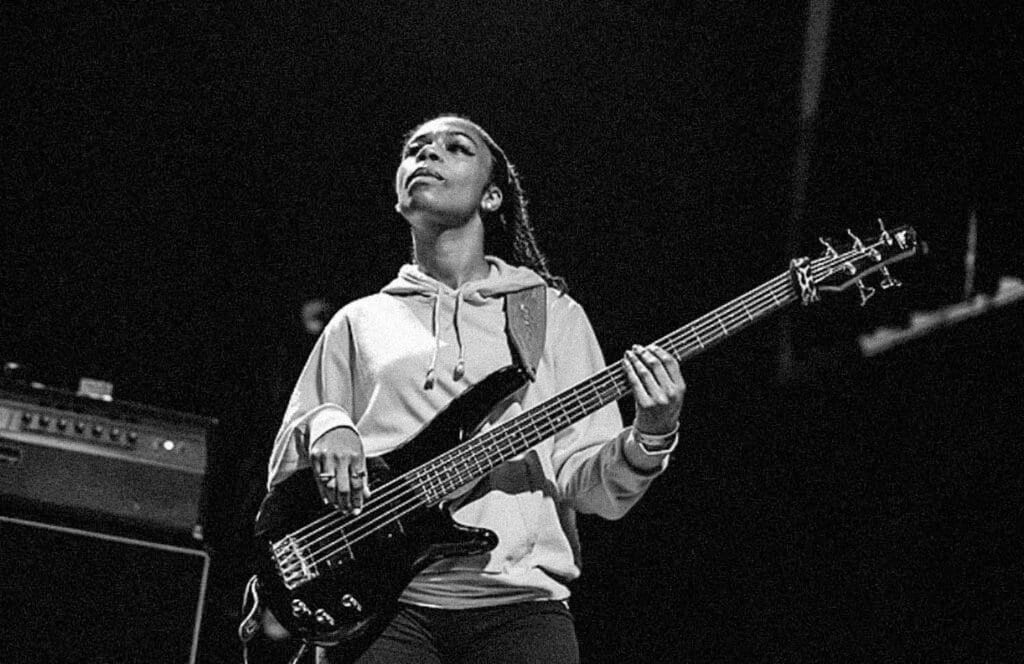
Gotta stay hydrated, so water, water, water. Something about apple juice makes me feel comforted right now, since I’ve been pregnant and can’t have a beer or my usual shot of whiskey.
Taking the time before a gig to sit, paint my nails, and let them dry is calming for me, whether done at home or in a green room. Also, pretty nails make me feel like I’m dressing up my hands and my strings as I pluck them.
Before rehearsals and gigs, I always need some time to just breathe and be. In the beginning of my bass career I realized that I spent a lot of time not breathing while playing. So if I’m already calm and in my zone, I’ll more easily stay there.
I wouldn’t say I’m religious, but I always keep my spirituality about me. For years, one of the main causes of my stage fright was my fear of messing up in front of people. I’d be so anxious that I would mess up, so I started focusing on playing the right notes instead of worrying about the wrong ones. With that, I started saying a prayer of thanks, and to “play all the right notes.”
After I get my mind quiet and in the right place, I like to get loose by dancing and smiling.
When they’re from people you love, they make you feel loved. The more love I bring on stage, the more love I share.
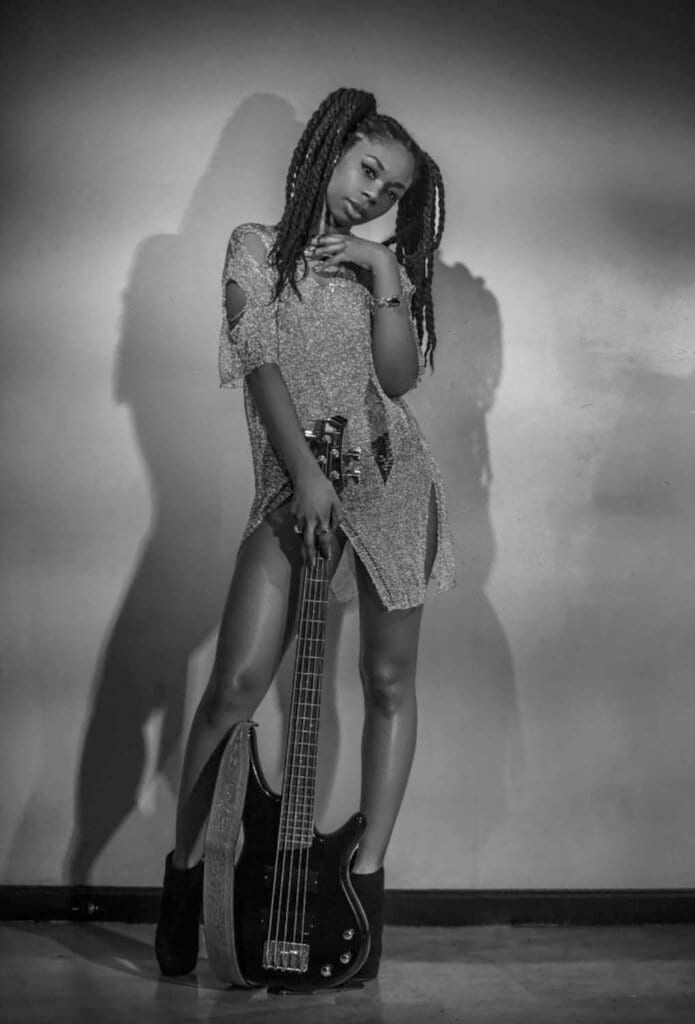
Rhythm is defined as a repeated pattern of sound. It’s what makes people want to tap their foot, bob their head, and/or dance. In music, the repeated pattern of sound we listen for consists of notes and/or beats, such as those from a bass or drum; however, rhythm is also found outside of music. If someone hears water dripping continuously or the ticking of a loud clock, they might start to dance to it.
I believe great rhythm starts with internalization, and the first step is to listen. It may seem like an easy step, but learning bass taught me that I also had to learn how to listen more intently. Practice internalizing by listening to a song you’re familiar with and singing the bass line (or any other line that sticks out to you). Next, lower the volume of the song all the way down, but keep singing the line. After a few seconds, raise the volume to test that you’re at the same point in the song as the recording. It’s best to try this method on songs with simpler lines or start with songs that you may already know. This can also be done with song lyrics.
As a bassist, having internal rhythm will help your groove as well as help you stay in the pocket. Being in the pocket is when the rhythm section is solidly locked in as one unit within the groove, and the music has a nice feel to it. As long as you’re hitting the downbeats (mainly the first downbeat—the “one”) with the drummer, you will be in the pocket. Another way to know that you’re in the pocket is when you and the drummer share a look of either childlike excitement or deeply approving disgust at how tightly locked you guys are.
While note choice can change the dynamic of a bass line, the rhythm helps establish the groove: the rhythm that creates a song’s pulse. When grooving, the timing doesn’t need to be perfect as long as it’s consistent.
Another aspect of great rhythm and rhythm internalization is being able to identify the “one,” which will enable you to identify other important counts (like the upbeats “two and four”). This is especially helpful once you start playing in more complex time signatures or music that has changes in time. Identifying the “one” will allow you to always establish a groove even if you’re unsure of the exact time signature.
Below are a few exercises in rhythm. Since not everyone reads music, I have also included a few diagrams to help you get started so that you can complete the exercises which contain different note choices and rhythm combinations.
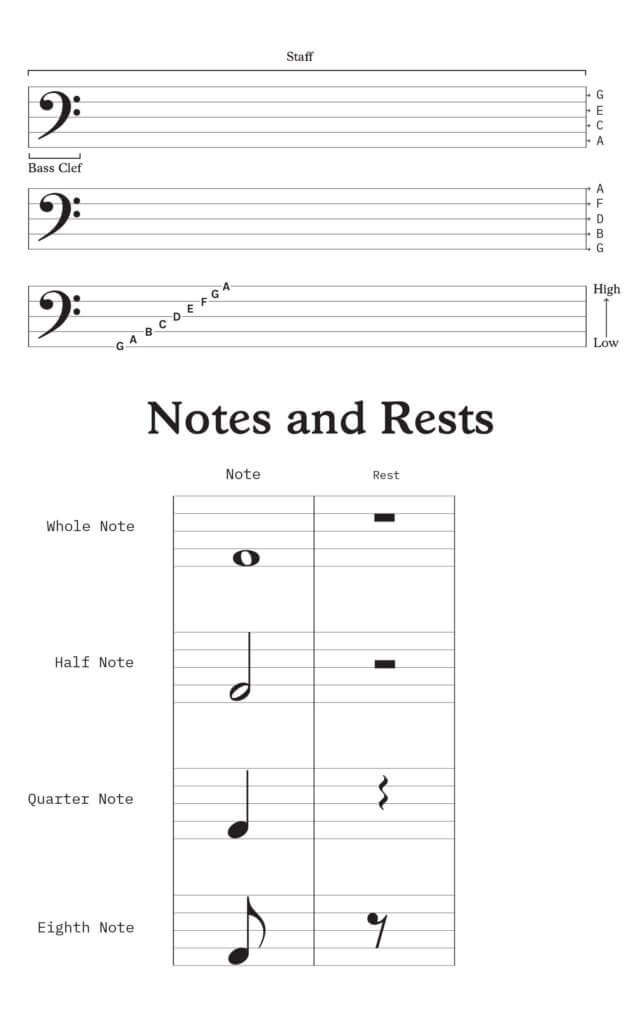
Please note: rests in music are just as important as the notes. In the words of Jay-Z, “Let it breathe.”
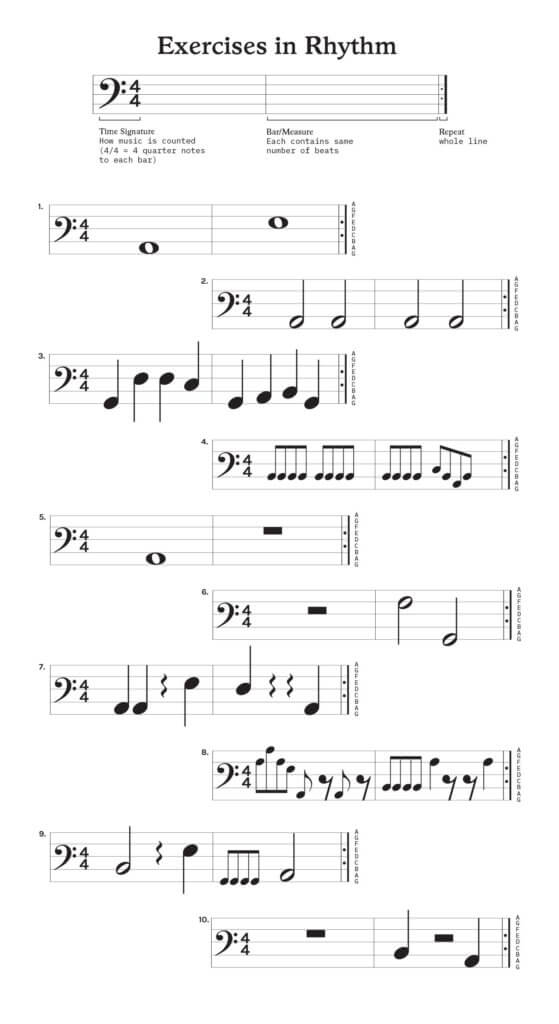
Don’t forget to practice with a metronome or a drum loop. Practice each exercise at different tempos, starting slow and increasing in speed. But mostly, have fun!
In the latter half of the past decade, Melbourne-based singer and guitarist Georgia Maq amassed a large following fronting Camp Cope. With the three-piece punk band, she writes blunt, confessional songs that tackle complex emotions, from experiencing sexual harassment to mental health struggles. But Maq’s debut solo album, Pleaser, takes her music in a completely different direction, showcasing another side of herself.
“People think my music is who I am, so that’s how they base their opinion of me—I wanted to break them out of me,” says Maq about listeners’ expectations. “To everyone who thinks they know me, [Pleaser says] ‘Nah, here’s a pop album about being rejected!'”
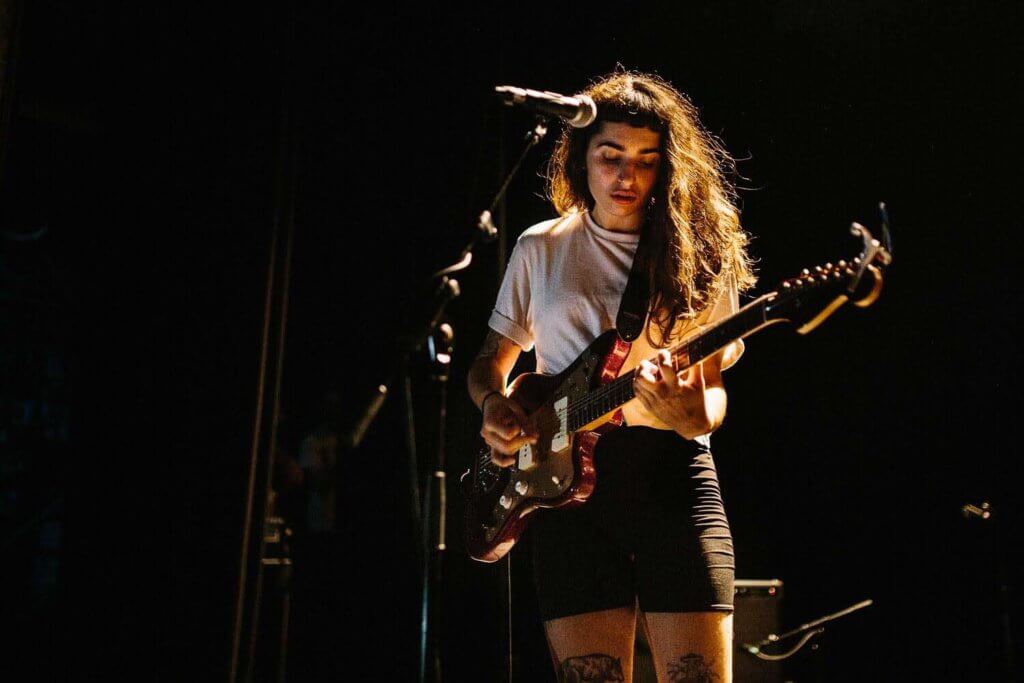
Maq appropriately pulled a Beyoncé move by surprise-releasing her pop debut in early December. But that wasn’t the only shocker—she intentionally made the opening track, “Away From Love,” to be the only song on Pleaser with guitar, sounding slyly akin to her previous work. “I wanted that to be a guitar song, because I knew from the beginning that I wanted to freak people out and confuse them,” she says. “So, if someone’s picking up the album for the first time, and listening to it, they’ll be like, ‘Oh, it’s just gonna be like an acoustic Camp Cope album,’ but then it’s like, ‘Oh, it’s so not that.'”
Maq made the album with Run For Cover labelmate and former roommate Katie Dey, but the LP emerged with the encouragement of producer and longtime friend Darcy Baylis. She had visited Baylis this past June for a jam session, when they began writing music together for the first time and where “Away From Love” originated from. “I was like, ‘Oh shit, this is the direction I want to go in,'” says Maq. “So I hit up Katie Dey, and we just started making some songs together until I was like, ‘Bitch, I want you to produce an album for me.'”
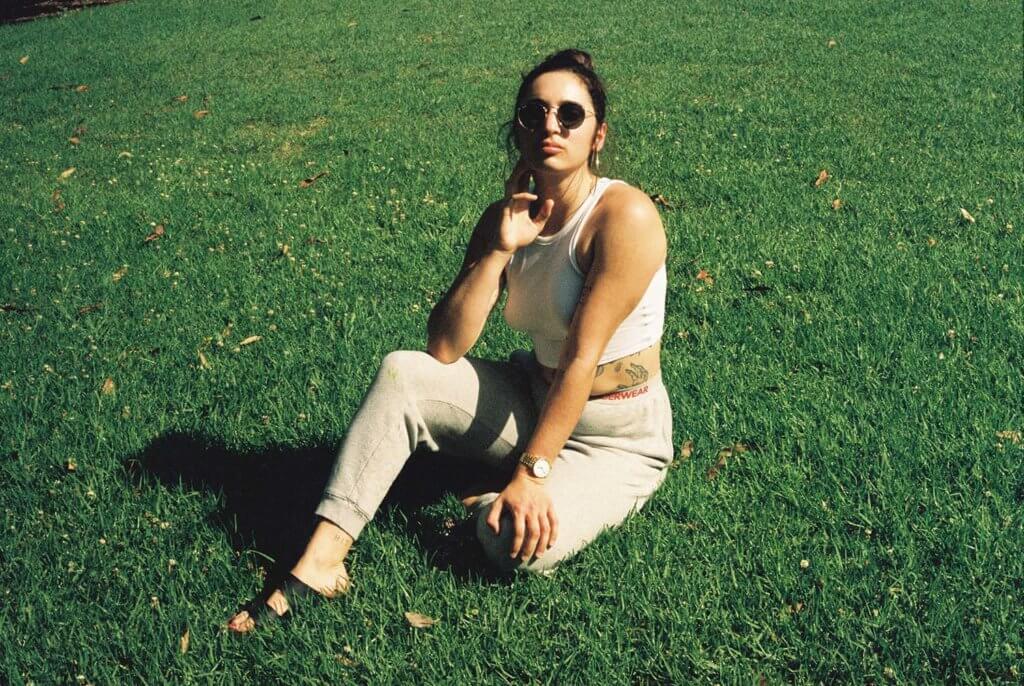
Pleaser took form during visits to Dey’s house, where they’d experiment with sound. It took Maq to new territory, with songs like the album’s title track and “Like I Do” taking on moody, synth-heavy beats, and “You’ll Be Singing My Name” becoming a lively piano ballad. Maq had written part of the anthemic, defiant song about rejection before teaming up with Dey, and she jokingly refers to “You’ll Be Singing My Name” as her “Lorde song,” evoking the empowerment of Melodrama‘s “Writer in the Dark” with a sound reminiscent to “Green Light.”
“That was the hardest song to fucking write, oh my god,” says Maq. “I had the first verse written for like, three years-ish—I wrote that in America, after a kind of one-off romantic encounter.” Maq kept a phone recording of the verse played on acoustic guitar, but didn’t know what direction to take with the rest of the song. That is, until playing it on the piano with Dey, where it took on new life: “I could never place it anywhere until me and Katie morphed it into a pop song.”
The theme of the album—love and heartbreak—feels different from the more politically attuned topics Maq has been known for tackling with Camp Cope, but there’s still some of that punk attitude in this record, particularly in its title track.
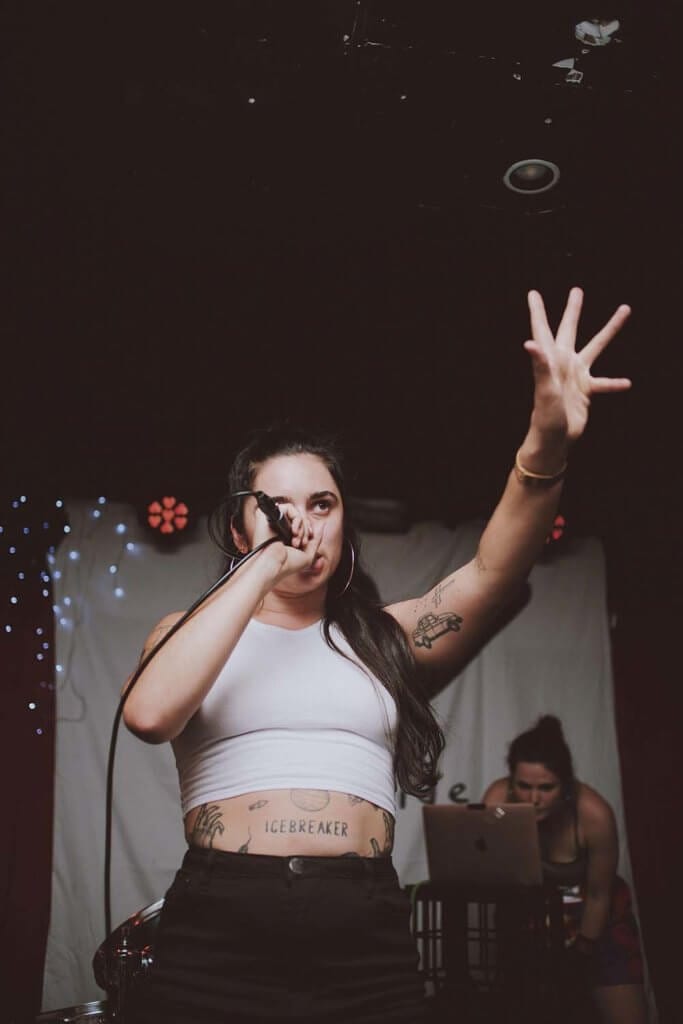
“I feel like people see me as the opposite of a pleaser,” says Maq. “I’m just this loud-mouthed bitch who doesn’t care what anybody thinks, but then… Do you know what a switch is? [It’s] someone who can be a top and a bottom. I feel like I’m a bit of a switch. When I like someone, I’m like, ‘I’ll do literally anything for you,’ but with other shit, I’m like, ‘Eh, I don’t care.’
Maq mentions that writing Pleaser was “as close as I’ve ever gotten to express a very deep part of me.” It not only challenges perceptions about her, but exposes her innermost insecurities, inviting listeners to identify with her experiences: “It’s me at my most vulnerable, when my emotions are out of my own hands. That’s something I’m trying to work on. We’ve all got shit to work on. And mine’s like, ‘Okay, maybe you shouldn’t care what this dumb idiot man thinks, or care whether he likes you or not.'”
That’s not to say that Maq hasn’t exposed her vulnerabilities in Camp Cope, but the lyrical style feels vastly different. “It’s more safe, and not really real, whereas with Camp Cope, it’s very tangible—like riding a bike, or addressing sexism,” she says. “[Pleaser] is like, ‘I’m floating on a cloud and I’m in love,’ or whatever. I always want people to be able to relate, and it’s a relatable album because heartbreak and rejection are something people experience.”
Making a pop album might seem completely unexpected for some fans, but before delving into punk, Maq wanted to emulate her childhood pop icons, P!nk and Christina Aguilera. She points out that pop stars are awarded with a certain freedom to explore sensuality as part of their personas—and Maq, who has embodied a social media presence on Instagram that recalls a punk version of the Kardashians and “Dirrty” era Xtina, wanted to embrace that essence as part of her music, too. “I feel like all women think, ‘I myself am the most sexual, horny person in the entire world,’ and nearly every woman feels that way because it’s so suppressed,” she says. “I just wanted to embrace a bit of that with pop, [which] really allows me to do that.”
Looking back, Maq notes that there weren’t many women in pop she could identify with: “When I was younger, I needed to see myself in more women. [At] 13, I saw myself in Amanda Palmer because she didn’t shave her legs or anything. But from then on, I didn’t see myself represented, really, in a pop kind of arena.” That’s something she wants to change for new generations with Pleaser, as evident on the album cover.
Pleaser‘s artwork features a nude close-up of Maq that emulates early 2000s pop album cover portraits. But this one celebrates Maq’s facial hair, turning traits that women are often told are flaws into something beautiful and powerful. “I’m a bitch with a mustache and chin hair, and it’s just the way I am,” she says. “I used to feel really ashamed of it, and now I’m not. I hope that will inspire other people to stop conforming to Western beauty standards. It’s your body, your choice, everybody should do what they want; this is just my personal journey that I’m on.”
Maq mentions that she wanted the album cover to be perfectly imperfect, featuring her hair in an unkempt ponytail and proudly making her facial hair and scar on her lip front and center. “It was very intentional to do a very hot looking album cover but still make it punk.”
Since becoming one of Australia’s most prominent DIY punk figures in the past decade, and now dipping her feet into pop, Maq isn’t rushing into the next project. She confesses that she toys with the idea of moving to Greece, working at a bar, and starting from scratch, putting her life in Melbourne on pause. But that doesn’t mean she wants to give up expressing herself artistically: “I want to make a country album, I want to keep putting my art into the world—but at the same time, I want to take a break from the scene.”
One of the most significant elements about Yamaha is their desire to push forward rather than rehash what’s already been done. “Yamaha isn’t reliant on nostalgia,” says LG of Thelma and the Sleaze, and player of the Yamaha Pacifica. “They want to keep pushing boundaries and trying things out.” And this is also true in their designs, customer service, and image—rather than uphold the tired portrait of rock gods and goddesses, they aim to showcase a genre-bending lineup of musicians to inspire novices and long-time shredders alike.
Let’s be honest—when Yamaha comes to mind, most of us think of keys or motorcycles. But have you ever wondered why one of the biggest manufacturers of pianos started making guitars in the first place? Yamaha’s history traces back to 1887 with founder Torakusu Yamaha, a pioneer in the production of Western musical instruments in Japan. Yamaha mostly focused on organs and pianos until the early 1940s, when they started building guitars. After such success with piano production, the company decided to manufacture a variety of instruments to provide more musical opportunities to their customers. This shift came before rock music became widely popular, and eventually Yamaha opened a guitar factory later that decade.
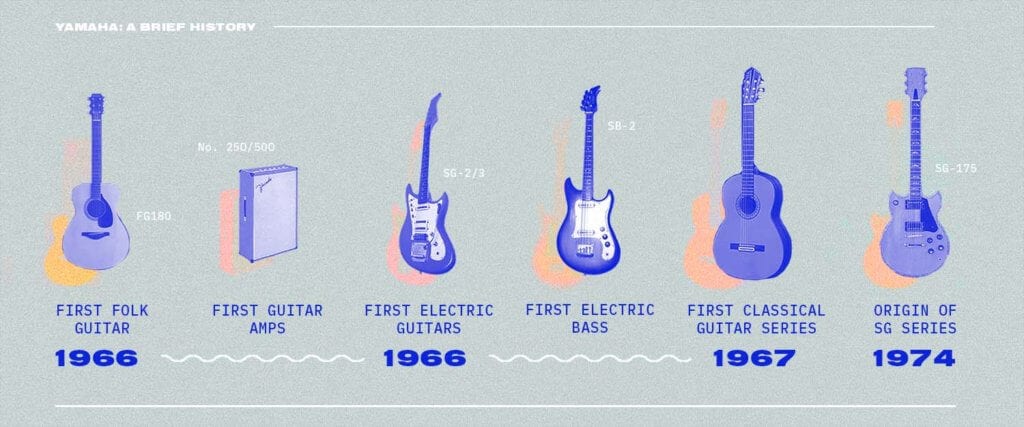
Fast forward to the 1960s when Beatlemania exploded, resulting in an increased demand for guitars that retailers couldn’t keep up with, especially in the United States. At this time, Yamaha already had 20 years of guitar building under their belt, and began exporting guitars outside of Japan, setting out on the path to becoming the largest instrument manufacturer in the world.
Over the years their lineup grew to cater to all kinds of guitarists, covering everything from the pretty ordinary to the frankly absurd, but a few things stand out in particular:
So, what makes today’s Yamaha guitars reliable? And why should we care?
She Shreds spoke with four groundbreaking artists on the Yamaha roster to truly understand how a company, who celebrated its 50th anniversary in 2016, keeps moving forward in the guitar industry—not only through craftsmanship, but also accessibility, playability, and artist relations.
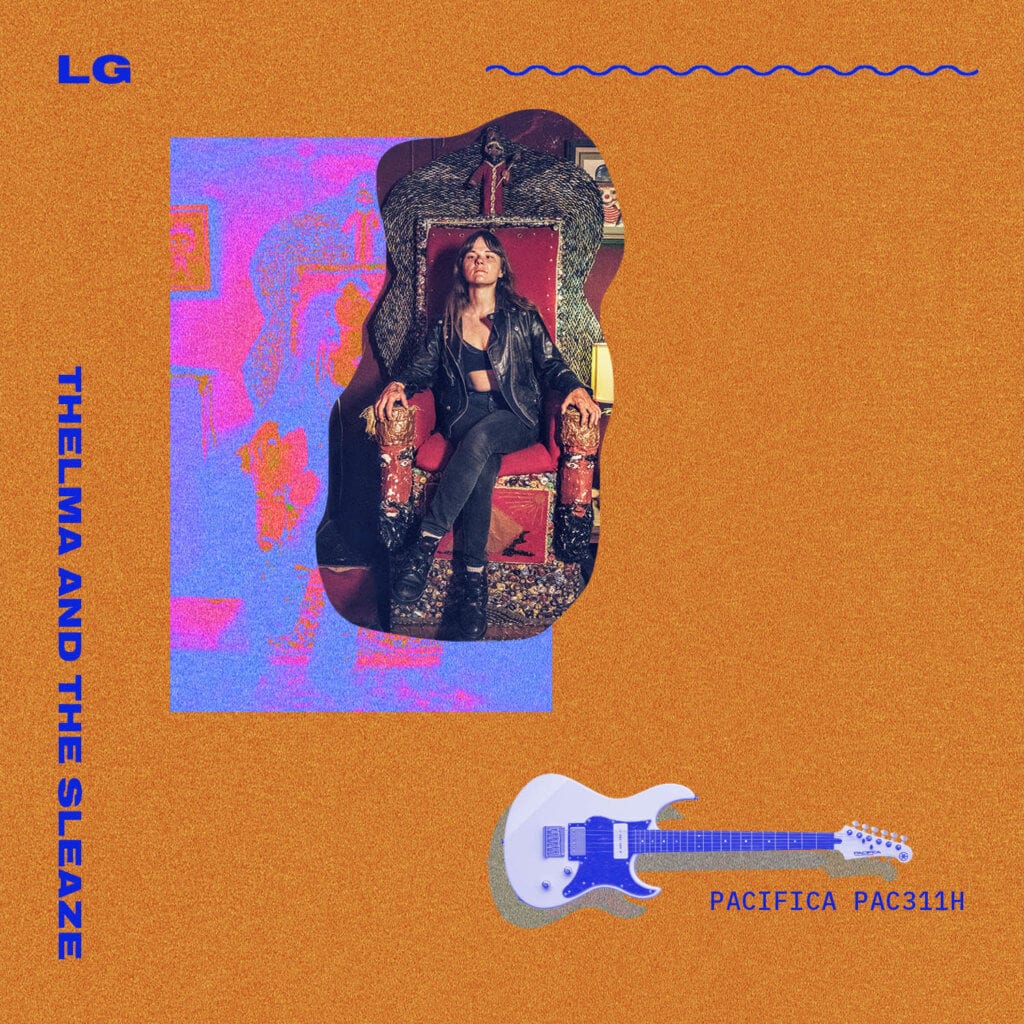
When it comes to a guitar to take on tour, LG looks for an affordable, quality instrument: “At the end of the day, I need a guitar that is versatile, because my band plays with a lot of dynamics and different genres. But also, it’s gotta look good, and able to be thrown in a van. It’s gotta be about quality—I don’t want to align myself with a company that isn’t worth people’s money.”
LG often plays a Yamaha Pacific PAC311H electric guitar, and took it with her on a couple of tours with Thelma and the Sleaze. “The P-90 and humbucker are sick,” she says. She also loves that the Pacifica is the perfect weight for her, and that it’s only gotten better with age over the two years she’s been playing it. Aesthetically, she really likes the natural finish and the tortoise-style pickguard. “Everyone who talked to me after our shows was like, “What is that?” And I was like, ‘It’s the Yamaha Pacific. You can literally get one for 300 dollars.’”
She adds that when she was a little girl, she didn’t see herself reflected in guitar media: “I was a little girl once, reading guitar magazines or looking at guitar ads—I have a lazy eye, I was poor. There are kids out there who don’t look like models, who aren’t pretty, and they don’t want to be. They need to see women they can aspire to be like.”
So, when LG was featured in a Yamaha guitar ad, it blew her mind: “Yeah, you don’t think I should be in a guitar ad, but that’s why they put me in there. And that’s amazing. There are a lot of people with lazy eyes, and it’s silly to say, but I’m a good representation of what you can do with that lazy eye.”
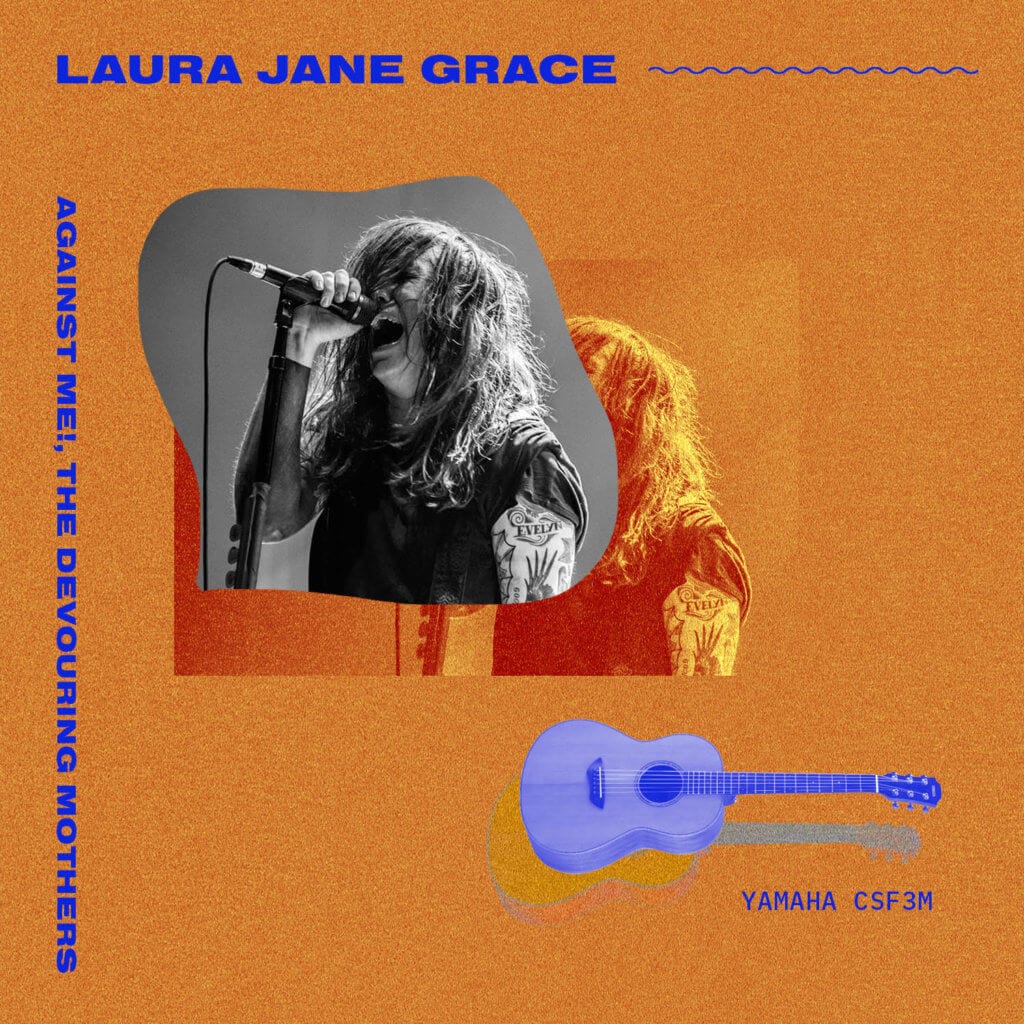
Laura Jane Grace is no stranger to the touring life, so she knows exactly what she needs while traveling internationally. When she went on an overseas Against Me! tour in 2019, she was restricted in what gear she could bring on the plane, so she went looking for an acoustic-electric guitar that could fit in an overhead compartment. Grace needed something that would be easy to grab, bring in the hotel, and have in the van—but that also sounded good both when played unplugged and through a DI. She reached out to Yamaha, and they suggested the Yamaha CSF3M, a parlor-sized acoustic-electric guitar.
“Sometimes it’s really easy with an acoustic guitar, played through a PA, to feel like you’re playing a ukulele. You know, that sound you get back—this thin, boring acoustic sound,” says Grace. “Finding a guitar that’s the best of both worlds is hard to do.”
The CSF3M has become Grace’s go-to acoustic guitar with both of her bands, using it on solo and full-band songs: “Playing it live or alone in my room, I just really love it. There’s something about smaller-bodied acoustic guitars.”
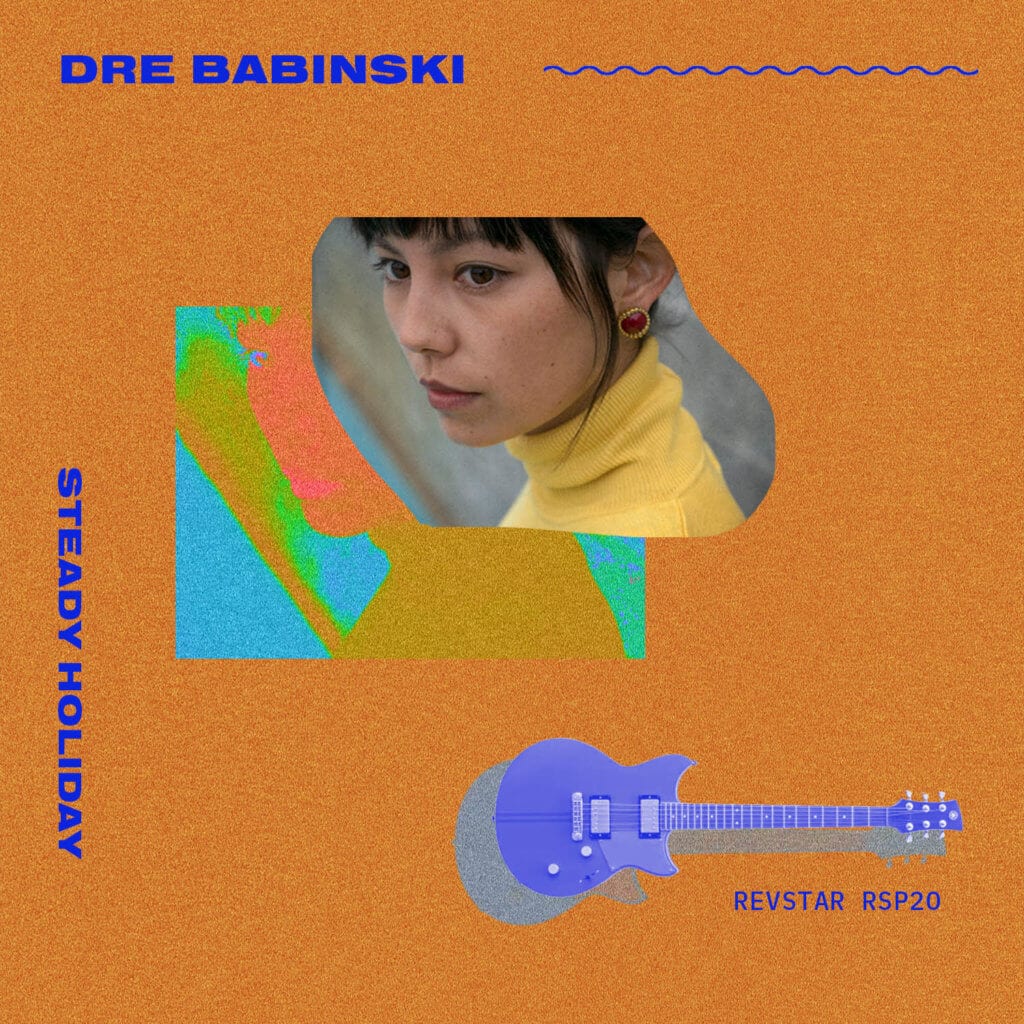
It’s all about playability when it comes to the guitars Dre Babinski plays. The singer-songwriter aka Steady Holiday needs a smaller-bodied electric that’s easy to play, and light enough to wear for an extended period of time. In March, Babinski connected with Yamaha at SXSW, when they approached her about playing their showcase with one of their guitars. “I had a few conversations with a rep, and told him what I was looking for and tried a few styles,” she says. “I really connected with the Revstar.”
On the lighter side, the Revstar makes it more comfortable for Babinski to play through an entire set. She also appreciates the size: “It has a narrow and thin neck, so it’s easy for me to get around the instrument, which is something I struggle with—I’m a pretty small person.”
Babinski claims that she’s still very much in her formative years of songwriting, and usually only sees opportunities like the one with Yamaha offered to artists further along in their careers. “I’m not a shredding guitar player, I feel like a novice in some ways,” she says. “But this is the stage of an artist’s career when they need the most support, when they literally need a guitar. With Yamaha, it’s more about what worlds people are building, and what they want to get behind.”
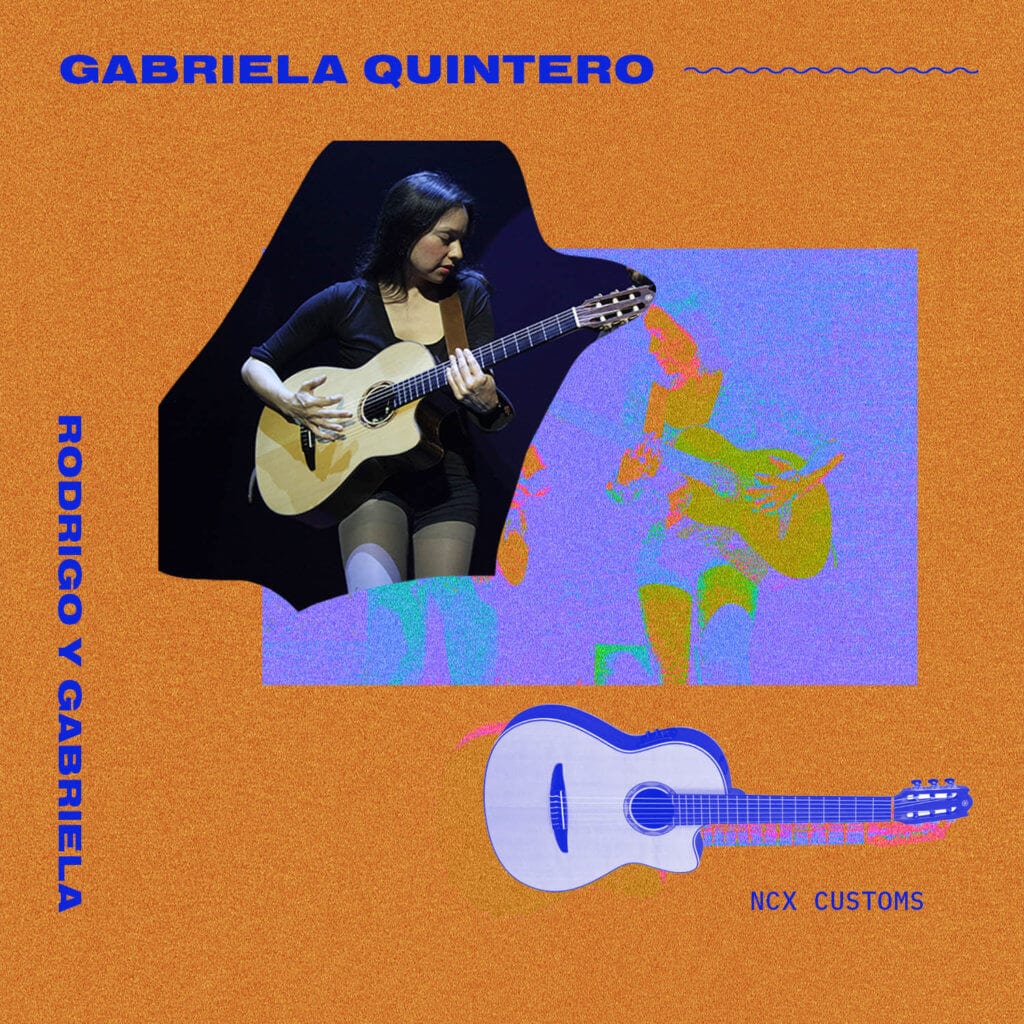
Gabriela Quintero, rhythm guitarist in the Mexican acoustic guitar duo Rodrigo y Gabriela, has a lot of acclaim. The band has released five studio albums, three live albums, and one EP; they’ve contributed to major motion picture soundtracks; they’ve toured internationally and even performed at The White House for President Barack Obama; and they were recently nominated for a 2020 Grammy for Best Contemporary Instrumental Album for their 2019 album, Mettavolution.
So, they’re well on their way to legendary status.
As a rhythm guitarist with percussive duties, Quintero often worries about her live levels and quality of sound. “We play very high energy gigs,” she says. “People are clapping and standing, so the levels need to be really strong, almost as if I were supporting a high energy, hard rock band.” Quintero worked with Yamaha to create guitars that have powerful technology to recreate what she plays unplugged. Regarding her current NCX custom stage guitars, she says, “I can reproduce that acoustic sound at really high levels, so it sounds like an explosion of rhythms and percussive energy. The pickup system of the NCX Custom guitar is very complicated in that it uses multiple pickups mounted in specific locations of the body to support my percussive playing style. However, when we started talking with Yamaha about the New NX Signature Label Guitars, we realized we would need to go with a new pick-up system that would accommodate all styles of music and players.”
Yamaha recently released the new Yamaha NX Series of nylon string guitars, which includes their Rodrigo Y Gabriela NTX-5 & the NCX -5 Signature Label guitars. These guitars are powered by Yamaha’s brand-new Atmosfeel pickup systems, which are so simple to use with only three knobs to dial in what you need when playing at home, the studio, or the stage with complete confidence. “I don’t know how it works, I just know that it works, that’s what I know.”
The case can be made that loopers are perhaps the greatest unsung hero of any musician’s personal toolkit and rehearsal routine. They allow soloists to endlessly experiment with improvisational ideas without fatiguing their bandmates’ patience, they allow songwriters to test how different parts of a song will eventually fit together as a whole, and they can even be manipulated into creating new pieces of music that would otherwise not be possible.
Despite all of these personal uses, loopers often hide in plain sight and remain unused on pedalboards, lurking just beneath the surface of the beautiful melodies, soaring solos, and fancy showmanship that accompany a stirring live performance.
Loopers can be as simple or as complicated as one chooses to make them and, hopefully, by understanding and re-examining their applications, we can all gain a new appreciation for their functionality in a variety of different situations. To do this effectively, let’s first strip away any preconceived notions and survey the most basic purpose and procedures of loopers.
Looper pedals allow musicians to record a line that is instantly played back on repeat, providing a backing track to record another line over. At their core, loopers offer musicians a way to record and playback music in real time, often with little to no alteration to an existing amplification setup. With the prevalence of pedalboard-friendly loopers, anyone can now simply add a stompbox to their rig that serves the same purpose a tape machine, stereo, or full fledged recording studio did before digital music technology was readily accessible.
We can take these looper recordings and immediately begin building layers on top of them—a process known as overdubbing. Overdubbing can be a way to recreate familiar elements of a song during personal practice, or even a way to explore new sonic territory. (Think of overdubbing a low bass line and quick-muted chop of the strings over a pre-existing rhythm guitar part to mimic a bassist and drummer, or creating tension by layering uncommon harmonic tonal centers or rhythmic figures over each other.)
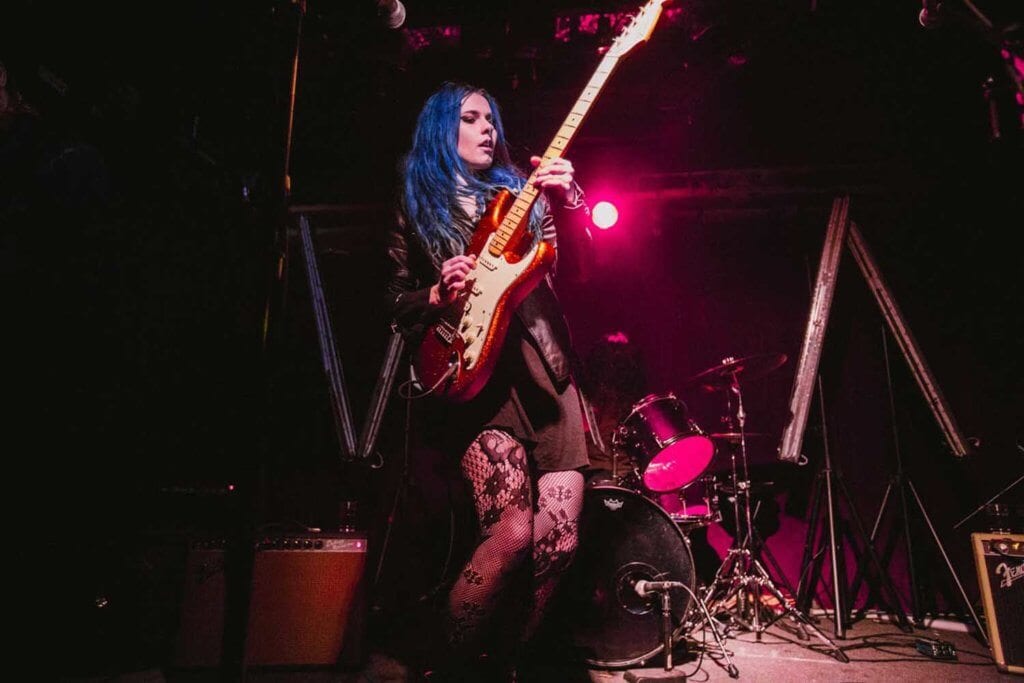
If we expand on the idea of using loopers as a means of regulating and streamlining personal rehearsal time, it’s not surprising that many artists commonly find these pedals to be the most useful, including Elizabeth Cannon of rock band Elizabeth II. Based out of Washington, DC, Cannon blends nostalgia, thunderous vocals, and bluesy guitar riffs—often times using a looper during practice to work on her improvisation skills.
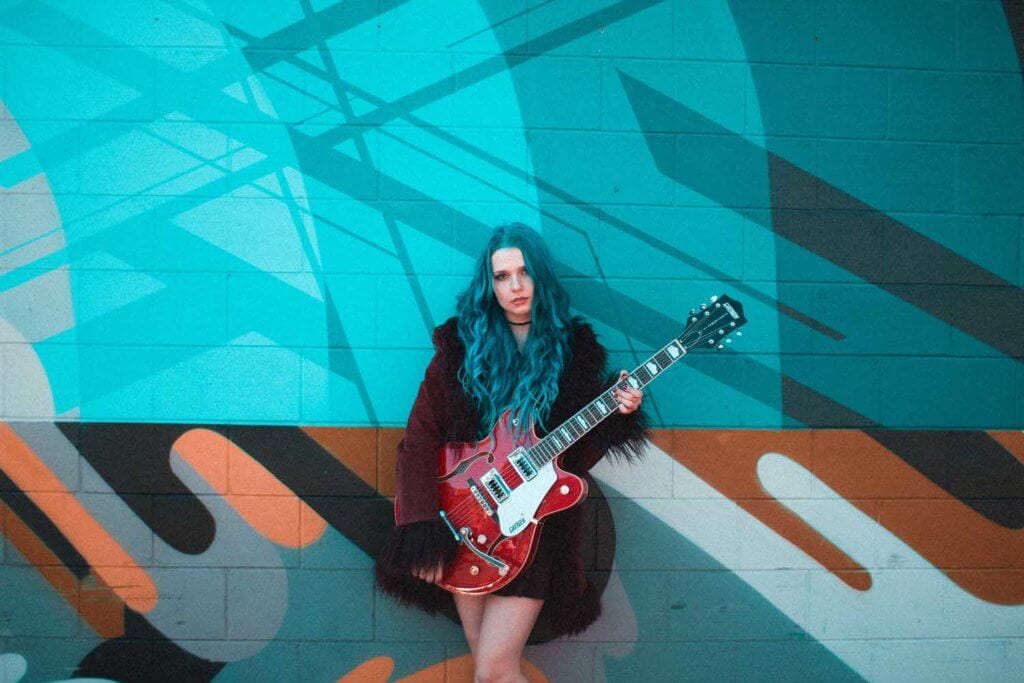
“I’ll loop different chord progressions and try out different licks I’ve learned in the context of those progressions,” says Cannon. “After I feel comfortable in a progression, I’ll try and improvise with the same set of licks in a different key, so my hands can get used to doing them all over the neck.”
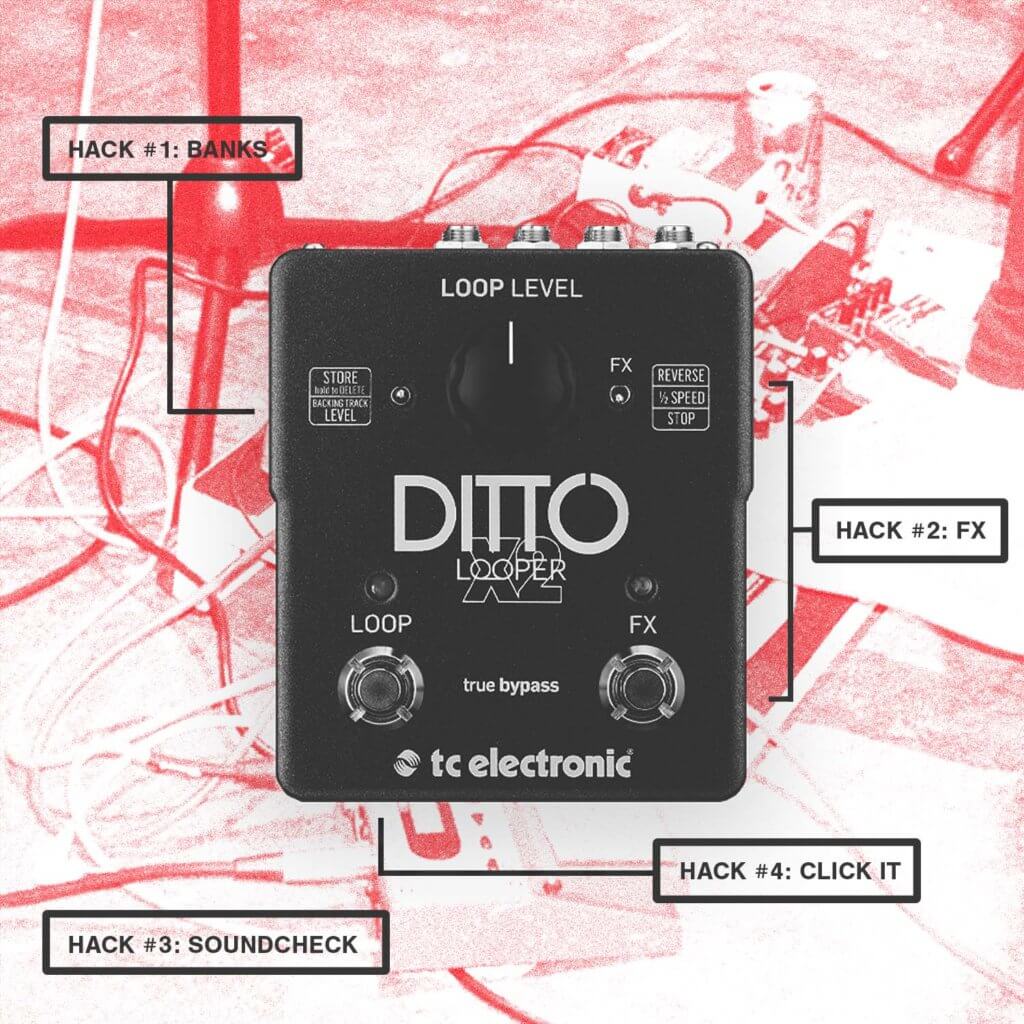
Reliable looper application in a performance setting can be a bit more nuanced, but these “Live Hacks” are meant to help improve your overall stage performance instead of just a specific song:
Hack #1 – Banks
If your looper pedal has onboard memory which allows you to save and recall loops, you can pre-program intros or ambient soundscapes to use onstage as transitions between songs.
Hack #2 – FX
If your looper has onboard effects like playback speed and reverse, you can integrate these effects into a live show to establish beats, rhythms, and grooves that could not be performed otherwise. For instance, you can begin recording the final progression of a song with a looper, but instead of playing it back normally, immediately play it back with gradually decreasing tempo and volume to execute the ever-elusive “live fade.”
Hack #3 – Soundcheck
Admittedly, this hack isn’t so much about changing your onstage performance as it is about helping you find the right gear to use onstage. You can bring a looper pedal along while shopping for an amp or guitar to really listen to what an audience member will hear out of your potential new purchase. Loop yourself playing a variety of common styles and textures and then step back to most effectively evaluate how well that equipment handles your individual playing style. If your looper has banks, you can save loops featuring guitars with different pickup configurations and scale lengths, then easily toggle between them to hear how everything interacts as it fills the room.
Hack #4 – Click It
The best way to improve your onstage use of a looper is to extensively practice the required footwork at home. “The biggest advice that I have for musicians just beginning to use loopers is to use a metronome at first when practicing with one,” says Cannon. “It’s a great way to develop your innate sense of timing to ensure loops always sync with each other. It’s a bit tedious at first, but the more you work with it, the more you’ll passively think about it and your looping abilities will feel more natural.”
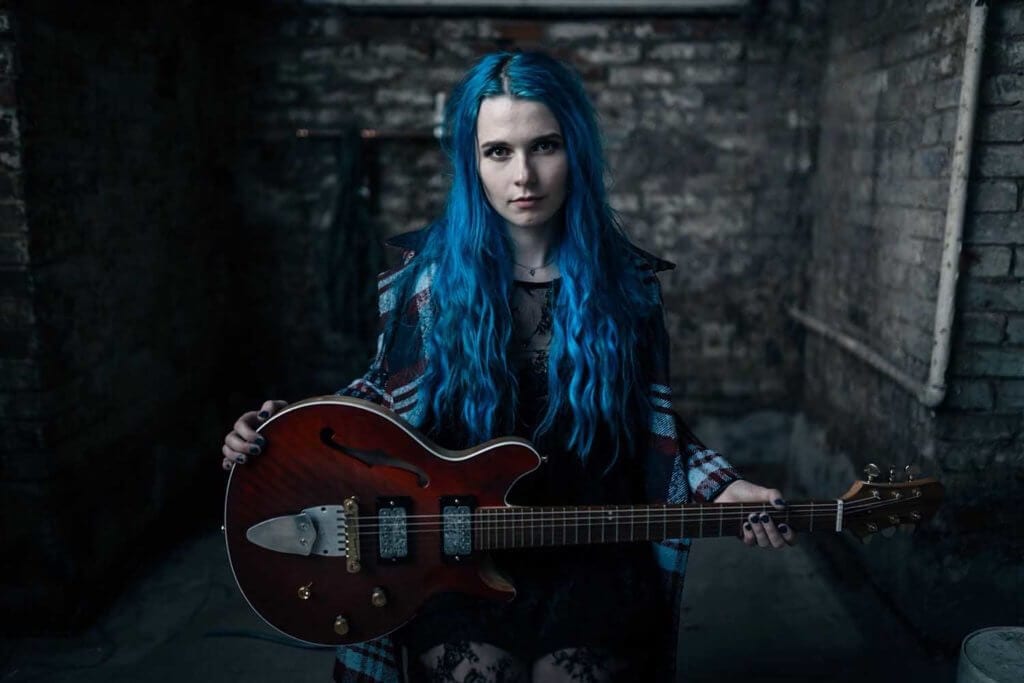
Although all loopers essentially offer the same service (record, playback, overdub) regardless of manufacturer, the most practical application of each model depends on the included features.
The Digitech JamMan Express XT, Hotone Skyline Wally+, and original or mini TC Electronic Ditto are among the most affordable loopers on the market. Their single-footswitch construction and reasonable sizes make immediate exploration easy without a steep learning curve.
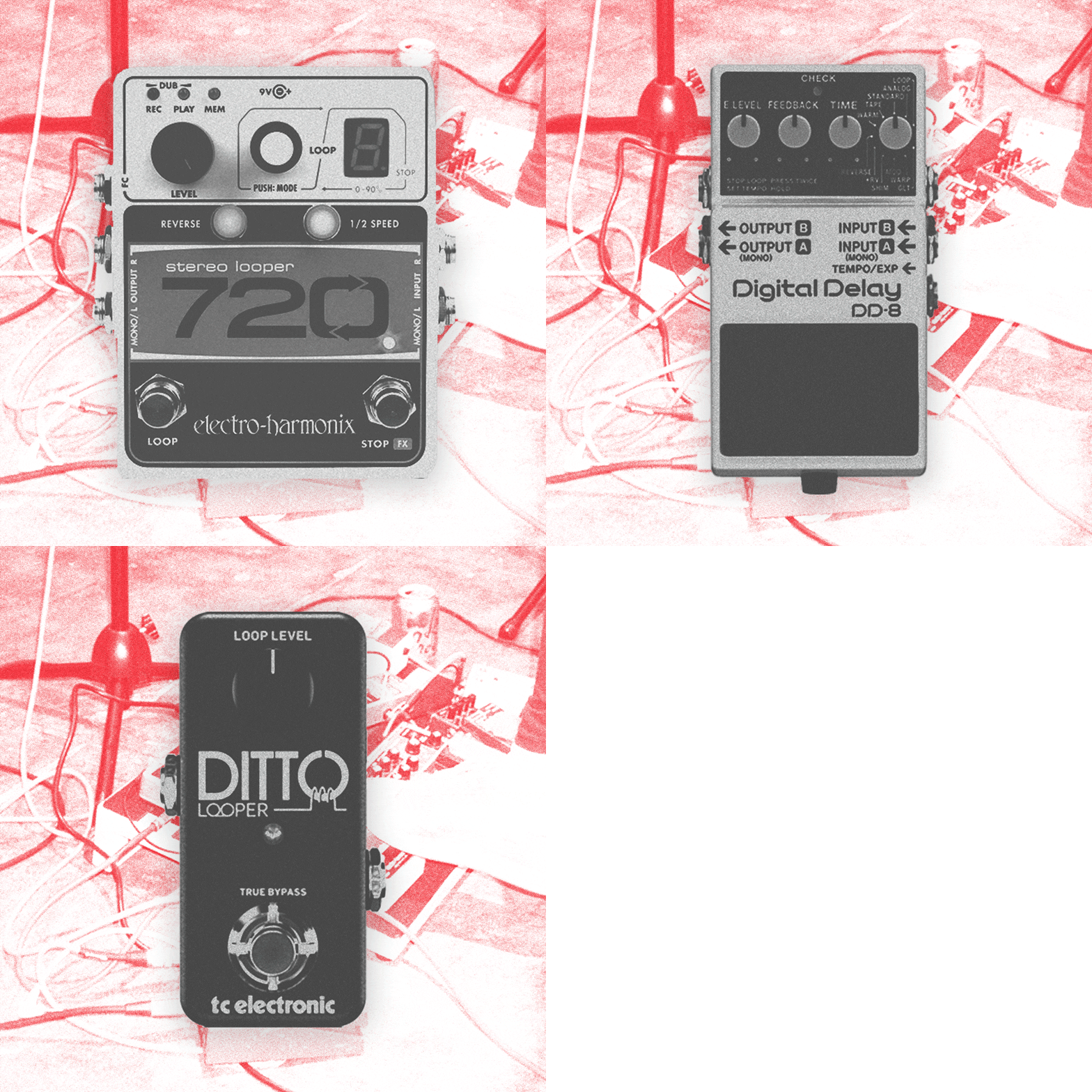
Conversely, models like the Electro-Harmonix 720, TC Electronic Ditto X2, and even the Line 6 multi-fx M9 are generally more suitable for live use because of their storage capabilities and multiple footswitches with dedicated ‘stop’ or ‘undo’ functions.
It should also be noted that if you currently use one of the digital delay offerings from brands like Boss, TC Electronic, or Electro-Harmonix, you might already have a looper at your disposal! As Cannon described, “the pedal that got me into loopers was my Boss DD-8 Digital Delay pedal that had a looper imbedded in it.” Most digital delays that are loaded with variable modes are likely to have a loop mode, which offers around 60 seconds of available loop time. These multi-function delay pedals don’t require an upfront investment in a dedicated looper, but they might just be the invitation down the looping rabbit hole that you need!.
While Billie Eilish may have swept the top categories at last night’s 62nd Grammy Awards, let’s not forget that the award show is not the be-all-end-all of music (in our opinion), specifically when it comes to representation.
We sat down and counted through all of the artists that received nominations and/or awards to break down key numbers in terms of women, and especially women of color.
Out of 84 total categories:
Out of 396 nominees
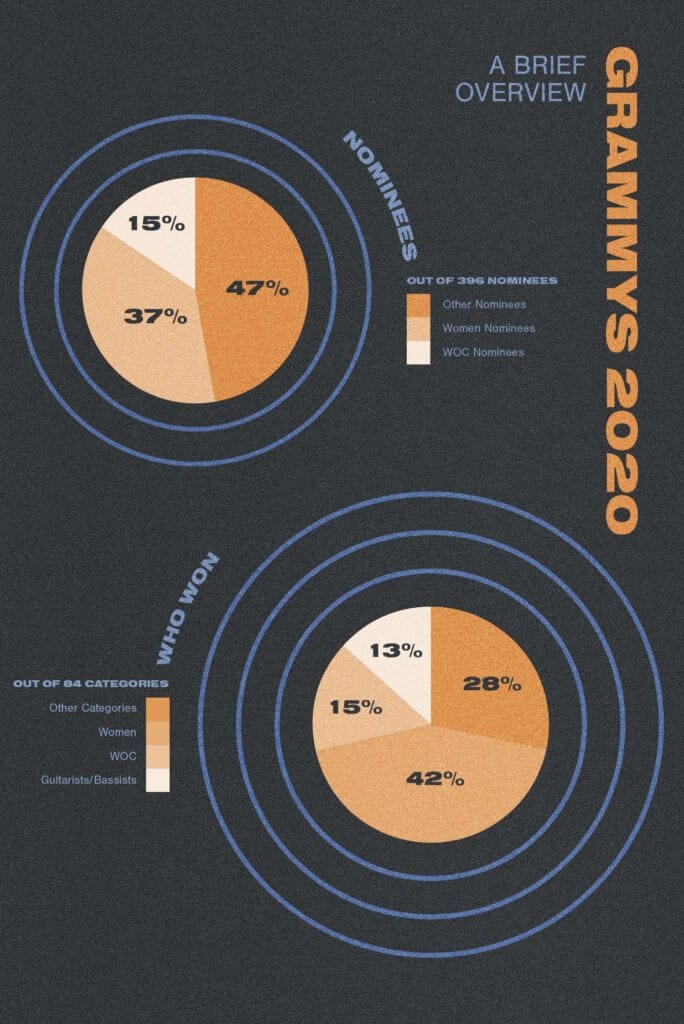
Women generally seemed to be on an equal playing field at this year’s Grammys; however, despite the considerable presense of Lizzo, H.E.R., Ariana Grande, and Rosalía, the Recording Academy still needs to step it up when it comes to the overall recognition of women of color.
And you better believe that we also took note of where the inclusion of women was specifically lacking. Below are a few categories in which ZERO women were nominated:
In 2019 the incredibly Emily Lazar was the first woman to have ever won an engineering grammy. We were also reminded by our friends in Summer Cannibals that a woman has never won Producer of the Year:
However, there were some major moments that might have been overlooked, including significant milestones, performances, and the guitarists and bassists that were nominated and/or awarded this year.
In 2019, H.E.R. was nominated for five Grammy Awards, and won Best R&B Performance (“Best Part” with Daniel Caesar) and Best R&B Album (H.E.R.).
This year, our queen was again nominated five times, including Album of the Year (I Used To Know Her), Record of the Year (Hard Place), Song of the Year (“Hard Place”), and Best R&B Performance and Best R&B Song (“Could’ve Been”).
While H.E.R. didn’t take home any awards this year, she gave an amazing performance of her latest single, “Sometimes.” And this week, it was announced that Pepsi will air a Super Bowl commercial featuring a performance of the Rolling Stones’ “Paint it Black” by H.E.R. and absolute legend Missy Elliot.
Mikayla Simpson, the 20-year-old Jamaican reggae musician and guitarist also known as Koffee, took home the award for Best Reggae Album for EP Rapture, marking her as both the youngest musician and first woman to be awarded in this category.
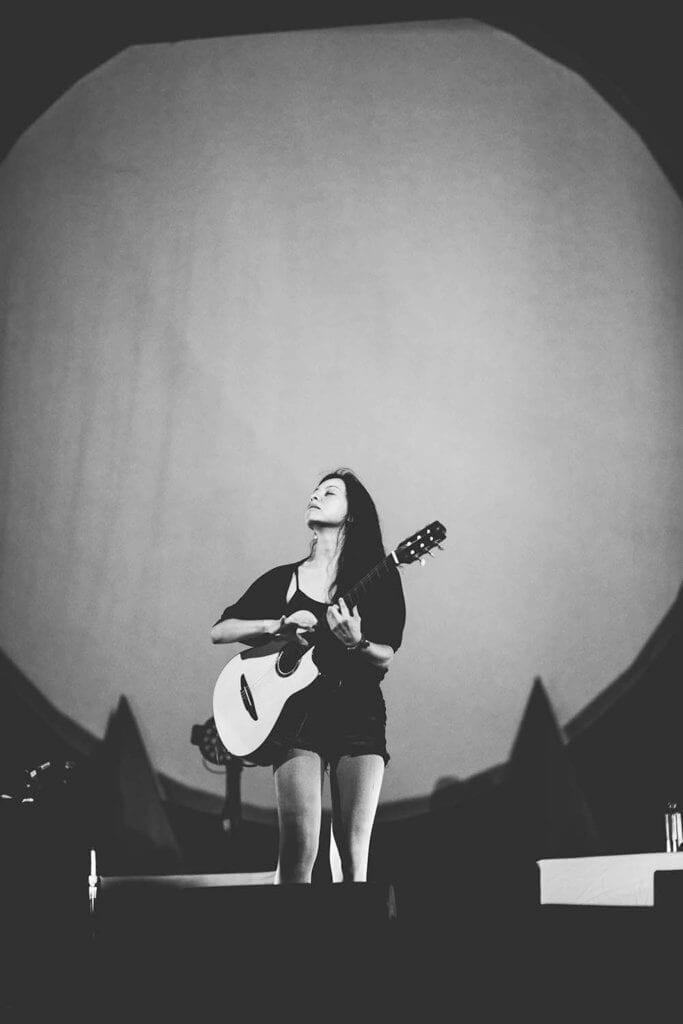
Gabriela Quintero is an acoustic guitar wizard, shredding in duo Rodrigo y Gabriela who took home their first Grammy Award for Best Instrumental Album for Mettavolution.
Back in 2014, Quintero was our Issue #5 cover artist, and we’re so psyched to see her constantly on the rise! #knewyouwhen
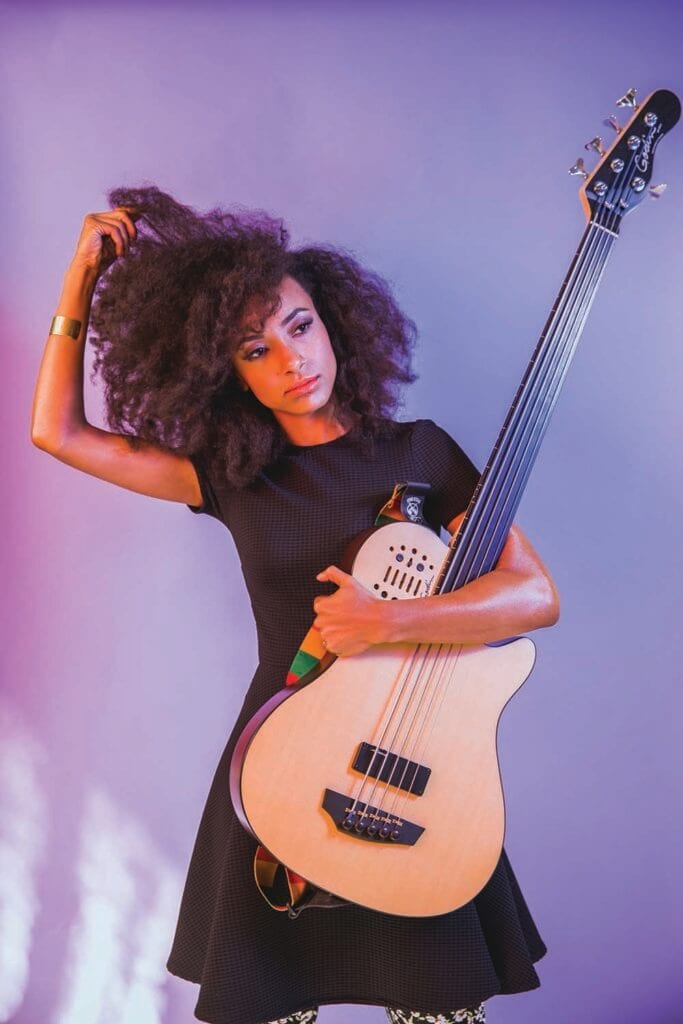
Esperanza Spaulding, our Issue #10 cover artist and one of our hometown heroes, took home the award for Best Jazz Vocal Album for 12 Little Spells.
This is the jazz bassist’s fourth Grammy win—she won Best New Artist in 2011 (making her the first jazz musician to ever win the award), and Best Jazz Vocal Album (Radio Music Society) and Best Instrumental Arrangement Accompanying (“City Of Roses”) in 2012—and we couldn’t be more psyched about it.
In her acceptance speech, Angelique Kidjo dedicated her award to nominee and Nigerian musician Burna Boy:
“The new generations of artists coming from Africa are gonna take you by storm—and the time has come. This is for Burna Boy. Burna Boy is among those young artists that come from Africa that is changing the way our continent is perceived, and they way that African music has been the bedrock to every music.”
Burna Boy’s nomination was a major milestone for contemporary African music, and this was not lost on Kidjo, who won her fifth Grammy last night for Best World Music for album Celia.

In Part One of this series, we discussed some simple steps to get you started in the world of selling musical gear via the internet. In Part Two, we’ll expand on some points we mentioned previously, including making a listing on Reverb, negotiating your price with potential buyers, and getting your gear ready to ship once you’ve sealed the deal.

This is your opportunity to put your best foot forward and make that gear look really good to potential buyers. To create a brand new listing, you can find the ‘Sell’ button in the top right-hand toolbar of Reverb or at the bottom of the Reverb app.
You’ll start by typing in what kind of gear you’re selling into the search bar (just like you would a search engine) and Reverb will search its database for product information. If you find a match, clicking on ‘Sell One Like This’ will autofill any applicable information Reverb has on the backend. And if you don’t find a match, that’s alright! It’s very simple to manually fill in the form. Just click on ‘Can’t Find it? Start a listing from scratch’ under the search bar.
With those main details squared away, let’s move on to what comes next in your listing!
Photos are an integral part of an effective listing. “Nothing helps your gear sell like good photos,” said Dan Orkin, Director of Content and International Marketing at Reverb. “Luckily, all you need is a smartphone and some thoughtful scene-setting to get great pictures. Clear, well-lit photos where the items are centered tend to perform best. Prospective buyers also like to see a lot of photos of the gear from multiple angles.”
When taking photos of the gear you’re selling, it will always benefit you to take a moment to be intentional about your presentation. As buyers scroll through listings, their first impression will be almost entirely visual, and a nice representation of your cool gear will ensure that buyers come knocking.
I can’t emphasize enough how honesty will bring you the most success and the least amount of trouble when forming your product descriptions. Consider what you’d want to know if you were the buyer—this is where a well-rounded and accurate statement can really drive the point home that your gear is “the one.”
“When describing the gear you’re selling, think through every potential question a buyer might have,” says Orkin. “Be detailed and thorough so that anyone reading it can understand just how great the gear is. Start with the most important info first and use bullet points where you can.”
The product description is an excellent place to tell the story of your gear, too: a guitar you’ve taken on the road for years, a pedal that brought your sound to the next level, or a synth that reminds you of the tones on a record you love. We all know how emotional and connective music is; instruments and gear help facilitate your ideas and give them new life—something every musician can relate to. That little extra bit of magic might be just what the buyer needs to commit to purchasing your gear.
It’s critical to keep your wording and text presentation professional. Everyone can spot spam-like text these days; typos, errors, and dramatic emphasis can come off irksome and unappealing, with the potential to drive your buyer away. Again, the representation of your gear is about putting your best foot forward, and taking the time to follow these tips will have you off to a great start!
Last but not least, when you make your listing, there is an entire section dedicated to shipping. You have two options (or both) to choose from: ‘Shipping’ (mail the gear to the buyer), or ‘Local Pickup’ (allow a local buyer to come retrieve the item from you for no shipping charge). The shipping charge is listed separately from the asking price of your gear, but is included in the collective total.
Reverb has your back when it comes to deciding what to charge for shipping. Below the shipping options is a label estimator that can help you more accurately decide what will cover the cost of packaging and mailing your product to your buyer via USPS, FedEx, UPS, or whatever company you prefer. By typing in your zip code, the destination, and the package weight and dimensions, Reverb gives you an estimate to include in your listing. The website even allows for you to select an example measurement of what kind of product you’ll be shipping for convenience and in case you don’t have a scale handy to know exactly what you’re working with.
You have the option of multiple shipping rates depending on whether or not the buyer is in the continental United States. There’s even an option for ‘Everywhere Else’ which can be more specific, such as your expected shipping rates to Europe, South America, or anywhere else.

At this point, if all went according to plan, you now have your item posted on Reverb, with the condition listed as the most accurate assessment while keeping the buyer’s contentment in mind. By using the Reverb Price Guide that we discussed in Part One, your listing should be at a price point both fair to you according to the market in real-time, and (fingers crossed) enticing to the people viewing it.
Negotiating on Reverb is not a necessity, but it’s highly recommended. You have the option to opt-in as you’re creating your listing by clicking on the ‘Accepts Offers’ box. By doing so, you’re opening up a door for more buyers to interact and ask questions— plus, listings that accept offers tend to sell 1.5 to 2x faster than those that don’t. “When it comes to buying and selling used gear, negotiation is generally an expected part of the process,” says Orkin.
If someone sends you an offer that doesn’t quite work for you, you can reference the handy Price Guide and send back a counter-offer that fits. Reverb reports that nearly 40% of counter offers lead to a sale, and both parties involved can walk away feeling satisfied. Knowledge is power when it comes to feeling comfortable in negotiating. Knowing what your gear is worth puts you in a good place to receive what you hoped for, and flexibility aids in completing the sale. Reverb puts some great tools into the hands of both the buyer and the seller—use them to your advantage!
For an additional boost, Reverb also allows you to ‘bump’ your listing in the search queue, maximizing its potential to sell. You can set your own rate with this by adjusting the percentage (up to an additional 5%) that Reverb receives in the event that your gear sells. You’ll know the exact amount you’ll be paying, and you’ll only pay when the sale of your item is processed. The higher the rate, the more people that see your listing.

Hooray, your gear has sold! Reverb is processing the payment and you’ve got the green light to ship your item. But before we drop it in the mail, let’s touch on shipping methods.
If you’re wondering how you’re gonna fit your whole drum set into a post-friendly package, or how to properly pack a guitar without a hard-shell case, once again Reverb makes it really simple to get started with their Shipping Guide and International Shipping Guide. There are outlines and instructional videos for all sorts of commonly traded instruments and gear to help you safely and confidently prepare your product for its journey, as well as FAQs for shipping internationally. Hope you’ve got your tape and bubble wrap on hand!
In the past I’ve used other websites to print shipping labels from home to avoid the boredom of the post office, but Reverb gives you the option to purchase and print Reverb Shipping Labels directly from their site. These labels help you save time, money, and protect your gear!
In fact, by printing labels through Reverb, you can also take advantage of their Safe Shipping system that protects you and your gear from any damage your gear might endure en route. Safe Shipping will cover the cost of any necessary repairs or even reimburse you for the sale amount if your package is lost—all for a fraction of the price of the gear you’ve sold. If anything is lost or damaged during shipping, Reverb’s support team will help resolve the issue quickly.
When the time comes, congratulations on your first sale! Reverb keeps the process incredibly simple and helps you be informed throughout each step, and I don’t doubt you’ll quickly become fluent in buying and selling used gear. Catch you on the search page, and be careful you don’t get too good at listing your used gear—I’m a sucker for fun toys and will buy all your stuff!
Brandee Younger was once determined to bring her harp into unconventional places. Not the easiest to carry around, the acclaimed musician has played the harp in studios, bars, and other places with the cumbersomely large instrument—often having to carry it up and down flights of stairs.
The morning of our interview, Facebook’s “On This Day” feature brought up a seven-year-old photo of Younger and her harp underneath the Brooklyn Bridge, before her gig at Fat Cat later that evening. For Younger, she wanted to show the versatility of the instrument: “I want people to know that the harp can belong anywhere. We don’t have a ‘place.’”
While many people may only associate the instrument with classical music, Younger is one of several contemporary harpists to play jazz and other musical stylings on the instrument. The self-managed musician is the founder of the Brandee Younger Quartet, and has performed alongside a broad spectrum of artists including Ravi Coltrane, John Legend, The Roots, and Lauryn Hill, to name a few, as well as a variety of acclaimed symphonies and orchestras. Her original music has been featured on Beyoncé’s Netflix documentary, Homecoming, as well as HBO’s TV series, Random Acts of Flyness.
But Younger’s not just about playing jazz or classical music: “I didn’t want to only play Bach. I wanted to play what I heard on the radio. I just wanted the harp to become more relevant in music and not just be limited to classical and Celtic music.”
When Younger started playing harp as a child, she wore out the Alice Coltrane CD her parents gave her. She remembers thinking, “This sounds way cooler than my method book—I want to do this one day.” Before Google made finding information more accessible, Younger went on a quest to find Coltrane, even asking acquaintance and legendary trumpet player, Clark Terry, how to contact her—but to no avail.
After high school, Brandee studied harp and music business at the Hartt School of the University of Hartford, and then attended New York University for graduate school. At the same time, she also joined the faculty in the Hartt School Community Division and began developing working relationships with musicians like Slide Hampton and Ryan Leslie.
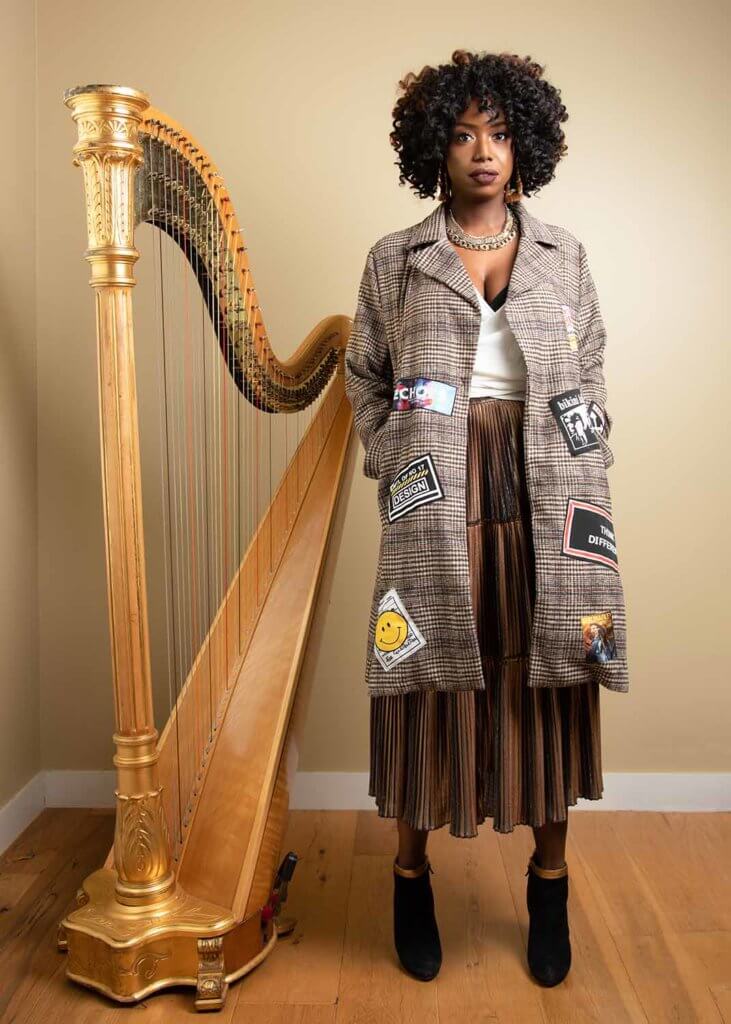
In 2007, Ravi Coltrane asked Younger to play in an ensemble at the Ascension Ceremony in honor of of his mother, Alice Coltrane, who had died earlier that year. The opportunity was monumental to Younger’s career, who was only 22-years-old at the time, but not in the way she expected. “It was a point for me to realize, and accept in myself, that I knew I didn’t want a career as an orchestral harpist,” says Younger. “Up to that point, I was dipping my hand in everything—jazz, lots of orchestra, top 40—but this narrowed it down for me. You play this odd instrument but you are not sure where you are able to fit in, or what you can do with it. But it was a moment where I definitely wanted to go in this [jazz and non-classical] direction.”
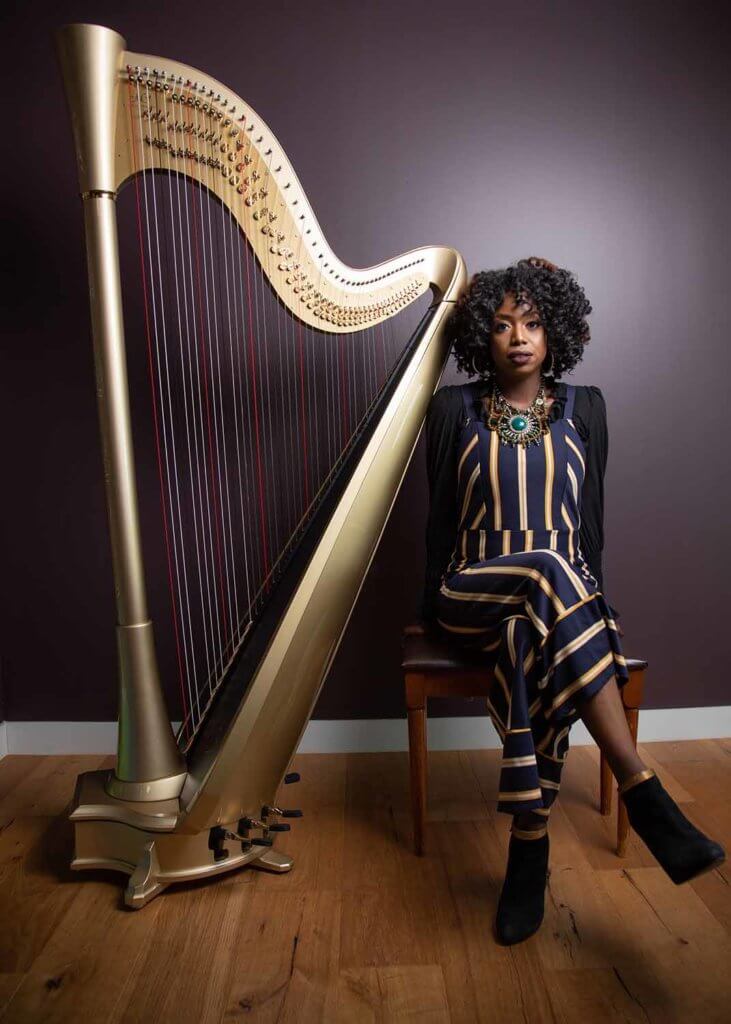
In 2011, Younger released her first EP, Prelude, followed by 2014’s Live At The Breeding Ground and 2016’s critically acclaimed Wax & Wane. Last year, Younger independently released the album Soul Awakening six years after completion—the very first album recorded by her own ensemble and including performances by her jazz mentors, Ravi Coltrane and Antoine Roney. A 2019 NY Times blurb claimed that Younger “has almost single-handedly made a persuasive argument for the harp’s role in contemporary jazz,” but with a “a hip hop mentality,” which Younger claims was major in terms of finally feeling seen musically.
Several songs on Soul Awakening, most notably “Games” and “Blue Nile,” pay direct homage to Younger’s harp heroes, Alice Coltrane and Dorothy Ashby, who paved the way for future women jazz players and harpists.
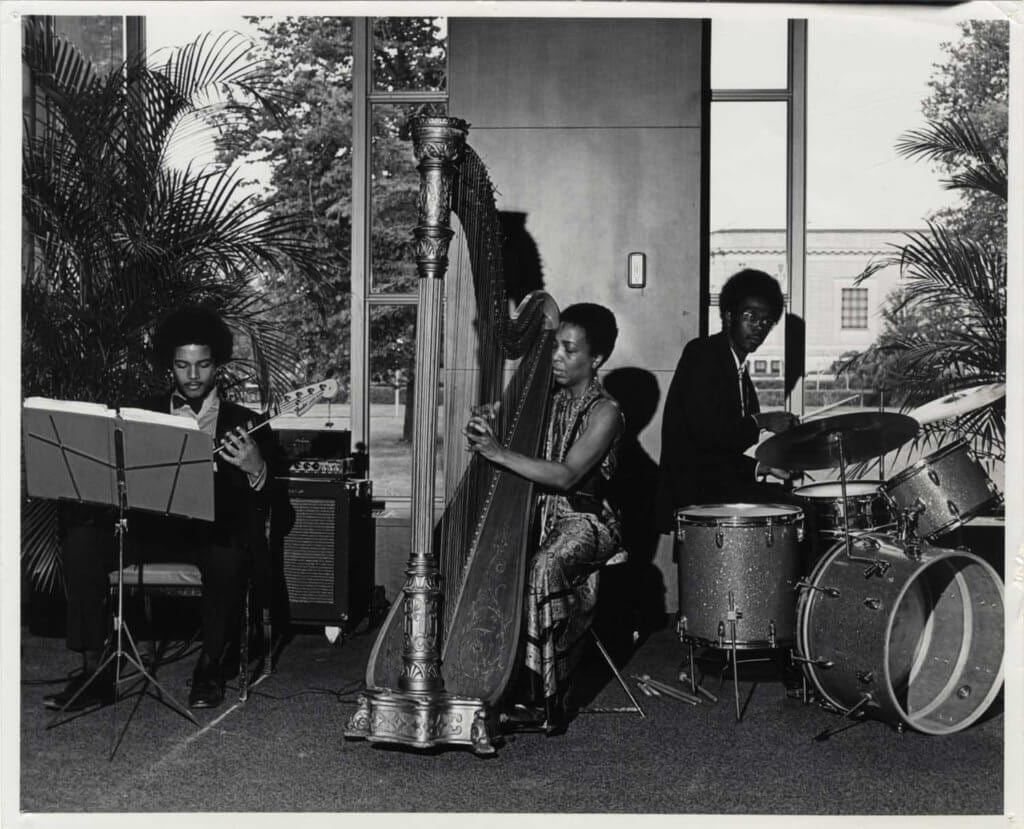
Described by Younger as a “musical goldmine,” Dorothy Ashby (1932-1986) was raised in a Detroit home filled with jazz, thanks to her father, guitarist Wiley Thompson. Ashby played several instruments growing up, including the saxophone and piano, but she mainly focused on the harp. “Nobody was doing what she was doing at that time,” says Younger. “No one is doing what she was doing now on the harp.”
Ashby produced 11 solo albums, including her most famous, 1968’s Afro-Harping. Along with her husband, John Ashby, she formed a theater group, best known as the Ashby Players, in which she created the music and lyrics, and which offered early theatre opportunities for black actors. The topics, Younger points out, “were about welfare and abortion, all the same issues that we are dealing with now in 2019.”
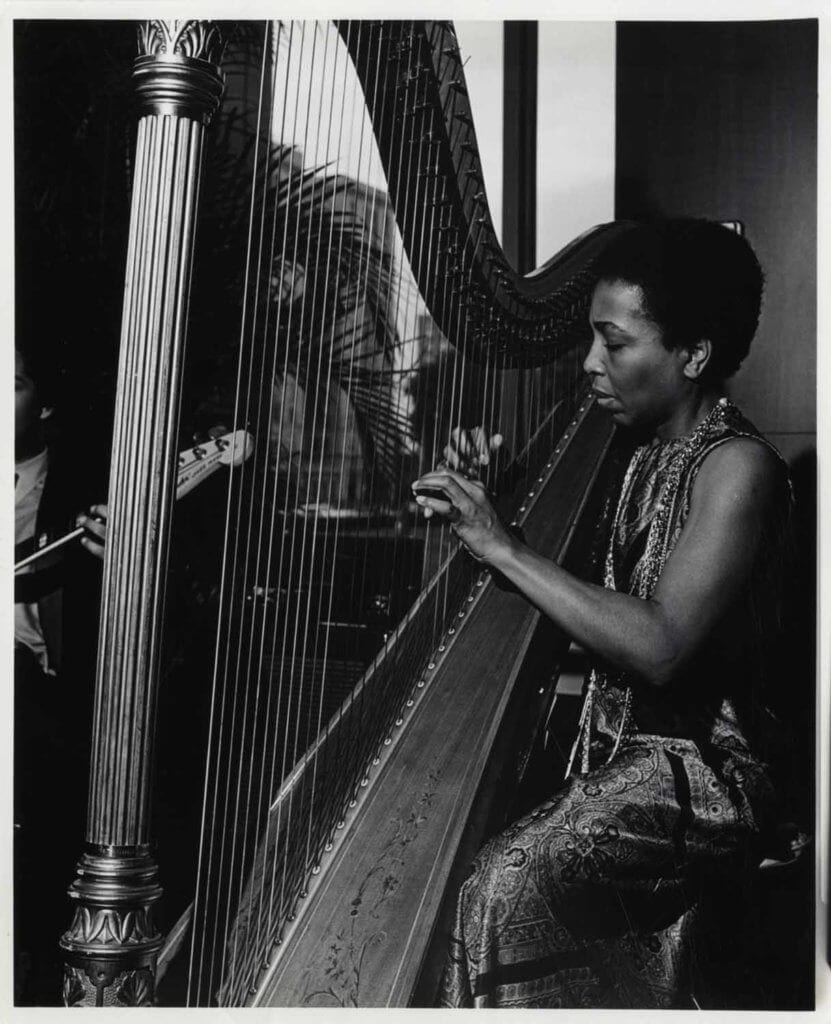
In the 1970s, Ashby was living in Los Angeles, working in recording studios and playing with pop artists, including Stevie Wonder and his song, “If It’s Magic,” featured on the 1976 album, Songs in the Key of Life. She passed away from cancer ten years later, leaving behind a legacy that expanded the capability of both the harp and black women in jazz. In a 1983 interview for the W. Royal Stokes book, Living the Jazz Life, Ashby remarked, “The audiences I was trying to reach were not interested in the harp, period—classical or otherwise—and they were certainly not interested in seeing a black woman playing the harp.”
Younger notes that for all of her genius and prolific work, Ashby never truly got her due, but people are finally catching on. Artists like Jay Z, Kayne West, and J Dilla were sampling her in the 1990s and beyond, and in hip hop sessions producers now ask for the “Dorothy vibe.”
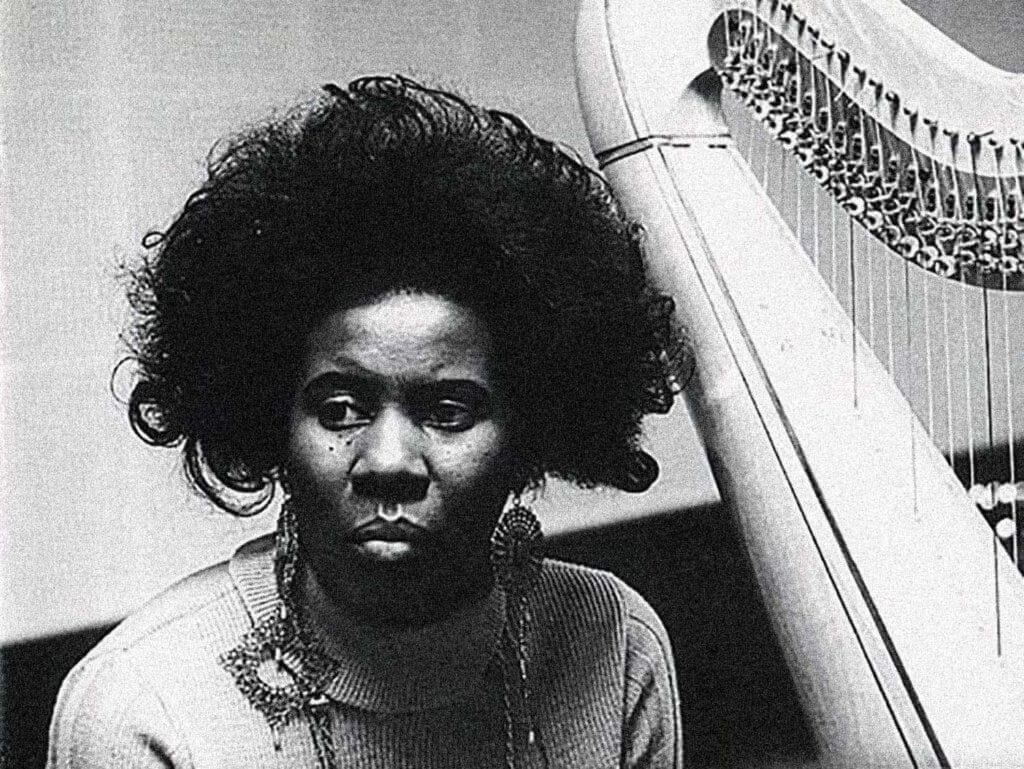
Alice Coltrane (1937-2007) started playing piano as a teenager in Detroit. She had a promising career ahead of her having already worked with Cannonball Adderley and other jazz legends before she was 20 years old. But it wouldn’t be until the early ‘60s, when she met and married legendary jazz saxophonist and composer John Coltrane, that she would find her calling.
In 1966, Coltrane joined her husband’s band as a pianist; however, a year later he passed away from liver cancer. The New Yorker noted that John had ordered a harp to add musical texture to his own music, but the instrument didn’t arrive until after his untimely death. In the midst of her grief, Coltrane began to play the harp, resulting in the beginning of an unparalleled jazz legacy.
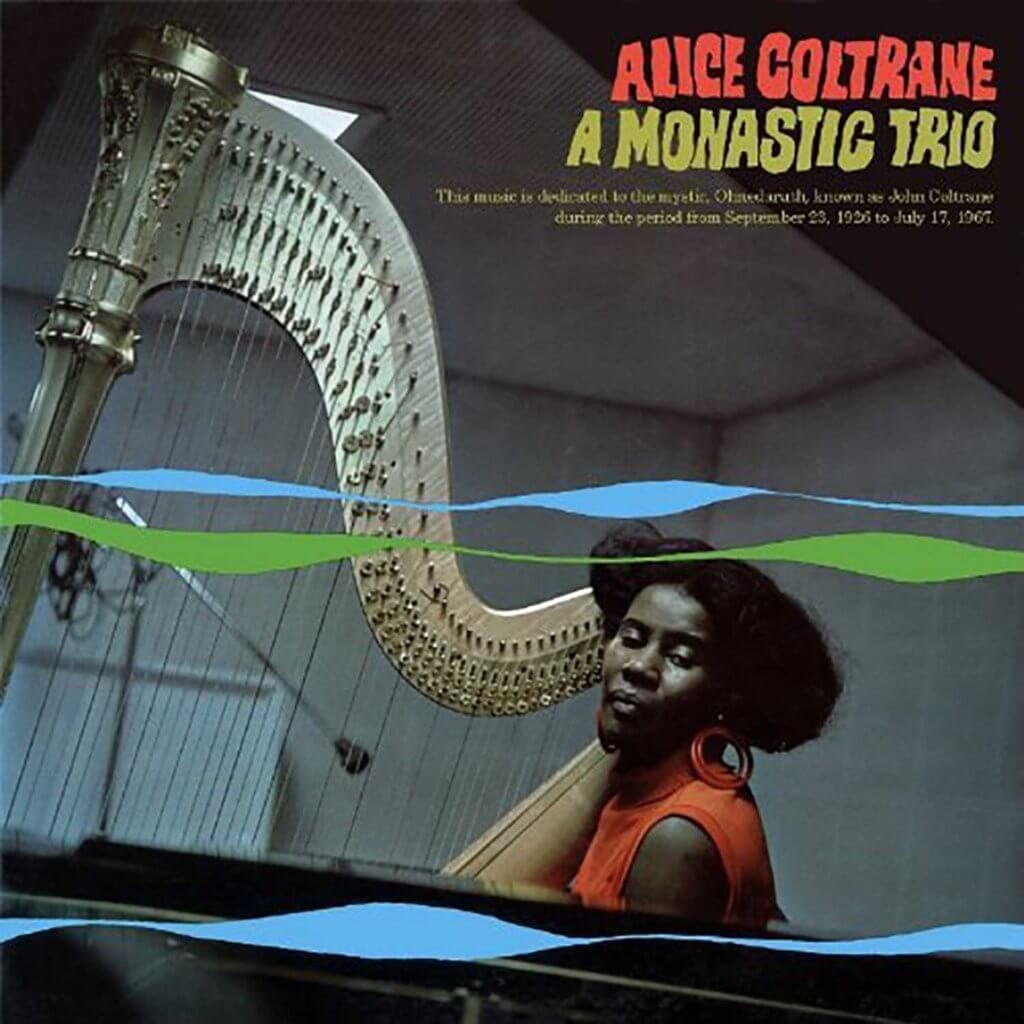
In 1970, Coltrane met Swami Satchidananda, a spiritual guru that changed her life. She traveled to India, changed her name to Alice Coltrane Turiyasangitananda, opened a spiritual center, and cultivated a community in Southern California. Her spiritualism resulted in a withdrawal from the professional music scene, only performing during her devotions and services. However, her son Ravi got her back into the recording studio one last time for 2004’s Translinear Light, one of the final albums of her career.
Despite releasing over 20 albums as a bandleader and changing the landscape of jazz and the harp’s role in it, Younger points out that Coltrane existed in the shadow of her husband—some even called her “Yoko Ono to John Coltrane’s Lennon.” But more and more artists are paying homage to Coltrane, including Radiohead, Björk, and Erykah Badu. And with Soul Awakening, Younger is working to give her idols their due. “I made a conscious decision 10 years ago that everything I do, in some shape or form, pay homage to Alice and Dorothy,” she says.
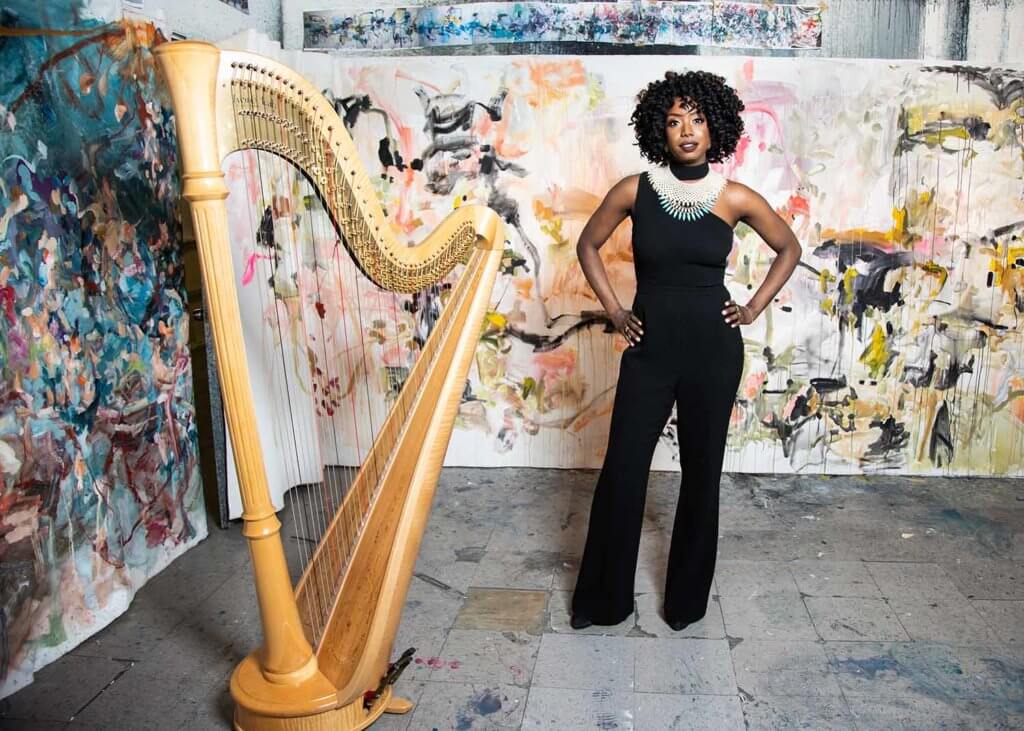
Today, the harp is finally finding its place with more musicians like Younger who use it to play diverse styles of music. In addition to Younger, there’s Carol Robbins, one of the few students to be accepted as a student by Ashby, and who has been in Billy Childs’ Jazz Chamber Ensemble since 1999; Zeena Parkins, a jazz and free improvisation harpist who has played with Björk, Yoko Ono, and many others; Lori Andrews, who has recorded eight albums and played for four presidents, as well as Oprah Winfrey and Frank Sinatra; Joanna Newsom, a classically trained harpist whose unique music styling is most often described as psychedelic folk; Mary Lattimore, who has released five solo albums and performed with notable artists such as Thurston Moore and Waxahatchee; and many more contemporary woman harpists.
Thanks to Dorothy Ashby and Alice Coltrane, who paved the way for today’s women harpists, the instrument has reached new levels. The two served as pioneers and role models on both a “cultural and musical level,” Younger says, noting the importance of representation. “They opened the door for me and so many other players.”
While picking up a guitar or bass for the first time can be daunting, left-handed musicians are faced with another challenge: to lefty or not to lefty?
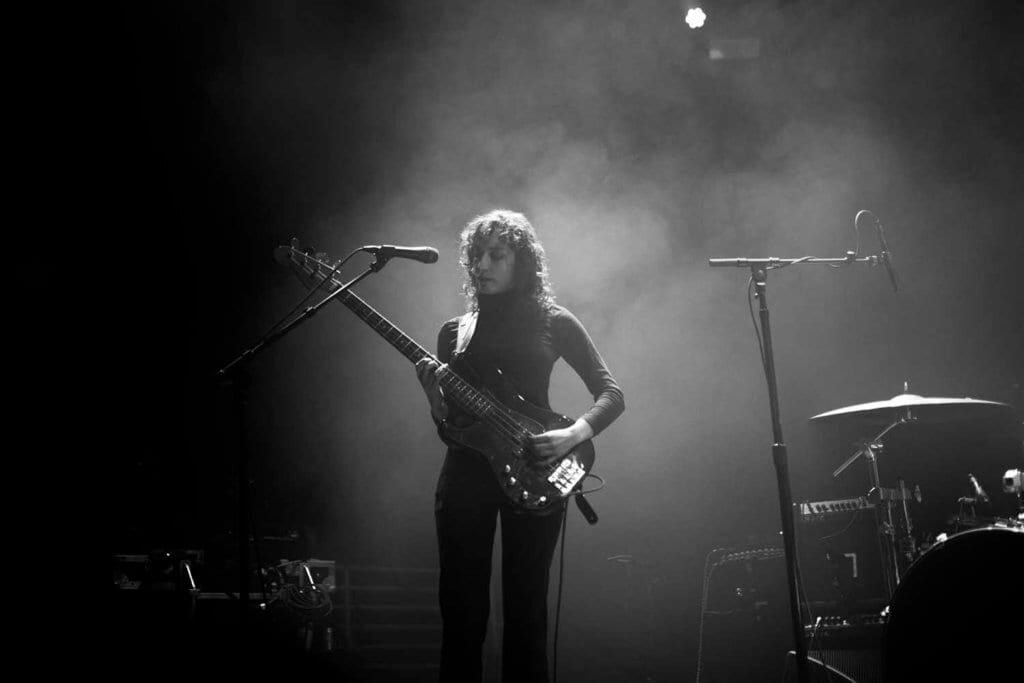
Some left-handed musicians commit to playing lefty despite instrument scarcity, while others force themselves to play righty in favor of convenience and accessibility. But lefty isn’t just a binary mirror of right-handed players—it opens up a range of alternative techniques. As a left-handed person who plays “standard lefty” (with an instrument designed to be played lefty), I was eager to hear from other left-handed musicians who deviate from the right-handed “norm.” I spoke with guitarists and bassists who play standard lefty, flipped lefty (a standard guitar or bass that is played upside down but not restrung), and righties who play lefty.
I’ve never doubted my decision to play standard lefty, but it has made me vulnerable to unique challenges. If I’m on tour with my band Corey Flood and something happens to my instrument, it’s unlikely I could easily borrow from another band or run into a music store and get something off the rack.
My current setup is an ‘80s Japanese Fender midscale lefty bass, but I’ve also experimented with flipping right-handed instruments. Desperate for a Fender Mustang, I took one to a luthier who flipped the nut, restrung it, added a strap button to the smaller horn, and rewired the volume and tone knobs. While I love my Mustang, the weight distribution takes a toll on my fretting hand, which also has to physically lift the neck while I play. Not to mention how annoying it is to have pedal inputs on the right side, which means trying not to trip over the instrument cable that’s crossed in front of you.
Despite all of this, I’m proud to be part of what feels like a ragtag team of southpaws. When you do find an instrument that works for you, it feels hard-earned. When you encounter another left-handed musician, you feel an immediate connection—and a little less alone. I spoke with Kathy Foster, Madeline McCormack, Shamir, and Cat Park about their gear, unusual challenges, and how their playing styles influence their musicianship.
What’s your set-up like?
I mostly play a Fender Telecaster guitar and Fender Jazz bass. Both are traditionally set up [as left-handed].
How would you describe your dexterity?
I’m right-handed in most things, but play guitar and bass left-handed.
Have you always played lefty?
When I first picked up a guitar, I tried to play it right-handed, but it felt so wrong. My left hand felt so contorted trying to form chords. I quickly flipped it upside down and it felt much more natural.
About a year later, I bought my own left-handed guitar—a 1970s Gibson SG, which I still have. Then I had to re-learn all the upside-down chords I knew right-side up.
What are some challenges you’ve faced as a lefty?
The biggest challenge is the limited selection. It’s really hard to find good left-handed guitars and basses. I always look whenever I’m in a music shop, even if I’m just there to buy drumsticks. Out of every hundred guitars in a shop, there will maybe be five lefties at the most, and they’re usually reissues of poor quality. It’s so frustrating! So I’m limited to what’s available. I very rarely see anything vintage. Fenders are reliable, sound good, and are relatively easy to find, so I went with the Telecaster and the Jazz bass. Both were new and pretty inexpensive. I’d really like to find a vintage hollow body or semi-hollow body guitar, but I’ve never seen one in any shop. I’ve seen a new reissue, but it was really cheaply made.
Do you think there are any unique benefits to playing lefty?
I can’t compare playing left-handed to playing right-handed because I can only do one, so I don’t know if there are any benefits to one over the other. I do think there are cool things to learn from playing a guitar or bass upside down. Something I’ve noticed while comparing playing upside down to right side up—with the strings in the reverse sequence—is that you can come up with chords and melodies you might never have come up with right-side up.
Do you have any advice for new players?
Once you realize you’re a lefty player, you start to notice other lefty players and how they play (this person plays a righty guitar upside down, that person plays a lefty guitar, that other person plays a righty guitar but strung lefty). It’s inspiring to see that there are many ways to play guitar.
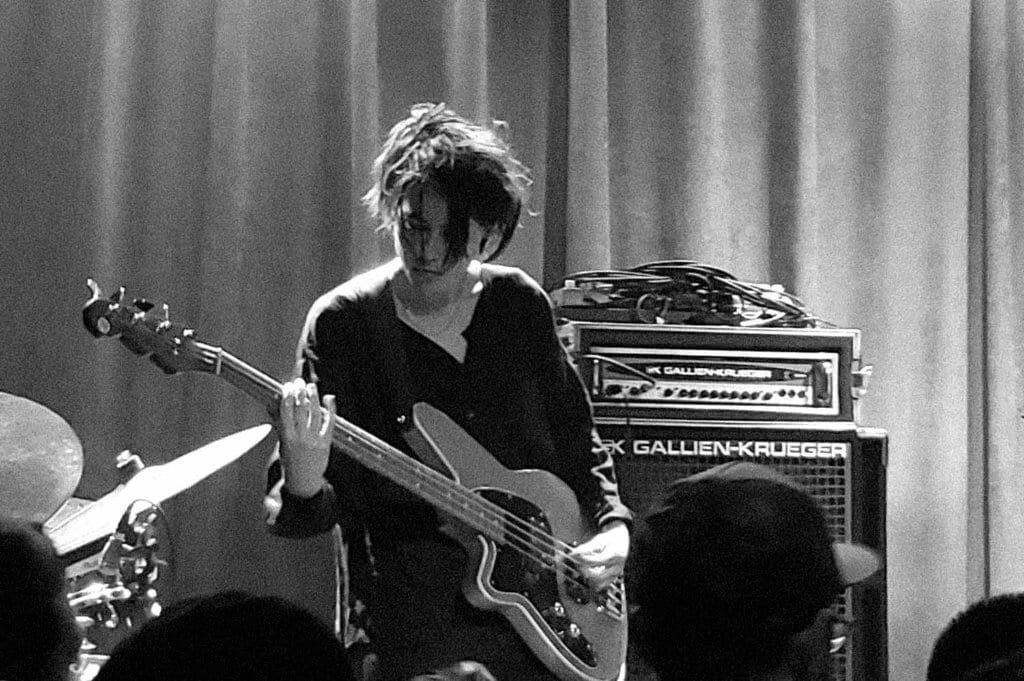
What’s your set-up like?
I play a left-handed Fender American Jazzmaster. My first real guitar was a left-handed electric hollow-body by Eastwood, then I bought a 1960s Hagstrom 1 and got it flipped [and restrung] to lefty.
How would you describe your dexterity?
I play guitar, bass, and write left-handed. But I throw primarily with my right hand and play drums—my primary instrument—in what you could call a right-handed or dominant positioning.
Have you always played lefty?
I began teaching myself guitar in elementary school with my brother’s right-handed, toyish nylon guitar. But I played it flipped upside-down and never questioned doing that.
What are some challenges you’ve faced as a lefty?
I’m not sure I have any sharp feelings about it—if anything, I feel grateful in some amorphous way. The only pet-peeve would be how much of a scour it has been in the past to find a left-handed model guitar or bass that I really love, which I don’t think is a unique obstacle for other left-handed players.
Do you think there are any unique benefits to playing lefty?
For people who write left-handed, I have always wondered how much playing left-handed instruments affects the physical nuance and affect in songwriting—I want to say there is potentially more fluidity and direct currents in playing a left-handed model or position. But I think playing in the opposite positioning could be a positive challenge as well, in terms of being placed outside of one’s immediate instincts.
Do you have any advice for new players?
Even though I didn’t have immediate access to a left-handed guitar, learning by playing a right-handed guitar upside-down kept me motivated because it was still a point of entry for me. So I think even working with that limitation can be worth it.
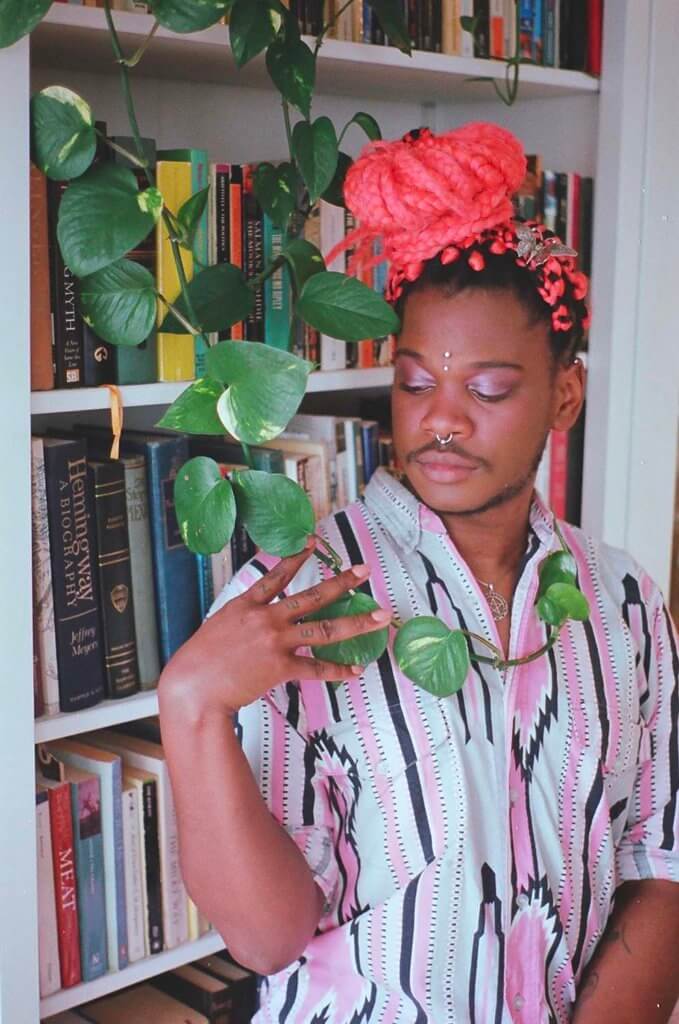
What’s your set-up like?
I play an upside-down, right-handed Danelectro.
How would you describe your dexterity?
I actually write with my right hand, but play right-handed guitars upside down as if they are lefty guitars. I also play bass and just about every other instrument that way.
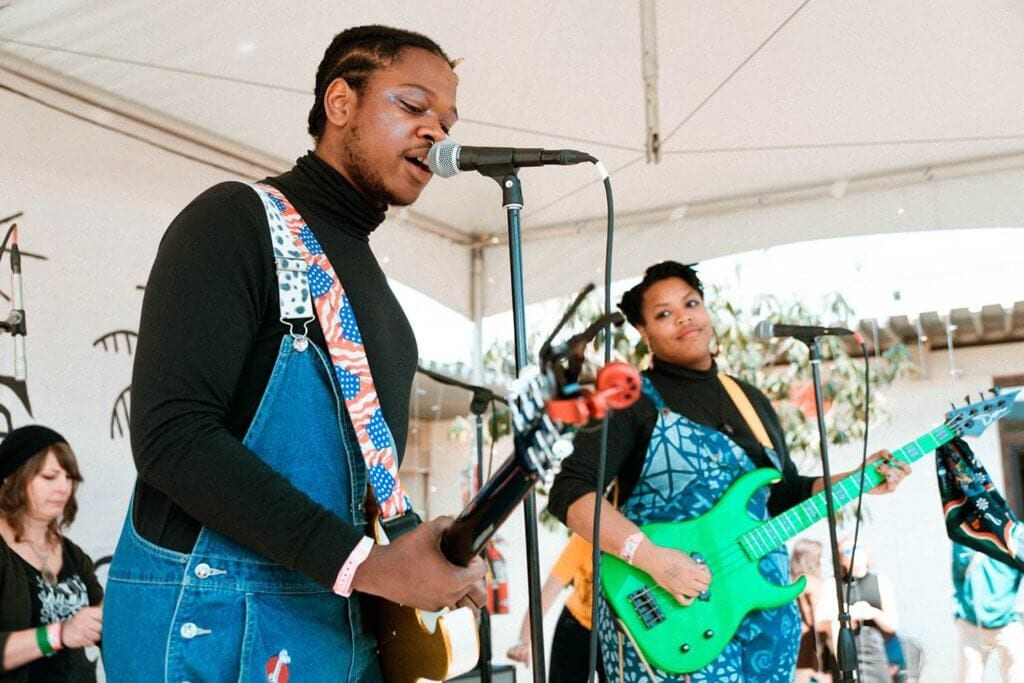
Have you always played lefty?
I was self-taught and my first guitar had no cutaway, so I had no idea I was holding the guitar upside down. It just always felt normal to have the thinnest strings on top. I didn’t know I was playing upside down until my seventh grade talent show when the dean of my school freaked out about it.
What are some challenges you’ve faced as a lefty?
I think my biggest challenge, since I play upside down, is that I can’t use the cutaway. Therefore, I can’t do “Guitar Hero” solos, but I think it’s made me a pretty damn good rhythm guitarist. Since I’m the only guitarist in my live band, it’s forced me to write with really intricate chords and riffs that also feel big.
I also hate when I accidentally hit the knobs on the guitar since they’re on top.
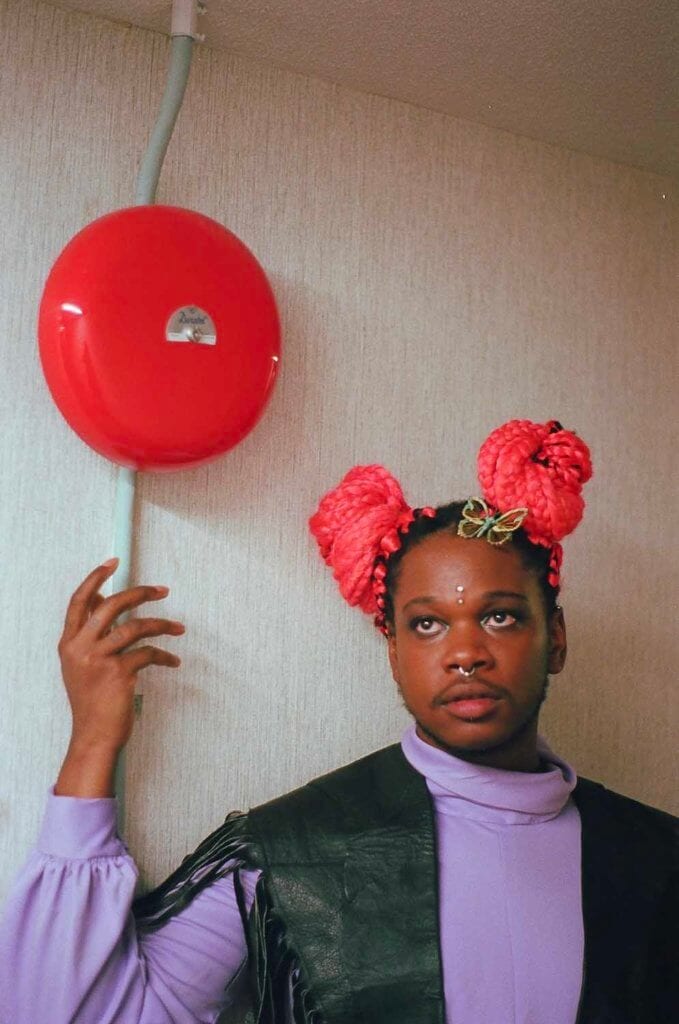
Do you think there are any unique benefits to playing lefty?
I definitely have certain riffs that can only be played upside down. It kind of limited me, but in a good way because I’m more creative when I feel limited or challenged.
Do you have any advice for new players?
Play however feels comfortable. Yes, it’s going to be a more expensive road, but you want to feel at home when you play guitar.
What’s your set-up like?
I have an Ampeg SVT Classic bass and an American Telecaster guitar, both flipped upside down.
How would you describe your dexterity?
I am right-handed, I just play left-handed.
Have you always played lefty?
My dad brought home an acoustic guitar when I was in middle school. It had no pickguard, no markings on it whatsoever. I played the clarinet and read treble clef, so it made sense to me that the lowest note was on the bottom. I didn’t hang out with cool kids so I had nobody telling me I was wrong.
What are some challenges you’ve faced as a lefty?
Throughout my years, there is always one man in the back who comes up to me and tries to explain to me, who has played this way, and inevitably names a friend of theirs to which I just nod along and say, “Oh cool.” I really don’t mind talking about it, but it’s just funny how similar the conversations are.
Do you think there are any unique benefits to playing lefty?
After getting over the fact that it’s weird, I believe it’s special. I can be playing the same chord as you but in an entirely different way. Just listening to my recordings, you can tell that something is a little different. The way I play adds something sonically special.
Do you have any advice for new players?
My advice is for lefties about to pick up a righty guitar: If I could go back in time and learn the correct way, I would. I would tell myself to not be so stubborn. I’m garbage at palm muting because my strumming hand is not my dominant one. I would be so much better if I had learned the correct way. I would say to have patience and to pick a side where you don’t bash into your bandmates headstock every show.
Imagine a world where everyone has the resources and education to play music. She Shreds has teamed up with Yousician, an interactive educational music app, with the hopes to continue creating a world where musical knowledge is widely available—and fun.

With the mission statement, “Making musicality as common as literacy,” Yousician shares music education with players of any skill level who have access to a smartphone, tablet, or computer. The app offers lessons on how to read music, build skills, and play popular songs. With no cables needed (and a built-in tuner), you can learn guitar, bass, ukulele, piano, and voice wherever you have access to a device, making it easier than ever to learn in a comfortable environment at an affordable price, on your own schedule.
In other words, Yousician is as addictive and entertaining as playing Guitar Hero, but with the added ability to adjust it based on your skill level, actually learn how to play an instrument, and take it with you wherever you go.
The Yousician service is built on audio signal processing technology that recognizes notes and chords through a device’s microphone. When you first begin, you are asked a few questions to assess your skill level and match you with an appropriate curriculum. The setup is similar to Guitar Hero: a ball bouncing on tabs, “cowboy” chords, or sheet music. You pick or strum along to the backing tracks of popular songs or new ones created by the Yousician team, and the program gives you real-time feedback on accuracy and timing while you play through thousands of lessons, workouts, and challenges. There are also video tutorials and a ‘practice mode’ to help you along the way. You also have the ability to control the tempo of the songs—slow it down while you learn, and speed it up as you progress.
Choose from two learning routes:
With the Yousician freemium model, one lesson per day is offered for free, but there is a limit on what songs you can play and how much you can do. With a paid subscription, unlimited lessons are available. However, the cost of the subscription depends on whether you’re looking to pay for one instrument or if you want the option to learn all of the offered instruments. If you’re interested in learning just a single instrument, there are monthly, quarterly, and annual subscription plans. If you’d like the option to learn all instruments, and learn popular songs by your favorite artists, the all-access price is $179.99 annually.
When compared to private music lessons, the program is an extremely affordable option. And right now, exclusively for She Shreds readers, Yousician is offering an extended free trial of their premium plus package for 14 days, which gives you access to unlimited lessons and songs on as many instruments as you want.

When I was 13, I taught myself how to play guitar by using only the internet and a System of a Down tab book—working with Yousician is definitely an upgrade for those looking to learn an instrument on their own terms. I enjoyed following the tab along, and controlling the tempo to slowly build up and practice finger placement. My favorite thing to practice was the arpeggios and sweeps in the workout mode. The interactive tab is color-coded so you know which finger to use, which is helpful when trying to figure out where to put your fingers with only numbered frets. The notes are shown next to the numbers, so you can learn what fret is what note. They also have a colorblind mode, which speaks to their statement of accessibility.
All in all, Yousician is a great resource for beginners to step into an instrument. Learning through an app is a good option for people with mobility issues, or those living in places that may be remote, unsupportive, and under-resourced. If you enjoy video games, learning at your own pace without the stress of getting to your lesson on time, or challenging yourself to practice, then this is a great app to try out. With an offering of a free two-week trial version for She Shreds readers, I definitely suggest giving it a shot to see if it’s right for you!
With our She Shreds Best of 2019 list, we decided to be a bit self indulgent—because what would New Years Eve be without some reflection, some hope, and a whole lot of indulgence?
We went through all of our online content from the last year and compiled a top 10 list of the most popular She Shreds articles of the year—read by you.
Thank you to our readers and subscribers for your continued support and hunger for content about women and nonbinary musicians; thank you to our writers for your talent and ability to bring our visions to life; and thank you to all the musicians, builders, industry workers, and others who are working tirelessly to create a better world in our little corner of the multiverse.
Happy New Year from the She Shreds crew! We can’t wait for you to see what we’re scheming for 2020.
The first in a three-part series, this article outlines the basics of synthesizers and guitars, highlighting their beginnings, how they were developed, and where they are today.
Written by Erin Ramona Martinez
Illustrations by Ashley Ronning
Behind the Scenes was a monthly series in which every month we interviewed women working behind the scenes in the guitar and music industry. For our first profile, we chatted with Anne Buchanan, Senior Vice President of Human Resources and Chief Human Resources Officer at Guitar Center.
Text by Alex Tyson
Photos and Design by Courtesy of Anne Buchanan and She Shreds Staff
We outlined just about everything you should consider when flying with a guitar in the North America. From your rights, to knowing airline policies and planes, to how to pack your guitar with care—you all seemed to really need this guide (no shade—so did we).
Written by Emily Harris
Photos by She Shreds
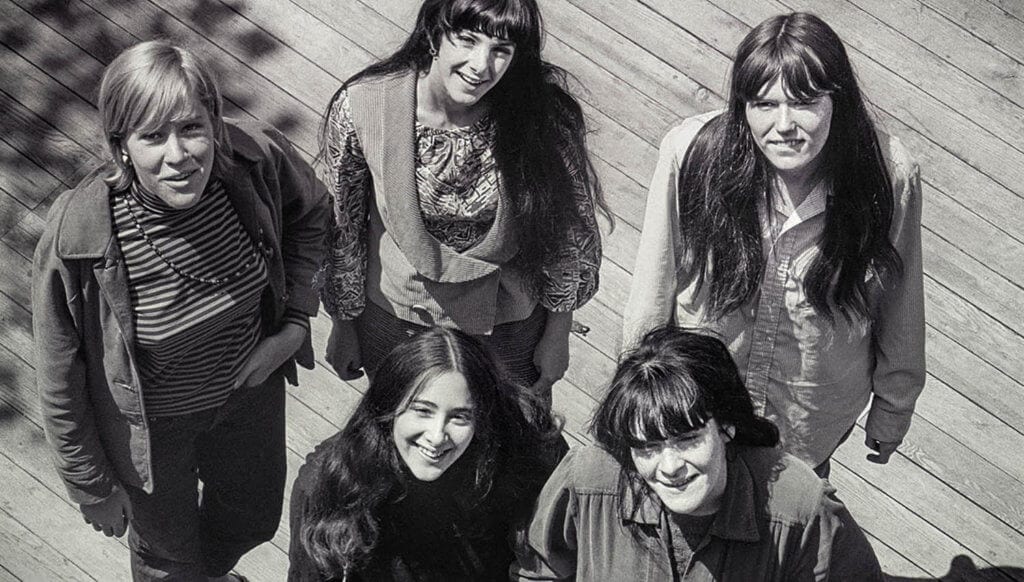
The title sums it all up, so here’s an excerpt for you in case you haven’t read this awesome overview of women in the jam band scene:
“The great thing about the jam scene is that we’re all open-minded. Everyone is willing to be on the cutting-edge of what is right, whether that be political, whether that be equality in any form,” says Kenny-Cincotta. “The fact is, once we start educating people and we all start elbowing our way to the table, the jam scene will be more diverse. It’s becoming more diverse everyday.”
– Quote from Raffaela Kenny-Cincotta, a music writer and Assistant Editor for Relix Magazine.
Written by Isabella Gomez
Photos by Steph Port, Lisa Law, and Jamie Soja
The third and final part of our Synthesizer Series that explores gear that can be used to transform your guitar sound into a synth! Is 2020 the year we all get freaky with synths? Based on the amount of you who read this series, it seems very likely!
Text by Erin Ramona Martinez
Illustrations by Ashley Ronning
This overview speaks to the varying string components that affect your tone, including changing your strings, assessing your tone, learning about tension, and picking the right strings.
Written by Erin Ramona Martinez
Design by She Shreds

Our interview with Nai Palm (Hiatus Kaiyote) originally appeared as the cover story of She Shreds Issue #16.
Once you offer art to the world it will hopefully, if it is timeless, continue to evolve and be reinvented in new contexts that have different meanings. There’s so much power and beauty in that, and that’s what I strive for with my own music. Some artists can be riddled with ego, but it’s not about that; it’s a blessing if you can contribute beauty to the world and if it can live externally from you and evolve and inspire.
– Nai Palm, “The Alchemy Behind Nai Palm’s Intuitive and Curious Techniques”
Text by Bailey Pennick
Photos by Lindsey Byrnes
In this guide, with help from our friends at Reverb, we take the mystery out of putting together your first pedal board, from the board itself to organizing your pedals.
Written by Erin Ramona Martinez
Photos and Design by She Shreds
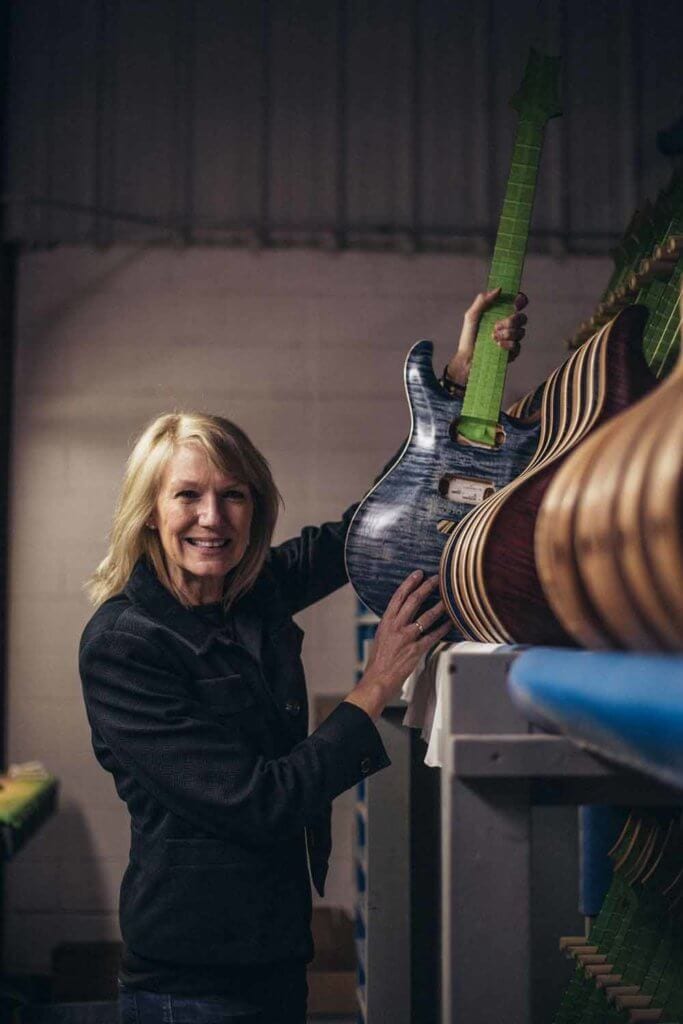
We highlighted some of the women that make Paul Reed Smith the success that it is.
“At PRS, there are 8 Directors, 5 of which are women. When you add in the full Senior Management, 45% are female. Women are involved in every part of PRS, and have been for many years: from operations, supply chain management, charitable fundraising, event management, artist relations, manufacturing, marketing, and public relations, women help drive PRS forward.”
– “Meet the Women Driving PRS Guitars Forward”
Written by Alex Tyson
Photos by Megan Lloyd
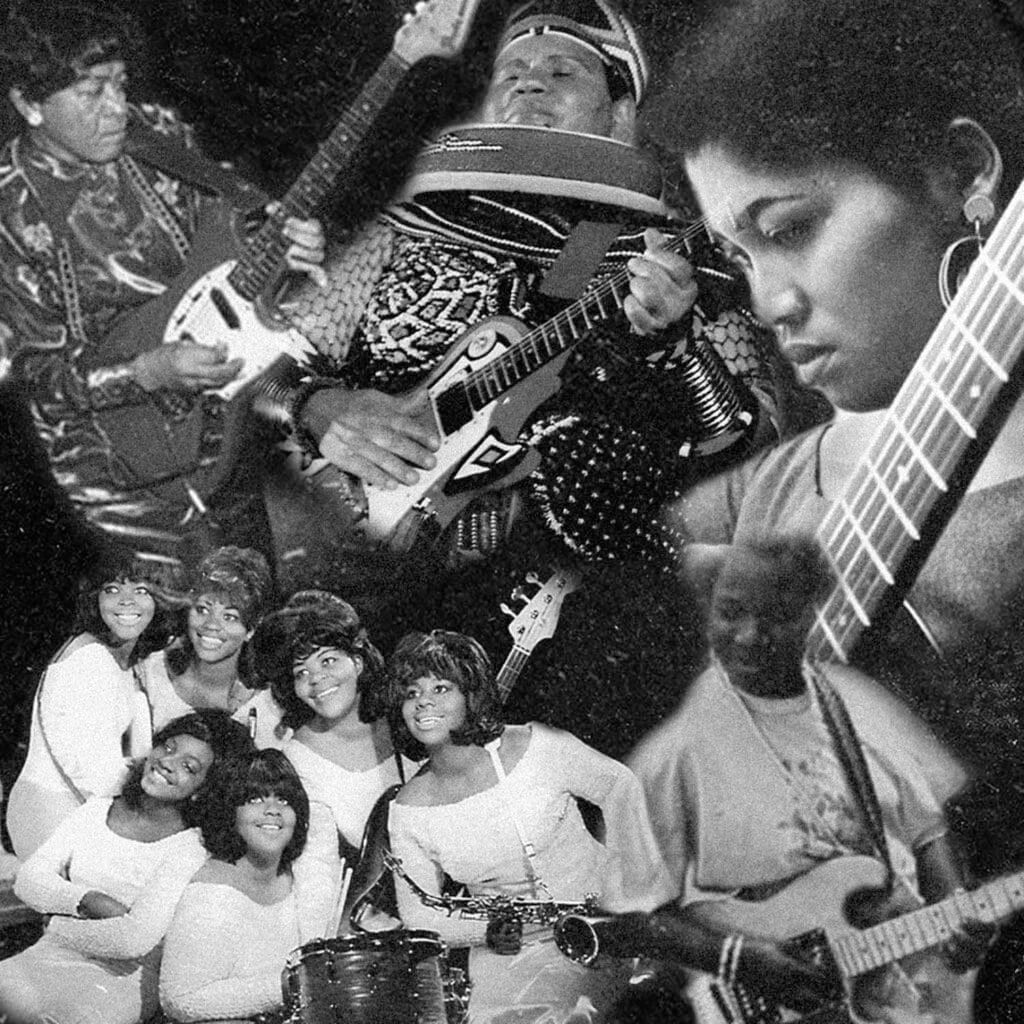
Finally (and we couldn’t be happier), our #1 post of the year is 50 Historic Black Women Guitarists and Bassists You Need to Know. Written by the She Shreds Staff, we chose to focus on black women guitarists and bassists from prior to 1999:
“This list is not to be brushed off as just another list. Rather, it should be treated as a step taken towards exposing the truth. It’s for all of us who aren’t able to count the names of black women guitarists in one hand. It’s for the young black girls aspiring to be musicians but seldom see a history that represents them. It is to learn about our past and evolve into our future, and without black history we cannot accurately do so.”
– “50 Historic Black Women Guitarists and Bassists You Need to Know“