Last week, in response to the protests against police brutality following the death of George Floyd, Fuller took to Facebook to criticize looters. His comments were not only tone deaf—ironic, coming from a company that prides itself on guitar tone—but also extremely offensive on multiple levels, including his prioritization of buildings over Black lives. When Fuller received an email from a concerned and righteously angry customer, he responded with hostility and threats:
Fuller posted an apology shortly after, and has since deleted the comments and apology, both of which have been screen grabbed and widely distributed. Musicians have taken to social media to ask guitar retailers to cut ties with Fulltone, resulting in Guitar Center’s decision, and to ask other gear companies what they are currently doing to support Black lives.
While Fuller’s apology and Guitar Center’s decision is a start, it’s certainly not enough. We posted on a screenshot of Fuller’s comments on our Instagram, and our readers came through to express their frustration with the lack of consideration and support of Black lives from not just Fulltone, but other gear companies as well. And we, along with our readers, demand action. A simple social media post or hashtag will no longer suffice in an industry that has built its entire empire on the backs of the Black community, and we plan to hold the music industry accountable in any way that we can.
It should come as no surprise that gear companies can and will let you down in terms of their morals and activism, especially when it comes to anti-racist work. To be apolitical during this time—no matter your company, service, or brand—is to be actively against black lives, the very people who laid the foundations for the music industry.
We compiled a list of gear companies who are actively working towards anti-racism by putting their money where their mouths are. If you need to find yourself a new overdrive pedal without the racist rhetoric, consider supporting these companies instead!
Dusky Electronics is donating 10% of all direct sales to organizations fighting white supremacy, starting with the Minnesota Freedom Fund. This is an ongoing commitment with no expiration date, and will cycle among as many good organizations as I can find
The folks at Chase Bliss Audio have already made a donation to Campaign Zero in support of their #8cantwait initiative, and they are also holding a raffle for their Automatone Preamp MKII in support of the campaign with proof of donation and will match up to $5000. Check their Instagram post for more information on how to enter.
Surfy industries created effects inspired by classic tone. donating to NAACP Memphis George Floyd Legal Defense fund @naacpmemphis from all June sales.
From 6/1 through 6/7, Ernie Ball will donate $10,000 (the organizations they are donating to have currently not been disclosed) 100% of sales from their webstore to various charities that support music education in inner cities, small businesses affected by recent events, and those who stand for black lives.
Doug Tuttle, the brains behind Mid-Fi Electronics, is offering entry into a giveaway for a free pedal with a donation to one of the six organizations listed in his Instagram post.
“All PCBs will come with a parts list & wiring diagram – this is a very easy build and would be a great way to get into pedal building. If you don’t want to get hands on with the PCB, there is a small hole at the top center that allows it to be hung.”
On Tuesday, Boston-based Electronic Audio Experimentsoffered entry to their Hypersleep giveaway to those who donated $10 or more to the ActBlue split fund. They raised $4381, which included the full retail cost of the pedal.
We could always use news that showcases the valiant efforts of those attempting to do good by our planet, especially since we’re currently witnessing the environmental horrors of our century: marine life and drinking water inundated by plastic waste and carcinogenic toxins, the rejection of safer air quality standards by top government leaders, and the thievery and destruction of sacred indigenous land, to name a few. We smell in the air the forests of our world burning to the ground, or being removed by industries, directly decimating life-sustaining biodiversity (i.e. animal agriculture, mining, oil extraction, etc.).
Therefore, with daily increased environmental panic, it’s no surprise that an urgent issue faced by companies and communities today is how to responsibly and ethically manage our remaining natural resources, restore them, and create closed-loop production systems.
Through forward-thinking forest initiatives, such as the Ebony Projectin West Africa and the Paniolo Tonewoods Project in Hawaii, Taylor Guitars has taken a leadership position in the ethical sourcing of wood within the guitar industry. Now, Taylor is conducting research to identify and revitalize underutilized (often wasted) environmentally preferable resources that can be incorporated into their guitar production lines for good.
Their solution? Building partnerships with local arborists and cultivating a relationship with urban forests.
Urban forests—literally referring to the trees you see in your backyard and along city streets or highways—offer residents a multitude of benefits: soil erosion reduction, improved water conservation and quality, abatement of harmful air pollution, noise absorption, wildlife habitat support, and mental health advantages. However, city trees are being removed faster than they are planted due to disease, natural death, human-environment interactions… the list goes on.
And where do these often high-quality end-of-life trees go? Historically, local dumps and landfills have been deployed, though more recently, as a result of increased disposal fees, arborists have found it more cost effective to turn removed city trees into firewood or mulch. The good news is that in recent years concerned arborists, local communities, and companies like Taylor Guitars, who realize that urban forests are an underutilized resource and important part of maintaining city ecosystems, are collaborating on and researching how to creatively remedy the unnecessary cradle-to-grave lifespan of city trees.
The result, if successful, could mean that by turning what is deemed by the city to be a waste product into something of value—such as a quality Taylor guitar—we could not only offset our dependence on standing forests, but also create a renewable economy that fosters vibrant, healthy urban landscapes. Scott Paul, the Director of Natural Resources Sustainability for Taylor Guitar Writes:
“If organized more holistically, the urban wood waste stream could better be utilized for a wider variety of higher-value products, creating jobs and income to bolster small business, taking pressure off natural forests elsewhere, and perhaps ultimately feeding back into the grossly under-resourced maintenance of existing trees alongside programs that put new trees in the ground.”
________
So, what does an organized, holistic approach to the urban wood waste stream look like in action?
Well, let’s start with Taylor Guitars’ current end-of-life tree pick: Urban AshTM, known as Shamel or Evergreen Ash (Fraxinus udhei). Native to regions of Mexico and Central America, Urban AshTM has been planted consistently throughout California since the 1950s and is valued for being a fast-growing shade tree. However, like everything else, nothing lasts forever.
To manage and care for trees of all ages, whether newly planted or soon-to-retire, West Coast Arborists (WCA) have developed unique inventory software programs that document the species, health, size, and maintenance history of every tree in every city where they work. This technology allows WCA to reasonably forecast when a city will likely decide to have a tree removed, offering interested partners like Taylor Guitars a reasonable amount of certainty in regard to what species (in this case, Urban AshTM) will flow through their removal process. To offset this removal rate of city trees, WCA plants between 18,000 to 20,000 new trees per year and are applying in partnership with Taylor Guitars for grants to plant even more. This give-back aspect of the process is crucial not just to the health and sustainability of urban landscape and the community benefits it provides, but also to the longevity of what could be an environmentally beneficial production line.
But can tree species from our local urban communities ensure the same quality as traditional tonewoods sourced overseas?
Taylor Guitars believes yes—and they do. The recent release of Taylor’s Builder’s Edition 324ce acoustic-electric guitar celebrates this accomplishment by using Urban AshTM from Los Angeles County streets to build both the back and side panels. Because of Taylor’s relationship with WCA, it appears that there’s enough soon-to-be-fallen Urban AshTM to support Taylor’s Builder’s Edition 324ce for decades to come, modeling how best practices and processes for ecological responsibilitywithin the guitar industry can be achieved:
“We start by looking at the resources we use. And the primary resource is wood. Thus, our flagship projects relate to species that we traditionally use to make guitars. And each project is remarkably unique, reflecting the complex realities of the regions, their cultures, the ecosystems, and of course the specific tonewood species involved. All are connected, however, by our underlying commitment to try to give back to the people and places where we source while attempting to create a better future for the tonewoods used by our company to build guitars. We have other projects in development that we hope to talk about in the year to come.”
We now wonder what possibilities lie ahead if more companies follow Taylor Guitars by working with local arborists to cultivate responsible and environmentally conscious economic relationships with urban forests? So far, our understanding is:
Every end-of-life city tree used to make a guitar, a table, a chair or for that matter any other product made of wood is one less taken from forests and/or fragile ecosystems
Increased public awareness of the untapped environmental and economic benefits of city trees promotes replanting and maintenance—further benefiting a closed-loop sustainably conscious production system
More businesses invested in urban forests and environmentally responsible practices could make urban centers more habitable for all species, leading the way for other industries to follow suit
With other projects in development, Taylor Guitars aims to strengthen their relationships with sustainable product manufacturing for as long as possible. “No one knows what the future will bring, but we do know that sourcing tonewood in 20 years will be very different than it was 20 years ago,” says Scott Paul. “Taylor sees sustainability as a journey, not a destination. We will forever look for ways to improve our sustainability.”
While there is research still to be done, Taylor’s sustainability initiatives serve as a reminder to everyone that all of us are required to look ahead through a lens that puts our planet first, more urgently than ever before. We can do so by strengthening our understanding and creatively approaching how natural resources can be sourced and replenished—establishing strong partnerships that actively and ethically give back to the communities affected by the land being utilized.
On Thursday, May 14th the Union of Musicians and Allied Workers (UMAW) organized a day of action to demand an extension of unemployment benefits for artists. It included a hotline with helpful prompts that directed callers to the voicemails of lawmakers, including Speaker of the House Nancy Pelosi and Senate Democratic Leader Chuck Schumer, who are currently finalizing the next COVID-19 relief package. UMAW also hosted a livestream informational meeting that offered more information about the union and their future plans.
UMAW is a collective response to COVID-19 that not only demands unemployment benefits, but plans to address issues that musicians have consistently faced. “What [musicians] are doing is work that is not traditionally seen under the labor umbrella,” said Enongo Lumumba-Kasongo, known as Sammus, at last night’s UMAW meeting. “So many of us are living in precarious positions… We have this asinine system in which healthcare is linked to your employer.” Musicians, who are often contracted workers, lack the many resources, benefits, and respect that other types of labor are offered. And yet, our work spans a large landscape of industries and involuntarily garners a larger profit for them above ourselves.
We believe that the only way to transform music is to collectively take resources and power from the few wealthy companies that dictate our industry. We invite all music workers, including musicians, DJs, producers, road crew, and others, to join us. We also aim to use our strength as music workers to join in the broader struggles of our fellow workers across the globe. We stand for Medicare for All, a Green New Deal, abolishing ICE, destroying borders, the freeing of incarcerated people, and more. Music workers are workers, and it is time we get organized and join the fight.
Keep making calls and demands at 813-213-3989 – The UMAW hotline will remain open until the next relief package is finalized, and the calming voice of Sadie Dupuis (Speedy Ortiz, SAD13) will guide you through the process. Sample scripts and more information can be found on the UMAW website.
The union is currently composing a transparent system of operations with an emphasis on collective action, as well as a plan for moving forward. UMAW’s current list of demands include the following:
1. We demand an extension of CARES Act unemployment benefits, including Federal Pandemic Unemployment Compensation, Pandemic Emergency Unemployment Compensation, and Pandemic Unemployment Assistance, through at least the remainder of 2020. Live music will be one of the last businesses to reopen, and music workers will need support until that happens.
2. We demand the extension of benefits to all Americans in need, regardless of their immigration status.
3. We demand a national rent and mortgage cancellation for all for the duration of the crisis, in order to ensure housing security, and to save our music venues, small businesses, and non-profits.
4. We demand emergency supplemental funding to the NEA, NEH, and CPB, and that the new relief package authorize emergency regranting to individuals.
5. We demand that Medicare be expanded immediately to cover everyone in the country.
6. We demand that the US Post Office be given all necessary funding, with no rate increases and no privatization. The Post Office is a necessity for musicians and other artists who ship recorded music and other merchandise.
UMAW is also in the process of addressing a broader spectrum of workers through subcommittees including venue accountability, label transparency, contract negotiation, streaming service payouts, funds for undocumented workers, and the prioritization of people of color. “In this new universe of music, we must be thinking about the most marginalized, and those that need to be served with the most urgency,” said Lumumba-Kasongo, noting that COVID-19 has disproportionately affected Black and immigrant communities.
While it’s clear that the music industry will be the last to resume operations on the other side of COVID-19, there is also a new dawn upon us. The momentous organizing by UMAW and others (NIVA’s Save Our Stages and Ampled, to name a few) has been a long time coming. “Anything is possible if we fight for it,” said musician and UMAW organizer Evan Greer. “What is possible is defined by how hard we organize, and how much pressure we put on representatives.”
She Shreds Magazine might be ending, but there’s plenty more music magazines by and for women and nonbinary folks that are doing amazing things.
While She Shreds print magazine is coming to an end, there are plenty of more print publications ran by and for women and nonbinary folks. We’ve included our top five picks—tell us your favorites in the comments!
Tom Tom Magazine “…the only media company in the world dedicated to female and gnc drummers”
Founded by our fairy god-drummer, Mindy Abovitz, Tom Tom Magazine was a huge inspiration for creating She Shreds Magazine. Tom Tom is a full-color, quarterly print magazine that has created an entire movement behind women and nonbinary drummers. In their latest issue, which centers around politics, they “showcase musicians who are doing something to create a better, more inclusive world.”
Gusher Magazine “Rock and roll as told by women”
This annual magazine by and for non-male writers and readers focuses on rock ‘n’ roll. Their latest issue (which is currently sold out, but their previous issue is still available) features an incredible roster of musicians, including Kathleen Hannah, Vagabon, Courtney Barnett, CHAI, Cat Power, Divide and Dissolve, and many more. With long-form storytelling, artist profiles, thoughtful cultural criticism, a swoon-worthy aesthetic, and so much more, Gusher Magazine will have you absolutely gushing.
Women in Sound “A print zine dedicated to women, queer and trans* people in live and recorded sound”
We’ve said it before and we’ll say it again, people: Women in Sound is one of our favorite publications out there. Edited by engineer Madeleine Campbell, this zine features a variety of women in live and recorded sound, and the most recent issue features Marta Salogni (recording and mixing engineer – Bjork, Frank Ocean), Natalie Hernandez (Death By Audio Effects Pedals), Amanda Davis (FOH – Janelle Monae, Tegan and Sara), and so much more audio goodness.
Love Letters Zine “Dedicated to women & nonbinary people in music”
Love Letters Zine is an independent print publication that was launched in 2018 and aims to “create a space for important conversations in music, covering topics such as representation, diversity, and working within the industry.” They feature interviews, playlists, and, of course, love letters written by writers to their favorite musicians. While their first issue seems to be unavailable, we are so ready for what they have in store this year.
Lady Fuzz Zine “art, lifestyle, noise, fuzz”
We couldn’t have existed for 20 issues without the support of other writers and creatives in the industry, and Lady Fuzz has been there for us by distributing issues of She Shreds on their webstore. But aside from that, they publish super rad magazines that feature an incredible mix of interviews, lessons, and gear. Their latest issue features Shawna Potter (War on Women), Lauren Mayberry (Chvrches), Old Blood Noise Endeavors Dweller Phase Repeater, and more. (Hot tip: be sure to check out their other merch because it’s fire.)
Mamie Minch, co-founder of Brooklyn Lutherie, compiled a list of 50 women builders and repairers in the guitar industry that you can support.
This Scene Report originally appeared in She Shreds Magazine Issue #19, released December 2019.
If you’re reading this, you probably know what it’s like to pick up a guitar and find that it just feels right in your hands. Or maybe you know the reward of picking up your axe from the repair shop and finding that the old magic is back. Luthiers, builders, and repair people are in the business of providing musicians with these incredible feelings. Carving out a place in the field of instrument building and repair means years of study, apprenticeship, and mentorship while you develop a specialty and build a client base. It’s no small feat, but it’s certainly a special achievement for women and non-binary individuals in a field where we historically haven’t had much company.
Here’s a list of 50 women builders and repairers of guitars, basses, amps, and effects—so you can express your politics by supporting women-owned businesses while getting your creative needs met.
Fran Blanche Frantone Electronics Philadelphia, PA frantone.com
As a completely self-taught electronic and mechanical engineer, Fran Blanche started Frantone, one of the world’s first boutique guitar effects companies. In addition to designing the 25-year-old Frantone line of effects, Blanche was the designer of the Electro-Harmonix NYC Big Muff. In 2011, MusicRadar’s list of the 42 best fuzz pedals of all time included both the NYC Big Muff and the Frantone Peachfuzz. Blanche is also a published photographer, graphic artist, musician, and space technology researcher and historian. She currently maintains a popular YouTube channel for FranLab that showcases her many interests, projects, and art.
Jessi Carterspecializes in repair and restoration of mid-century department store and budget guitars, both for clients and resale. She lovingly stabilizes and maximizes their playability—they come out in better shape than when they were born!
Cathy Carter Duncan Seymour Duncan Santa Barbara, CA seymourduncan.com
Meredith Coloma Meredith Coloma Guitars Vancouver, British Columbia meredithcoloma.com
Meredith Coloma started building as a teenager, and is one of the most productive young luthiers out there. She specializes in the design and construction of acoustic guitars, but also makes ukuleles, mandolins, and electric guitars. Coloma also does repairs and teaches lutherie classes out of her Vancouver shop.
Joshia de Jonge Joshia de Jonge Guitars Alcove, Quebec joshiadejonge.com
Joshia de Jonge designs and builds fine classical guitars in the Gatineau Hills of Western Quebec, Canada. A second generation luthier, her father is the well-known builder Sergei De Jonge. She has set herself apart as a dedicated builder with finely honed skills and tastes, but it likely didn’t hurt to debate the merits of Sitka versus Engelmann spruce over the dinner table while growing up.
Sophie Dockx calls herself the “guitarchitect” at Dorian Guitars, and designs and builds not only instruments, but also a line of guitar hardware, including the LRQC-1, a stop tailpiece bridge that will give any guitar a huge boost in sound and playability.
Colleen Fazio started building guitar amps for fun after finishing high school. She got a repair job at Deltronics, the Chicago audio repair shop, where her love for guitar amps flourished under the patient teachings of owner Mike Delvalle. Earlier this year, Fazio moved to LA to launch Fazio Electric, where she does repairs and builds her own line of stylish guitar amps out of her Atwater Village workshop.
Cat Fox Sound Guitar Repair South Hero, VT catfox.com
After finishing the luthier program at Minnesota State College in Red Wing, MN, and spending six years honing her craft with William Cumpiano, Cat Fox opened up Sound Guitar Repair in Seattle, where her repair and restoration work made her an important part of the city’s music community for 28 years. In 2017, Fox relocated to South Hero, VT where she is repairing, restoring, and advising musicians on how to take care of their instruments. Check out her website for a photo of her with Phil Everly and his famous black Gibson J185, which she was able to perform some intense magical triage on in the early ‘90s after a roadie fell on the guitar and split it from waist to waist—Cat repaired the sides and block and got it back to him in time for a show in Seattle that night!
Susan Gardener is a very interesting guitar builder, repairer, and thinker, with a penchant for making her own tools and running thorough experiments with materials and supplies. Her YouTube channel is worth checking out for anyone who is curious about all the processes involved in guitar-building, restoration, and repair. And she is quite entertaining to boot!
Lisa Ellis Hahn L.e.H. Guitars New York, NY lehguitars.com
Lyn Hardy is the go-to luthier in Upstate New York’s acoustic music scene, and she also repairs and restores stringed instruments. (Check out her Facebook page for plenty of news and photos from her life at the bench.) Hardy also has been writing, performing and recording music for decades in folk and old-time traditions.
Kathrin Hauser, a fifth-generation luthier, designs and builds fine classical guitars in her family’s workshop. Her great-great-grandfather, Herman Hauser, started as a zither builder and music publisher, and his descendents—Herman Hausers I, II and III—went on to be some of the most influential classical guitar builders in the world.
E. Jayne Henderson makes custom acoustic guitars with a focus on smaller bodies as well as ukuleles with local, sustainable wood. This second generation builder is the daughter of Wayne Henderson, the luthier who Allen St. John wrote about in Clapton’s Guitar: Watching Wayne Henderson Build the Perfect Instrument. Wayne runs a humble and humane luthier shop in the hills of Rugby, VA, where rock stars and ordinary folks alike wait the same length of time for their guitars to be finished—but when they are, it’s extraordinary. Henderson got the building bug after first pursuing a career in environmental law, and finding that she was drawn strongly to the workshop. Her designs tend to emulate pre-war Martin styles. Where her dad specializes in dreadnoughts, she focuses more on smaller body shapes.
Cindy Hulej builds a stylish line of electric guitars that feature intricate wood burnings that depict stories and images from NYC and the music born there. Her designs reflect her years spent working with Rick Kelly, the longtime owner of Carmine Street Guitars in NYC. Kelly builds mostly Fender-inspired designs out of reclaimed wood from historic NYC buildings, such as roof beams from the original Trinity Church.
Ani Jenkins Pickup the World Corte Madera, CA pickup.world
Heidi Litke Red Sands Ukuleles Charlottetown, Prince Edward Island redsandsukuleles.com
Heidi Litke has been building ukuleles and guitars for over 10 years, and is active in the online lutherie community. She runs an online forum for women builders, and she and Robbie O’Brien debuted their online ukulele building course in 2017. Litke is always willing to talk about building, and her website is a singular resource for any aspiring luthier.
Linda Manzer Manzer Guitars Almonte, Ontario manzer.com
Linda Manzer is one of the most highly regarded acoustic guitar builders working today, and her guitars are in the hands of players of the highest echelon around the world. Manzer may claim to be a traditional guitar builder at heart, but her innovations—including the “Manzer Wedge” and the Pikasso (a three-necked guitar with two sound holes and 42 strings built for Pat Methany)—have secured her place in the modern legacy of guitar making.
Eve Meister completed the Bruand guitar building program in 2014 and then joined the Collectif de Luthiers La Corde, a shared guitar building space and hub in the former Cadbury Candy factory in Montreal. She has spent the last five years working as a technician in archtop builder Martin Tremblay’s shop. As for her own work, Meister builds a line of vintage-inspired acoustic guitars, and takes repair commissions.
Juliette Mossé Juliette Mossé Guitars Quebec City, Quebec jmosseguitars.com
Shelley Park Park Guitars Vancouver, British Columbia parkguitars.com
Shelley Park designs and builds demurely-dressed Selmer-style gypsy jazz guitars. Her instruments embody the visual and tonal qualities of the original instruments while reflecting her contemporary approach to building. Park’s guitars have the characteristic richness and projection that gypsy jazz players look for, all the while balancing authenticity with originality.
As well as teaching design at RISD, Rachel Rosenkrantz builds many kinds of stringed instruments, but guitars are her focus. She delights in experimenting with unconventional materials and techniques, like a stingray skin pickguard, or putting a guitar mold inside a beehive to see what the bees build. She calls it “nature’s 3-D printer.”
Class Customs is the name that Samantha Cay Royall uses for her line of custom built amplifiers. She also repairs and restores vintage amplifiers, high end vintage hi-fi equipment, guitars, and basses. She is the all-around tube lady at Electric City Repairs in Denver, CO.
Dylana Nova Scott 3rd Power Nashville, TN 3rdpower.com
This ten-year-old Nashville company, a favorite of electric players worldwide, makes pedals and amplifiers. Owner/operator Dylana Nova Scott is a patented inventor, session guitarist, and industry veteran.
Leila Sidi designs and builds a line of electric guitars that have been inspired by the vintage futurism of mid-century designs. Think all the cool parts of Silvertones, Harmonys, and Kays, but with higher-quality materials and craftsmanship. It’s also important to this builder to make instruments that work ergonomically with all body types. Bonus info: Sidi named her company after her beloved cat, Tuna!
Aviva Steigmeyerdesigns and builds her line using local woods in the style of traditional guitars from the early 20th century. Her guitars are built with time-tested techniques, from using hand tools for nearly every job to finishing them with a hand-rubbed French polish. Steigmeyerapprenticed with Todd Cambio of Fraulini Guitars before returning to Arkansas to set up her own one-woman shop. Her finished guitars are lightweight, resonant, rich in tone, and affordable.
Mamie Minch and Chloe Swantner own and operate this repair and restoration shop servicing fretted and orchestral stringed instruments in Brooklyn’s Gowanus neighborhood. Swantner also takes commissions for custom violins and violas, and Minch runs the Ukulele Building Camp for Girls every summer.
Maegen Wells designs and builds guitars and mandolins, specializing in archtops and smaller guitars. Her background may be solidly rooted in traditional archtop building techniques, but during her study at the Galloup School of Lutherie and her apprenticeship in master luthier Tom Ribbecke’s shop, she learned the value of having your own vision for your instruments. Her stylish archtops tend towards jewel-toned sunbursts that highlight her careful choices of wood.
Peggy White Peggy White Guitars Almonte, Ontario peggywhite.ca
Peggy White builds her line of custom steel-string guitars in close connection with each client. She studied with Sergei De Jonge and apprenticed with Linda Manzer, who were both very influential to her current line. White’s designs start with traditionally solid and smart constructions, but the details are what make them visually lovely and fluid.
Kathy Wingert Kathy Wingert Guitars Rancho Palos Verdes, CA wingertguitars.com
Kathy Wingert is a veteran guitar builder known for her tone and gorgeous designs from parlor-size to harp guitars. She started doing repairs in the mid-‘90s and was soon building her own line. She is deeply in love with and emotionally invested in her job, and is also a consummate pro. Bonus info: her daughter, Jimmi Wingert (jimmiwingertinlay.com), is a talented inlay artist, and they collaborate regularly.
Dear Shredders,
First off all, let’s get this over with: No, this isn’t a goodbye letter. It’s a look at how far we’ve come letter. It’s a letting go, moving on, and growing into something bigger, bolder, and louder letter.
It’s the end of She Shreds Magazine. But the beginning of She Shreds Media.
Together, over the last eight years, we’ve opened doors for new conversations that have demanded significant cultural shifts in the representation of musicians. She Shreds as an entity was formed to fill a gap, to bring together community in an effort to show each other that we were never actually alone. And maybe, more importantly, to remind each other what our potential has, is, and will always be.
She Shreds Magazine, ourprint publication, was formed in response to the lack of visibility in all of mainstream guitar media. We wanted to be an alternative option for opportunity and possibility, situated alongside mainstream guitar and music magazines that suggested the only way “in” wasif:
A.) You were or wanted to be Eric Clapton, Eddie Van Halen, or Slash
Or
B.) You were a picture perfect, tall, thin, long-haired female who may or may not have known how to hold a guitar but definitely knew how to handle a penis (see below).
I don’t know about you, but I’m queer and Mexican American, and identify with C.) None of the above.
A lot of us became a product of this decades long exclusion and wrongful portrayal of women: Men objectified women, women became used to it, boys followed this culture, and girls either gave up or spent their lives trying to prove that they belonged.
→ How could we prove that we belonged without a sense of belonging?
→ How could we prove that we belonged without a history to show us?
→ How could we prove that we belonged without a community to support and mentor each other?
The fact is that it’s hard to belong when you don’t see yourself.
Imagine this:Just eight years ago this was normal. And nobody who had any capital investment could imagine that women were real life musicians with varied tastes, styles, backgrounds, and identities. No, Ernie Ball wasn’t making guitars with room for breasts and Fender wasn’t spending millions to tell us that we’ve been right all along.
Remember Daisy Guitars? Yeah, that was all we had then.
So naturally, in 2012, my extreme anger towards this lack of visibility, and my deep desire to prove the existence of my community to the world beyond culminated into She Shreds Magazine Issue #1. As I mentioned above, I originally wanted to create an alternative answer to the restrictive and exclusive idea of what being a guitar player looked like, and a publication was the only way I knew how to house and present that idea.
But it was more than just how we looked. Much, much more.
Almost immediately after attending the 2013 Winter NAMM, everything changed. It was there, at the biggest tradeshow of music products in the world, that I witnessed how disconnected the mainstream music industry was from, I don’t know, anyone who wasn’t a cis man. Our goal shifted to create a collective voice utilized to turn industry standards upside down. We thought that if we could distribute our world of Black, brown, LGBTQIA+ women and non binary voices alongside, or somehow within, mainstream music spaces, then maybe someone would see it and think, “Oh, that’s interesting, what’s this?” or “Oh, that’s fucked up, let’s do something about it.”
And that’s exactly what happened.
In 2015, a reader (or a member of our witchy cult—depends on where you stand) snapped a shot of our eighth issue alongside Guitar World’s bikini gear guide and, well, the guitar industry hasn’t been the same since. The next year, Bill Amstutz, VP and general manager of NewBay Media, owners of Guitar World, announced the end of the bikini gear guide, stating, “The number of women players is growing and we want to support them.”
That same year, Annie Clark released her signature guitar, collaboratively designed and released with Ernie Ball Music Man. Clark announced that she wanted to create a guitar that was ‘ergonomic*, lightweight, and sleek… *There is room for a breast. Or two.”
In 2017, Fender revealed research stating that “fifty percent of all buyers of new guitars in the last five years have been female.”
And then, in 2018, Fender dug deeper into that research and revealed that not only are women 50% of buyers of new guitars, but we’re also “50% of beginners and aspirational players.”
In eight years, She Shreds Magazine has published thousands of interviews, profiles, lessons, and articles that extend and challenge ideas of musicians, technique, and culture:
→ We have been the first and only publication dedicated to women guitarists and bassists, creating a safe space in the music industry when there wasn’t one.
→ We’ve created and led dialogue, provided solutions, opportunities, and actual visible change in the way that the industry and women/non binary/LGBTQIA+ communities engage with one another.
→ We have not only proven that we exist on a global level but have become the largest and fastest growing demographic in the guitar industry.
→ We are currently the only guitar outlet who’s readership is consistently approximately 50% women identifying and 50% men identifying (if any guitar media outlet out there can/wants to challenge this, please do).
Thanks to the incredible vision, drive, passion, dedication, and skill of our staff, contributors, volunteers, and fans, we have successfully achieved every goal that we set out to meet through the print medium. It’s time for us to let it go, support other women and non binary focused and run music publications flourishing around the world, and shift our energy into creating digital media, and in-person experiences focused on providing tools to ensure the permanency of our voices.
It’s an overwhelming assortment of feelings to know how many lives have been impacted and changed through picking up She Shreds Magazine. Receiving your endless letters of gratitude and to finally feel like a part of a larger music community has fulfilled the very reason for our existence. And while creating every issue of this magazine has been by far the hardest, most stressful, and most rewarding endeavor of my entire life, I’m excited to be putting that energy into what’s next.
In the meantime, you can pre-order Issue 20, the final iteration of She Shreds Magazine, to be released in June 2020. You can expect a whole lot of new, exciting, and possibly surprising changes and announcements in the following months.
And if you’re feeling especially sentimental, have a sweet She Shreds love story, or just want to say hi, why don’t you give us a call at (800) 664-9979 and leave a voicemail about it?
Moving forward, our mission is to educate, empower, and inspire musicians through unexplored musical and cultural landscapes. Our vision is to continuously refine, redefine, and reimagine the possibilities of how music connects us, ensuring an inclusive and accessible global music community 100% of the time.
In the fall of 2018, Dr. Kim Perlak was named chair of the acclaimed guitar department at Berklee College of Music. She is the first woman to hold this position at the college, and only the fourth person ever to hold the position since the college added guitar as a principal instrument in 1962.
This was big news for the world of guitar education. Out of the 30 top national schools with classical and jazz guitar programs, only a handful of women hold guitar faculty positions. In fact, the vast majority of top music schools don’t have any women on their guitar faculty at all, and some have just one. At Berklee, there are just eight women among its total guitar faculty of 57.
Despite these very low numbers, it’s important to note that four of these women are heads of the guitar programs at their schools: Dr. Perlak at Berklee, Sharon Isbin at Juilliard School of Music, Dr. Molly Miller at Los Angeles College of Music, and Dr. Lily Afshar at the University of Memphis. She Shreds looked at the work of these educators and several more to shed light on the state of women’s contributions in higher guitar education.
Berklee College of Music
At Berklee, Dr. Perlak held the position of assistant chair for five years before taking over for Larry Baione, the current chair emeritus. “When I learned about the assistant chair position, I thought, ‘As a player and an educator, it would be my dream to be a part of a place like that,’” says Dr. Perlak. “During the application process, I realized that no matter how far I’d come, I had not always seen myself from a position of strength, because I was often the youngest and the only girl. I used that to build a strong presence in music and education, both in my performance career and in my work. I think it made me a sensitive and strong player, and a good teacher because I could understand that other people might not be having an easy time.”
Dr. Perlak
Dr. Perlak became the assistant chair in 2013, bringing over two decades of teaching experience, community service, performance, and leadership skills to the school. In the fall of 2018, she was named the chair of the guitar department, leading the college’s second largest instrument group, with nearly 1,000 students. According to guitarist and Berklee faculty member Jane Miller, who teaches classes like Chart Reading, Visualizing Chords, and Guitar for Music Therapy, Dr. Perlak brings knowledge, expertise, and more to the program: “She knows how to work with people and get the best out of us in a very positive, spirited, and friendly way.”
Since Dr. Perlak started at Berklee, she has developed Contemporary Classical Ensemble, a class where students focus on performing contemporary pieces that have potential for an improvisational component. She teaches the class with guitarist and faculty member David Tronzo; the two also co-teach Spontaneous Composition, where students develop their free improvisation skills with an emphasis on interpretive techniques. “The fact that I’ve taken lessons with several of our faculty members has allowed me to branch out musically in ways that I wouldn’t have imagined,” says Dr. Perlak of the importance of a commitment to learning amongst educators. “Knowing that faculty are learning can help [students] get over the fear of doing something new. The guitar faculty are open about their continued learning. I think that that is such a revelation to young players; you have to go deep to be free.”
In addition to Dr. Perlak, there are a number of additional women educators who have made notable contributions to Berklee’s guitar department. Full-time professors Lauren Passarelli, Robin Stone, and Abigail Aronson are all on the Guitar Education Committee, working to regularly develop and revise the curriculum. Passarelli has been in the guitar department for more than 30 years; she’s a Beatles expert, wrote Berklee’s Guitar for Songwriters lab, and is one of the main tutors of the proficiency materials. Stone is “one of the main architects of what we do in rock guitar at Berklee,” says Dr. Perlak, adding that Stone’s labs and ensembles highlight specific eras and styles of rock; she has written all of the arrangements for the classes she has developed, including the Music of the Allman Brothers class. Aronson developed a tutoring system to strengthen the fingerboard knowledge of guitarists of all styles, and is the founder of the Joni Mitchell Ensemble, one of the premier ensembles at Berklee. The part-time faculty includes Sheryl Bailey, who teaches some of the top-level divisional classes in jazz guitar; Amanda Monaco, a jazz guitarist who teaches a class in Ted Dunbar’s approach to the guitar and wrote the Charles Mingus Ensemble; and newest faculty member Berta Rojas, a virtuosic classical guitarist who has “broadened the classical guitar and Latin music curriculum,” according to Dr. Perlak.
Juilliard School of Music
In 1989, classical guitar virtuoso Sharon Isbin founded the guitar program at Juilliard School of Music. She continues to be the department’s sole classical guitar faculty and chair. Isbin has trained students from more than 20 different countries at the school, many of whom have gone on to become premiere performers in Europe, South America, Japan, Korea, China and North America. “I designed the program to give guitar students opportunities to collaborate and perform with other instruments, vocalists, and composers,” she says, explaining that students also have opportunities to participate in festivals, play at Lincoln Center and Juilliard, and work as performers and educators in community outreach programs bringing music to NYC schools and hospitals.
Sharon Isbin
Isbin is one of the most acclaimed guitarists in the world, with multiple awards to her name and over 25 recordings. She co-published, with the late renowned Bach scholar and keyboard artist Rosalyn Tureck, the first ever performance editions of the complete Bach Lute Suites for G Schirmer, which she also recorded as J.S. Bach: Complete Lute Suites on Warner Classics. She has been the director of the classical guitar program at the Aspen Music Festival since 1993, giving master classes in guitar performance and chamber music.
Los Angeles College of Music
The program at Los Angeles College of Music is small, with only 25 students currently, but its guitar faculty is impressive. Among heavyweight names like Adam Levy and Bill Fowler, there’s Dr. Molly Miller, who has been the chair of the guitar department since April 2017. Dr. Miller has recorded and toured with Jason Mraz and The Black Eyed Peas, and performs her own music with the Molly Miller Trio.
At LACM, Dr. Miller teaches a variety of classes, including guitar ensembles, performance ensembles with multiple instruments and vocalists, fingerstyle, music theory, and guitar pedagogy. Miller played a pivotal role in reworking the curriculum at LACM, ensuring that students receive an ample amount of reinforcement on key music concepts, and has also has brought in musicians like Arianna Powell to give clinics. “It was so cool to have Arianna teaching. She wowed everyone,” says Dr. Miller. “She’s such a killer player.”
Dr. Molly Miller
Rudi E. Scheidt School of Music at the University of Memphis
Dr. Lily Afshar heads the guitar program at the Rudi E. Scheidt School of Music at the University of Memphis. A native of Iran, Dr. Afshar is influenced by both Persian and classical music. She has taught master classes, performed all over the world, and was the first woman to be awarded a doctorate in guitar performance. “I didn’t realize that I was the first until after it was done,” she says. “I looked around and thought, ‘Gosh. I’m the first one!’ I feel very proud.” Students at the University of Memphis are fortunate to have the opportunity to study privately with Dr. Afshar, whether they are on the undergraduate, masters, or doctoral level. There are currently six students under her tutelage, and she strives to give them a well-rounded education. In addition to private instruction, Afshar also teaches Guitar Ensemble, Guitar Pedagogy, Guitar Literature, Music Theory, and Music Appreciation. “I want them to become complete musicians and not just guitarists,” Afshar say. She is also the artistic director of the Memphis International Guitar Festival.
Dr. Lily Afshar
Princeton University
Laura Oltman has taught guitar as part of Princeton’s performance faculty for nearly 40 years. Oltman and her husband, Michael Newman, have performed together in the Newman & Oltman Guitar Duo for the same length of time. Together, they founded both the Raritan River Music Festival, now in its 30th year, and the New York Guitar Seminar at Mannes, which is in its 19th year. The Raritan River Music Festival has won several awards for its cultural programming and community outreach, including the ASCAP-Chamber Music America Award for Adventurous Programming. The New York Guitar Seminar brings together guitarists from all over the country for performances and study. Oltman hopes that her students learn fundamentals of the classical guitar so that they can continue to grow and enjoy making music: “I think what most teachers really want is to teach their students enough that they can go on, play the rest of their lives, and keep learning.”
Laura Oltman
Peabody Institute at John Hopkins
The Peabody Institute differs from other institutions due to its affiliation with John Hopkins University’s renowned medical program. A stand-out, innovative educator at the conservatory is Dr. Serap Bastepe-Gray, a master guitarist, medical doctor, and occupational therapist. She’s the co-founder of Johns Hopkins Center for Music and Medicine and is on the Performing Arts Rehab team. Dr. Bastepe-Gray’s contributions at Peabody include her many arrangements and compositions, which are performed by the guitar ensemble, as well as the online curriculum for Playing Well, which she developed and teaches, instructing musicians on how to take care of their bodies and prevent playing-related injuries.
Applying her unique expertise in both music and occupational therapy, Dr. Bastepe-Gray is also now working on a project known as the SmartGuitar, currently in research and development. Working with faculty and students from the Hopkins Mechanical Engineering Department, Dr. Bastepe-Gray’s SmartGuitar is a next-gen prototype that will measure finger-force application on the fretboard. “The fretting and fingering hand on string players, including guitarists, is under the demand of repetitive and also sustained force production, which presents risks for injury of the forearm and hand muscles,” she says. There is currently no such tool to measure these forces, but Dr. Bastepe-Gray is confident in the development and impact of SmartGuitar. “By better understanding these force applications, we are hoping that we will be able to train guitarists towards expert movement and force patterns more efficiently.”
Dr. Serap Bastepe-Gray
Despite their accomplishments, it’s hard not to notice that the number of women guitar educators is very small compared to the number of men educators. However, the tide is turning, as more women educators emerge in guitar programs of all sorts, and more educators work to create inclusive spaces. According to Berklee educator Amanda Monaco, members of the guitar community are supporting each other in these efforts. “I’m really committed to making sure that young women coming up are given equal opportunities,” she adds. “I’m involved with the Berklee Women in Jazz Collective. It’s really important that we are out there now to be advocates.”
It will take time, but as women gain leadership positions in education and across the industry, they will inspire even more women guitarists. Dr. Perlak has already seen change since starting at Berklee: “The percentage of women guitar students in the department, people who choose guitar as their primary instrument, had never been above four percent in the guitar department. In the five years that I’ve been there, it doubled to eight percent. There’s a shift happening. There are many more high school guitar programs and formalized ways that young women can get involved with the instrument. And that’s really cool.”
She Shreds founder and editor in chief, Fabi Reyna, moderates a panel of Gibson artists including Heart’s own Nancy Wilson at Winter NAMM 2019.
Twice a year nearly every music manufacturer that you can think of travels from all of the world to showcase their latest and greatest products, alongside new marketing tools and branding that will define them for the next 11 months. For four days straight the music industry takes the 1,600,000 squarefeet within the Anaheim Convention Center and turns it into a mini city that feels like you’re walking inside of a Manhattan sized Guitar Center. For gear nerds this is literal heaven and for us at She Shreds it’s more than anything a time to observe how the once “Boy’s Club” atmosphere of these trade shows has developed, shifted, and come to terms with the societal changes outside of the MI (music industry) world.
In 2019, one of the biggest strides that we’re currently aware of comes from the Gibson brand, a 116 year old company that in the same year filing for bankruptcy also restructured their executive positions—including bringing on former Levi’s President, James ‘JC’ Curleigh, as the brand’s CEO. What this means for Gibson, its fans, and the MI industry as a whole will unveil itself as the year progresses. For the time being we are thrilled to be part of what is sure to be the first of many developments towards a more diverse, inclusive, and culturally aware chapter in the Gibson brands.
Catch our founder and editor in chief—whose first guitar was an Epiphone Les Paul, by the way—moderating the Gibson panel on tone, and sound development with six amazingly talented guitarists, including Heart’s own Nancy Wilson.
She Shreds Magazine founder and editor in chief, Fabi Reyna, will embark on an hour conversation with 5 select international artists of various backgrounds, techniques, and genres to discuss the power of sound and tone. Throughout this conversation we’ll invite each artist to bring up their rig and share riffs and stories that get into how Gibson guitars have inspired experimentation, and evolution throughout their careers while becoming a staple to their musical identity.
When: Friday, January 25th at 3pm Where: Open to the public / Gibson Brands Location ACC Hall B, Level 2, Room 207
Orangewood connects with the next generation of players dedicated to represent women guitarists.
The stories have been unrelenting. Like clockwork, every few months a prominent media outlet declares that the guitar is dead, attributing the decline to a number of factors, including a perceived lack of male guitar heroes in the leather-pant-wearing arpeggio abusing vein, to the emergence of EDM, to paltry sales figures for new instruments, and my personal favorite–to the over reliance of reverb pedals.
Immediately, these think pieces elicit a range of reactions, all of which are inescapable because as a guitarist who probably interacts with other musicians, everyone you know has a thought they must transmit over every social media platform right now. The comment section becomes a sea of outraged emojis, bad puns about being a buzz killer (like fret buzz, oof), and links to videos of St. Vincent shredding.
View this post on Instagram
A post shared by Orangewood Guitars (@orangewoodguitars) on Sep 11, 2018 at 4:49pm PDT
Consequently, She Shreds editors then have to assign writers to publish thoroughly researched responses, like this exhaustive one, to dispel this myth. Not to mention, reach out to a top executive at Fender (thanks, Evan Jones) to provide information about how the guitar is not dying a slow death. All the while still acknowledging that, “there’s a very real need, however, to offer electric and acoustic guitars that acknowledge that guitarists—male and female—come in all shapes and sizes physically.”
A completely reasonable point, especially given industry data. In 2017, the Acoustic and Electric Guitar Manufacturing industry brought in $542.2 million in revenue, according to Rory Masterson of IBISWorld Reports. Within this industry, a staggering 37.3% (or over $200 million) of total revenue was attributable solely to the sales of acoustic guitars. To contextualize this, electric guitar sales account for a mere 28.0% of the industry’s profit.
Which is why it makes sense that some exciting new companies like Orangewood are emerging to meet the sizable acoustic guitar market’s needs. Officially launched in April 2018, Orangewood’s vision “is to make quality guitars more affordable and accessible for the next generation of musicians through the direct-to-consumer business model; no middleman means no extra markup.”
Motivated by a desire to, “inspire the next generation of musicians to play the guitar, and keep the popularity and integrity of the guitar in our culture,” Orangewood has been able to offer its high-quality instruments at affordable price ranges by operating as a digital-first company. In practice, this means that when you order a guitar from Orangewoodguitars.com, it’s shipped directly to you from them, professionally set up with Ernie Ball Earthwood Strings by technicians, completely ready to play. This business model has proven to be successful for Orangewood, as currently most of the models are sold out but will be fully re-stocked by holiday season.
Given the wage gap between female and male earners (which is even more drastic for women of color), offering a well-crafted and affordable product shows a commitment to inclusivity—an important value to the company’s founders, as evidenced by their commitment to representing the womxn guitarist community and track record of working with guitarists like some of our faves, Arianna Powell and Destiny Petrel.
In addition to the accessible price range, Orangewood is creating digital content that stands out to players of all styles, and more importantly, providing a level of visibility that’s few and far between in this category of our industry. At first glance to their Instagram page you’re met with a community of players that you can actually see yourself in. For the generation of players demanding inclusivity as the future, Orangewood is taking the steps to declaring it a reality in acoustic guitars.
Since the inception of She Shreds, one of our biggest priorities has always focused on changing and shifting marketing tactics in the guitar industry—as well as the music industry as a whole—to reflect inclusivity, visibility, and respectful representation of women. This can obviously mean so many things, and impact people in a number of ways.
Besides simply putting women at the front as musicians, performers, engineers, builders, legends, pioneers, executives, and heroes, we’ve made huge strides in eliminating the “sex sells” mentality—a tactic that has always been incredibly restraining as women in the fields of music performing/engineering. That’s why when Guitar World made the decision to call off their annual “bikini gear guide,” we knew this had gone from “hope” to “essential.”
As Fender reported in September of 2017: 50% of guitar buyers from the last five years are women. What does that mean? It means that as an industry, we all have to figure out a way to discuss, promote, and engage with players of all genders, and skill level (to say the least). And as readers and consumers—in order to exist within an industry that we actually want to participate and grow in—it’s important for us to vocalize our opinions and discuss what does speak to us versus what doesn’t.
Therefore, we bring you our monthly series of Is This Offensive?. An interactive conversation that starts on our Instagram story in which we showcase marketing tactics (advertising, Instagram images, and ways in which companies depict themselves through images and language) and rather than have our own singular opinion released out into the world, we allow our readers to take a vote and share their opinions.
Points to consider:
All images shared will not be older than five years unless otherwise noted
Please be honest. This is a way for us all to understand and learn each other’s perspectives
There is no “right” or “wrong” answer. We won’t judge you for voting any which way. We simply want your honest feedback in hopes of educating our industry.
We will be showcasing a wide range of marketing approaches. Some obviously sexist, some totally empowering, and some incredibly confusing. Up to you to decide how it speaks to you.
Our first episode of Is This Offensive? features a Vancouver B.C. based recording studio who used a photo on their Instagram, which also lived as the image to their homepage background. We asked you for your vote and thoughts and here’s how you responded:
Note: We have reached out to the company to obtain some context. This article will be updated when we hear back.
Out of the 1,710 people that voted: 58% voted YES, it’s offensive and 42% voted NO, it’s not offensive.
The majority of you felt that it was encouraging rape culture in music and sexualizing/objectifying women:
Some of you described your own experiences:
Others that voted yes offered advice:
Those that voted no, saw the image as empowering:
One guy was pissed for some reason:
And a good amount of you all were pretty dang confused:
Hope we can all learn from so many different perspectives. Catch y’all next month for Is This Offensive? #2! Have you seen an ad or image recently we should discuss? Leave it in the comments below!
Guitars, basses, and other instruments may seem like the biggest stars of the NAMM conference and show, but as most players know, it takes more than the right instrument to perfect your sound and performance. Our favorite pedals and accessories from the 2018 NAMM show follow below, and don’t forget to to check out our 2018 amp and instrument picks, too. See you next year, NAMM!
ACCESSORIES
image courtesy of A Little Thunder
A Little Thunder Pickups
Here’s something I’ve never seen before: a humbucker pickup that adds bass tones to your guitar. A Little Thunder Pickups take the bottom two strings and downpitches them 1 or 2 octaves. It’s a great solution for playing with just guitar and drums. It may even work better than playing with an octave pedal because you still have the clarity of the high strings and the Little Thunder Pickups have never zero latency. The octave effect easily switches on or off and you can still use the effect when you’re switched to other pickups on your guitar!
NS Micro Soundhole Tuner by D’Addario
If you’re an acoustic player and shred on anything with a soundhole, the NS Micro Soundhole Tuner by D’Addario is a great alternative to a satellite dish you clip on to your headstock or pedal tuner. This tiny clip on tuner fits snugly inside the bottom curve of your soundhole. It’s ridiculously easy to install—you literally just slip it into place. There’s no need to plug anything in since the battery-powered tuner picks up the string vibration from inside your guitar. It’s hardly noticeable from anyone’s perspective except the player, who can look straight down and easily see the tuner’s light-up screen. It’s easy to read and is entirely accurate, even in a live setting.
~Best in Accessories~
Temple Audio Design Pedalboards (Templeboards)
There’s nothing that triggers my ocd more than my pedalboard being a chaotic, sticky, spaghetti mess of cables and velcro, and that hard to get around because the options for organizing them are limited. The Temple Audio Design booth at NAMM immediately grabbed my attention. Basically it’s a pedalboard with large, medium, or small sized plates that stick to the back of your pedals and fit onto the pedalboard like Lego bricks with a single easy screw to keep them in place. The pedalboard has a helpful design that makes it easy to route your cables in an organized way and keep things looking nice and clean. You can also install an IEC Power Module on the side of the board for convenient access to power.
PEDALS
image courtesy of JHS
Bonsai by JHS Pedals
The Bonsai by JHS pedal combines NINE classic and rare overdrive effects into one piece of gear. Guitarists search high and low for the perfect tube screamer, and there are many different versions of this pedal. Josh Scott from JHS decided to take the Tube Screamers from off his shelf and put them into one pedal. Each vintage TS was disassembled, measured, and perfectly replicated, including how the capacitors and resistors have aged over time and drifted from their original values. No modeling, nothing digital, only analog switches.
OD-1 – 1977
TS-808 – 1979
TS-9 – 1982
MSL – 1985
TS-10 – 1986
Exar OD-1 – 1989
TS-7 – 1999
Keeley Mod Plus – 2002
JHS Strong Mod – 2008
Fathom by Walrus Audio
Fathom is the newest multi-function reverb by Walrus Audio. I personally own this pedal and I’m obsessed with it. It has 4 different reverbs; Hall, Plate, Lo-fi, and Sonar. Every reverb is customizable with decay, dampen, mix, and an x knob that adjust different things for each reverb setting. A couple things stand out to me in this pedal. One of my favorite features is the decay knob. Crank it and it will sustain for eternity until you’re completely hypnotized. Ooo man. Fathom also has a sustain switch you can press to sustain the reverb for a lengthy, swirly, slow decay.
~Best in Pedals~
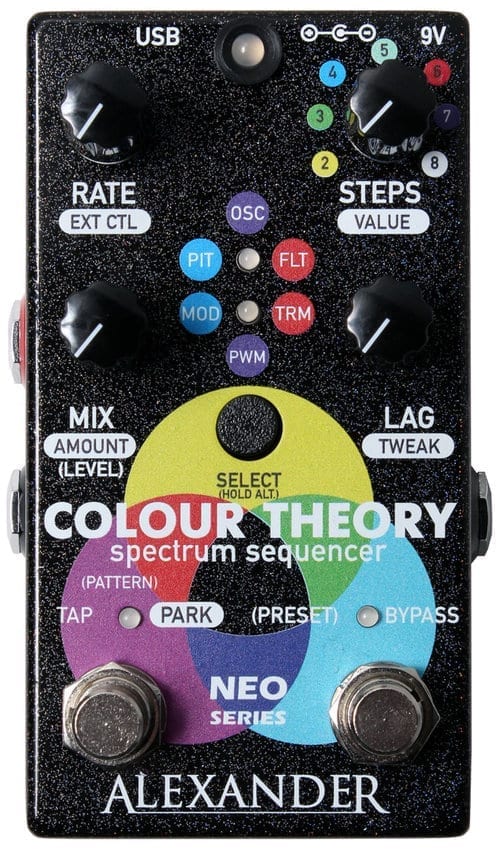
Colour Theory by Alexander Pedals
Matthew Alexander doesn’t target your traditional guitar player and I love that. I don’t know if I have a wide enough gamut of language to describe the Colour Theory, except that it’s one of the most unique pedals I’ve ever played. It has the ability to be a sequenced pitch shifter, delay, filter, oscillator, tremolo, and a PWM mode which is a sort of insane octave synth sound that you’d have to hear to understand. Every mode is customizable and you can get a pretty standard sound out of it, or you can make it sound like there’s something seriously wrong with your guitar. Matthew puts it, “We like our pedals to be capable of something normal, but we thrive on the edge of order and chaos.”
Our Official Newsletter
She Shreds Media: Our mission is to educate, empower, and inspire people through unexplored musical and cultural landscapes. Our vision is to continuously refine, redefine, and reimagine the possibilities of how music connects us, ensuring an inclusive and accessible music community 100% of the time.



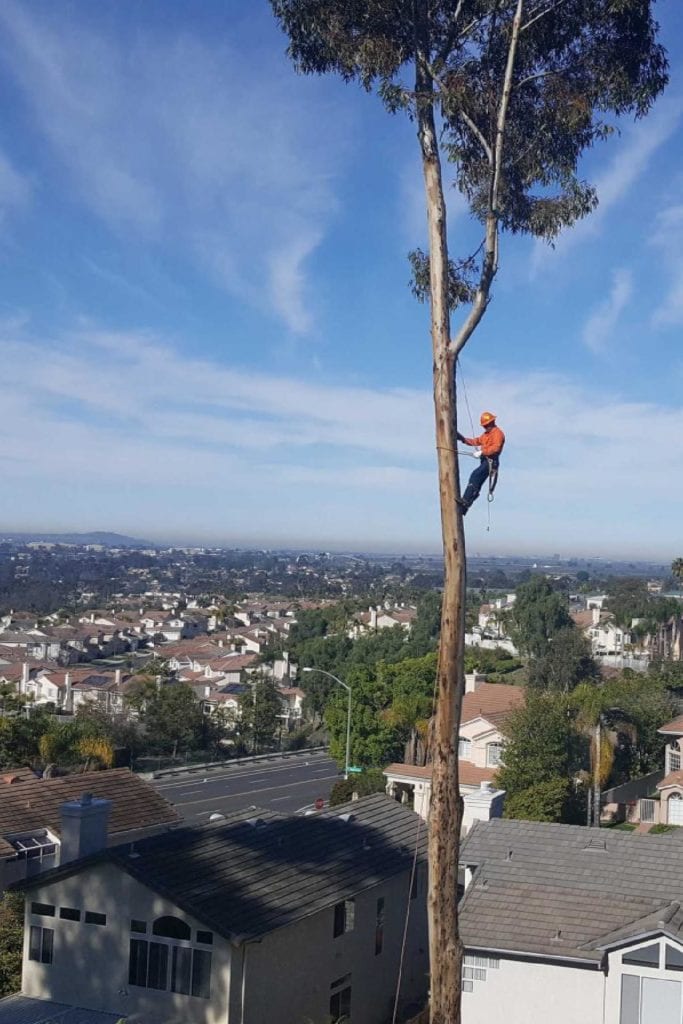
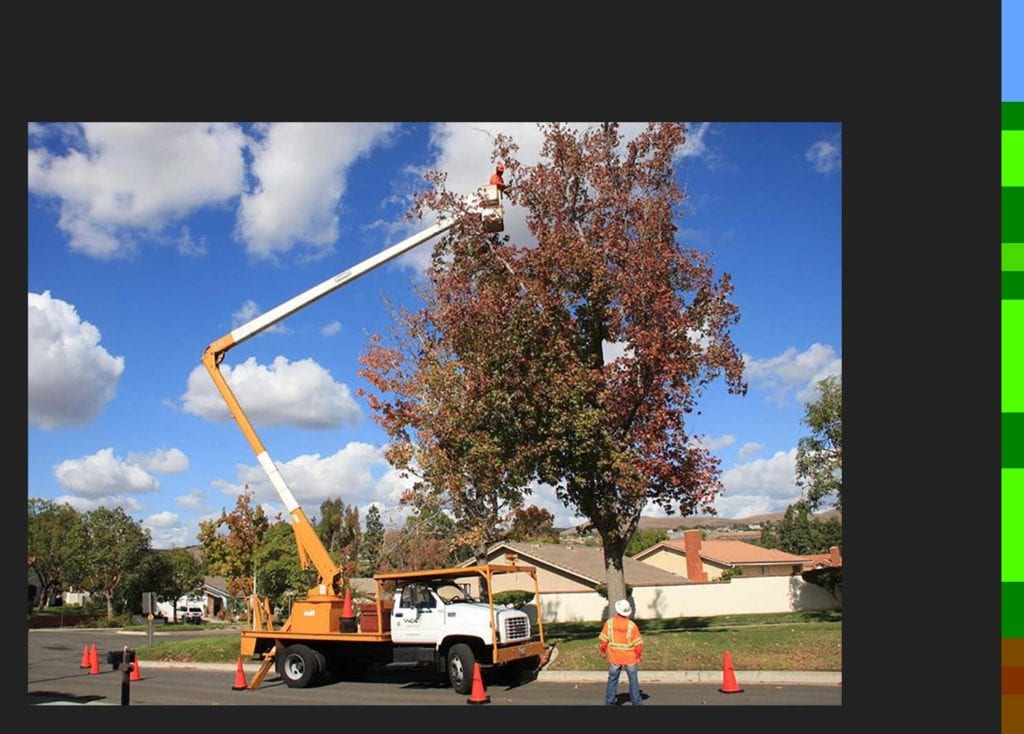
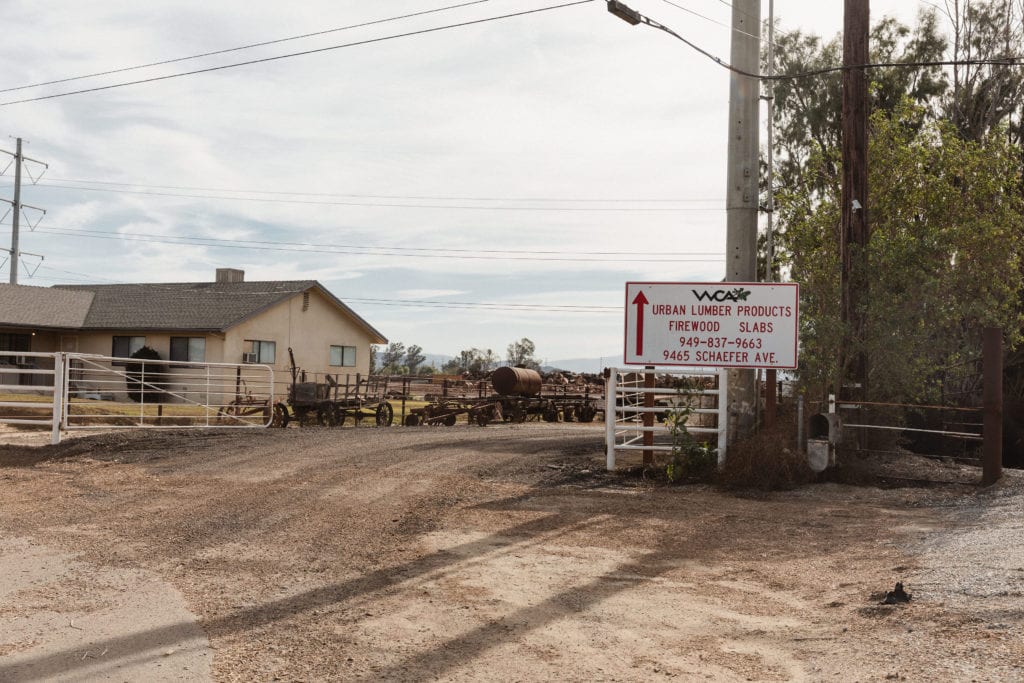
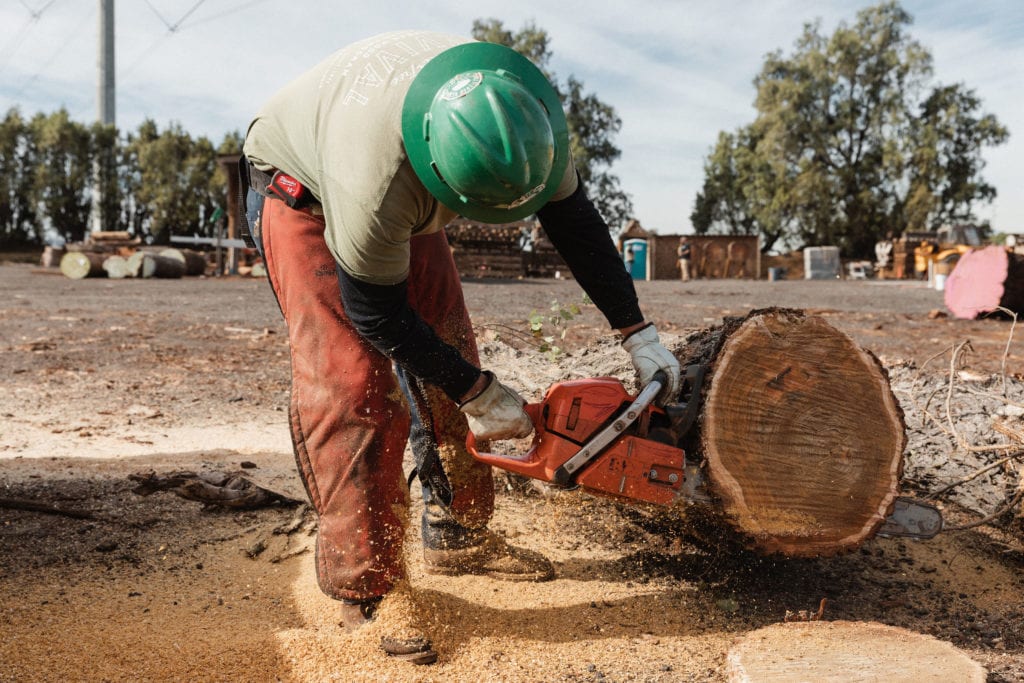

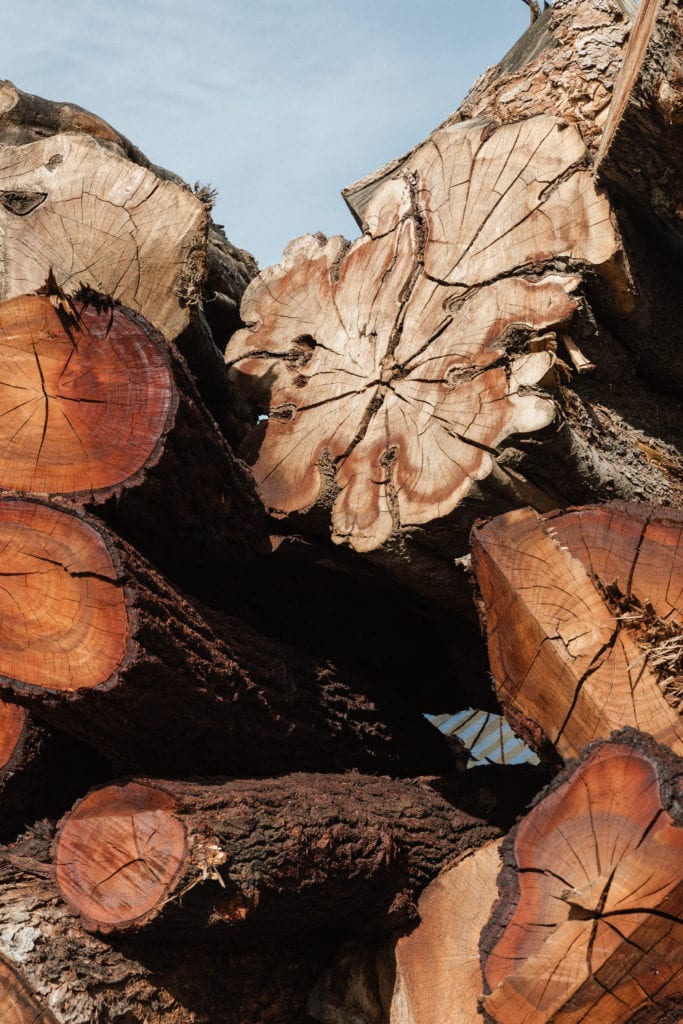
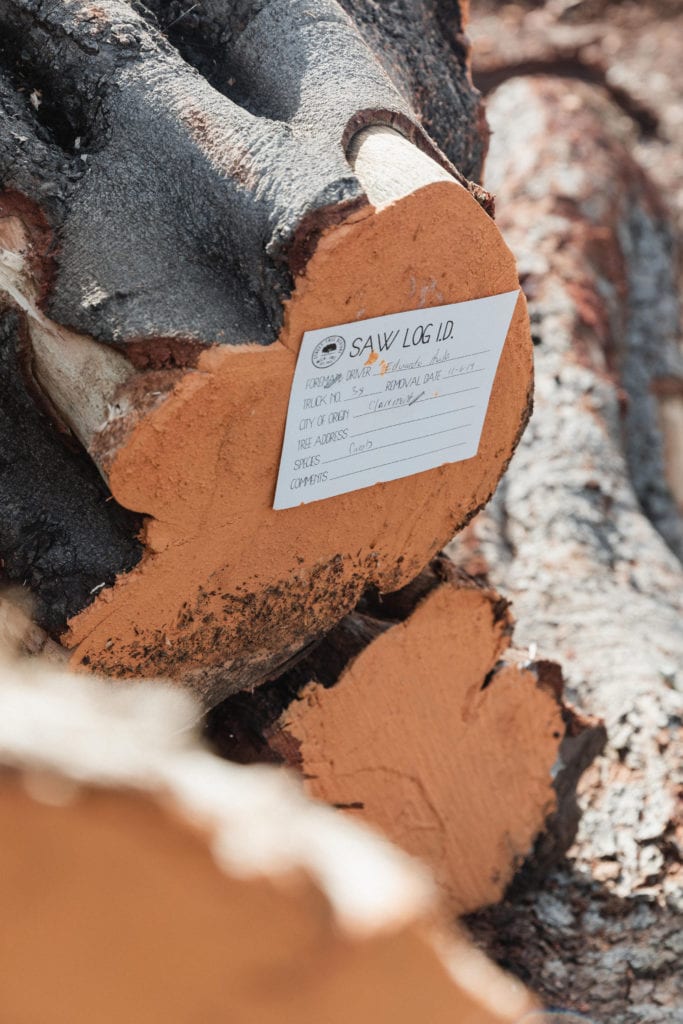
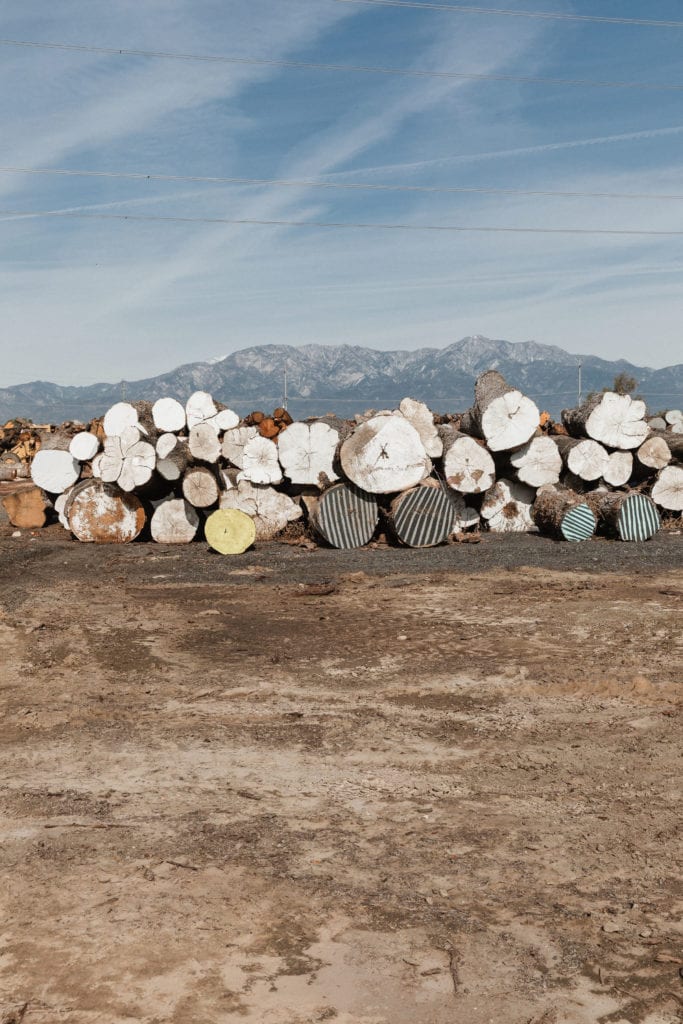
















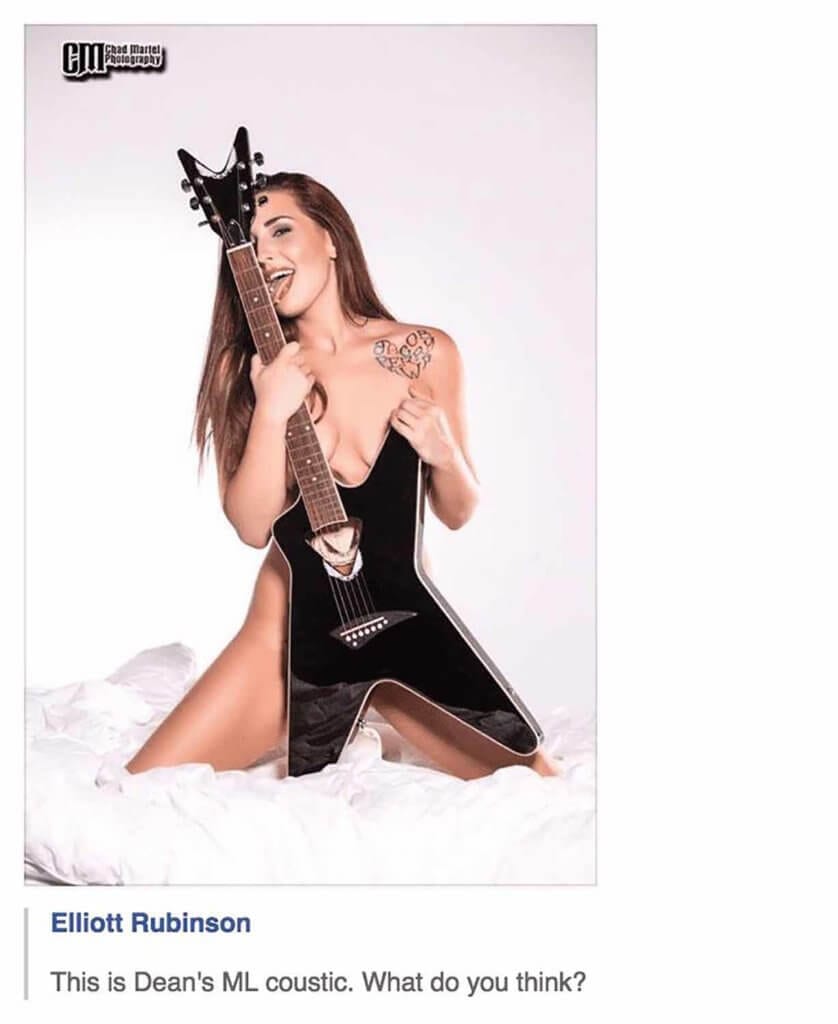
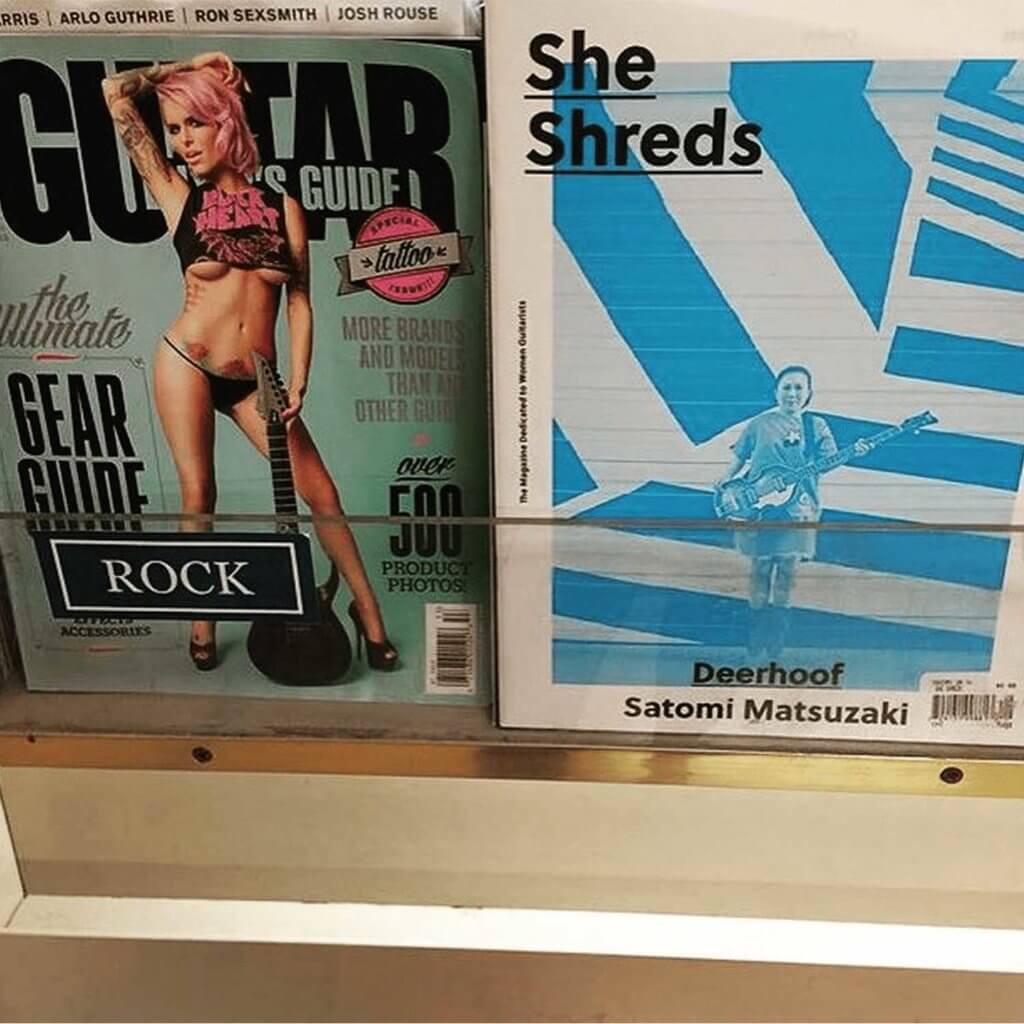
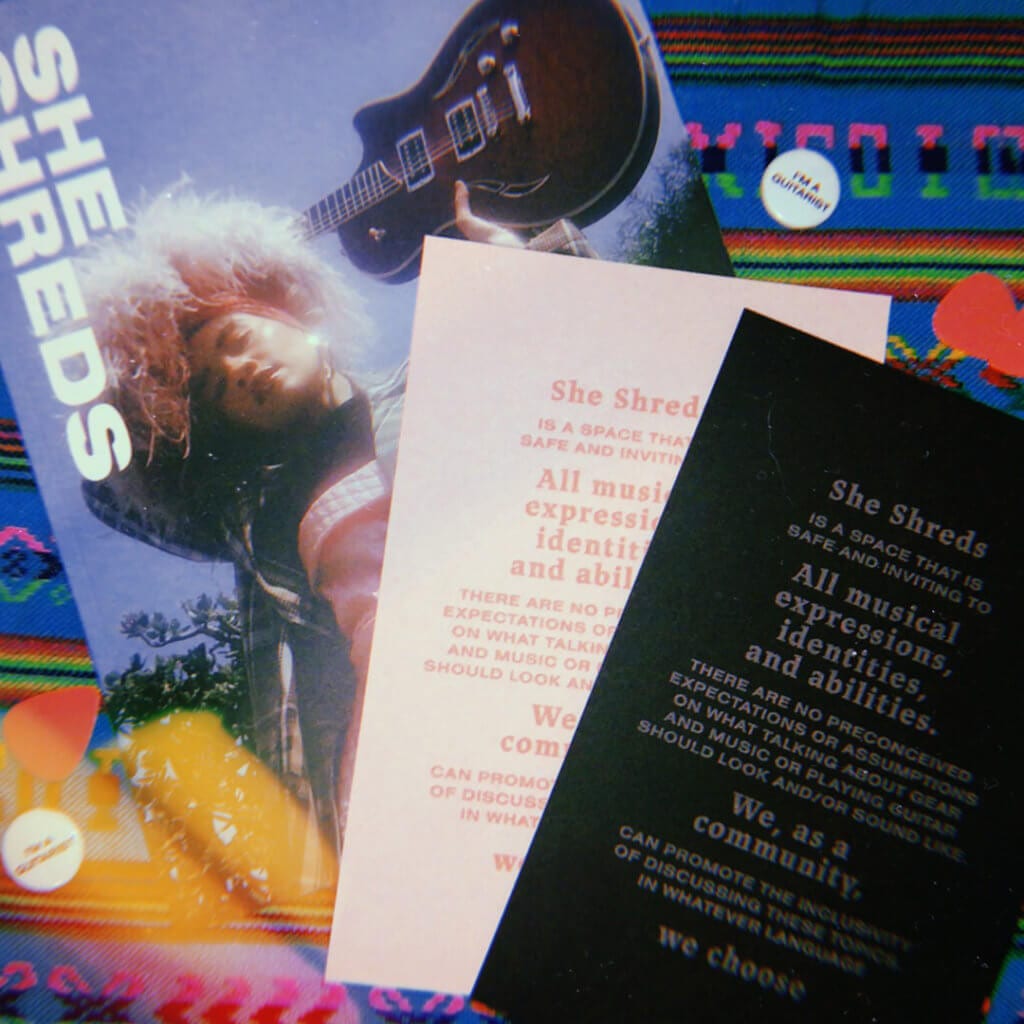








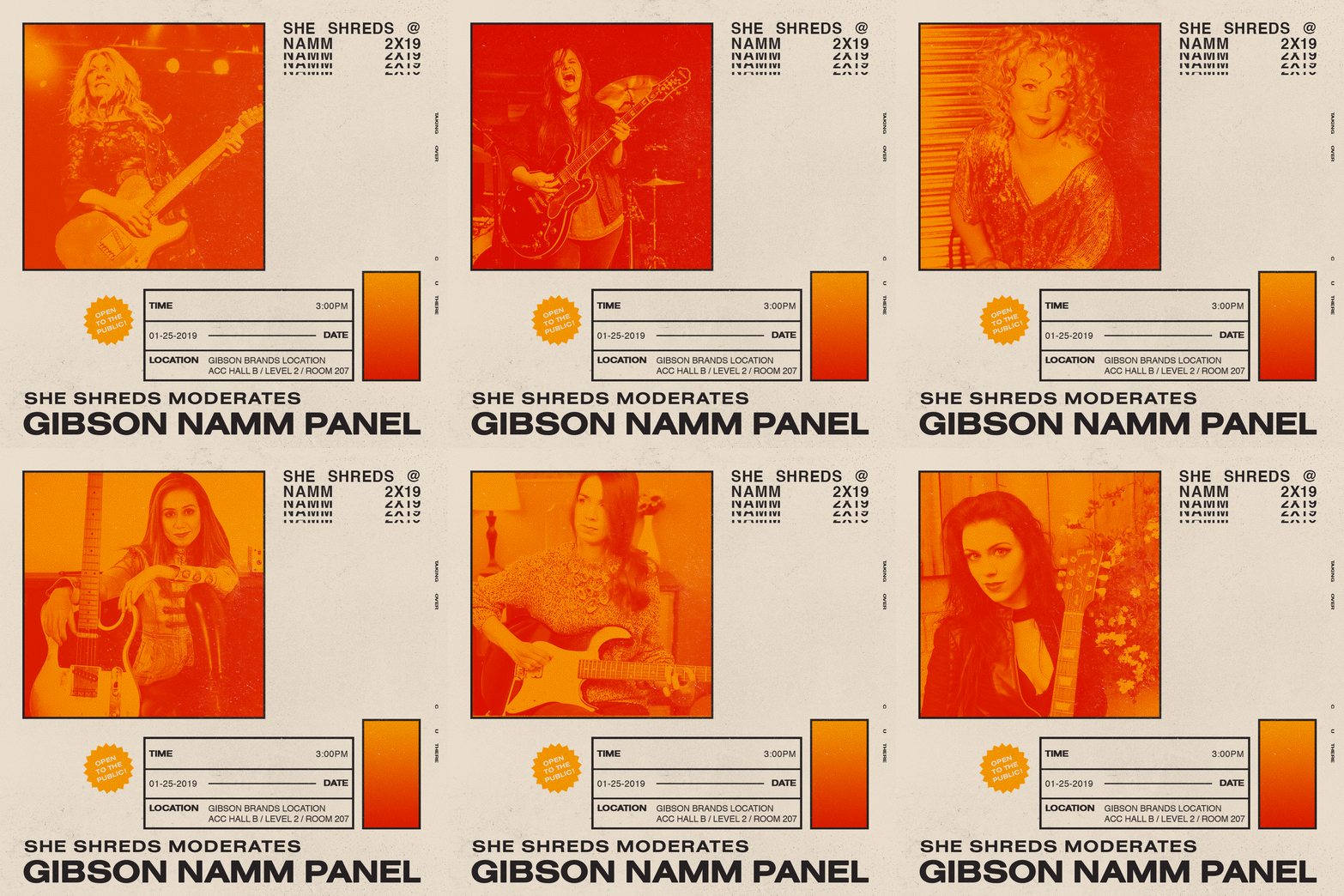
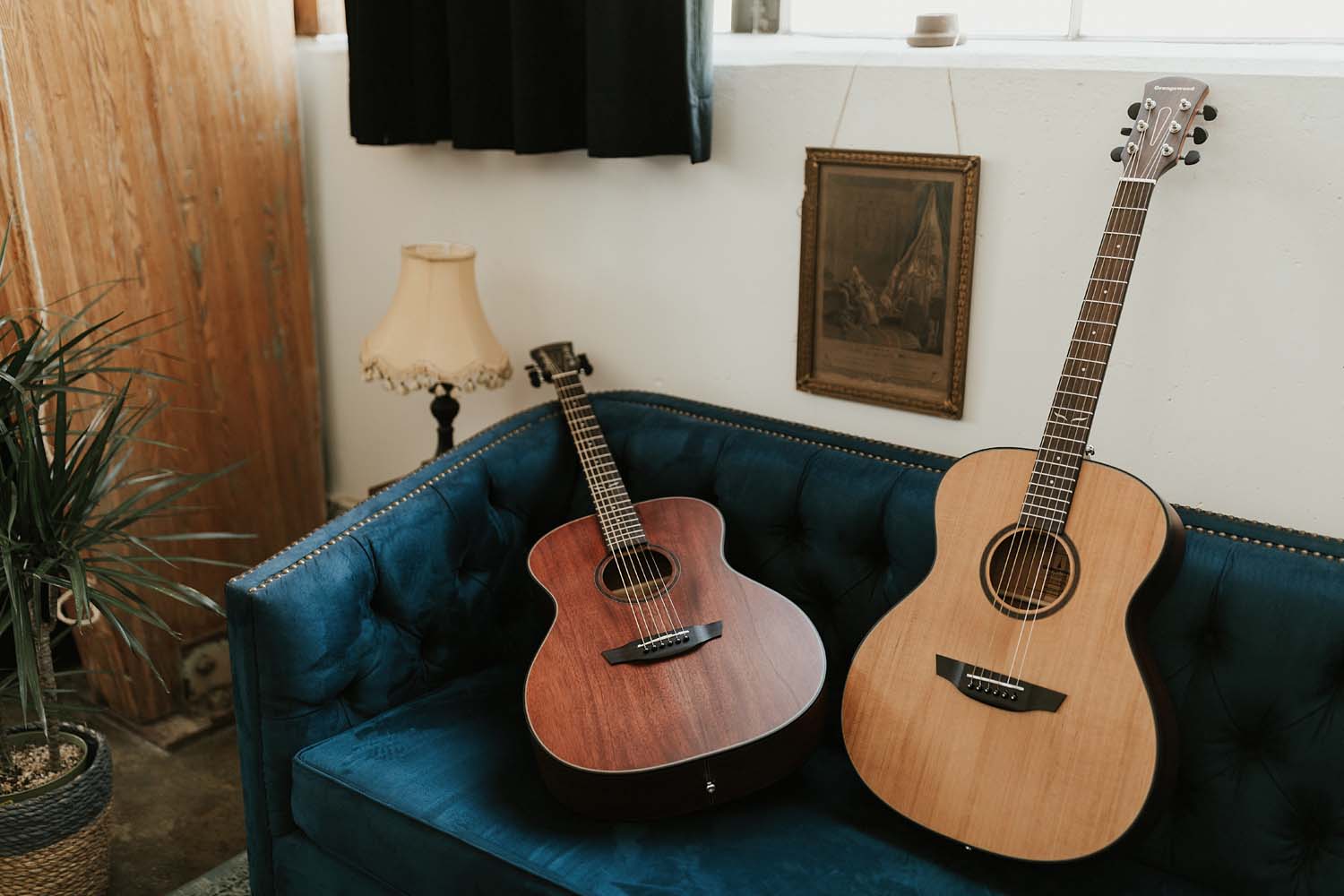
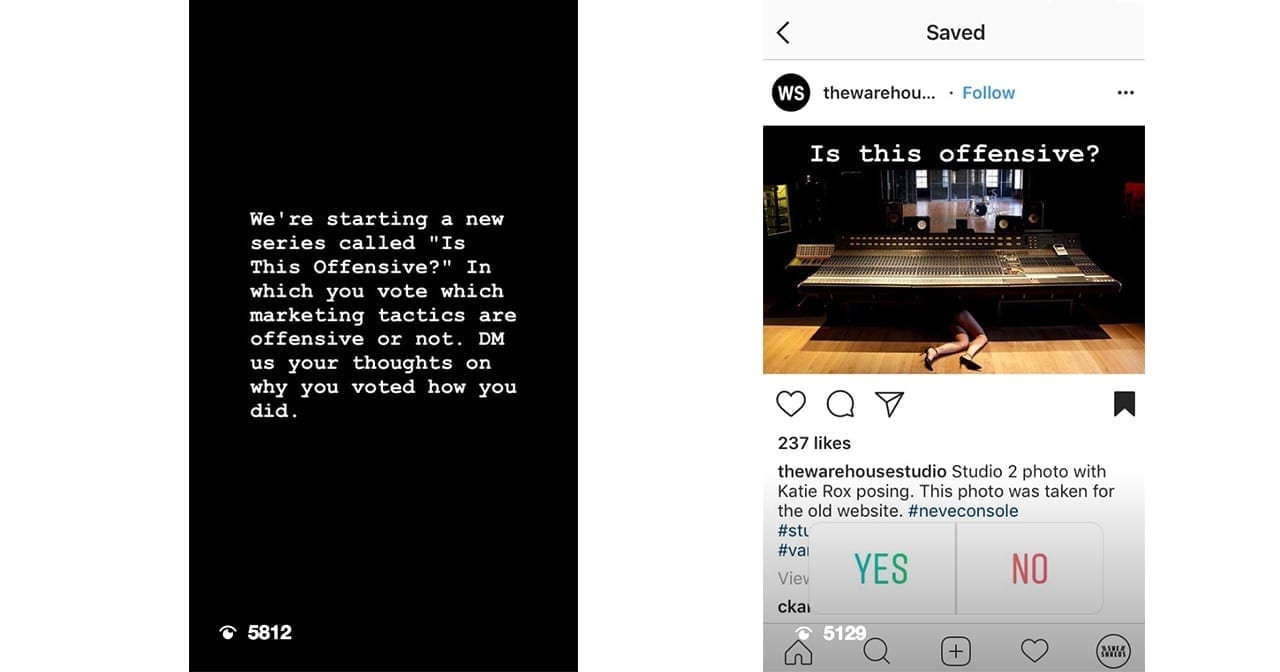
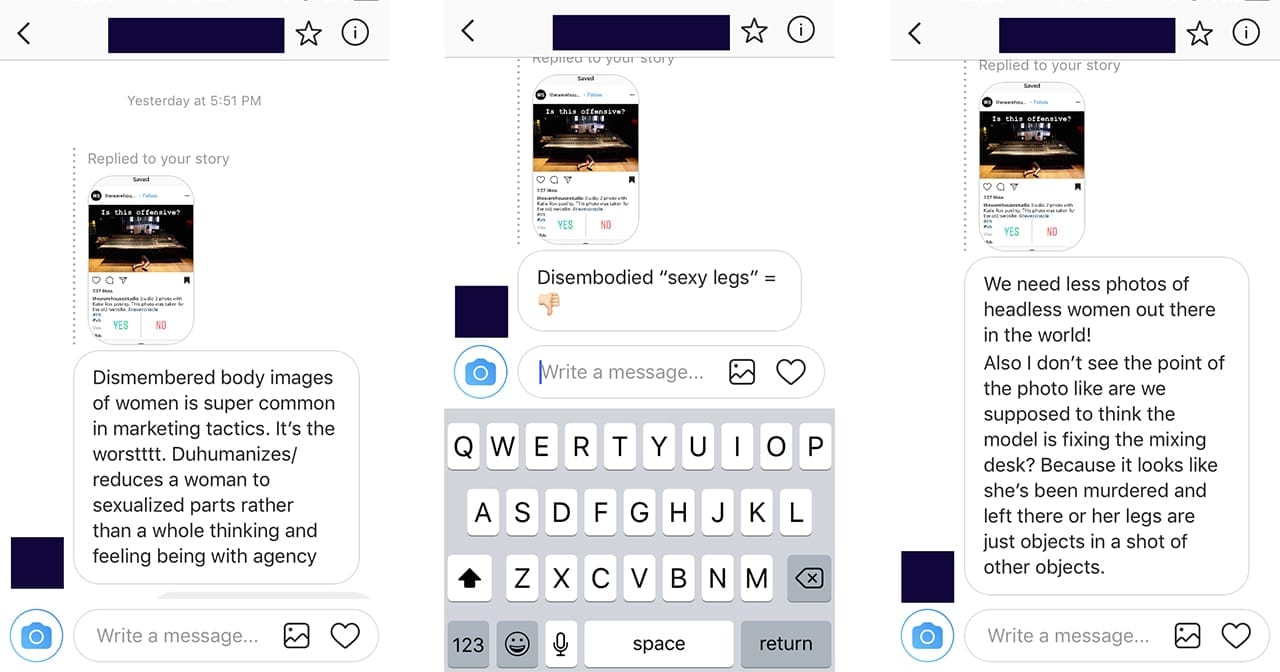
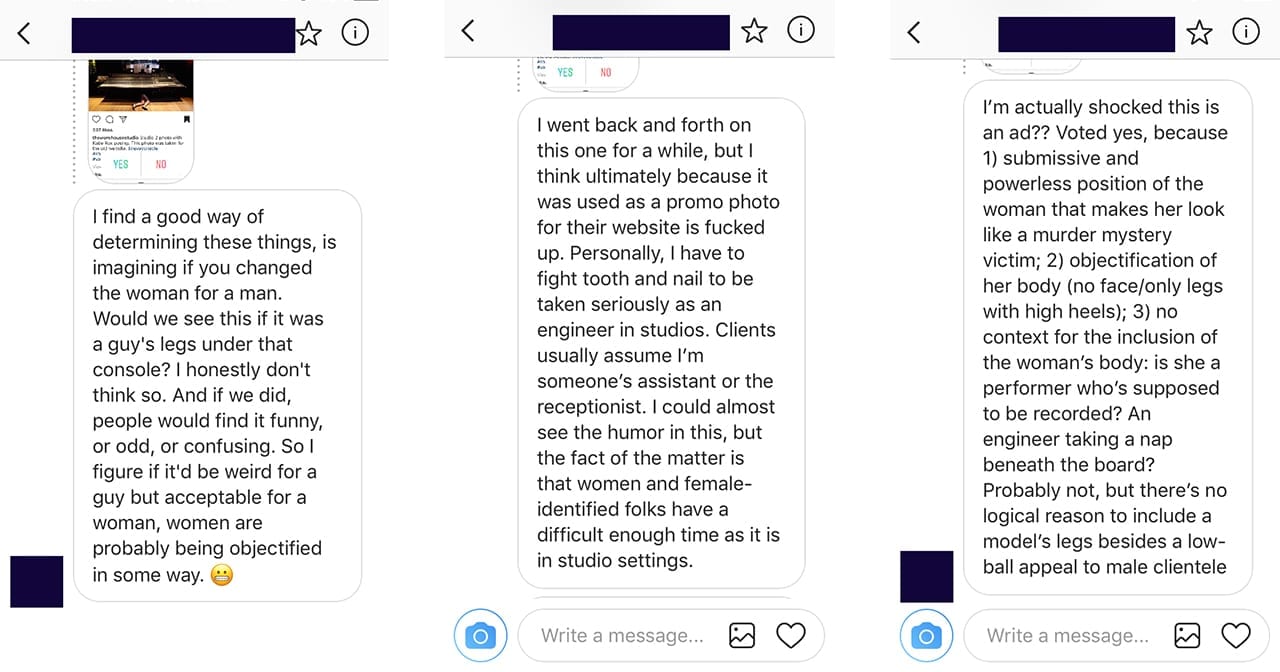
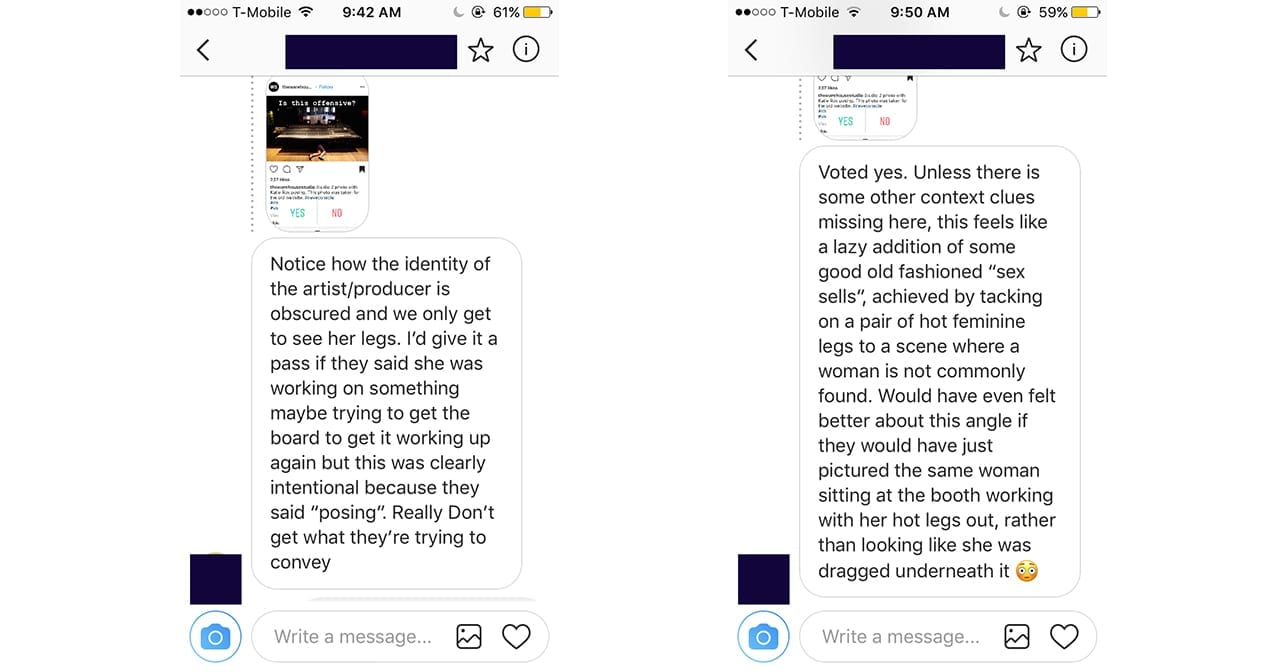
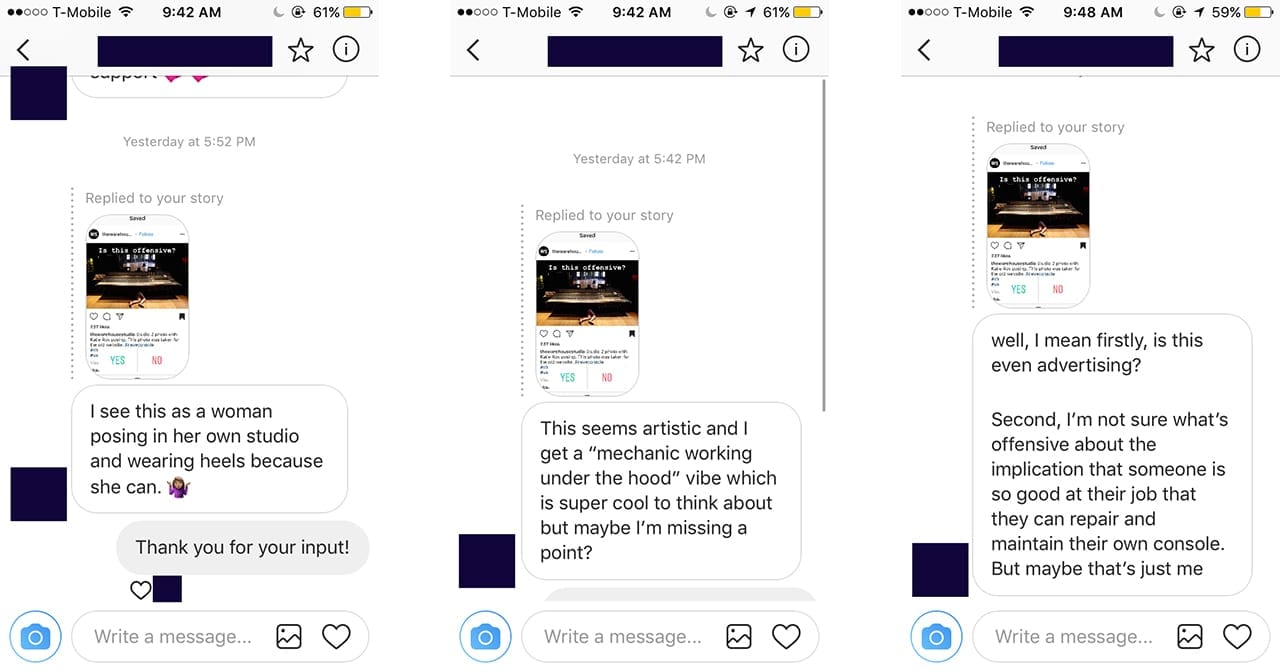
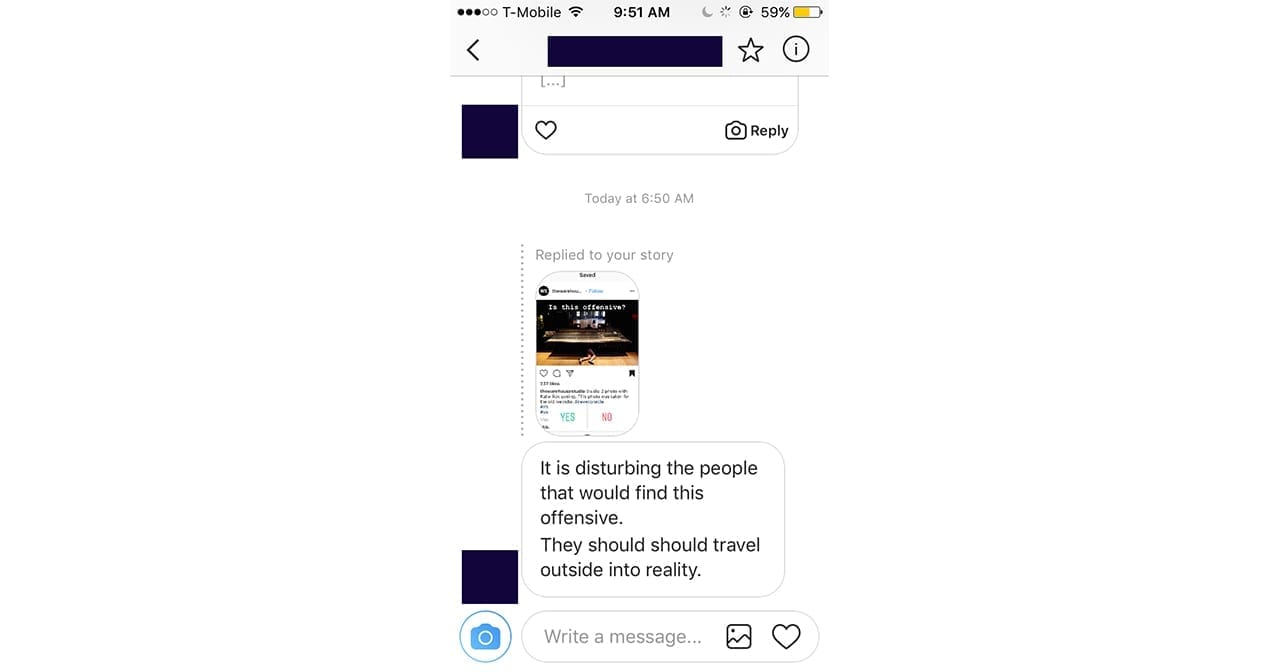

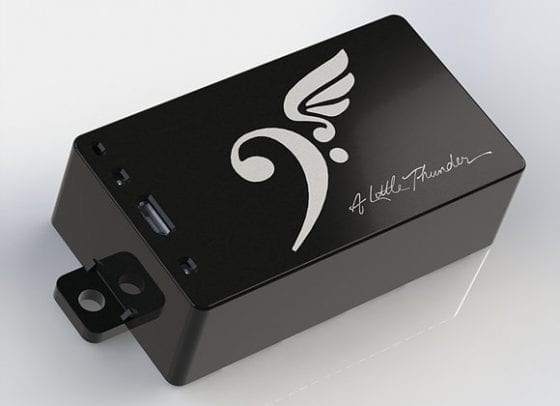 image courtesy of A Little Thunder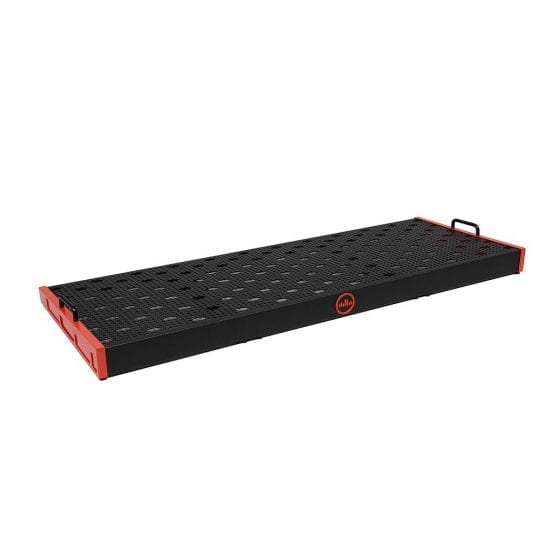
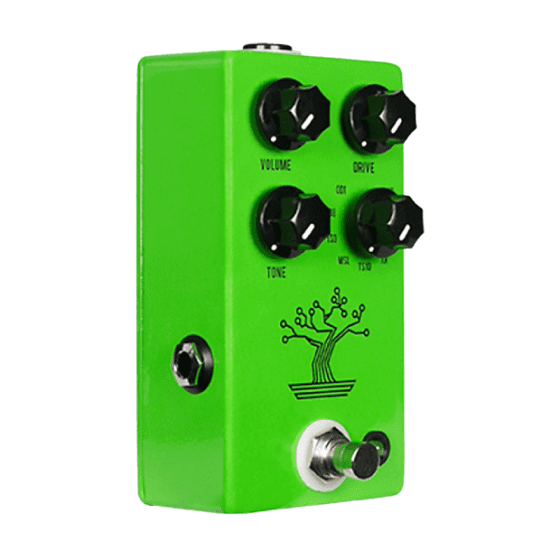 image courtesy of JHS